




Iran has said an agreement with the United States to end months of hostilities is closer than ever, with both Tehran and Pakistani mediators expressing optimism that a final deal could soon be completed.
Get today's headlines by email 
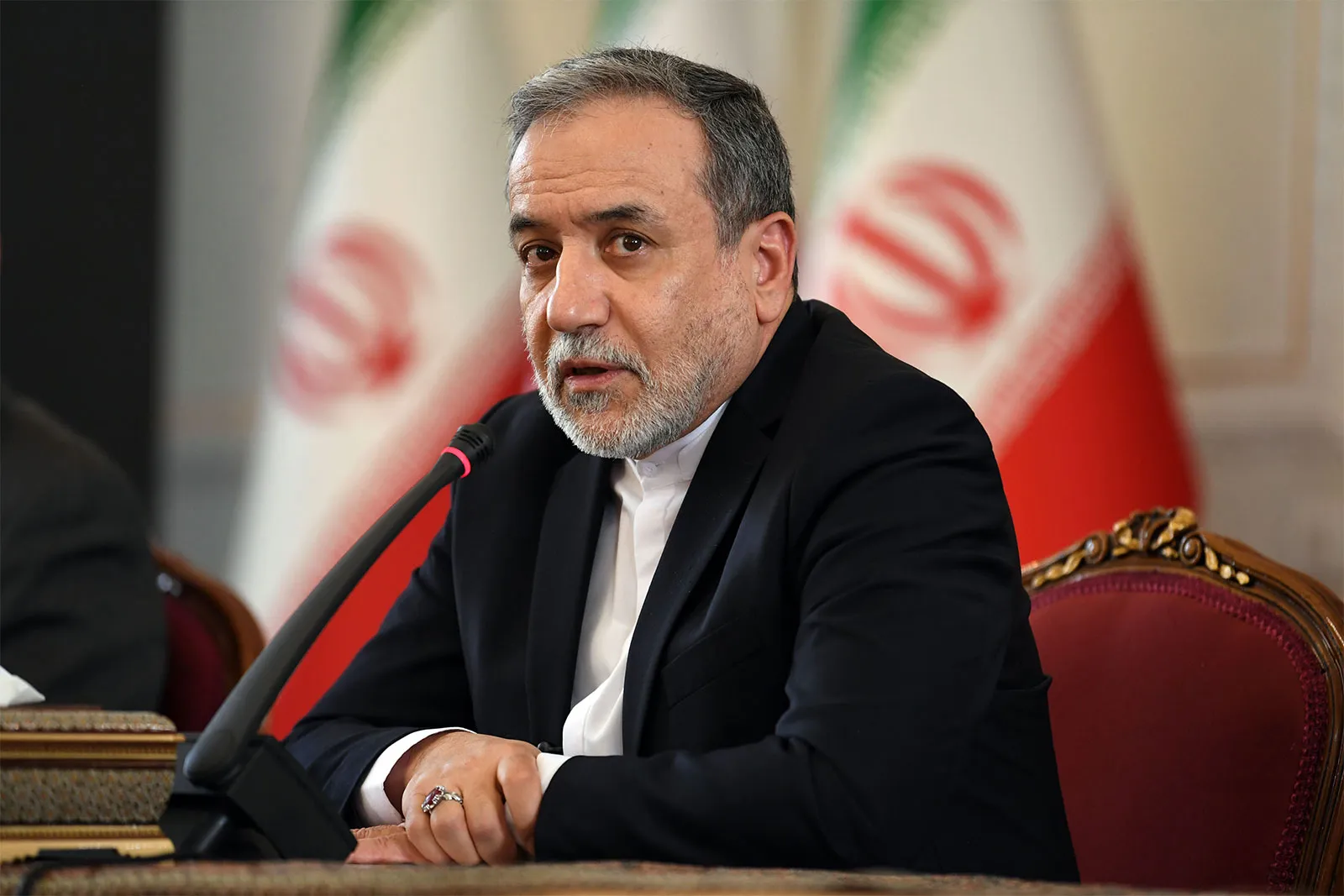
Iranian Foreign Minister Seyed Abbas Araghchi said a deal to end the fighting had “never been closer”. The assessment was echoed by Pakistani Prime Minister Shehbaz Sharif, whose government has been mediating talks between the two sides.
Sharif said negotiators had reached a final agreed text and were working with both parties on the next steps. However, neither side has officially released details of any proposed agreement.
Dispute Over Reported Terms
US President Donald Trump reposted Araghchi’s comments while urging media outlets not to speculate about the contents of the negotiations.
The remarks came after Iranian media published what they claimed were details of the proposed agreement. Trump rejected the reports, saying they had “nothing to do with the terms that were agreed to” and bore “no relation to the truth”.
He accused Tehran of leaking inaccurate information and described Iranian negotiators as “very dishonorable people to deal with”.
On Thursday, Trump said he had cancelled planned US attacks against Iran because negotiators had reached what he called a “great settlement” that could be signed soon.
Conflict and Ceasefire Efforts
The current crisis began on 28 February, when US and Israeli forces carried out extensive strikes across Iran. Tehran responded with attacks on Israel and US-aligned states in the Gulf and effectively closed the Strait of Hormuz, a vital route for global oil and liquefied natural gas shipments.
Although a ceasefire was agreed in April, the US and Iran have continued to exchange sporadic fire, including two rounds of retaliatory strikes earlier this week.
Israel is not participating in the current negotiations, which are largely being mediated by Pakistan. The talks are intended to extend the ceasefire and launch broader negotiations on issues including Iran’s nuclear programme.
Western governments have long accused Iran of seeking to develop nuclear weapons, an allegation Tehran denies, insisting its nuclear activities are intended for civilian energy production and research.
Conflicting Expectations
Iran’s Mehr news agency reported that Tehran was seeking measures including the lifting of a US naval blockade, compensation of at least $300 billion for damage caused by US and Israeli strikes, and endorsement of any final agreement through a UN Security Council resolution.
The reported terms also suggested Iran wanted sanctions relief, access to frozen assets and the suspension of restrictions on oil exports before final negotiations begin.
US officials have strongly disputed those claims.
A senior US administration official said the proposed agreement would require Iran’s nuclear material to be removed or destroyed and its nuclear programme dismantled. The official added that no Iranian funds would be released until Tehran met US conditions, reopened the Strait of Hormuz and ceased support for militant groups including Hezbollah.
US Vice-President JD Vance also rejected reports that Iran would receive immediate financial benefits, saying any rewards would depend on compliance with the agreement.
Deal Remains Unfinished
According to US officials, the proposed arrangement would be performance-based, with economic incentives tied to specific Iranian actions.
Officials estimated the chances of a deal being signed at between 80% and 85%, while acknowledging delays caused by the complexity of the negotiations and divisions within Iran’s government.
The US administration also expressed confidence that regional partners, including Israel and members of the Gulf Cooperation Council, would ultimately support the agreement while retaining the right to self-defence.
Pakistan, meanwhile, warned against what it described as misinformation aimed at undermining the negotiations, insisting that a peace deal is closer than at any previous stage of the talks.
Join the discussion? 
Already a member? 
 Adapted by ASEAN Now. Source 13 June 2026
Recommended Comments
Create an account or sign in to comment