



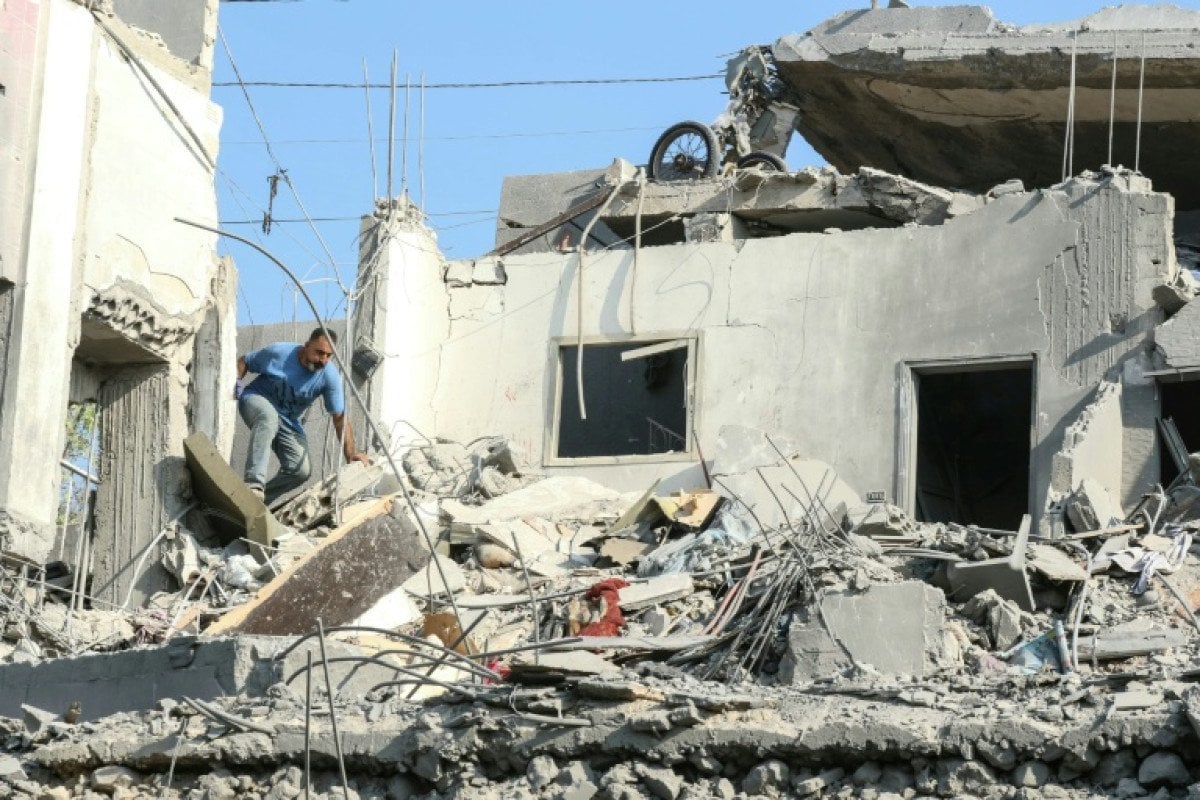

Israel carried out retaliatory strikes against an Iran-backed militant group in Lebanon, but Lebanon’s prime minister said seven people killed in one of the attacks were not military targets and urged Israel to stop what he called an “extremely dangerous” escalation.
Saturday Airstrikes Reported In The South
Lebanon’s state-run National News Agency said Israeli warplanes struck a home on the outskirts of the village of Ansar early on Saturday, August 15. It also reported a “series of airstrikes” targeting the Ali al-Taher ridge, a strategic hill overlooking the Nabatieh area, and later said there was another strike on the southern town of Deir Zahrani.
The Lebanese Health Ministry said the raids left nine people dead in the south, including three children. It said the death toll in Deir Zahrani was provisional, with additional casualties reported there after the strikes.
Casualties And Israeli Rationale
Lebanon’s Health Ministry said seven people were killed in Ansar, including three children and two women. It added that in Deir Zahrani, two people were killed and nine others were wounded.
An Agence France-Presse correspondent reported seeing a destroyed building in Ansar as rescuers removed human remains from the rubble, describing dust and debris blanketing the area around a damaged swimming pool.
An Israeli army statement said it targeted Hezbollah “terror infrastructure” in the areas of Nabatieh and Ansar. It said the strikes were carried out “in response to an action” by Hezbollah against Israeli soldiers in the Ali al-Taher ridge area.
Prime Minister Denounces “Non-Military” Deaths
Prime Minister Nawaf Salam said the seven people killed in Ansar were not linked to military infrastructure and that women and children killed in the strike were not military targets. He urged Israel to halt the escalation, saying it was extremely dangerous and could undermine efforts to stabilise the south.
Salam’s remarks came as Lebanon said the raids were among the deadliest since Israel and Hezbollah agreed terms in June that had reduced hostilities.
Ongoing Tensions After June Deals
Lebanon said Hezbollah’s rocket attacks at Israel in March drew the country into a wider Middle East war, after which Israel launched heavy airstrikes and a ground invasion, according to Lebanese authorities, that have killed more than 4,300 people.
Violence has decreased since a US-Iran memorandum of understanding was signed in June, covering the broader war, and after a US-sponsored framework agreement between Lebanon and Israel later that month. That framework includes disarmament of Hezbollah, a gradual withdrawal of Israeli forces from south Lebanon and the deployment of the Lebanese army to the region, starting in “pilot zones”.
Despite the reduction in overall hostilities, Lebanon continues to report intermittent Israeli strikes and broad demolitions of civilian buildings in southern villages and towns. The National News Agency said the valley between Ansar and Zarariyeh was struck as well, describing it as the first attack at that geographical depth since the ceasefire about two months earlier.
Ansar is around 20 kilometres from the Israeli border and lies beyond a so-called “yellow line” declared by the Israeli army, which runs along the frontier where Israeli troops are operating.
On Friday, Hezbollah leader Naim Qassem accused Lebanese authorities of placing undue pressure on the country’s armed forces as they implement the framework deal.
Join the discussion? 

15 August 2026
-
 2
2
Recommended Comments
Create an account or sign in to comment