



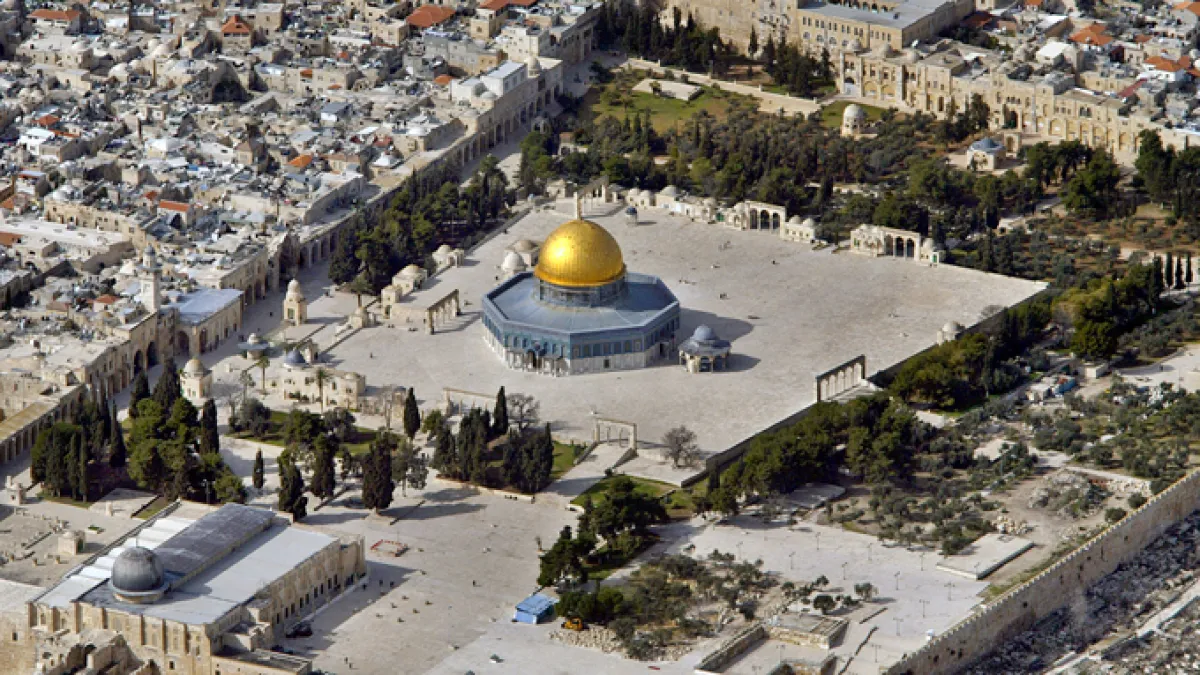

A decades-old agreement governing Jerusalem’s most sensitive religious site is facing renewed pressure as Israeli nationalist activists and politicians increasingly challenge restrictions on Jewish prayer at the al-Aqsa mosque compound.
Get today's headlines by email 
The issue was highlighted by comments from Israeli nationalist politician Moshe Feiglin, who openly advocated building a new Jewish temple on the site while visiting the compound, known to Muslims as al-Haram al-Sharif and to Jews as the Temple Mount.
Growing Challenge to Longstanding Holy Site Arrangement
Feiglin prayed and sang religious songs with a group of Jewish worshippers at the site, actions that critics say violate longstanding arrangements intended to preserve stability at one of the world’s most contested religious locations.
Under the Status Quo system, custody of the compound remains with the Jordanian-administered Islamic Waqf. While non-Muslims may visit, Muslim worship is traditionally the only form of prayer permitted inside the compound.
Reports Fuel Concern Over Possible Changes
Recent media reports claiming Israeli and American officials have discussed altering the current arrangements have triggered concern across the region.
According to those reports, a new Israeli body could eventually designate the site as a “multi-faith centre,” potentially allowing expanded Jewish prayer and increasing Israeli oversight of the compound.
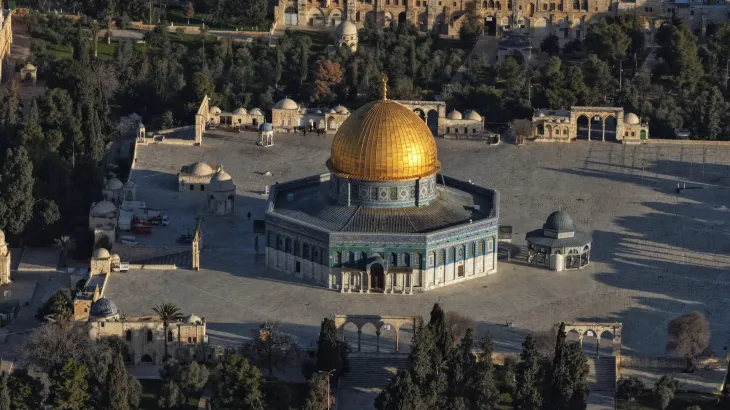
video screenshot
At a congressional hearing, Marco Rubio said he had no knowledge of such plans. Meanwhile, Mike Huckabee has frequently emphasised Jewish historical ties to religious sites in Jerusalem and the occupied West Bank.
The office of Israeli Prime Minister Benjamin Netanyahu has repeatedly stated that there has been no change to the Status Quo arrangements.
Islamic Authorities Warn of Consequences
Palestinian and regional officials have warned that any formal alteration to the existing system could provoke serious unrest.
Dr Mustafa Abu Sway, deputy head of the Islamic Waqf Council, said changing the status of the site would risk destabilising relations between Muslims and Jews and could threaten broader regional peace.
Jordan, Egypt and several Gulf states have also expressed concern about what they see as a gradual erosion of Islamic authority at the compound. The British government has likewise called for the historic arrangements governing Jerusalem’s holy sites to be respected.
Nationalists Push for Greater Israeli Control
Among those advocating greater Jewish access is Israeli National Security Minister Itamar Ben-Gvir, who has become a prominent supporter of expanded Jewish prayer rights at the compound.
During last month’s Jerusalem Day celebrations, Ben-Gvir led nationalist supporters through East Jerusalem and visited the site, where he declared that the Temple Mount belonged to the Jewish people. He has previously supported Jewish prayers and religious songs in parts of the compound despite objections from Muslim authorities.
Supporters view such moves as correcting historical restrictions, while opponents argue they undermine a fragile arrangement that has helped prevent wider conflict.
Echoes of Past Violence
The dispute carries particular sensitivity because of its role in previous outbreaks of violence.
In September 2000, then-opposition leader Ariel Sharon visited the compound under heavy police protection. The visit was widely viewed by Palestinians as provocative and became one of the events associated with the outbreak of the Second Intifada.
Over the following five years, violence across Israel, the West Bank and Gaza claimed more than 4,000 lives.
As pressure grows from nationalist groups seeking changes at the site, many observers fear that any significant alteration to the governance or religious practices at Jerusalem’s holiest and most politically sensitive location could once again inflame tensions across the region.
Join the discussion? 
Already a member? 
 Adapted by ASEAN Now. Source 17 June 2026
Recommended Comments
Create an account or sign in to comment