



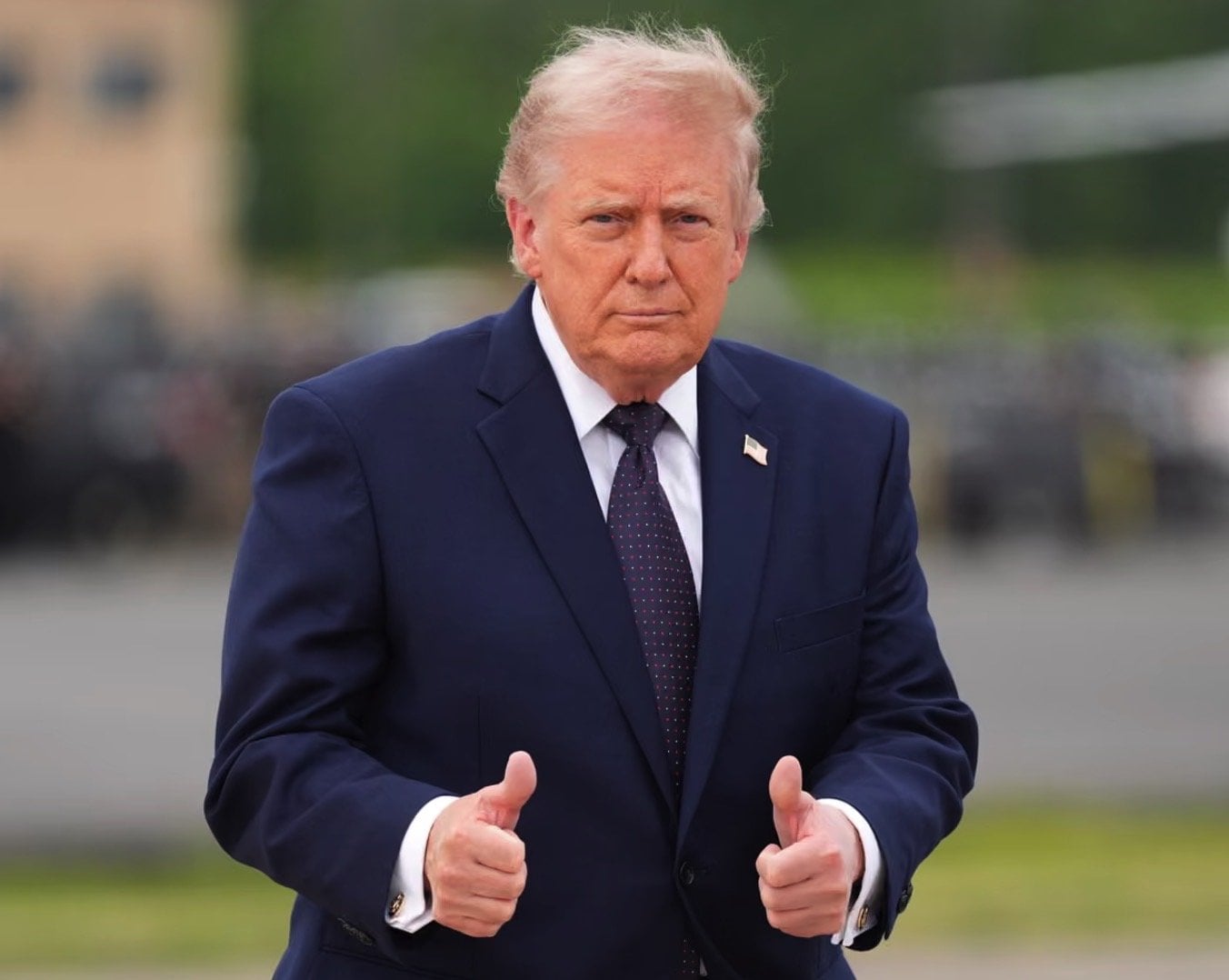

Legal and ethics experts and senior Democrats have raised alarm after Donald Trump’s second term, saying his administration has allowed him to expand his personal wealth while oversight of potential conflicts of interest has weakened.
They point to financial disclosure filings showing that Trump generated unprecedented returns from crypto-linked activities and used political and media platforms tied to him to monetise access. Trump’s allies and advisers dispute that he has breached conflict rules, arguing he is complying with applicable laws.
Crypto windfalls and investor losses
Trump reported revenue of about $2.2bn in 2025, according to the filing cited by critics, describing a rise driven by his cryptocurrency holdings and related business activity. In disclosures submitted in June, he reported earning at least $1.4bn from crypto ventures.
Critics also highlighted harm to investors. They said roughly one million people were exposed through a Trump-linked crypto scheme and collectively lost nearly $3.8bn as the value of volatile holdings fell.
Trump’s embrace of crypto has been central to the scrutiny. Critics noted his earlier remarks warning that the sector was a “scam” and a “disaster waiting to happen” in 2021, before he later backed efforts to promote the US as a hub with less regulation.
Truth Social access for a fee
Democrats also focused on Trump’s Truth Social business. They say it is pushing a scheme offering wealthy buyers special early access to his posts for $100,000 per month, raising potential conflict-of-interest and corruption concerns.
In July, Senator Mark Warner, a Democrat, wrote to six major Wall Street industry groups urging them to reject a new Truth Social product branded “Truth API”. Warner argued the proposal would “sell privileged access” to presidential communications that can move markets, benefiting Trump’s personal finances.
Virginia Canter, chief counsel for ethics and anti-corruption at Democracy Defenders Action, said the approach represented an escalation in using office for private gain, and warned that providing high-speed access to non-public information could encourage conduct resembling insider trading.
Truth Media & Technology, the company behind Truth Social, said on 10 August that it lost $238m in the three months through June, after expanding into new businesses including crypto.
Deals involving the justice department and foreign interests
Beyond media and crypto, critics said Trump has also pursued transactional decisions that favour himself and his family.
They cited concerns that Trump’s justice department helped shape a settlement of a $10bn lawsuit Trump brought against the IRS over a leak of his tax returns. Critics said the agreement could grant him and his family immunity from audits of prior tax years and potentially save $100m.
Other scrutiny involved foreign-related assets. Critics said Trump sought to circumvent the constitutional prohibition on foreign emoluments by accepting a $400m plane as a gift from Qatar, alongside additional backing from wealthy foreigners for Trump family hotel and golf deals abroad.
Ethics experts said Trump has not fully insulated himself from conflicts. They noted that, unlike some predecessors, he has declined to place assets into a completely blind trust or to divest from his businesses.
Regulatory gaps and shifting oversight
Former election officials and legal experts said the pattern amounts to an unprecedented approach to benefiting financially from the presidency. Larry Noble, a former general counsel at the Federal Election Commission, said Trump reported business holdings earning over $2bn in the first year of the term, and warned that the administration’s stance amounts to “pay to play”.
Princeton historian Julian Zelizer told the Guardian that Trump has removed “guardrails” between his businesses and public policy, while Cornell economist Eswar Prasad criticised what he described as regulatory laxness toward the crypto industry, arguing it directly benefits the Trump family.
Critics cited Binance, the world’s biggest crypto exchange, saying weak oversight and enforcement have contributed to scandals. They also pointed to a $2bn investment involving Binance and a World Liberty Financial stablecoin, alongside prior criminal and compliance actions relating to Binance and its former chief executive, Changpeng Zhao, who was pardoned by Trump.
A CNN poll released in late July found 66% of respondents agreed Trump does not put the good of the country over personal gain.
Join the discussion? 

14 August 2026
-
 1
1
Recommended Comments
Create an account or sign in to comment