



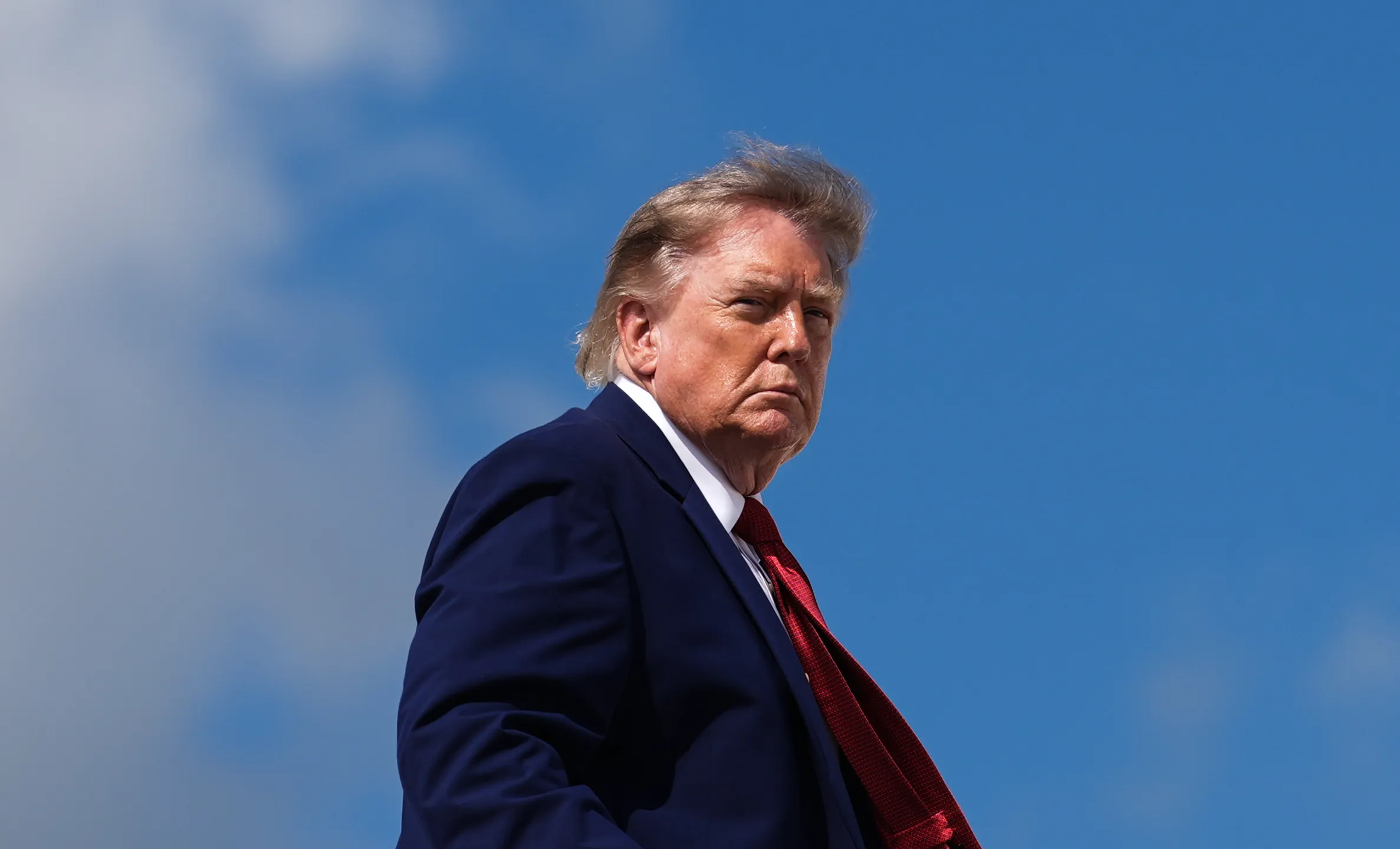

President Donald Trump has been signalling for weeks that congressional Republicans could face blame of their own if the party suffers major losses in the 2026 midterm elections
ANALYSIS
Trump has long disliked losing elections, repeatedly trying to explain setbacks by pointing to unsubstantiated claims of mass voter fraud. Ahead of November, he has instead turned his focus inward, suggesting that Republicans would be responsible if they fail to meet expectations at the ballot box.
Resharing And Threat Of “Frustration”
On Wednesday, Trump drew attention by re-sharing a month-old post by a loyal supporter, Matt Van Swol, who warned that Republicans were “sleepwalking toward a midterm reckoning they don’t see coming”.
In the original post, Van Swol argued that Republicans in Congress had not delivered legislative progress to support Trump’s agenda, and said that if lawmakers did not begin producing “tangible results”, voters’ frustration would have consequences.
Trump later posted additional material listing what he said were his own achievements. He also shared an image declaring “mission accomplished” in the Iran war, underscoring the contrast he was drawing between his record and what he suggested the party has not done enough to secure.
Leavitt Response And False Claims
Asked on Thursday whether Trump was distancing himself from congressional Republicans, White House press secretary Karoline Leavitt said: “The president is wholeheartedly committed to helping Republicans across the board retain the majority.”
But Trump had set out the case more directly earlier in the month, including in an interview with Punchbowl News in which he claimed—falsely—that voters were angry at other Republicans rather than him. He said: “The question is, will (people) vote? Because a lot of them are very angry at Republicans, to be honest with you,” adding: “They’re angry at Republicans, but they’re not angry at me.”
The article also references polling figures from CNN Poll of Polls, saying 63% of Americans disapprove of Trump and that fewer than 1 in 5 strongly approve of him in most quality polls.
Trump’s broader messaging has also suggested voters would reward him personally while withholding support from other Republican figures, setting up the possibility of a sharper intraparty fight if the GOP does poorly.
Push On Elections Bill And Filibuster
Earlier in the summer, Trump urged Senate Republicans to abandon the filibuster and pass his elections bill, the “Save America Act”, repeatedly framing the issue as a test for the party’s electoral prospects.
At Mount Rushmore on July 3, he said Republicans could only “lose the midterms” if they failed to pass the legislation, adding that refusing to do so could be “foolish, stupid, and unwise”. Later in July, he warned that if Republicans did not “get it done”, it would be “a very bad thing for the party”.
On July 29, Trump said that if there was not “unanimous GOP support”, voters should look at the Republicans who withheld it. He also targeted Senate Majority Leader John Thune in posts that implied disappointment with efforts to remove the filibuster, including a message stating: “Remember, stupidity always brings LOSING & DEATH!”
Trump has also encouraged voters to “pretend” he is on the ballot and vote accordingly, while seeking to keep the midterms focused on him through a Trump-branded midterm convention next month. The Atlantic reported that the convention and related advertising plans featured Trump prominently in super PAC materials, according to the article.
Midterm Strategy And Potential Fallout
The warning from Trump’s approach is that the political coalition that supports him may be less reliable when he is not personally on the ballot. With his approval ratings described as low, Republicans have acknowledged they face limited space to win over swing voters, with CNN reporting that sources pointed instead to mobilising MAGA supporters.
If Republicans were to lose one or both chambers of Congress, the narrative would likely turn quickly to how much damage Trump’s role has done to the party and to whether he is a weakened lame-duck president with two years remaining. In that scenario, he would be expected to respond to any suggestion his leadership is responsible for the results.
If, however, Trump chooses to lay the blame primarily on congressional Republicans, the GOP could face a difficult internal struggle shortly after an election defeat, just as it looks for a new direction beyond the Trump era.
Join the discussion? 

28 August 2026
-
 4
4
Recommended Comments
Create an account or sign in to comment