




US consumer inflation accelerated to its highest level in three years in May, prompting renewed scrutiny of President Donald Trump’s economic policies after he welcomed the increase, declaring that he “loves the inflation.”
Get today's headlines by email 
Data released by the Bureau of Labor Statistics showed consumer prices rose 4.2% in May compared with a year earlier, up from 3.8% in April. The increase marked the third consecutive monthly rise and was largely driven by higher energy costs linked to the ongoing US-Israel conflict with Iran.
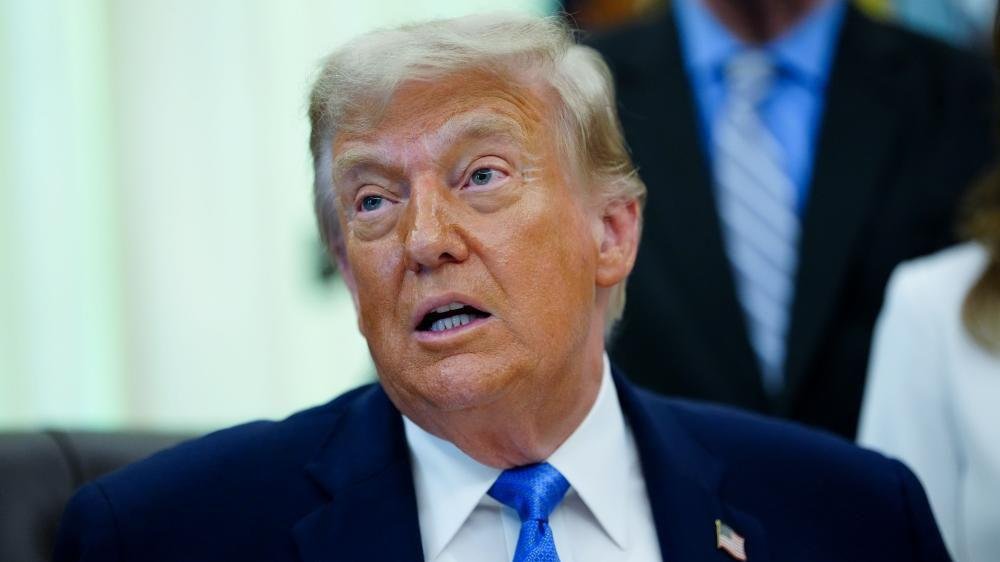
Speaking at the White House, Trump described the figures as positive.
“I love it. The numbers were great. You know what? I really love the inflation,” the president said.
Energy Costs Drive Price Pressures
The latest inflation surge was fueled primarily by rising fuel and energy prices. Overall household energy costs, including gas and electricity, were nearly 25% higher than a year earlier, with petrol accounting for much of the increase.
According to motoring group AAA, the average price of a gallon of regular petrol has climbed to $4.15, compared with $2.98 on February 28, when Trump ordered strikes on Iran.
The conflict has disrupted global energy markets after Iran effectively closed the Strait of Hormuz, a key shipping route through which around one-fifth of the world’s oil and gas supplies normally pass. Although oil prices have eased slightly in recent days, Brent crude remains well above levels seen before the conflict began.
Trump said US military operations had removed millions of barrels of oil from Iran, helping to lower prices. He predicted energy costs would fall sharply once the conflict ends.
“When this conflict is over… you will see oil drop to where it was before,” Trump told reporters, adding that petrol prices could soon return to levels he said he observed during a trip to Iowa earlier this year.
Wider Inflationary Pressures
Beyond energy, the Bureau of Labor Statistics reported rising costs across several sectors, including air travel, medical and personal care services, recreation and communications.
The Consumer Price Index measures changes in prices compared with the same month a year earlier. The Federal Reserve’s long-term inflation target remains 2%, meaning current inflation is running at more than double the desired rate.
The latest figures highlight a growing challenge for Republicans ahead of November’s midterm elections, particularly after Trump campaigned heavily on reducing living costs.
Economists have warned that even if the conflict ends quickly, disruptions to shipping through the Strait of Hormuz could persist for years, potentially prolonging upward pressure on prices.
Fed Faces Interest Rate Dilemma
The inflation data also presents an early test for new Federal Reserve Governor Kevin Warsh, who is due to oversee his first interest-rate decision next week.
Central banks typically raise interest rates when inflation remains significantly above target, increasing borrowing costs and slowing economic activity to curb price growth.
Trump repeatedly urged the Fed to cut rates before Warsh’s appointment, criticising former chairman Jerome Powell for keeping borrowing costs elevated.
Most economists expect rates to remain within the current 3.5% to 3.75% range for now. However, some analysts believe continued inflationary pressure could eventually force policymakers to tighten monetary policy further.
Stephen Brown, chief North America economist at Capital Economics, said May’s figures alone were unlikely to persuade policymakers to raise rates immediately. Isaac Stell, investment manager at Wealth Club, argued that the inflation data, combined with strong recent employment figures, made a rate increase the most likely outcome if current trends continue.
Join the discussion? 
Already a member? 
 Adapted by ASEAN Now. Source 11 June 2026
-
 1
1
Recommended Comments
Create an account or sign in to comment