



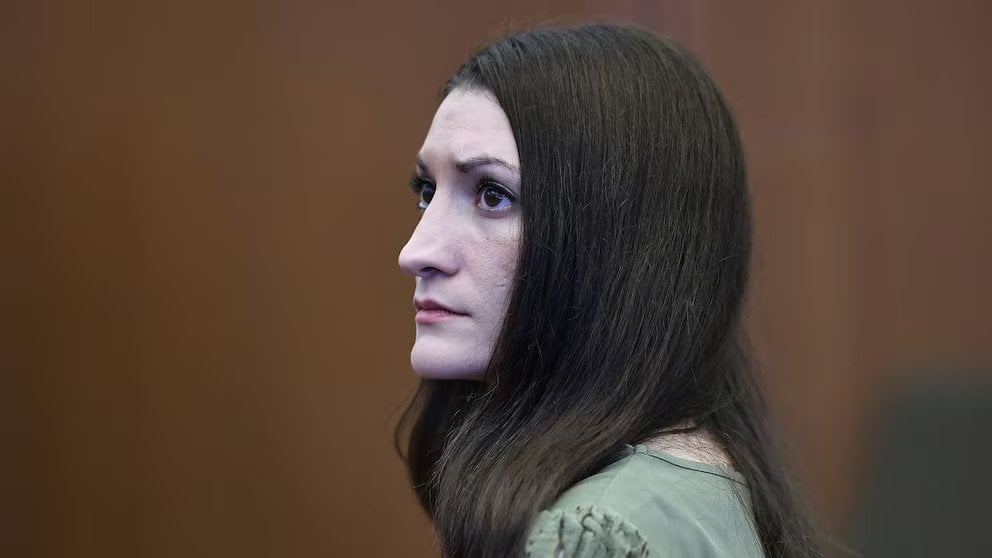

A Massachusetts judge has declared a mistrial in the murder case of Lindsay Clancy after jurors, following about a week of deliberations, told the court they could not reach a unanimous decision on whether she should be held criminally liable for killing her three young children.
The decision leaves the case in limbo as the court weighs what happens next, with Clancy continuing to face the same murder charges. The trial, which attracted sustained national attention in the United States, has also been the subject of public comments by the US president.
Hung Jury Forces Mistrial
Judge Sullivan told jurors on Friday that they were deadlocked and dismissed them after weeks of testimony and nearly a week of deliberations. The jury had signalled on three separate occasions that it was unable to reach agreement.
A hung jury does not indicate that prosecutors failed to prove their case, nor does it mean the defendant is not guilty.
Clancy’s attorney, Kevin Reddington, made a final attempt to prevent the mistrial by seeking action over an alleged holdout juror. Judge Sullivan denied the request and ordered the jury to continue deliberating. About an hour later, jurors returned again saying they still could not reach a verdict.
Next Steps Set for 29 September
A hearing has been scheduled for 29 September, when prosecutors are expected to outline their next steps.
Options available to the prosecution include seeking a new trial or pursuing a plea agreement, including in relation to the strangulation of Clancy’s children: Cora, aged five, Dawson, aged three, and Callan, aged eight months, in their home in Massachusetts.
Meanwhile, the 36-year-old former nurse will remain detained on the same murder charges and continue to be held in the mental health facility where she is currently housed.
Defence Says Postpartum Psychosis
Clancy does not deny killing the children in 2023, but she pleaded not guilty to three counts of first-degree murder.
Her lawyers argued that she was suffering from postpartum psychosis and should not be held criminally responsible. After the killings, Clancy cut herself with a knife and jumped from a second-story window in an attempt to take her own life, an injury that has left her paralysed.
As the jury deliberated, Reddington argued that a juror was not following instructions on the reasonable-doubt standard. Under US law, jurors must unanimously conclude that the prosecution has proved guilt “beyond a reasonable doubt” before returning a guilty verdict.
Judge Sullivan rejected the bid to remove the juror and sent the panel back to deliberate.
Reddington then sought an emergency appeal to the Massachusetts Supreme Judicial Court, asking the state’s highest court to order further deliberations and to require questioning of the jury over the alleged holdout. The high court denied the request.
High-Profile Case Draws National Attention
Prosecutors said the case would proceed subject to the court’s next steps. Plymouth County District Attorney Timothy Cruz said there would be no decisions made on Friday and that he would meet with his legal team to determine whether to pursue another trial.
He told the court that prosecutors believed the evidence showed Clancy was in control of her actions when the homicides took place.
The trial was closely watched in the United States, with supporters and extensive media coverage outside court and livestreams of the proceedings. The case also prompted wider discussion around postpartum psychosis as family members and experts gave evidence over multiple days.
On Friday, US President Donald Trump referred to the case as a “horrible tragedy” and said he assumed there would be another trial.
Join the discussion? 

5 September 2026
Recommended Comments
Create an account or sign in to comment