



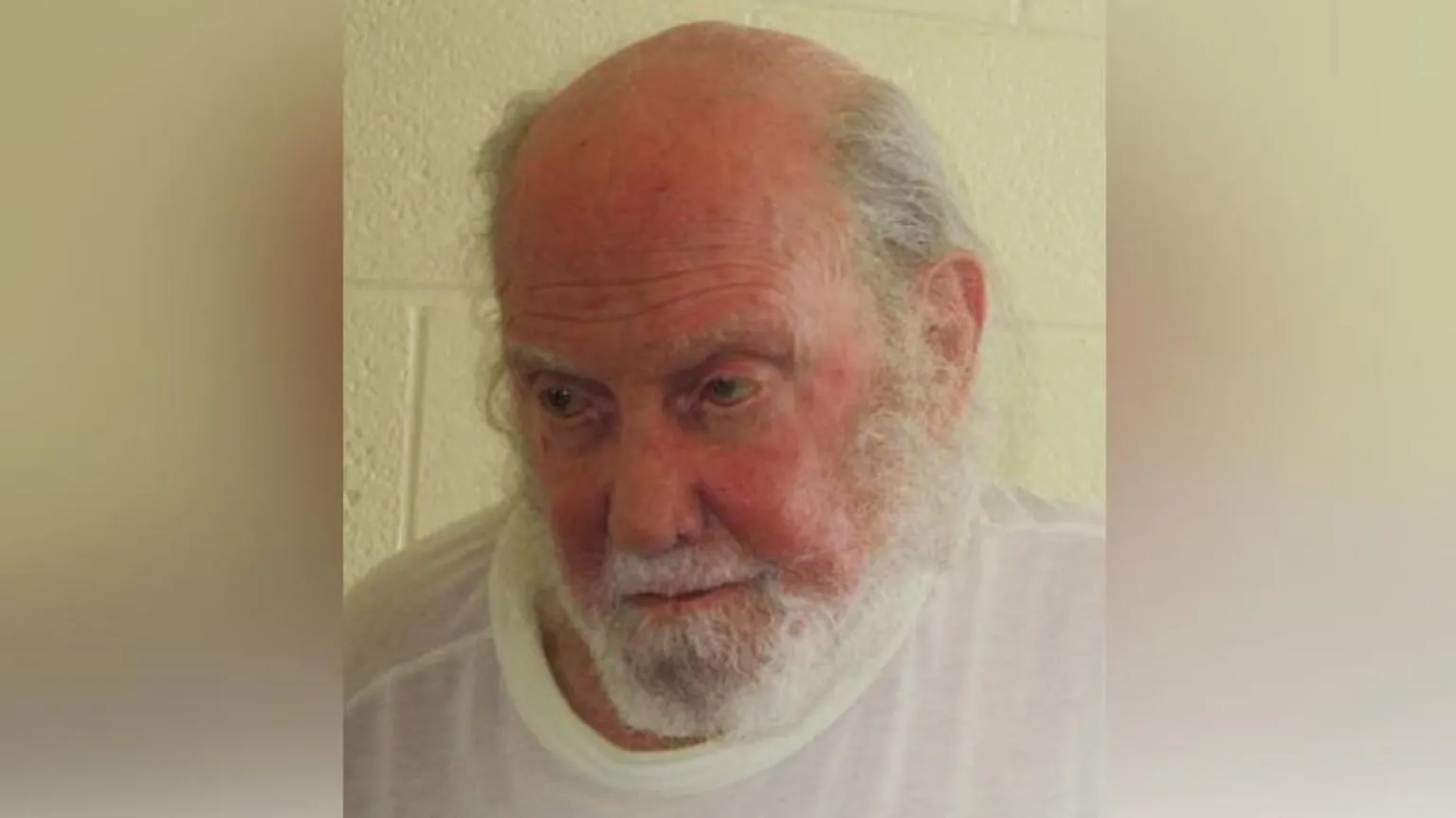

Francis Clifford Smith, the longest-serving prisoner in the United States, has died aged 101, state officials said. He spent more than 70 years behind bars in Connecticut after being convicted of murder, and had been spared execution on eight separate occasions.
Smith was convicted in 1950, having been accused in 1949 of killing Grover Hart, a night watchman at a yacht club in Connecticut. He was 25 at the time and, throughout his incarceration, maintained that he was innocent.
Spared Execution Eight Times
Officials said Smith received his last meal eight times before execution was halted and his sentence was repeatedly reviewed. Over the years, his case became closely followed, including by people within the prison system who described him as determined and unusually visible among inmates.
Andrius Banevicius, public information officer for Connecticut’s Department of Correction, said Smith developed a reputation for feeding birds while imprisoned at Osborn. According to Banevicius, Smith would hide bread in his clothing to feed birds inside the prison, and staff were generally willing to overlook it because he was simply feeding them.
Banevicius said Smith died in June. He served a long term with brief periods outside prison.
Conviction Challenged Over Decades
At the time of his arrest, Smith was one of two men taken into custody over Hart’s death. The other suspect reached a plea agreement and provided evidence against Smith, who was later found guilty of first-degree murder.
Over subsequent years, Smith’s conviction and the evidence supporting it were called into question. Witnesses later recanted their statements, and another inmate subsequently confessed to the killing.
One officer involved in early questioning later told the Board of Pardons that he believed Smith was innocent, according to reporting at the time.
Smith’s time in custody was also marked by repeated disruptions to his confinement. He escaped from prison in 1967 but was caught 12 days later. In 1974, he was allowed to go home for Christmas Eve and returned the next day, according to Banevicius. In 1975, he was granted parole and was released for about 10 months before being arrested again for petty larceny and possession of a weapon, a violation of his parole terms.
After that, Smith refused later attempts to return to parole for many years until 2020, when he received supervised parole and was moved to a care home within the justice system.
Ageing In Prison And Care Options
Smith’s later life reflected a wider issue faced by correctional systems as populations age. Dr Stephanie Prost, a researcher at the University of Louisville focusing on older adults and prison settings, told the BBC that jurisdictions in the United States, and other countries including Australia and England, are dealing with similar challenges.
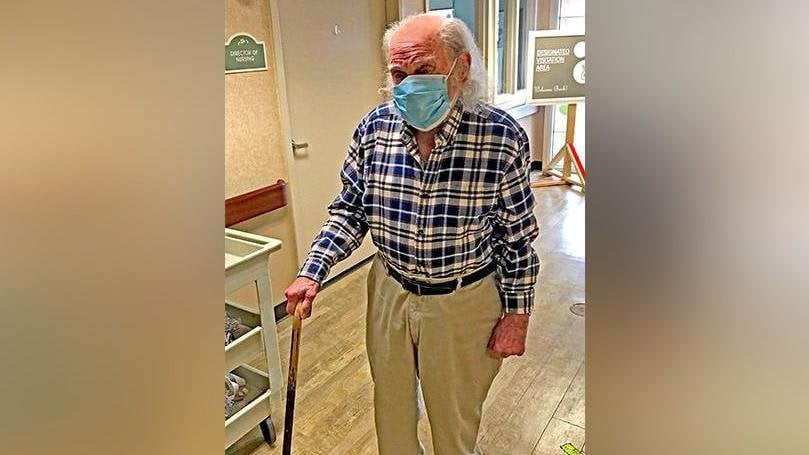
Picture courtesy of BBC
A 2025 study found the number of people aged 55 and over in prison rose by nearly 400% between 1991 and 2021. The US Census Bureau has forecast that by 2030, at least one-third of the incarcerated population will be older than 50.
Researchers say governments are seeking what they call “smart de-carceration” policies, including compassionate release and elderly or medical parole, to match care to age-related needs. Prost said such approaches take into account higher risks faced by older inmates, including expensive medical conditions and mobility problems, as well as challenges such as fall risk, incontinence and hearing impairments in highly regimented settings. Experts said there are few facilities willing to accept convicted prisoners into specialist care arrangements.
Final Years At A Nursing Facility
Smith was among the first people supported under the MissionCare Health scheme, which provides care for incarcerated individuals. The programme has three facilities in the north-eastern United States.
David Skoczulek, a spokesman for 60 West, the facility where Smith spent his final years, said he died in his sleep in June and was later cremated. Skoczulek said the end of life was managed with skilled nursing and long-term care services, and that Smith’s death was attributed to old age.
Skoczulek added that research indicates imprisonment can lead to accelerated ageing, with conditions such as dementia arriving earlier than they would for people who have not been incarcerated. He said Smith reportedly had dementia near the end of his life, and Banevicius said he was not able to confirm that to the BBC but that Smith had been dealing with issues associated with old age. Banevicius said Smith was “101 and a half”.
Join the discussion? 

19 August 2026
Recommended Comments
Create an account or sign in to comment