



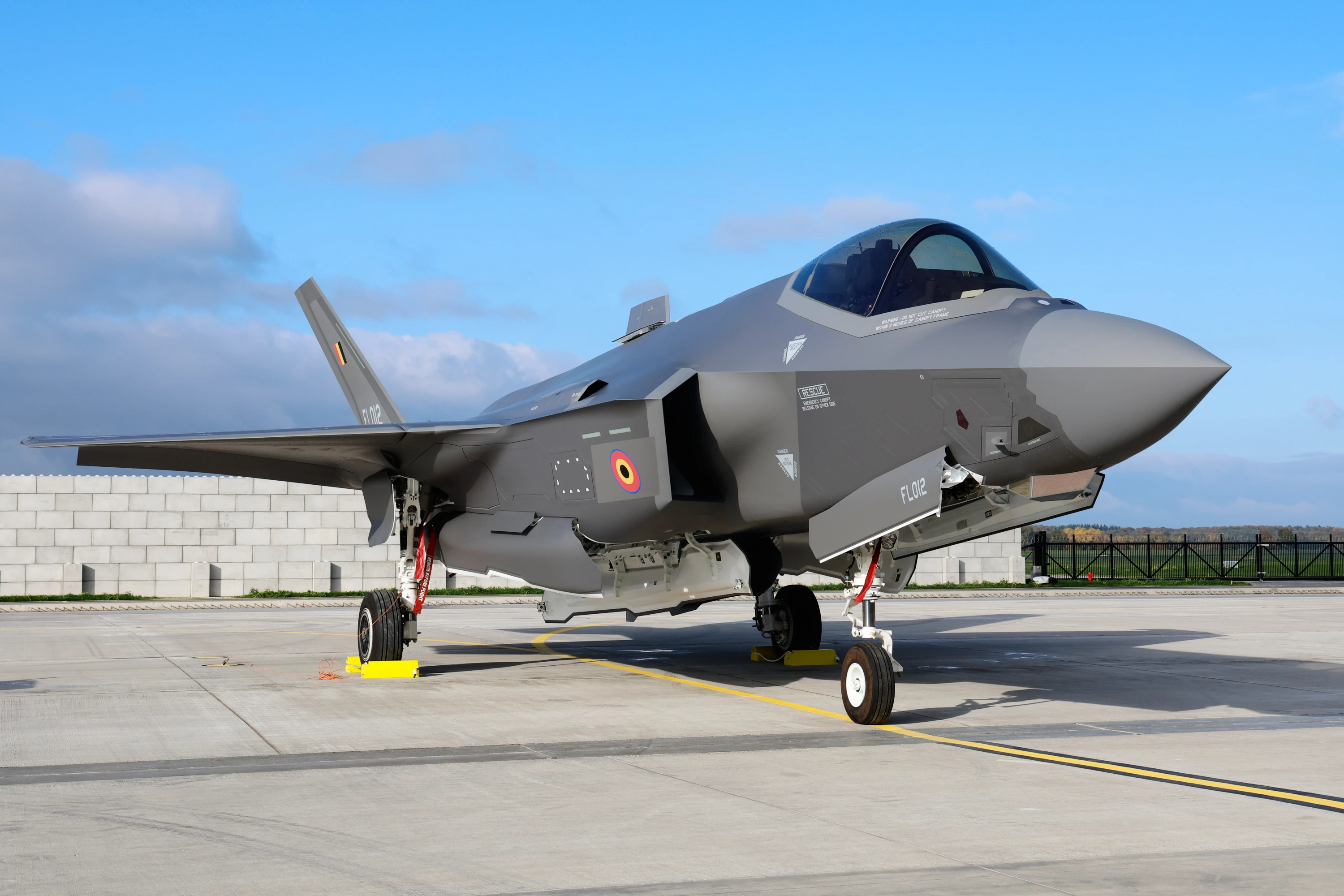

The US State Department said it has approved a potential $24 billion sale of F-35 fighter jets to Saudi Arabia, despite concerns raised by some defence officials and lawmakers that China could gain access to sensitive technology used in the aircraft.
The announcement came on Thursday, with the department stating that the proposed package could still be halted by Congress. If it proceeds, the deal would involve 48 F-35 Lightning II Joint Strike Fighter aircraft with conventional take-off and landing capability, along with 49 Pratt & Whitney F135-PW-100 engines.
Congress Can Still Pause The Deal
In its press release, the State Department said the transaction would be submitted for congressional review, noting that lawmakers retain the ability to stop or delay the sale.
The department said the aircraft would strengthen Saudi Arabia’s ability to defend its territory and improve its ability to operate alongside US forces and other regional and NATO partners.
Israel Raises Qualitative Edge Concerns
Saudi Arabia would become only the second country in the Middle East to operate US F-35s, after Israel. Israel has opposed the kingdom acquiring the jets, arguing that the move could affect its “qualitative military edge” (QME) in the region.
The QME is a principle Congress adopted in a 2008 law, which commits lawmakers to consider how arms transfers could affect Israel’s military superiority.
On Thursday, the State Department said the potential sale would “not alter the military balance in the region”.
Technology Fears Over China
Some lawmakers and defence figures have urged the administration not to move forward, warning that the transfer could enable China to obtain elements of the F-35’s technology.
Rep. Raja Krishnamoorthi, a Democrat from Illinois, said the administration should hold off on the sale, pointing to warnings from the US intelligence community. In a post on the social media platform X, he argued that Beijing has long sought to acquire American intellectual property and that the transfer could put advanced military technology within reach of the Chinese Communist Party.
The concerns centre on the risk that China could access technical information associated with the aircraft, a worry tied to the wider technological competition between the United States and China.
Saudi Defence Needs Amid Regional Attacks
The proposed fighter jet sale comes as Saudi Arabia has faced repeated attacks involving Iranian one-way attack drones and missiles, according to the article, since the start of the US war against Iran. It has also endured recent strikes linked to Iran-backed Houthi rebels in Yemen.
The State Department said the deal would improve Saudi Arabia’s deterrence capability against both current and future threats. It added that the transaction would enhance the kingdom’s operational aviation capacity and increase its air-to-air and air-to-ground self-defence capabilities.
The F-35 is a stealth aircraft built by Lockheed Martin, and experts cited by The Hill in a previous report have said it can gather intelligence and support long-range strike missions, framing the sale as a significant upgrade for Saudi air capabilities.
Join the discussion? 

19 September 2026
Recommended Comments
Create an account or sign in to comment