.jpg.b4d1f4e752094bc641c0c2b82d77fe65.jpg)
bannork
Advanced Member
-
Joined
-
Last visited
Everything posted by bannork
-
Airlines are quietly preparing emergency plans for potential jet fuel shortages as the war in the Middle East begins to rattle global energy supplies. Industry leaders warn the impact could be felt within weeks if fuel flows from the Gulf are disrupted. Prices have already surged since US and Israeli missile strikes on Iran at the end of March — raising fears of higher ticket prices, fewer flights and possible cancellations just as the summer travel season approaches. Fuel Prices Spike as Conflict Spreads The cost of jet fuel has doubled in the weeks since the strikes on Iran, sending shockwaves through the aviation sector. Airline executives say the immediate concern is not just price but access. Carriers are struggling to get firm guarantees from suppliers beyond the next few weeks, creating uncertainty across global route networks. The risk is particularly acute for long-haul flights that rely on refuelling at overseas hubs. Airlines Draw Up Contingency Plans Ben Smith, chief executive of Air France-KLM, said airlines are now actively planning for supply disruptions. “We’re putting in plans today to draw up scenarios on how we would deal with the shortage of fuel,” he said. European carriers may be able to rely on regional stockpiles for departures, but the real danger lies overseas — especially on return journeys if fuel becomes scarce at destination airports. Asia Routes Seen as Vulnerable Executives warn the biggest pressure point lies in Southeast Asia, which relies heavily on fuel shipments routed through the Gulf. “We can get fuel out of Europe,” Smith said. “But when we go to a southeast Asian city we’re not going to be able to fly the plane back. If there’s no fuel, you can’t fly.” Budget airline easyJet says suppliers have guaranteed deliveries for roughly three weeks, but beyond that the picture becomes murkier. Industry Warns of Flight Cuts and Higher Fares Willie Walsh, director general of the International Air Transport Association and former boss of British Airways, warned the industry could face a major supply shock. “This is a bigger supply issue than we’ve seen before,” he said. If shortages materialise, airlines may be forced to reduce schedules, pushing up fares and squeezing availability. For travellers planning Easter breaks or summer holidays, the turbulence may be just beginning. ✈️ Airlines making plans for jet fuel shortages - including possible cancellations
.jpg.f6fc1627994b5ff18f3e49c5ce8c92ff.jpg)

-
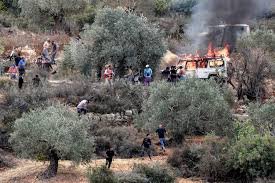
Violence flared across the occupied West Bank as Israeli settlers torched homes, burned vehicles and assaulted Palestinians during the Eid al-Fitr holiday, escalating tensions in a territory already on edge. Palestinian medics said several people were injured as residents tried to defend their communities. The attacks — carried out across multiple villages — are the latest in a surge of settler violence that critics say is reshaping the conflict on the ground. Holiday Turns to Flashpoint The assaults unfolded Saturday near the northern West Bank cities of Jenin and Nablus, according to Palestinian officials. Witnesses reported settlers setting fire to buildings, vandalising property and attacking Palestinians who tried to intervene. The Palestinian Red Crescent Society said at least three people were hospitalised after being beaten or sprayed with pepper spray. The Palestinian news agency WAFA said six communities were targeted in the coordinated wave of attacks. Army Condemns Violence — But No Arrests Israel’s military said troops were deployed to several villages after reports of civilians committing arson and disturbances. In a statement, the Israel Defense Forces said it “condemns any form of violence” and would act to maintain security and public order. Yet by Sunday, authorities reported no arrests linked to the attacks. Earlier this week the army’s chief of staff, Eyal Zamir, described extremist settler violence against Palestinians as “morally and ethically unacceptable”. Escalation Amid Regional War The latest clashes come amid a broader surge in tensions following the war launched by Israel and the United States against Iran on 28 February. Observers say the conflict has emboldened hardline settler groups, intensifying attacks in the West Bank. Violence by settlers — long a feature of the occupation — has sharply increased in recent months. Rights organisations accuse Israeli authorities of failing to protect Palestinian communities and, in some cases, turning a blind eye to attacks. Settlements Deepen the Political Deadlock Israel captured the West Bank during the Six-Day War in 1967 and has since overseen the expansion of settlements widely considered illegal under international law. More than 500,000 Israelis now live in settlements across the territory, alongside roughly three million Palestinians. In 2024, the International Court of Justice said Israel must halt settlement activity and evacuate settlers from occupied Palestinian territory — a ruling Israel rejects. As settlement expansion continues and violence escalates, diplomats warn the prospect of a two-state solution is slipping further out of reach. West Bank: Israeli settlers torch homes, beat Palestinians
-
Sounds just like The Ace of Spades. Never mind, it's a good head banger.
-
empty pockets, how about debating the topic rather than insulting and making up nonsense about people you don't even know? The topic is about how Donald intends to open the Strait of Hormuz. Since the original post, things have moved on as the clock is ticking away the 48 hours deadline Donald set the Iranians to open the Strait. Meanwhile the Iranians have told an international maritime authority they're willing to let ships pass in the Strait.
-
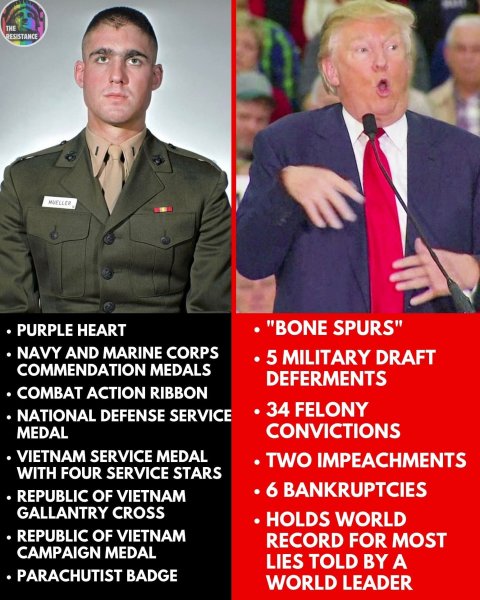
Trump's a great pussy. Five deferments to avoid Vietnam. Ouch! How those bone spurs hurt.
-
I don't live in a country run by a madman.
-
Do the world a favour. Don a white coat, take a taxi to the golf course where Trump is skiving instead of working during a war, truss him in a straitjacket and toss him in a locked padded cell in Florida's asylum for incorrigible malignant narcissists.
-
So what what?
-
NATO is a defensive organisation, not a military offensive pact. Trump illegally attacked Iran after Israel did the same. He never consulted his NATO allies The idiot didn't consider the Iran regime would close the Strait or attack the Gulf states. He said he was surprised they did this. Why was he surprised? Didn't he have advisors who would tell him the possible consequences of his actions? And now the fool threatens to destroy Iranian infrastructure if they don't open the Strait. Another war crime. He promised to help the Iranian people and now he threatens to destroy their electricity and water supplies. What an utter imbecile.
-
"Thank God for that ( what took you so long, Almighty Maker?)" More comparisons -
-
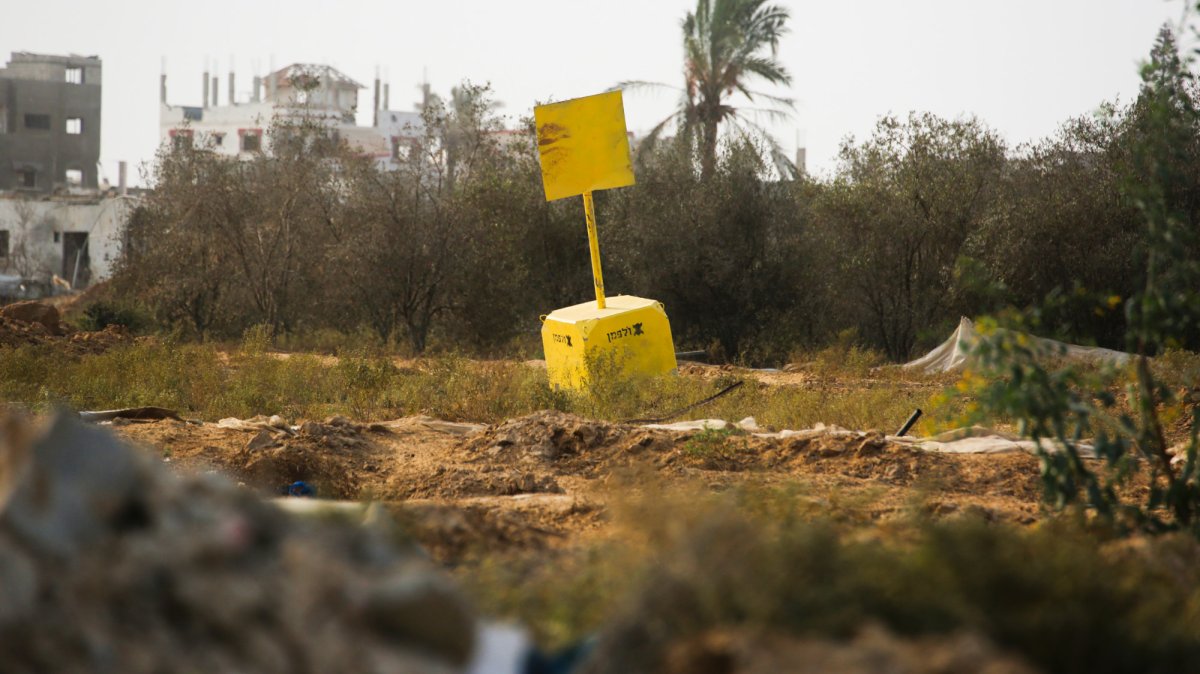
A painted row of concrete blocks now cuts across Gaza’s farmland — and for thousands of farmers it marks the end of their livelihoods. Known as the “yellow line”, the Israeli military’s new deployment zone has swallowed vast stretches of agricultural land. Farmers can see their fields from a distance, but stepping closer risks gunfire. For many, the land that once fed Gaza now sits beyond reach. A Line That Erased a Livelihood Farmer Enad stops short of the yellow barrier near Beit Lahia in northern Gaza, scanning the distance for signs of life in the fields he once cultivated. Before the war he planted mallow, peppers, onions and aubergines across eight dunams of land, producing food for a population already struggling under blockade. Then Israeli tanks rolled in and forced him to flee under fire. He has not returned since. His farmland now lies inside the military zone. The Buffer Zone Expands Under a ceasefire framework linked to a US-backed plan, Israeli forces withdrew from city centres but redeployed along a sweeping corridor stretching roughly 65km from Rafah in the south to Beit Hanoun in the north. The zone varies from 300 to 1,000 metres wide — sometimes reaching 1,500 metres — and is marked on the ground by yellow-painted blocks. The strip covers roughly 53 per cent of Gaza’s territory. Behind that line sits about 60 per cent of the enclave’s most fertile farmland. Farmers Locked Out of Their Own Fields For farmers like Yassin, the consequences are immediate and brutal. His 17 dunams of farmland now sit inside the military zone, effectively off-limits. “The army destroyed my house and bulldozed the land,” he said. “For two years I have not been able to plant or farm it.” He mourns the loss of the orchards more than the ruins of his home. Lemon, olive and grape trees take decades to mature — time he fears he no longer has. Agriculture on the Brink Before the war, agriculture covered roughly 195,000 dunams across Gaza and employed around 560,000 people either full-time or seasonally. The sector generated about $343m (£270m) annually — roughly 11 per cent of the territory’s economy. Now, according to UN data, about 94 per cent of agricultural land is unusable due to destruction or military control. Only six per cent remains accessible. Vegetables that once flooded Gaza’s markets have become scarce. Prices have soared and food shortages have deepened. A New Border Taking Shape Israeli military leaders have signalled the yellow line may become more than a temporary deployment zone. Chief of staff Lt Gen Eyal Zamir described it as a “new border line” separating Israeli-controlled areas from the rest of Gaza — both a defensive buffer and a forward operating line. For farmers watching their land from afar, the message is stark: the soil that once sustained Gaza may now sit permanently on the other side of the line. The Gaza farmers who can’t touch their land on Israel’s ‘yellow line’
-
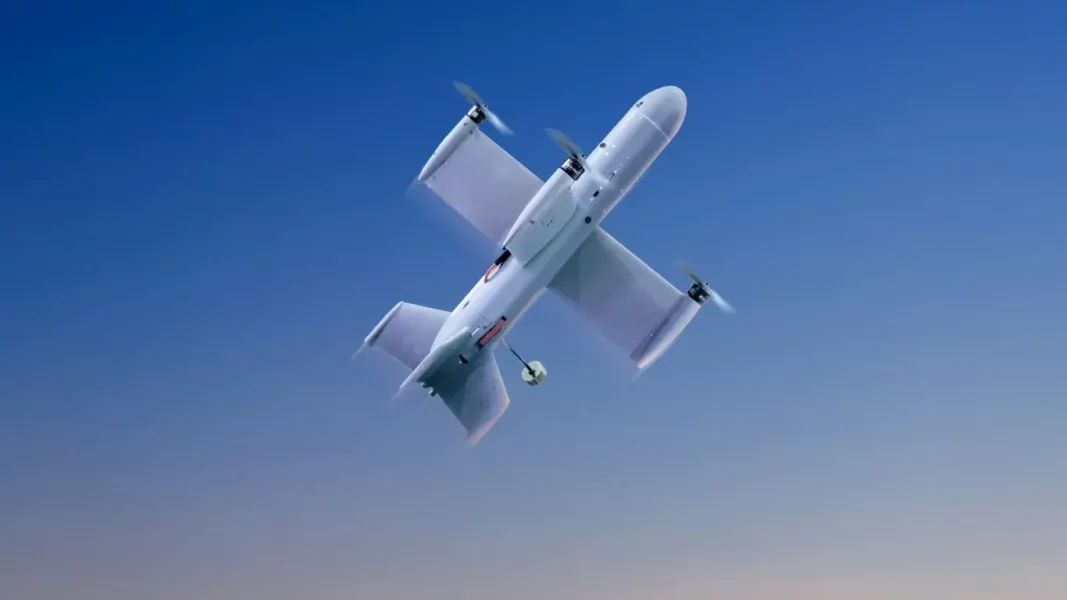
Octopus, the Ukrainian interceptor drone The night sky over eastern Ukraine looks peaceful — until the buzzing begins. Russian swarms of Iranian-designed Shahed drones slice through the darkness, hunting targets hundreds of kilometres from the front. On the ground, Ukrainian soldiers are waiting. Not with multimillion-dollar missile batteries, but with homemade interceptor drones — cheap, adaptable machines that are rapidly reshaping modern air defence. What began as battlefield improvisation is now turning Ukraine’s front line into a global laboratory for drone warfare. From Desperation to Drone Doctrine When Shahed drones first appeared in autumn 2022, Ukraine had little to stop them. Conventional air defence systems were costly and scarce, and the slow-moving missiles often struggled to track agile aerial targets. Frontline crews began experimenting. Soldiers modified small drones, testing ways to chase down enemy aircraft in mid-air. “It wasn’t a plan,” one pilot from Ukraine’s 127th Brigade said after landing an interceptor during a night drill. “We did it because we had nothing else.” The cost gap tells the story: a Patriot missile can run to $2 million. A Ukrainian interceptor drone might cost about $2,200. The Moment the Drone War Became Real The shift crystallised during a tense encounter near the front. A Russian Orlan reconnaissance drone hovered overhead, feeding coordinates to artillery units. Missile teams struggled to lock on. Then a Ukrainian drone pilot launched a small quadcopter and rammed the surveillance craft out of the sky. “That was the moment I realised,” a 27-year-old Ukrainian captain recalled. “This is a drone war.” The wreckage burned before it hit the ground — but the lesson stuck. Kharkiv’s Secret Test Range Today, units like the 127th Brigade operate dedicated interceptor teams. Their workshop is the battlefield itself. In Kharkiv, soldiers collaborate with a local defence company to refine aircraft-style interceptor drones capable of chasing Shaheds at high speed. Unlike modified first-person-view drones, some designs resemble small fixed-wing aircraft, staying airborne longer and covering more ground. The process is brutally simple: test, fail, fix, repeat. “It’s not enough to build it,” said a company director working with the brigade. “It has to perform real combat tasks.” Volunteers Power the Innovation Engine Ukraine’s drone boom extends far beyond the military. Volunteers and non-profits help fund, test and connect engineers with frontline units. The Come Back Alive Foundation launched a programme called “Dronopad” — loosely translated as “Dronefall” — to scale early battlefield successes into a national system. Engineers quickly pushed interceptor speeds beyond 200km/h, fast enough to chase Shahed drones in flight. The technology itself isn’t the real advantage. Experience is. “People used to call it air defence for the poor,” project leader Taras Tymochko said. Nearly two years into the experiment, the results are forcing a rethink. Sometimes, he said, “air defence for the poor can be more effective than air defence for the rich.” How Ukraine's front line became a laboratory for drone innovation
-
The average US gas price has climbed to $3.90 a gallon, the highest in nearly three years. Analysts say the jump, driven by surging oil markets and the closure of the Strait of Hormuz, has pushed many motorists to reconsider vehicles that don’t rely on petrol. Searches for electric models have jumped sharply in the weeks since the conflict escalated. EV Curiosity Spikes Overnight Data from automotive platform CarEdge shows online searches for electric vehicles rising about 20% since the conflict began. Industry analysts say the spike happened almost immediately. Buyers began researching alternatives within 48 hours of the first strikes. “It’s directly connected to the news,” analysts say, noting that sustained high fuel costs could push interest even higher. Used EVs Become the Entry Point For many Americans, the gateway to electric driving is the second-hand market. Affordable models such as the Tesla Model 3, Chevrolet Equinox EV and Nissan Leaf are increasingly appearing below the $25,000 mark. Analysts say that price point makes EV ownership feasible for households hit hardest by rising fuel bills. Hybrids are also gaining traction, offering drivers a hedge against petrol volatility without full reliance on charging networks. Policy Battles Complicate the Shift The surge in interest comes amid political headwinds. The administration of Donald Trump has rolled back several emissions rules and challenged electric-vehicle mandates introduced by California. The move has prompted carmakers to prioritise petrol-powered SUVs and pick-ups, still the most profitable vehicles on US roads. For now, EVs remain a small slice of the American market — accounting for less than 8% of new car sales. Global Momentum Leaves the US Behind Elsewhere, the shift is accelerating fast. Electric vehicles now make up about one in five new car sales worldwide, with countries like Norway nearly eliminating new petrol-car purchases. For American drivers staring at record fuel prices, the question is no longer whether EVs are the future — but how soon they become unavoidable. US interest in electric vehicles surges as gas prices jump amid Iran war
-
A leading US political scientist has warned that Washington risks walking directly into Iran’s “escalation trap” if the conflict deepens — potentially exposing civilian targets across Europe to missile strikes. Robert Pape, a security expert at the University of Chicago, says Iran is signalling a clear strategy: absorb initial attacks, escalate regionally, then threaten civilian targets abroad if Western ground forces enter the fight. The danger, he argues, is that the Donald Trump administration may be underestimating the next stage of the conflict. Iran’s Three-Stage Escalation Strategy According to Pape, Tehran is deliberately climbing an escalation ladder. The first stage involved absorbing Israeli and US strikes that killed senior Iranian figures but hardened domestic support for the regime. The second phase, he says, has already begun — widening the conflict through attacks on shipping and strategic chokepoints such as the Strait of Hormuz. The third stage could be far more dangerous. If US troops deploy on Iranian soil, Pape warns Tehran could shift to direct threats against civilian populations in Western cities. Missile Reach Extends Beyond the Middle East Iran’s expanding missile capabilities are central to that threat. Recent strikes targeting the joint US-UK facility at Naval Support Facility Diego Garcia demonstrated ranges far beyond earlier estimates. Analysts say similar systems could theoretically reach European capitals including Paris, Berlin and Rome. Pape says Tehran is deliberately signalling this capability to deter a Western ground invasion. The message, he argues, is clear: escalate further and the battlefield expands dramatically. Ground Troops Could Trigger Global Fallout Washington is reportedly weighing several military options, including the possible deployment of US forces to Iran. But Pape warns that step could trigger the most dangerous phase of the conflict yet. Iranian leaders, he says, may respond with attacks designed to cause indiscriminate civilian casualties outside the Middle East. “Watch the malls, watch the tourist areas, watch the hotels,” he cautioned in a recent broadcast interview. A War That Could Spread Beyond the Region The stakes extend far beyond Iran itself. Even limited escalation could destabilise global energy routes, expose Western cities to new risks and widen a conflict already stretching across multiple fronts in the Middle East. For policymakers in Washington and Europe, the question now is not simply how to confront Tehran — but whether the next move could trigger a far broader and deadlier war. Trump admin just made Iran's 'escalation trap' much more dangerous: expert
.jpg.da7407cbeb91fd489cd35f29e940da33.jpg)
-
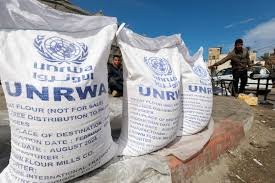
The United Nations agency responsible for Palestinian refugees is nearing breaking point after months of war in Gaza, political pressure and mounting casualties among its staff. According to Philippe Lazzarini, commissioner-general of the United Nations Relief and Works Agency for Palestine Refugees in the Near East (UNRWA), the organisation that has supported Palestinian refugees for more than seven decades is now struggling to survive. As regional tensions escalate, including the widening confrontation between Israel, Iran and the United States, the fate of the agency has become another flashpoint in an already volatile conflict. Staff Deaths and Destroyed Facilities The scale of losses inside Gaza has been unprecedented. More than 390 UNRWA personnel have been killed since the war began, according to the agency — the deadliest toll in the UN’s history for a single conflict. Hundreds of its buildings across the Gaza Strip have also been damaged or destroyed. Schools, clinics and aid centres run by UNRWA form the backbone of basic services for Palestinians in Gaza, including healthcare, sanitation and education. Without them, millions risk losing access to essential support. Israel Moves to Shut the Agency Down Pressure on the agency is not only military. Israel’s parliament has passed legislation aimed at ending UNRWA operations in East Jerusalem, including shutting schools and health facilities. The agency’s headquarters in the city was seized and later damaged during unrest. Israeli officials have long accused UNRWA of neutrality violations, claims the organisation says are politically motivated and repeatedly disproven. The confrontation has intensified the diplomatic battle over the agency’s future. A System Built Over 75 Years at Risk Created in 1949, UNRWA provides services to millions of Palestinian refugees across Gaza, Jordan, Lebanon and Syria. Its records and refugee registration system are also considered central to the unresolved political dispute over Palestinian displacement. Critics say dismantling the agency would weaken those claims. Supporters warn that removing it would leave a massive vacuum. Regional Stability on the Line If UNRWA collapses, the consequences could ripple far beyond Gaza. Responsibility for services to Palestinian refugees would likely fall either to Israel as the occupying power or to already strained host countries across the region. Aid groups warn that could intensify humanitarian crises and deepen political instability. For the UN and the wider international system, the stakes may be even larger: whether a cornerstone humanitarian institution can survive a war that is rapidly reshaping the Middle East. Israel has crushed UNRWA in Gaza – and the rest of the world has done nothing
-
The White House lashed out Friday after being called out over its misleading suggestion that the Iran war enjoyed majority support among Americans, and to such an extent that one target of the White House’s fury hit back with a particularly scathing rebuttal. On Thursday, White House Press Secretary Karoline Leavitt claimed that “Americans agree that Operation Epic Fury is an overwhelming success,” sharing a White House press release that included several polls showing the war’s favorability. As countless critics noted, however, the White House’s release only focused on “MAGA Republicans,” who make up less than 20% of Americans. Among those critics was former MSNBC host Mehdi Hasan, who called Leavitt a “proud and open liar” for her misleading claim. Trump admin ‘going nuts’ after being called out over promoting misleading claim: analysis
-
Trump is a snowflake in his inability to tolerate any questions about his government's performance. His stupid remarks to female journalists- " You're so nasty'' etc. Oh, poor Donald, can't you answer simple queries about your governance? How it hurts, you poor boy. At the same time, the 'sensitive' bully sues any journalist, lawyer or media that doesn't swallow his nonsense, as well as encouraging his billionaire friends to buy up any media companies seen as remotely antagonistic. An authoritarian snowflake.
-
Iranian authorities have launched a sweeping new wave of arrests across the country as war with Israel and the United States intensifies, detaining thousands on accusations ranging from espionage to sharing images of airstrikes. Officials say the crackdown targets spies and collaborators. Human rights activists say it is a wartime purge aimed at silencing dissent and choking off information from inside the country. Security Forces Cast a Wide Net The campaign escalated after hostilities began on 28 February. Police chief Ahmadreza Radan said 500 people had been arrested for allegedly passing information to foreign media or hostile governments. He claimed detainees had helped identify military targets and maintain contact with opposition groups. Iran’s Ministry of Intelligence separately announced the arrest of 39 more individuals accused of filming the aftermath of airstrikes and sending footage to Persian-language broadcasters abroad. War Conditions Fuel the Clampdown Authorities insist the arrests are necessary during wartime. But critics argue the measures mirror previous crackdowns following mass protests earlier this year. Activists say the government is using the conflict — and widespread internet restrictions — to tighten control over information and suppress any sign of opposition. The Islamic Revolutionary Guard Corps reported additional arrests in Lorestan province, accusing detainees of “disturbing public opinion” by circulating images to foreign media. Students, Teachers and Teenagers Among the Detained Those caught in the sweep include students, teachers and teenagers. Among them is drama student Dasta Farrokhi from Soureh University of Art and archaeology student Ali Ebrahimi from University of Tehran, who was reportedly wounded during his arrest. A teacher, Vahid Ghasemi, was detained at his school before being transferred to Vakilabad Prison in Mashhad. Several teenagers have also been taken from their homes, including 17-year-olds in Isfahan and Marivan. Families Left in the Dark Many relatives say they have received little information about where detainees are being held. One case highlighted by activists involves a man reportedly denied bail after authorities cited a tattoo bearing the name of Nika Shakarami, a teenage protester whose death during earlier demonstrations became a symbol of resistance. In other cases, family members have themselves been detained after trying to inquire about missing relatives. Executions Loom as Pressure Mounts The legal stakes are severe. Judiciary chief Gholamhossein Mohseni-Ejei has called for “severe measures” against those accused of undermining national security. Some detainees now face charges such as “enmity against God” — offences that can carry the death penalty. For many Iranians caught in the crackdown, the war abroad is rapidly becoming a fight for survival at home. New wave of arrests in Iran crackdown during US-Israel war
-
The UK has never elected a leader as stupid as Trump. Liz Truss came close but then she didn't become a leader through a general election. Fortunately a lettuce outlasted her.
-
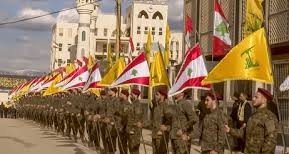
Inside Iran’s quiet rebuild of Hezbollah before the latest war with Israel After Israel’s devastating 2024 offensive decapitated Hezbollah’s leadership, Iran moved swiftly to rebuild its most powerful regional ally. Behind the scenes, officers from the Islamic Revolutionary Guard Corps stepped in to restore the group’s shattered command structure and prepare it for another confrontation with Israel. Sources familiar with the effort say the intervention was unusually direct — a sign of how crucial Hezbollah remains to Tehran’s regional strategy. After Nasrallah’s Death, Tehran Steps In The turning point came after Israel’s campaign killed Hezbollah chief Hassan Nasrallah along with senior commanders and thousands of fighters. According to multiple sources, Iranian officers arrived soon after a ceasefire in late 2024 and began a sweeping overhaul of the group’s military wing. Roughly 100 IRGC officers reportedly helped retrain fighters, refill weapons stockpiles and rebuild a command structure that Israeli intelligence had heavily penetrated. The intervention marked one of the most hands-on Iranian roles in Hezbollah’s history. A New Structure Built for Survival Iranian advisers reportedly dismantled Hezbollah’s traditional top-down hierarchy and replaced it with a decentralised network of smaller operational cells. The goal: prevent the kind of intelligence breaches that allowed Israel to target senior commanders during the 2024 war. Analysts say the redesigned structure resembles Hezbollah’s early underground model from the 1980s — smaller units with limited knowledge of each other’s operations. Security expert Andreas Krieg of King's College London describes the approach as a “mosaic defence” strategy designed to keep the organisation functioning even under heavy attack. Missiles Return to the Battlefield The rebuilt force has already been tested. Since entering the current regional war earlier this month, Hezbollah has fired hundreds of missiles into Israel, triggering Israeli ground and air operations in southern Lebanon. The conflict has killed more than 1,000 people in Lebanon, according to regional officials. Israeli leaders, including Prime Minister Benjamin Netanyahu, say Hezbollah is attempting to rearm rapidly with Iranian help despite years of Israeli strikes. A Shadow War Expands Across Borders Iran’s role has not been without risk. Lebanese officials say dozens of Iranian nationals with links to the Revolutionary Guards were asked to leave the country earlier this year as Beirut tried to limit Tehran’s influence. Some reportedly departed Beirut on flights in early March. Even so, Israeli strikes have continued to target suspected Iranian operatives. Several IRGC members have been killed in Lebanon since the latest round of fighting began — evidence that the shadow war between Iran and Israel is increasingly being fought in the open. How Iran's Revolutionary Guards helped Hezbollah prepare for its latest war with Israel
-
Western carmakers are pulling back from electric vehicles just as the global market accelerates — a move industry veterans warn could repeat one of the automotive sector’s most costly strategic mistakes. Across Europe and the US, manufacturers are slashing electric investment and returning to petrol and hybrid models. But critics say the retreat risks ceding the next era of the car industry to fast-rising Chinese competitors. Echoes of Detroit’s 1980s Shock The warning is not theoretical. In the 1980s, American giants such as Ford Motor Company and General Motors were blindsided by smaller, fuel-efficient Japanese cars after oil prices surged. The result was a collapse in sales and hundreds of thousands of lost jobs across the US automotive heartland. Former Aston Martin chief Andy Palmer says the same strategic error is unfolding again. Instead of doubling down on electric technology, Western manufacturers are slowing investment just as the market begins to shift. China Accelerates While Europe Hesitates Chinese brands are moving quickly into the gap. Companies such as BYD and Leapmotor are exporting increasingly sophisticated electric cars across Europe at lower prices. BYD has already overtaken Tesla as the world’s largest EV seller. Western rivals including Volkswagen Group, Stellantis and Renault still dominate European roads — but their lead is shrinking as Chinese firms scale production and improve battery technology. Billions Written Off as Profits Lag The financial strain behind the retreat is stark. Stellantis recently wiped €22bn from the value of its EV investments, while Volkswagen has taken similar write-downs. In the US, Ford has absorbed roughly $19.5bn in losses and scrapped several electric projects. Manufacturers argue weak consumer demand and patchy charging infrastructure justify the slowdown. Yet analysts warn the pause risks leaving Western companies technologically behind. Politics Adds to the Uncertainty Government policy is adding further confusion. The European Commission recently softened its planned 2035 ban on new petrol and diesel cars, while the administration of Donald Trump has dismantled US electric vehicle subsidies and emissions rules. Industry executives say the mixed signals make long-term investment harder. Critics counter that carmakers themselves lobbied for the policy retreat. The Clock Is Ticking Meanwhile Chinese manufacturers continue to surge ahead. BYD recently unveiled battery technology promising 600 miles of range, with ultra-fast charging capable of adding hundreds of miles in minutes. At the same time, EV demand is surging in emerging markets including India, Brazil and Mexico — territories once dominated by Western brands. For some analysts, the strategic choice is stark. If European and American manufacturers hesitate now, the next generation of global car buyers may simply look east. ‘It’s stupid’: Why western carmakers’ retreat from electric risks dooming them to irrelevance

-
As tensions surge following US strikes on Iran, attention is shifting to a different battlefield — the finances and political influence surrounding Jared Kushner, son-in-law of Donald Trump. Kushner is reportedly seeking another $5bn in funding from Gulf investors for his private equity firm while regional powers that back his business interests push Washington toward confrontation with Tehran. The overlap has triggered fresh warnings in Congress about conflicts of interest and foreign influence at the heart of US foreign policy. Money, War and the Gulf Connection Kushner’s investment firm, Affinity Partners, is already heavily backed by the Saudi state. The fund received $2bn from Saudi Arabia’s sovereign wealth fund, overseen by Crown Prince Mohammed bin Salman, shortly after Kushner left government. Reports say he is now courting as much as $5bn more from Saudi and Emirati investors, even as those governments support tougher US action against Iran. Critics say the timing raises uncomfortable questions: foreign governments lobbying Washington for war are also major financial backers of a firm run by the president’s closest adviser. Congress Smells a Conflict Democratic lawmakers are pushing for answers. Jamie Raskin and Ron Wyden have warned that Kushner’s dealings could violate the Foreign Agents Registration Act if he is effectively advancing the interests of foreign governments while shaping US policy. They have urged an investigation into whether Kushner acted as an undeclared political intermediary for Gulf states seeking a harder American line against Tehran. The stakes extend beyond legal technicalities. War, Oil and the Strategic Stakes Supporters of the strikes argue the campaign weakens Iran and reassures US allies in the Gulf. But critics say the confrontation risks destabilising global energy markets and dragging Washington into a wider conflict. The strategic chokepoint of the Strait of Hormuz — through which roughly a fifth of the world’s oil flows — remains a key pressure point. If Tehran moves to disrupt shipping there, the economic shock would ripple worldwide. Political Pressure Mounts in Washington For the Trump administration, the geopolitical fallout now collides with a domestic storm. Questions about Kushner’s financial ties are landing alongside renewed scrutiny of the long-running scandal surrounding Jeffrey Epstein — an issue critics say the war has pushed off front pages. Opponents warn the controversy could intensify as more documents, financial ties and policy decisions come under the microscope in Washington’s increasingly bitter political fight. Trump's son-in-law has a $5 billion problem | Opinion

-
Russia proposed a quid pro quo arrangement to President Donald Trump's envoys that would result in giving up on Ukraine. The Kremlin offered to stop sharing intelligence information about U.S. military assets with Iran if Washington stopped doing the same with Ukraine against Russian forces, two sources familiar with the negotiations told Politico. The offer was made by Russian envoy Kirill Dmitriev to Trump administration envoys Steve Witkoff and Jared Kushner last week during a meeting in Miami, according to the sources, but the U.S. rejected the proposal. Russia's quid pro quo to Trump revealed that would see US abandon Ukraine
-
A newly surfaced document tied to the Jeffrey Epstein investigation has ignited fresh political controversy in Washington after claims the US Justice Department redacted material referencing Donald Trump. The disclosure, highlighted by Rick Wilson of the The Lincoln Project, centres on a document that allegedly removed passages unrelated to victims — raising questions about whether officials withheld politically sensitive information. A Redaction That Shouldn’t Exist Under legislation governing the release of Epstein-related records, the United States Department of Justice is permitted to redact only the names and identifying details of abuse survivors. Wilson says the document he reviewed contained a redaction that did not involve victims but instead referenced Trump. The version circulating publicly removed that section entirely, despite congressional rules designed to limit such deletions. According to Wilson, the document was obtained via Dan Goldman, a Democratic congressman who secured a full copy through other sources. The Mar-a-Lago Claim Under Scrutiny At the centre of the dispute is a claim involving Trump’s relationship with Epstein. For years, Trump has maintained he banned Epstein from his Florida resort, Mar-a-Lago, after a falling-out. Explanations for the split have varied — from a dispute over property to concerns about Epstein recruiting young women at the club. But Wilson says the unredacted material includes comments from Trump’s former lawyer, Alan Garten, suggesting Epstein was never expelled from the club. Wilson also claims records indicate Trump continued interacting with Epstein afterwards, including visiting his home and flying on his aircraft. Political Pressure Builds Around the Files The revelations arrive as the Epstein archive becomes an increasingly volatile issue on Capitol Hill. Pam Bondi, the US attorney general, has told Congress there is no evidence Trump committed a crime connected to Epstein. She has resisted appearing under oath before the United States House Committee on Oversight and Accountability, instead holding a closed-door briefing with Republicans. Democrats boycotted that meeting and are demanding sworn testimony. Millions of Documents Still Locked Away The battle over transparency is far from over. Lawmakers say the Justice Department still holds around three million additional Epstein-related documents that have not been released. For critics, the partial disclosures risk fuelling suspicion that politically damaging material remains buried. With the election cycle approaching, the Epstein files are rapidly becoming a pressure point neither party can easily ignore. DOJ tried to hide this Epstein document about Trump — here’s what it reveals: Rick Wilson

-
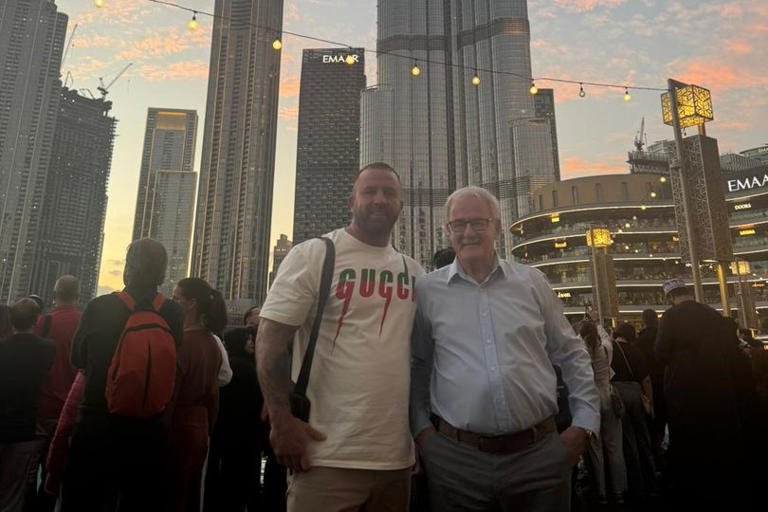
Daniel with his father A British father says a simple joke on holiday has turned into a four-month nightmare in Dubai. Daniel Nugent claims he was arrested after laughing with friends — and now remains trapped in the Gulf state under a travel ban while missiles rain down across the region. The 41-year-old says he has lost his job, drained his savings and watched his family suffer back home in Teesside. Meanwhile, tourists and expats are fleeing Dubai in their thousands amid Iranian drone attacks. Daniel insists his ordeal began during what was meant to be a four-day holiday before Christmas. The trip was to celebrate a friend’s 40th birthday and attend the Abu Dhabi Grand Prix. The dad travelled with two friends, Gary and Brian, and attended the race on December 6. Later that evening, the group went to Ocean Beach club before walking back to their hotel. As they approached the entrance of the Five Luxe hotel, Daniel says the group were laughing and joking together. But a man from Kazakhstan, walking with a woman, allegedly believed they were mocking him. According to Daniel, the stranger suddenly became aggressive. “Next thing you know, this guy's kicking off,” he said. Daniel recalled that his friend had to hold the man back because he wanted to hit him. “We were like, what's... is this really happening?” he said. The situation eventually calmed down and the group went inside the hotel. Daniel said there had been no physical fight, swearing or further confrontation. “We never spoke, we were just laughing,” he explained. The men walked away and thought nothing more of it. But the shock came days later. While relaxing by the hotel pool, Daniel says security approached him. He was taken to a room where two police officers and the man from Kazakhstan were waiting. Daniel said he was handcuffed and pushed onto a sofa. He claims the man began shouting at him while officers demanded an apology. Police accused him of making a gesture that dishonoured the couple. Daniel says he denied the accusation. “We were laughing and joking. That’s it,” he said. Officers then told him he would be arrested. He was taken to a police station and asked to fill out forms. He says he was then placed in a detention centre for more than a day. The conditions, he claims, were grim. Daniel described being locked in a crowded, windowless room roughly 25 by 30 metres. Mattresses covered the floor and around 150 people were inside. “I was in there about 28 to 30 hours,” he said. “It was horrible.” He claims detainees had limited washing facilities. According to Daniel, there were only two showers and two holes in the floor serving as toilets. After his release, he believed the ordeal was over. But when he tried to board a flight home, immigration officials stopped him. He was told a travel ban had been placed on his passport. Authorities charged him with “violating the honour of a male and female”. A second charge for public intoxication was later added. Daniel says he was never breathalysed or tested for alcohol. More than four and a half months later, he remains stuck in Dubai awaiting a court hearing. The case is scheduled for May. During that time, Daniel says he has lost his job managing a landfill site back in Britain. He is now paying about £800 a week to stay in a flat. To keep costs down he says he mostly eats pasta. His family has reportedly sold belongings, including jewellery, to help cover his living expenses. The crisis in the Middle East has also complicated matters. When his wife Natalie and son flew out to support him, they ended up stuck for 16 nights due to cancelled flights before eventually returning home. Back in Teesside, the stress has taken a heavy toll. Natalie, who has Type 2 diabetes, has been hospitalised twice with hypoglycaemia while Daniel has been away. Their 15-year-old son Romeo is studying for exams but has also had to deal with calling ambulances when his mother collapsed. Daniel’s 24-year-old stepson has been helping financially while raising his own young family in Kent. Daniel’s mother Patty is also struggling with the strain while battling blood clots on her lung. She says the worry about her son has been relentless. “I can't sleep, it's just constant,” she said. “It's torture wondering what's gonna happen to him.” Despite the ordeal, Daniel insists he will continue fighting the case. He says he has heard many similar stories from others caught in legal trouble in Dubai. “It’s wrong,” he said. “It’s not all glitz and glamour.” Now he is waiting for the court process to unfold. The misdemeanour charge carries a maximum fine of 5,000 UAE dirhams, about £1,000. For Daniel, the biggest question remains why the case has taken so long. “Why take over six and a half months of my life away from me?” he asked. The UK government says it is aware of the case. A Foreign Office spokesperson confirmed officials are supporting the British man and remain in contact with his family and local authorities. The Mirror has approached Public Prosecution Dubai for comment. Dubai jail hell of Brit 'arrested for laughing' in war-torn Gulf state
.thumb.jpg.3ee24d9400fb02605ea21bc13b1bf901.jpg)