Bacon1
Global Moderator
-
Joined
-
Last visited
Everything posted by Bacon1
-
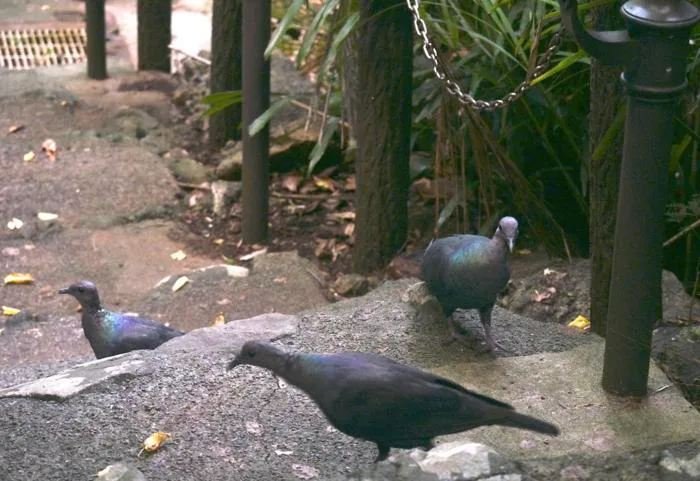
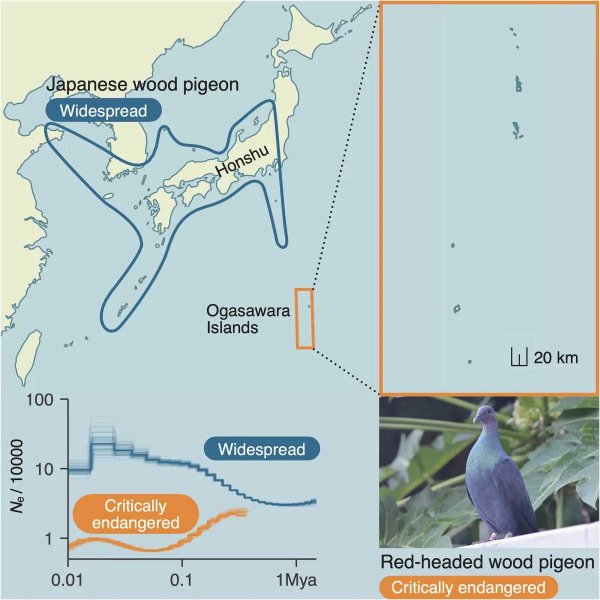
Conservation authorities in Japan report a rapid resurgence of native bird populations after 131 feral cats were removed from the Ogasawara Islands, with scientists noting an unexpectedly strong ecological response. The removal programme on Chichijima Island led to a sharp rise in the critically threatened red-headed wood pigeon, a species previously in steep decline due to predation. Researchers say the rebound began within only a few years of removing the cats. The Ogasawara archipelago, around 1,000 kilometres south of Tokyo, is designated a UNESCO World Heritage Site for its unique and isolated biodiversity. Species on the islands evolved without many natural predators, leaving them especially vulnerable to introduced animals. By the early 2000s, the red-headed wood pigeon population had fallen to fewer than 80 individuals, with feral cats identified as a key driver of the decline. Between 2010 and 2013, teams conducted a targeted capture-and-removal operation that cleared 131 stray and feral cats from Chichijima. Monitoring showed that adult pigeon numbers rose from 111 to 966 within roughly three years, while juvenile numbers increased from 9 to 189 in the same period. The strong breeding success suggested immediate relief from predation pressure. Genetic analysis later revealed that despite the population’s long-term small size, the pigeons carried fewer harmful mutations than expected. Researchers said this indicated genetic purging, a process in which damaging mutations are gradually removed over generations. The red-headed wood pigeon is a critically endangered species endemic to the Ogasawara Islands in Japan. Although it was on the verge of extinction in the 2000s, its numbers are now recovering The finding challenges the assumption that severe inbreeding always restricts a species’ capacity to recover. Experts warn that the species remains vulnerable due to limited genetic diversity and possible threats from disease or environmental changes. Conservation groups say ongoing habitat protection and continued monitoring are essential to maintain recent gains. Authorities plan further observation to determine whether additional predator-management measures will be required. [Insert video here if available] Key Takeaways Removal of 131 feral cats from Chichijima led to a rapid increase in the red-headed wood pigeon population. Genetic studies found fewer harmful mutations than expected, suggesting long-term genetic purging. Conservationists say continued monitoring and habitat protection remain necessary. Related Stories https://www.futura-sciences.com/en/after-131-cats-were-relocated-ecosystem-response-far-exceeded-scientists-expectations_23462/ https://dailygalaxy.com/2025/11/they-removed-131-cats-from-an-island-what-happened-to-the-ecosystem-next-defied-all-scientific-logic
-
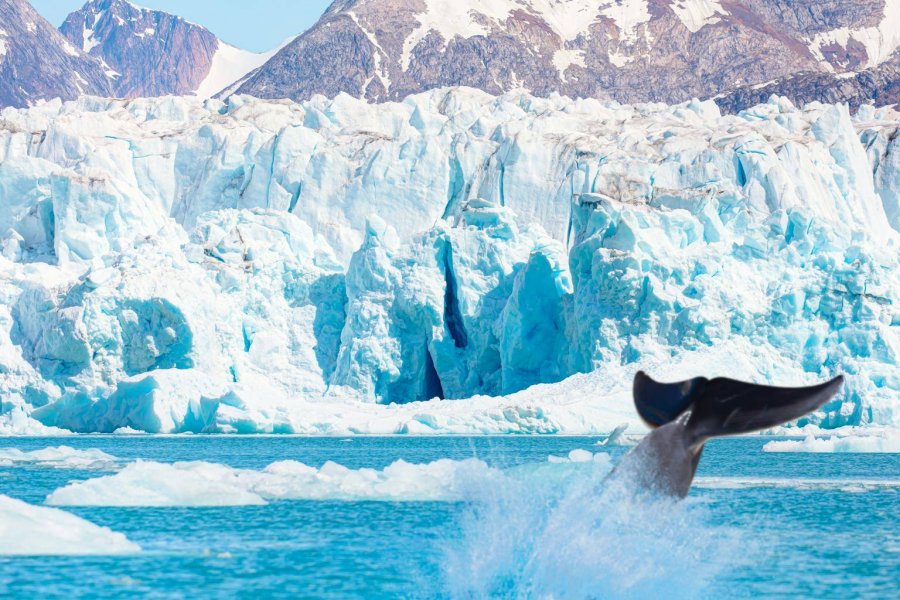
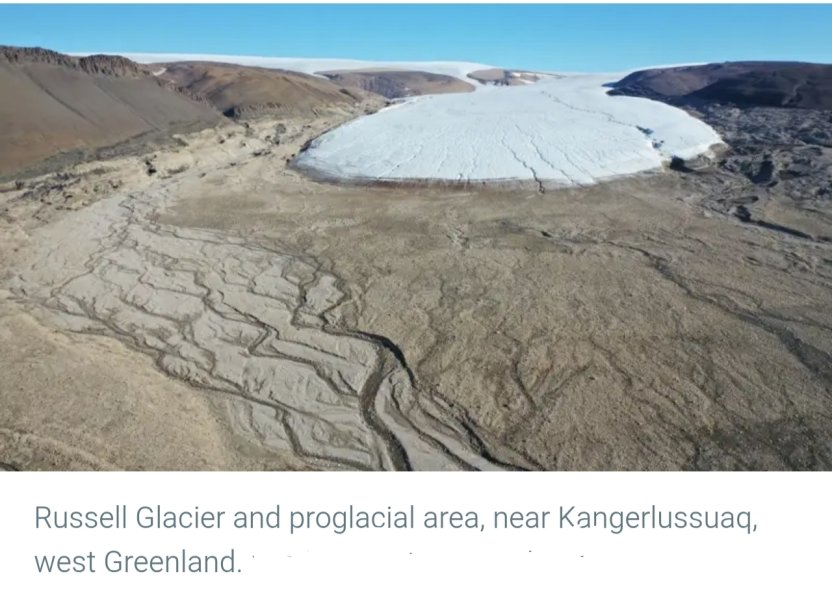
Greenland's massive ice sheet is currently losing more than 270 billion tonnes of ice each year, contributing significantly to global sea-level rise. This accelerating melt poses an immediate threat to coastal communities worldwide and is altering the delicate balance of North Atlantic currents. Scientists monitoring the region report that the rate of loss has increased sixfold since the 1980s. The island holds the second-largest body of ice on Earth, containing enough water to raise global sea levels by over seven metres if it were to melt entirely. Over the last several decades, rising atmospheric and oceanic temperatures have shifted Greenland from a state of relative stability to one of consistent mass loss. Researchers use satellite data and ground sensors to track these changes, which serve as a primary indicator of the planet's warming trend. This geographical importance stems from the "Albedo Effect," where white snow reflects sunlight back into space. As the ice melts and exposes darker land or water, the region absorbs more heat, creating a feedback loop that accelerates further melting. This process makes Greenland a critical laboratory for understanding how polar changes amplify global warming. Climate experts warn that the freshwater runoff from Greenland could disrupt the Atlantic Meridional Overturning Circulation (AMOC), a system of currents that regulates weather patterns in Europe and North America. Recent studies suggest that even if global emissions are reduced immediately, a significant amount of future sea-level rise is already "locked in" due to current warming. Looking ahead, international research teams are focusing on the "tipping points" of the Greenland ice sheet to determine at what temperature the melt becomes irreversible. Future missions will involve more sophisticated drone technology and deep-ice drilling to better predict how fast the seas will rise. These findings will be essential for global policymakers as they plan infrastructure and climate adaptation strategies for the coming century. Adapted From: The Conversation Key Takeaways Greenland currently loses roughly 270 billion tonnes of ice annually, which is six times the rate observed in the 1980s. The island’s ice sheet contains enough water to raise global sea levels by approximately seven metres if fully melted. Freshwater runoff from the region threatens to disrupt major Atlantic Ocean currents that regulate global weather systems. Related Stories Rising Tides: How Coastal Cities are Preparing for 2050 The Albedo Effect: Why Polar Melting Accelerates Global Warming
-
3ddcc237352a89e81fa65d238c7cd778.mp4
-
All about the Plates..., 😁 Australia is far larger than Greenland in pure land area, but it isn’t classified as an island. Australia spans about 7.69 million km², while Greenland covers roughly 2.16 million km², making Australia more than three times bigger. The key distinction is that Australia sits on its own continental plate and has the geological, ecological, and cultural characteristics of a continent, not an island. Because of this classification, Australia is officially considered a continent, leaving Greenland to hold the title of the world’s largest island. Greenland qualifies because it is a single landmass completely surrounded by water, yet still smaller than a continent. If you'd like to explore more, here are two useful references: https://www.britannica.com/place/Australia https://www.britannica.
-
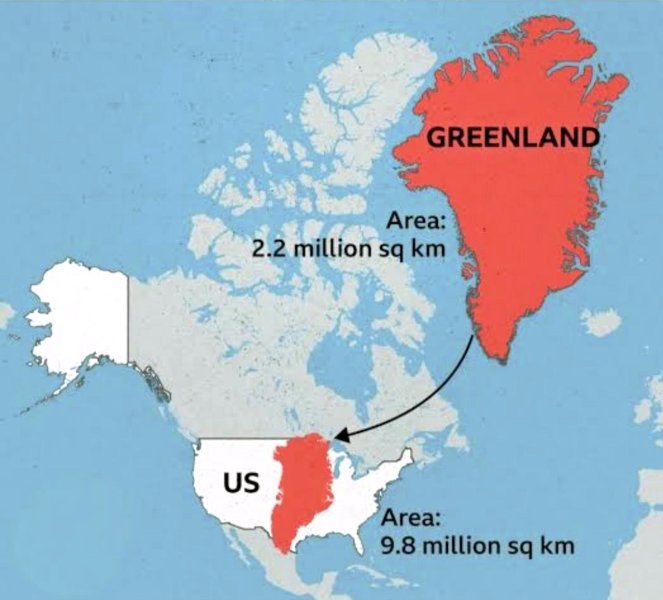
Watched it yesterday. Absolutely terrific. Great shootouts too!Greenland, often shown as a vast landmass on global maps, covers around 2,166,086 square kilometres, making it the world’s largest island but smaller than its distorted appearance on common map projections suggests. This difference between perception and reality has a notable impact on how people understand Greenland’s true scale. The island sits between the Arctic and Atlantic oceans and is an autonomous territory within the Kingdom of Denmark. Its apparent size on Mercator maps, which exaggerate high-latitude regions, can make Greenland seem comparable to much larger areas such as Africa. In reality, Africa is around 14 times larger, highlighting how map projection methods can significantly mislead viewers. These distortions stem from the Mercator projection’s priority for navigational accuracy rather than area accuracy. When comparing true land area, Greenland is considerably larger than many individual Western European nations. It is roughly four times the size of France, about six times larger than Germany, and nearly nine times the size of the United Kingdom, illustrating the substantial difference between the island and these European states. These comparisons reflect accurate land area rather than visual impressions from maps. Greenland is, however, much smaller than major landmasses like the United States. The US is more than four times larger, which places Greenland’s size into clearer global context. When superimposed over Western Europe in true-scale tools, Greenland appears expansive enough to cover large sections of the region, further emphasising its size relative to individual countries. Greenland’s landmass is also notable for its very low population density, with most of its small population living along a narrow ice-free coastal strip. Much of the island is dominated by its ice sheet, which is central to scientific research and climate-related discussions. Key Takeaways Greenland covers about 2.16 million km², making it the world’s largest island but smaller than often perceived. It is several times larger than individual Western European countries but much smaller than the United States. Map projections, especially Mercator, significantly distort Greenland’s appearance and affect public understanding. Related Links https://mapfight.xyz/map/gl/ https://www.thetruesize.com/ https://compare.edu.vn/compare/how-big-is-greenland-compared-to-europe/
 The 37-year-old mother of three was fatally shot by U.S. Immigration and Customs Enforcement (ICE) agent Jonathan Ross on 7 January 2026, in Minneapolis, Minnesota. The medical examiner’s report confirmed the cause of death as "multiple gunshot wounds." Investigation Details Manner of Death: While the "homicide" ruling confirms she died at the hands of another person, the medical examiner noted this does not necessarily mean the act was a criminal one under the law. Autopsy Findings: A private autopsy commissioned by the family revealed three gunshot wounds: one to the left forearm, one to the right breast, and a fatal shot that entered the left temple and exited the right side of the head. Conflicting Accounts: Federal officials and the Department of Homeland Security have stated the agent acted in self-defence, alleging Good weaponized her vehicle. However, witness videos and state officials, including Minnesota Attorney General Keith Ellison, suggest she was acting as a legal observer and was attempting to drive away from the agents when the shots were fired. Current Status The FBI is currently leading the sole criminal investigation into the shooting. Federal prosecutors have not yet brought any charges against Agent Ross. Meanwhile, the family's legal team is pursuing a civil rights investigation, and the incident has sparked widespread national protests. Key Takeaways The Hennepin County Medical Examiner has officially classified Renée Good's death as a homicide caused by multiple gunshot wounds. A private autopsy found the fatal shot entered the left side of Good’s head, supporting witness claims that she was driving away from the agent at the time. The Department of Justice has declined to open a criminal investigation, citing self-defence, while state officials accuse the federal government of obstructing local probes. Adapted From: Full Article
 Sabai Jai Camp & Cafe ร้านสบายใจ หนองคาย https://share.google/QKcFO4tvpkG0F21MW Really worth a visit, beautiful views of Laos across the Mekong. Foods good too!Negative comment on news article & replies removed. @beautifulthailand99 17.News articles are collected from recognised sources and may be consolidated or rewritten with AI assistance. Respectful discussion of the article content is welcome. Disrespectful comments about the articles, the use of AI, or the news team (e.g. “clickbait,” “slow news day,” mocking grammar, or AI taunts) are not permitted. Posts breaching this rule will be removed, and posting suspension or account closure may result. If you see an error in an article, please use the report function.https://share.google/z1uvaAtTpXhotE4Jh Jaider Cafe, near Friendship Bridge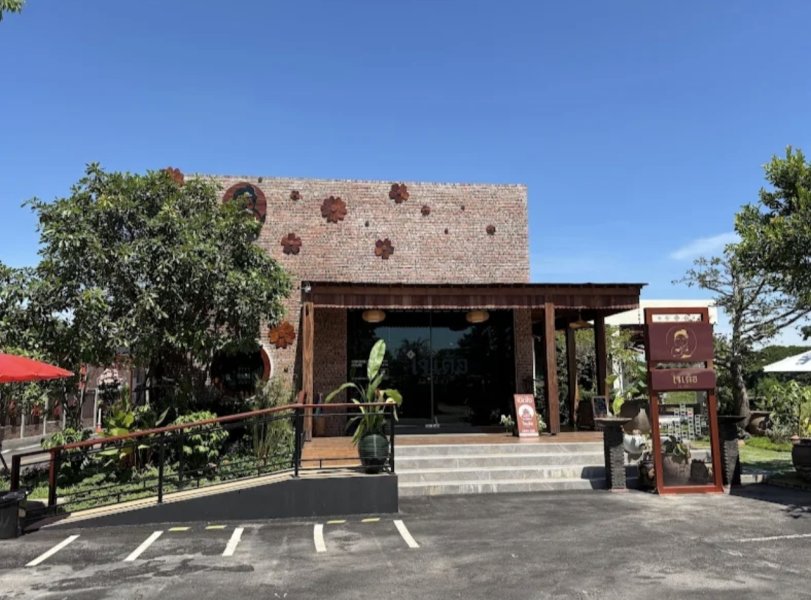
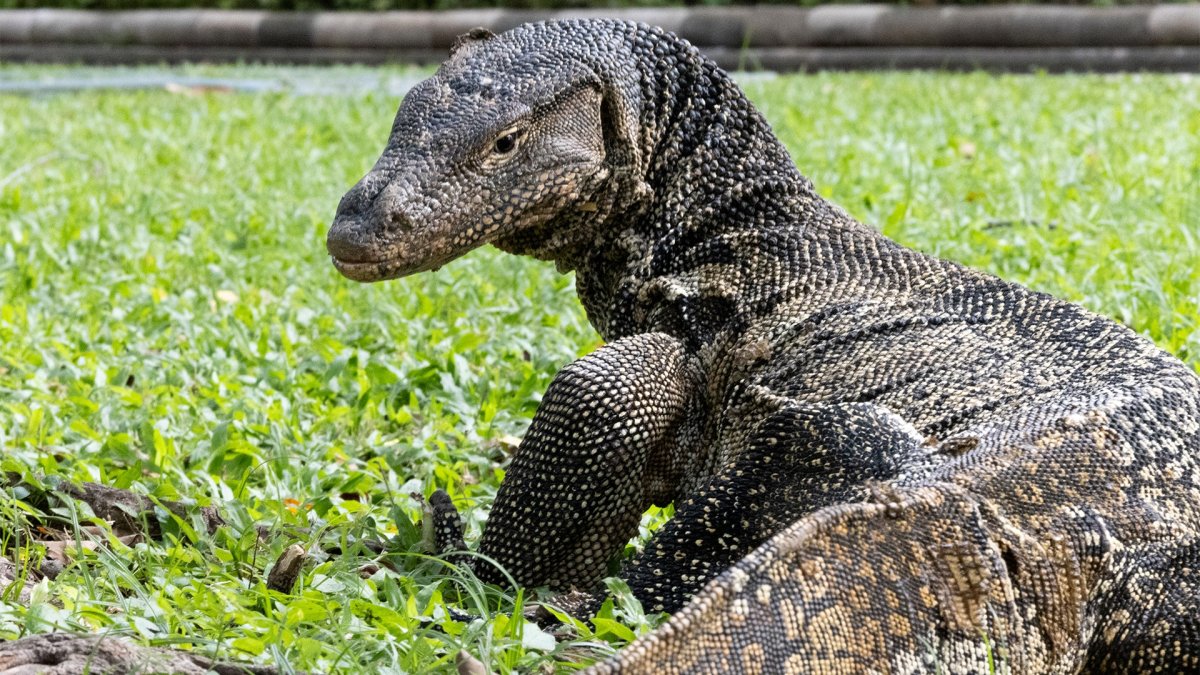
 Troll post removed @ColeBOzbourne 28. You will not make changes to messages quoted from other members posts, except for purposes of shortening the quoted post. Do not shorten any post in a way that alters the context of the original post. Do not change the formatting of the post you are quoting.Trolling post removedBangkok authorities are grappling with an explosion of Asian water monitor lizards infiltrating the city’s most famous green spaces. The population boom is causing significant disruption, with reptiles frequently dashing in front of cyclists and startling pedestrians in Lumphini Park. The Asian water monitor is the world’s second-largest lizard, capable of reaching lengths of up to 3 meters. These prehistoric-looking predators have thrived in Bangkok’s network of over 1,600 canals, where they lack natural enemies and enjoy a constant food supply. While experts from the Zoological Park Organisation note the lizards help control rat populations and dispose of carcasses, park officials warn they are damaging flora and creating safety hazards. In past interventions, the Bangkok Metropolitan Administration (BMA) deployed teams using catfish bait and lassos to relocate hundreds of lizards to the Khaoson Wildlife Breeding Centre in Ratchaburi. Management efforts are set to continue as officials seek a balance between protecting the species and ensuring public safety. The BMA is currently consulting with wildlife experts to determine the ideal population size to maintain the park's ecological health without overwhelming its human visitors. Key Takeaways Bangkok’s Lumphini Park is currently home to an estimated 400 Asian water monitor lizards that can grow up to 3 meters long. The reptiles are protected under Thai law, but authorities have previously relocated over 100 individuals to wildlife sanctuaries to reduce park congestion. Environmental experts emphasize that the lizards are vital urban scavengers that maintain the ecosystem by hunting rodents and eating organic waste. Adapted From Here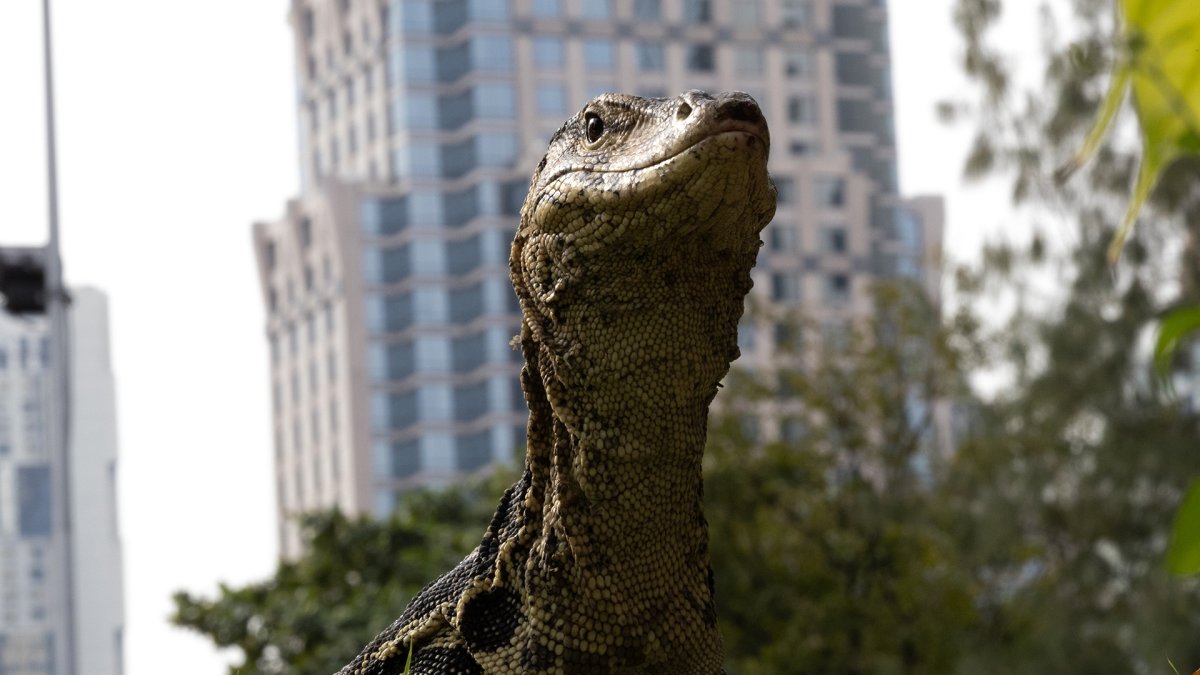
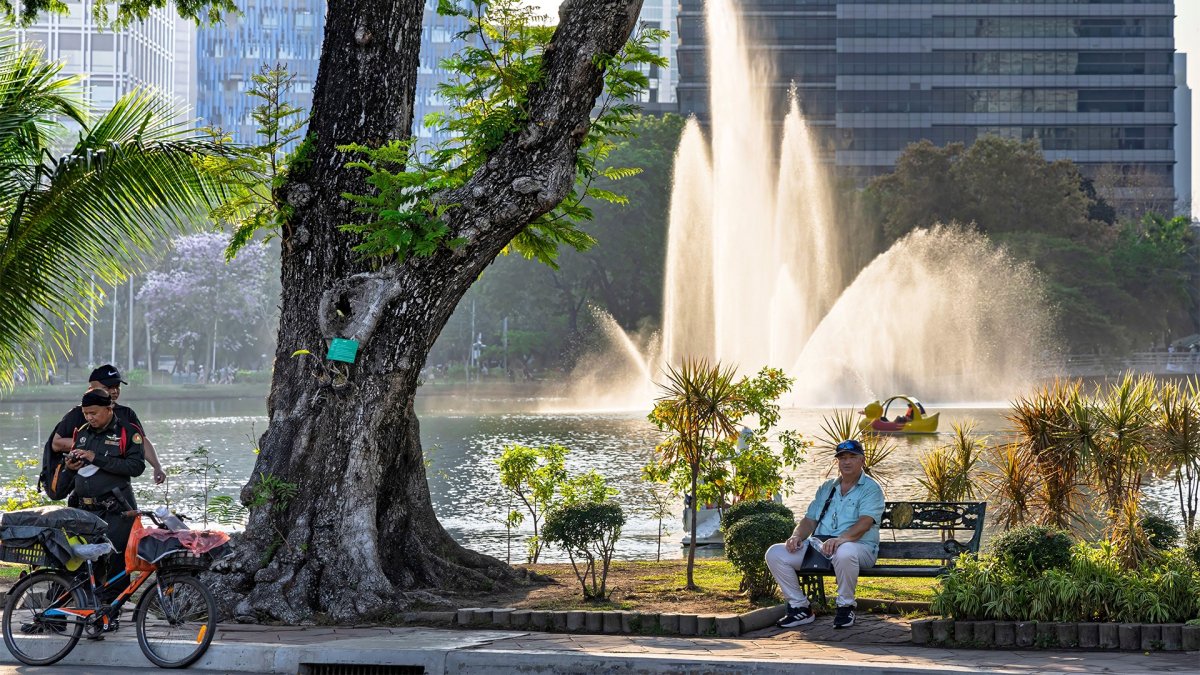
 On the bay now
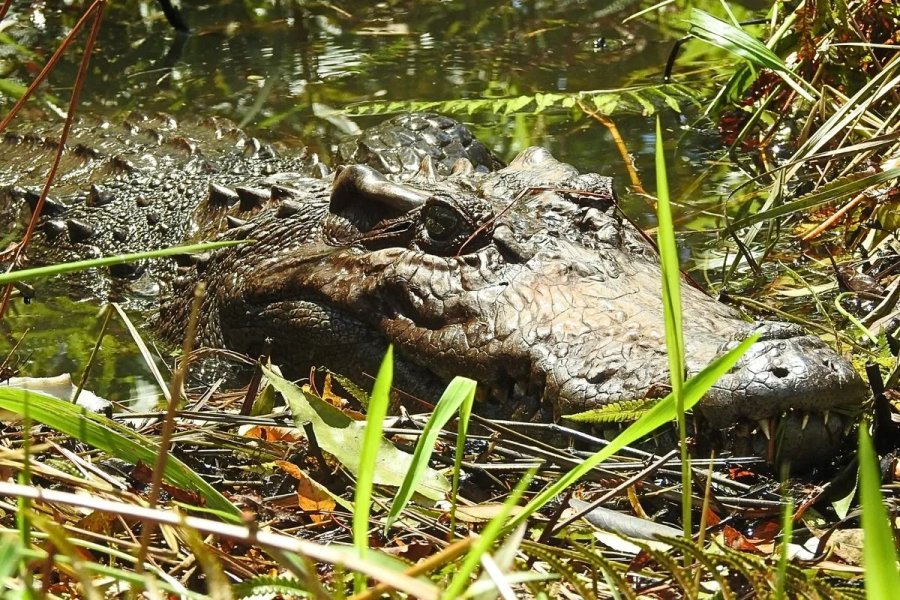
 Conservationists in Laos have successfully collected 60 Siamese crocodile eggs from the wild to protect them from environmental threats. This initiative, led by the Wildlife Conservation Society (WCS) in collaboration with local communities, aims to boost the population of this critically endangered species. The eggs were recovered from the Xe Champhone Wetland Complex in Savannakhet Province. This rescue mission was prompted by the high risks facing wild nests, including flooding and predation by other animals. In the wild, Siamese crocodile hatchlings face a survival rate of less than five per cent due to these natural pressures. By removing the eggs from these hazardous conditions, experts can ensure a much higher success rate through controlled incubation. The Siamese crocodile was once widespread across Southeast Asia but saw its numbers plummet during the 20th century due to habitat loss and hunting. It was even feared extinct until a small population was rediscovered in the early 2000s. Currently, the species is listed as Critically Endangered on the IUCN Red List, with only a few hundred individuals remaining in the wild. The WCS Lao PDR program works closely with "village crocodile rangers" to monitor nesting sites and protect the local ecosystem. This community-based approach ensures that conservation efforts are integrated with the needs of people living near the wetlands. Experts believe that involving local residents is the most effective way to prevent poaching and habitat destruction. Once the eggs hatch at a specialized facility, the young crocodiles will be raised for approximately two years until they are large enough to defend themselves. During this period, they are kept in a secure environment and provided with consistent nutrition. This head-starting technique has proven vital for reviving dwindling reptile populations globally. Looking ahead, the healthy juveniles will be released back into their natural habitat within the Xe Champhone wetlands. These releases are typically accompanied by traditional ceremonies to celebrate the return of the crocodiles to the wild. Continuous monitoring will be required to track the progress of the released individuals and ensure the long-term stability of the population. Key Takeaways Conservationists collected 60 eggs from the Xe Champhone Wetland Complex to protect them from flooding and predators. The Siamese crocodile is a critically endangered species that faced near extinction before recovery efforts began in the 2000s. Rescued hatchlings will be raised in captivity for two years before being released back into the wild to improve survival rates. Adapted From Discover Wildlife
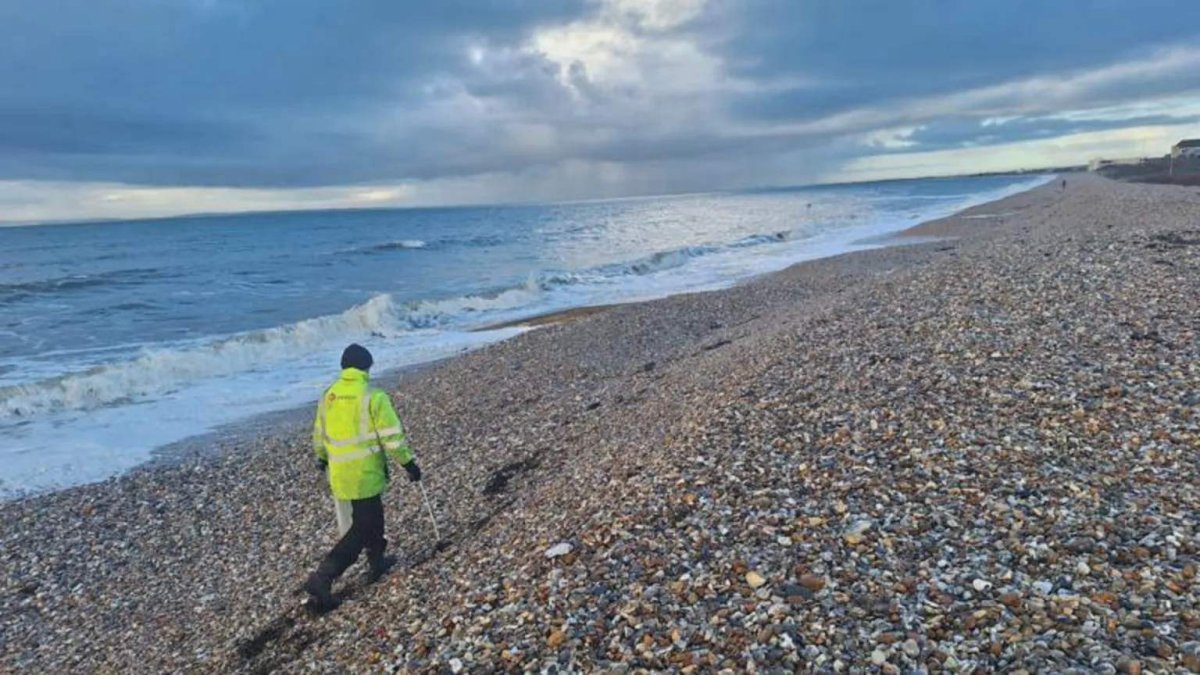
 Several off topic posts & replies removedClean-up crews have successfully removed over 145 tonnes of waste and debris from the West Sussex shoreline following major cargo ship incidents. The massive operation, coordinated by local authorities and specialist contractors, has seen a significant clearance of materials that posed a threat to public safety and the local ecosystem. While the bulk of the immediate waste has been collected, the impact on the coastal environment remains a priority for monitoring teams. The debris originated from multiple shipping containers lost overboard in the Solent and surrounding waters during severe weather in December 2025 and January 2026. On 6 December, sixteen refrigerated containers were lost from the Liberia-registered Baltic Klipper, with eleven later washing up across East and West Sussex. More recently, an additional twenty-four containers were lost from two vessels during Storm Goretti, leading to a surge of materials appearing on beaches from West Wittering to Shoreham. The recovery effort has involved a complex partnership between West Sussex County Council, Arun District Council, and Chichester District Council, alongside environmental contractors Ambipar and AR Banks. Teams have been working in challenging conditions to retrieve a vast array of items including organic materials, metals, plastics, and large fragments of the containers themselves. In sensitive areas such as the Medmerry Nature Reserve, specialists had to use hand-picking techniques and industrial vacuums to remove small foam and plastic particles without damaging the protected habitat. The Maritime and Coastguard Agency continues to track further containers reported to be afloat offshore. Public safety officials have issued a stern warning to residents to avoid approaching any remaining debris or containers, noting that the contents may be unstable or hazardous to humans and pets. Local authorities confirmed that while the 145-tonne milestone is significant, the operation is "developing" and requires ongoing vigilance as new materials continue to be spotted in the water. Key Takeaways Specialist teams have cleared 145 tonnes of cargo and container debris from the West Sussex coastline following recent winter storms. The multi-agency operation utilised vacuum equipment and hand-picking to protect environmentally sensitive sites like Medmerry Nature Reserve. Residents are being urged to stay away from any newly sighted containers due to potential safety hazards and the risk of toxic contents. Adapted From BBC Related Stories [Link: Shipping container safety regulations under review after Solent losses] [Link: Impact of Storm Goretti on South Coast maritime traffic]
 Former Buffalo police detective Joseph Bongiovanni has been sentenced to ten years in federal prison following his conviction on multiple corruption charges. The sentencing, handed down by US District Judge Lawrence Vilardo, concludes a high-profile case involving the bribery of a law enforcement official. Bongiovanni was found guilty of accepting at least $250,000 in bribes over a decade to protect childhood friends with ties to organised crime. The 60-year-old veteran officer was convicted on charges of conspiracy to defraud the United States, bribe-taking, and perjury. Prosecutors established that Bongiovanni used his position in the narcotics unit to shield associates from federal investigations and arrest. This interference compromised numerous drug trafficking inquiries and undermined the integrity of the Buffalo Police Department. The case against Bongiovanni began years ago, centering on his relationship with Peter Gerace Jr., the owner of a local strip club with alleged Mafia connections. Investigators discovered that Bongiovanni consistently provided "cover" for Gerace and others, warning them of pending raids and grand jury activity. This protection allowed a large-scale drug distribution network to operate with relative impunity within the city. During the trial, evidence revealed that Bongiovanni maintained a "secret" file system to track which investigations he needed to derail. He also lied to federal agents during the initial stages of the inquiry, leading to his perjury conviction. Despite his defence claiming the money was legitimate savings or gifts, the jury found the pattern of payments tied directly to his official actions. Federal prosecutors described the case as one of the most significant instances of police corruption in the region’s history. U.S. Attorney Trini Ross stated that Bongiovanni’s actions were a "betrayal of the badge" and the community he was sworn to protect. Experts noted that the decade-long duration of the scheme highlighted systemic vulnerabilities in local law enforcement oversight. The sentencing has sparked discussions regarding the need for more rigorous internal audits within narcotics divisions. Some community leaders have called for a complete review of cases handled by Bongiovanni during his tenure to ensure no other wrongful acts occurred. The conviction is seen as a message that law enforcement officers are not above the laws they are tasked with enforcing. Bongiovanni is expected to begin his prison sentence within the coming weeks, though his legal team has indicated they may pursue an appeal. The investigations into his co-conspirators, including Peter Gerace Jr., continue to move through the judicial system. Authorities are now focused on dismantling the remnants of the criminal organisation that Bongiovanni helped protect for so many years. Adapted From Here Key Takeaways Joseph Bongiovanni received a ten-year prison sentence for accepting $250,000 in bribes to protect organised crime associates. The former detective was convicted on charges including conspiracy, bribery, and perjury following a lengthy federal investigation. This case represents a major breach of public trust that has prompted calls for stricter oversight within the Buffalo Police Department. Related Stories [The Trial of Peter Gerace Jr.: Allegations and Evidence] [Reforming Internal Affairs: How Buffalo Aims to Prevent Future Corruption]
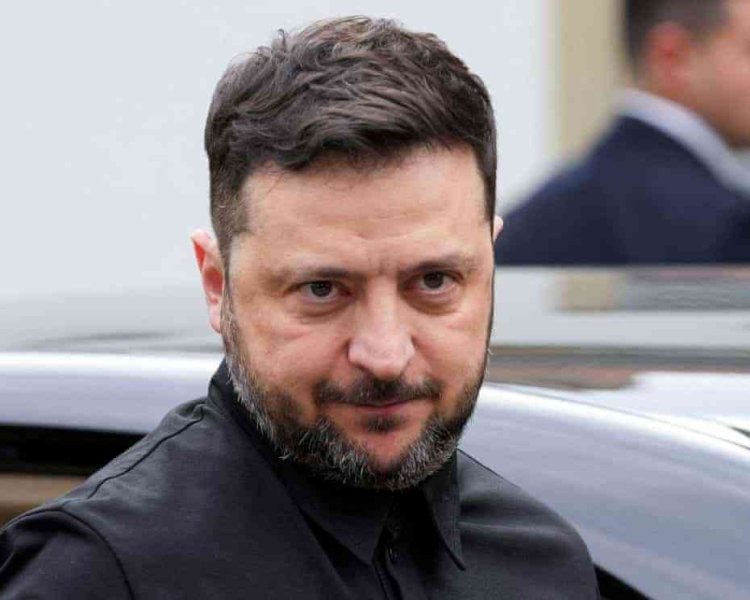
 Ukrainian President Volodymyr Zelenskyy is expected to arrive at the World Economic Forum in Davos this Thursday for a critical face-to-face meeting with Donald Trump. The sudden shift in schedule comes after Zelenskyy initially suggested he would remain in Ukraine to manage a domestic energy crisis triggered by relentless Russian strikes. The logistics of the meeting saw a brief moment of confusion when Trump announced the sit-down for Wednesday—a day Zelenskyy was still in Ukraine. Officials later clarified the summit would occur on Thursday. While Zelenskyy has emphasized that any meeting with U.S. leadership must yield "concrete results" or move the needle toward peace, it remains unclear if a formal agreement is ready for signing. High-level discussions between Ukrainian negotiators and Trump’s envoys, including Jared Kushner and Steve Witkoff, have been ongoing since the weekend, focusing on security guarantees and the massive task of postwar reconstruction. In a parallel development, the diplomatic landscape grew more complex as Vladimir Putin announced his own plans to meet with Kushner and Witkoff in Moscow following their Davos departure. Putin is reportedly seeking to discuss the fate of roughly €300 billion in frozen Russian assets. While the EU aims to use these funds for Ukraine's defense, Putin is attempting to pivot the narrative toward using the capital for his own "reconstruction" efforts in conflict-damaged areas. Meanwhile, NATO Secretary General Mark Rutte has issued an urgent plea to military leaders, calling on member nations to "look deep into your stockpiles" to provide immediate air defense interceptors for Kyiv. On the ground, the conflict continues to escalate with drone strikes hitting Russian oil terminals and stray anti-air missiles causing civilian casualties, underscoring the desperate need for a diplomatic or military breakthrough. Key Takeaways Sudden Summit: Despite previous cancellations due to a national energy crisis, Zelenskyy is traveling to Davos specifically to meet with Trump to discuss peace terms and security. Asset Tug-of-War: Vladimir Putin is engaging with U.S. envoys to influence the use of €300 billion in frozen Russian assets, competing with EU plans to fund Ukrainian defense. Urgent NATO Appeal: NATO leadership is pressuring member states to bypass political hesitation and immediately release air defense reserves to protect Ukrainian infrastructure. Adapted From: The Guardian UK
 I think it would be very helpful for budding entrepreneurs if you could make a list of all the small coffee shops, compile it into a spreadsheet. 😁At the 2026 World Economic Forum in Davos, Switzerland, President Donald Trump delivered a speech that sent shockwaves through the international community. While the summit is traditionally a hub for global cooperation, Trump used the platform to assert a "Western Hemisphere First" doctrine, characterized by a mix of American isolationism and imperial ambition. The most controversial aspect of the address focused on Trump's renewed interest in acquiring Greenland. Addressing European leaders, Trump insisted that the United States needs the island for "strategic national security" due to its position between the U.S., Russia, and China. In a line that many diplomats found threatening, he suggested that while he does not intend to use "excessive force," he expects the territory to eventually come under the American flag. Still, one line stood out, as if it were a cutting-room-floor discard from Goodfellas: "You can say yes and we will be very appreciative," Trump noted, "or you can say no and we will remember." Beyond the Greenland dispute, the President took aim at NATO and traditional European allies. He labeled Denmark "ungrateful" and criticized the broader alliance as being unfairly dependent on American resources. Throughout the speech, Trump’s rhetoric fluctuated between dismissive and demanding, at one point claiming that many foreign governments would cease to function without U.S. support. The reaction in Davos was overwhelmingly negative. European officials expressed frustration with what they perceived as "gangster-like" negotiation tactics and a blatant disregard for international sovereignty. Another way to read that familiar frame? We can do this the easy way or the hard way. As Trump continues to push for a shift in global power dynamics, his Davos appearance has left allies questioning the future of Western security and the stability of the Arctic region. Key Takeaways Greenland is a Top Priority: Trump signaled that the U.S. views the acquisition of Greenland as essential for Arctic security, using high-pressure rhetoric to push Denmark for a deal. Strain on Global Alliances: The speech intensified friction with NATO members, as the President questioned the value of the alliance and the gratitude of European partners. "Hard Power" Negotiation: Despite claiming he would avoid military force, Trump’s "easy way or hard way" framing signaled a more aggressive and transactional approach to U.S. foreign policy. Adapted From Time Magazine
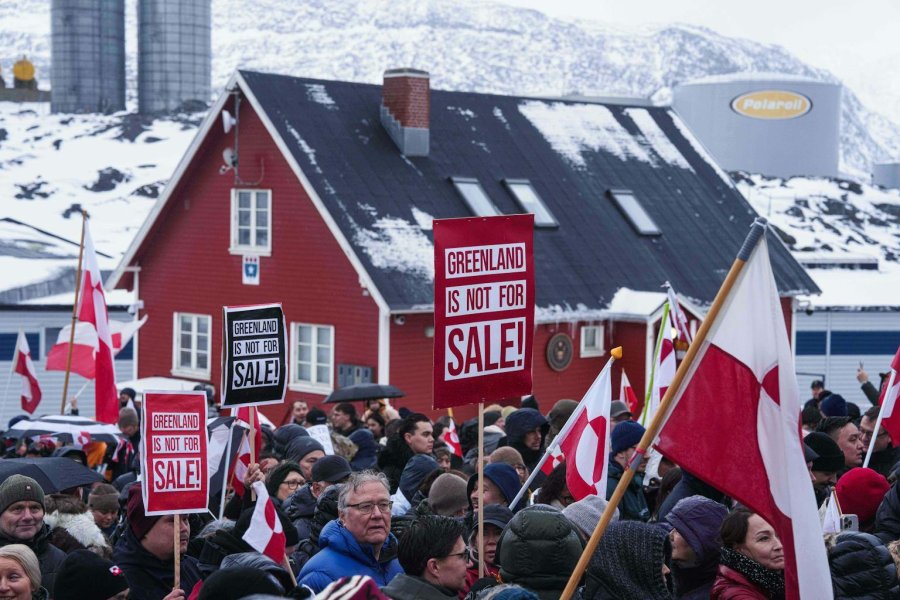
 The bold proposal to bring Greenland under U.S. control is facing its toughest challenges yet. While President Donald Trump initially signaled that an acquisition was imminent—fueled by recent military moves in Venezuela and aggressive tariff threats—the "Greenland gambit" is now navigating a minefield of domestic and international resistance. Is the Greenland Dream Fading? Despite provocative social media posts and AI-generated images of the American flag flying over the territory, the path forward has narrowed significantly. Diplomatic efforts recently hit a dead end after meetings between the White House and leaders from Denmark and Greenland ended in "fundamental disagreement." With Greenlanders maintaining that their island is "not for sale" and the U.S. Congress showing no interest in funding a purchase, the administration’s options are dwindling. The prospect of military intervention—once a looming shadow—is proving to be a political non-starter. A recent Ipsos poll revealed that only 4% of Americans support using force to take the territory, making it one of the least popular policy ideas in modern history. This overwhelming public disapproval, combined with threats of impeachment from high-ranking Republicans like Congressman Don Bacon, has forced the President to publicly distance himself from military threats during his recent Davos appearance. The European Response Across the Atlantic, European allies are not sitting idle. Denmark has deployed "tripwire" military reinforcements to Greenland to raise the stakes of any potential aggression. Simultaneously, the European Union is weighing economic retaliation, including the use of its "trade bazooka"—an anti-coercion instrument designed to curb U.S. market access. As the administration grapples with internal GOP defections and the risk of massive European boycotts, the annexation plan appears increasingly unlikely to succeed. While the President insists there is "no going back," the reality on the ground suggests a looming retreat. Key Takeaways Political Isolation: The proposal faces fierce bipartisan opposition in Congress and holds a record-low 4% approval rating among the American public. Diplomatic Deadlock: Both Denmark and Greenland have officially rejected purchase offers, leading to a total collapse of formal negotiations. Economic Risk: European leaders are preparing massive trade retaliations and consumer boycotts that could jeopardize billions in U.S. exports. Adapted From https://theconversation.com/trumps-annexation-of-greenland-seemed-imminent-now-its-on-much-shakier-ground-273787
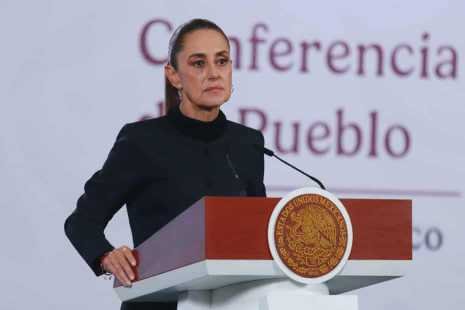
 Mexican President Claudia Sheinbaum is standing by her decision to transfer 37 cartel operatives to the United States, framing the move as an act of national sovereignty. This latest development comes as the Mexican government faces intensifying pressure from the Trump administration to dismantle drug-trafficking networks and curb the flow of fentanyl across the border. The transfer marks the third major flight of high-profile detainees to the U.S. since Donald Trump returned to the White House. Among those sent were key figures from the Cartel Jalisco Nueva Generación and the Cartel del Noreste. Notably, the group included Pedro Inzunza Noriega, a suspected fentanyl trafficker and the first person charged with narco-terrorism by the U.S. Department of Justice in 2025. Security experts suggest these transfers serve as a "pressure valve" to ease diplomatic tensions. President Trump has frequently characterized Mexico as being "run by cartels" and has threatened unilateral military action—a threat that carries more weight following recent U.S. operations in Venezuela. While the U.S. has pushed for joint military operations on Mexican soil to target fentanyl labs, Sheinbaum has firmly rejected "boots on the ground" as a violation of Mexican sovereignty. The stakes are high for both nations. Beyond security, the ongoing renegotiation of the USMCA trade deal has linked economic stability to border security and cartel suppression. Analysts warn that while extraditions are a strong gesture, Washington may soon demand more aggressive action, specifically targeting corrupt political figures suspected of protecting criminal networks. For now, Sheinbaum continues to balance domestic legal concerns with the urgent need to maintain a stable relationship with Mexico's largest trading partner. Key Takeaways Sovereignty vs. Security: President Sheinbaum defends the transfer of 37 cartel members to the U.S. as a sovereign choice, while resisting U.S. calls for military intervention in Mexico. Targeting Fentanyl: The extradited group includes high-ranking operatives and the first individual charged with narco-terrorism, highlighting a focus on synthetic opioid trafficking. Geopolitical Pressure: The Trump administration’s aggressive stance on border security and trade is forcing Mexico to use extraditions as a diplomatic tool to avoid unilateral U.S. actions and tariffs. Adapted From https://www.theguardian.com/world/2026/jan/21/sheinbaum-mexican-cartel-trump
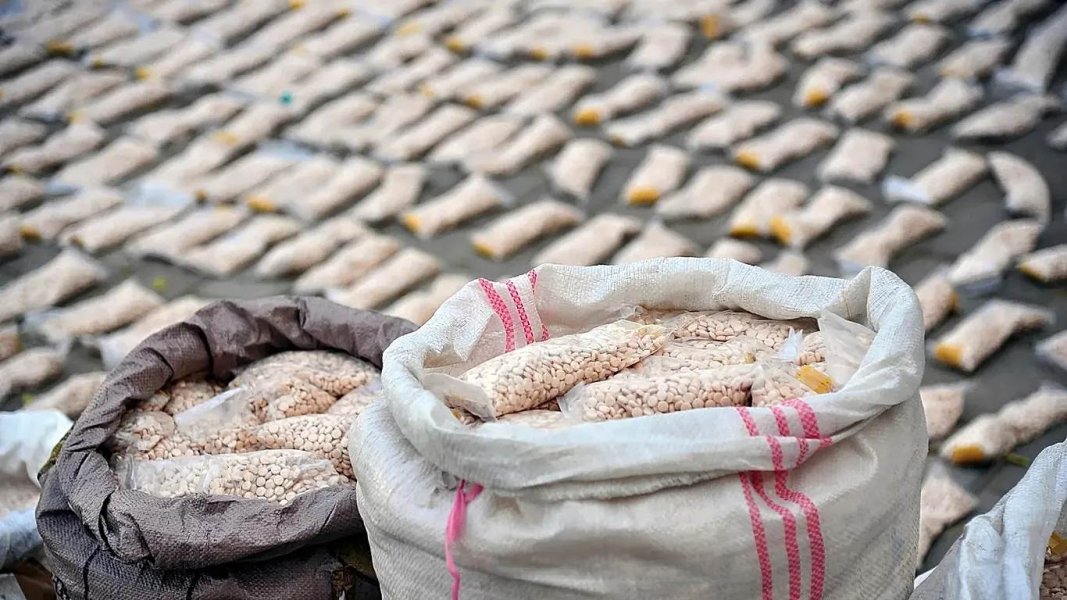
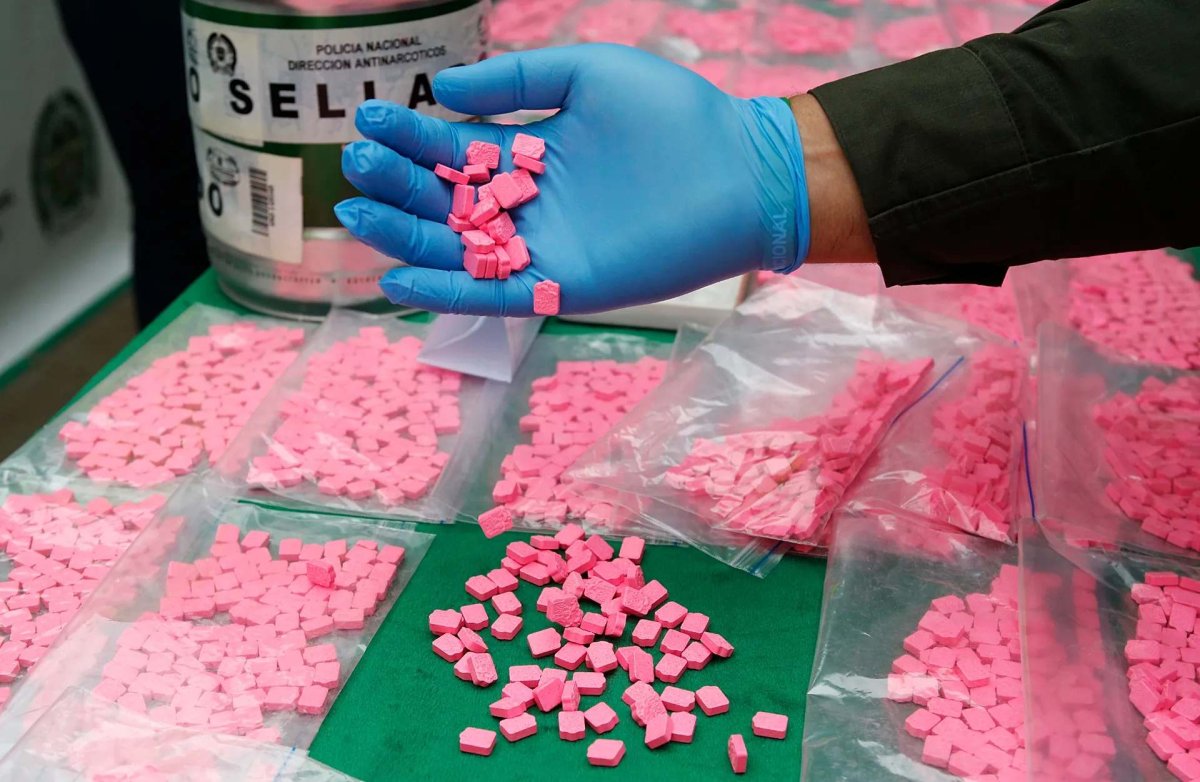
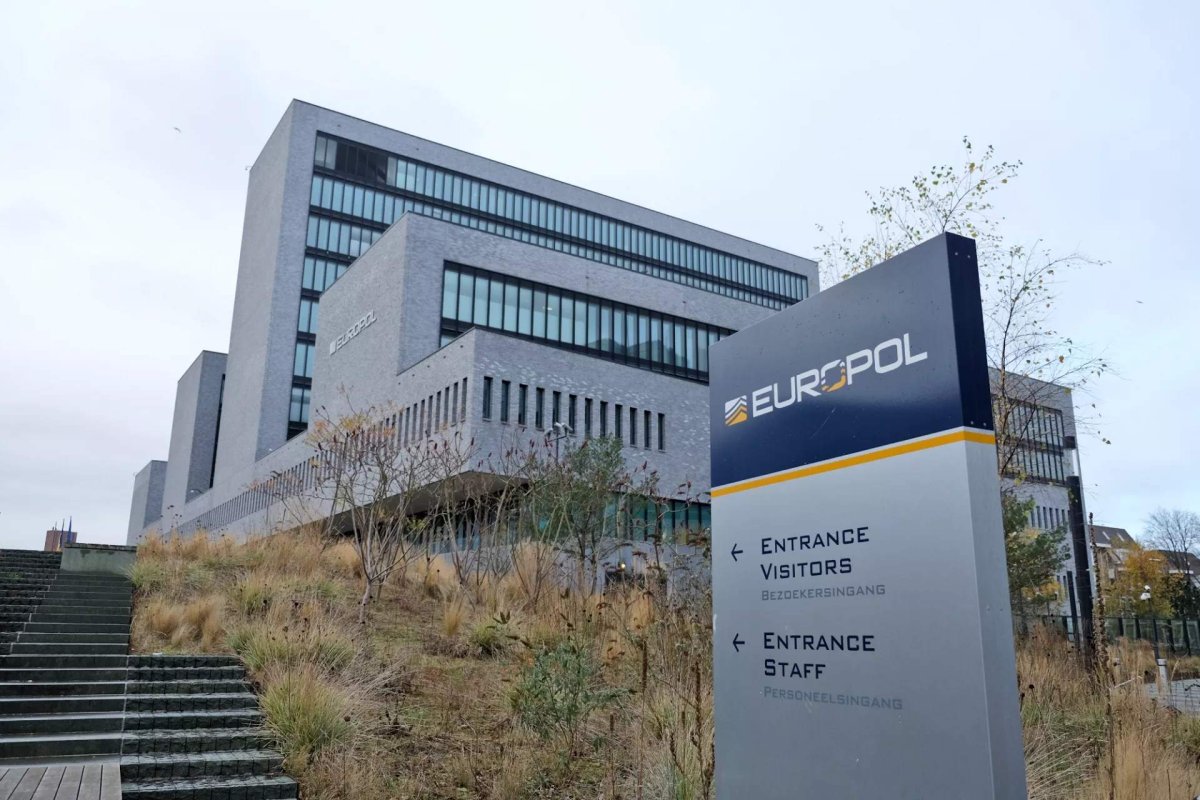
 In a landmark victory for European law enforcement, Europol has announced the largest-ever seizure of precursor chemicals used in the production of synthetic drugs. The year-long operation, which spanned multiple countries including Poland, Belgium, and the Netherlands, resulted in the confiscation of over 1,000 tonnes of chemicals—enough to flood the streets with billions of euros worth of illegal substances. Dismantling a Global Supply Chain The investigation began in 2024 when Polish authorities flagged a suspicious network importing vast quantities of legal chemicals from China and India. While the substances were legal on paper, the criminal organization was mislabeling, repackaging, and distributing them to hidden laboratories across the European Union. These labs then converted the raw materials into synthetic drugs like MDMA and methamphetamines. By targeting the "supply chain" rather than just the final product, Europol aimed to choke the industry at its source. This strategy has proven highly effective, as officials confirmed that the criminal groups involved no longer have the raw materials needed to continue production. Arrests and Environmental Impact The crackdown led to more than 85 arrests, including two high-profile ringleaders from Poland. Beyond the immediate threat of narcotics, authorities highlighted the devastating environmental toll of this industry. Along with the usable chemicals, police seized 120,000 liters of toxic waste. This hazardous sludge is typically dumped illegally into streams or onto farmland, causing long-term ecological damage. While this bust represents a massive blow to the synthetic drug market, Europol officials warned that the fight is far from over. "This is one of the biggest distributors, but it’s not the only one," noted investigators, as they continue to track other networks operating within the EU. Key Takeaways Historic Seizure: Authorities confiscated 1,000 tonnes of chemicals, marking the most significant bust of its kind in European history. Targeted Strategy: The operation focused on disrupting the supply chain of raw materials imported from Asia to stop drug production before it starts. Eco-Threat Neutralized: Police prevented the illegal dumping of 120,000 liters of toxic chemical waste, protecting European soil and water. Adapted From https://www.euronews.com/2026/01/21/police-seize-1000-tonnes-of-chemicals-in-largest-ever-drugs-bust-europol-says