
Bacon1
Global Moderator
-
Joined
-
Last visited
Everything posted by Bacon1
-
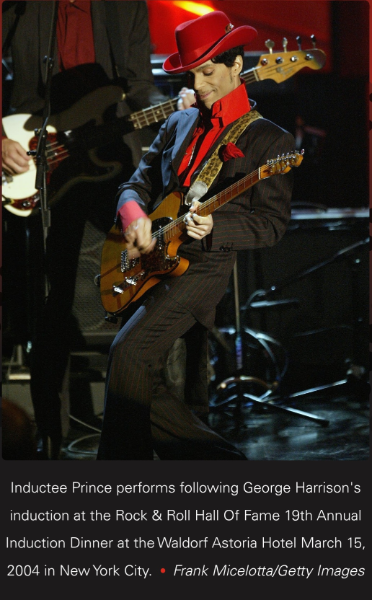
Prince, the legendary music icon, may have up to 1,000 unreleased songs stored in his famously secretive vault, according to biographer John McKie. Known for his prolific studio work, Prince often recorded songs quickly but was selective about what reached the public. The Vault, located in his hometown of Minneapolis, reportedly contained material that only a few people with the combination code could access. Prince’s extensive back catalogue includes classics such as 1999, Purple Rain, When Doves Cry, and Little Red Corvette. Yet, according to McKie, there could be many more tracks of equally high quality still waiting to be heard. Keyboardist Morris Hayes, who worked with Prince for 20 years, reportedly heard songs Prince deemed “for his kids,” despite the artist never having any children, highlighting the enigmatic nature of his creative mind. The book also explores the pivotal moments shaping Prince’s music. Producer Andrew Watt recalls that challenges, including a difficult live show where Prince faced hecklers, inspired him to create bigger and more powerful sounds on his albums. Likewise, accountant Donnie Graves notes that moments of humiliation pushed Prince to achieve unprecedented levels of artistry. These experiences contributed to the creation of Prince’s double album 1999 in 1982, setting the stage for Purple Rain in 1984, which catapulted him to global superstardom. McKie spent over five years interviewing 200 people close to Prince, yet the musician’s full legacy remains shrouded in mystery, fueling continued fascination with his unreleased work. Key Takeaways: Prince’s vault in Minneapolis may contain up to 1,000 unreleased songs. McKie and collaborators suggest some tracks could surpass the quality of Purple Rain. Challenges and live performance experiences shaped Prince’s iconic, larger-than-life sound. Original Source: https://www.mirror.co.uk/3am/celebrity-news/prince-could-1000-unreleased-songs-35921112

-
Troll post removed. @2long The OP asked for advice.
-
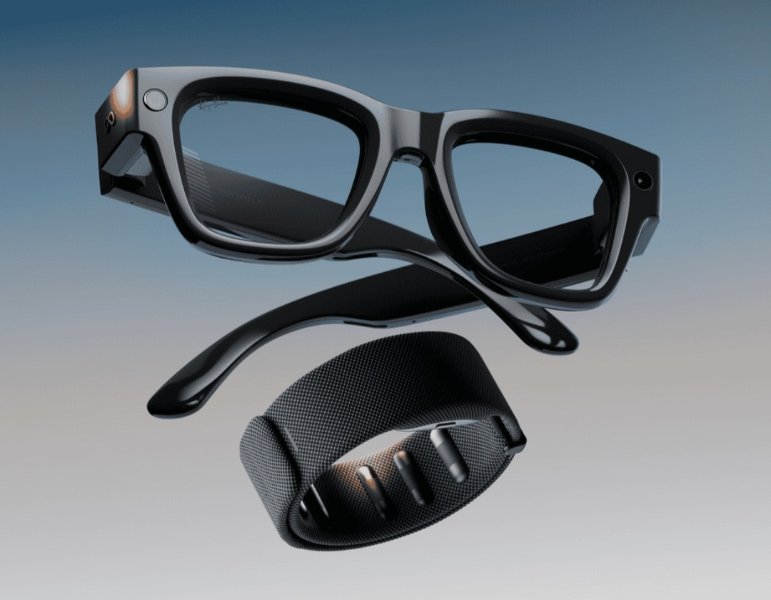
Meta has unveiled three new AI-powered smart glasses, including its first Ray-Ban model with an internal augmented reality display, at its Meta Connect event. Named Ray-Ban Display, the glasses blend classic Wayfarer styling with high tech: a translucent right-lens screen visible only to the wearer, plus camera, microphone, speakers, and an LED that signals when the camera is active. They come with a “Neural Band” wristband that tracks gestures like pinches and swipes for hands-free control, and offer voice and touch controls. Uses span live captions and translations, turn-by-turn walking directions, and even real-time information about landmarks or objects via Meta’s AI. Battery life is around six hours of mixed usage; the charging case adds up to 30 hours of standby. Available in the U.S. from 30 September, starting at US$799, with UK, France, Italy, and Canada getting them early 2026. Two frame sizes and colours, transitioning lenses, plus other smart glasses announced: Oakley Meta Vanguard for sports-oriented folks, and an upgraded Ray-Ban Meta AI without display but better camera and battery. Key Takeaways Meta’s Ray-Ban Display adds AR screen inside the lens + gesture control via wristband, blending tech with fashion. Features include voice/touch, translation, live captions, real-world info via AI; battery ≈ six hours mixed use. Price starts at US$799; launches in US in late September, wider rollout in early 2026. Original Source Meta announces first Ray-Ban smart glasses with in-built augmented reality display — The Guardian

-
The UK government may face pressure to raise the State Pension Age (SPA) dramatically — possibly up to 80 years old — unless major reforms are made. Current law already sets the SPA to increase from 66 to 67 between 2026-2028, and to 68 in the mid-2040s. Experts argue that without significant changes in how pensions are funded, demographic shifts (longer lifespans, more retirees vs. workers), and increasing fiscal strain, further increases may be inevitable. Proposals to reduce the statutory funding burden include trimming benefits, increasing contributions, or altering eligibility rules. But these options bring trade-offs: many older workers are already facing health, employment, or inequality barriers which make working longer difficult. Research shows that prior increases in pension age disproportionately harm those who had left paid work before the rise, had lower incomes or poorer health, or rented housing. The government has launched a new State Pension Age Review, legally required every six years, to assess whether the SPA remains “appropriate.” This review must consider life expectancy, public finances, labour market conditions and fairness across generations. Rising the pension age to 80—even as a theoretical scenario—raises questions about whether people currently in their 40s or younger could be affected, what supports would be in place, and how society balances intergenerational equity. Key Takeaways 1. Potential SPA to 80 — Experts warn that without reform, SPA might have to rise to 80 to keep pensions affordable amid demographic and fiscal pressure. 2. Earlier age increases already planned — SPA will reach 67 by 2028, and 68 by mid-2040s, under existing legislation. 3. Unequal impact — Those out of work in late 50s, in poor health, or with less wealth will be hardest hit by future SPA increases; policy must address fairness. Original Source Express article: State pension age rise to 80


-
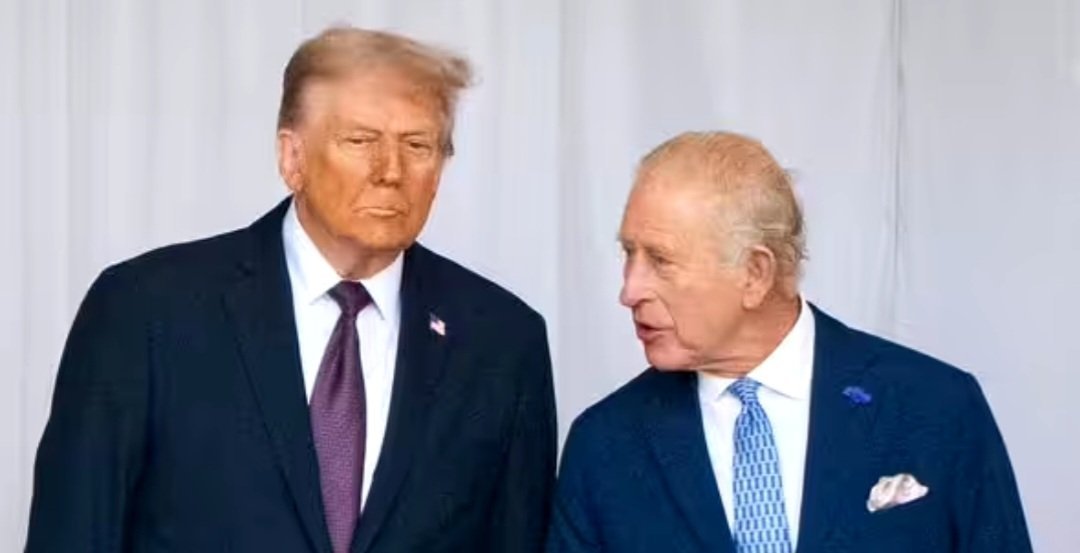
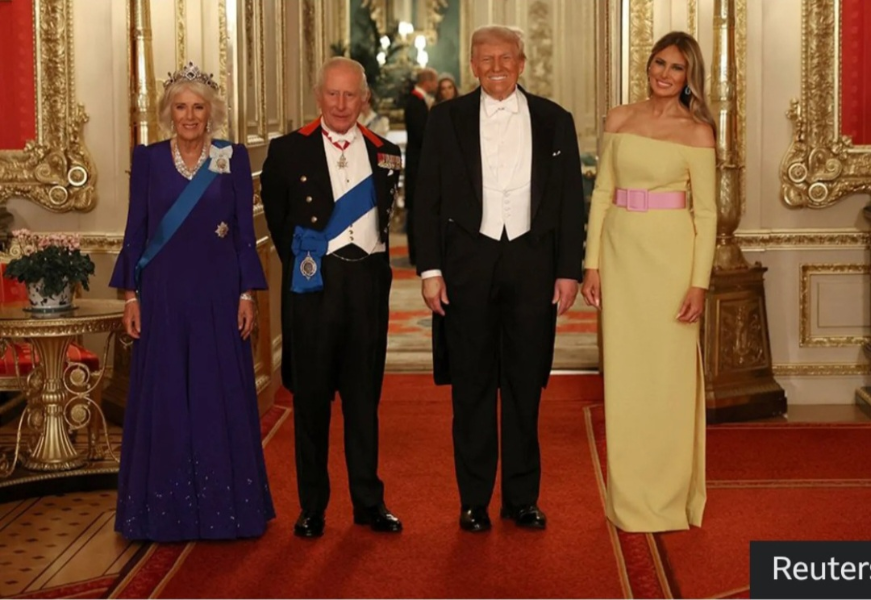
Donald Trump has made history with his second official state visit to the United Kingdom, hosted by King Charles III and Queen Camilla from September 17-19, 2025. It’s the first time a U.S. president has been invited twice by a British monarch, underlining renewed efforts to reinforce the “special relationship” between the two nations. The visit opened with a formal ceremonial welcome at Windsor Castle: Prince William and Princess Kate joined the King and Queen in greeting Trump and First Lady Melania, followed by a carriage procession, a Guard of Honour inspection, and performances by military bands. Trump laid a wreath at Queen Elizabeth II’s tomb in St George’s Chapel. A highlight was the state banquet at Windsor, where Trump spoke warmly of King Charles, calling him “very, very special,” and praised the British people. King Charles emphasised shared democratic values, joint defense efforts, and bilateral cooperation — especially in trade and technology. UK investment pledges from companies like Microsoft and Google, estimated at £31 billion, were also announced. While pageantry dominated, protests and controversies surfaced: critics questioned Trump’s past associations and some policies, and there was unease around the optics of the visit amid current geopolitical tensions. The final day involved more royal engagements: Queen Camilla and Melania Trump toured royal collections, Kate Middleton met youth groups, and Trump held talks with Prime Minister Keir Starmer at Chequers, signalling the UK’s strategic goals of strengthening investment, bolstering security alliances, and maintaining influence in U.S. policymaking. Key Takeaways: Trump becomes the first U.S. president to receive two state visits from a reigning British monarch, underlining the diplomatic importance Britain places on U.S. relations. The visit blended royal spectacle with realpolitik: significant UK-US investment deals, public speeches affirming shared defence and democratic values, but also protests and criticism. Royal family played visible diplomatic roles: King Charles’ role more than ceremonial; Kate, Camilla involved in soft diplomacy (youth events, royal collections), enhancing Britain’s image beyond policy. Original Source: Read more: “Trump hails UK special relationship as he revels in pomp of historic state visit” — Reuters

-
*From Times Of India* Pakistan’s Federal Investigation Agency (FIA) has uncovered a human trafficking scheme disguised as a football team, arresting 22 men who attempted illegal entry into Japan. The suspects were deported immediately upon arrival when Japanese authorities discovered their documents were forged. The ringleader is identified as Malik Waqas, who allegedly founded a fake club named “Golden Football Trial.” Each individual paid him PKR 4 million (≈ INR 12 lakh) for the promise of sports-based overseas migration. Waqas is accused of preparing forged paperwork including fake registration from the Pakistan Football Federation and falsified clearances from the Ministry of Foreign Affairs. FIA reports that the detainees were coached to behave like professional footballers to avoid suspicion during immigration checks. The operation mirrors a similar trafficking plot run by Waqas in January 2024, in which 17 others were sent abroad under the guise of a football team. This case highlights how sports identities and “footballer” status are being exploited by trafficking networks to help people migrate illegally. Pakistan has been under increasing pressure to address immigration issues, especially undocumented migration from neighbouring countries. The government has already intensified crackdowns. The FIA has started a broader investigation; Waqas was arrested on September 15. Authorities are working to identify all participants in the racket and prevent further misuse of sports credentials in illegal migration schemes. Key Takeaways: 1. Trafficking via sports ruse: A fake football club was used to help people enter Japan illegally under the pretense of being professional players. 2. Huge fees and forgery involved: The organizer charged ~PKR 4 million per person and fabricated documents from sporting bodies and government agencies. 3. Repeat offender & widening probe: The same mastermind ran a similar scheme in early 2024; authorities are expanding the investigation. Original Source: Human trafficking shocker! Fake Pakistani football team arrested in Japan — Times of India


-
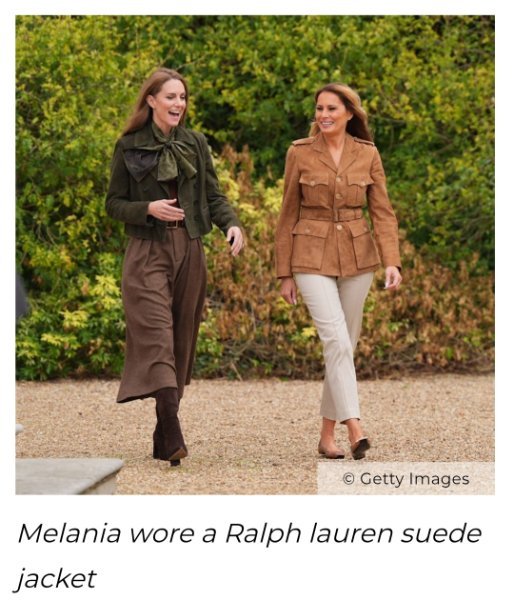
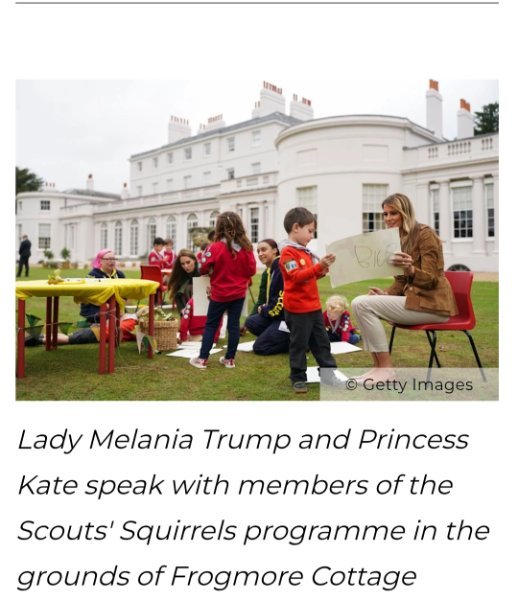
First Lady Melania Trump showcased 2025's autumn fashion trend during her UK state visit by donning a chestnut-hued suede safari jacket by Ralph Lauren. Paired with stone-colored pants from Loro Piana and coordinating chestnut flats, her ensemble was both stylish and practical for the outdoor engagement at Frogmore Gardens. This choice reflects the resurgence of suede in high fashion, as seen in recent Prada collections. Melania's outfit was a nod to the season's earthy tones and elevated textures, aligning with the trend's emphasis on streamlined aesthetics over traditional bohemian styles. Key Takeaways: Melania Trump embraced the 2025 autumn trend of suede during her UK state visit. Her ensemble featured a Ralph Lauren suede safari jacket and Loro Piana trousers. The outfit reflects the season's focus on earthy tones and elevated textures. Original Source:
-
@Red Phoenix Swear word edited
-
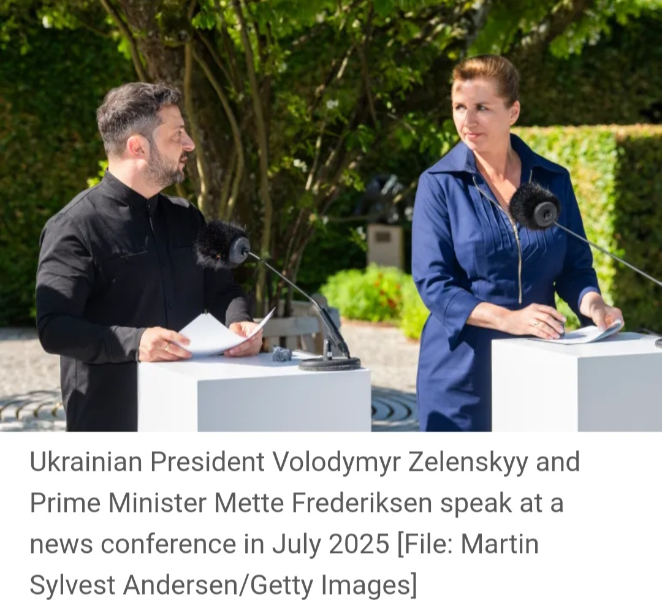
Denmark is taking a major turn in its defence policy by deciding to purchase long-range, high-precision weapons, aiming to establish a credible deterrent against Russia’s influence and threats. Prime Minister Mette Frederiksen stated that while there is no immediate threat of invasion, Moscow will remain a security concern for years to come. The move represents what she called a “paradigm shift” in Danish strategic defence. Defence Minister Troels Lund Poulsen confirmed Denmark will invest in missiles and drones, though the exact systems and costs have not yet been disclosed. This announcement follows Denmark’s largest-ever arms procurement — a 58 billion Danish krones (€7–8 billion) deal for European-made air defence systems. Earlier, in February, Frederiksen pushed for a 50 billion krones boost in military spending over two years, reversing decades of defence budget cuts. In addition to its posture toward Russia, Denmark has also raised diplomatic concerns over US interest in Greenland, its semi-autonomous territory. Recently, Danish authorities summoned the US charge d’affaires after reports that three US citizens allegedly attempted to influence public opinion in Greenland. Frederiksen condemned such interference in internal affairs and stressed its unacceptability. Elsewhere, Ukraine is expected to receive roughly $3.5-$3.6 billion through the Priority Ukraine Requirements List (PURL) initiative by October, with air defence systems among the first large-scale military support items. Meanwhile, Russian forces have intensified missile and drone attacks in Ukraine. Despite this, Ukrainian President Volodymyr Zelenskyy said Russia’s manpower losses are weakening its capacity for large-scale offensives. Key Takeaways: 1. Denmark commits to acquiring long-range, precision weapons (missiles, drones) to build credible deterrence against Russian threats. 2. Defence spending has sharply increased — including a record purchase of air defence systems and a large planned budget expansion. 3. Tensions rising in Greenland over perceived US influence; Ukraine also expects major new military support via PURL as Russia steps up attacks. Here’s the original source.
-
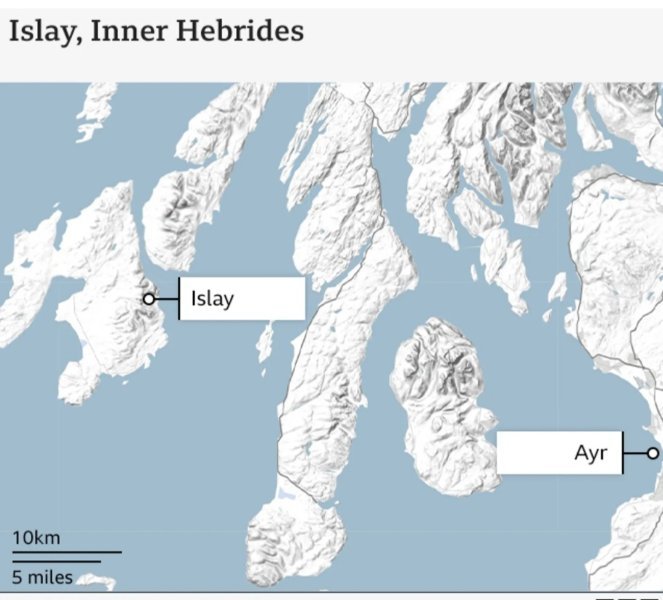
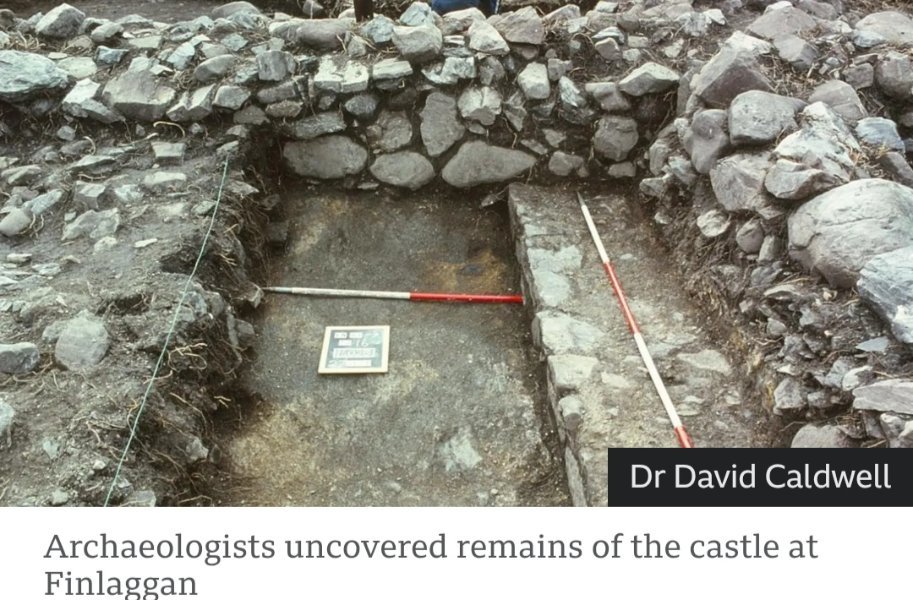
Archaeologists have uncovered evidence of a long-lost castle on the Isle of Islay, suggesting it once housed rulers who controlled much of western Scotland. The fortress, discovered at Finlaggan—a historic site spread across two small islands in a loch—dates back to the 12th and 13th centuries. Experts believe it predates the powerful MacDonald clan chiefs, later known as the Lords of the Isles, who ruled from the same location. The findings reveal that the early castle featured a rectangular stone tower, or keep, with fortified living quarters, kitchens, courtyards, a great hall for feasts, and a chapel with its own burial ground. This architectural style mirrored castles built by Anglo-French kings in Britain and Ireland, likely intended as a symbol of wealth and power. Although the original structure was eventually demolished—possibly due to instability or enemy attacks—it was later replaced by a grand palace for the Lords of the Isles. These rulers acted with near-royal authority, raiding mainland Scotland and rival strongholds such as Urquhart Castle on Loch Ness. The research, led by archaeologist Dr David Caldwell and published by the Society of Antiquaries of Scotland, caps nearly three decades of study at Finlaggan. The book highlights how the site evolved into the political and ceremonial heart of the Lordship of the Isles, a dynasty that saw itself as equal to both Scottish and English monarchs. Dr Caldwell described the work as the culmination of a lifetime of research, while Dr Helen Spencer of the Society of Antiquaries emphasised the importance of making such discoveries accessible to the public. The study offers new insight into the roots of Scotland’s medieval power struggles and the lasting legacy of Finlaggan. Key Takeaways: Archaeologists uncovered remains of a 12th–13th century castle at Finlaggan on Islay. The fortress likely belonged to rulers who preceded the Lords of the Isles. Research shows Finlaggan was a major centre of medieval Scottish power. Source: BBC News – Forgotten Hebridean castle linked to kings
-
Donald Trump, the first U.S. president to earn a second state visit by the British royal family, was hosted at a spectacular state banquet at Windsor Castle by King Charles III and Queen Camilla. The event unfolded in St George’s Hall where ceremonial Beefeaters in red uniform and traditional pipers greeted guests. The setting was grand: a 50-metre Waterloo Table laid with 1,462 pieces of silver under 139 candles, and seasonal floral arrangements plucked from the castle gardens. Around 160 guests attended, including tech magnates Tim Cook, Demis Hassabis, Sam Altman; Pascal Soriot of AstraZeneca; media mogul Rupert Murdoch; athlete Nick Faldo; and political figures such as Prime Minister Keir Starmer. Trump was seated beside King Charles; Princess Catherine and Queen Camilla flanked other key figures. The menu was three-course and symbolic: Hampshire watercress panna cotta to start, Norfolk chicken ballotine wrapped in courgette, and dessert of vanilla ice-cream bombe with Kentish raspberry sorbet. Specialty wines and vintage liquors were chosen to reflect personal and historical connections—Warre’s 1945 vintage port (a nod to Trump being the 45th president), among others. Music ranged from operatic classics like Nessun Dorma and Ave Maria to Trump campaign staples (“You Can’t Always Get What You Want”), even a custom cocktail called the “Transatlantic Whisky Sour” with toasted marshmallow and star-shaped biscuit garnish. In his toast, the king celebrated the deep yet evolving UK-US alliance, referencing shared history, defence ties, and cooperation over global conflicts—emphasising unity in face of modern threats. Key Takeaways: 1. Grandiosity & Symbolism: The banquet’s décor, menu, and guest‐list were steeped in British pageantry and symbolic links to both U.S. history and Trump’s personal narrative. 2. High-Profile Guest Mix: Blend of political leaders, tech giants, media figures, and royalty highlighted diplomatic and soft-power aims. 3. Message of Alliance: The speeches, setting, and even wine choices reinforced UK-US shared values, historical ties, and a united front amid global challenges. Adapted From: https://www.abc.net.au/news/2025-09-18/donald-trump-state-banquet-dinner-in-pictures/105786672


-
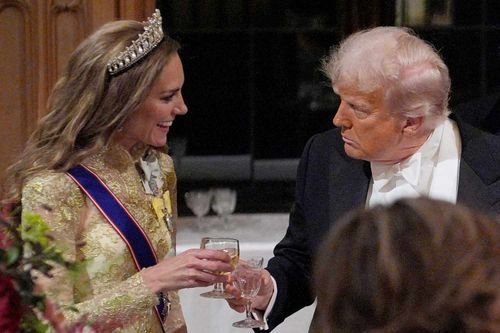
Kate Middleton, the Princess of Wales, turned heads in a gold lace gown paired with her beloved Queen Mary’s Lovers’ Knot tiara at the state banquet held at Windsor Castle. The event honoured US President Donald Trump and First Lady Melania Trump during their three-day state visit to Britain. She joined King Charles, Queen Camilla, Prince William, and other senior royals. Among the guests were Sir Keir Starmer and Lady Victoria Starmer, who are set to host a related event at Chequers the following day. The gown, by British designer Phillipa Lepley, featured a floor-length design in gold lace, complemented by matching accessories. For the tiara, Kate chose the Lovers’ Knot, a sentimental heirloom first crafted by Garrard in 1914 for Queen Mary. The piece has strong royal connections—worn by Queen Mary herself, then later associated with Princess Diana, and now frequently chosen by Kate. This evening marks another addition to its storied history. The state banquet itself was a display of diplomatic pageantry. Dress code adhered to white tie, full-court dress, tiaras, decorations, medals, national dress. Guests included royals and high-profile political figures. The King and President gave speeches; there were grand table decorations (silver-gilt centrepieces, flowers and herbs from royal gardens), music by The Duchess of Edinburgh’s String Orchestra, and fanfares by the State Trumpeters. The evening celebrated US-UK relations, and provided a chance for the royals to showcase tradition, heritage, and regal elegance. --- Key Takeaways: Kate Middleton chose a Phillipa Lepley gold lace gown and Queen Mary’s Lovers’ Knot tiara—pieces rich in royal history—for the Windsor Castle state banquet. The event honoured President Trump & First Lady Melania Trump; it followed strict ceremonial protocol (white tie, tiaras, decorations) and included speeches, music, and traditional pageantry. The Lovers’ Knot tiara remains one of Kate’s most recurring choices, deeply symbolic for the royal family and previously worn by Queen Mary and Princess Diana. Original source: Golden girl: Kate Middleton at Windsor Castle State Banquet (Tatler)
.png.1e9222c04164aa3b30eb1bedc833b3b5.png)
-
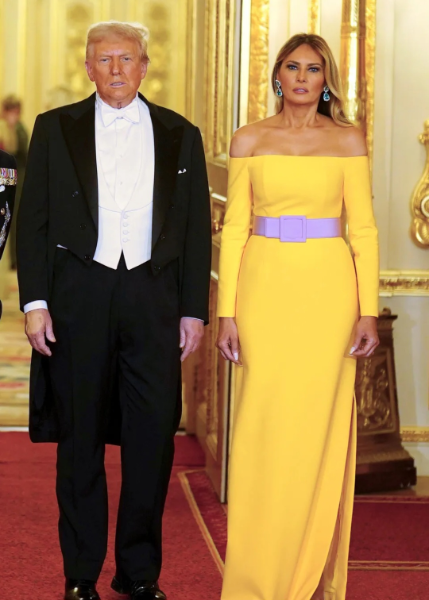
On September 16–17, 2025, Melania Trump arrived in the UK for her husband Donald Trump’s second official state visit—thanks to a rare second invitation from the British monarchy. Her wardrobe choices struck a balance between American designers and British heritage, blending polished formality with symbolic fashion. Touching down at Stansted Airport, she appeared in a Burberry Kensington Heritage trench coat, Saint Laurent flat-top sunglasses, and Christian Dior leather riding boots—classic British and Parisian labels anchoring the look. That evening, for the state dinner, she opted for a vibrant off-the-shoulder gown by Carolina Herrera in canary yellow with a lilac belt. Her accessories—large emerald earrings and nude pointy-toe pumps—added elegance without overwhelming the statement colour. Throughout her second tenure as First Lady, Melania has progressively spotlighted American labels: for example, she has worn suits by Adam Lippes for major events and patriotic designs by Thom Browne. Even so, her accessory rotation remains global—Manolo Blahnik heels, Hermès Kelly bags, and handbags and objects from Dior, Dolce & Gabbana, and Saint Laurent among them—showing she still weaves in European craftsmanship. Her look in the UK visit seems intentionally diplomatic: conservative cuts, refined silhouettes, bold but tasteful colour, and nods to Britain’s fashion heritage while also affirming her preference for American design. In sum, Melania’s style for the state visit signals political symbolism in fabric, cut, and colour—diplomacy worn with purpose. Key Takeaways: 1. Heritage brands meet American design — Melania blended British labels like Burberry with fashion from US designers such as Carolina Herrera and Adam Lippes. 2. Colour as statement — The canary yellow gown with lilac belt served as a visual highlight; accessories chosen to support, not overshadow. 3. Style as diplomacy — Conservative elegance and symbolic brand choices reinforce her role and the significance of a second state visit to the UK. --- Original Source: Here Is What Melania Trump Wore During the State Visit to the UK ‒ Vogue
-
Troll comment removed @Harrisfan
-
@essex boys Moved to this forum. There's a lot of information in here, regarding UK Pensions.
-
Troll post removed @save the frogs
-
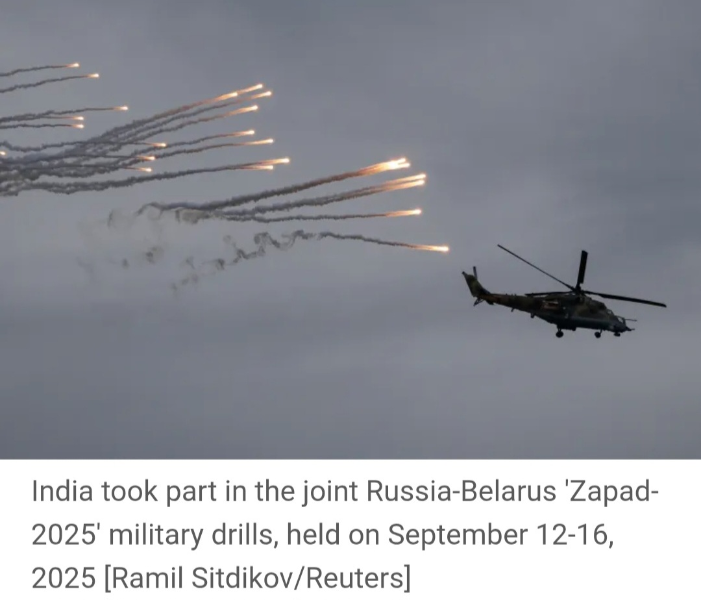
India has taken part in the Zapad-2025 military drills jointly conducted by Belarus and Russia from September 12–16, marking a noteworthy instance of cooperation with Moscow amid escalating tensions with the United States. Official sources confirm 65 military personnel from India’s forces participated in the exercise, which featured around 100,000 troops, warships and nuclear-capable aircraft. The drills are meant to simulate a show of readiness in case of invasion, and include forces from several other nations: Iran, Bangladesh, Burkina Faso, the Democratic Republic of Congo, and Mali. India’s participation was led by the Kumaon Regiment, underlining its role in this strategic display of mutual trust with Russia. This move comes at a time of friction between India and the US, particularly over trade issues—Washington recently imposed steep tariffs on Indian imports. Still, New Delhi insists the relations with the US remain intact, calling them “very positive” and emphasising ongoing negotiations to resolve trade and tariff disputes. While India’s long-standing defence ties with Russia are not new—it remains a major supplier of Indian military equipment—this particular joint exercise is being watched closely. It’s seen by some analysts as signalling India’s nuanced balancing act between Moscow and Washington, especially as global alignments shift. Key Takeaways: India sent 65 troops to the Zapad-2025 Russia-Belarus war games, participating alongside other countries such as Iran and Bangladesh. The drills highlight growing tensions between India and the US, especially over trade tariffs, even as New Delhi insists its relationship with Washington remains strong. India’s involvement underlines its ongoing defence dependency on Russia and its strategy of balancing relations amid shifting global power dynamics. Original Source: Al Jazeera — India joins Belarus-Russia war games amid trade tensions with US
-
President Michael D. Higgins has publicly claimed that Israel misled him about the delivery of Irish aid to Gaza. Speaking at the National Ploughing Championships, Higgins said he spoke to Israeli President Yitzhak Herzog during an event in May, informing him of two shipments of non‐perishable Irish food intended for Gaza. According to Higgins, Herzog assured him that the shipments “would be delivered within the day.” However, Higgins says the aid remains in Amman, Jordan, because “words mean nothing.” Higgins called for the Irish food to be allowed into Gaza, saying his embassy was directed to work with Israeli officials to facilitate entry. He also argued for broader political consequences, suggesting that Israel and its military supporters should be excluded from the United Nations. He criticised European Union member states for remaining silent in what he characterised as a “man‐made famine,” and argued that the EU’s moral legitimacy is at stake if it fails to act. Higgins reiterated that criticism of Israel is not the same as anti‐Semitism, saying there is a difference between “extreme right” posture and those advocating equality and responsibility. He also warned that the richness of speech and moral clarity is eroded when ignorance, hate, or misinterpretation go unchallenged. This marks one of Higgins’s stronger statements on the Israel-Gaza conflict, including calling for the end of trade with nations seen as inflicting human suffering. A recent UN commission concluded that Israel has committed genocide in Gaza, citing aid blockages, civilian displacement, deaths, and destruction of infrastructure. Higgins used the report to reinforce his point that international silence or inaction is complicit in ongoing suffering. Key Takeaways 1. Claims of Misleading by Israel: President Higgins says that although assurances were given by Israel to deliver Irish aid shipments to Gaza, the food remains stuck in Jordan. 2. Call for Action & Accountability: Higgins argues for excluding Israel and its military backers from UN forums, urging the EU to act, not just speak. 3. Moral Framing of the Conflict: The president distinguishes criticism of Israeli policy from anti-Semitism, framing his position as that of human rights and equality, not hate. Original Source: The Irish Times

-
Authorities in Utah say a 71-year-old man falsely confessed to the shooting of conservative commentator Charlie Kirk in an attempt to shield the suspected gunman. George Zinn, who was initially arrested at the scene on 10 September after Kirk was fatally shot at Utah Valley University, admitted he shouted that he was the shooter to let the real suspect escape. Utah County Sheriff Michael Smith said Zinn’s actions obstructed police efforts during a critical moment of the investigation. The main suspect in Kirk’s killing is 22-year-old Tyler Robinson, who has been charged with aggravated murder and six other offences. Robinson reportedly texted his roommate after the shooting, mocking police for having “grabbed some crazy old dude” when Zinn was taken into custody. Court filings allege that Zinn told officers, “I shot him – now shoot me,” but refused to say where the weapon was. Police later confirmed he was not the gunman but intentionally misled them. Alongside obstruction charges, Zinn now faces separate allegations of possessing child sexual abuse material. Investigators said they recovered more than 20 illicit images from his devices. A judge has ordered Zinn be held without bail, citing him as a danger to the community. Reports suggest Zinn was a familiar figure at public events in Salt Lake City, often known for disruptive behaviour and past run-ins with law enforcement. Meanwhile, Robinson remains the primary suspect in Kirk’s killing. Prosecutors allege he left a hidden note confessing to the crime. The assassination of Charlie Kirk, a polarising right-wing activist and close ally of Donald Trump, has drawn national attention and condemnation. Key Takeaways False confession: George Zinn admitted he pretended to be the shooter to distract police during Charlie Kirk’s assassination. Obstruction charges: Zinn faces obstruction of justice and child sexual exploitation charges; he is being held without bail. Prime suspect: Tyler Robinson, 22, has been charged with aggravated murder and remains in custody. --- 🔗 Read the original BBC report

-
Two Flame comments removed & replies also removed. @kevozman1 Please ensure you follow forum rules. 9. You will not post disruptive or inflammatory messages. You will respect other members and post in a civil manner. Personal attacks, insults or hate speech posted on the forum or sent by private message are not allowed.
-
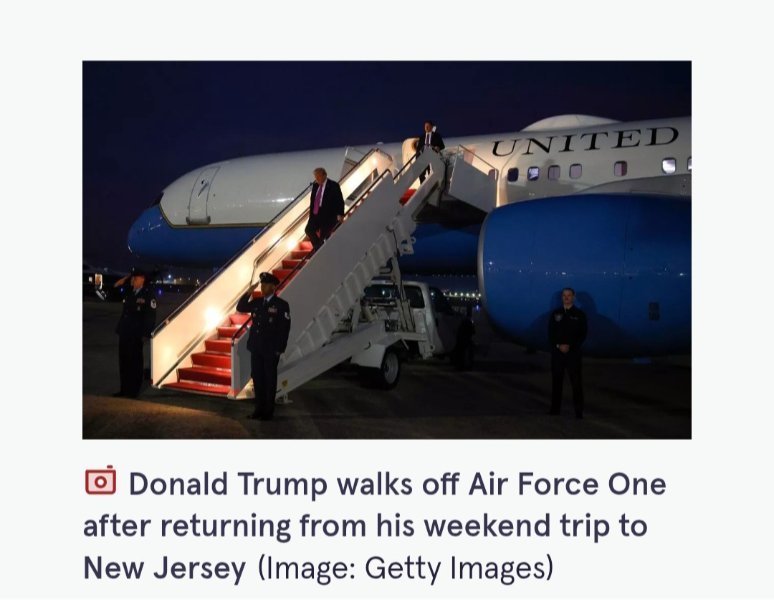
A civilian aircraft violated US restricted airspace, prompting fighter jets to be scrambled in response. The incident occurred when an unauthorized aircraft entered proximity to a high-security zone near a notable government or private property. The scramble was triggered by air-traffic control and defense authorities, who followed standard procedures for intercepting intrusions. NORAD and/or the US Air Force deployed fighter jets to intercept and escort the unauthorised aircraft out of the restricted zone. The pilot was contacted, instructing them to alter course. Flares were deployed (or other signals were used) to draw attention and ensure compliance. Ultimately, the incident ended without injury, damage, or escalation, though it reignited debate about the frequency of airspace breaches, especially near sensitive locations. Authorities launched an investigation to determine how and why the incursion happened, reviewing flight plan compliance, communication breakdowns, and possible regulatory lapses. The event underscores the ongoing challenges in monitoring restricted or no-fly zones, particularly around areas with high political or national security sensitivity. It also raises questions about the responsibilities of civilian pilots to check NOTAMs (Notices to Airmen) or any temporary flight restrictions (TFRs) before flying. In parallel, defense agencies are coming under pressure to maintain readiness and refine interception protocols to avoid misunderstandings that could trigger greater conflict. Public reaction has been mixed: some view the response as necessary vigilance, others worry about overreach or unnecessary militarisation of airspace response. As investigations proceed, recommendations may include stricter enforcement, better pilot education, enhanced airspace monitoring, and clearer public communication. Key Takeaways: 1. Rapid military response: Fighter jets were deployed quickly to intercept an aircraft breaching restricted airspace — showing how seriously such violations are taken. 2. Compliance + communication matter: Authorities emphasized the need for pilots to follow flight restrictions and maintain contact — lapses here often cause these incidents. 3. Balance of security & transparency: While safety was maintained and no incident escalated, public concern persists about how airspace is enforced and whether response protocols are clear and proportional. Link to original (for reference): Mirror: Fighter Jets Scrambled Over Unauthorised Aircraft

-
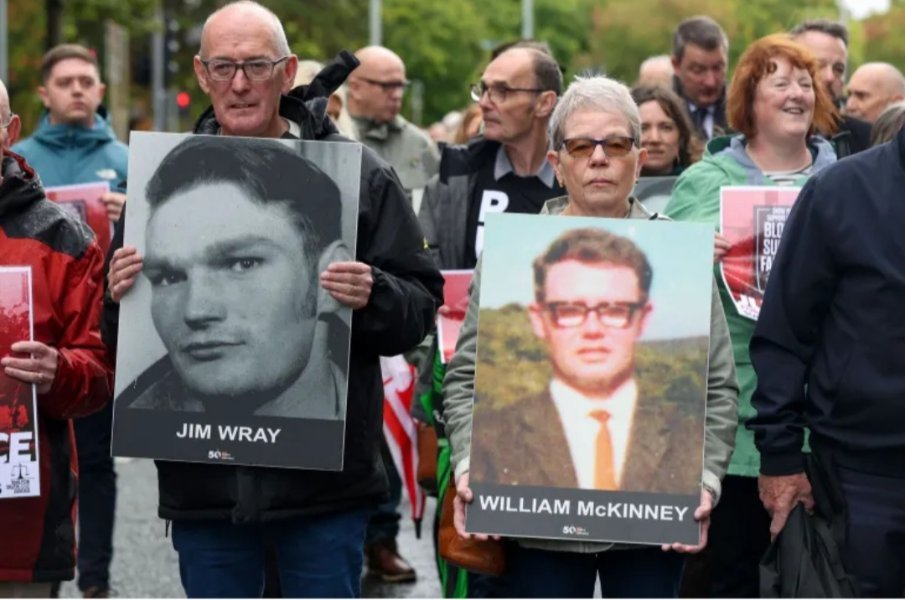
A former British paratrooper, identified only as “Soldier F” under court anonymity rules, has gone on trial in Belfast for his alleged involvement in the 1972 Bloody Sunday killings. He faces charges of two counts of murder and five counts of attempted murder, for the shooting of unarmed civil rights protesters in Derry (also known as Londonderry). On that day, 26 civilians were shot; 13 died immediately, another died months later. The trial opens more than five decades after the Widgery Tribunal (1972), which largely cleared soldiers and authorities of wrongdoing, and the Saville Inquiry (2010), which found there was no justification for the shootings and that exploding tensions did not legitimize the use of lethal force. Prosecutors say no other soldiers will be tried in this case due to insufficient evidence. “Soldier F” has pleaded not guilty to all charges. The prosecution says the defendant acted with intent to kill, describing the shootings as “unnecessary and gratuitous.” The focus is specifically on seven civilians who were allegedly shot while running through a residential courtyard. For the victims’ families, this trial is a landmark in their long campaign for justice and accountability. Outside the courtroom, relatives marched holding photos of those killed, demanding closure after more than 50 years. The trial will continue over several weeks. Key Takeaways: 1. Historic first trial: “Soldier F” is the only British soldier charged with murder over Bloody Sunday, marking a significant legal milestone after decades of inquiry. 2. Evidence & accountability: Previous inquiries (Widgery, Saville) condemned the shootings; this trial is based on stronger evidence focused on two murders and five attempted murders. 3. Long-awaited justice for victims’ families: The trial represents the culmination of a 53-year campaign, seen by many as a test of whether accountability after decades of conflict is possible. Original source: Al Jazeera – British soldier faces trial over Northern Ireland’s Bloody Sunday killings

-
A new satire-style contest called the AI Darwin Awards has been launched to spotlight some of the most egregiously bad, unsafe, or ill-conceived applications of artificial intelligence (AI) over the past year. Organisers are inviting public nominations to “reward” those who outsourced critical decision-making to AI systems, ignoring obvious risks or warnings. The goal isn’t mockery for its own sake, but raising awareness: these awards serve as cautionary tales for developers, companies, and regulators about what not to do with AI. To qualify, a nominee must have made a spectacular misjudgement and ignored warning signs before deploying their AI tool or product. Extra points go to those failures that have garnered mainstream headlines, required emergency response, or pushed researchers to spin up new strands of safety research. Nominations are verified using a combination of large language models: OpenAI’s ChatGPT, Anthropic’s Claude, Google’s Gemini, among others. Stories are rated, averaged, and if they pass a threshold, are considered “verified” for the running. Some early nominees have already emerged: one involves a chatbot used by McDonald’s called “Olivia,” which reportedly protected recruitment-data with the insecure password “123456,” exposing millions of applicants’ personal data to hackers. Another is linked to OpenAI’s GPT-5, where a French data scientist, Sergey Berezin, claimed the model fulfilled harmful requests even without explicit malicious instruction. The winner(s) will be chosen by public vote in January, with the announcement expected in February. The only prize? Immortal internet infamy, the organisers say, but above all, lessons learned. Key Takeaways: 1. Purpose & Premise: The AI Darwin Awards reward spectacular AI failures—especially those where warning signs were ignored—to highlight dangers and prevent repetition. 2. Verification & Voting: Submissions are checked using multiple LLMs and must pass a truth-threshold; winners are decided via public vote. 3. Real Cases Already Nominated: McDonald’s and OpenAI (GPT-5) are among early contenders for failing at basic security and ethical expectations. Original Source: AI Darwin Awards to mock the year’s biggest failures in artificial intelligence ‒ Euronews

-
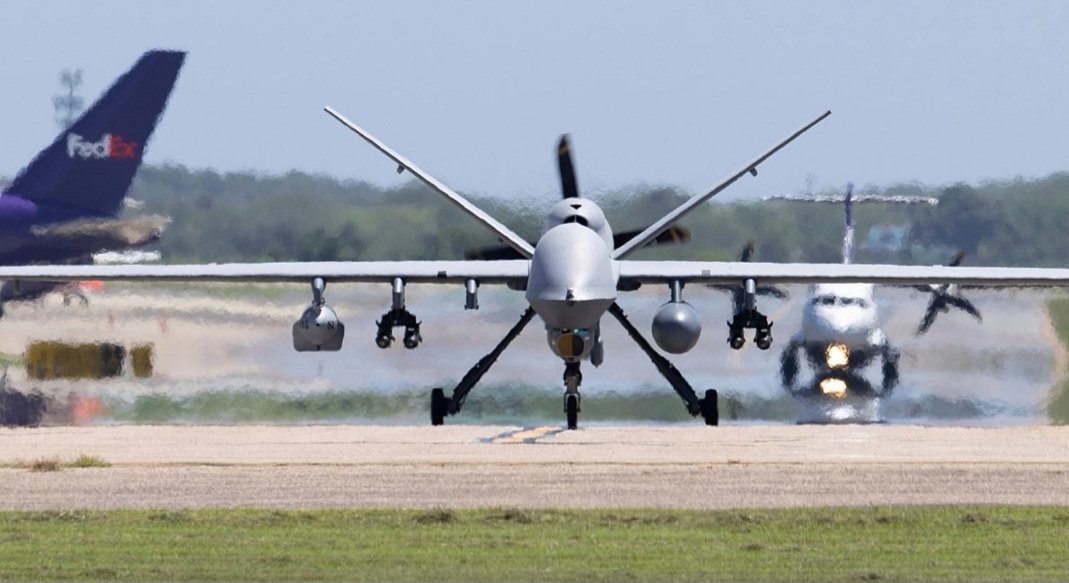
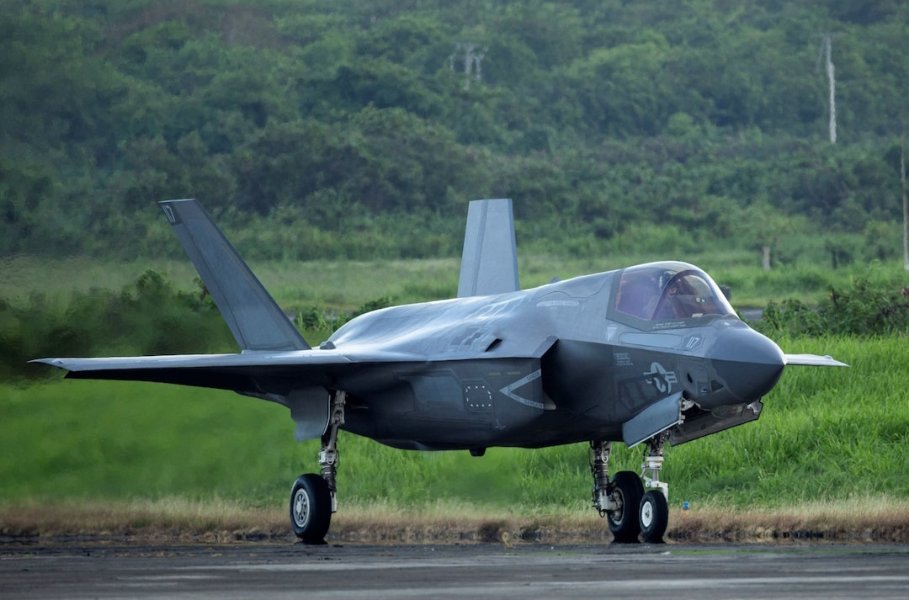
The United States has intensified its military presence in the Caribbean by deploying five F-35 fighter jets to Puerto Rico's former Roosevelt Roads base in Ceiba. This move is part of a broader strategy to combat drug trafficking from Venezuela, particularly targeting the Tren de Aragua cartel. The deployment follows a recent U.S. strike on a Venezuelan vessel suspected of narcotics trafficking. In response, Venezuela condemned the boarding of a tuna boat by U.S. Navy personnel in its waters, accusing the U.S. of provocative actions aimed at justifying military escalation. Simultaneously, Venezuela has mobilized its armed forces along its coastlines under "Plan Independencia 200," signaling heightened military readiness. Key Takeaways: Five U.S. F-35 jets have landed in Puerto Rico to bolster anti-drug operations. Venezuela protests U.S. actions, including a boarding incident in its waters. Venezuelan forces are on high alert, implementing coastal defense measures. For more details, visit the original article on Euronews: .
-
Since its debut on August 28, 2025, The Wizard of Oz at Sphere in Las Vegas has been pulling in as much as $2 million per day in ticket sales, with Wolfe Research projecting its open‐ended run could eventually generate more than $1 billion in revenue. The Sphere, a $2.3 billion immersive entertainment venue, had been posting steep losses—in its most recent quarter, an operating loss of about $83.4 million. But the success of this film adaptation—showing up to three times daily, with tickets priced between $109–$349—is seen as a potential turning point. Unlike concerts, where a large share of revenue goes to the artists, the Sphere keeps nearly all of the ticket income from this film presentation, boosting its profit margins. Wolfe Research estimates that Sphere could reach over $500 million in gross profit in 2026, with adjusted operating income (AOI) approaching $200 million. Given the strong financials, Sphere is exploring more immersive film experiences. Talks are reportedly underway with major studios (Warner Bros., Disney) to format franchises like Harry Potter and Star Wars for the venue. --- Key Takeaways: 1. Massive daily revenue – Wizard of Oz at Sphere is generating up to $2 million a day, with the run expected to surpass $1 billion over its full span. 2. Profit model advantage – Unlike music shows, Sphere retains nearly all ticket income from film screenings, improving margins and helping cover prior losses. 3. Future strategy expansion – Sphere plans more immersive film offerings; franchises like Harry Potter or Star Wars are under discussion. Original Source: [SF Chronicle: “The Wizard of Oz at Sphere taking in up to $2 million a day, could top $1 billion”] —