
Bacon1
Global Moderator
-
Joined
-
Last visited
Everything posted by Bacon1
-
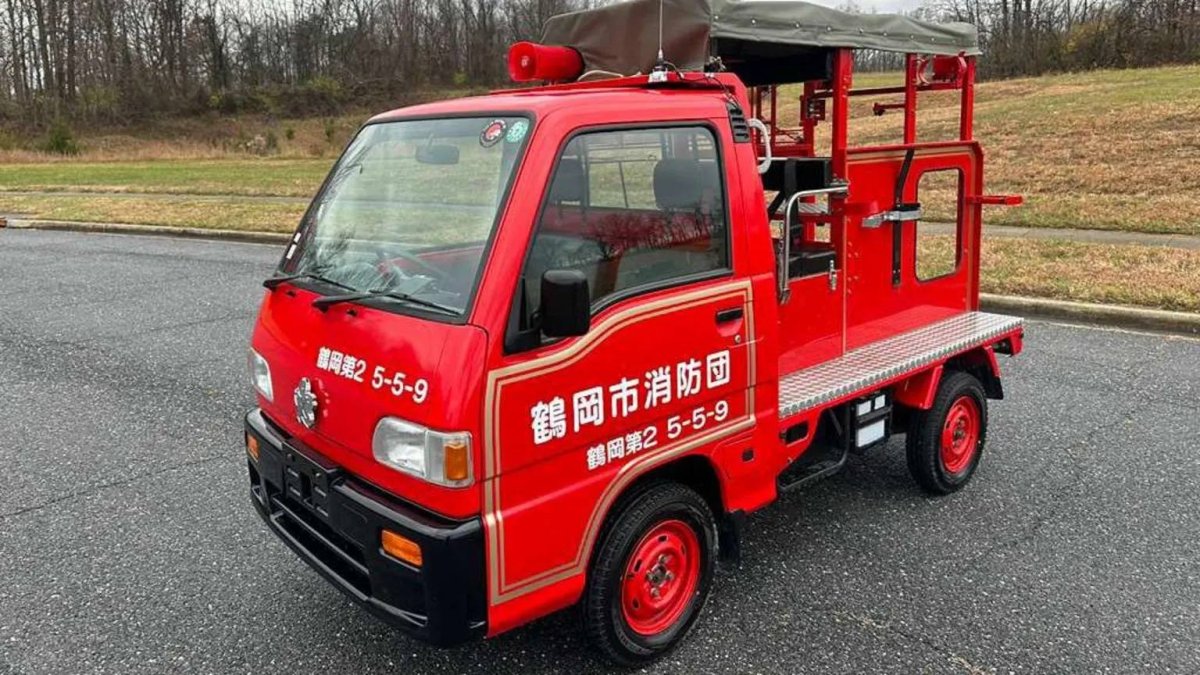
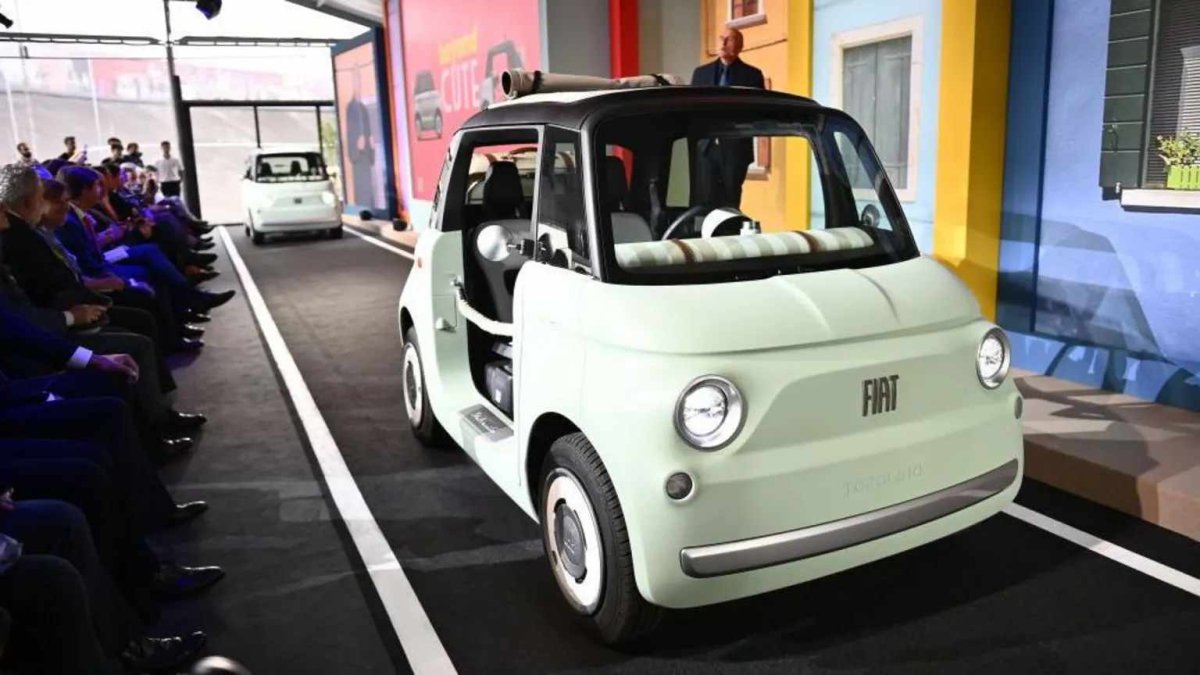
Donald Trump has sparked a fresh debate on the future of American transit by throwing his support behind "tiny cars." In a recent endorsement, he described these ultra-compact vehicles as "amazing" and urged manufacturers to begin domestic production immediately. This marks a potential shift in U.S. automotive policy, which has historically restricted these "Kei cars"—Japanese-style micro-vehicles—due to safety and size regulations. Currently, enthusiasts in the U.S. can only legally drive these imported micro-cars if they are at least 25 years old. Owners praise them for being incredibly fuel-efficient and easy to park—two being able to fit into a single standard spot. However, the transition from a niche hobby to a mainstream transport solution faces significant hurdles. The primary appeal for the Trump administration is affordability. With car prices remaining high post-pandemic, the Department of Transportation suggests that "mini-vans and micros" could offer Americans a budget-friendly alternative. Some global brands, like Stellantis (owner of Fiat), are already preparing to introduce small models like the Topolino to the U.S. market. Despite the enthusiasm, experts remain skeptical. U.S. Transport Secretary Sean Duffy noted that while they are "great solutions" for city centers, they are likely unsuitable for high-speed American freeways. Critics also point out that modifying these cars to meet strict U.S. safety standards would be expensive, potentially erasing their cost benefits. Furthermore, history shows American consumers tend to favor larger SUVs and trucks; the Smart car, for instance, exited the U.S. market in 2019 due to poor sales. For now, while the "amazing" tiny car has the President's backing, it remains to be seen if American drivers are ready to downsize their dreams. Key Takeaways Policy Shift: Trump has approved the production of tiny cars in the U.S., calling for an end to regulations that restricted these micro-vehicles. Affordability Focus: The move aims to provide cheaper vehicle options, though experts warn that meeting U.S. safety standards may drive prices back up. Niche vs. Mainstream: While ideal for crowded cities and farms, these cars face skepticism regarding their safety on highways and their appeal to a "bigger is better" consumer culture. Adapted From https://www.bbc.com/news/articles/c17xvqlx8r8o

-
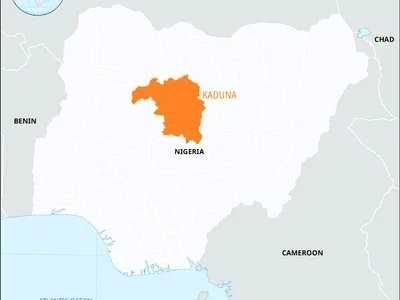
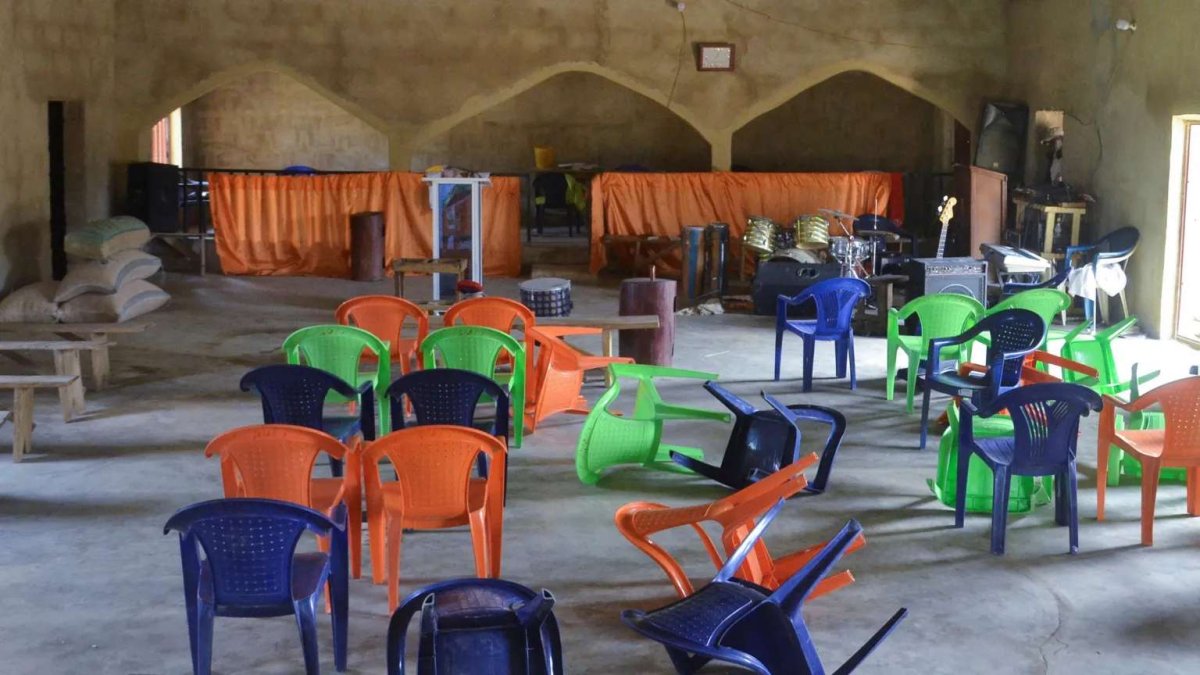
Police in Nigeria have officially confirmed the mass kidnapping of worshippers from three churches in Kaduna State, reversing their previous claims that the event never occurred. The initial incident took place on a Sunday morning in the remote village of Kurmin Wali. According to eyewitnesses, armed men surrounded the community during church services, preventing anyone from escaping. The attackers then rounded up a large group of people and forced them into the surrounding wilderness. While local residents report that 177 people were taken—with 11 later managing to escape—the police have not yet released an official headcount. The confirmation comes after a period of intense confusion. Shortly after the raid, the Kaduna State Police Commissioner had publicly challenged anyone to provide names of the victims, asserting there was "no evidence" of a kidnapping. Local government officials also initially backed this denial, claiming that visits to the site showed no signs of an attack. However, as lists containing over 160 names of missing persons began to circulate and pressure from human rights groups like Amnesty International mounted, the authorities walked back their statements. Police spokesperson Benjamin Hundeyin clarified on Tuesday night that the earlier denial was actually a "measured response" while they awaited confirmation from the field. He noted that operational units and intelligence sources have now verified the abductions. In response, security forces have been deployed to the area to conduct search-and-rescue operations and increase patrols. This incident is part of a broader security crisis in Nigeria, where mass kidnappings for ransom have become alarmingly frequent. Corruption, underfunded local law enforcement, and poor intelligence sharing continue to hinder efforts to protect citizens in the region. Key Takeaways Official Reversal: Nigerian authorities confirmed the abductions after initially denying they took place, citing a need for field verification. Massive Scale: Residents report 177 people were seized from three different churches (ECWA and Cherubim and Seraphim) during Sunday services. Security Deployment: Police and military units are currently conducting search-and-rescue missions in the Kaduna bush to track the kidnappers. Adapted From https://www.bbc.com/news/articles/c4grw9vg7y4o

-
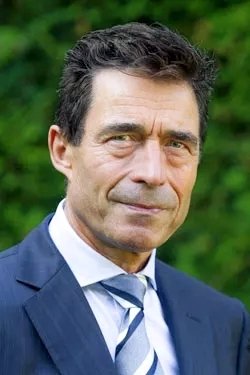
For nearly two decades, Denmark has stood beside the United States in Afghanistan and Iraq, suffering some of the highest casualty rates per capita among American allies. That long record of support is why many in Denmark and across Europe are stunned by former President Donald Trump’s renewed push to exert control over Greenland—an autonomous territory within the Kingdom of Denmark. Former Danish Prime Minister and NATO Secretary-General Anders Fogh Rasmussen has now issued a sharp warning: Europe must be prepared to respond forcefully if Washington attempts to undermine Greenland’s sovereignty. Rasmussen argues that Greenland poses no threat to the United States. Under NATO’s security commitments, any hostile action from Russia or China toward Greenland would be met by the alliance—and not by Denmark alone. He notes that if the U.S. wants a greater military footprint or more access to Greenlandic resources, these options already exist under the 1951 U.S.–Denmark security agreement and through open commercial investment channels. The problem, Rasmussen says, is not policy but power politics. He believes Trump’s approach resembles a bid to annex territory simply because he thinks he can, assuming Europe is too divided to resist. While Denmark has offered updated security and economic arrangements to address U.S. concerns, he warns this may no longer be enough. Rasmussen calls for Europe to draw a firm line. If Washington attempts to forcibly change a European border, he says the EU must be ready to use its “economic arsenal”—including large-scale trade restrictions that could deal a historic blow to the U.S. economy. Europe should also accelerate rearmament, deepen ties with democratic trade partners, and reduce dependence on Washington’s shifting foreign policy. In a geopolitical climate shaped by authoritarian assertiveness—from Russia in Ukraine to China in the Arctic—Rasmussen argues that Europe must now match strength with strength. Otherwise, he warns, the continent risks becoming a passive player in decisions that affect its own sovereignty. Key Takeaways Denmark warns that U.S. pressure on Greenland threatens European sovereignty. Rasmussen urges Europe to use major economic tools if Washington crosses that line. He calls for faster European rearmament and stronger global partnerships to reduce reliance on U.S. policy shifts. Adapted From https://archive.ph/PDeDu
-
@FrankieGoesToHolly I have removed yet another offensive and direct comment about a member. Et al. You have all been warned about this before. If you do this again, a sanction is very likely. Please stop now. Thank you.
-
Seems it crashed 😔 https://japannews.yomiuri.co.jp/society/general-news/20260121-305571/
-
More trolling posts & replies removed.
-
A post containing negative comments directed at another member has been removed. Do not post content targeting individuals again. Further violations may result in sanctions. @theshu25 9. You will not post disruptive or inflammatory messages. You will respect other members and post in a civil manner. Personal attacks, insults or hate speech posted on the forum or sent by private message are not allowed.
-
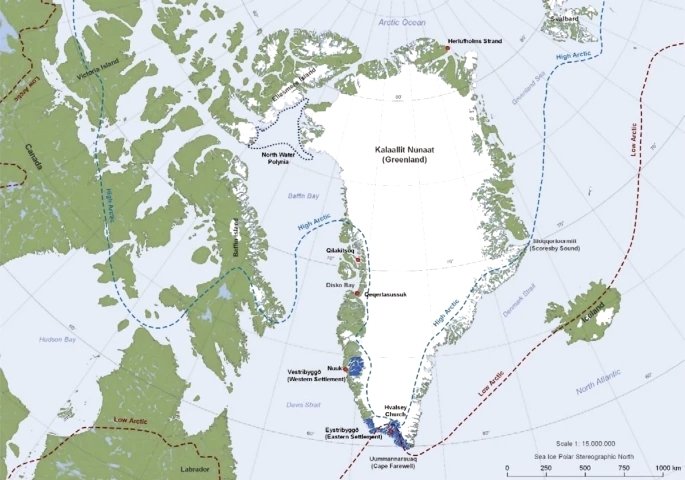
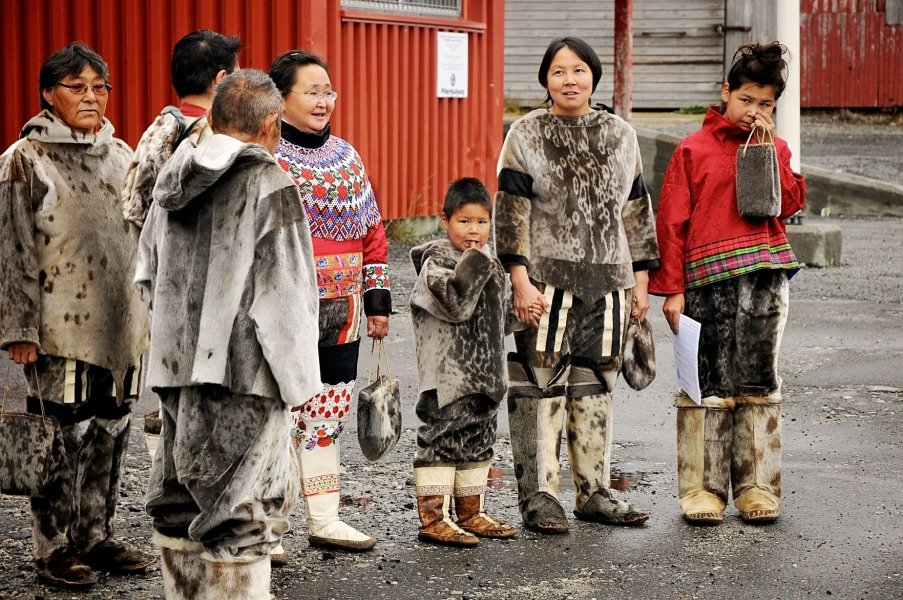
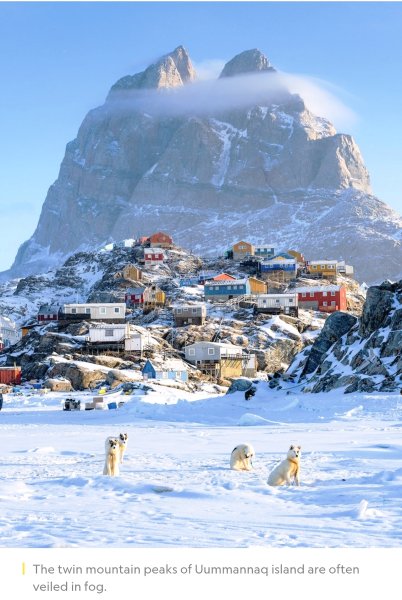
Greenland’s Long Journey Through Time Greenland’s past reaches back more than four millennia, beginning with early Arctic peoples who crossed from northern Canada. These first settlers—such as the Saqqaq and Dorset cultures—adapted to extreme conditions using specialized tools, coastal hunting skills, and seasonal migrations. Their archaeological remains form the earliest record of human life on the world’s largest island. A dramatic shift occurred in the late 900s when Erik the Red led Norse settlers to Greenland’s southern fjords. The Norse established the Eastern and Western Settlements, building farms, churches, and trade routes that connected Greenland to medieval Europe. After several centuries of survival along the Arctic edge, Norse communities disappeared by the 14th–15th century, likely affected by a cooling climate, isolation, and economic decline. Meanwhile, the Thule people—ancestors of modern Inuit—expanded across the island from the north around 1100 AD. Their mastery of dog sleds, kayaks, and advanced hunting tools helped shape the Inuit culture that remains central to Greenlandic identity today. Greenland’s modern era began in 1721 when Danish missionary Hans Egede founded a settlement near present-day Nuuk. Denmark gradually established trade posts and colonial administration, eventually absorbing Greenland as a province in 1953. After World War II, improved infrastructure and global interest accelerated Greenland’s development. A major political milestone came in 1979 with Home Rule, giving Greenland authority over many internal matters. The 2009 Self-Government Act expanded those powers even further, paving the way for increasing autonomy while preserving strong cultural traditions and environmental stewardship. Summary Timeline c. 2500 BCE: First Arctic peoples (Saqqaq, Dorset) migrate into Greenland. 982–986 AD: Erik the Red leads Norse settlers and establishes major communities. 1100 AD: Thule/Inuit ancestors arrive and spread across the island. 14th–15th c.: Norse settlements disappear from historical record. 1721: Hans Egede re-establishes European presence under Danish rule. 1953: Greenland becomes part of the Kingdom of Denmark. 1979: Home Rule introduced. 2009: Self-Government Act expands autonomy and local governance. Key Takeaways Greenland’s human history spans more than 4,000 years, shaped by multiple Arctic Indigenous cultures. Norse settlement began in the 10th century, but Inuit culture became dominant after the Norse vanished. Modern Greenland evolved from Danish colonial administration to broad self-government with increasing political autonomy. Sources & Further Reading: Britannica – History of Greenland: https://www.britannica.com/place/Greenland/History Herjolfsnes (Norse site): https://en.wikipedia.org/wiki/Herjolfsnes Ruin Island (Thule culture): https://en.wikipedia.org/wiki/Ruin_Island Reuters – Danish/Greenland political overview: https://www.reuters.com/world/why-does-trump-want-greenland-could-he-get-it-2025-01-08/ Local Histories – Brief History of Greenland: https://localhistories.org/a-brief-history-of-greenland/
-
Chatgpt or Gemini. Both are very good, provided you get the prompt instructions correct.
-
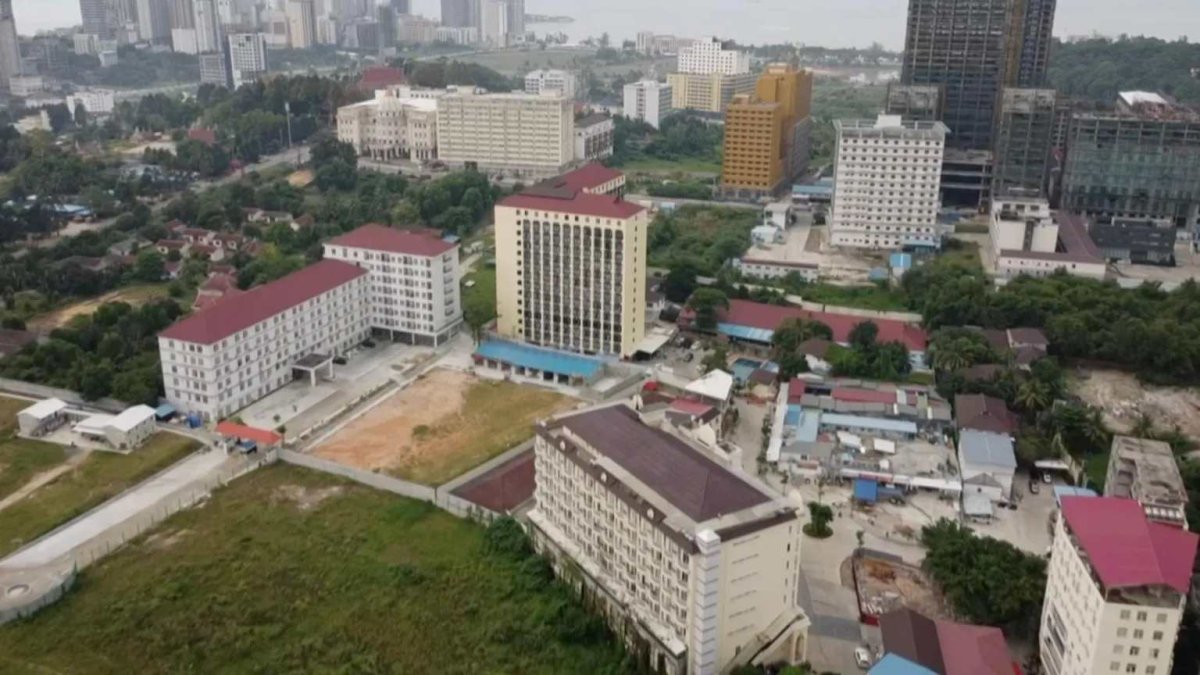
Cambodian authorities have arrested prominent businessman Kuong Li (also known as Ly Samet) following a high-profile investigation by BBC Eye. The arrest marks a significant turn in the regional crackdown on transnational cybercrime and human trafficking operations. High-Profile Bust in Phnom Penh Kuong Li, a wealthy businessman with the royal title of Neak Oknha, was taken into custody after a BBC documentary linked his business interests to large-scale online fraud hubs. The investigation suggested that these compounds utilized forced labor to run sophisticated "pig butchering" and financial scams targeting victims globally. For years, Kuong Li enjoyed high-level connections, often appearing alongside senior government officials. His empire spanned construction, hotels, and casinos—sectors that international observers have long warned are vulnerable to money laundering and illicit activities. Strengthening the Crackdown on Cybercrime The arrest is part of a broader effort by the Cambodian government to rehabilitate its international reputation. Under Prime Minister Hun Manet, the country has intensified its fight against "tech-savvy crimes." According to the Secretariat of the Commission for Combating Cybercrime, Cambodian courts handled dozens of major cases over the past year, resulting in over 170 convictions of criminal ringleaders. This move follows the recent extradition of billionaire Chen Zhi, another alleged scam mastermind. These actions signal that Phnom Penh is responding to mounting global pressure to dismantle the fortified compounds where thousands of trafficked individuals are reportedly held against their will. Regional Pressure Mounts The United Nations estimates that hundreds of thousands of people have been lured to Southeast Asia with promises of legitimate work, only to be forced into scamming operations. While the Cambodian government previously defended its record, the recent string of high-profile arrests suggests a more aggressive stance against the criminal networks operating within its borders. Key Takeaways Major Arrest: Prominent Cambodian tycoon Kuong Li has been detained following a BBC Eye investigation into online scam networks. Government Action: The arrest reflects a growing commitment from Prime Minister Hun Manet’s administration to eliminate cybercrime and human trafficking. Regional Trend: Cambodia’s crackdown aligns with similar efforts in Thailand and Myanmar to dismantle transnational fraud hubs and seize illicit assets. Adapted From https://www.bbc.com/news/articles/cwy8v31kkv1o

-
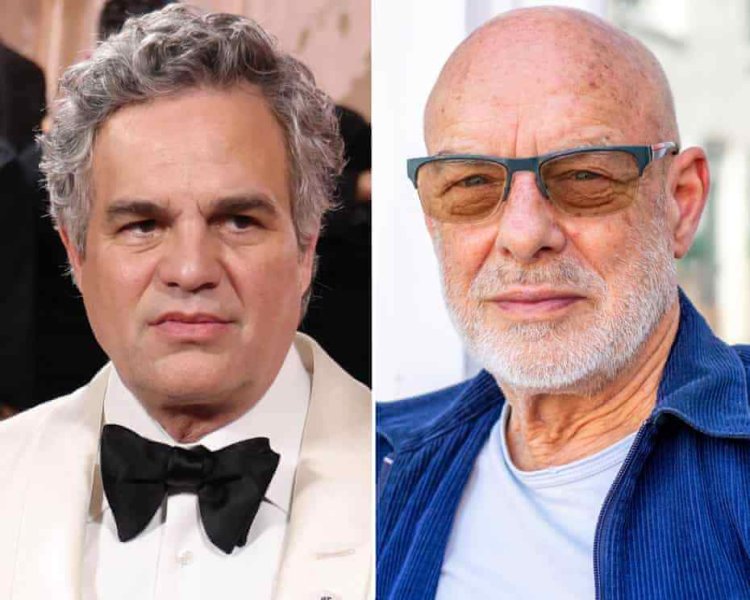
Wealthy Elite Call for Higher Taxes to Save Democracy As global leaders gather for the World Economic Forum in Davos, a surprising message is echoing through the halls of power: "Tax us more." Nearly 400 millionaires and billionaires from 24 countries have signed an open letter demanding that governments implement higher taxes on the super-rich to combat rising inequality and political instability. The petition features high-profile names such as actor Mark Ruffalo, musician Brian Eno, and philanthropist Abigail Disney. Their message is urgent: extreme wealth concentration is not just an economic issue; it is a threat to the foundations of democracy. The letter argues that a small group of "global oligarchs" has gained disproportionate influence over media, technology, and government policy, effectively "buying" democratic systems and deepening social exclusion. This movement coincides with a staggering rise in global wealth disparity. Recent data from Oxfam reveals that the number of billionaires has surged to over 3,000 for the first time. Currently, the wealthiest 1% hold three times more wealth than all the world's public assets combined. For many of the millionaires signing the letter, this "obscene trajectory" is unsustainable and risks a total societal collapse. Public sentiment among the wealthy also appears to be shifting. A survey of nearly 4,000 millionaires in G20 nations found that 77% believe the super-rich exert too much political influence. Furthermore, two-thirds of respondents expressed support for higher taxes on extreme wealth to fund essential public services. By advocating for wealth taxes, these individuals hope to bridge the widening gulf between the elite and the rest of humanity, ensuring that public resources—not private interests—dictate the future of global policy and climate action. Key Takeaways Democratic Crisis: Nearly 400 wealthy individuals warn that extreme wealth concentration allows oligarchs to manipulate governments and media, undermining democracy. Growing Inequality: For the first time, the global billionaire count has topped 3,000, with the top 1% now possessing triple the wealth of the public sector. Support for Reform: A majority of G20 millionaires surveyed support increased taxes on the super-rich to improve public services and stabilize the Adapted From https://www.theguardian.com/business/2026/jan/21/millionaires-billionaires-taxes-super-rich-mark-ruffalo-wef-davos
-
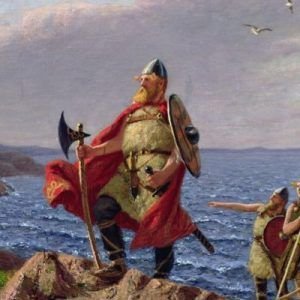
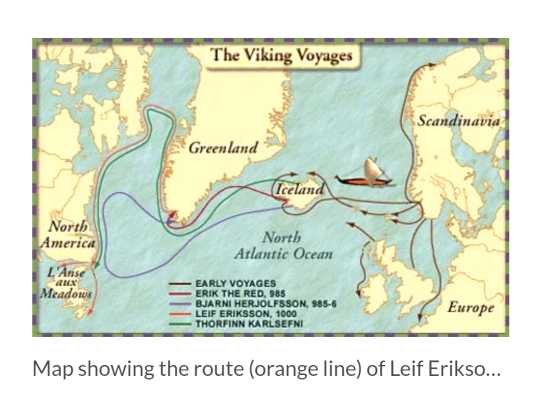
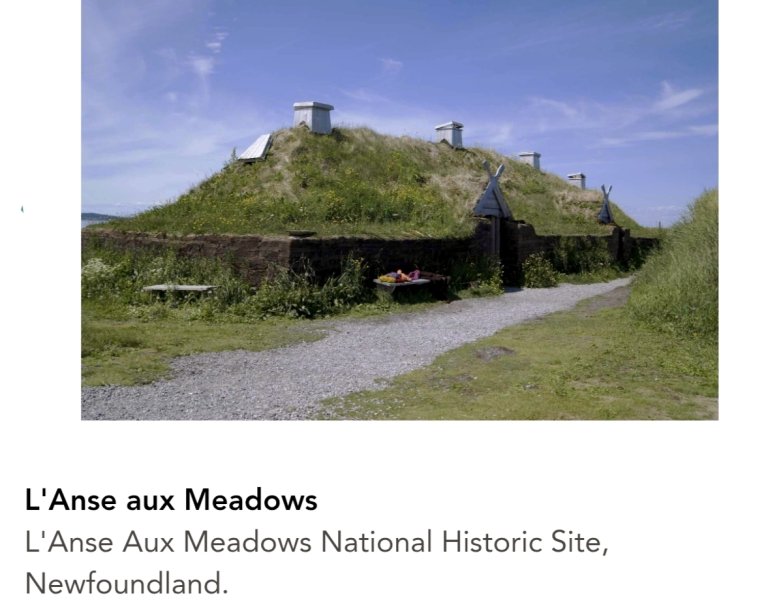
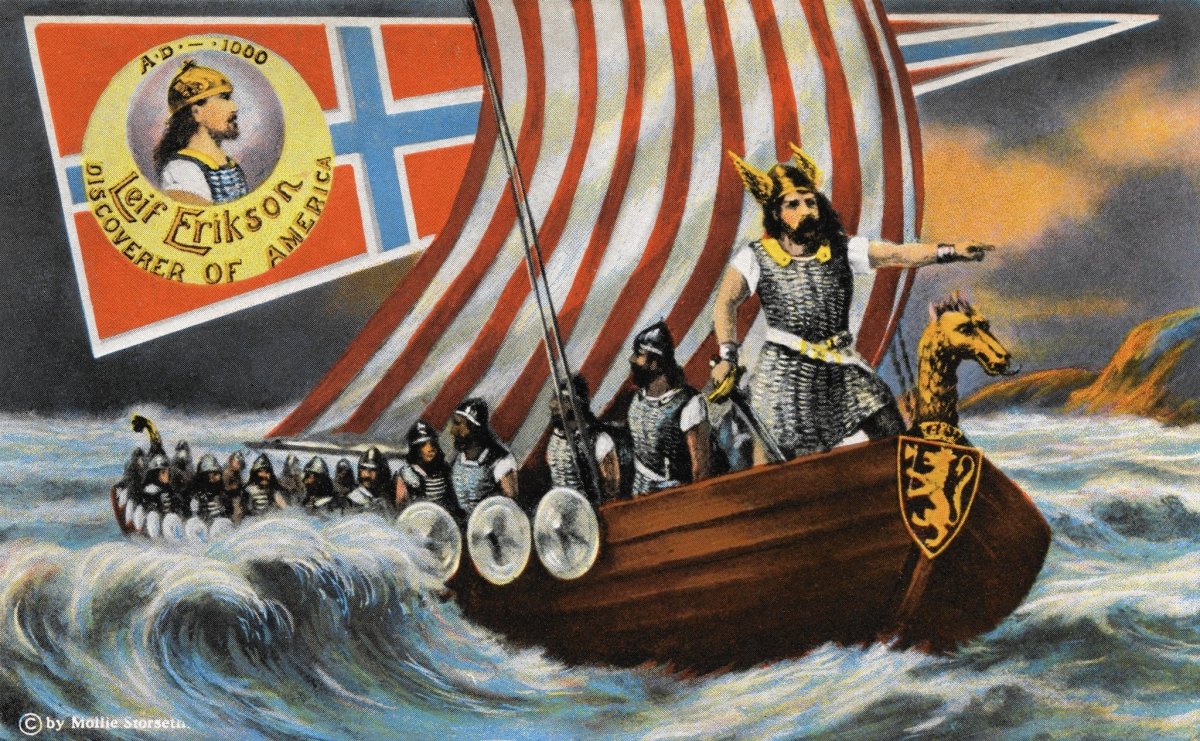
Leif Erikson, a Norse explorer born around 970 AD, is widely regarded as the first European to reach North America, arriving nearly five centuries before Columbus. The son of Erik the Red — founder of the earliest European settlement in Greenland — Erikson grew up around skilled sailors and long-distance voyages. Around the year 1000, he heard accounts of unknown lands to the west from Norse sailors who had been blown off course during a journey from Iceland. Inspired by these reports, he prepared an expedition to explore the territory. Sailing from Greenland, Erikson and his crew crossed the North Atlantic and eventually reached the coast of what is now Atlantic Canada. The region was rich in natural resources, including timber and wild grapes, which led Erikson to name it “Vinland,” meaning “Land of Wine.” The Norse explored the area, and archaeological evidence from L’Anse aux Meadows in northern Newfoundland strongly supports that Norse settlers established a temporary site there around this time, aligning with descriptions in medieval Icelandic sagas. Although the Norse did not develop a permanent colony in Vinland, their presence marks the earliest confirmed European footprint in the Americas. After returning to Greenland, Erikson reportedly took over leadership duties after his father’s death and did not sail back to Vinland, yet his exploration left a lasting legacy. He is honored in several countries, and the United States commemorates his achievements each year on October 9 with Leif Erikson Day. Key Takeaways Leif Erikson led the earliest known European voyage to North America around 1000 AD. The Norse explored and named Vinland for its natural abundance, including wild grapes. Archaeological finds at L’Anse aux Meadows confirm Norse presence in North America. References history.com – Leif Erikson thevikingherald.com – Biography of Leif Erikson vikingheritage.net – Norse exploration britannica.com – Leif Erikson overview lindahall.org – Historical and archaeological context
-
Offensive post removed and the related replies also. If you do not like what another member says, ignore them. You are not obliged to respond. Do not continue this behaviour. Further incidents may result in sanctions.”
-
Unnecessary comment removed
-
Bickering & personal attacks removed. Replies removed Calm down, please
-
“This is a reminder about some of the forum rules. If you follow them, your posts won’t be deleted and you won’t face any sanctions. Please take a moment to read them. Thank you 9. You will not post disruptive or inflammatory messages. You will respect other members and post in a civil manner. Personal attacks, insults or hate speech posted on the forum or sent by private message are not allowed. 10. You will not post troll messages. Trolling is the act of purposefully antagonizing forum members by posting controversial, inflammatory, irrelevant or off-topic messages with the primary intent of provoking other members into an emotional response or to generally disrupt normal on-topic discussion. 11. You will not troll or stalk other members by misusing forum posts, private messages, reactions, emojis or by any other means. When you signed up & joined AN, you all agreed to follow Forum Rules.
-
Despite my request for everyone to stop discussing the member in detail, the behaviour continued. Do not repeat this. Failure to follow this instruction may result in a sanction.
-
I have removed another post that was commenting on and discussing a member directly. A few other posts were removed overnight as well. Please stop doing this. Thank you.
-
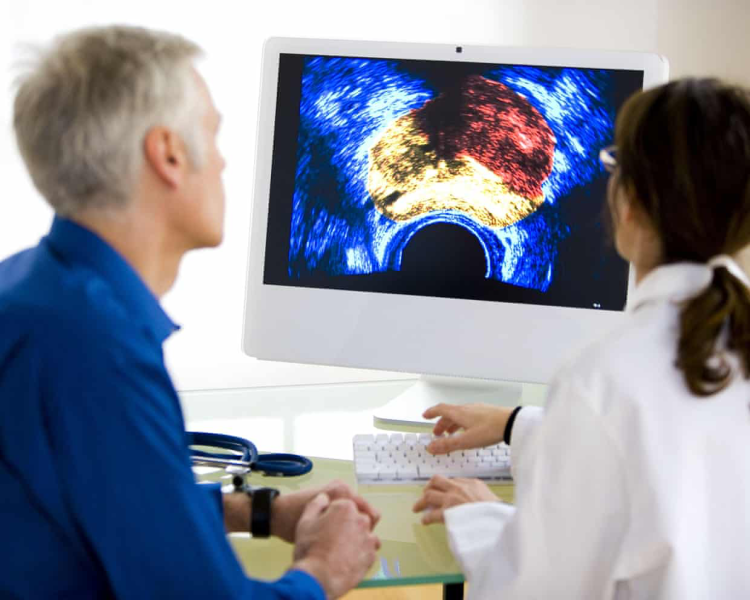
Prostate cancer grips the UK Prostate cancer has officially become the most commonly diagnosed cancer across the United Kingdom, overtaking breast cancer for the second consecutive year. Latest figures for 2023 reveal 55,033 men were diagnosed with the disease in England alone, compared to 47,526 cases of breast cancer. This surge in recorded cases is largely attributed to highly successful awareness campaigns that have encouraged thousands of men to seek early testing. The disease was significantly impacted during the pandemic years, leaving an estimated 14,000 "missing" men who were not referred for treatment. To address this, the NHS and Prostate Cancer UK launched national initiatives and an online Risk Checker tool that has been used by 3 million people. High-profile figures, including Nick Owen and the late Bill Turnbull, have also been credited with driving the "Turnbull effect" by publicly sharing their personal diagnoses. Health experts state that while the rising numbers are daunting, they reflect a positive trend in early detection which is critical for successful treatment. However, charities warn that prostate cancer often lacks symptoms in its early stages, making proactive risk assessment essential. The NHS recently expanded access to the drug Abiraterone for newly diagnosed patients, a move expected to reduce deaths among eligible men by roughly 50%. Looking forward, the NHS is under pressure to review screening protocols following calls from high-profile patients like Sir Chris Hoy. Researchers are also developing new blood tests to identify aggressive forms of the disease more accurately. While cases are projected to rise to 85,100 annually by 2040 due to an aging population, improved diagnostic tools are expected to continue saving lives. Key Takeaways Prostate cancer has surpassed breast cancer as the most common diagnosis in the UK, with 55,033 cases recorded in England in 2023. The surge in diagnoses is attributed to expanded NHS awareness campaigns and the "Turnbull effect" of celebrities sharing their experiences. New access to the hormone-starving drug Abiraterone is expected to save thousands of lives by halving the risk of the cancer returning. Adapted From https://www.theguardian.com/society/2026/jan/20/prostate-cancer-is-most-commonly-diagnosed-cancer-across-uk-study-finds
-
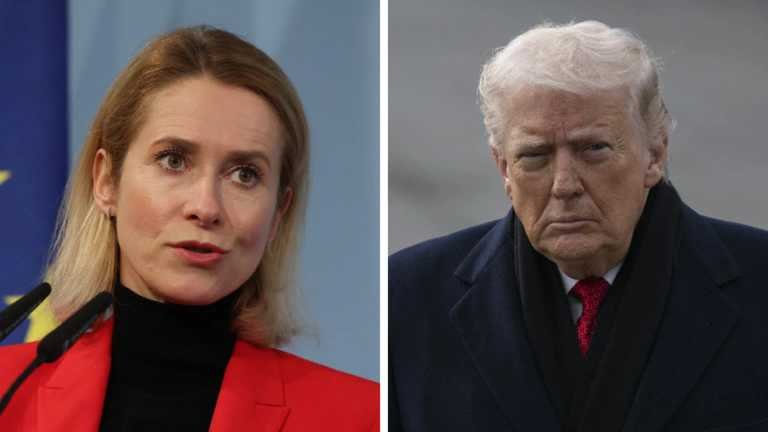
In a bold escalation of international tensions, President Donald Trump has confirmed he is "100%" committed to imposing heavy tariffs on several European allies. The move is designed to pressure Denmark into selling Greenland to the United States. A Historic Economic Ultimatum President Trump announced that the U.S. will implement a 10% tariff on all goods from the UK starting February 1, with that figure skyrocketing to 25% by June 1 if a deal for Greenland is not reached. Similar financial penalties are targeted at Denmark and other NATO members, including France, Germany, and Norway. When asked directly if he would follow through on these threats, Trump told NBC News, "I will, 100%," suggesting that European nations should prioritize the war in Ukraine over holding onto Greenland. Europe Stands Its Ground The response from the European Union has been one of defiance. EU foreign policy chief Kaja Kallas stated that while the bloc does not seek a "fight," they will not be intimidated, asserting that "sovereignty is not for trade." An emergency summit is scheduled for Thursday in Brussels to coordinate a unified response. Danish Foreign Minister Lars Løkke Rasmussen echoed this sentiment, warning that the U.S. cannot "threaten" its way to ownership. Meanwhile, symbolic military support from European allies has already begun appearing in Greenland, a move that precedes recent NORAD aircraft deployments to the region’s Pituffik Space Base. Personal Grievances Surface The geopolitical drama has also taken a personal turn. Recently leaked messages revealed Trump blaming Norway for his lack of a Nobel Peace Prize. Trump dismissed Norway’s claims of committee independence, further straining ties with the Nordic nation which remains a staunch supporter of Danish sovereignty over Greenland. Key Takeaways Massive Tariffs Loom: Trump plans to hit the UK and several EU nations with tariffs of up to 25% to force the sale of Greenland. EU Resistance: European leaders have called an emergency summit, maintaining that Greenland’s sovereignty is non-negotiable. NATO Tensions: The dispute is creating a significant rift within the NATO alliance, with Denmark warning that U.S. pressure could threaten the group's future. Adapted From https://www.bbc.com/news/articles/c4g5345ylk0o
-
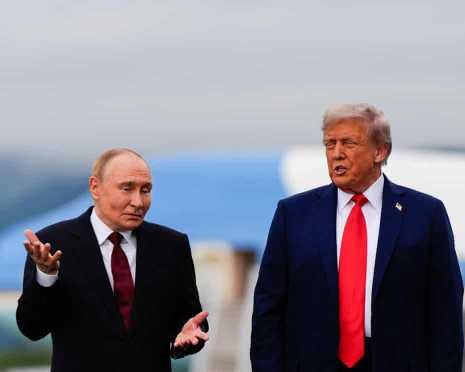
The Kremlin has revealed that Russian President Vladimir Putin received an invitation from Donald Trump to join a newly formed "Board of Peace." This international body is designed to oversee the ceasefire in Gaza and transition the region toward long-term stability. While the Kremlin confirmed the invitation, spokesperson Dmitry Peskov stated that Moscow is currently "clarifying the nuances" of the proposal before committing. This development comes at a time of intense global scrutiny, as Putin continues his military campaign in Ukraine, leading many to question the optics of his involvement in a peace-seeking entity. A New Approach to Global Conflict The Board of Peace is structured as an international organization aimed at restoring lawful governance in conflict zones. Donald Trump serves as the chair, leading a founding executive board that already includes high-profile figures such as former UK Prime Minister Tony Blair, U.S. Secretary of State Marco Rubio, and World Bank President Ajay Banga. The board’s charter suggests a "bold new approach," intentionally distancing itself from traditional institutions like the United Nations, which the group implies have failed in the past. In a move reminiscent of private club memberships, the charter notes that national leaders can serve three-year terms—unless their governments pay a $1 billion fee for permanent membership. International Reactions Global response to the invitation has been mixed. While Hungary and Vietnam have reportedly accepted, France has declined, citing its commitment to the UN Charter. Meanwhile, the UK and Canada remain in a state of deliberation. As the diplomatic world waits for Putin’s official response, the situation in Gaza remains fragile. The board is intended to supervise a committee of Palestinian experts for day-to-day governance, but ongoing military activity in the region continues to stall the transition to peace. Key Takeaways Controversial Invitation: Vladimir Putin has been invited to join Donald Trump’s "Board of Peace" to oversee the Gaza ceasefire. Unique Funding Model: The board offers permanent membership to nations willing to pay a $1 billion entry fee. Global Friction: The initiative is seen by some as a challenge to the United Nations, with countr ies like France already rejecting the proposal. Adapted From https://www.theguardian.com/world/2026/jan/19/kremlin-says-putin-invited-join-trump-gaza-board-of-peace
-
Post removed
-
Something more enticing... 2025-08-29-081044028.mp4
-
I used Gemini for this Simple first prompt: Please create a picture that looks very scary but has an even more terrifying hidden quality or feature that will only be noticed by studying it very closely. Result: Then said: Make video Video_Generation_Complete.mp4 It's that easy.

-
Inflammatory post removed