
Bacon1
Global Moderator
-
Joined
-
Last visited
Everything posted by Bacon1
-
Eighty-Six Arrested After Protesters Storm London Prison in Chaotic Demonstration Backing Hunger-Striker In a major security incident at HMP Wormwood Scrubs, the Metropolitan Police arrested 86 individuals following a chaotic demonstration that escalated into a site breach. The unrest, which took place on Saturday evening, was fueled by a protest in support of a pro-Palestinian activist currently on a hunger strike within the facility. The protest was organized by the activist group Palestine Action to support Muhammad Umer Khalid, an inmate who has reportedly been on a hunger strike for over two weeks. Khalid is awaiting trial for charges including criminal damage and aggravated trespass related to the group’s prior activities—charges he and his supporters deny. According to the Metropolitan Police, the situation shifted from a legal protest to a criminal incident when demonstrators refused to vacate the prison grounds after being ordered to disperse. Authorities report that the group actively blocked staff from entering or leaving the premises. Most significantly, several individuals managed to breach the perimeter and enter a staff entrance area of one of the prison buildings. Police Response and Mass Arrests A large-scale police operation followed, resulting in the detention of 86 people on suspicion of aggravated trespass. The Met Police also alleged that some protesters directed threats toward officers during the standoff. A spokesperson for the Ministry of Justice described the breach as "deeply concerning," stressing that while the right to peaceful protest is protected, trespassing and the intimidation of staff are unacceptable. Officials confirmed that despite the breach of the staff area, the overall security of the inmate population was never compromised. Khalid continues to receive regular medical check-ups in accordance with standard prison policy for hunger strikers. Key Takeaways Mass Arrests: 86 protesters were detained for aggravated trespass after breaching the grounds of HMP Wormwood Scrubs in West London. Staff Disruption: Protesters allegedly blocked prison entrances and managed to enter a staff-only area, though the Ministry of Justice maintains the main prison security remained intact. Hunger Strike Support: The demonstration was a direct action by Palestine Action to support Muhammad Umer Khalid, an activist currently in custody awaiting trial. Adapted From BBC News

-
Looks good 👍 IMDbThe Tank (2025) ⭐ 6.5 | Action, Drama, Thriller1h 56m | 15 On the 'bay now..🏴☠️ Review: https://www.filmreviewdaily.com/new-reviews/the-tank
-
I’m not based in Bangkok, though. I’ve been living in the North East, for more than ten years, and it’s really where I’ve settled in. Will you work here? Link about long term living here: 🙂
-
As a boy in Helensburgh and as an engineering student at the Glasgow and West of Scotland Technical College (now the University of Strathclyde), John Logie Baird had been inspired by the books of H.G. Wells. Throughout his teenage years he had regarded Wells as "a demi-god" (his own words) and he eagerly read Wells's scientific and futuristic stories such as The Sleeper Awakes (1899) which contained a prophetic description of a table-top television. Full Article Baird Television

-
-
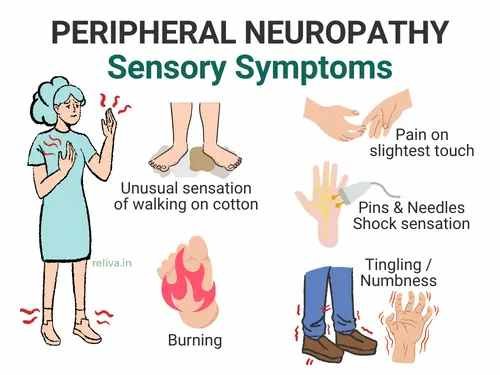
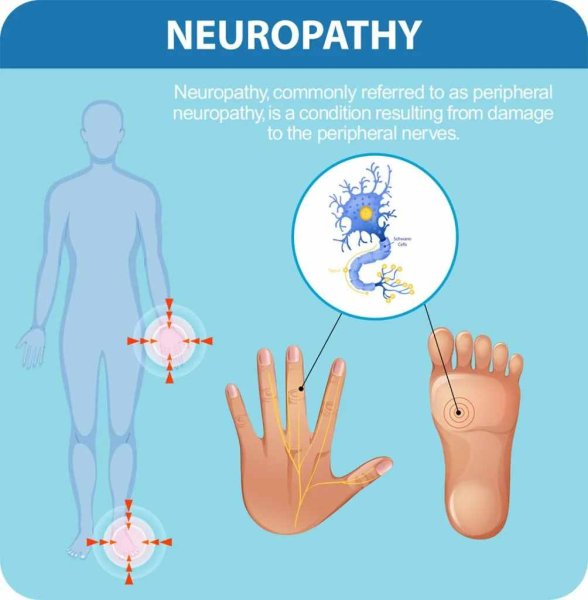
What Is Peripheral Neuropathy? A Clear Guide to Nerve Damage, Key Types, and the Most Common Symptoms Peripheral neuropathy is a condition caused by damage to the peripheral nervous system — the extensive network of nerves that link your brain and spinal cord to your limbs and organs. These nerves are essential for sensing touch, temperature, and pain, as well as controlling muscle movement and automatic body functions. When these nerves don’t send and receive messages correctly, it can disrupt everything from movement to feeling and internal functions. Types of Peripheral Neuropathy Peripheral neuropathy isn’t just one condition. Researchers have identified more than 100 types, and they are often categorized based on which nerves are affected: Motor Neuropathy – Impacts nerves that control voluntary muscle movements, such as walking, holding objects, or talking. Sensory Neuropathy – Affects nerves that send sensory information like touch, pain, and temperature. Autonomic Neuropathy – Damages nerves that manage automatic body functions, such as heart rate, digestion, sweating, and blood pressure. Some people have damage in just one nerve (mononeuropathy), a few nerves (multiple mononeuropathy), or many nerves (polyneuropathy). Most cases involve multiple nerves and often begin in the longest nerves, so symptoms usually show up first in the hands or feet. Common Symptoms Symptoms vary widely depending on which nerve types are affected, how severe the damage is, and how far the condition has progressed. Common signs include: Tingling, numbness, or burning sensations in the hands or feet Sharp or aching pain, often worse at night Muscle weakness or cramps, and loss of coordination Reduced ability to feel temperature or touch Loss of reflexes and balance problems If autonomic nerves are involved, symptoms may also include heat intolerance, excessive or reduced sweating, digestive issues, dizziness from blood pressure changes, and bladder or bowel dysfunction. Peripheral neuropathy can develop gradually or suddenly and might improve with treatment if the underlying cause is managed. Early recognition of symptoms helps guide care and reduce long-term nerve damage. Key Takeaways Peripheral neuropathy is nerve damage outside the brain and spinal cord that interrupts communication between the central nervous system and the rest of the body. There are three main types — motor, sensory, and autonomic — each affecting different nerve functions and producing unique symptoms. Symptoms range from numbness and pain to muscle weakness and autonomic dysfunction, often first appearing in hands or feet. Adapted From NIH
-
Do Detox Products Really Work? The Scientific Truth About Juice Cleanses and Wellness Supplements From green juice cleanses to activated charcoal and sticky foot patches, the "detox" industry is booming. These products promise to flush out toxins, reset your metabolism, and leave you feeling rejuvenated. However, scientific evidence suggests that these trendy fixes may be doing more for the companies selling them than for your actual health. The fundamental flaw in the detox narrative is the misunderstanding of how the human body functions. We are naturally equipped with a highly sophisticated filtration system. Your liver, kidneys, lungs, and even your skin work around the clock to process and eliminate waste products. For a healthy individual, the body does not need a "reset" button in the form of an expensive supplement or a restrictive liquid diet. Many detox products, such as charcoal supplements, can actually be counterproductive. While activated charcoal is used in emergency medicine to treat specific poisonings, consuming it recreationally can interfere with the absorption of essential nutrients and prescribed medications. Similarly, "detox" foot patches that turn black overnight aren't drawing out heavy metals; the color change is typically a simple chemical reaction between the sweat from your feet and the ingredients in the patch. Instead of chasing quick fixes, experts recommend focusing on long-term lifestyle habits. Supporting your body’s natural detoxification process is best achieved through hydration, a fiber-rich diet, regular physical activity, and adequate sleep. These sustainable practices provide the fuel your organs need to perform their jobs efficiently, without the risks or costs associated with unproven detox fads. Ultimately, your body is already an expert at cleansing itself—no juice cleanse required. Key Takeaways Your Body is Self-Sufficient: The liver and kidneys are naturally designed to filter and remove toxins without the need for external "cleansing" products. Scientific Evidence is Lacking: Most detox supplements and patches rely on marketing gimmicks rather than proven clinical results to demonstrate efficacy. Focus on Fundamentals: True wellness comes from sustainable habits like eating whole foods, staying hydrated, and getting consistent exercise. Adapted From The Conversation


-
John Logie Baird: Celebrating 100 Years Since the Historic First Television Broadcast in London It started with a dummy named "Stooky Bill" and a flickering, 32-line image. A century ago, in a dusty London laboratory, Scottish inventor John Logie Baird achieved what many thought was impossible: the first successful transmission of a live moving image. The Dawn of the Small Screen In October 1925, Baird used a makeshift machine built from bicycle lenses, darning needles, and a tea chest to transmit the grayscale face of a ventriloquist's dummy. Not satisfied with static objects, he quickly recruited an office worker, William Taynton, to sit under the grueling heat of his floodlights. Taynton became the first human being ever televised—though he reportedly had to be bribed with a small payment to endure the intense glare. Despite this breakthrough, the world wasn't immediately sold. When Baird approached the Daily Express to promote his invention, the news editor was so spooked by the "lunatic" in reception talking about "seeing by wireless" that he ordered staff to get rid of him. From Skepticism to Global Icon The skepticism didn't last. On January 26, 1926, Baird gave a public demonstration to members of the Royal Institution and The Times. While the images were grainy and small, the movement was unmistakable. This "mechanical television" paved the way for the BBC’s first broadcasts and the eventual leap to the electronic systems we use today. Baird’s vision went far beyond simple broadcasts; he even experimented with color TV and transatlantic signals long before they became standard. Today, as we stream 4K content on devices that fit in our pockets, we owe the "flicker" of our digital lives to a Scotsman with a dream and a tea chest. Key Takeaways The First "Star": The first image ever televised was a ventriloquist's dummy nicknamed "Stooky Bill," followed by human subject William Taynton. Humble Beginnings: Baird’s first working TV was a mechanical marvel constructed from household items, including a hatbox, scissors, and bicycle parts. A Lasting Legacy: Within a decade of his 1926 public debut, television moved from a laboratory curiosity to a national broadcasting reality with the BBC Adapted From The Conversation


-
Whether or not she was guilty has yet to be determined, but what I don’t agree with is that the ICE agent fired once through the windscreen and then moved around and shot her twice more. The fact, of the he two close-range shots are a major concern for me. There was no need for them. She wasn’t a threat.
-
Shifting Psychedelic Laws Launch New Religious Freedom Battle The intersection of ancient spiritual practices and modern law is reaching a boiling point. Across the United States, a growing number of "psychedelic churches" are stepping out of the shadows, claiming that the use of psilocybin—the active ingredient in magic mushrooms—is a protected religious sacrament. At the heart of this movement is Singularism, a Utah-based organization founded by former therapist Bridger Jensen. Following a high-profile SWAT raid on their Provo center last year, the group took an unexpected path: they sued the government. Utilizing the Religious Freedom Restoration Act (RFRA), the church successfully halted criminal proceedings and secured a temporary legal right to continue their ceremonies while their case proceeds in federal court. This isn't just an isolated incident in Utah. Experts estimate that over 500 psychedelic churches now operate across the country. While groups using ayahuasca have previously won legal protections, a victory for Singularism would mark the first time a psilocybin-focused church receives formal recognition in the U.S. The surge in these organizations mirrors a broader American trend: a move away from traditional dogmatic religion toward personalized spirituality. For many members—including many former Mormons in the Utah area—these ceremonies offer a way to find closure, experience "ego death," and connect with the divine in a way traditional pews never allowed. However, the legal path remains treacherous. While Singularism has seen early success, legal experts warn that the process is expensive and complex. Without rigorous safety protocols and a clear "sincere belief" framework, other groups attempting to follow suit may find themselves facing prison time rather than spiritual liberation. Key Takeaways A Legal Milestone: Singularism is poised to become the first U.S. church to gain legal protection for using psilocybin mushrooms as a religious sacrament. The Power of RFRA: The Religious Freedom Restoration Act is being used as a shield to protect non-traditional spiritual practices from federal drug enforcement. Growing Movement: Over 500 psychedelic churches are estimated to be operating in the U.S., reflecting a massive shift in how Americans seek spiritual experiences. Adapted From NPR


-
Where in Thailand will you live?
-
For 14-year-old Na’Kaya Godfrey, "home" is a word with 26 different meanings. Across the United States, a deepening housing affordability crisis is forcing families into a state of "running in place"—working multiple jobs yet unable to secure a permanent roof. The Human Toll of Housing Instability Living on the outskirts of Atlanta, the Godfrey family’s story highlights a growing trend of "invisible" homelessness. They aren't always on the street; instead, they bounce between unheated rentals, motels, and shared rooms. This constant upheaval has left Na’Kaya and her 12-year-old brother, Junior, struggling with severe anxiety and academic setbacks. While the Trump administration’s current policies focus on addiction and mental health as the "root causes" of homelessness, experts argue the real culprit is a widening chasm between stagnant wages and skyrocketing rents. For single mothers like Jaimie Godfrey, who has worked everywhere from fast-food chains to construction sites, the system often creates impossible "catch-22" scenarios. For example, some childcare subsidies require proof of employment, yet maintaining a job is nearly impossible without reliable childcare. Breaking the Cycle In Atlanta, innovative programs like "Standing With Our Neighbors" are trying a different approach by embedding legal and social support directly within schools. By preventing evictions before they happen, these initiatives have seen student proficiency in math and English jump significantly. As the Godfreys face an uncertain future with their current lease ending in March, their journey underscores a national reality: children are now the group most likely to experience housing insecurity in America. Without systemic changes to housing subsidies and wage growth, many families remain just one missed paycheck away from their next move. Key Takeaways A Growing Mismatch: The primary driver of the current crisis is the gap between low wages and high rental costs, rather than personal "failings" like addiction. Educational Impact: Children facing housing instability are three times more likely to experience behavioral issues and often lag a full year behind in reading and math. Success in Stability: School-based eviction prevention programs in Atlanta have proven that keeping families housed directly leads to higher test scores and better attendance. Adapted From The Guardian

-
Amsterdam is taking a firm stand against the growing popularity of "fatbikes"—electric bicycles known for their oversized tires—following a sharp increase in traffic accidents. Local authorities, led by transport chief Melanie van der Horst, have announced plans to ban these heavy e-bikes from several city areas, beginning with the iconic Vondelpark. The decision comes as medical professionals and road safety experts raise alarms over the dangers posed by modified fatbikes. While standard e-bikes in the Netherlands are legally capped at 25km/h (15mph), many fatbike owners bypass these factory settings to reach speeds of 40km/h (25mph) or more. This "souped-up" performance has led to approximately 5,000 emergency room visits annually. The demographic most at risk is surprisingly young. Data from safety organization VeiligheidNL indicates that children aged 12 to 15 are involved in a disproportionate number of these serious accidents. Surgeons at Amsterdam University Medical Center describe the situation as a public health crisis, noting that the speed gap between fatbikes and traditional cyclists creates a hazardous environment for everyone, particularly the elderly. While some riders argue that fatbikes are the city's most efficient transport, residents and safety advocates disagree. Pedestrians report feeling unsafe on shared paths, and some parents have even stopped letting their children cycle to school due to the aggressive nature of high-speed e-bike traffic. As Amsterdam implements these "unorthodox measures," other Dutch cities like Enschede are following suit. With new helmet requirements for young e-bike riders set for 2027, this ban marks a significant shift in how the Netherlands—a global leader in cycling culture—balances modern mobility with public safety. Key Takeaways Safety Crackdown: Amsterdam is banning fatbikes from city parks, starting with Vondelpark, to curb a surge in serious traffic injuries. Youth at Risk: Hospital data shows children aged 12–15 are the primary victims of fatbike accidents, often involving illegal speed modifications. National Trend: The move reflects a broader Dutch push for stricter e-bike regulations, including potential city-wide bans and future helmet mandates Adapted From The Guardian UK


-
China has revealed a promising new advancement in artificial intelligence hardware that could dramatically reduce the energy footprint of AI data centres. Researchers at Peking University and other institutions are working on an analogue AI chip that uses in-memory computing techniques to handle key AI tasks with much lower power consumption than conventional digital processors — potentially cutting electricity use by more than 99 % for certain workloads. Unlike traditional chips that move data repeatedly between memory and processors (which consumes a lot of energy), the analogue design performs calculations directly inside memory structures. This results in faster processing and dramatically improved efficiency, particularly for tasks such as inference — the part of AI that responds to user queries once a model is trained. This development comes as global data-centre energy demand continues to rise sharply due to expanding AI workloads. AI datacentres already consume massive amounts of electricity and require advanced cooling systems to dissipate the heat created by thousands of processors running simultaneously. China’s move also fits into a broader strategy to strengthen its domestic chip ecosystem and reduce reliance on foreign AI processors — a goal underscored by recent government directives banning foreign AI chips from state-funded data-centre projects. While the analogue chip is still in research and not yet commercially deployed, analysts say it represents a possible future path toward more sustainable AI computing hardware. If the technology can be scaled and manufactured reliably, it could help cloud service providers lower operational costs, reduce carbon emissions linked to AI operations, and support broader growth in energy-efficient AI systems across industries. Key Takeaways Chinese researchers are developing an analogue AI chip designed to drastically cut data-centre energy use. Early research suggests the design could outperform conventional digital chips in speed and power efficiency. The breakthrough aligns with China’s push to strengthen domestic chip capabilities and tackles growing energy demand in AI infrastructure. Adapted From First Post

-
Member comment removed
-
China’s People’s Liberation Army (PLA) recently showcased a significant leap in autonomous warfare: a massive swarm of 200 fixed-wing drones managed by a single operator. This demonstration, featured on Chinese state television, highlights a sophisticated shift toward "intelligentized" combat where machines handle the heavy lifting of coordination and decision-making. Autonomous Cooperation in the Skies At the heart of this technology is a specialized intelligent algorithm that allows the drones to communicate and negotiate with one another in real-time. Unlike traditional remote-controlled aircraft that require constant input from a pilot, these units can fly in precise formations and divide complex tasks—such as multi-target reconnaissance or synchronized strikes—entirely on their own. One of the most impressive features of the system is its resilience. The drones utilize an autonomous anti-jamming algorithm designed to combat electromagnetic interference. This means that even if the connection to the human operator is severed, the swarm can continue its mission, cooperating autonomously to achieve its objectives. The Hardware Behind the Swarm The drones are deployed using the Swarm I (also known as the High Mobility Swarm Weapon System), a land vehicle capable of launching 48 units simultaneously. While the initial version debuted in 2021, the updated Swarm II boasts a top speed of 62 mph and an endurance of over an hour. These units are versatile, capable of carrying various payloads, including electronic relay devices and munitions. As global powers like the U.S., Russia, and Ukraine accelerate their own drone programs, China’s latest display signals a move toward "saturation attacks," where a high volume of autonomous units can overwhelm traditional defense systems through sheer numbers and collective intelligence. Key Takeaways One-Man Command: A single soldier can now oversee 200 drones, significantly reducing the manpower needed for large-scale aerial operations. Jam-Proof Autonomy: The swarm can continue to coordinate and strike even after losing communication with its operator thanks to "self-healing" AI algorithms. Scalable Lethality: Advanced launch vehicles allow for rapid deployment of nearly 50 units at once, designed to saturate and overwhelm enemy defenses. Adapted From Toms Hardware

-
Laugh emoji removed Unnecessary comment removed @D Peter
-
The Arhuaco people of Colombia’s Sierra Nevada de Santa Marta are facing an existential crisis as violent armed groups seize their ancestral lands. Paramilitaries, guerrillas, and drug traffickers have invaded the world’s highest coastal mountain range to establish strategic smuggling corridors. This surge in territorial conflict has left the community under constant threat of physical and cultural extinction. The Sierra Nevada is a UNESCO Biosphere Reserve, yet its proximity to the Caribbean Sea makes it a lucrative prize for illicit trade. Following the 2016 peace deal with Farc, a power vacuum allowed splinter factions and crime networks to scramble for control over cocaine and gold. In the first three months of 2025 alone, violent incidents in Colombia rose by 45% compared to the previous year. Indigenous leaders report that armed groups are imposing curfews, burning sacred objects, and recruiting children as scouts or fighters. Verified cases of forced recruitment across Colombia jumped from 384 in 2023 to 651 in 2024, with Indigenous children accounting for nearly half of the victims. Experts warn that the use of landmines and unconventional explosives is further restricting the community’s ability to hunt or perform spiritual rites. The Arhuaco are now fighting a dual battle against both armed militants and expanding mining interests that threaten their water and sacred sites. There are currently 124 active mining titles and 88 applications overlapping their ancestral territory. Leaders warn that if the state fails to intervene, their culture may vanish within two generations. Key Takeaways Armed groups have occupied the Sierra Nevada to use the UNESCO-protected mountain range as a strategic corridor for drug trafficking and illegal mining. Forced recruitment of children has surged significantly, with Indigenous minors being targeted to serve as scouts, informants, and frontline soldiers for criminal networks. The Arhuaco face "cultural extinction" as violence and 124 active mining titles destroy sacred sites and prevent ancestral spiritual practices. Adapted From The Guardian UK

-
The Welsh parliament, known as the Senedd, is developing landmark legislation to criminalize deliberate deception by politicians to rebuild public trust in democracy. If passed, Wales would become the first country in the world to outlaw political lying, potentially disqualifying or fining those who intentionally mislead the public. Supporters argue the current system provides no real consequences for dishonesty, but critics fear the move could inadvertently stifle legitimate political debate. Discussions regarding the ban have intensified over the past two years following recommendations from the Senedd's standards committee in February 2025. While it is already illegal to make false statements about a candidate's personal character during elections, this new proposal aims to capture a much wider range of political speech. The initiative follows a period of broad cross-party agreement that the existing oversight mechanisms are insufficient for maintaining modern democratic integrity. Legal experts and some Senedd members have warned that the bill lacks a precise definition of what constitutes a "false or misleading" statement. The Senedd’s standards committee expressed concerns that the risks of the law currently outweigh its benefits, citing potential conflicts with the European Convention on Human Rights. There is additional worry that politicians may stop discussing contentious issues altogether to avoid the risk of criminal prosecution or lengthy legal challenges. The proposed legislation will not be ready for the next Welsh election in May and is not expected to come into force until at least 2030. Lawmakers must now determine if they can draft a narrow enough definition to target intentional lies while protecting freedom of expression. Observers expect significant legal scrutiny as the Senedd attempts to balance the "rough-and-tumble" of democratic discourse with the requirement for factual honesty. Key Takeaways Wales is set to become the first nation to criminalize intentional deception by politicians and election candidates. The Senedd's standards committee warned that the law’s unintended consequences and risks to free speech currently outweigh its potential benefits. The legislation is not expected to be implemented until the 2030 election at the earliest due to the complexity of defining a "misleading statement Adapted From The Conversation


-
Scientists in China have successfully developed a flexible, thread-like "fiber chip" that integrates high-density circuits into a strand thinner than a human hair. This breakthrough allows computing power to be woven directly into everyday clothing and medical implants, creating soft electronics that move with the human body. The innovation marks a radical shift from rigid, planar silicon wafers to flexible, wearable technology. A research team at Fudan University in Shanghai, led by Peng Huisheng and Chen Peining, published their findings in the journal Nature on January 22, 2026. To overcome the challenge of building precise electronics on uneven, soft surfaces, the team used plasma etching to create a nanometer-flat surface on a stretchable elastomer. They then applied standard lithography to fabricate circuits before rolling the film into a multi-layered spiral architecture within the fiber. The resulting fiber contains 100,000 transistors per centimeter, meaning a one-meter strand matches the processing power of a classic computer CPU. Researchers demonstrated that the fiber chip can withstand 10,000 cycles of bending and even being crushed by a 15.6-tonne truck without losing functionality. Experts suggest these biocompatible fibers could revolutionize brain-computer interfaces by matching the softness of brain tissue and reducing infection risks. The team is currently collaborating with hospitals to explore immediate applications in cardiovascular surgery and tactile surgical gloves. Future developments are expected to focus on high-volume manufacturing, as the fabrication process is fully compatible with existing commercial lithography lines. Scientists hope this will eventually lead to electronic fabrics that exchange information as efficiently as modern smartphones. Key Takeaways Researchers at Fudan University have integrated 100,000 transistors per centimeter into a flexible fiber thinner than a human hair. The fiber chips are durable enough to survive 10,000 bending cycles and the weight of a 15.6-tonne truck. This technology enables the creation of interactive smart clothing and biocompatible brain-computer interfaces that do not require external processors. Adapted From Interesting Engineering



-
A number of posts containing inflammatory or vulgar content, as well as their replies, have been removed.
-
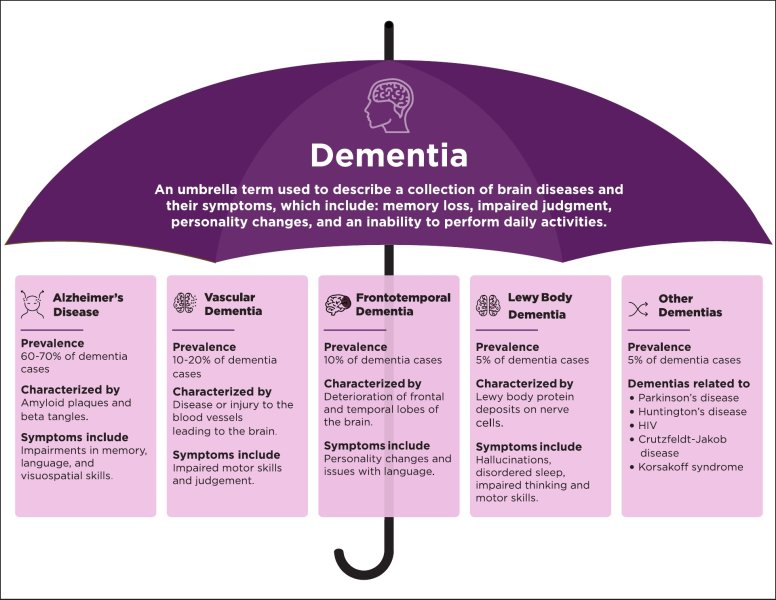
There are several care facilities that special in Dementia. This is one of them: dementia and long term care - Carewell https://share.google/tckopuNv2EmHKTdCZ
-
More information about Dementia, types & risk factors: Causes and risk factors of dementia - Dementia UK https://share.google/3p3eQTU8NzRx0wjuf
-
I really hope he doesn't try this with a Polar Bear. 😁
-
The American Diabetes Association has published the Standards of Care in Diabetes—2026, offering updated clinical guidance that will immediately shape how healthcare providers diagnose, manage, and monitor diabetes across the United States. The new edition consolidates the latest medical evidence and is expected to influence treatment pathways throughout hospitals and clinics. Its release marks another annual shift toward more precise, risk-based diabetes management. The Standards are revised each year with data from major studies and national health surveillance. This year’s update emphasises personalised care planning, early detection strategies, and protection of long-term organ health. Recent research on glucose-lowering medicines, cardiovascular risk reduction, kidney-protective therapies, and digital health tools is reflected throughout. Experts say the guidance continues to reinforce early screening, particularly for younger adults and high-risk groups who may develop type 2 diabetes earlier in life. The document highlights the importance of preventing and slowing cardiovascular and renal complications, which remain the most serious long-term consequences of the condition. Clinicians are expected to adopt these recommendations widely to improve outcomes and reduce health system strain. Specialists also welcomed clearer direction on technology, noting that continuous glucose monitoring and other digital tools are now central components of diabetes care. The Standards encourage coordinated, team-based approaches involving clinicians, specialist nurses, dietitians, and diabetes educators, supported by evidence showing improved safety and long-term stability. Medication guidance has been strengthened to prioritise treatments with proven benefits for the heart and kidneys. The ADA expects healthcare providers to adopt the revised Standards throughout 2026. Ongoing research and clinical data collected over the next year will inform further updates. With diabetes science evolving rapidly, the annual revision process ensures that patient care keeps pace with new evidence, treatment options, and risk-management strategies. Standards and the Recommendations Integrate the newest clinical evidence to guide diagnosis, monitoring, and long-term diabetes care. Emphasise personalised treatment plans tailored to age, health status, and individual risk factors. Highlight early detection and screening, particularly for type 2 diabetes and pre-diabetes. Stress routine assessments to identify complications as early as possible. Provide updated medication guidance, focusing on glucose-lowering therapies supported by recent trials. Prioritise treatments that protect the heart, kidneys, and vascular system. Reinforce lifestyle foundations, including balanced nutrition, physical activity, sleep, and stress control. Highlight that these measures improve outcomes when combined with appropriate medical treatment. Encourage coordinated, team-based care, involving multidisciplinary diabetes specialists. Promote effective use of health-technology tools, including continuous glucose monitors and digital apps. Key Takeaways The updated Standards outline the latest evidence-based guidance for diabetes care in 2026. Early detection, organ protection, and use of digital monitoring tools are key elements. Health systems are expected to implement the new recommendations throughout the year. Full Article ADA https://diabetes.org/newsroom/press-releases/american-diabetes-association-releases-standards-care-diabetes-2026?utm_source=chatgpt.com