

webfact
Admin
-
Joined
-
Last visited
Everything posted by webfact
-
 A U.S. federal judge has raised fresh concerns over the legality of President Donald Trump’s plan to construct a large ballroom at the White House, as he considers a renewed effort by preservation groups to halt the project. During a hearing on Tuesday, Richard Leon of the U.S. District Court expressed scepticism about the legal arguments presented by the Justice Department in defence of the $400 million development. He pointed to inconsistencies in the administration’s reasoning, describing the case as marked by “shifting theories” from the outset. Get today's headlines by email The planned ballroom, a 90,000-square-foot venue intended for state functions and major events, is being built on the site of the demolished East Wing. Construction began in October and is expected to continue through 2028, with most funding reportedly coming from private donors. Dispute over legal authorityHowever, the National Trust for Historic Preservation has challenged the project in court, arguing that it violates federal requirements. The group says the administration failed to seek congressional approval and did not carry out mandated reviews or allow for public consultation. Lawyers representing the preservationists accused the government of providing inconsistent explanations about who holds authority over the project. Attorney Thaddeus Heuer told the court officials had created confusion over several months before now, arguing that construction has progressed too far to be stopped. Government defends projectIn response, Justice Department lawyer Yaakov Roth maintained that the project rests on both public and private authority, describing it as having a “dual source of funding and dual source of authority.” Judge Leon appeared unconvinced, calling that interpretation a “brazen” reading of the law. He emphasised the symbolic importance of the White House, describing it as an “iconic” national landmark and noting that the president acts as a steward rather than an owner of the property. Ongoing legal battleThe courtroom exchange follows an earlier ruling in which Leon declined to block construction, citing procedural shortcomings in the preservationists’ initial complaint. He invited the group to revise its case, leading to the current legal challenge. In his previous opinion, Leon noted that the administration had initially suggested constitutional grounds for the project before later abandoning that argument, further complicating the legal landscape. The preservation group has now filed an updated complaint, again seeking to stop the construction. Government lawyers have urged the court not to intervene, citing national security considerations and practical difficulties in halting work already underway. Decision expected soonThe dispute has drawn criticism from historians, preservation advocates and some lawmakers, particularly over the demolition of the East Wing and the perceived bypassing of established procedures. Judge Leon indicated that he aims to issue a decision by the end of the month, which could determine whether construction continues or faces further legal obstacles. Join the discussion? Already a member? Adapted by ASEAN Now. Source 18 March 2026
 -
A U.S. federal judge has ordered the Trump administration to reinstate operations at Voice of America (VOA), reversing a move that had sidelined much of the government-funded broadcaster and placed hundreds of employees on administrative leave. In a ruling issued on Tuesday, Royce C. Lamberth directed the U.S. Agency for Global Media (USAGM) to submit a plan within a week to restore VOA’s broadcasting capacity. The outlet has been operating with only a limited staff since President Donald Trump signed an executive order last year effectively shutting down large parts of its operations. Get today's headlines by email The judge ruled that the administration’s actions to drastically reduce VOA’s workforce and programming were unlawful. More than 1,000 employees had been placed on leave, leaving the organisation functioning at what officials described as the “statutory minimum” level required by Congress. Court rejects shutdown decisionLamberth described the decision as “arbitrary and capricious,” stating that authorities failed to properly consider legal requirements governing VOA’s mandate, including its obligation to broadcast in specific languages and regions. “Defendants have provided nothing approaching a principled basis for their decision,” he wrote in his judgement. Leadership dispute and legal challengeThe ruling follows an earlier decision by Lamberth that Kari Lake, who had been selected by Trump to lead USAGM, lacked the authority to implement the shutdown because she had not been confirmed by the Senate. Her actions, taken in response to the president’s directive, were central to the legal challenge brought by VOA staff. The case was supported by journalists including Patsy Widakuswara, the broadcaster’s White House bureau chief. Widakuswara welcomed the ruling, saying staff were ready to rebuild the organisation and restore its global reach after months of disruption. Administration response and next stepsLake has previously criticised the court’s intervention and indicated that the decision would be appealed. Meanwhile, Trump has nominated Sarah Rogers, a State Department official, to lead USAGM, though the appointment requires Senate approval. It remains unclear how quickly VOA can return to full operations, given the scale of the workforce reductions and programming cuts implemented over the past year. Global broadcaster with long historyFounded during the Second World War, Voice of America has long served as a U.S.-funded international broadcaster, delivering news to audiences in countries with limited press freedom. Before the shutdown, VOA operated in dozens of languages and reached hundreds of millions of people worldwide. The court’s ruling is expected to pave the way for the restoration of those services, though officials have acknowledged that rebuilding capacity and trust may take time. Join the discussion? Already a member? Adapted by ASEAN Now. Source 18 March 2026 View full article
-
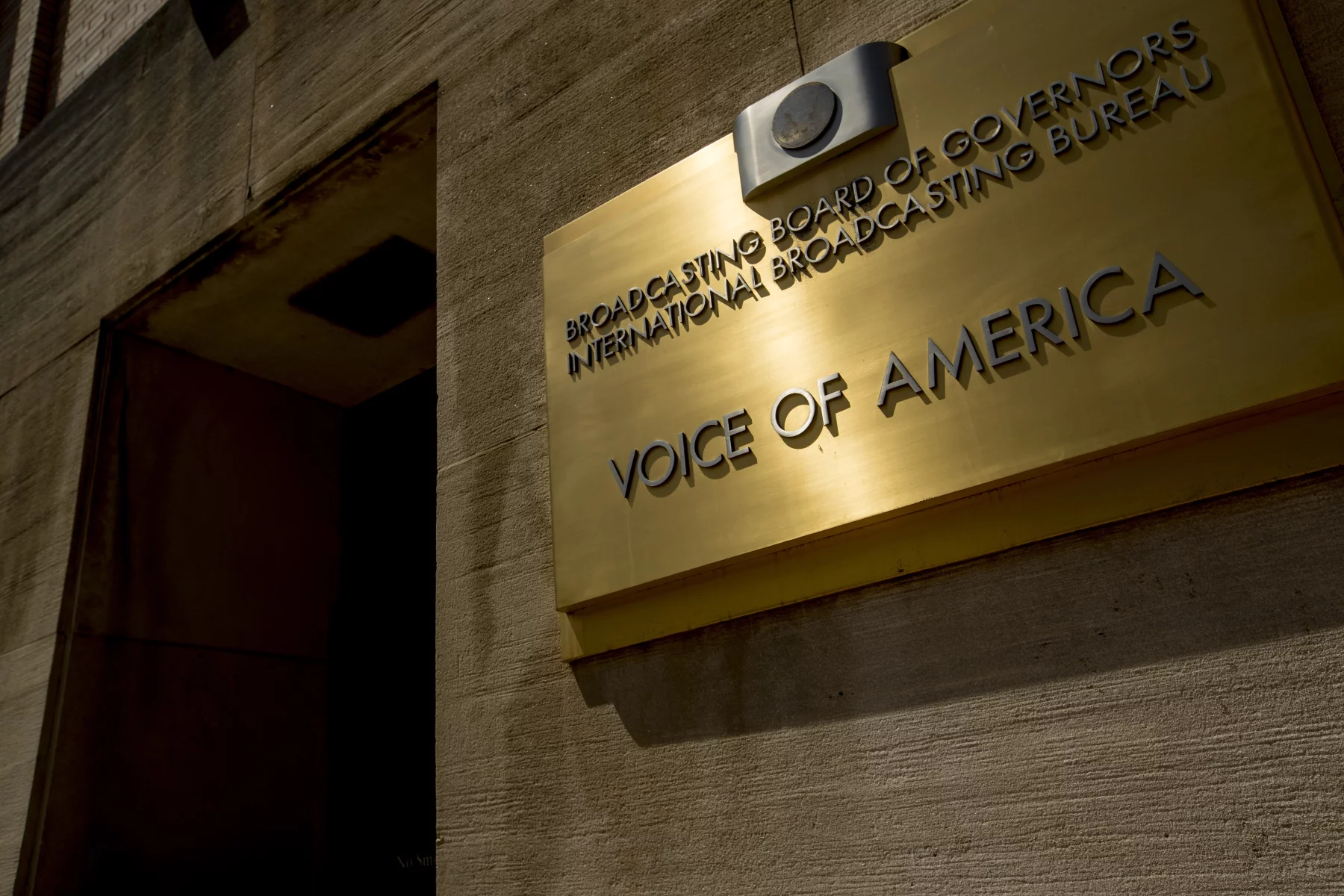 A U.S. federal judge has ordered the Trump administration to reinstate operations at Voice of America (VOA), reversing a move that had sidelined much of the government-funded broadcaster and placed hundreds of employees on administrative leave. In a ruling issued on Tuesday, Royce C. Lamberth directed the U.S. Agency for Global Media (USAGM) to submit a plan within a week to restore VOA’s broadcasting capacity. The outlet has been operating with only a limited staff since President Donald Trump signed an executive order last year effectively shutting down large parts of its operations. Get today's headlines by email The judge ruled that the administration’s actions to drastically reduce VOA’s workforce and programming were unlawful. More than 1,000 employees had been placed on leave, leaving the organisation functioning at what officials described as the “statutory minimum” level required by Congress. Court rejects shutdown decisionLamberth described the decision as “arbitrary and capricious,” stating that authorities failed to properly consider legal requirements governing VOA’s mandate, including its obligation to broadcast in specific languages and regions. “Defendants have provided nothing approaching a principled basis for their decision,” he wrote in his judgement. Leadership dispute and legal challengeThe ruling follows an earlier decision by Lamberth that Kari Lake, who had been selected by Trump to lead USAGM, lacked the authority to implement the shutdown because she had not been confirmed by the Senate. Her actions, taken in response to the president’s directive, were central to the legal challenge brought by VOA staff. The case was supported by journalists including Patsy Widakuswara, the broadcaster’s White House bureau chief. Widakuswara welcomed the ruling, saying staff were ready to rebuild the organisation and restore its global reach after months of disruption. Administration response and next stepsLake has previously criticised the court’s intervention and indicated that the decision would be appealed. Meanwhile, Trump has nominated Sarah Rogers, a State Department official, to lead USAGM, though the appointment requires Senate approval. It remains unclear how quickly VOA can return to full operations, given the scale of the workforce reductions and programming cuts implemented over the past year. Global broadcaster with long historyFounded during the Second World War, Voice of America has long served as a U.S.-funded international broadcaster, delivering news to audiences in countries with limited press freedom. Before the shutdown, VOA operated in dozens of languages and reached hundreds of millions of people worldwide. The court’s ruling is expected to pave the way for the restoration of those services, though officials have acknowledged that rebuilding capacity and trust may take time. Join the discussion? Already a member? Adapted by ASEAN Now. Source 18 March 2026
 -
A shooting at Holloman Air Force Base has left one person dead and another injured, prompting a temporary lockdown of the military installation, officials said. The incident occurred on Tuesday evening near a convenience store on the base, located in southern New Mexico. Authorities responded after reports of an active shooter at approximately 5:30 p.m., according to a statement from the 49th Wing, the unit stationed at the base. Get today's headlines by email Following the initial reports, base officials swiftly implemented a lockdown as emergency personnel moved to secure the area. The wounded individual was transported for medical treatment, though their condition has not been disclosed. Lockdown and emergency responseMilitary authorities later confirmed that the situation had been contained and that there was no ongoing threat. The lockdown was subsequently lifted once security teams determined the base was safe. “Emergency personnel are responding to the situation, and there is no threat at this time,” the statement said. Limited details releasedOfficials have not yet released the identities of those involved, nor have they provided further information about the circumstances surrounding the shooting. It remains unclear what led to the incident or whether any suspects are in custody. The base convenience store where the shooting occurred has been closed indefinitely, according to a social media update from base authorities. Key military installationHolloman Air Force Base covers an area of roughly 93 square miles and plays a significant role in U.S. national security operations. It is home to the 49th Wing, which includes combat-ready personnel and supports a range of military missions. The base is situated near the city of Alamogordo and is a major employer and strategic site in the region. Investigation ongoingAuthorities have not said whether the shooting is being treated as an isolated incident or part of a broader investigation. Additional details are expected as officials continue to gather information. The shooting adds to concerns about security incidents at military facilities, though officials emphasised that there is currently no wider danger to personnel or the surrounding community. Join the discussion? Already a member? Adapted by ASEAN Now. Source 18 March 2026 View full article
-
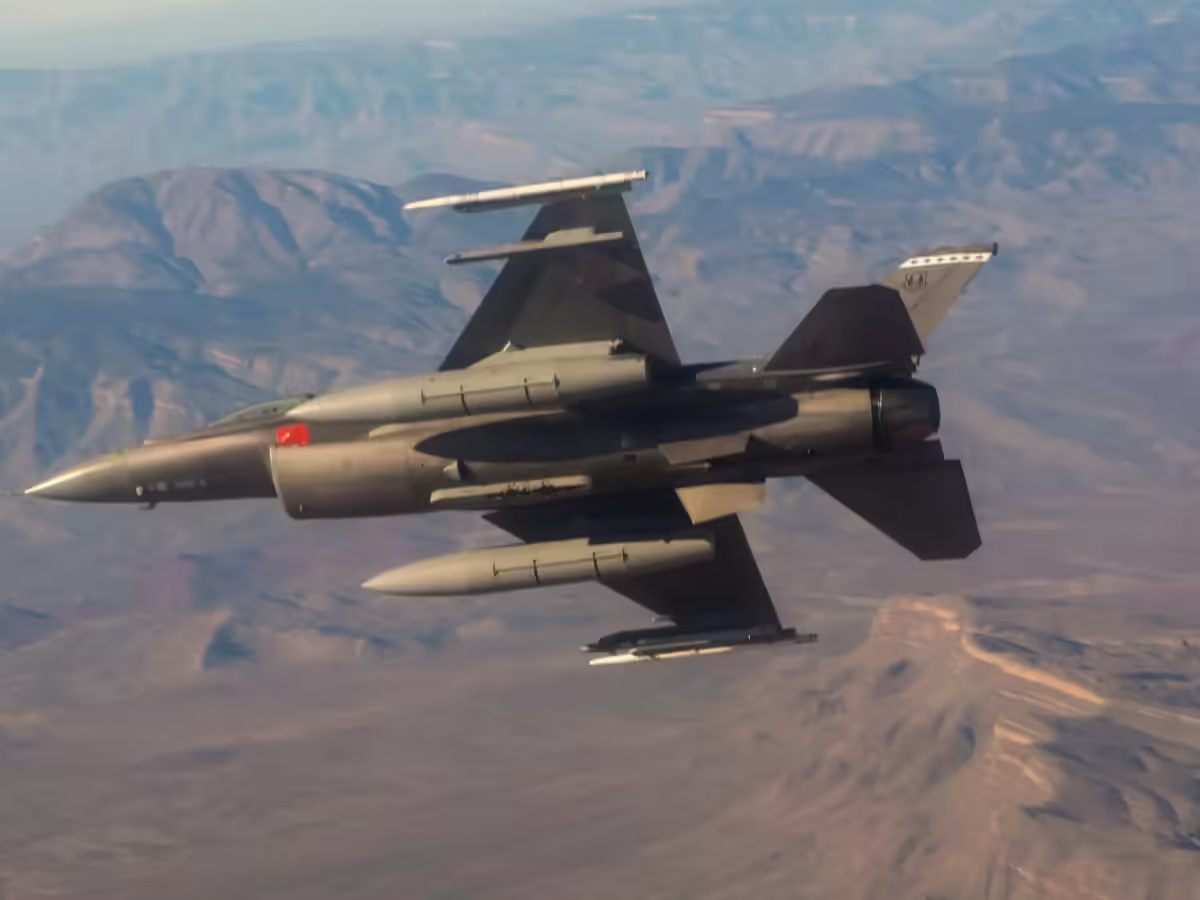 A shooting at Holloman Air Force Base has left one person dead and another injured, prompting a temporary lockdown of the military installation, officials said. The incident occurred on Tuesday evening near a convenience store on the base, located in southern New Mexico. Authorities responded after reports of an active shooter at approximately 5:30 p.m., according to a statement from the 49th Wing, the unit stationed at the base. Get today's headlines by email Following the initial reports, base officials swiftly implemented a lockdown as emergency personnel moved to secure the area. The wounded individual was transported for medical treatment, though their condition has not been disclosed. Lockdown and emergency responseMilitary authorities later confirmed that the situation had been contained and that there was no ongoing threat. The lockdown was subsequently lifted once security teams determined the base was safe. “Emergency personnel are responding to the situation, and there is no threat at this time,” the statement said. Limited details releasedOfficials have not yet released the identities of those involved, nor have they provided further information about the circumstances surrounding the shooting. It remains unclear what led to the incident or whether any suspects are in custody. The base convenience store where the shooting occurred has been closed indefinitely, according to a social media update from base authorities. Key military installationHolloman Air Force Base covers an area of roughly 93 square miles and plays a significant role in U.S. national security operations. It is home to the 49th Wing, which includes combat-ready personnel and supports a range of military missions. The base is situated near the city of Alamogordo and is a major employer and strategic site in the region. Investigation ongoingAuthorities have not said whether the shooting is being treated as an isolated incident or part of a broader investigation. Additional details are expected as officials continue to gather information. The shooting adds to concerns about security incidents at military facilities, though officials emphasised that there is currently no wider danger to personnel or the surrounding community. Join the discussion? Already a member? Adapted by ASEAN Now. Source 18 March 2026
 -
A growing diplomatic rift between the United States and the United Kingdom over the war in Iran is casting uncertainty over a potential state visit by King Charles III to Washington. The tensions follow increasingly sharp criticism from U.S. President Donald Trump directed at British Prime Minister Keir Starmer, raising concerns in London about whether the visit should proceed as planned. Get today's headlines by email Earlier this year, Starmer had sought to cultivate a positive relationship with Trump, even presenting him with an invitation from the monarch for a second state visit to the UK. The move was widely seen as part of a broader strategy to maintain close ties with Washington and secure favourable outcomes on issues such as trade and security. Strategy of engagement under strainHowever, that approach now appears under pressure. Trump has publicly criticised Starmer’s leadership and questioned Britain’s reliability as an ally, remarks that have unsettled political figures in the UK. Dispute over military supportThe dispute stems largely from Britain’s reluctance to fully back U.S. military efforts against Iran. While the UK declined to allow the use of its bases for offensive operations—citing legal concerns—it did participate in defensive actions after its assets in the region came under attack. Trump has since alternated between dismissing Britain’s offers of support and criticising London for not doing enough. He has also voiced frustration over the UK’s hesitation to contribute naval forces to secure the Strait of Hormuz, a key shipping route disrupted by the conflict. Concerns over royal visitAmid the escalating rhetoric, some British lawmakers have urged caution over the proposed visit by King Charles, which had been expected to coincide with celebrations marking the 250th anniversary of U.S. independence. Emily Thornberry, a senior Labour MP, warned that the monarch could face embarrassment if tensions persist, suggesting the trip might need to be reconsidered or delayed. Officials have not confirmed details of the visit, and Downing Street has declined to comment on future royal engagements. Political reactions and shifting positionsThe row has also prompted shifts in domestic political positions within the UK. Nigel Farage, initially supportive of joining U.S.-led military action, has since argued against British involvement in another foreign conflict. Similarly, Conservative leader Kemi Badenoch, who had earlier backed participation, later criticised the tone of exchanges between Washington and London, describing the dispute as unproductive. Uncertainty over next stepsDespite the tensions, Trump has indicated he expects King Charles to visit the United States soon, though no firm timeline has been announced. Analysts say the situation places the British government in a difficult position—balancing the risk of diplomatic embarrassment against the potential fallout of postponing a high-profile visit. As relations between the two allies come under strain, the decision on whether to proceed with the royal visit may hinge on whether both sides can stabilise ties in the coming weeks. Join the discussion? Already a member? Adapted by ASEAN Now. Source 18 March 2026 View full article
-
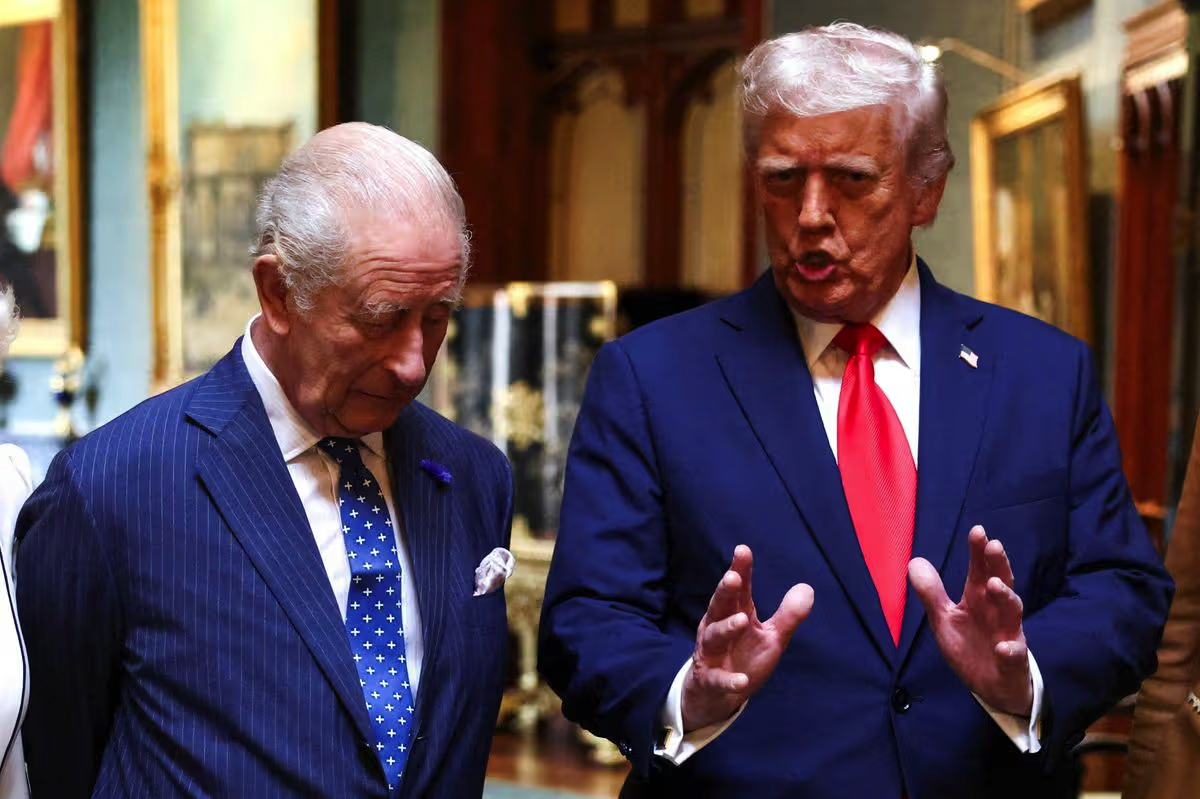 A growing diplomatic rift between the United States and the United Kingdom over the war in Iran is casting uncertainty over a potential state visit by King Charles III to Washington. The tensions follow increasingly sharp criticism from U.S. President Donald Trump directed at British Prime Minister Keir Starmer, raising concerns in London about whether the visit should proceed as planned. Get today's headlines by email Earlier this year, Starmer had sought to cultivate a positive relationship with Trump, even presenting him with an invitation from the monarch for a second state visit to the UK. The move was widely seen as part of a broader strategy to maintain close ties with Washington and secure favourable outcomes on issues such as trade and security. Strategy of engagement under strainHowever, that approach now appears under pressure. Trump has publicly criticised Starmer’s leadership and questioned Britain’s reliability as an ally, remarks that have unsettled political figures in the UK. Dispute over military supportThe dispute stems largely from Britain’s reluctance to fully back U.S. military efforts against Iran. While the UK declined to allow the use of its bases for offensive operations—citing legal concerns—it did participate in defensive actions after its assets in the region came under attack. Trump has since alternated between dismissing Britain’s offers of support and criticising London for not doing enough. He has also voiced frustration over the UK’s hesitation to contribute naval forces to secure the Strait of Hormuz, a key shipping route disrupted by the conflict. Concerns over royal visitAmid the escalating rhetoric, some British lawmakers have urged caution over the proposed visit by King Charles, which had been expected to coincide with celebrations marking the 250th anniversary of U.S. independence. Emily Thornberry, a senior Labour MP, warned that the monarch could face embarrassment if tensions persist, suggesting the trip might need to be reconsidered or delayed. Officials have not confirmed details of the visit, and Downing Street has declined to comment on future royal engagements. Political reactions and shifting positionsThe row has also prompted shifts in domestic political positions within the UK. Nigel Farage, initially supportive of joining U.S.-led military action, has since argued against British involvement in another foreign conflict. Similarly, Conservative leader Kemi Badenoch, who had earlier backed participation, later criticised the tone of exchanges between Washington and London, describing the dispute as unproductive. Uncertainty over next stepsDespite the tensions, Trump has indicated he expects King Charles to visit the United States soon, though no firm timeline has been announced. Analysts say the situation places the British government in a difficult position—balancing the risk of diplomatic embarrassment against the potential fallout of postponing a high-profile visit. As relations between the two allies come under strain, the decision on whether to proceed with the royal visit may hinge on whether both sides can stabilise ties in the coming weeks. Join the discussion? Already a member? Adapted by ASEAN Now. Source 18 March 2026
 -
Iran has launched missiles carrying cluster-type warheads at Tel Aviv, in what it described as retaliation for the killing of senior official Ali Larijani, marking a further escalation in the ongoing conflict with Israel and the United States. Iranian state media reported that the overnight strikes killed at least two people, bringing the total number of fatalities in Israel since the war began to at least 14. Get today's headlines by email According to a statement from Iran’s Islamic Revolutionary Guard Corps, the attack involved Khorramshahr-4 and Qadr missiles, both capable of deploying multiple warheads over a wide area. Israeli officials have previously accused Iran of using such munitions, which disperse smaller explosives mid-air and are difficult to intercept. Retaliation following high-profile killingThe strikes came days after Iran confirmed the death of Larijani, who had been a central figure in national security decision-making. He was killed in an Israeli strike, alongside his son and deputy, Alireza Bayat. The killing followed the earlier death of Iran’s Supreme Leader Ali Khamenei, further destabilising the country’s leadership during wartime. Nuclear concerns and calls for restraintIn a separate development, Iran reported that a projectile struck near the Bushehr nuclear power plant but caused no damage or injuries. Rafael Grossi, head of the International Atomic Energy Agency, urged all sides to exercise maximum restraint to avoid the risk of a nuclear incident. The United States and Israel have said that curbing Iran’s nuclear ambitions is a central objective of their military campaign, which began in late February. Hardening positions on both sidesIran’s new supreme leader, Mojtaba Khamenei, has reportedly rejected proposals to reduce tensions or agree to a ceasefire. According to officials, he said it was not the right time for peace and insisted that Iran would continue its resistance until its adversaries accepted defeat. The conflict has already caused heavy casualties across the region. A U.S.-based monitoring group estimates that more than 3,000 people have been killed in Iran since the fighting began, while Israeli strikes have also caused significant loss of life in Lebanon. Global impact and economic pressureThe war continues to disrupt global energy supplies, with the Strait of Hormuz—a key route for oil shipments—largely closed. Prices have surged sharply, raising concerns about inflation and economic instability worldwide. U.S. President Donald Trump has criticised allied nations for declining to assist in securing the waterway, though he has also said Washington could act independently. European Union foreign policy chief Kaja Kallas called for diplomatic solutions, warning of potential food, energy and fertiliser crises if the conflict persists. Widening regional and global disruptionIran has expanded its response beyond Israel, targeting Gulf states that host U.S. bases. Thousands of missile and drone attacks have reportedly struck infrastructure across the region, including ports, airports and oil facilities. The United States military said it had carried out strikes on Iranian coastal positions to counter threats to shipping. The broader fallout is being felt across global industries. Airlines have warned of rising fuel costs and potential route cuts, while international shipping faces severe disruption. Aid agencies, including the World Food Programme, have cautioned that prolonged conflict could push tens of millions of people into acute hunger. As fighting shows no sign of easing, the escalation in attacks and leadership losses is raising fears of a prolonged and increasingly destabilising regional war. Join the discussion? Already a member? Adapted by ASEAN Now. Source 18 March 2026 View full article
-
 Iran has launched missiles carrying cluster-type warheads at Tel Aviv, in what it described as retaliation for the killing of senior official Ali Larijani, marking a further escalation in the ongoing conflict with Israel and the United States. Iranian state media reported that the overnight strikes killed at least two people, bringing the total number of fatalities in Israel since the war began to at least 14. Get today's headlines by email According to a statement from Iran’s Islamic Revolutionary Guard Corps, the attack involved Khorramshahr-4 and Qadr missiles, both capable of deploying multiple warheads over a wide area. Israeli officials have previously accused Iran of using such munitions, which disperse smaller explosives mid-air and are difficult to intercept. Retaliation following high-profile killingThe strikes came days after Iran confirmed the death of Larijani, who had been a central figure in national security decision-making. He was killed in an Israeli strike, alongside his son and deputy, Alireza Bayat. The killing followed the earlier death of Iran’s Supreme Leader Ali Khamenei, further destabilising the country’s leadership during wartime. Nuclear concerns and calls for restraintIn a separate development, Iran reported that a projectile struck near the Bushehr nuclear power plant but caused no damage or injuries. Rafael Grossi, head of the International Atomic Energy Agency, urged all sides to exercise maximum restraint to avoid the risk of a nuclear incident. The United States and Israel have said that curbing Iran’s nuclear ambitions is a central objective of their military campaign, which began in late February. Hardening positions on both sidesIran’s new supreme leader, Mojtaba Khamenei, has reportedly rejected proposals to reduce tensions or agree to a ceasefire. According to officials, he said it was not the right time for peace and insisted that Iran would continue its resistance until its adversaries accepted defeat. The conflict has already caused heavy casualties across the region. A U.S.-based monitoring group estimates that more than 3,000 people have been killed in Iran since the fighting began, while Israeli strikes have also caused significant loss of life in Lebanon. Global impact and economic pressureThe war continues to disrupt global energy supplies, with the Strait of Hormuz—a key route for oil shipments—largely closed. Prices have surged sharply, raising concerns about inflation and economic instability worldwide. U.S. President Donald Trump has criticised allied nations for declining to assist in securing the waterway, though he has also said Washington could act independently. European Union foreign policy chief Kaja Kallas called for diplomatic solutions, warning of potential food, energy and fertiliser crises if the conflict persists. Widening regional and global disruptionIran has expanded its response beyond Israel, targeting Gulf states that host U.S. bases. Thousands of missile and drone attacks have reportedly struck infrastructure across the region, including ports, airports and oil facilities. The United States military said it had carried out strikes on Iranian coastal positions to counter threats to shipping. The broader fallout is being felt across global industries. Airlines have warned of rising fuel costs and potential route cuts, while international shipping faces severe disruption. Aid agencies, including the World Food Programme, have cautioned that prolonged conflict could push tens of millions of people into acute hunger. As fighting shows no sign of easing, the escalation in attacks and leadership losses is raising fears of a prolonged and increasingly destabilising regional war. Join the discussion? Already a member? Adapted by ASEAN Now. Source 18 March 2026
 -
U.S. President Donald Trump has said the United States no longer needs assistance from allies to protect the Strait of Hormuz, reversing an earlier appeal for international support as tensions with Iran escalate. Speaking at the White House, Trump said, “We don’t need any help, actually,” just a day after urging other nations to join efforts to safeguard the strategic waterway, a key route for global oil shipments. Get today's headlines by email The shift follows a muted response from U.S. partners, with several European leaders declining to participate in military operations linked to the conflict. Allies hesitant to join effortFrance’s president, Emmanuel Macron, said his country would not take part in efforts to reopen the strait during the current hostilities, though it could assist after fighting ends. Germany’s defence minister, Boris Pistorius, also distanced Berlin from involvement, saying the conflict was not one his country had initiated. The reluctance highlights divisions within Western alliances as Washington seeks support for its campaign against Iran, launched alongside Israel in late February. ‘America First’ approach under scrutinyThe situation is being seen as a test of Trump’s long-standing “America First” foreign policy, which emphasises reduced reliance on international alliances. The president has frequently criticised what he views as unequal burdens within partnerships such as NATO. A White House spokesperson said the administration would continue to prioritise U.S. national security “with or without” allied backing, pointing to ongoing military operations in the region. Trump had previously suggested that multiple countries were prepared to assist, but no formal coalition has been announced. His change in stance comes as efforts to rally international support appear to have stalled. Strategic and economic stakesThe Strait of Hormuz remains a critical chokepoint for global energy supplies, and recent attacks have disrupted shipping, contributing to rising fuel prices. The economic impact has added domestic pressure on the administration ahead of upcoming congressional elections. Republican Senator Lindsey Graham indicated tensions behind the scenes, saying Trump was deeply frustrated by the lack of allied support and warning of broader consequences for both Europe and the United States if the route remains unstable. Strained diplomatic relationsThe dispute reflects broader strains between Washington and its European allies. Critics say the administration’s approach has complicated coalition-building, particularly as the military campaign began without extensive prior consultation. Diplomats have suggested that trust has been weakened in recent months, making cooperation more difficult. Some also questioned whether foreign naval deployments would be sufficient to secure the strait, given the nature of the threats involved. Despite differences, officials on both sides acknowledge the importance of maintaining stability in the region. However, it remains uncertain whether the U.S. will renew efforts to build a coalition or continue to act independently. Join the discussion? Already a member? Adapted by ASEAN Now. Source 18 March 2026 View full article
-
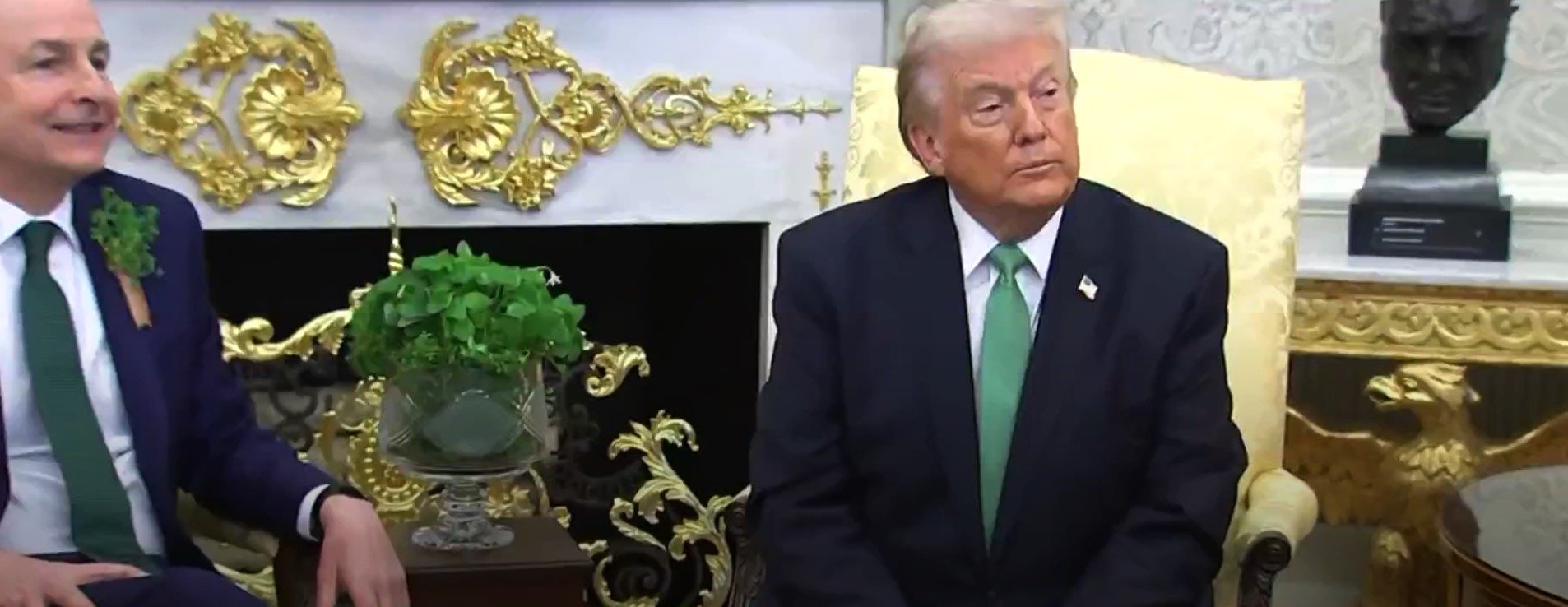 U.S. President Donald Trump has said the United States no longer needs assistance from allies to protect the Strait of Hormuz, reversing an earlier appeal for international support as tensions with Iran escalate. Speaking at the White House, Trump said, “We don’t need any help, actually,” just a day after urging other nations to join efforts to safeguard the strategic waterway, a key route for global oil shipments. Get today's headlines by email The shift follows a muted response from U.S. partners, with several European leaders declining to participate in military operations linked to the conflict. Allies hesitant to join effortFrance’s president, Emmanuel Macron, said his country would not take part in efforts to reopen the strait during the current hostilities, though it could assist after fighting ends. Germany’s defence minister, Boris Pistorius, also distanced Berlin from involvement, saying the conflict was not one his country had initiated. The reluctance highlights divisions within Western alliances as Washington seeks support for its campaign against Iran, launched alongside Israel in late February. ‘America First’ approach under scrutinyThe situation is being seen as a test of Trump’s long-standing “America First” foreign policy, which emphasises reduced reliance on international alliances. The president has frequently criticised what he views as unequal burdens within partnerships such as NATO. A White House spokesperson said the administration would continue to prioritise U.S. national security “with or without” allied backing, pointing to ongoing military operations in the region. Trump had previously suggested that multiple countries were prepared to assist, but no formal coalition has been announced. His change in stance comes as efforts to rally international support appear to have stalled. Strategic and economic stakesThe Strait of Hormuz remains a critical chokepoint for global energy supplies, and recent attacks have disrupted shipping, contributing to rising fuel prices. The economic impact has added domestic pressure on the administration ahead of upcoming congressional elections. Republican Senator Lindsey Graham indicated tensions behind the scenes, saying Trump was deeply frustrated by the lack of allied support and warning of broader consequences for both Europe and the United States if the route remains unstable. Strained diplomatic relationsThe dispute reflects broader strains between Washington and its European allies. Critics say the administration’s approach has complicated coalition-building, particularly as the military campaign began without extensive prior consultation. Diplomats have suggested that trust has been weakened in recent months, making cooperation more difficult. Some also questioned whether foreign naval deployments would be sufficient to secure the strait, given the nature of the threats involved. Despite differences, officials on both sides acknowledge the importance of maintaining stability in the region. However, it remains uncertain whether the U.S. will renew efforts to build a coalition or continue to act independently. Join the discussion? Already a member? Adapted by ASEAN Now. Source 18 March 2026
 -
A federal judge has struck down an Arkansas law mandating the display of the Ten Commandments in public school classrooms, marking a significant development in an ongoing legal battle over religion in U.S. education. In his ruling, U.S. District Judge Timothy L. Brooks concluded that the requirement violated constitutional principles, stating there was no valid justification for placing religious texts in a wide range of academic settings. Get today's headlines by email The law, passed in 2025, required all public elementary and secondary schools in Arkansas to prominently display the Ten Commandments in classrooms and libraries. It was challenged by a group of families from diverse religious and nonreligious backgrounds, who argued it breached the separation of church and state. Court ruling challenges constitutionalityIn his written judgment, Brooks said that displaying the Ten Commandments—even with historical context—could not be justified in subjects such as science, languages or vocational classes. He added that there was no constitutional framework under which such a mandate could stand. The decision effectively blocks enforcement of the law, although it remains unclear whether the ruling applies statewide or only to the specific school districts involved in the lawsuit. A spokesperson for the American Civil Liberties Union (ACLU) of Arkansas, which supported the legal challenge, said the judgment made clear the measure was unconstitutional and warned schools against proceeding with displays. Political response and appeal plansArkansas Governor Sarah Huckabee Sanders said the state would appeal the decision, pledging to defend what she described as Arkansas’s values. The legislation is part of a broader push by Republican lawmakers, including Donald Trump, to expand the presence of religious content in public schools. Similar laws have been enacted in other states, including Louisiana and Texas, prompting a wave of legal challenges. Wider legal battles across statesIn Louisiana, a comparable law requiring Ten Commandments displays recently cleared a legal hurdle after a federal appeals court lifted a previous block, allowing implementation to move forward. Governor Jeff Landry has since instructed schools to comply, although some institutions remain cautious due to ongoing litigation. Meanwhile, in Texas, a similar mandate has been partially enforced. While some school districts have installed the displays, others have been prevented from doing so following court injunctions. Legal proceedings are still ongoing, with federal appeals judges reviewing the case. Debate over religion in public educationThe issue has reignited a long-standing debate in the United States over the role of religion in government institutions. Supporters argue that the Ten Commandments hold historical and cultural significance, while critics maintain that mandatory displays in public schools violate constitutional protections. The Arkansas ruling adds to a patchwork of legal decisions across the country, increasing the likelihood that the matter could ultimately be decided by the U.S. Supreme Court. Join the discussion? Already a member? Adapted by ASEAN Now. Source 18 March 2026 View full article
-
 A federal judge has struck down an Arkansas law mandating the display of the Ten Commandments in public school classrooms, marking a significant development in an ongoing legal battle over religion in U.S. education. In his ruling, U.S. District Judge Timothy L. Brooks concluded that the requirement violated constitutional principles, stating there was no valid justification for placing religious texts in a wide range of academic settings. Get today's headlines by email The law, passed in 2025, required all public elementary and secondary schools in Arkansas to prominently display the Ten Commandments in classrooms and libraries. It was challenged by a group of families from diverse religious and nonreligious backgrounds, who argued it breached the separation of church and state. Court ruling challenges constitutionalityIn his written judgment, Brooks said that displaying the Ten Commandments—even with historical context—could not be justified in subjects such as science, languages or vocational classes. He added that there was no constitutional framework under which such a mandate could stand. The decision effectively blocks enforcement of the law, although it remains unclear whether the ruling applies statewide or only to the specific school districts involved in the lawsuit. A spokesperson for the American Civil Liberties Union (ACLU) of Arkansas, which supported the legal challenge, said the judgment made clear the measure was unconstitutional and warned schools against proceeding with displays. Political response and appeal plansArkansas Governor Sarah Huckabee Sanders said the state would appeal the decision, pledging to defend what she described as Arkansas’s values. The legislation is part of a broader push by Republican lawmakers, including Donald Trump, to expand the presence of religious content in public schools. Similar laws have been enacted in other states, including Louisiana and Texas, prompting a wave of legal challenges. Wider legal battles across statesIn Louisiana, a comparable law requiring Ten Commandments displays recently cleared a legal hurdle after a federal appeals court lifted a previous block, allowing implementation to move forward. Governor Jeff Landry has since instructed schools to comply, although some institutions remain cautious due to ongoing litigation. Meanwhile, in Texas, a similar mandate has been partially enforced. While some school districts have installed the displays, others have been prevented from doing so following court injunctions. Legal proceedings are still ongoing, with federal appeals judges reviewing the case. Debate over religion in public educationThe issue has reignited a long-standing debate in the United States over the role of religion in government institutions. Supporters argue that the Ten Commandments hold historical and cultural significance, while critics maintain that mandatory displays in public schools violate constitutional protections. The Arkansas ruling adds to a patchwork of legal decisions across the country, increasing the likelihood that the matter could ultimately be decided by the U.S. Supreme Court. Join the discussion? Already a member? Adapted by ASEAN Now. Source 18 March 2026
 -
The death of senior Iranian official Ali Larijani in an Israeli airstrike has deepened uncertainty within Iran’s leadership, removing a key strategist at a pivotal moment for the country. Larijani, who served as secretary of Iran’s Supreme National Security Council, played a central role in shaping decisions on defence, diplomacy and national security. Though not a military commander, he was widely regarded as one of the Islamic Republic’s most influential policymakers, particularly in managing tensions with the United States and Israel. Get today's headlines by email His death follows the reported killing of Iran’s Supreme Leader Ali Khamenei in late February, compounding a growing leadership crisis. In recent weeks, multiple senior officials and commanders have been killed, suggesting a sustained effort to weaken Iran’s governing structure during wartime. Leadership vacuum amid ongoing conflictState media confirmed Larijani’s death as Israel intensified strikes targeting key figures. His loss leaves a significant gap in decision-making at a time when Iran faces overlapping internal and external pressures. Despite his reputation as a hardliner, Larijani was often described domestically as a pragmatic figure, combining ideological commitment with a measured, technocratic approach. He was involved in diplomatic efforts, including engagement linked to Iran’s long-term co-operation agreement with China, while maintaining scepticism toward Western powers. Three major crises left unresolvedAt the time of his death, Larijani was overseeing several critical challenges. Chief among them was the ongoing war, where he had advocated for a prolonged conflict and potential expansion across the region, including threats to disrupt shipping through the Strait of Hormuz. He was also managing a wave of domestic unrest that had escalated from economic discontent into broader anti-government protests. Authorities responded with a crackdown that reportedly resulted in thousands of deaths. In addition, Larijani was involved in navigating Iran’s nuclear programme and stalled indirect negotiations with Washington, both of which have been disrupted by recent hostilities. Shift towards military influenceHis removal raises questions about how these crises will now be handled. Analysts suggest power could shift further toward the armed forces, particularly as the government struggles to maintain continuity. Iran’s president, Masoud Pezeshkian, has indicated that military units may be granted broader authority to act if senior leadership is incapacitated. This could lead to faster decision-making but potentially with less central coordination. Meanwhile, signs of uncertainty over succession persist. Public appearances by the new supreme leader, Mojtaba Khamenei, have been limited, and official announcements have been delayed, fuelling speculation over internal stability. Risk of further escalationIn the immediate aftermath, Iran’s military leadership has signalled a strong response. Army chief Amir Hatami warned of “decisive” retaliation, raising the prospect of further escalation in the conflict. While Iran has demonstrated resilience, including through disruptions to global energy markets, continued strikes and leadership losses could undermine its ability to respond effectively over time. The death of Larijani is therefore seen as more than the loss of a single official. It highlights mounting pressure on Iran’s leadership and increases the risk of instability, both in the conduct of the war and within the country itself. Join the discussion? Already a member? Adapted by ASEAN Now. Source 18 March 2026 View full article
-
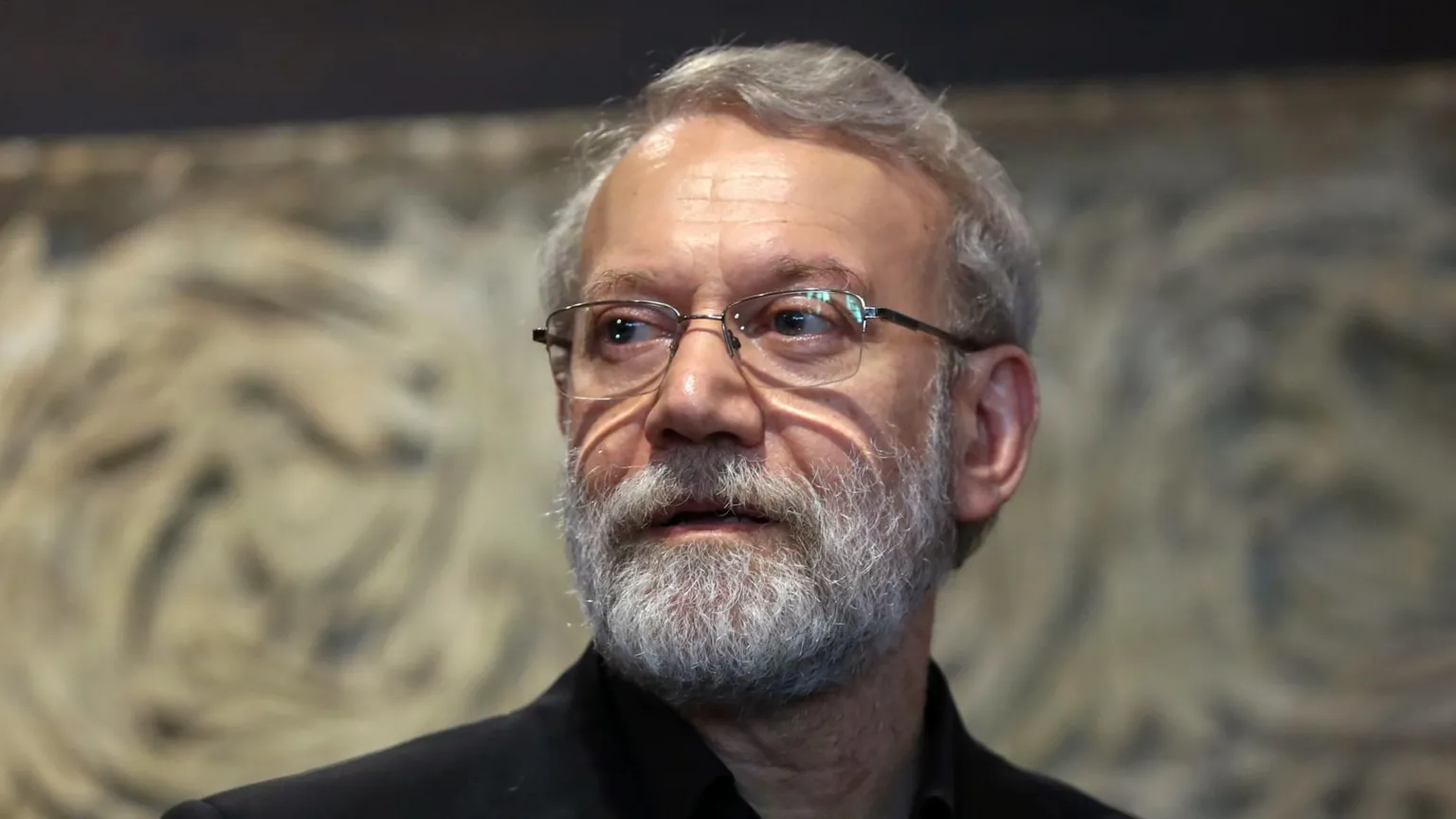 The death of senior Iranian official Ali Larijani in an Israeli airstrike has deepened uncertainty within Iran’s leadership, removing a key strategist at a pivotal moment for the country. Larijani, who served as secretary of Iran’s Supreme National Security Council, played a central role in shaping decisions on defence, diplomacy and national security. Though not a military commander, he was widely regarded as one of the Islamic Republic’s most influential policymakers, particularly in managing tensions with the United States and Israel. Get today's headlines by email His death follows the reported killing of Iran’s Supreme Leader Ali Khamenei in late February, compounding a growing leadership crisis. In recent weeks, multiple senior officials and commanders have been killed, suggesting a sustained effort to weaken Iran’s governing structure during wartime. Leadership vacuum amid ongoing conflictState media confirmed Larijani’s death as Israel intensified strikes targeting key figures. His loss leaves a significant gap in decision-making at a time when Iran faces overlapping internal and external pressures. Despite his reputation as a hardliner, Larijani was often described domestically as a pragmatic figure, combining ideological commitment with a measured, technocratic approach. He was involved in diplomatic efforts, including engagement linked to Iran’s long-term co-operation agreement with China, while maintaining scepticism toward Western powers. Three major crises left unresolvedAt the time of his death, Larijani was overseeing several critical challenges. Chief among them was the ongoing war, where he had advocated for a prolonged conflict and potential expansion across the region, including threats to disrupt shipping through the Strait of Hormuz. He was also managing a wave of domestic unrest that had escalated from economic discontent into broader anti-government protests. Authorities responded with a crackdown that reportedly resulted in thousands of deaths. In addition, Larijani was involved in navigating Iran’s nuclear programme and stalled indirect negotiations with Washington, both of which have been disrupted by recent hostilities. Shift towards military influenceHis removal raises questions about how these crises will now be handled. Analysts suggest power could shift further toward the armed forces, particularly as the government struggles to maintain continuity. Iran’s president, Masoud Pezeshkian, has indicated that military units may be granted broader authority to act if senior leadership is incapacitated. This could lead to faster decision-making but potentially with less central coordination. Meanwhile, signs of uncertainty over succession persist. Public appearances by the new supreme leader, Mojtaba Khamenei, have been limited, and official announcements have been delayed, fuelling speculation over internal stability. Risk of further escalationIn the immediate aftermath, Iran’s military leadership has signalled a strong response. Army chief Amir Hatami warned of “decisive” retaliation, raising the prospect of further escalation in the conflict. While Iran has demonstrated resilience, including through disruptions to global energy markets, continued strikes and leadership losses could undermine its ability to respond effectively over time. The death of Larijani is therefore seen as more than the loss of a single official. It highlights mounting pressure on Iran’s leadership and increases the risk of instability, both in the conduct of the war and within the country itself. Join the discussion? Already a member? Adapted by ASEAN Now. Source 18 March 2026
 -
Members of the Scottish Parliament have voted against legalising assisted dying, rejecting proposals that would have made Scotland the first part of the UK to allow the practice. The bill, introduced by Liam McArthur of the Scottish Liberal Democrats, was defeated by 69 votes to 57 following an emotional and closely watched debate at Holyrood. Get today's headlines by email The proposed legislation would have allowed terminally ill, mentally competent adults to seek medical assistance to end their lives. It included provisions requiring patients to make two formal declarations and undergo medical assessments to ensure they were not being coerced. Concerns over coercion and safeguardsHowever, opponents repeatedly raised concerns that vulnerable individuals could feel pressured into choosing assisted death. Jeremy Balfour warned that the bill risked opening a “pandora’s box” and argued there could be no adequate protection against coercion. Other critics highlighted the need to prioritise improvements in palliative care, with some questioning whether patients could truly make a free choice without access to high-quality end-of-life support. Ruth Maguire, who has been diagnosed with cancer, said the decision could not be considered voluntary if proper care options were lacking, while Pam Duncan-Glancy urged lawmakers to focus on making it “easier to live than to die”. Supporters argue for choice and dignityBackers of the bill argued it would provide compassionate options for those experiencing severe suffering at the end of life. McArthur pointed to cases of patients enduring extreme pain and said the legislation offered a carefully regulated framework. Supporters also stressed that assisted dying and improved palliative care were not mutually exclusive, with Alex Cole-Hamilton describing the proposal as containing strong safeguards. Some MSPs shared personal experiences during the debate. George Adam spoke about his wife’s condition, saying individuals facing unbearable suffering should have the option to choose how they die. Political divisions and outcomeMSPs were given a free vote, meaning they were not required to follow party lines. Although the bill had passed an earlier stage by a narrow margin, several lawmakers who had initially supported further debate ultimately voted against it in the final decision. John Swinney, Scotland’s First Minister, had already indicated his opposition and later said he was relieved by the outcome. The vote marks the third attempt to legalise assisted dying in Scotland since devolution, but the first to reach such an advanced stage in the legislative process. Debate set to continueDespite the defeat, campaigners on both sides said the issue would remain part of public debate. McArthur described himself as “devastated” and suggested some MSPs might later regret their decision. Advocacy group Dignity in Dying said the result was a setback for those seeking greater choice at the end of life. In contrast, Care Not Killing welcomed the outcome, arguing the bill posed risks to vulnerable people. The result leaves assisted dying illegal across Scotland, while separate proposals continue to be considered elsewhere in the UK. Join the discussion? Already a member? Adapted by ASEAN Now. Source 18 March 2026 View full article
-
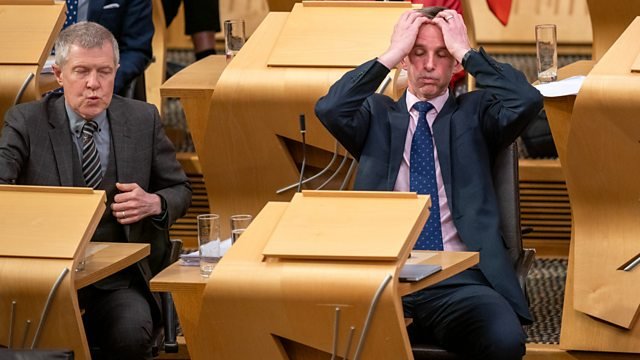 Members of the Scottish Parliament have voted against legalising assisted dying, rejecting proposals that would have made Scotland the first part of the UK to allow the practice. The bill, introduced by Liam McArthur of the Scottish Liberal Democrats, was defeated by 69 votes to 57 following an emotional and closely watched debate at Holyrood. Get today's headlines by email The proposed legislation would have allowed terminally ill, mentally competent adults to seek medical assistance to end their lives. It included provisions requiring patients to make two formal declarations and undergo medical assessments to ensure they were not being coerced. Concerns over coercion and safeguardsHowever, opponents repeatedly raised concerns that vulnerable individuals could feel pressured into choosing assisted death. Jeremy Balfour warned that the bill risked opening a “pandora’s box” and argued there could be no adequate protection against coercion. Other critics highlighted the need to prioritise improvements in palliative care, with some questioning whether patients could truly make a free choice without access to high-quality end-of-life support. Ruth Maguire, who has been diagnosed with cancer, said the decision could not be considered voluntary if proper care options were lacking, while Pam Duncan-Glancy urged lawmakers to focus on making it “easier to live than to die”. Supporters argue for choice and dignityBackers of the bill argued it would provide compassionate options for those experiencing severe suffering at the end of life. McArthur pointed to cases of patients enduring extreme pain and said the legislation offered a carefully regulated framework. Supporters also stressed that assisted dying and improved palliative care were not mutually exclusive, with Alex Cole-Hamilton describing the proposal as containing strong safeguards. Some MSPs shared personal experiences during the debate. George Adam spoke about his wife’s condition, saying individuals facing unbearable suffering should have the option to choose how they die. Political divisions and outcomeMSPs were given a free vote, meaning they were not required to follow party lines. Although the bill had passed an earlier stage by a narrow margin, several lawmakers who had initially supported further debate ultimately voted against it in the final decision. John Swinney, Scotland’s First Minister, had already indicated his opposition and later said he was relieved by the outcome. The vote marks the third attempt to legalise assisted dying in Scotland since devolution, but the first to reach such an advanced stage in the legislative process. Debate set to continueDespite the defeat, campaigners on both sides said the issue would remain part of public debate. McArthur described himself as “devastated” and suggested some MSPs might later regret their decision. Advocacy group Dignity in Dying said the result was a setback for those seeking greater choice at the end of life. In contrast, Care Not Killing welcomed the outcome, arguing the bill posed risks to vulnerable people. The result leaves assisted dying illegal across Scotland, while separate proposals continue to be considered elsewhere in the UK. Join the discussion? Already a member? Adapted by ASEAN Now. Source 18 March 2026
 -
Israeli airstrikes in Beirut have killed at least six people and wounded more than 20 others, according to Lebanese authorities, as Israel intensifies its campaign against the Iran-backed group Hezbollah. Lebanon’s health ministry said the casualties resulted from strikes in central districts of the capital early on Wednesday, marking a further expansion of Israeli operations beyond the city’s southern suburbs. Get today's headlines by email The attacks struck multiple areas across Beirut in the early hours. An airstrike at around 1:30 a.m. hit the Zuqaq al-Blat district, destroying several floors of a residential building. A separate strike in the nearby Basta area caused heavy damage to at least two floors of another building. Central districts targeted overnightNo advance warning was reported for either of these attacks, which together accounted for the six fatalities and 24 injuries cited by officials. Later, at approximately 5:30 a.m., a more powerful strike levelled an entire building in the Bachoura neighbourhood, close to the city centre. The Israeli military had issued a warning ahead of that attack, identifying the site as a Hezbollah-linked facility. No immediate casualties were reported from that strike. Expanding scope of strikesWhile Israeli operations in Beirut have largely focused on the southern suburbs, which are considered a stronghold of Hezbollah, there have been a growing number of strikes in central areas since the conflict widened earlier this month. Explosions were also reported overnight in the southern outskirts of the capital, where heavy bombardment lit up the skyline. The escalation follows the broader regional conflict that intensified on 2 March, when Hezbollah entered the war in support of Iran. Rising toll across LebanonLebanese authorities say more than 900 people have been killed nationwide since the start of the latest hostilities, with over one million residents displaced. Further strikes were reported outside the capital. In the eastern city of Baalbek, four people were killed, while additional attacks in southern Lebanon left 10 dead across three locations, according to state media citing the health ministry. Israel has also reported casualties among its forces, stating that two soldiers were killed during operations in southern Lebanon. However, there have been no confirmed civilian deaths in Israel linked to Hezbollah’s rocket and drone attacks. Ongoing regional tensionsThe continued exchanges highlight the intensifying confrontation between Israel and Hezbollah, raising concerns about further escalation across the region. As strikes extend deeper into Beirut, the risk to civilians and infrastructure in densely populated areas remains a growing concern. Join the discussion? Already a member? Adapted by ASEAN Now. Source 18 March 2026 View full article
-
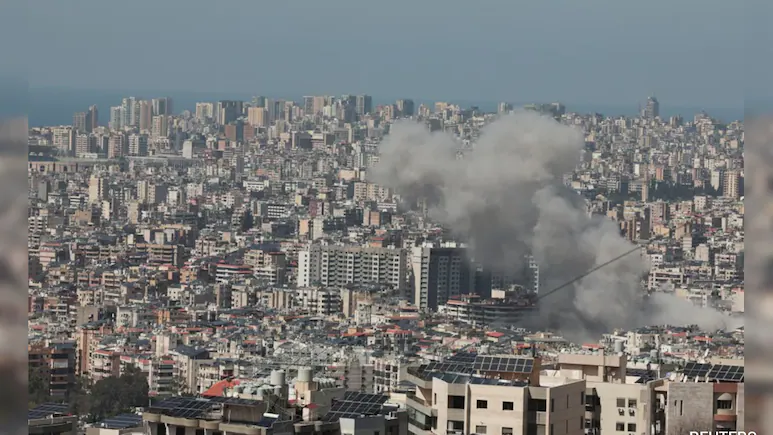 Israeli airstrikes in Beirut have killed at least six people and wounded more than 20 others, according to Lebanese authorities, as Israel intensifies its campaign against the Iran-backed group Hezbollah. Lebanon’s health ministry said the casualties resulted from strikes in central districts of the capital early on Wednesday, marking a further expansion of Israeli operations beyond the city’s southern suburbs. Get today's headlines by email The attacks struck multiple areas across Beirut in the early hours. An airstrike at around 1:30 a.m. hit the Zuqaq al-Blat district, destroying several floors of a residential building. A separate strike in the nearby Basta area caused heavy damage to at least two floors of another building. Central districts targeted overnightNo advance warning was reported for either of these attacks, which together accounted for the six fatalities and 24 injuries cited by officials. Later, at approximately 5:30 a.m., a more powerful strike levelled an entire building in the Bachoura neighbourhood, close to the city centre. The Israeli military had issued a warning ahead of that attack, identifying the site as a Hezbollah-linked facility. No immediate casualties were reported from that strike. Expanding scope of strikesWhile Israeli operations in Beirut have largely focused on the southern suburbs, which are considered a stronghold of Hezbollah, there have been a growing number of strikes in central areas since the conflict widened earlier this month. Explosions were also reported overnight in the southern outskirts of the capital, where heavy bombardment lit up the skyline. The escalation follows the broader regional conflict that intensified on 2 March, when Hezbollah entered the war in support of Iran. Rising toll across LebanonLebanese authorities say more than 900 people have been killed nationwide since the start of the latest hostilities, with over one million residents displaced. Further strikes were reported outside the capital. In the eastern city of Baalbek, four people were killed, while additional attacks in southern Lebanon left 10 dead across three locations, according to state media citing the health ministry. Israel has also reported casualties among its forces, stating that two soldiers were killed during operations in southern Lebanon. However, there have been no confirmed civilian deaths in Israel linked to Hezbollah’s rocket and drone attacks. Ongoing regional tensionsThe continued exchanges highlight the intensifying confrontation between Israel and Hezbollah, raising concerns about further escalation across the region. As strikes extend deeper into Beirut, the risk to civilians and infrastructure in densely populated areas remains a growing concern. Join the discussion? Already a member? Adapted by ASEAN Now. Source 18 March 2026
 -
John Roberts has warned that personal hostility directed at judges poses a serious risk to the judicial system, calling for an end to such attacks. Speaking at an event in Houston, the head of the US Supreme Court said criticism of court rulings was both expected and healthy but warned that remarks targeting judges personally could have dangerous consequences. “The problem sometimes is that the criticism can move from a focus on legal analysis to personalities,” Roberts said. “That, frankly, can be quite dangerous.” Get today's headlines by email Although Roberts did not name individuals, his comments come shortly after renewed criticism from Donald Trump, who has repeatedly attacked judges over rulings affecting his administration. Concerns over rising rhetoricThe president recently criticised James Boasberg, who blocked subpoenas tied to an investigation involving Federal Reserve Chair Jerome Powell. Trump called for disciplinary action against the judge and questioned the integrity of others involved in similar cases. Roberts stressed that while judges’ decisions should be open to scrutiny, personal attacks undermine the role of the judiciary. “Judges around the country work very hard to get it right,” he said, adding that their rulings remain subject to public and legal challenge. Tensions between courts and executiveThe remarks highlight ongoing tensions between the judiciary and the executive branch. Since returning to office, Trump and allies have criticised several court decisions that have slowed or blocked elements of his policy agenda. In previous instances, Trump has even called for the impeachment of judges whose rulings he opposed. Roberts has publicly pushed back on such suggestions, stating that impeachment is not an appropriate response to disagreement over legal decisions. Recent rulings and criticismDespite ideological alignment in some cases, the Supreme Court has not consistently ruled in Trump’s favour. In a recent decision, the court struck down his administration’s global tariff measures, finding them unlawful. Following that ruling, Trump criticised several justices, including Neil Gorsuch and Amy Coney Barrett, both of whom he had appointed during his first term. Roberts’ comments underline concerns about the tone of political discourse surrounding the courts, as debates over judicial independence and accountability continue in the United States. Join the discussion? Already a member? Adapted by ASEAN Now. Source 18 March 2026 View full article
-
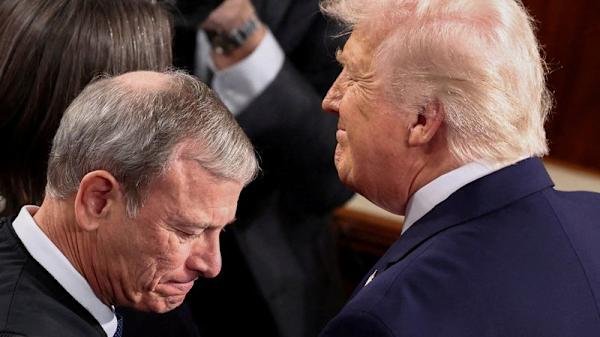 John Roberts has warned that personal hostility directed at judges poses a serious risk to the judicial system, calling for an end to such attacks. Speaking at an event in Houston, the head of the US Supreme Court said criticism of court rulings was both expected and healthy but warned that remarks targeting judges personally could have dangerous consequences. “The problem sometimes is that the criticism can move from a focus on legal analysis to personalities,” Roberts said. “That, frankly, can be quite dangerous.” Get today's headlines by email Although Roberts did not name individuals, his comments come shortly after renewed criticism from Donald Trump, who has repeatedly attacked judges over rulings affecting his administration. Concerns over rising rhetoricThe president recently criticised James Boasberg, who blocked subpoenas tied to an investigation involving Federal Reserve Chair Jerome Powell. Trump called for disciplinary action against the judge and questioned the integrity of others involved in similar cases. Roberts stressed that while judges’ decisions should be open to scrutiny, personal attacks undermine the role of the judiciary. “Judges around the country work very hard to get it right,” he said, adding that their rulings remain subject to public and legal challenge. Tensions between courts and executiveThe remarks highlight ongoing tensions between the judiciary and the executive branch. Since returning to office, Trump and allies have criticised several court decisions that have slowed or blocked elements of his policy agenda. In previous instances, Trump has even called for the impeachment of judges whose rulings he opposed. Roberts has publicly pushed back on such suggestions, stating that impeachment is not an appropriate response to disagreement over legal decisions. Recent rulings and criticismDespite ideological alignment in some cases, the Supreme Court has not consistently ruled in Trump’s favour. In a recent decision, the court struck down his administration’s global tariff measures, finding them unlawful. Following that ruling, Trump criticised several justices, including Neil Gorsuch and Amy Coney Barrett, both of whom he had appointed during his first term. Roberts’ comments underline concerns about the tone of political discourse surrounding the courts, as debates over judicial independence and accountability continue in the United States. Join the discussion? Already a member? Adapted by ASEAN Now. Source 18 March 2026
 -
Joe Kent, director of the National Counterterrorism Center, has resigned from his post in protest over the ongoing conflict with Iran, arguing the country did not pose an immediate threat to the United States. In a resignation letter published on social media, Kent said he could not support the war, claiming it had been driven by external pressure rather than clear national security concerns. “I cannot in good conscience support the ongoing war in Iran,” he wrote, adding that he believed the threat from Tehran had been overstated. Get today's headlines by email Kent, who served under Director of National Intelligence Tulsi Gabbard, argued that the decision to engage militarily had been influenced by pro-war messaging and lobbying efforts linked to Israel. He described what he called a “misinformation campaign” that he said contributed to shaping US policy. He warned that the situation risked repeating past conflicts, drawing comparisons with the Iraq war and cautioning against prolonged military engagement. Kent also praised aspects of Donald Trump’s earlier foreign policy, including targeted operations against militant leaders and efforts to avoid extended conflicts. However, he accused the current administration of departing from that approach. Background and political profileA former special forces warrant officer, Kent has extensive military experience. His wife, Shannon Kent, a US Navy cryptologic technician, was killed in a bombing in Syria in 2019. Following her death, Kent entered politics and ran twice for Congress in Washington state, though he was unsuccessful in both attempts. His political career drew controversy due to links with far-right figures and his support for disputed claims about the 2020 US election and the January 6 Capitol attack. Reaction from the White HousePresident Trump responded to the resignation during a White House event, saying he had reviewed Kent’s statement and disagreed with his assessment of Iran. Trump said he considered Iran a significant threat and suggested Kent’s views demonstrated poor judgement on national security. He added that it was “a good thing” Kent had stepped down, describing him as weak on security. The resignation comes amid heightened tensions surrounding the Iran conflict, which has increasingly dominated US foreign policy and sparked debate within political and security circles. Join the discussion? Already a member? Adapted by ASEAN Now. Source 18 March 2026 View full article
-
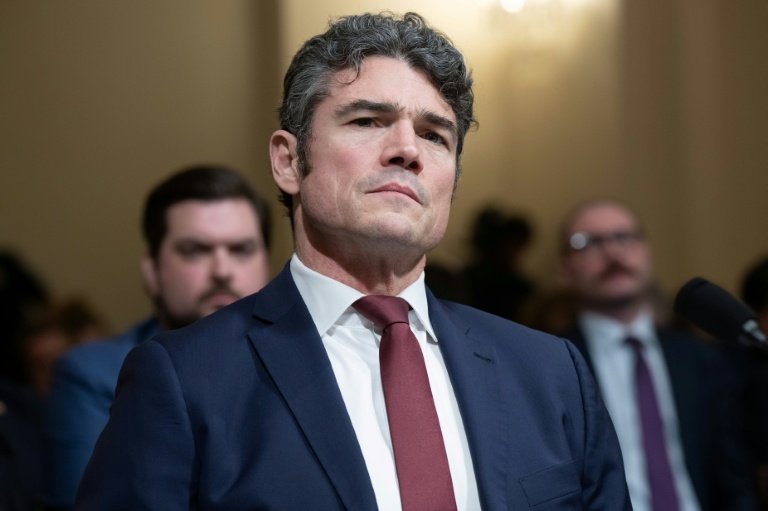 Joe Kent, director of the National Counterterrorism Center, has resigned from his post in protest over the ongoing conflict with Iran, arguing the country did not pose an immediate threat to the United States. In a resignation letter published on social media, Kent said he could not support the war, claiming it had been driven by external pressure rather than clear national security concerns. “I cannot in good conscience support the ongoing war in Iran,” he wrote, adding that he believed the threat from Tehran had been overstated. Get today's headlines by email Kent, who served under Director of National Intelligence Tulsi Gabbard, argued that the decision to engage militarily had been influenced by pro-war messaging and lobbying efforts linked to Israel. He described what he called a “misinformation campaign” that he said contributed to shaping US policy. He warned that the situation risked repeating past conflicts, drawing comparisons with the Iraq war and cautioning against prolonged military engagement. Kent also praised aspects of Donald Trump’s earlier foreign policy, including targeted operations against militant leaders and efforts to avoid extended conflicts. However, he accused the current administration of departing from that approach. Background and political profileA former special forces warrant officer, Kent has extensive military experience. His wife, Shannon Kent, a US Navy cryptologic technician, was killed in a bombing in Syria in 2019. Following her death, Kent entered politics and ran twice for Congress in Washington state, though he was unsuccessful in both attempts. His political career drew controversy due to links with far-right figures and his support for disputed claims about the 2020 US election and the January 6 Capitol attack. Reaction from the White HousePresident Trump responded to the resignation during a White House event, saying he had reviewed Kent’s statement and disagreed with his assessment of Iran. Trump said he considered Iran a significant threat and suggested Kent’s views demonstrated poor judgement on national security. He added that it was “a good thing” Kent had stepped down, describing him as weak on security. The resignation comes amid heightened tensions surrounding the Iran conflict, which has increasingly dominated US foreign policy and sparked debate within political and security circles. Join the discussion? Already a member? Adapted by ASEAN Now. Source 18 March 2026
 -
Volodymyr Zelensky is due to visit the United Kingdom on Tuesday for talks with Prime Minister Keir Starmer, where the two leaders are expected to sign a new defence agreement focused on countering drone threats. According to Downing Street, the partnership will combine Ukraine’s battlefield experience with the UK’s industrial capabilities to develop and produce drones and related technologies. Get today's headlines by email The planned agreement reflects the growing importance of drones and electronic warfare in modern conflicts. Officials say the collaboration will aim to strengthen Ukraine’s defences against Russia while also enhancing the UK’s own preparedness for future security challenges. Focus on evolving battlefield threatsAs part of the initiative, Britain will contribute £500,000 towards the creation of an artificial intelligence centre of excellence in Kyiv. UK Defence Secretary John Healey said it was increasingly vital to draw on Ukraine’s experience in adapting to rapidly changing battlefield conditions. Starmer also highlighted the broader implications of the conflict, stating that drone warfare and technological innovation had become central to both national security and economic resilience. Continued support for UkraineDuring the visit, the two leaders are also expected to discuss ongoing military and political support for Ukraine as it continues to resist Russia’s full-scale invasion, now entering its fourth year. Zelensky has been touring European capitals in recent weeks, seeking to maintain international backing at a time when global attention has been partly diverted by the ongoing conflict involving the United States, Israel and Iran. In a recent address, the Ukrainian president said strengthening air defences remained a priority and emphasised the need for sustained pressure on Russia to move towards peace. Expanding international cooperationThe UK-Ukraine partnership is also expected to involve cooperation with third countries, as part of wider efforts to improve global security and counter emerging threats. Ukraine has increasingly positioned itself as a leader in countering low-cost drone attacks, having developed tactics using mass-produced interceptor drones to defend its airspace. Ukrainian military specialists have recently been deployed to countries including Qatar, the United Arab Emirates and Saudi Arabia to share expertise on defending against drone strikes, particularly those linked to Iran. The agreement to be signed in London is seen as part of a broader push to formalise that expertise into long-term defence cooperation. Join the discussion? Already a member? Adapted by ASEAN Now. Source 17 March 2026 View full article
-
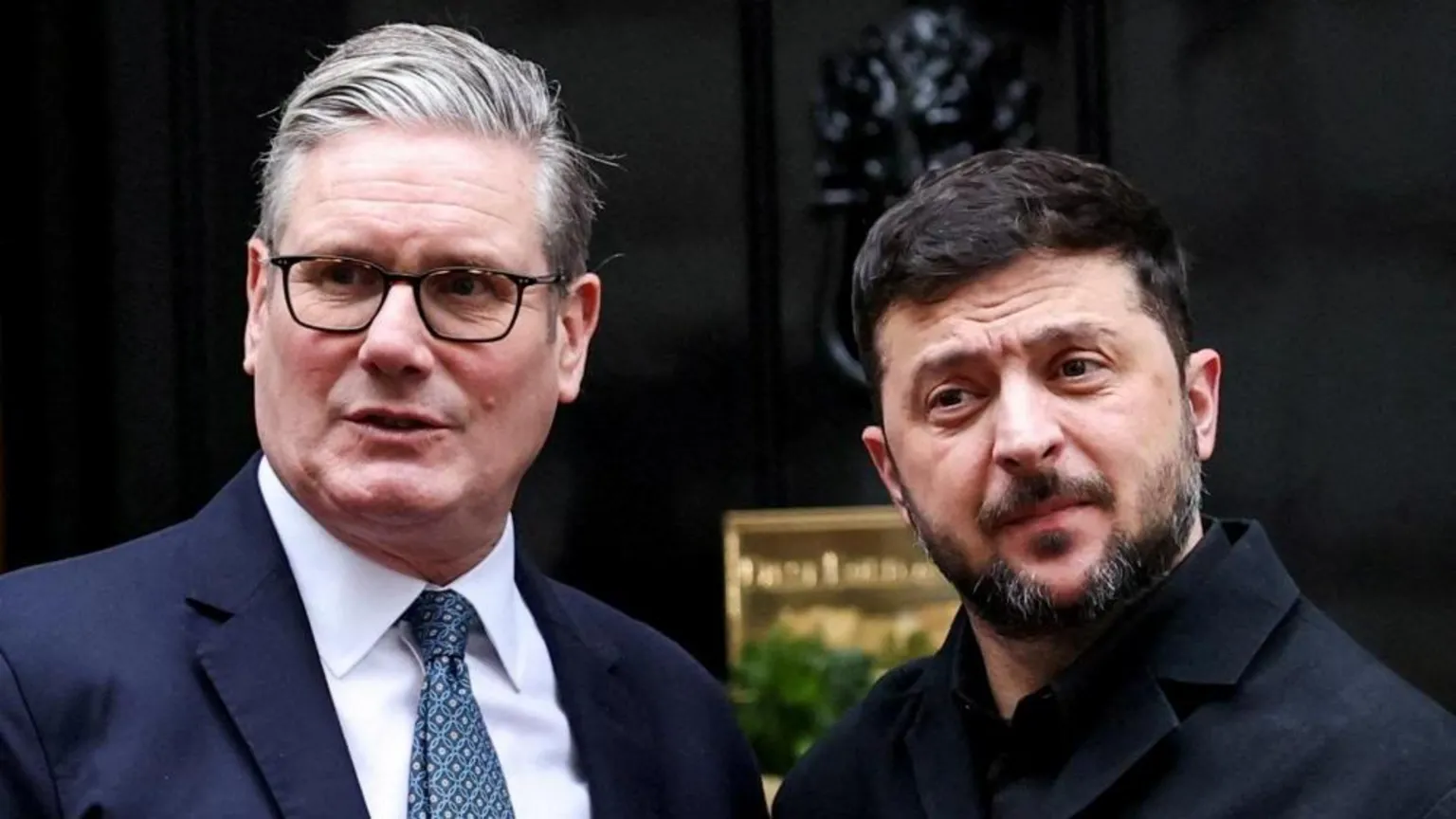 Volodymyr Zelensky is due to visit the United Kingdom on Tuesday for talks with Prime Minister Keir Starmer, where the two leaders are expected to sign a new defence agreement focused on countering drone threats. According to Downing Street, the partnership will combine Ukraine’s battlefield experience with the UK’s industrial capabilities to develop and produce drones and related technologies. Get today's headlines by email The planned agreement reflects the growing importance of drones and electronic warfare in modern conflicts. Officials say the collaboration will aim to strengthen Ukraine’s defences against Russia while also enhancing the UK’s own preparedness for future security challenges. Focus on evolving battlefield threatsAs part of the initiative, Britain will contribute £500,000 towards the creation of an artificial intelligence centre of excellence in Kyiv. UK Defence Secretary John Healey said it was increasingly vital to draw on Ukraine’s experience in adapting to rapidly changing battlefield conditions. Starmer also highlighted the broader implications of the conflict, stating that drone warfare and technological innovation had become central to both national security and economic resilience. Continued support for UkraineDuring the visit, the two leaders are also expected to discuss ongoing military and political support for Ukraine as it continues to resist Russia’s full-scale invasion, now entering its fourth year. Zelensky has been touring European capitals in recent weeks, seeking to maintain international backing at a time when global attention has been partly diverted by the ongoing conflict involving the United States, Israel and Iran. In a recent address, the Ukrainian president said strengthening air defences remained a priority and emphasised the need for sustained pressure on Russia to move towards peace. Expanding international cooperationThe UK-Ukraine partnership is also expected to involve cooperation with third countries, as part of wider efforts to improve global security and counter emerging threats. Ukraine has increasingly positioned itself as a leader in countering low-cost drone attacks, having developed tactics using mass-produced interceptor drones to defend its airspace. Ukrainian military specialists have recently been deployed to countries including Qatar, the United Arab Emirates and Saudi Arabia to share expertise on defending against drone strikes, particularly those linked to Iran. The agreement to be signed in London is seen as part of a broader push to formalise that expertise into long-term defence cooperation. Join the discussion? Already a member? Adapted by ASEAN Now. Source 17 March 2026