
webfact
Admin
-
Joined
-
Last visited
Everything posted by webfact
-
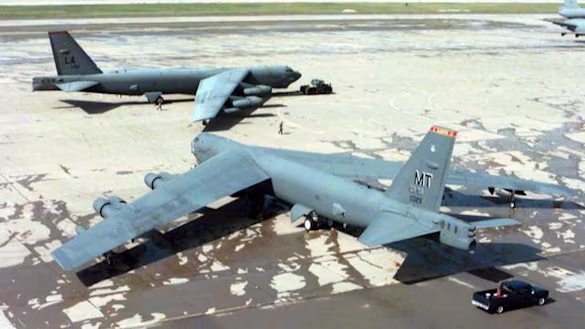
Iran has fired missiles towards the joint US-UK military facility on Diego Garcia, escalating tensions after Britain backed expanded American military action in the region. According to reports, two intermediate-range ballistic missiles were launched, but neither struck the base. Get today's headlines by email Officials cited by US media said one missile was intercepted by a US warship, while the other failed before reaching its target. The attempted strike highlights the growing risk to key Western military installations amid the widening conflict. The base, located in the Chagos Islands, is a critical hub for long-range operations and has been used extensively by the United States for missions in the Middle East. UK decision prompts warning from TehranThe missile launch came shortly before the UK formally approved the use of its bases for US operations targeting Iranian missile capabilities linked to the Strait of Hormuz. British officials described the move as part of “collective self-defence” aimed at protecting shipping routes and regional stability. In response, Iran issued a stark warning. Foreign Minister Abbas Araghchi said Britain’s decision risked endangering its own citizens. Writing on social media, he accused Prime Minister Keir Starmer of putting “British lives in danger” by allowing US forces to operate from UK-controlled sites. Tehran has indicated it will exercise what it describes as its right to self-defence, raising fears of further retaliation. Strategic importance of Diego GarciaDiego Garcia lies roughly 3,800 kilometres from Iran and hosts a major airbase capable of supporting long-range bombers, alongside fuel depots, radar systems and a deep-water port. Its location makes it a vital staging point for operations across the Middle East and surrounding regions. The UK has agreed to transfer sovereignty of the islands to Mauritius while retaining access to the base under a lease arrangement, ensuring its continued military use. Political divisions and regional falloutThe UK government condemned the missile launch as a “reckless” act that threatens both British interests and allies. It confirmed that Royal Air Force assets remain active in defending personnel and infrastructure across the region. However, the decision to expand US access to British bases has sparked political criticism at home. Opposition figures have questioned the shift in policy and called for parliamentary oversight, arguing that the move risks drawing the UK deeper into the conflict. US President Donald Trump also weighed in, suggesting Britain had been slow to act while continuing to press allies for greater involvement in securing the vital shipping route. Meanwhile, Iran has intensified attacks across the Gulf and continues to disrupt traffic through the Strait of Hormuz, a key artery for global oil supplies. Rising economic concernsThe escalating conflict is beginning to have broader economic consequences. The UK government is expected to convene an emergency meeting to assess the impact on energy prices and the cost of living, as disruptions to oil shipments ripple through global markets. Join the discussion? Already a member? Adapted by ASEAN Now. Source 21 March 2026 View full article
-
 Iran has fired missiles towards the joint US-UK military facility on Diego Garcia, escalating tensions after Britain backed expanded American military action in the region. According to reports, two intermediate-range ballistic missiles were launched, but neither struck the base. Get today's headlines by email Officials cited by US media said one missile was intercepted by a US warship, while the other failed before reaching its target. The attempted strike highlights the growing risk to key Western military installations amid the widening conflict. The base, located in the Chagos Islands, is a critical hub for long-range operations and has been used extensively by the United States for missions in the Middle East. UK decision prompts warning from TehranThe missile launch came shortly before the UK formally approved the use of its bases for US operations targeting Iranian missile capabilities linked to the Strait of Hormuz. British officials described the move as part of “collective self-defence” aimed at protecting shipping routes and regional stability. In response, Iran issued a stark warning. Foreign Minister Abbas Araghchi said Britain’s decision risked endangering its own citizens. Writing on social media, he accused Prime Minister Keir Starmer of putting “British lives in danger” by allowing US forces to operate from UK-controlled sites. Tehran has indicated it will exercise what it describes as its right to self-defence, raising fears of further retaliation. Strategic importance of Diego GarciaDiego Garcia lies roughly 3,800 kilometres from Iran and hosts a major airbase capable of supporting long-range bombers, alongside fuel depots, radar systems and a deep-water port. Its location makes it a vital staging point for operations across the Middle East and surrounding regions. The UK has agreed to transfer sovereignty of the islands to Mauritius while retaining access to the base under a lease arrangement, ensuring its continued military use. Political divisions and regional falloutThe UK government condemned the missile launch as a “reckless” act that threatens both British interests and allies. It confirmed that Royal Air Force assets remain active in defending personnel and infrastructure across the region. However, the decision to expand US access to British bases has sparked political criticism at home. Opposition figures have questioned the shift in policy and called for parliamentary oversight, arguing that the move risks drawing the UK deeper into the conflict. US President Donald Trump also weighed in, suggesting Britain had been slow to act while continuing to press allies for greater involvement in securing the vital shipping route. Meanwhile, Iran has intensified attacks across the Gulf and continues to disrupt traffic through the Strait of Hormuz, a key artery for global oil supplies. Rising economic concernsThe escalating conflict is beginning to have broader economic consequences. The UK government is expected to convene an emergency meeting to assess the impact on energy prices and the cost of living, as disruptions to oil shipments ripple through global markets. Join the discussion? Already a member? Adapted by ASEAN Now. Source 21 March 2026
 -
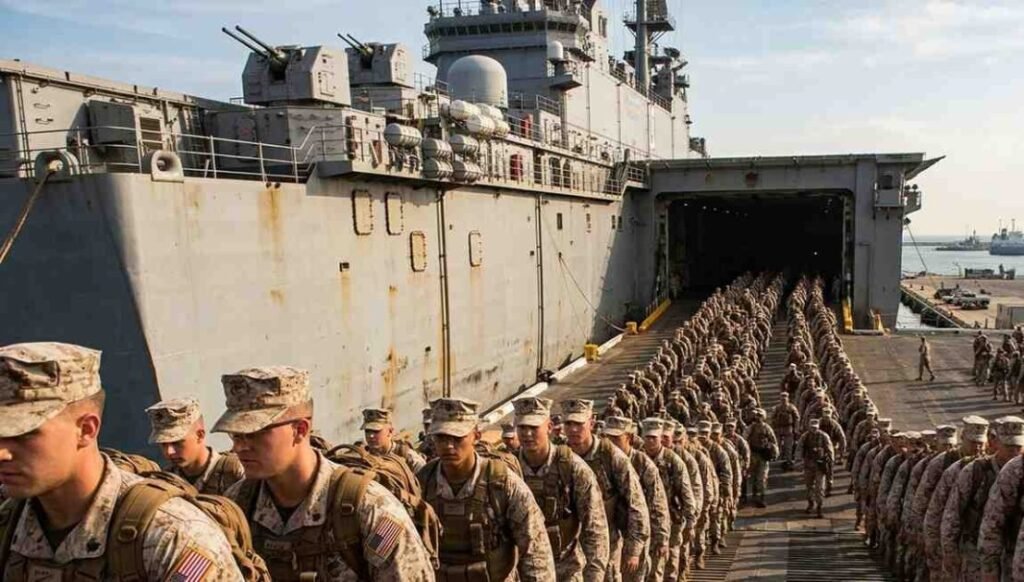
The United States is making extensive preparations for the possible deployment of ground forces into Iran, according to multiple officials familiar with internal discussions. Get today's headlines by email Senior military leaders have reportedly submitted detailed requests outlining what would be required to support such an operation, as President Donald Trump considers his next steps in the ongoing conflict involving Iran. Military planning intensifies behind the scenesOfficials emphasised that these preparations are part of standard contingency planning, designed to provide the president with a wide range of military options. However, the scope and detail of the planning underline the seriousness with which the Pentagon is treating the possibility of escalation. Mixed signals from the White HouseDespite the behind-the-scenes activity, public messaging from the administration has been cautious and, at times, contradictory. Speaking to reporters at the White House, Trump denied any immediate intention to deploy troops, stating: “No, I'm not putting troops anywhere.” He added, however, that if such a decision were made, it would not necessarily be disclosed in advance. The White House press secretary reinforced this position, stressing that military planning does not equate to a final decision. She said it was the Pentagon’s responsibility to ensure the president has “maximum optionality", while reiterating that no ground deployment is currently planned. Troop movements and readinessEven without a confirmed decision, US forces are already being repositioned in the region. Elements of the 82nd Airborne Division are being prepared for potential deployment, alongside units from the Army’s Global Response Force and the Marine Corps’ expeditionary forces. Thousands of Marines are in transit to the Middle East. A second Marine unit, consisting of roughly 2,200 personnel and supported by three warships, has recently departed from California. Another unit, previously redirected from the Pacific, is still en route. These movements are intended to strengthen US readiness and ensure rapid response capability should the situation deteriorate further. Expanding options amid uncertaintyThe increased military activity reflects broader uncertainty over how the conflict may evolve. While officials have not outlined specific scenarios that would trigger a ground operation, preparations suggest the administration is considering a wide spectrum of outcomes. For now, the US position remains one of strategic flexibility—publicly cautious, but operationally prepared. Join the discussion? Already a member? Adapted by ASEAN Now. Source 21 March 2026 View full article
-
 The United States is making extensive preparations for the possible deployment of ground forces into Iran, according to multiple officials familiar with internal discussions. Get today's headlines by email Senior military leaders have reportedly submitted detailed requests outlining what would be required to support such an operation, as President Donald Trump considers his next steps in the ongoing conflict involving Iran. Military planning intensifies behind the scenesOfficials emphasised that these preparations are part of standard contingency planning, designed to provide the president with a wide range of military options. However, the scope and detail of the planning underline the seriousness with which the Pentagon is treating the possibility of escalation. Mixed signals from the White HouseDespite the behind-the-scenes activity, public messaging from the administration has been cautious and, at times, contradictory. Speaking to reporters at the White House, Trump denied any immediate intention to deploy troops, stating: “No, I'm not putting troops anywhere.” He added, however, that if such a decision were made, it would not necessarily be disclosed in advance. The White House press secretary reinforced this position, stressing that military planning does not equate to a final decision. She said it was the Pentagon’s responsibility to ensure the president has “maximum optionality", while reiterating that no ground deployment is currently planned. Troop movements and readinessEven without a confirmed decision, US forces are already being repositioned in the region. Elements of the 82nd Airborne Division are being prepared for potential deployment, alongside units from the Army’s Global Response Force and the Marine Corps’ expeditionary forces. Thousands of Marines are in transit to the Middle East. A second Marine unit, consisting of roughly 2,200 personnel and supported by three warships, has recently departed from California. Another unit, previously redirected from the Pacific, is still en route. These movements are intended to strengthen US readiness and ensure rapid response capability should the situation deteriorate further. Expanding options amid uncertaintyThe increased military activity reflects broader uncertainty over how the conflict may evolve. While officials have not outlined specific scenarios that would trigger a ground operation, preparations suggest the administration is considering a wide spectrum of outcomes. For now, the US position remains one of strategic flexibility—publicly cautious, but operationally prepared. Join the discussion? Already a member? Adapted by ASEAN Now. Source 21 March 2026
 -
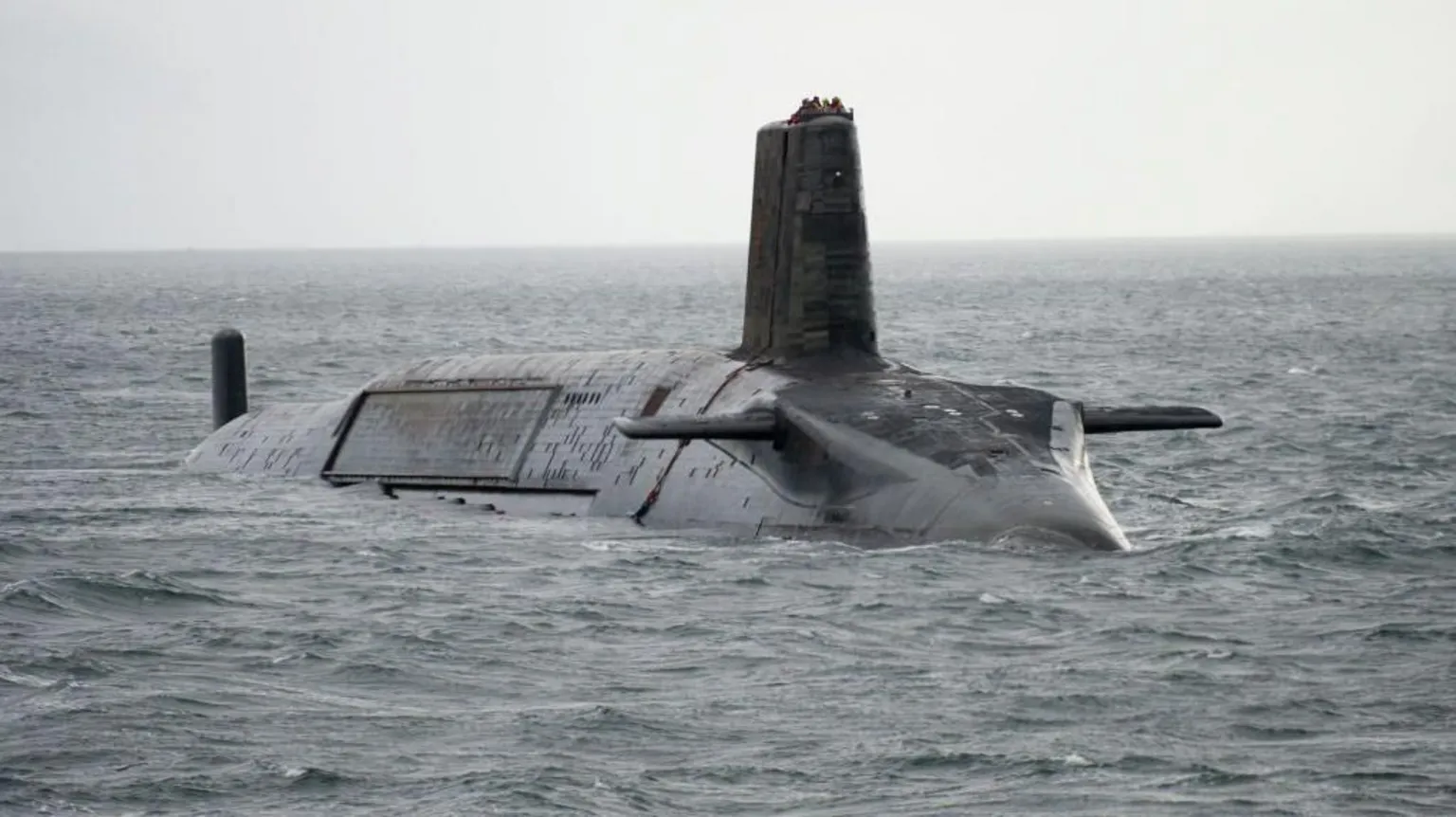
A man identified as Iranian has been arrested alongside a woman after attempting to gain access to a major UK naval facility that houses the country’s nuclear submarine fleet. Get today's headlines by email Police Scotland said the 34-year-old man and a 31-year-old woman were detained at around 17:00 on Thursday. Authorities confirmed the man’s nationality, while the woman is not believed to be Iranian. Attempted Entry And ArrestAccording to the Royal Navy, the pair “unsuccessfully attempted” to enter the base. It is understood they did not try to force entry but instead requested access, which was refused. They were arrested shortly afterwards. Police said investigations are ongoing, and officials have not released further details about the circumstances or possible motives behind the incident. A Royal Navy spokesperson declined to comment further, citing the active inquiry. Heightened Security ConcernsThe arrests come at a time of increased tensions following military strikes involving the United States and Israel against Iran, and subsequent retaliatory actions across the region. UK Defence Secretary John Healey said the government was reviewing the national terrorism threat level, which currently stands at “substantial”, indicating that an attack is considered likely. Prime Minister Keir Starmer said security measures for British military bases and personnel had been raised to their highest level, although it remains unclear whether this applies to domestic facilities as well as overseas deployments. Strategic Importance Of FaslaneFaslane is the central hub of the UK’s nuclear deterrent. It is home to the Royal Navy’s fleet of Vanguard-class submarines, which carry Trident ballistic missiles. The site also hosts Astute-class submarines, which are nuclear-powered but conventionally armed. Nearby, the Royal Naval Armaments Depot at Coulport stores the country’s nuclear warheads. The UK has maintained a continuous at-sea nuclear deterrent since 1969, ensuring that at least one submarine is always on patrol. Longstanding Protest SiteThe base has been a focal point for anti-nuclear activism for decades. A permanent peace camp has existed outside Faslane since 1982, originally established in opposition to the deployment of the Trident missile system. Activists continue to hold demonstrations and vigils at the site, campaigning against nuclear weapons. Ongoing InvestigationAuthorities have not indicated whether the incident is linked to wider geopolitical tensions, and no charges have yet been announced. Police Scotland said inquiries remain ongoing as they work to establish the full circumstances surrounding the attempted entry. Join the discussion? Already a member? Adapted by ASEAN Now. Source 21 March 2026 View full article
-
 A man identified as Iranian has been arrested alongside a woman after attempting to gain access to a major UK naval facility that houses the country’s nuclear submarine fleet. Get today's headlines by email Police Scotland said the 34-year-old man and a 31-year-old woman were detained at around 17:00 on Thursday. Authorities confirmed the man’s nationality, while the woman is not believed to be Iranian. Attempted Entry And ArrestAccording to the Royal Navy, the pair “unsuccessfully attempted” to enter the base. It is understood they did not try to force entry but instead requested access, which was refused. They were arrested shortly afterwards. Police said investigations are ongoing, and officials have not released further details about the circumstances or possible motives behind the incident. A Royal Navy spokesperson declined to comment further, citing the active inquiry. Heightened Security ConcernsThe arrests come at a time of increased tensions following military strikes involving the United States and Israel against Iran, and subsequent retaliatory actions across the region. UK Defence Secretary John Healey said the government was reviewing the national terrorism threat level, which currently stands at “substantial”, indicating that an attack is considered likely. Prime Minister Keir Starmer said security measures for British military bases and personnel had been raised to their highest level, although it remains unclear whether this applies to domestic facilities as well as overseas deployments. Strategic Importance Of FaslaneFaslane is the central hub of the UK’s nuclear deterrent. It is home to the Royal Navy’s fleet of Vanguard-class submarines, which carry Trident ballistic missiles. The site also hosts Astute-class submarines, which are nuclear-powered but conventionally armed. Nearby, the Royal Naval Armaments Depot at Coulport stores the country’s nuclear warheads. The UK has maintained a continuous at-sea nuclear deterrent since 1969, ensuring that at least one submarine is always on patrol. Longstanding Protest SiteThe base has been a focal point for anti-nuclear activism for decades. A permanent peace camp has existed outside Faslane since 1982, originally established in opposition to the deployment of the Trident missile system. Activists continue to hold demonstrations and vigils at the site, campaigning against nuclear weapons. Ongoing InvestigationAuthorities have not indicated whether the incident is linked to wider geopolitical tensions, and no charges have yet been announced. Police Scotland said inquiries remain ongoing as they work to establish the full circumstances surrounding the attempted entry. Join the discussion? Already a member? Adapted by ASEAN Now. Source 21 March 2026
 -
The United States has temporarily relaxed sanctions on certain Iranian oil exports, as it seeks to stabilise global energy markets disrupted by the ongoing conflict in the Middle East. US Treasury Secretary Scott Bessent confirmed that a limited, short-term authorisation has been granted to allow the sale of Iranian oil already loaded onto tankers and currently at sea. Get today's headlines by email The move represents a notable shift in longstanding US policy and comes as fuel prices rise sharply worldwide due to supply disruptions. Short-Term Measure To Boost SupplyAccording to the Treasury Department, the waiver applies specifically to crude oil and petroleum products of Iranian origin that have already been shipped. The authorisation is set to remain in effect until 19 April. Officials estimate that the measure could release around 140 million barrels of oil into global markets in the coming weeks. The decision is part of broader efforts by Washington to increase supply as the war continues to affect production and shipping routes, particularly through the strategically vital Strait of Hormuz. Concerns Over Limited ImpactEnergy analysts have questioned how much difference the move will make to global prices. Some experts say the additional supply is relatively small compared with overall demand and may only provide temporary relief. There are also concerns about the potential consequences of allowing Iranian oil sales while the US is engaged in military operations against Tehran. David Tannenbaum, a sanctions specialist, described the decision as contradictory, warning it could effectively enable Iran to generate revenue that might support its ongoing activities. Similarly, Rachel Ziemba, a senior fellow at the Center for a New American Security, said the policy raises practical challenges, particularly in ensuring that proceeds from oil sales do not reach the Iranian government. Strategic And Political ConsiderationsUS President Donald Trump offered little clarity on the broader strategy when asked about the policy shift, stating only that his administration would take necessary steps to manage rising energy costs. Before the conflict, much of Iran’s oil exports were purchased by China at discounted rates due to existing sanctions. Officials now suggest the waiver could redirect some of those supplies to other countries, including India, Japan and Malaysia. However, details on how such redistribution would be managed remain unclear. Wider Energy Market PressuresThe policy change comes amid mounting pressure on global energy supplies. The conflict has significantly disrupted shipping through the Strait of Hormuz, a key route through which roughly one-fifth of the world’s oil normally passes. Although some shipments have been rerouted, analysts estimate that the war has removed about 10% of global oil supply from the market. The US has already taken additional steps to ease the strain, including releasing oil from strategic reserves and easing some restrictions on Russian exports—moves that have drawn criticism from European leaders. Ongoing UncertaintyDespite these efforts, concerns persist about the long-term impact of the conflict on energy markets. Continued attacks on critical infrastructure, including major gas facilities in the region, have heightened fears that supply capacity could be constrained for years. While the temporary waiver may offer short-term relief, analysts say it underscores the scale of the current energy crisis and the limited options available to governments seeking to contain it. Join the discussion? Already a member? Adapted by ASEAN Now. Source 21 March 2026 View full article
-
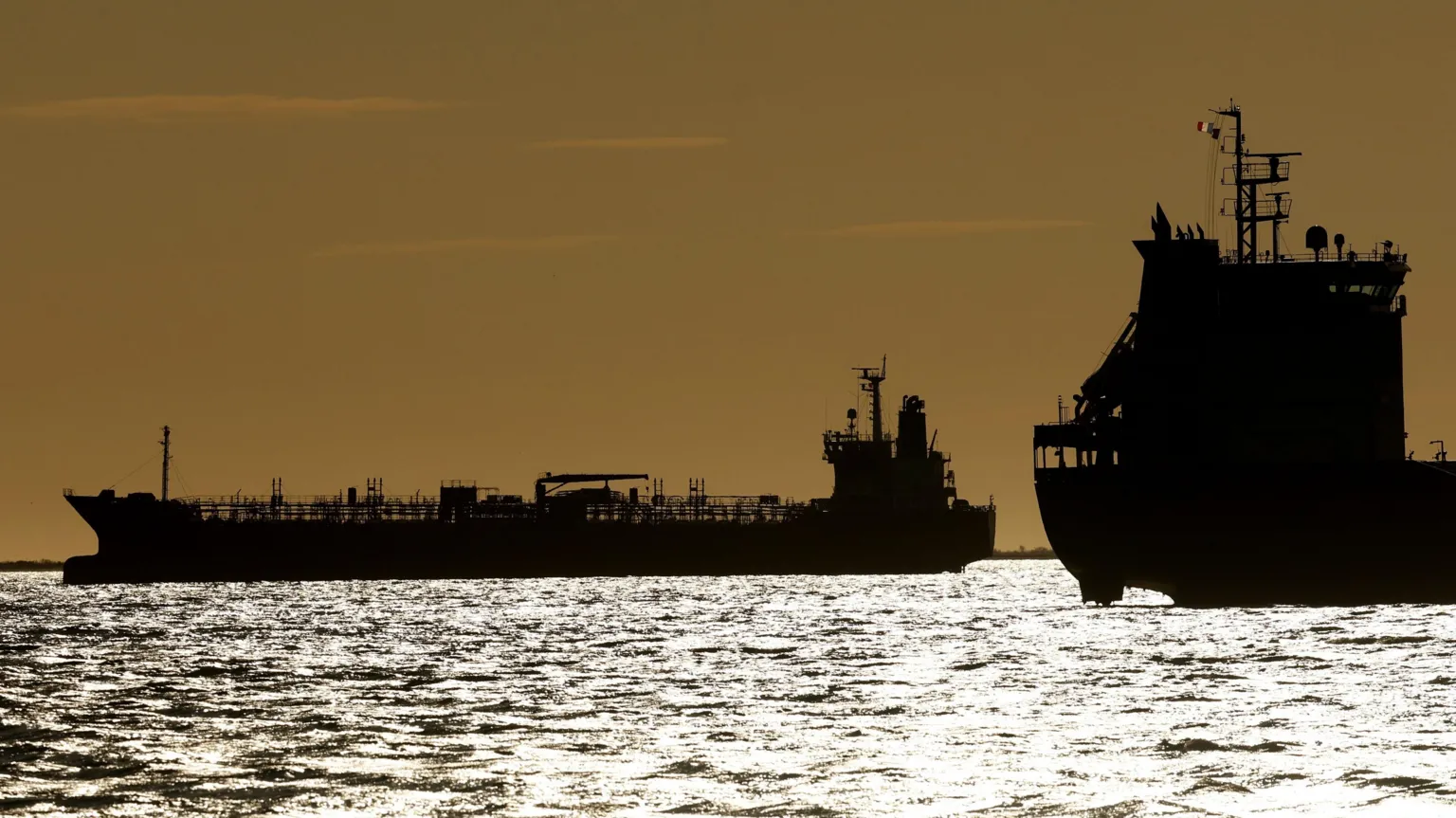 The United States has temporarily relaxed sanctions on certain Iranian oil exports, as it seeks to stabilise global energy markets disrupted by the ongoing conflict in the Middle East. US Treasury Secretary Scott Bessent confirmed that a limited, short-term authorisation has been granted to allow the sale of Iranian oil already loaded onto tankers and currently at sea. Get today's headlines by email The move represents a notable shift in longstanding US policy and comes as fuel prices rise sharply worldwide due to supply disruptions. Short-Term Measure To Boost SupplyAccording to the Treasury Department, the waiver applies specifically to crude oil and petroleum products of Iranian origin that have already been shipped. The authorisation is set to remain in effect until 19 April. Officials estimate that the measure could release around 140 million barrels of oil into global markets in the coming weeks. The decision is part of broader efforts by Washington to increase supply as the war continues to affect production and shipping routes, particularly through the strategically vital Strait of Hormuz. Concerns Over Limited ImpactEnergy analysts have questioned how much difference the move will make to global prices. Some experts say the additional supply is relatively small compared with overall demand and may only provide temporary relief. There are also concerns about the potential consequences of allowing Iranian oil sales while the US is engaged in military operations against Tehran. David Tannenbaum, a sanctions specialist, described the decision as contradictory, warning it could effectively enable Iran to generate revenue that might support its ongoing activities. Similarly, Rachel Ziemba, a senior fellow at the Center for a New American Security, said the policy raises practical challenges, particularly in ensuring that proceeds from oil sales do not reach the Iranian government. Strategic And Political ConsiderationsUS President Donald Trump offered little clarity on the broader strategy when asked about the policy shift, stating only that his administration would take necessary steps to manage rising energy costs. Before the conflict, much of Iran’s oil exports were purchased by China at discounted rates due to existing sanctions. Officials now suggest the waiver could redirect some of those supplies to other countries, including India, Japan and Malaysia. However, details on how such redistribution would be managed remain unclear. Wider Energy Market PressuresThe policy change comes amid mounting pressure on global energy supplies. The conflict has significantly disrupted shipping through the Strait of Hormuz, a key route through which roughly one-fifth of the world’s oil normally passes. Although some shipments have been rerouted, analysts estimate that the war has removed about 10% of global oil supply from the market. The US has already taken additional steps to ease the strain, including releasing oil from strategic reserves and easing some restrictions on Russian exports—moves that have drawn criticism from European leaders. Ongoing UncertaintyDespite these efforts, concerns persist about the long-term impact of the conflict on energy markets. Continued attacks on critical infrastructure, including major gas facilities in the region, have heightened fears that supply capacity could be constrained for years. While the temporary waiver may offer short-term relief, analysts say it underscores the scale of the current energy crisis and the limited options available to governments seeking to contain it. Join the discussion? Already a member? Adapted by ASEAN Now. Source 21 March 2026
 -
A US jury has concluded that Elon Musk made misleading public statements during his high-profile 2022 attempt to acquire Twitter, siding with investors who claimed they suffered financial losses as a result. The unanimous verdict was delivered in a federal court in San Francisco after two days of deliberations. The case was brought by a group of investors who argued they relied on Musk’s public comments and social media posts when making trading decisions. Get today's headlines by email Jurors found that some of Musk’s remarks about the platform—particularly concerning the number of fake accounts and uncertainty over completing the $44bn deal—were intentionally misleading. Statements Deemed MisleadingDuring the trial, Musk had defended his actions, saying he did not intend to deceive investors and that his statements had been misinterpreted. However, the jury rejected that argument. The panel determined that Musk’s comments contributed to fluctuations in Twitter’s share price between May and October 2022, a critical period during the takeover process. Financial Impact On InvestorsAccording to the verdict, Musk’s statements artificially reduced the company’s stock value by between $3 and $8 per share. This decline affected investors who bought or sold shares during that time. As a result, those involved in the class action lawsuit could now be entitled to financial compensation, potentially amounting to thousands of dollars each. The lead plaintiff, an investor from Oregon, told the court he sold shares at a loss after concluding from Musk’s public remarks that the deal would not go ahead. He later saw the acquisition completed at a significantly higher price, reinforcing his claim of financial harm. Legal And Market ImplicationsLegal analysts say the ruling highlights the potential consequences for high-profile executives whose statements can influence financial markets. One trial lawyer said the outcome sends a strong signal that individuals who move markets through public comments can be held accountable for the impact of their words. This is not the first legal challenge linked to Musk’s use of social media. He previously faced a lawsuit from shareholders of Tesla over his posts, although he was cleared of wrongdoing in that case. Takeover TurmoilThe dispute centred on a turbulent period when Musk publicly questioned Twitter’s user data, particularly the prevalence of automated or fake accounts. At one point, he indicated the acquisition was “on hold” before later attempting to withdraw from the deal entirely. Twitter responded by launching legal action to compel Musk to proceed with the purchase. In October 2022, he completed the acquisition at the originally agreed price of $54.20 per share. The platform was subsequently rebranded as X. Ongoing FalloutThe case underscores the broader risks associated with corporate communications in the digital age, especially when executives use social media to discuss major business transactions. Lawyers for both sides have not commented publicly on the verdict. While the ruling does not end Musk’s legal challenges, it represents a significant development in holding influential figures accountable for statements that can affect financial markets. Join the discussion? Already a member? Adapted by ASEAN Now. Source 21 March 2026 View full article
-
 A US jury has concluded that Elon Musk made misleading public statements during his high-profile 2022 attempt to acquire Twitter, siding with investors who claimed they suffered financial losses as a result. The unanimous verdict was delivered in a federal court in San Francisco after two days of deliberations. The case was brought by a group of investors who argued they relied on Musk’s public comments and social media posts when making trading decisions. Get today's headlines by email Jurors found that some of Musk’s remarks about the platform—particularly concerning the number of fake accounts and uncertainty over completing the $44bn deal—were intentionally misleading. Statements Deemed MisleadingDuring the trial, Musk had defended his actions, saying he did not intend to deceive investors and that his statements had been misinterpreted. However, the jury rejected that argument. The panel determined that Musk’s comments contributed to fluctuations in Twitter’s share price between May and October 2022, a critical period during the takeover process. Financial Impact On InvestorsAccording to the verdict, Musk’s statements artificially reduced the company’s stock value by between $3 and $8 per share. This decline affected investors who bought or sold shares during that time. As a result, those involved in the class action lawsuit could now be entitled to financial compensation, potentially amounting to thousands of dollars each. The lead plaintiff, an investor from Oregon, told the court he sold shares at a loss after concluding from Musk’s public remarks that the deal would not go ahead. He later saw the acquisition completed at a significantly higher price, reinforcing his claim of financial harm. Legal And Market ImplicationsLegal analysts say the ruling highlights the potential consequences for high-profile executives whose statements can influence financial markets. One trial lawyer said the outcome sends a strong signal that individuals who move markets through public comments can be held accountable for the impact of their words. This is not the first legal challenge linked to Musk’s use of social media. He previously faced a lawsuit from shareholders of Tesla over his posts, although he was cleared of wrongdoing in that case. Takeover TurmoilThe dispute centred on a turbulent period when Musk publicly questioned Twitter’s user data, particularly the prevalence of automated or fake accounts. At one point, he indicated the acquisition was “on hold” before later attempting to withdraw from the deal entirely. Twitter responded by launching legal action to compel Musk to proceed with the purchase. In October 2022, he completed the acquisition at the originally agreed price of $54.20 per share. The platform was subsequently rebranded as X. Ongoing FalloutThe case underscores the broader risks associated with corporate communications in the digital age, especially when executives use social media to discuss major business transactions. Lawyers for both sides have not commented publicly on the verdict. While the ruling does not end Musk’s legal challenges, it represents a significant development in holding influential figures accountable for statements that can affect financial markets. Join the discussion? Already a member? Adapted by ASEAN Now. Source 21 March 2026
 -
Iran has warned that tourist and recreational locations around the world could become targets as the conflict in the Middle East enters its third week and uncertainty grows over the direction of US military involvement. The warning came as US President Donald Trump suggested his administration may soon scale back operations, despite simultaneously increasing military deployments to the region. Get today's headlines by email In a social media post, Trump said the United States was “very close” to achieving its objectives and was considering “winding down” its military campaign. However, the statement contrasted with moves to reinforce US forces, including the deployment of additional warships and around 5,000 Marines. Conflicting Signals From WashingtonThe reinforcements will join an estimated 50,000 US personnel already stationed in the region. The administration has also requested significant additional funding from Congress to support the war effort. At the same time, Washington announced a temporary easing of sanctions on certain Iranian oil shipments in an attempt to stabilise global energy markets amid rising fuel prices. Escalating Regional ViolenceFighting has continued across multiple fronts. Israel reported a fresh missile launch from Iran early on Saturday, while Saudi Arabia said it intercepted 20 drones over its eastern oil-producing region within a matter of hours. The latest exchanges followed Israeli airstrikes on Tehran during the Persian New Year holiday, Nowruz. Iran has since intensified attacks on Gulf states after strikes on its major South Pars gas field. The conflict has also severely disrupted shipping through the Strait of Hormuz, a critical route for global oil supplies. The resulting supply constraints have driven up energy costs worldwide, contributing to wider economic pressures. Iran Issues Global ThreatIranian officials have broadened their rhetoric beyond the region. A senior military spokesperson warned that “parks, recreational areas and tourist destinations” linked to the country’s adversaries could be targeted internationally. Supreme Leader Mojtaba Khamenei, in a message marking Nowruz, praised the resilience of the Iranian people and rejected the idea that military strikes could destabilise the country’s leadership. He has not appeared publicly since assuming leadership following the death of his predecessor, Ali Khamenei, who was killed in earlier strikes. Meanwhile, Iranian state media reported that senior Revolutionary Guard spokesperson Ali Mohammad Naeini had been killed in an airstrike, shortly after stating that missile production remained ongoing. Wider Impact And Rising CostsThe conflict is having global repercussions. NATO has withdrawn several hundred personnel from Iraq after attacks on military bases hosting international forces. Oil infrastructure has also been affected. A drone strike on a major Kuwaiti refinery caused a fire, underscoring the vulnerability of key energy facilities in the region. Global oil prices have surged to around $108 per barrel, compared with about $70 before the conflict began. Analysts say the disruption to supply chains, particularly through the Strait of Hormuz, is a major factor. Casualties continue to rise. More than 1,300 people have reportedly been killed in Iran, while Israeli strikes in Lebanon have displaced over one million people. Deaths have also been reported in Israel, the occupied West Bank and among US forces. No Clear End In SightDespite suggestions of a possible US drawdown, there are no signs of an imminent resolution. The war’s objectives remain unclear, with shifting explanations from Washington and its allies ranging from weakening Iran’s military capabilities to encouraging political change. With tensions escalating and threats expanding beyond the region, the conflict appears set to continue, with significant implications for global security and the economy. Join the discussion? Already a member? Adapted by ASEAN Now. Source 21 March 2026 View full article
-
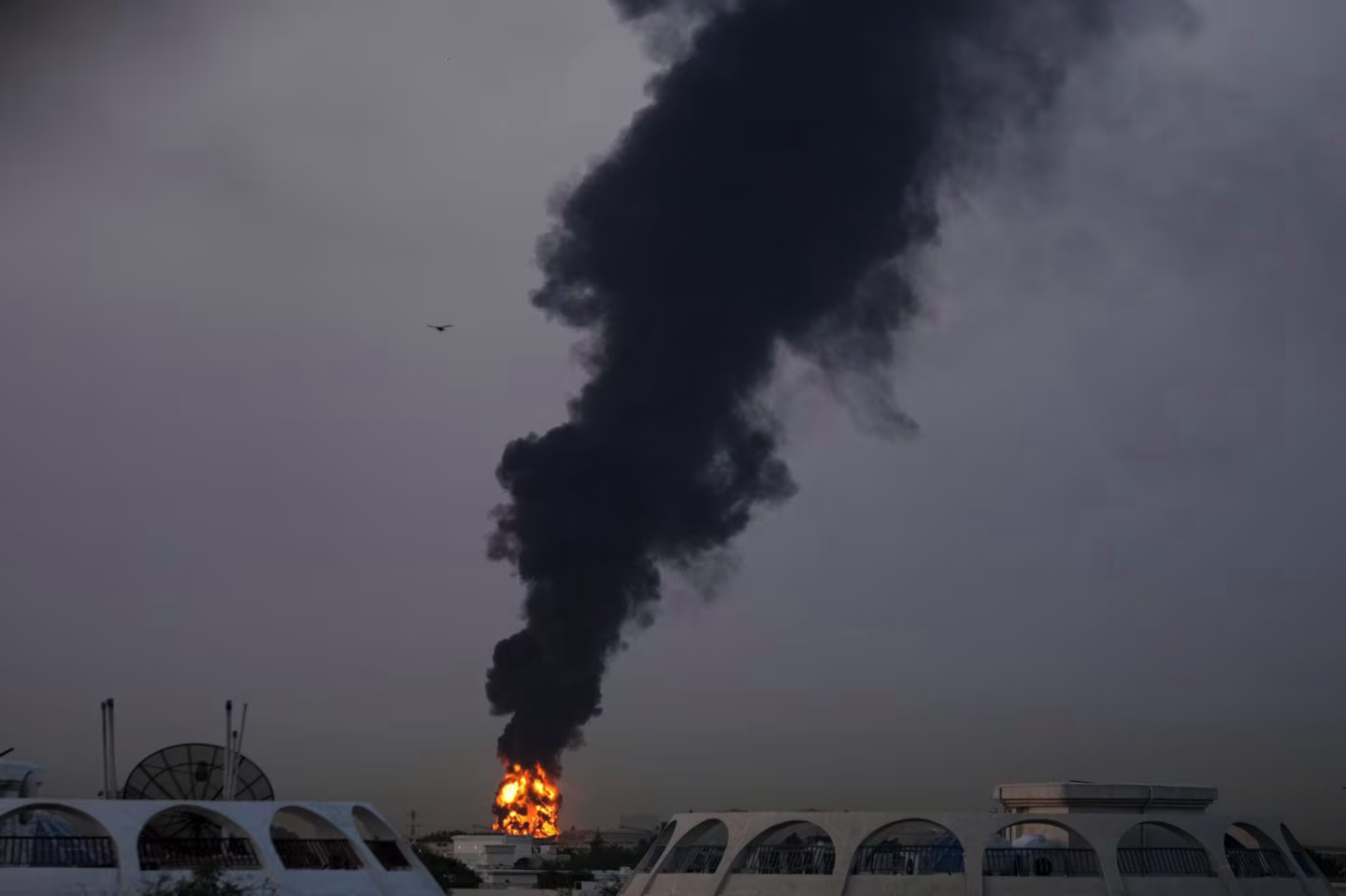 Iran has warned that tourist and recreational locations around the world could become targets as the conflict in the Middle East enters its third week and uncertainty grows over the direction of US military involvement. The warning came as US President Donald Trump suggested his administration may soon scale back operations, despite simultaneously increasing military deployments to the region. Get today's headlines by email In a social media post, Trump said the United States was “very close” to achieving its objectives and was considering “winding down” its military campaign. However, the statement contrasted with moves to reinforce US forces, including the deployment of additional warships and around 5,000 Marines. Conflicting Signals From WashingtonThe reinforcements will join an estimated 50,000 US personnel already stationed in the region. The administration has also requested significant additional funding from Congress to support the war effort. At the same time, Washington announced a temporary easing of sanctions on certain Iranian oil shipments in an attempt to stabilise global energy markets amid rising fuel prices. Escalating Regional ViolenceFighting has continued across multiple fronts. Israel reported a fresh missile launch from Iran early on Saturday, while Saudi Arabia said it intercepted 20 drones over its eastern oil-producing region within a matter of hours. The latest exchanges followed Israeli airstrikes on Tehran during the Persian New Year holiday, Nowruz. Iran has since intensified attacks on Gulf states after strikes on its major South Pars gas field. The conflict has also severely disrupted shipping through the Strait of Hormuz, a critical route for global oil supplies. The resulting supply constraints have driven up energy costs worldwide, contributing to wider economic pressures. Iran Issues Global ThreatIranian officials have broadened their rhetoric beyond the region. A senior military spokesperson warned that “parks, recreational areas and tourist destinations” linked to the country’s adversaries could be targeted internationally. Supreme Leader Mojtaba Khamenei, in a message marking Nowruz, praised the resilience of the Iranian people and rejected the idea that military strikes could destabilise the country’s leadership. He has not appeared publicly since assuming leadership following the death of his predecessor, Ali Khamenei, who was killed in earlier strikes. Meanwhile, Iranian state media reported that senior Revolutionary Guard spokesperson Ali Mohammad Naeini had been killed in an airstrike, shortly after stating that missile production remained ongoing. Wider Impact And Rising CostsThe conflict is having global repercussions. NATO has withdrawn several hundred personnel from Iraq after attacks on military bases hosting international forces. Oil infrastructure has also been affected. A drone strike on a major Kuwaiti refinery caused a fire, underscoring the vulnerability of key energy facilities in the region. Global oil prices have surged to around $108 per barrel, compared with about $70 before the conflict began. Analysts say the disruption to supply chains, particularly through the Strait of Hormuz, is a major factor. Casualties continue to rise. More than 1,300 people have reportedly been killed in Iran, while Israeli strikes in Lebanon have displaced over one million people. Deaths have also been reported in Israel, the occupied West Bank and among US forces. No Clear End In SightDespite suggestions of a possible US drawdown, there are no signs of an imminent resolution. The war’s objectives remain unclear, with shifting explanations from Washington and its allies ranging from weakening Iran’s military capabilities to encouraging political change. With tensions escalating and threats expanding beyond the region, the conflict appears set to continue, with significant implications for global security and the economy. Join the discussion? Already a member? Adapted by ASEAN Now. Source 21 March 2026
 -
The United Kingdom has agreed to broaden its support for United States military operations by allowing American forces to use British bases for strikes linked to the protection of shipping routes in the Strait of Hormuz. Previously, Prime Minister Keir Starmer had limited such access to defensive actions aimed at preventing threats to British lives and interests. However, officials confirmed on Friday that ministers had approved an expansion of permitted operations, framing the move as part of “collective self-defence” to safeguard vessels navigating the strategically vital waterway. Get today's headlines by email The Strait of Hormuz is a key global oil transit route, and disruptions there have raised concerns about economic impacts worldwide. Shift In Military SupportA Downing Street spokesperson said the decision followed escalating attacks attributed to Iran on commercial shipping, including vessels linked to the UK and its allies. Ministers concluded that additional measures were necessary to counter missile capabilities targeting ships in the region. Despite the shift, the UK government stressed it would not take part directly in offensive strikes. Officials said the underlying principles guiding Britain’s involvement in the conflict had not changed and reiterated calls for de-escalation. US President Donald Trump criticised the timing of the decision, suggesting the UK had acted too slowly despite its close alliance with Washington. Meanwhile, Iran’s foreign minister Abbas Araghchi accused Britain of increasing risks to its own citizens, warning that Tehran would view the move as participation in hostile actions. Political Backlash At HomeThe decision has drawn strong reactions from across the UK political spectrum. Conservative leader Kemi Badenoch described the move as a significant reversal of previous policy. Opposition figures also called for greater parliamentary oversight. Liberal Democrat foreign affairs spokesman Calum Miller urged the government to allow MPs to vote on the arrangement, arguing that the UK risked being drawn deeper into the conflict. Green Party co-leader Zack Polanski echoed those concerns, calling the development a worrying escalation and demanding parliamentary scrutiny. Strategic Importance Of The StraitThe Strait of Hormuz has seen a dramatic drop in shipping traffic since the conflict intensified. Before the crisis, roughly 138 vessels passed through daily, carrying about a fifth of the world’s oil supply. Recent figures suggest that number has fallen significantly, highlighting the disruption caused by ongoing hostilities. UK military planners are now working alongside US Central Command to explore ways to secure safe passage for tankers. However, the situation remains volatile, with continued threats of retaliatory attacks. Foreign Secretary Yvette Cooper has condemned Iran’s actions, calling for an immediate halt to strikes on civilian and energy infrastructure. In response, Tehran has maintained it will exercise its right to self-defence. Calls For De-escalationWhile the UK has expanded its support for US operations, officials insist their priority remains a rapid de-escalation of the conflict. Downing Street said ministers were seeking a swift resolution to prevent further regional instability and economic fallout. However, with tensions continuing to rise and diplomatic efforts under strain, the decision underscores the increasingly complex role the UK faces as the conflict widens. Join the discussion? Already a member? Adapted by ASEAN Now. Source 21 March 2026 View full article
-
 The United Kingdom has agreed to broaden its support for United States military operations by allowing American forces to use British bases for strikes linked to the protection of shipping routes in the Strait of Hormuz. Previously, Prime Minister Keir Starmer had limited such access to defensive actions aimed at preventing threats to British lives and interests. However, officials confirmed on Friday that ministers had approved an expansion of permitted operations, framing the move as part of “collective self-defence” to safeguard vessels navigating the strategically vital waterway. Get today's headlines by email The Strait of Hormuz is a key global oil transit route, and disruptions there have raised concerns about economic impacts worldwide. Shift In Military SupportA Downing Street spokesperson said the decision followed escalating attacks attributed to Iran on commercial shipping, including vessels linked to the UK and its allies. Ministers concluded that additional measures were necessary to counter missile capabilities targeting ships in the region. Despite the shift, the UK government stressed it would not take part directly in offensive strikes. Officials said the underlying principles guiding Britain’s involvement in the conflict had not changed and reiterated calls for de-escalation. US President Donald Trump criticised the timing of the decision, suggesting the UK had acted too slowly despite its close alliance with Washington. Meanwhile, Iran’s foreign minister Abbas Araghchi accused Britain of increasing risks to its own citizens, warning that Tehran would view the move as participation in hostile actions. Political Backlash At HomeThe decision has drawn strong reactions from across the UK political spectrum. Conservative leader Kemi Badenoch described the move as a significant reversal of previous policy. Opposition figures also called for greater parliamentary oversight. Liberal Democrat foreign affairs spokesman Calum Miller urged the government to allow MPs to vote on the arrangement, arguing that the UK risked being drawn deeper into the conflict. Green Party co-leader Zack Polanski echoed those concerns, calling the development a worrying escalation and demanding parliamentary scrutiny. Strategic Importance Of The StraitThe Strait of Hormuz has seen a dramatic drop in shipping traffic since the conflict intensified. Before the crisis, roughly 138 vessels passed through daily, carrying about a fifth of the world’s oil supply. Recent figures suggest that number has fallen significantly, highlighting the disruption caused by ongoing hostilities. UK military planners are now working alongside US Central Command to explore ways to secure safe passage for tankers. However, the situation remains volatile, with continued threats of retaliatory attacks. Foreign Secretary Yvette Cooper has condemned Iran’s actions, calling for an immediate halt to strikes on civilian and energy infrastructure. In response, Tehran has maintained it will exercise its right to self-defence. Calls For De-escalationWhile the UK has expanded its support for US operations, officials insist their priority remains a rapid de-escalation of the conflict. Downing Street said ministers were seeking a swift resolution to prevent further regional instability and economic fallout. However, with tensions continuing to rise and diplomatic efforts under strain, the decision underscores the increasingly complex role the UK faces as the conflict widens. Join the discussion? Already a member? Adapted by ASEAN Now. Source 21 March 2026
 -
Tributes have been paid to Chuck Norris, the US martial artist and film star, following his death at the age of 86. His family confirmed he died on Thursday, describing him as a man of “faith, purpose, and an unwavering commitment” to those he loved. In a statement, they said he had inspired millions worldwide through his work, discipline and kindness. “He may have a warrior exterior, but his heart was so full of love,” his daughter, Danilee Norris, said. Get today's headlines by email Figures from the entertainment industry were quick to honour his legacy. Actor Sylvester Stallone described him as “All American in every way” and a “great man”, while Dolph Lundgren said he had long viewed Norris as a role model. Tributes from Hollywood and beyondUS President Donald Trump also paid tribute, saying he had “the highest respect” for Norris, calling him “a really tough cookie”. Other actors, including Lorenzo Lamas, shared messages of support for his family. From martial arts champion to screen starBorn Carlos Ray Norris in Oklahoma in 1940, he joined the US Air Force as a teenager. It was during a posting in South Korea that he began training in martial arts, eventually earning black belts across multiple disciplines, including karate and taekwondo. Norris rose to prominence in competitive karate during the 1960s before transitioning to film. His breakthrough came when Bruce Lee cast him as a rival fighter in the 1972 film The Way of the Dragon. He went on to build a successful career in action cinema, starring in films such as The Delta Force and Missing in Action. His popularity peaked with the television series Walker, Texas Ranger, which ran from 1993 to 2001 and made him a household name. Later life and cultural impactIn later years, Norris remained active in entertainment, appearing in films including The Expendables 2. He also became widely known through internet culture, as “Chuck Norris facts” memes exaggerated his toughness and strength in humorous ways. Outside acting, he promoted fitness, founded martial arts schools and was a vocal supporter of conservative political causes in the United States. A lasting legacyNorris is survived by his wife, Gena O’Kelley, and his five children. His granddaughter, Greta Norris, described him as both a global icon and a devoted family member. “To the world, he was a symbol of strength,” the family said. “To us, he was the heart of our family.” Join the discussion? Already a member? Adapted by ASEAN Now. Source 21 March 2026 View full article
-
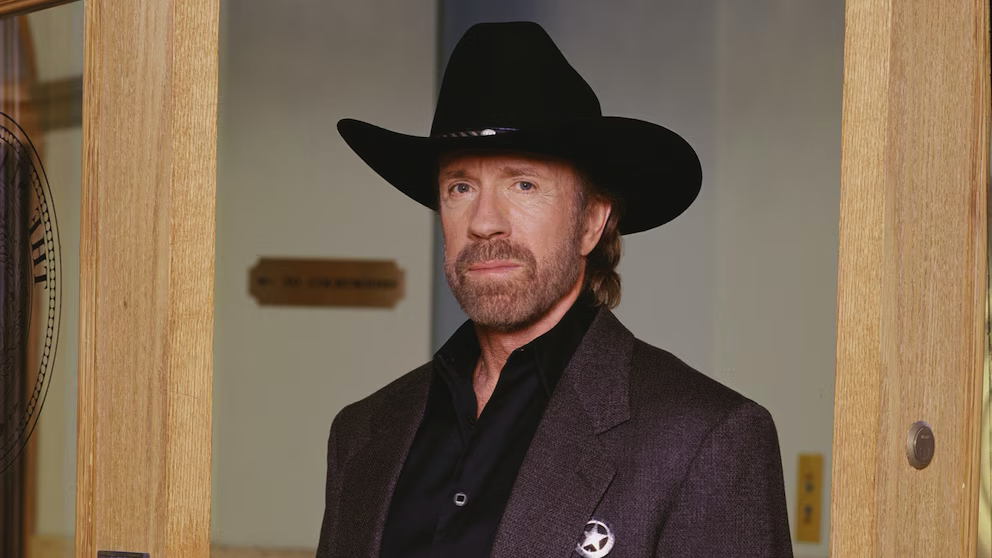 Tributes have been paid to Chuck Norris, the US martial artist and film star, following his death at the age of 86. His family confirmed he died on Thursday, describing him as a man of “faith, purpose, and an unwavering commitment” to those he loved. In a statement, they said he had inspired millions worldwide through his work, discipline and kindness. “He may have a warrior exterior, but his heart was so full of love,” his daughter, Danilee Norris, said. Get today's headlines by email Figures from the entertainment industry were quick to honour his legacy. Actor Sylvester Stallone described him as “All American in every way” and a “great man”, while Dolph Lundgren said he had long viewed Norris as a role model. Tributes from Hollywood and beyondUS President Donald Trump also paid tribute, saying he had “the highest respect” for Norris, calling him “a really tough cookie”. Other actors, including Lorenzo Lamas, shared messages of support for his family. From martial arts champion to screen starBorn Carlos Ray Norris in Oklahoma in 1940, he joined the US Air Force as a teenager. It was during a posting in South Korea that he began training in martial arts, eventually earning black belts across multiple disciplines, including karate and taekwondo. Norris rose to prominence in competitive karate during the 1960s before transitioning to film. His breakthrough came when Bruce Lee cast him as a rival fighter in the 1972 film The Way of the Dragon. He went on to build a successful career in action cinema, starring in films such as The Delta Force and Missing in Action. His popularity peaked with the television series Walker, Texas Ranger, which ran from 1993 to 2001 and made him a household name. Later life and cultural impactIn later years, Norris remained active in entertainment, appearing in films including The Expendables 2. He also became widely known through internet culture, as “Chuck Norris facts” memes exaggerated his toughness and strength in humorous ways. Outside acting, he promoted fitness, founded martial arts schools and was a vocal supporter of conservative political causes in the United States. A lasting legacyNorris is survived by his wife, Gena O’Kelley, and his five children. His granddaughter, Greta Norris, described him as both a global icon and a devoted family member. “To the world, he was a symbol of strength,” the family said. “To us, he was the heart of our family.” Join the discussion? Already a member? Adapted by ASEAN Now. Source 21 March 2026
 -
Reform UK leader Nigel Farage has paused his activity on the video platform Cameo following reports that he recorded personalised messages linked to a convicted offender and a far-right event. A spokesperson for Reform UK said the decision was taken for “security reasons”, after scrutiny of clips produced by Farage through the service. Get today's headlines by email The platform allows public figures to create tailored video messages for paying customers. Since becoming a Member of Parliament in 2024, Farage has declared earnings of more than £80,000 from the service. Reports of controversial messagesThe move comes after media reports that some of the recordings included remarks about a Canadian neo-Nazi gathering and comments about a US congresswoman. In one case, Farage was said to have delivered a message for a man later identified as having been convicted of violent disorder. The report said he expressed sympathy, telling the recipient to “keep your head up” and continue believing “in the right things”. Other clips cited included remarks about Alexandria Ocasio-Cortez, as well as a message reportedly calling for the release of rapper Sean Combs following legal proceedings against him. Defence from party officialsResponding to the reports, a Reform UK spokesperson said Farage had used the platform “in good faith” and was not aware of the backgrounds of those requesting messages beyond the information provided. They added that any subsequent use or interpretation of the recordings by third parties was outside his control. Farage’s Cameo profile had promoted his videos as suitable for occasions such as birthdays, retirements and other personalised messages, highlighting his “straight-talking” style. Political criticism and wider reactionOpposition politicians criticised the recordings, with Liberal Democrat MP Max Wilkinson describing the activity as a “cash grab” and questioning Farage’s judgement. Separate criticism arose over a wedding message in which Farage appeared to joke about Welsh guests, prompting backlash from politicians in Wales. Darren Millar called the remarks a “gross insult”, while Labour representatives also condemned the comments. A Reform member in the Welsh parliament said the party supports Wales as a bilingual nation and emphasised that people should feel welcome regardless of language. Platform use under scrutinyThe controversy has drawn attention to the growing use of Cameo by politicians, as well as the risks associated with personalised content created for paying customers. Farage has not publicly commented in detail since the reports, but his account remains inactive while the issue is reviewed. Join the discussion? Already a member? Adapted by ASEAN Now. Source 20 March 2026 View full article
-
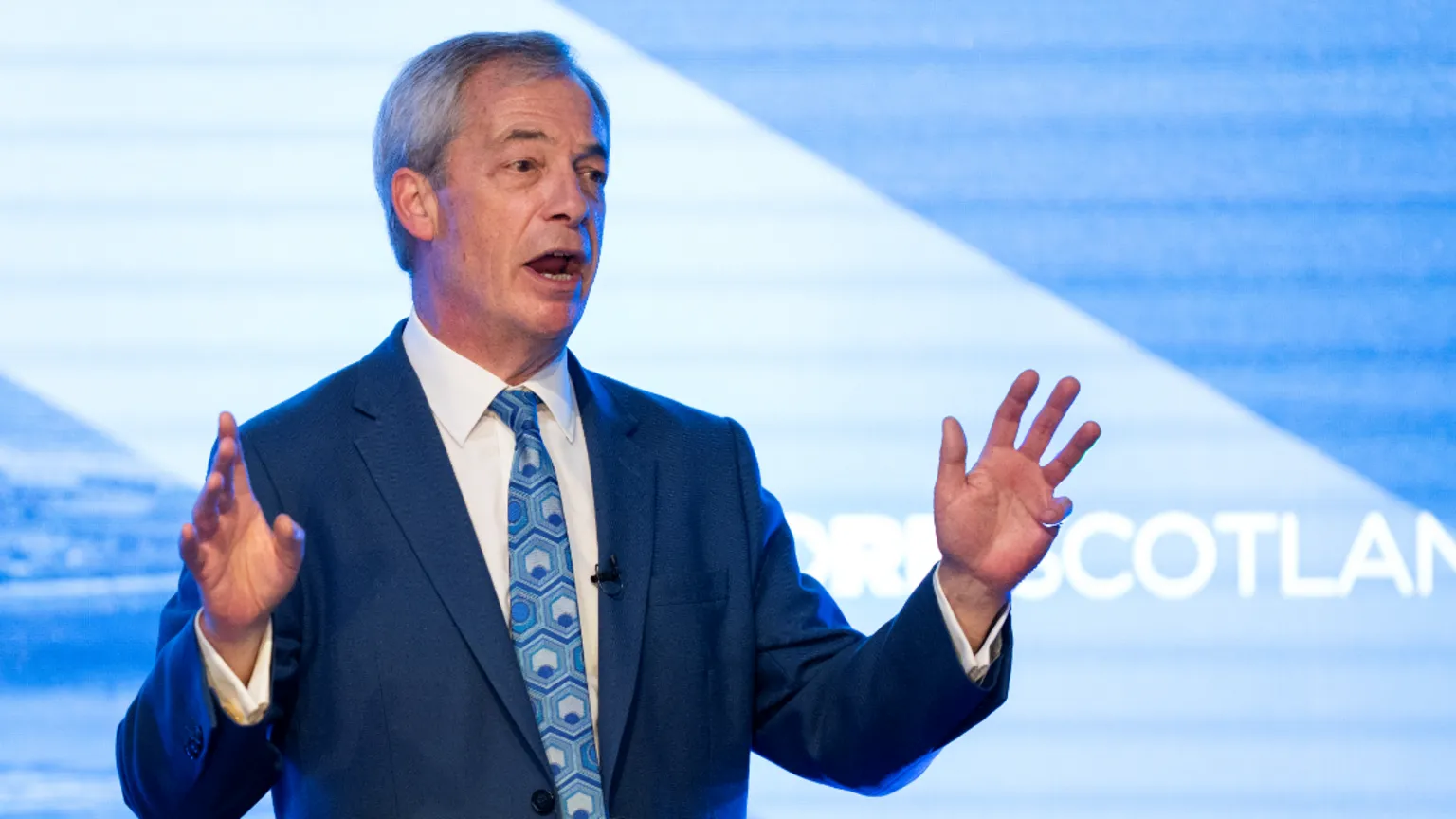 Reform UK leader Nigel Farage has paused his activity on the video platform Cameo following reports that he recorded personalised messages linked to a convicted offender and a far-right event. A spokesperson for Reform UK said the decision was taken for “security reasons”, after scrutiny of clips produced by Farage through the service. Get today's headlines by email The platform allows public figures to create tailored video messages for paying customers. Since becoming a Member of Parliament in 2024, Farage has declared earnings of more than £80,000 from the service. Reports of controversial messagesThe move comes after media reports that some of the recordings included remarks about a Canadian neo-Nazi gathering and comments about a US congresswoman. In one case, Farage was said to have delivered a message for a man later identified as having been convicted of violent disorder. The report said he expressed sympathy, telling the recipient to “keep your head up” and continue believing “in the right things”. Other clips cited included remarks about Alexandria Ocasio-Cortez, as well as a message reportedly calling for the release of rapper Sean Combs following legal proceedings against him. Defence from party officialsResponding to the reports, a Reform UK spokesperson said Farage had used the platform “in good faith” and was not aware of the backgrounds of those requesting messages beyond the information provided. They added that any subsequent use or interpretation of the recordings by third parties was outside his control. Farage’s Cameo profile had promoted his videos as suitable for occasions such as birthdays, retirements and other personalised messages, highlighting his “straight-talking” style. Political criticism and wider reactionOpposition politicians criticised the recordings, with Liberal Democrat MP Max Wilkinson describing the activity as a “cash grab” and questioning Farage’s judgement. Separate criticism arose over a wedding message in which Farage appeared to joke about Welsh guests, prompting backlash from politicians in Wales. Darren Millar called the remarks a “gross insult”, while Labour representatives also condemned the comments. A Reform member in the Welsh parliament said the party supports Wales as a bilingual nation and emphasised that people should feel welcome regardless of language. Platform use under scrutinyThe controversy has drawn attention to the growing use of Cameo by politicians, as well as the risks associated with personalised content created for paying customers. Farage has not publicly commented in detail since the reports, but his account remains inactive while the issue is reviewed. Join the discussion? Already a member? Adapted by ASEAN Now. Source 20 March 2026
 -
Comments by senior figures in the UK government suggest a noticeable change in how Labour is approaching Brexit, with growing emphasis on rebuilding closer ties with Europe as economic pressures persist. Speaking this week, Chancellor Rachel Reeves said that Brexit had caused “deep damage”, while stressing the government was not seeking to reverse the decision to leave the European Union. Instead, she signalled a stronger push to improve cooperation with European partners where it benefits the UK economy. Get today's headlines by email Her remarks reflect a broader shift already hinted at by Prime Minister Keir Starmer, who previously said Brexit had harmed economic performance and called for a closer working relationship with the EU. Economic concerns drive rethinkLabour’s 2024 election platform committed to limited changes to the post-Brexit trade deal negotiated under Boris Johnson, including reducing trade barriers on food exports through regulatory alignment. However, the party maintained firm “red lines”, ruling out rejoining the single market, customs union or restoring freedom of movement. Recent statements suggest ministers now see deeper cooperation with the EU as a potential route to boosting growth, which has remained modest despite government targets. Reeves indicated that aligning regulations more closely with the EU in certain sectors could help improve economic performance. Other senior figures have been more explicit. Health Secretary Wes Streeting has described Brexit as an obstacle to growth, while Foreign Secretary David Lammy said its economic impact was “self-evident”. Political pressures from within and beyondThe shift also comes amid pressure from within Labour. London Mayor Sadiq Khan has called for rejoining the EU’s single market and customs union, and even proposed campaigning to rejoin the bloc in future. At the same time, the party faces a complex electoral landscape. While Labour originally hardened its Brexit stance after losing support among Leave voters in 2019, more recent polling suggests its current difficulties stem more from losing pro-EU voters to other parties. Data indicates a significant share of Labour’s 2024 support came from voters who favour closer ties with the EU, or even rejoining. Since then, many have shifted to parties such as the Greens and Liberal Democrats, both of which advocate reversing Brexit in the long term. Balancing competing voter demandsThis presents a strategic dilemma. While appealing to pro-Brexit voters remains important, Labour may also need to regain support among those who backed remaining in the EU. Polling suggests most Labour voters support closer relations with Europe, but there is also strong backing within the party’s base for eventually rejoining the EU altogether. However, specific policy proposals—such as aligning UK regulations with EU standards to ease trade—can divide opinion when framed as a trade-off between sovereignty and economic benefits. Opponents, including the Conservatives and Reform UK, are likely to argue that closer alignment undermines Brexit by returning decision-making to Brussels. As a result, Labour’s evolving Brexit strategy may prove politically sensitive, requiring the party to persuade voters that any changes strike the right balance between economic growth and national control. Join the discussion? Already a member? Adapted by ASEAN Now. Source 20 March 2026 View full article
-
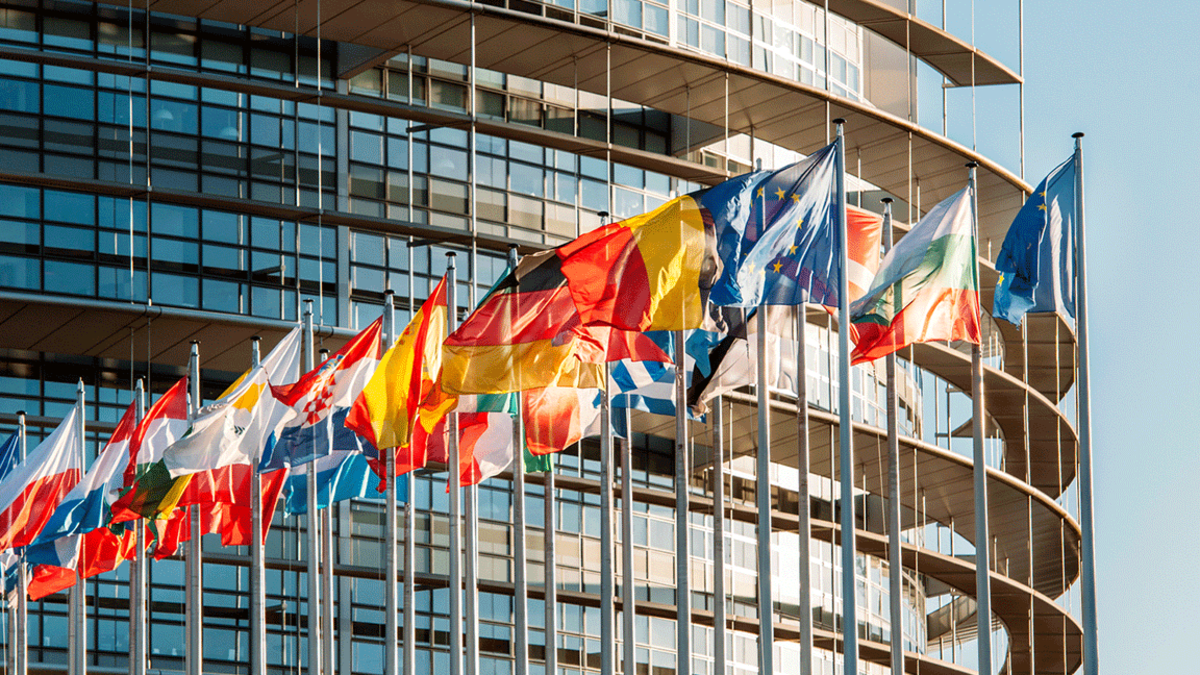 Comments by senior figures in the UK government suggest a noticeable change in how Labour is approaching Brexit, with growing emphasis on rebuilding closer ties with Europe as economic pressures persist. Speaking this week, Chancellor Rachel Reeves said that Brexit had caused “deep damage”, while stressing the government was not seeking to reverse the decision to leave the European Union. Instead, she signalled a stronger push to improve cooperation with European partners where it benefits the UK economy. Get today's headlines by email Her remarks reflect a broader shift already hinted at by Prime Minister Keir Starmer, who previously said Brexit had harmed economic performance and called for a closer working relationship with the EU. Economic concerns drive rethinkLabour’s 2024 election platform committed to limited changes to the post-Brexit trade deal negotiated under Boris Johnson, including reducing trade barriers on food exports through regulatory alignment. However, the party maintained firm “red lines”, ruling out rejoining the single market, customs union or restoring freedom of movement. Recent statements suggest ministers now see deeper cooperation with the EU as a potential route to boosting growth, which has remained modest despite government targets. Reeves indicated that aligning regulations more closely with the EU in certain sectors could help improve economic performance. Other senior figures have been more explicit. Health Secretary Wes Streeting has described Brexit as an obstacle to growth, while Foreign Secretary David Lammy said its economic impact was “self-evident”. Political pressures from within and beyondThe shift also comes amid pressure from within Labour. London Mayor Sadiq Khan has called for rejoining the EU’s single market and customs union, and even proposed campaigning to rejoin the bloc in future. At the same time, the party faces a complex electoral landscape. While Labour originally hardened its Brexit stance after losing support among Leave voters in 2019, more recent polling suggests its current difficulties stem more from losing pro-EU voters to other parties. Data indicates a significant share of Labour’s 2024 support came from voters who favour closer ties with the EU, or even rejoining. Since then, many have shifted to parties such as the Greens and Liberal Democrats, both of which advocate reversing Brexit in the long term. Balancing competing voter demandsThis presents a strategic dilemma. While appealing to pro-Brexit voters remains important, Labour may also need to regain support among those who backed remaining in the EU. Polling suggests most Labour voters support closer relations with Europe, but there is also strong backing within the party’s base for eventually rejoining the EU altogether. However, specific policy proposals—such as aligning UK regulations with EU standards to ease trade—can divide opinion when framed as a trade-off between sovereignty and economic benefits. Opponents, including the Conservatives and Reform UK, are likely to argue that closer alignment undermines Brexit by returning decision-making to Brussels. As a result, Labour’s evolving Brexit strategy may prove politically sensitive, requiring the party to persuade voters that any changes strike the right balance between economic growth and national control. Join the discussion? Already a member? Adapted by ASEAN Now. Source 20 March 2026
 -
North Korean leader Kim Jong Un has been pictured riding a tank alongside his teenage daughter during a military training exercise, in a high-profile appearance that is likely to fuel ongoing speculation about succession in the country. Images released by the state-run Korean Central News Agency (KCNA) on Friday showed Kim and his daughter, widely reported to be Kim Ju Ae, taking part in drills involving tank units and infantry forces. Get today's headlines by email According to KCNA, the exercise took place on Thursday and included live-fire drills as well as manoeuvres designed to test combat readiness. Kim was said to have emphasised the need to complete preparations for war. Military display and leadership messagingPhotographs from the event showed both father and daughter dressed in dark clothing, riding together in an olive-green tank alongside soldiers. In some images, the girl is seen emerging from the tank hatch, while Kim appears seated on top, smiling during the exercise. The appearance follows a series of recent public outings in which the pair have attended military-related events together, including weapons tests and factory visits. Growing public role for Kim’s daughterKim Ju Ae, believed to be around 13 years old, has increasingly appeared at official engagements since late 2022. North Korean state media has referred to her using terms such as the leader’s “most beloved” or “respected” child, and has highlighted their close relationship. In recent weeks, she has been seen accompanying her father to a munitions factory, where both reportedly fired pistols, and observing the launch of multiple rocket systems. She has also appeared at major national celebrations and accompanied Kim on an overseas visit to Beijing last year. Her frequent presence at such events has led to speculation among analysts that she may be being positioned as a potential successor. Debate over successionSouth Korea’s intelligence agency recently assessed that Kim may be moving towards formally designating his daughter as heir. However, some experts remain cautious about that conclusion, pointing to Kim’s relatively young age and the traditionally male-dominated structure of North Korea’s leadership. The question of succession remains closely watched, given the country’s opaque political system and the hereditary nature of its leadership. Regional tensions continueThe latest military drills come amid ongoing tensions on the Korean Peninsula. North Korea often conducts exercises and weapons tests in response to joint military activities by the United States and **South Korea, which it views as rehearsals for invasion. This week, US and South Korean forces concluded an 11-day command post exercise, though field training operations are continuing. Join the discussion? Already a member? Adapted by ASEAN Now. Source 20 March 2026 View full article
-
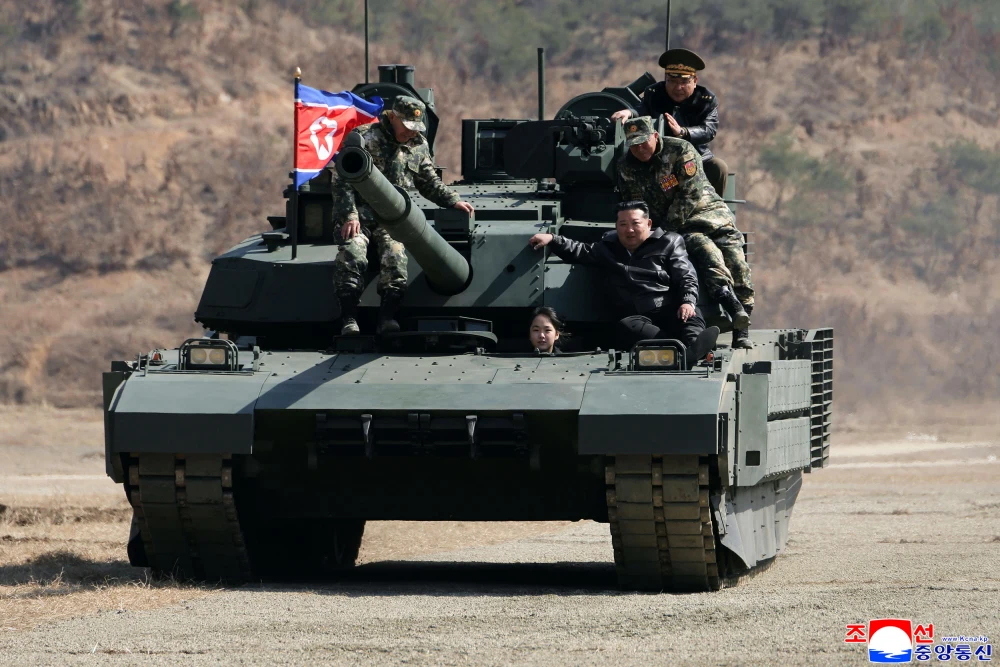 North Korean leader Kim Jong Un has been pictured riding a tank alongside his teenage daughter during a military training exercise, in a high-profile appearance that is likely to fuel ongoing speculation about succession in the country. Images released by the state-run Korean Central News Agency (KCNA) on Friday showed Kim and his daughter, widely reported to be Kim Ju Ae, taking part in drills involving tank units and infantry forces. Get today's headlines by email According to KCNA, the exercise took place on Thursday and included live-fire drills as well as manoeuvres designed to test combat readiness. Kim was said to have emphasised the need to complete preparations for war. Military display and leadership messagingPhotographs from the event showed both father and daughter dressed in dark clothing, riding together in an olive-green tank alongside soldiers. In some images, the girl is seen emerging from the tank hatch, while Kim appears seated on top, smiling during the exercise. The appearance follows a series of recent public outings in which the pair have attended military-related events together, including weapons tests and factory visits. Growing public role for Kim’s daughterKim Ju Ae, believed to be around 13 years old, has increasingly appeared at official engagements since late 2022. North Korean state media has referred to her using terms such as the leader’s “most beloved” or “respected” child, and has highlighted their close relationship. In recent weeks, she has been seen accompanying her father to a munitions factory, where both reportedly fired pistols, and observing the launch of multiple rocket systems. She has also appeared at major national celebrations and accompanied Kim on an overseas visit to Beijing last year. Her frequent presence at such events has led to speculation among analysts that she may be being positioned as a potential successor. Debate over successionSouth Korea’s intelligence agency recently assessed that Kim may be moving towards formally designating his daughter as heir. However, some experts remain cautious about that conclusion, pointing to Kim’s relatively young age and the traditionally male-dominated structure of North Korea’s leadership. The question of succession remains closely watched, given the country’s opaque political system and the hereditary nature of its leadership. Regional tensions continueThe latest military drills come amid ongoing tensions on the Korean Peninsula. North Korea often conducts exercises and weapons tests in response to joint military activities by the United States and **South Korea, which it views as rehearsals for invasion. This week, US and South Korean forces concluded an 11-day command post exercise, though field training operations are continuing. Join the discussion? Already a member? Adapted by ASEAN Now. Source 20 March 2026
 -
A federal panel made up of presidential appointees has approved plans for a commemorative gold coin featuring Donald Trump, as part of preparations marking the United States’ 250th anniversary in 2026. The decision was taken by the Commission of Fine Arts, which voted in favour of a 24-carat coin design showing the sitting president in the Oval Office. The design includes the dates “1776” and “2026”, referencing the country’s founding and upcoming semiquincentennial. Get today's headlines by email U.S. Treasurer Brandon Beach described the proposal as a “beautiful commemorative gold coin”, saying it reflects the “enduring spirit” of the nation. Panel backs presidential designHe added that featuring the current president on the coin was appropriate, calling Trump’s image “emblematic” for the milestone celebration. However, the proposal still requires final approval from the Treasury Department, led by Scott Bessent, which will consider input from both the Commission of Fine Arts and the Citizens Coinage Advisory Committee (CCAC). Disagreement among advisory bodiesThe process has not been without controversy. According to officials, the CCAC declined to review the proposed designs despite being given multiple opportunities by the U.S. Mint. Beach said this meant the Mint had fulfilled its legal obligation to consult the committee, noting that its role is advisory and that the Treasury secretary retains final authority over design decisions. Previous reporting indicated that some members of the CCAC had opposed the idea of featuring Trump on a commemorative coin. Separate from circulating coin plansThe commemorative gold coin is distinct from a separate initiative authorised under the Circulating Collectible Coin Redesign Act of 2020, which allows for the minting of $1 coins during 2026 to mark the anniversary. Officials said earlier draft designs for those circulating coins also included Trump’s likeness, though that project remains under review. Broader anniversary plansThe coin proposal comes as part of wider efforts to celebrate the 250th anniversary of the United States. Trump has previously made light-hearted remarks suggesting he would like to be credited with organising the milestone. He has also been linked to other initiatives tied to the anniversary, including national events and commemorative projects. The Treasury Department has not yet confirmed when a final decision on the coin’s design will be made. Join the discussion? Already a member? Adapted by ASEAN Now. Source 20 March 2026 View full article
-
 A federal panel made up of presidential appointees has approved plans for a commemorative gold coin featuring Donald Trump, as part of preparations marking the United States’ 250th anniversary in 2026. The decision was taken by the Commission of Fine Arts, which voted in favour of a 24-carat coin design showing the sitting president in the Oval Office. The design includes the dates “1776” and “2026”, referencing the country’s founding and upcoming semiquincentennial. Get today's headlines by email U.S. Treasurer Brandon Beach described the proposal as a “beautiful commemorative gold coin”, saying it reflects the “enduring spirit” of the nation. Panel backs presidential designHe added that featuring the current president on the coin was appropriate, calling Trump’s image “emblematic” for the milestone celebration. However, the proposal still requires final approval from the Treasury Department, led by Scott Bessent, which will consider input from both the Commission of Fine Arts and the Citizens Coinage Advisory Committee (CCAC). Disagreement among advisory bodiesThe process has not been without controversy. According to officials, the CCAC declined to review the proposed designs despite being given multiple opportunities by the U.S. Mint. Beach said this meant the Mint had fulfilled its legal obligation to consult the committee, noting that its role is advisory and that the Treasury secretary retains final authority over design decisions. Previous reporting indicated that some members of the CCAC had opposed the idea of featuring Trump on a commemorative coin. Separate from circulating coin plansThe commemorative gold coin is distinct from a separate initiative authorised under the Circulating Collectible Coin Redesign Act of 2020, which allows for the minting of $1 coins during 2026 to mark the anniversary. Officials said earlier draft designs for those circulating coins also included Trump’s likeness, though that project remains under review. Broader anniversary plansThe coin proposal comes as part of wider efforts to celebrate the 250th anniversary of the United States. Trump has previously made light-hearted remarks suggesting he would like to be credited with organising the milestone. He has also been linked to other initiatives tied to the anniversary, including national events and commemorative projects. The Treasury Department has not yet confirmed when a final decision on the coin’s design will be made. Join the discussion? Already a member? Adapted by ASEAN Now. Source 20 March 2026
 -
Former FBI director James Comey has been issued a subpoena as part of a broad investigation led by a federal prosecutor appointed during the presidency of Donald Trump, according to sources familiar with the matter. The inquiry, being conducted by Jason A. Reding Quiñones in Florida, is examining earlier investigations into Russian interference in the 2016 US election, as well as related prosecutions involving Trump and his associates. Supporters of the former president have described the effort as a “grand conspiracy” probe. Get today's headlines by email The subpoena issued to Comey is among more than 130 reportedly sent out in connection with the inquiry, highlighting the scale of the investigation. Expanding investigationOfficials have not disclosed whether the subpoenas seek documents, testimony, or both. Under US law, federal prosecutors have significant authority to issue such requests, which are typically not reviewed by a judge unless challenged in court. Neither Comey’s legal representatives nor the office of Quiñones immediately commented on the development. Focus on 2016 election inquiriesThe investigation stems from long-standing claims by Trump and his allies that law enforcement and intelligence agencies mishandled inquiries into alleged Russian interference during the 2016 election. Previous investigations, including a bipartisan Senate review and a probe led by special counsel Robert Mueller, concluded that Russia did attempt to influence the election. However, they did not find evidence that Trump’s campaign conspired with Moscow. Another review conducted by special counsel John Durham found no proof of a criminal conspiracy by officials in the Obama administration to fabricate intelligence regarding Russia. Despite these findings, some Trump allies argue that elements of the alleged misconduct fall within legal time limits for prosecution, allowing investigators to revisit aspects of the case. Previous legal effortsThe subpoena marks the latest legal development involving Comey, who was dismissed as FBI director by Trump in 2017. The Trump administration previously attempted to prosecute him over testimony given to Congress, but that case was dismissed after a judge ruled that the prosecutor had been improperly appointed. The Justice Department has since appealed that decision. Ongoing scrutinyThe current investigation reflects continuing political and legal divisions over the origins and handling of the Russia inquiry, nearly a decade after the events in question. While it remains unclear what specific evidence prosecutors are seeking from Comey, the scope of the subpoenas suggests the inquiry could continue to expand in the months ahead. Join the discussion? Already a member? Adapted by ASEAN Now. Source 20 March 2026 View full article