

webfact
Admin
-
Joined
-
Last visited
Everything posted by webfact
-
Picture courtesy of มงคลกิตติ์ สุขสินธารานนท์ via Bangkok Post Mongkolkit Suksintharanon, the prime ministerial candidate of the New Alternative Party, has boldly introduced a stunning "interplanetary marriage" policy for the upcoming Thai election on February 8. This controversial proposal allows Thai men to legally marry extraterrestrials, suggesting marriages could include partners from the Moon or Mars. The announcement has sparked widespread astonishment, with legal recognition of these unions potentially lasting two to five years. Mongkolkit’s proposal has expanded on his party’s earlier gender equality policy, which allows women to have multiple husbands with existing spouses' consent. His fascination with space is evident as he outlined ambitious goals like developing spacecraft for orbital tourism, Moon trips, and Mars missions. Further plans involve creating a Space Force and establishing retail branches on celestial bodies. The plans don't end with space. Mongkolkit also proposes unique social policies, such as a matchmaking service for Thais, universal healthcare enhancements including cosmetic surgeries, and salary raises for civil servants performing daily fitness tasks. Economic initiatives promise financial support for expectant mothers and tax incentives for parents, alongside unconventional pledges like appointing Elon Musk as a space adviser and acquiring nuclear weapons for Thailand. Phitsanulok-born Mongkolkit, 44, has been a presence in Thai politics for over a decade, having served as an adviser post-coup in 2014 and later joined the House as part of the Thai Civilised Party. His track record includes a stint with the Democrat Party, where he served as an adviser before founding the New Alternative Party. He insists his party, number 10 on the ballot, offers achievable policies without vote buying, reported Bangkok Post. Key Takeaways: Mongkolkit proposes legal interplanetary marriages, sparking intrigue. He plans ambitious space exploration ventures, including Moon and Mars trips. Economic initiatives cover healthcare improvements and financial incentives for families. Adapted by ASEAN Now from Bangkok Post 2026-01-21



-
Thailand Raises Foreign Income Repatriation Limit to $10 Million Picture courtesy of Wikipedia The Bank of Thailand has significantly eased its rules on foreign income repatriation to alleviate the upward pressure on the baht. The Bank of Thailand has increased the transaction cap from $1 million to $10 million per transaction. This move aims to provide Thai individuals and businesses with greater flexibility in managing their US dollar earnings without the immediate need for conversion, the central bank announced on Tuesday.
.jpg.bfa72999f2425cb6f4e775b4d0cb226e.jpg)

-
Picture courtesy of Wikipedia The Bank of Thailand has significantly eased its rules on foreign income repatriation to alleviate the upward pressure on the baht. The Bank of Thailand has increased the transaction cap from $1 million to $10 million per transaction. This move aims to provide Thai individuals and businesses with greater flexibility in managing their US dollar earnings without the immediate need for conversion, the central bank announced on Tuesday. This adjustment comes as part of the central bank's broader effort to stabilise the exchange rate and reduce international transaction costs. Currently, transactions under $10 million represent about 92% of Thailand’s total export value. By allowing businesses to retain more dollar earnings, the measure aims to mitigate the currency's appreciation against the dollar, thus promoting economic stability. The Thai baht has appreciated approximately 1.3% against the dollar this year, making it Asia's top-performing currency after a 9% rise last year. The central bank hopes this measure, among others, will slow excessive baht appreciation that seems inconsistent with the country's economic fundamentals. The interest in maintaining currency stability reflects ongoing concerns about maintaining competitiveness and controlling economic balance. In addition to changing repatriation rules, the Bank of Thailand is also contemplating limits on baht-denominated gold trading online. Proposed caps on daily gold transactions through online platforms are expected to range between 20 million baht and 100 million baht. We expect these measures to further control the upward pressures on the baht. This latest move by the central bank is part of a series of strategic adjustments to ensure a stable and balanced economic environment. Businesses now look forward to the positive impacts of these regulatory changes on their operations and financial planning, reported the Bangkok Post. Key Takeaways Thailand increases the foreign income repatriation limit to $10 million to ease baht pressure. The adjustment supports enhanced liquidity and economic stability for businesses. Further measures to limit online gold trading are under consideration. Adapted by ASEAN Now from Bangkok Post 2026-01-21
-
Ex-Red Shirt Leaders Jailed for 2010 Protest Role Picture courtesy of Naewna The Supreme Court has upheld prison sentences for two prominent Red Shirt leaders involved in the 2010 political protests in Bangkok. Mr. Yoswarit Chuglom faces five years and four months despite being treated for a stroke, while Mr. Suksek Poltue, known as Suk, received a life sentence. This decision concludes legal proceedings stemming from the events protesting against the government of then-prime minister Abhisit Vejjajiva.


-
Picture courtesy of Naewna The Supreme Court has upheld prison sentences for two prominent Red Shirt leaders involved in the 2010 political protests in Bangkok. Mr. Yoswarit Chuglom faces five years and four months despite being treated for a stroke, while Mr. Suksek Poltue, known as Suk, received a life sentence. Legal proceedings against the government of then-prime minister Abhisit Vejjajiva conclude with this decision. These protests, led by the United Front for Democracy Against Dictatorship, took place from March 12 to May 19, 2010, aiming to force early elections. Clashes with military forces resulted in over 80 civilian deaths, six military fatalities, and more than 2,100 injuries. Earlier, a lower court acquitted all defendants, but the Appeals Court later imposed sentences on Yoswarit and Suksek. Today in court, Yoswarit's daughter requested another postponement of the ruling due to his ongoing medical treatment. The court, noting a previous deferral, insisted on his attendance, leading to his transfer from hospital to court. Yoswarit, visibly in poor health, was wheeled into the courtroom with medical equipment attached, reported Thai Newsroom. Key Takeaways: The Supreme Court confirmed sentences for key Red Shirt leaders from the 2010 protests. The protests led to major civil unrest and significant casualties in Bangkok. Despite appeals, the Supreme Court's decision marks the end of this legal battle. Adapted by ASEAN Now from Thai Newsroom 2026-01-21
-
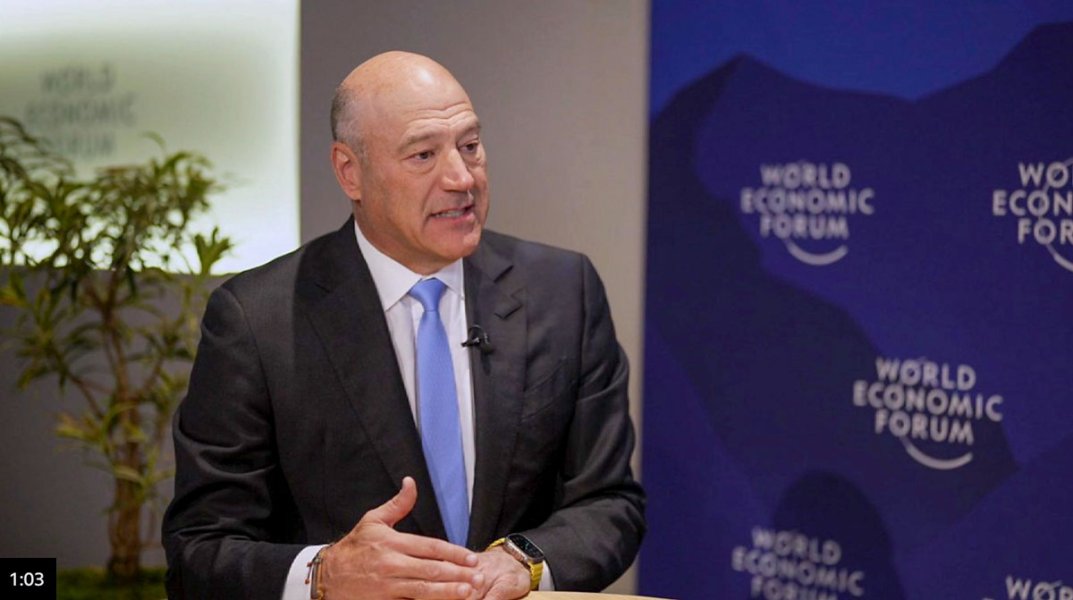
video screenshot Donald Trump’s former economic adviser says the US will not force a Greenland ownership change. Donald Trump's proposal to gain ownership of Greenland is unlikely to succeed, according to Gary Cohn, a former top adviser to Trump. Speaking at the World Economic Forum in Davos, Cohn declared, "Greenland will stay Greenland," linking the need for access to critical minerals to Trump's interest in the territory. Additionally, US Treasury Secretary Scott Bessent suggested a relaxed approach to the tariff threats concerning Europe and Greenland. The issue arose from Trump's past discussions about purchasing Greenland, a move that sparked global attention. Cohn, known for his Wall Street career and tenure as director of the White House National Economic Council from 2017 to 2018, suggested that Trump's recent Greenland comments might be part of a negotiation strategy. Cohn warned that any aggressive actions involving an independent nation like Greenland, part of NATO, would be too extreme. Reacting to Trump's tactics, Bessent urged media and global leaders to remain calm and let developments unfold naturally. He cited previous scenarios where tensions escalated unnecessarily, such as last year's US tariff impositions. Stressing the importance of not escalating with the US, Bessent differentiated the Greenland situation from past trade negotiations. Looking to the future, US interests in Greenland may focus on increasing military presence and acquiring rare earth minerals. Cohn highlighted the strategic importance of these resources, noting that they are key to advancements in AI and quantum computing, major topics at the Davos forum. He also emphasised that Trump's tactics often aim to reach more favourable compromises. In conclusion, while Cohn shared some reservations about the president's approach, he acknowledged potential strategic motives behind US actions. While discussions in Davos continue to shape Trump's potential Greenland deal, its geopolitical implications remain clear. The interest in Greenland aligns with ongoing discussions on tech advancements, with IBM and Google pushing the race for quantum computing innovations. Key Takeaways US president Trump's Greenland ambitions face resistance, says Gary Cohn. Treasury Secretary urges patience regarding tariff threats involving Greenland. Greenland's resources are vital for AI and quantum computing advancements. Adapted by ASEAN Now from BBC 2026-01-21
-
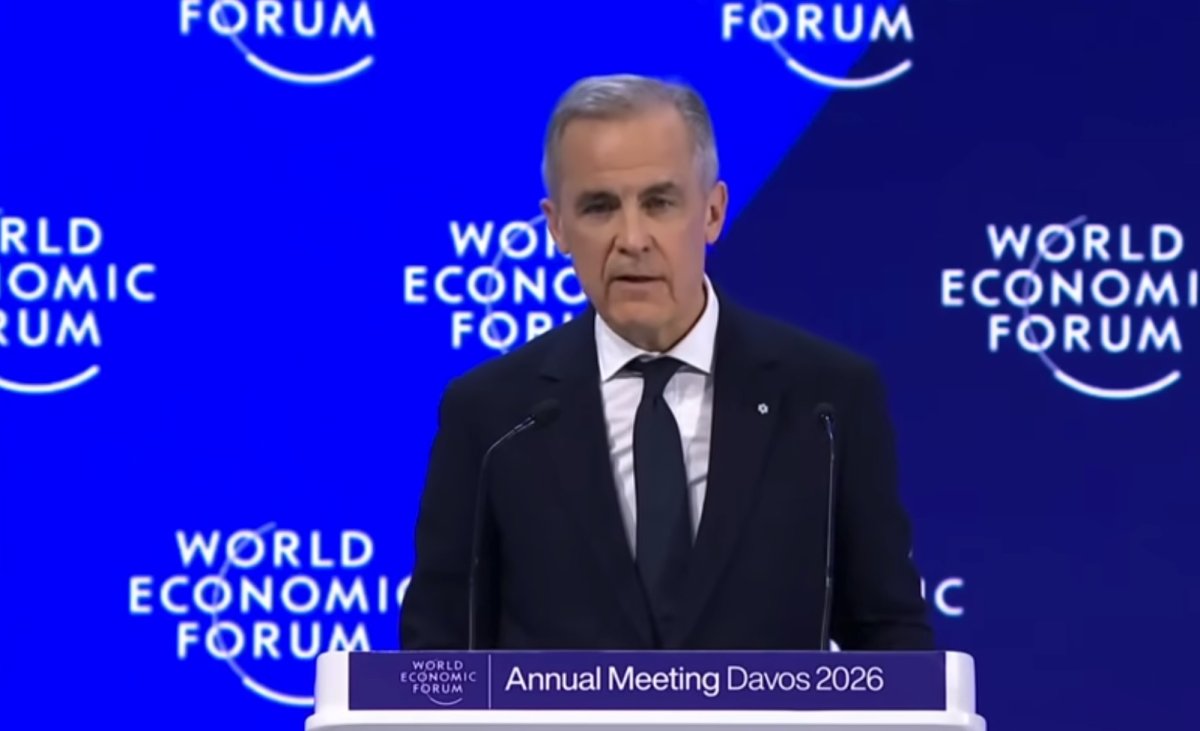
Canadian Prime Minister Mark Carney asserted that the "old order is not coming back" during his speech at the World Economic Forum in Davos. Carney emphasised the need for middle powers to unite, claiming that powerful nations were using economic coercion to assert dominance. His speech seemed to indirectly address US president Donald Trump's aggressive policies towards allies. Carney highlighted Canada's unwavering support for Greenland, Denmark, and the NATO alliance. The US, spearheaded by Trump, has been pressuring allies through economic threats, demanding changes such as the surrender of Greenland. This has led Canada to reinforce its commitment to NATO's Article 5—affirming mutual defence obligations. The prime minister pointed out that great powers often wield their economic and military might through UN Security Council privileges. Meanwhile, middle powers such as Canada and Australia continue to exert significant global influence despite having smaller economies. Carney cautioned against the weaponisation of economic integration, citing the use of supply chains as tools for coercion. He said Canada was quick to recognise that traditional alliances do not guarantee prosperity. The US had subjected Canada to tariffs and labelled it the "51st state," further pushing its territorial ambitions over Greenland. Carney condemned such actions, arguing for a collective response from middle powers. Carney remains steadfast on strengthening ties with countries sharing common values. He discussed Canada's stance as a reliable partner, highlighting trade and investment deals with China and Qatar. Canada's military cooperation within NATO, including potential exercises in Greenland, reinforces its commitment to collective security. Canadian foreign minister Anita Anand confirmed Canada's participation in NATO exercises, with decisions on future military deployments resting with national defence officials. The country’s proactive approach aims to form new alliances in response to the evolving geopolitical landscape. Meanwhile, Trump is set to address the forum on Wednesday, possibly responding to Carney's pointed remarks, reported the BBC. Key Takeaways Carney urged middle powers to unite against economic coercion from great powers. Canada reaffirmed its strong support for NATO and Greenland amid US pressures. Trump is expected to deliver his response at the Davos Forum on Wednesday. Adapted by ASEAN Now from BBC 2026-01-21
-
After facing two additional sexual offences, including rape, Russell Brand, the well-known actor and comedian, received bail. Brand made his court appearance via video link from the US, wearing a casual, partially unbuttoned denim shirt, and confirmed his personal details during the brief hearing at Westminster Magistrates' Court. The latest accusations involve one count of rape and another of sexual assault, both allegedly occurring in London in 2009. This adds to the previous charges Brand faced, which include two counts of rape, one of indecent assault, and two of sexual assault, linked to incidents between 1999 and 2005 involving four women. A trial for these original charges is set to commence later this year at Southwark Crown Court. Brand's legal troubles emerged after investigative efforts by the Sunday Times, the Times, and Channel 4's Dispatches, which published allegations against him in September 2023. Southwark Crown Court has scheduled his next court appearance for 17 February, where they will address the expanded catalogue of allegations. Brand, originally from Essex, gained fame as a stand-up comedian and became a popular figure hosting TV shows like Big Brother's Big Mouth. His career expanded into Hollywood, with roles in films such as Forgetting Sarah Marshall and Get Him To The Greek. These fresh charges could significantly impact Brand’s career and public image. Legal experts suggest the seriousness of the allegations could lead to challenging courtroom battles ahead. Meanwhile, public interest in the proceedings remains high, with many waiting to see how the legal process unfolds. Expect Brand's team to vigorously defend against the charges as the situation unfolds. The current focus remains on the upcoming court dates, which carry the potential for substantial legal ramifications. The BBC reported that the hearings' results could affect both Brand and his accusers, reported the BBC. Key Takeaways Brand faces new charges of rape and sexual assault in London. A trial for existing charges is set for this year at Southwark Crown. Public and media interest in the case is significant. Related Stories: Russell Brand Faces New Rape and Assault Charges BBC Apologizes Amid Review Into Russell Brand Allegations Adapted by ASEAN Now from BBC 2026-01-21

-
The European Parliament is poised to suspend its approval of a US tariffs deal, a move scheduled to be made public in Strasbourg on Wednesday. This decision heightens US-Europe tensions following US President Donald Trump's contentious efforts to acquire Greenland, which he tied to potential new tariffs. The development has stirred fears of a trade war, affecting financial markets and prompting reciprocal tariff threats. Trade relations between the US and Europe had shown signs of improvement since a July agreement reduced US levies on European goods to 15% from a threatened 30%. Europe had agreed to invest in the US, expected to bolster US exports. However, the deal still requires European Parliamentary approval. On Saturday, responding to Trump's Greenland-linked tariff threat, German MEP Manfred Weber declared, "approval is not possible at this stage." Amid these disputes, European stock markets declined for a second consecutive day, while the US saw the Dow Jones fall 1.3%, S&P 500 drop 1.5%, and Nasdaq decrease by 1.7%. The euro increased 0.7% against the dollar to $1.1731, and the pound rose to $1.346. Yields on 30-year bonds climbed as borrowing costs surged globally in the biggest long-term government debt sell-off in months. With the European Parliament delaying vote plans, the EU is set to impose its own tariffs worth €93bn (approximately 4.02 trillion Thai baht) on American goods by 7 February unless an extension is agreed upon. French President Emmanuel Macron, among others, has urged the EU to consider all retaliatory options, critiquing the US for using tariffs as leverage against territorial matters. The US response has been firm, with US Treasury Secretary Scott Bessent advising against European retaliation at the World Economic Forum in Davos. He suggested that restraint would be prudent, as President Trump would soon present his position directly. US officials have warned that any European countermeasures would provoke a US response. The background to these tensions includes ongoing friction over tech and metal tariffs. As the two largest trade partners, the US-EU relationship involves over €1.6 trillion (about 69.2 trillion Thai baht) in annual trade. A pending Supreme Court decision on the legality of Trump's tariffs announced last year coincides with the looming issues around tariffs, reported the BBC. Key Takeaways Europe plans to suspend approval of a key US tariffs deal, heightening tensions. Financial markets are reacting with significant declines on both sides of the Atlantic. EU prepares to enact retaliatory tariffs by February, escalating the trade conflict. Adapted by ASEAN Now from BBC 2026-01-21
-
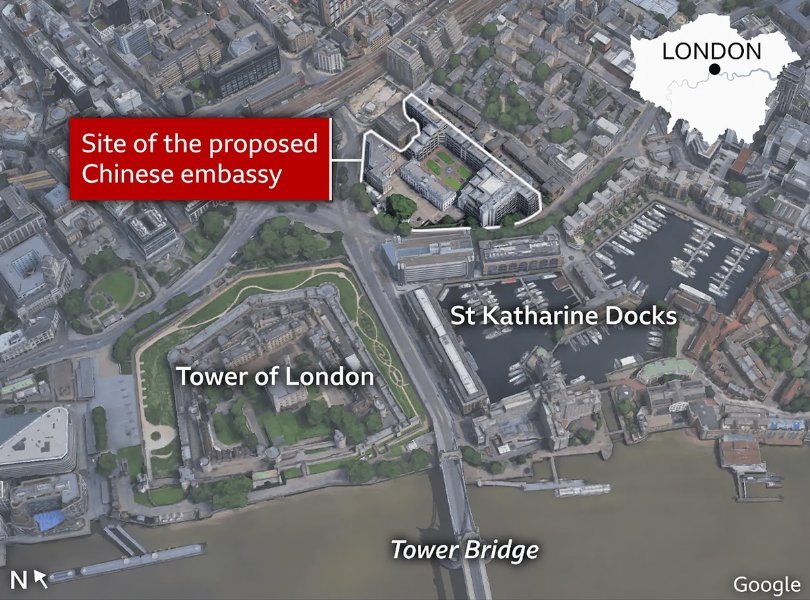
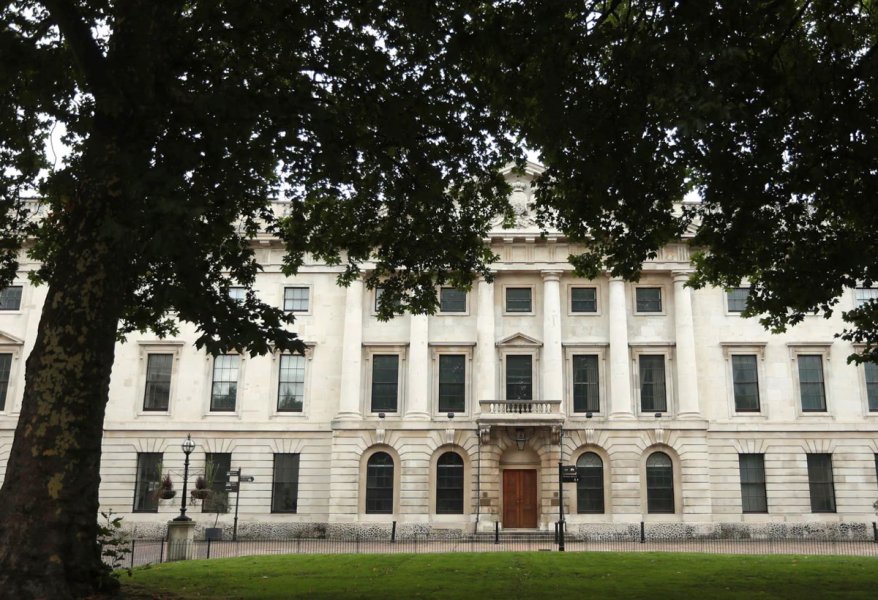
Royal Mint Court. Courtesy of Nigel Bowles/Alamy Despite criticisms about potential spying risks, the UK has approved China's plan for a massive new embassy in central London. Security Minister Dan Jarvis asserted that intelligence agencies played a significant role in the assessment, and he received assurances of effective risk management. The government has repeatedly delayed the approval, attempting to strike a balance between closer ties with Beijing and security concerns. Housing Secretary Steve Reed granted approval, subject to certain conditions. The embassy will be located at the Royal Mint Court, near sensitive fibre optic cables, which raises fears of possible infiltration of the UK’s financial system. However, the housing department stated there’s no evidence to suggest the embassy's presence would disrupt the cables, and no objections were raised by national security bodies. Dan Jarvis highlighted measures to boost cable resilience and cited national security benefits by consolidating China's diplomatic sites into one. Leaders from MI5 and GCHQ acknowledged that they cannot eliminate risks, but they have implemented a "proportionate" security package. Conditions include starting development within three years and establishing a local steering group to handle protests. The project has faced opposition from various parties. Conservatives, including Priti Patel, have criticised Keir Starmer for compromising national security, while Liberal Democrats warned of increased surveillance and threats to data security. Reform UK has labelled the decision a desperate attempt to appease China. Graphic courtesy of BBC Embassies hold diplomatic significance, serving as the primary communication channel between nations. At 20,000 square metres, the new Chinese embassy will be Europe's largest of its kind and a priority for Beijing, having purchased the site for £255 million in 2018. The government intervened in 2022, overturning the initial rejection due to safety concerns. Despite the potential advancement of UK-China diplomatic relations, the UK's own plans for redeveloping its Beijing embassy remain under consideration. Critics advocate for caution due to potential espionage and China's influence on dissidents abroad, despite Labor’s efforts for tighter trade alliances, as demonstrated by senior figures visiting China lately, reported the BBC. Key Takeaways The UK has approved China's embassy plans despite security worries. National security chiefs agree on mitigation steps for potential risks. Critics warn the move might enhance China's surveillance in the UK. Related Story: UK Poised to Green-Light Chinese Embassy Plans Amid Controversy Adapted by ASEAN Now from BBC 2026-01-21
-
The UK government is pondering a bold move to ban social media for under-16s amid mounting concerns over young people's safety online. This deliberation comes as Ofsted is tasked with tightening phone use policies in schools, with an expectation of creating “phone-free” environments. Following appeals from over 60 Labour MPs and voices like Esther Ghey, mother of the slain teenager Brianna Ghey, there's increasing pressure to address this pressing issue. Brianna's mother highlighted the negative impact social media had on her daughter, limiting real-world interactions. A similar ban was enacted in Australia in December 2025, marking a pioneering step that other nations are reportedly considering. The UK consultation will gather opinions from parents, youths, and community groups on whether such a ban would be beneficial. Experts are contemplating methods to enforce stricter age verifications by social media companies, possibly requiring them to curtail features that encourage excessive use. Ofsted is also preparing to provide more rigid guidelines to reduce phone usage in schools. The UK government has scheduled a response to this consultation for the summer. Technology Secretary Liz Kendall clarified that existing Online Safety Act laws were only beginning points, affirming the government’s commitment to preventing harm to children. Meanwhile, conservative leader Kemi Badenoch criticised the government's pace, claiming it's merely replicating her party's previous suggestions. There’s urgency from figures like Liberal Democrat Munira Wilson, who warned against further delays in “protecting our children.”. Educational figures and organisations, such as the National Education Union and the Association of Schools and College Leaders, have welcomed the consultation but stressed the need for prompt, effective action. However, concerns remain about Ofsted being responsible for monitoring school phone policies, with calls for more governmental support instead. While the House of Lords prepares to vote on a potential ban, Professor Amy Orben and Dr Holly Bear caution that evidence of effectiveness remains limited. Suggestions lean toward reducing harmful content exposure and enhancing digital education. Organisations like the NSPCC, Childnet, and the Molly Rose Foundation view the proposed ban as insufficient, suggesting it might shift issues rather than resolve them, according to the BBC. Key Takeaways UK considers under-16 social media ban, inspired by Australia's law. A consultation will gather feedback from the public and organisations. Experts suggest age checks and content regulation instead of a full ban. Adapted by ASEAN Now from BBC 2026-01-21

-
US President Donald Trump has remained tight-lipped regarding how far he will go to acquire Greenland, refusing to comment on whether he would use force to seize the territory. In a brief phone interview with NBC News, when asked about the use of military action, Trump simply replied, “No comment.” This comes amid heightened tensions over his intentions to take control of the semi-autonomous Danish territory. Trump has intensified efforts to acquire Greenland, announcing plans to impose a 10% tariff on Denmark and seven other European nations unless an agreement is reached. The move further strains relationships with European allies. Over the weekend, Trump linked Greenland negotiations to his previous unsuccessful bid for the Nobel Peace Prize in a message to Norwegian Prime Minister Jonas Gahr Støre, implying the lack of recognition justifies his actions. Norway released the text message exchange under public disclosure laws. Trump expressed that, without the Nobel accolade, he no longer had to prioritise peace exclusively. Norway, alongside other European countries, will face the tariffs starting 1st February, according to Trump’s social media post. Norwegian Prime Minister Støre has emphasised Norway's stance, affirming that Greenland remains part of the Kingdom of Denmark. A five-member Norwegian parliamentary committee annually awards the Nobel Peace Prize. In 2025, Venezuelan opposition leader Maria Corina Machado received the prize and later gifted her medal to Trump for his role in toppling Nicolás Maduro. Trump disputed Norway's purported impartiality in the award process, claiming that they control it. Former US Embassy senior diplomat Lewis Lukens critiqued Trump’s focus, noting Norwegian officials have no influence over the Nobel decisions. Trump, however, downplayed the prize's importance, reiterating that his peacemaking efforts accomplished more, reported NBC News. In his dialogue, Trump criticised Europe's reluctance to part ways ways with Greenland, arguing the acquisition was pivotal for US national security against potential threats. Trump has vowed to proceed with tariffs in the absence of a Greenland deal, expressing a resolute commitment: "I will, 100%." AQMAHJiLr_TQy0yXWScCdoTBCOHuxLoicLi6rw7D-vLePCf17GIErtuBlOqC5f7aEVXWupxQOk-6N1JGC-PAKN6IMGi2BovHHIyh_Ltzag.mp4 Key Takeaways: Trump declined to comment on the potential use of force for acquiring Greenland. The US President plans to impose tariffs on European countries to pressure a deal. Norway maintains Greenland’s allegiance to Denmark, countering Trump’s claims. Adapted by ASEAN Now from NBC News 2026-01-21

-
No Health Threat from Solar Storm in Thailand: GISTDA File photo for reference only The Geo-Informatics and Space Technology Development Agency (GISTDA) warns of potential technical disruptions in Thailand due to a Level G4 geomagnetic storm. Despite Thailand's low-latitude position, satellite systems, navigation, and aviation might experience signal inaccuracies. This comes after a solar flare erupted from Active Region 4341 on January 19, releasing radiation and a coronal mass ejection towards Earth.
-
Rama 2 Road Again, Fire at Crane Collapse Site Pictures courtesy of Amarin A fire broke out late on Tuesday morning at the site of a previous crane collapse on Rama 2 Road, sending black smoke billowing over one of Thailand’s busiest arterial routes and alarming motorists and nearby businesses. The blaze occurred at around 11.00am on 20 January 2026 on the outbound side of Rama 2 Road, in front of the Paris Hotel in Samut Sakhon province, prompting an immediate response from fire and rescue teams.
-
Vote-Buying Concerns Ahead of Thailand's February 8 Election Picture courtesy of Bangkok Post Thailand's Election Commission (EC) is intensifying efforts to ensure a fair election on February 8 after a survey indicated that over a quarter of voters might accept cash for their votes. Allegedly, payments range from 3,000 to 7,500 baht per person. EC Secretary-General Sawaeng Boonmee has called for EC officials to actively campaign against vote-buying to maintain the election's integrity and ensure public trust.

-
to continue: Thailand Live Wednesday 21 January 2026https://aseannow.com/topic/1385226-thailand-live-wednesday-21-january-2026/
-
Scottish Man Disappears on Bangkok Holiday and Volunteer Trip Photo via Facebook/ Jordan McLeod A Scottish man, Kenny Robertson, 58, has been declared missing in Thailand after arriving in Bangkok earlier this month. Robertson was scheduled for a holiday and volunteer work at a dog sanctuary. His family last heard from him on January 5, shortly after his arrival, but he has since been out of contact, raising concerns among friends and expat communities.
-
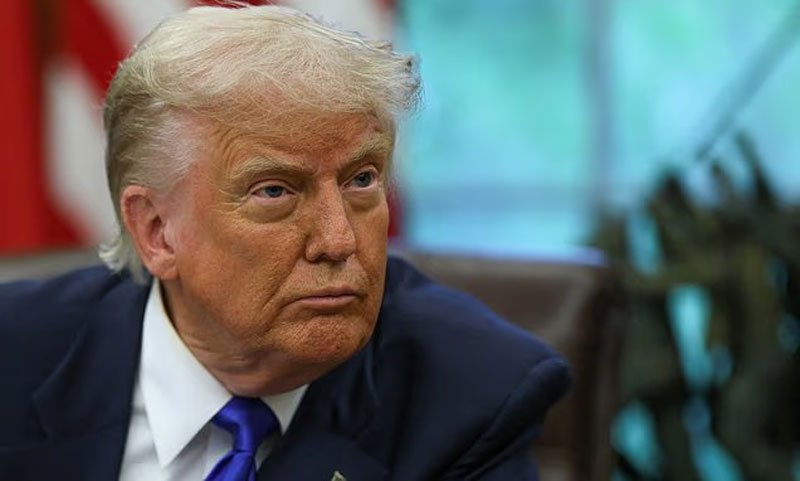
Unexpectedly, US President Donald Trump has attributed his desire to seize Greenland to Britain's decision to cede the Chagos Islands to Mauritius. Trump used his social media platform, Truth Social, to criticise the UK’s action as “an act of total weakness.” This move is part of Trump's increasing rhetoric concerning the acquisition of Greenland, a territory governed by Denmark, a fellow NATO ally. The backdrop to this statement involves Britain's recent plan to return control of Diego Garcia, part of the Chagos Archipelago, to Mauritius. The strategic importance of this archipelago stems from the presence of a significant US military base. Trump expressed his concerns during the World Economic Forum in Davos, suggesting that such a decision shows weakness to global powers like China and Russia. In his series of posts, Trump stated that the UK’s actions were of “GREAT STUPIDITY”, implying that such decisions justify the need for the US to pursue Greenland. His posts stressed that international rivals only respect strength, and he asserted that his leadership has garnered unprecedented respect for the United States. This statement seems to reflect Trump's ongoing interest in expanding US influence through Greenland. Trump’s comments have generated mixed reactions from experts and allies alike. Many are wary of the potential diplomatic ramifications with Denmark, while others view this as another instance of Trump's unconventional diplomatic style. The situation has raised questions about the future of US-Denmark relations and the strategic balance in the Arctic region. Looking forward, the international community will watch closely to see if Trump’s rhetoric translates into actionable policy. The discussions at the World Economic Forum could provide more clarity on this issue. Meanwhile, debates around the significance and consequences of the UK’s actions regarding the Chagos Islands continue to unfold, reported Tha guardian. Key Takeaways: US president Donald Trump cited the UK’s actions in the Chagos Islands as grounds for acquiring Greenland. Trump's comments have sparked concerns about potential diplomatic strains with Denmark. The situation is evolving, with further developments expected from the World Economic Forum discussions. Adapted by ASEAN Now from The Guardian 2026-01-20
-
Donations Top 1m Baht for Teen Living Alone to Stay in School Picture courtesy of Thairath A heartfelt plea on social media has seen donations flood in, exceeding 1 million baht, for a high school student living alone in a rented room. The student, working to support his education, quickly became the focus of a remarkable response from the public. Volunteers have announced the closure of donations, detailing the careful management of these funds.


-
Picture courtesy of Thairath A heartfelt plea on social media has seen donations flood in, exceeding 1 million baht, for a high school student living alone in a rented room. The student, working to support his education, quickly became the focus of a remarkable response from the public. Volunteers have announced the closure of donations, detailing the careful management of these funds. The story gained traction on 19 January 2026, after a Facebook user named "Mes Chaochai Noi," a volunteer for a foundation, shared the challenges faced by the Grade 11 student. Living with basic amenities such as a small mattress and working part-time for 6,000 baht a month, the student was in a precarious situation. After rent, he struggled to save enough for daily necessities and feared he couldn’t continue his education due to financial constraints. The student's hardship began when his parents separated during his first year of high school. After a serious disagreement, his mother arranged for him to live alone in a rented room, but her visits and financial support dwindled. Known for his diligence and excellent manners, the student persevered despite the challenges. The organiser ended the campaign after surpassing the fundraising target within a day of posting it. Overwhelmed by the support, individuals also reached out with offers of further assistance. The oversight of the donated funds was assured by Mr. Mes, who confirmed that the Children and Family Shelter in Nonthaburi Province would handle the student's educational finances. The substantial donation will be split wisely. A portion will be deposited into a new bank account under the student's name, with controlled withdrawals specifically for future undergraduate studies. Only the student will have access to these funds. The foundation ensures no other parties, including family, can claim the money. The remaining funds have been entrusted to the student for personal expenses, deemed sufficient for his needs without making future claims for more. Mr. Mes expressed his satisfaction with this prudent approach for securing the student’s safety and educational prospects. The influx of donations and the transparency in managing the funds reflect widespread community compassion and the structured effort to secure the student’s future. The initiative serves as a shining example for those facing similar struggles, reported Thai Rath. Key Takeaways A Facebook post led to donations surpassing 1 million baht for a Thai student. A government agency will securely manage the funds for the student's education. The student's situation highlights the power of community support and generosity. Adapted by ASEAN Now from Thai Rath 2026-01-20
-
Vote-Buying Concerns Ahead of Thailand's February 8 Election Picture courtesy of Bangkok Post Thailand's Election Commission (EC) is intensifying efforts to ensure a fair election on February 8 after a survey indicated that over a quarter of voters might accept cash for their votes. Allegedly, payments range from 3,000 to 7,500 baht per person. EC Secretary-General Sawaeng Boonmee has called for EC officials to actively campaign against vote-buying to maintain the election's integrity and ensure public trust.
-
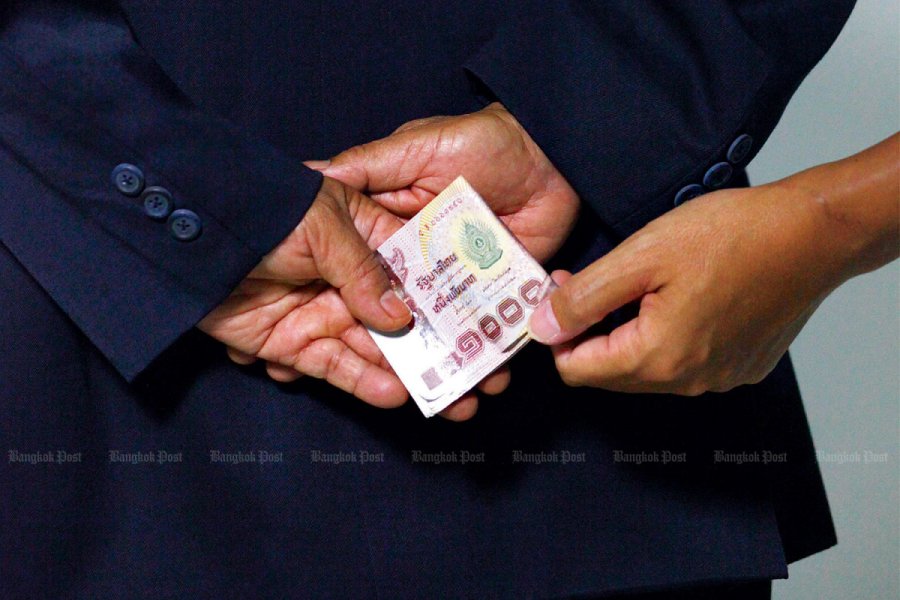
Picture courtesy of Bangkok Post Thailand's Election Commission (EC) is intensifying efforts to ensure a fair election on February 8 after a survey indicated that over a quarter of voters might accept cash for their votes. Allegedly, payments range from 3,000 to 7,500 baht per person. EC Secretary-General Sawaeng Boonmee has called for EC officials to actively campaign against vote-buying to maintain the election's integrity and ensure public trust. Sawaeng stressed that the EC aims for a high voter turnout, hoping to surpass the previous election's 75%. Votes should reflect candidates' policies and qualifications, free from unlawful influences. The Joint Standing Committee on Commerce, Industry and Banking (JSCCIB) highlighted increasing concerns about vote-buying, with some incidents allegedly reaching 7,500 baht per voter. Sawaeng acknowledged the existence of vote-buying but stressed that it should not determine election outcomes. He mentioned that the EC, aware of these practices, is not seeking additional information from the JSCCIB survey, as it possesses sufficient intelligence to act. The EC relies on intelligence and field monitoring to combat these activities. Provinces are marked as red, yellow, or white zones, with red indicating fierce political rivalry. The JSCCIB's survey involved 4,814 respondents, comprising citizens and business community representatives. Findings revealed that 42% anticipate widespread vote-buying, although 69% would reject cash offers. Bangkok and nearby provinces reported the highest rates of vote-buying at 7,500 baht per person, while other regions reported figures between 3,000 and 5,000 baht. Among respondents, 71.9% insisted they wouldn't support candidates offering bribes, citing corruption and illegality. Meanwhile, 28.1% would vote based on personal connections, candidates' past results, influence, or financial needs. The survey showed public desire for political parties to implement anti-corruption measures, such as transparent asset disclosures and cutting ties with unethical practices. However, many respondents doubted parties' commitment to making tangible changes, reported the Bangkok Post. Key Takeaways Over 25% of surveyed voters may accept vote-buying offers, according to a report. The EC is actively working to mitigate these concerns before the election. Many voters stress the need for honest voting, rejecting corrupt practices. Adapted by ASEAN Now from Bangkok Post 2026-01-20
-
Rice Stockpile Showdown: Stability vs Survival for Exporters File photo for reference only Thai rice stockpiling regulations, considered a safeguard against price volatility, are under heavy scrutiny as experts weigh in on their effects on exports and food security.


-
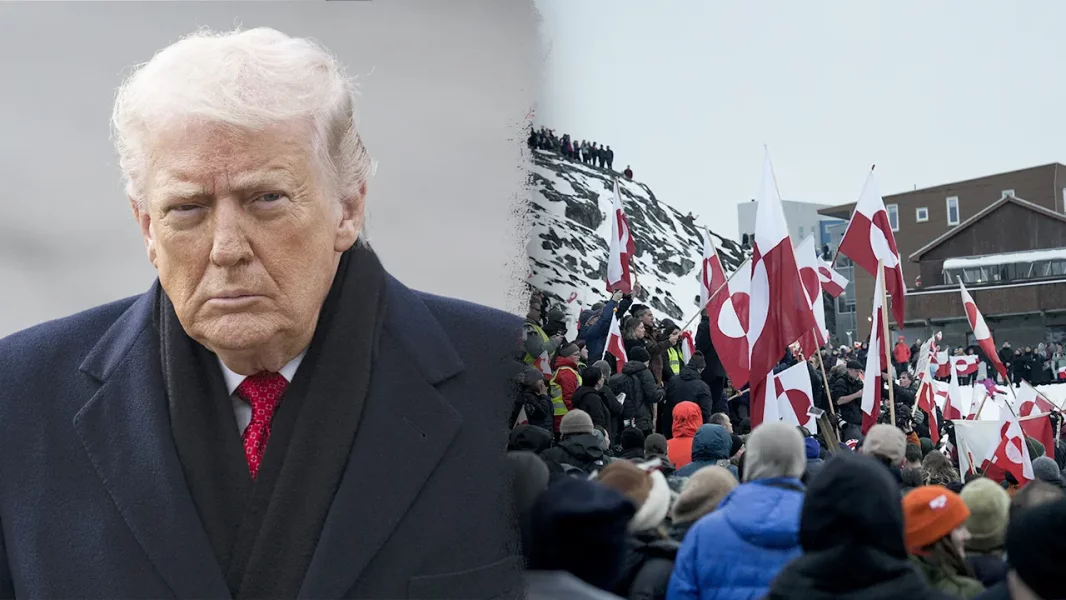
Picture courtesy of Fox News US President Donald Trump has confirmed he will "100%" pursue tariffs against European nations opposing his Greenland plans. European allies, such as Denmark, have steadfastly affirmed Greenland's sovereignty, with Denmark's foreign minister asserting that threats cannot dictate the territory's future. The UK also reaffirmed that only Greenland and Denmark can make such decisions. Tensions rose further on Monday as Trump avoided commenting on the use of force but reiterated plans to impose tariffs on UK and seven other NATO countries. Specifically, Trump announced a 10% tariff on British goods from 1 February, escalating to 25% by 1 June unless a Greenland purchase deal is reached. These impending tariffs also target Denmark and other NATO members. Danish Foreign Minister Lars Løkke Rasmussen stated Europe's need to resist Trump's tactics, declaring red lines that cannot be crossed. In response, the EU will host an emergency summit in Brussels to devise a strategy against the US threat. EU foreign policy chief Kaja Kallas affirmed that sovereignty cannot be part of trade negotiations. Trump's remark that Europe should focus on the Russia-Ukraine conflict rather than Greenland has only added to the tension. NATO Secretary General Mark Rutte stressed continued collaboration with Denmark and Greenland for Arctic security. Meanwhile, Norway reaffirmed its support for Denmark regarding Greenland’s sovereignty amid released texts showing Trump’s dissatisfaction with the Nobel Peace Prize. Adding complexity, North American Aerospace Defense Command (Norad) announced the arrival of aircraft at Greenland's Pituffik Space Base. This was described as part of routine operations, coordinated with Denmark, reflecting ongoing military partnerships, reported the BBC. Key Takeaways: Trump is firm on imposing tariffs against nations opposing his Greenland ambitions. The EU is planning an emergency meeting to tackle Trump's trade threats. Tensions include military movements and diplomatic exchanges with Norway. Adapted by ASEAN Now from BBC 2026-01-20
-
File photo for reference only Thai rice stockpiling regulations, considered a safeguard against price volatility, are under heavy scrutiny as experts weigh in on their effects on exports and food security. Rice experts argue that maintaining a stockpile is reasonable for export quality and food security. Somporn Isvilanonda, a seasoned rice expert, supports the rule requiring exporters to hold at least 100 tonnes in stock to prevent order cancellations in volatile price cycles. He notes that historically, the government mandated even higher stock thresholds to ensure stability and quality supervision of rice exports. Somporn emphasises the importance of maintaining stocks to absorb surplus rice, prevent rapid price drops, and minimise rejected shipments due to quality issues. Medium-sized rice mills typically keep stock as part of their trade operations, mitigating holding costs. Experts suggest the government might consider new channels for SME support, pointing out successful organic rice exports to Switzerland as a model. Honorary president of the Thai Rice Exporters Association, Chookiat Ophaswongse, stresses the importance of adequate reserves for export and domestic market stability. Recent government measures reduced mandatory stock levels from 500 to 100 tonnes to assist smaller exporters, with stock requirements varying based on company capital. This step aims to keep costs manageable for smaller firms. The debate over stockpiling's necessity intensified between Commerce Minister Suphajee Suthumpun and Sirikanya Tansakun, a deputy leader of the People's Party. Arguments revolve around whether the stock requirement burdens small businesses lacking storage facilities and capital. Sirikanya suggests it hinders smaller players from entering global markets, while Suphajee defends the reduced requirement as a balance facilitating trade. Past years saw a decline in rice exports, with the Department of Foreign Trade projecting further drops in 2026. Exporters face challenges from higher costs and currency fluctuations affecting competitiveness. Despite these concerns, the ability of different-sized exporters to maintain varying stock levels remains a pivotal issue as the industry navigates future trade conditions, reported the Bangkok Post. Key Takeaways Rice stockpiling regulations are essential for export quality and market stability. Revised rules aim to support small exporters while maintaining essential safeguards. The debate continues to balance export abilities with industry competitiveness. Adapted by ASEAN Now from Bangkok Post 2026-01-20