
webfact
Admin
-
Joined
-
Last visited
Everything posted by webfact
-
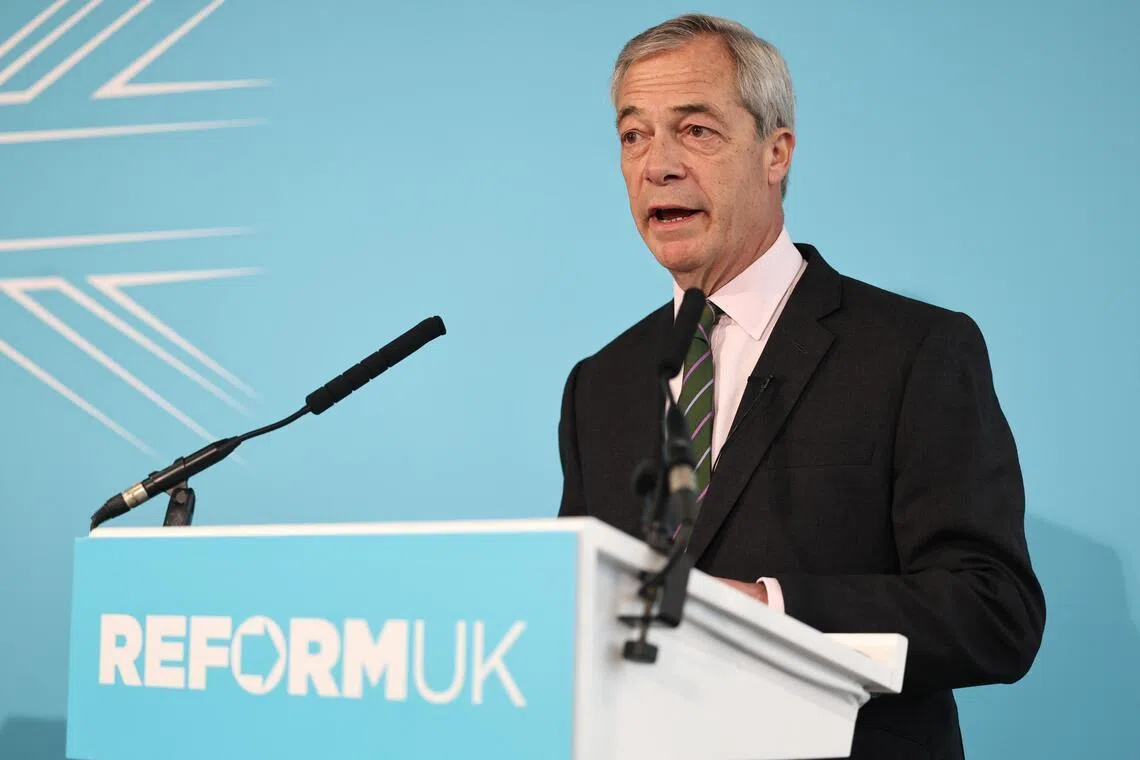
Nigel Farage has set out an ambitious and controversial vision for Britain, positioning his Reform UK party as a challenger to the country’s political establishment ahead of the next general election. Speaking as the party begins to develop a fuller policy platform, Farage said shifting global dynamics had created an opportunity for what he described as a break from the existing political order. Get today's headlines by email “The world is changing,” he said, arguing that traditional approaches to governance were no longer fit for purpose. Reform UK’s policy directionReform UK has outlined a wide-ranging agenda that includes stricter immigration controls, potential withdrawal from international human rights agreements, and significant reductions in overseas aid. Other proposals under discussion include scaling back diversity initiatives, abandoning net-zero climate targets, boosting domestic oil and gas production, and reducing the size of the civil service. The party has also expressed interest in positioning the UK as a centre for cryptocurrency activity. Farage framed these policies as rooted in what he called “simple values” centred on family, community and national identity. Rising support and political challengesRecent opinion polls have shown Reform gaining ground, strengthening Farage’s claim that the party could compete for power at the next election, due by 2029. However, Reform currently holds only a small number of seats in the UK parliament, raising questions about its readiness to govern. Farage has also drawn comparisons between his political approach and that of figures such as Donald Trump, Viktor Orban and Javier Milei, whom he credits with driving major political change globally. Despite this, critics argue that Reform’s proposals lack detail and coherence. The governing Labour Party has dismissed the platform as unclear, while the opposition Conservatives have questioned whether the party has a credible long-term vision. Divisions and criticismFarage remains a polarising figure in British politics. Supporters view him as a skilled campaigner capable of connecting with voters, while opponents accuse him of using divisive rhetoric, particularly on immigration. Concerns have also been raised over controversies within the party, including allegations of racism involving some members and a case in which a former regional leader was jailed for accepting bribes linked to pro-Russian statements. Political analysts suggest Farage’s strong personal appeal is both an asset and a liability, attracting committed supporters while alienating others. International ties and outlookReform figures have highlighted their connections with political figures in Washington, arguing these relationships could benefit Britain’s global standing. Farage said he shared positions with Trump on issues such as border control, energy policy and international security. At the same time, he rejected suggestions that Reform was simply replicating the US “Make America Great Again” movement, instead portraying his approach as part of a broader shift that predates it. As Reform continues to develop its policy platform, party officials say they aim to present a more detailed programme by the end of the year, seeking to convince voters they are prepared to move from protest movement to governing force. Join the discussion? Already a member? Adapted by ASEAN Now. Source 17 March 2026 View full article
-
 Nigel Farage has set out an ambitious and controversial vision for Britain, positioning his Reform UK party as a challenger to the country’s political establishment ahead of the next general election. Speaking as the party begins to develop a fuller policy platform, Farage said shifting global dynamics had created an opportunity for what he described as a break from the existing political order. Get today's headlines by email “The world is changing,” he said, arguing that traditional approaches to governance were no longer fit for purpose. Reform UK’s policy directionReform UK has outlined a wide-ranging agenda that includes stricter immigration controls, potential withdrawal from international human rights agreements, and significant reductions in overseas aid. Other proposals under discussion include scaling back diversity initiatives, abandoning net-zero climate targets, boosting domestic oil and gas production, and reducing the size of the civil service. The party has also expressed interest in positioning the UK as a centre for cryptocurrency activity. Farage framed these policies as rooted in what he called “simple values” centred on family, community and national identity. Rising support and political challengesRecent opinion polls have shown Reform gaining ground, strengthening Farage’s claim that the party could compete for power at the next election, due by 2029. However, Reform currently holds only a small number of seats in the UK parliament, raising questions about its readiness to govern. Farage has also drawn comparisons between his political approach and that of figures such as Donald Trump, Viktor Orban and Javier Milei, whom he credits with driving major political change globally. Despite this, critics argue that Reform’s proposals lack detail and coherence. The governing Labour Party has dismissed the platform as unclear, while the opposition Conservatives have questioned whether the party has a credible long-term vision. Divisions and criticismFarage remains a polarising figure in British politics. Supporters view him as a skilled campaigner capable of connecting with voters, while opponents accuse him of using divisive rhetoric, particularly on immigration. Concerns have also been raised over controversies within the party, including allegations of racism involving some members and a case in which a former regional leader was jailed for accepting bribes linked to pro-Russian statements. Political analysts suggest Farage’s strong personal appeal is both an asset and a liability, attracting committed supporters while alienating others. International ties and outlookReform figures have highlighted their connections with political figures in Washington, arguing these relationships could benefit Britain’s global standing. Farage said he shared positions with Trump on issues such as border control, energy policy and international security. At the same time, he rejected suggestions that Reform was simply replicating the US “Make America Great Again” movement, instead portraying his approach as part of a broader shift that predates it. As Reform continues to develop its policy platform, party officials say they aim to present a more detailed programme by the end of the year, seeking to convince voters they are prepared to move from protest movement to governing force. Join the discussion? Already a member? Adapted by ASEAN Now. Source 17 March 2026
 -
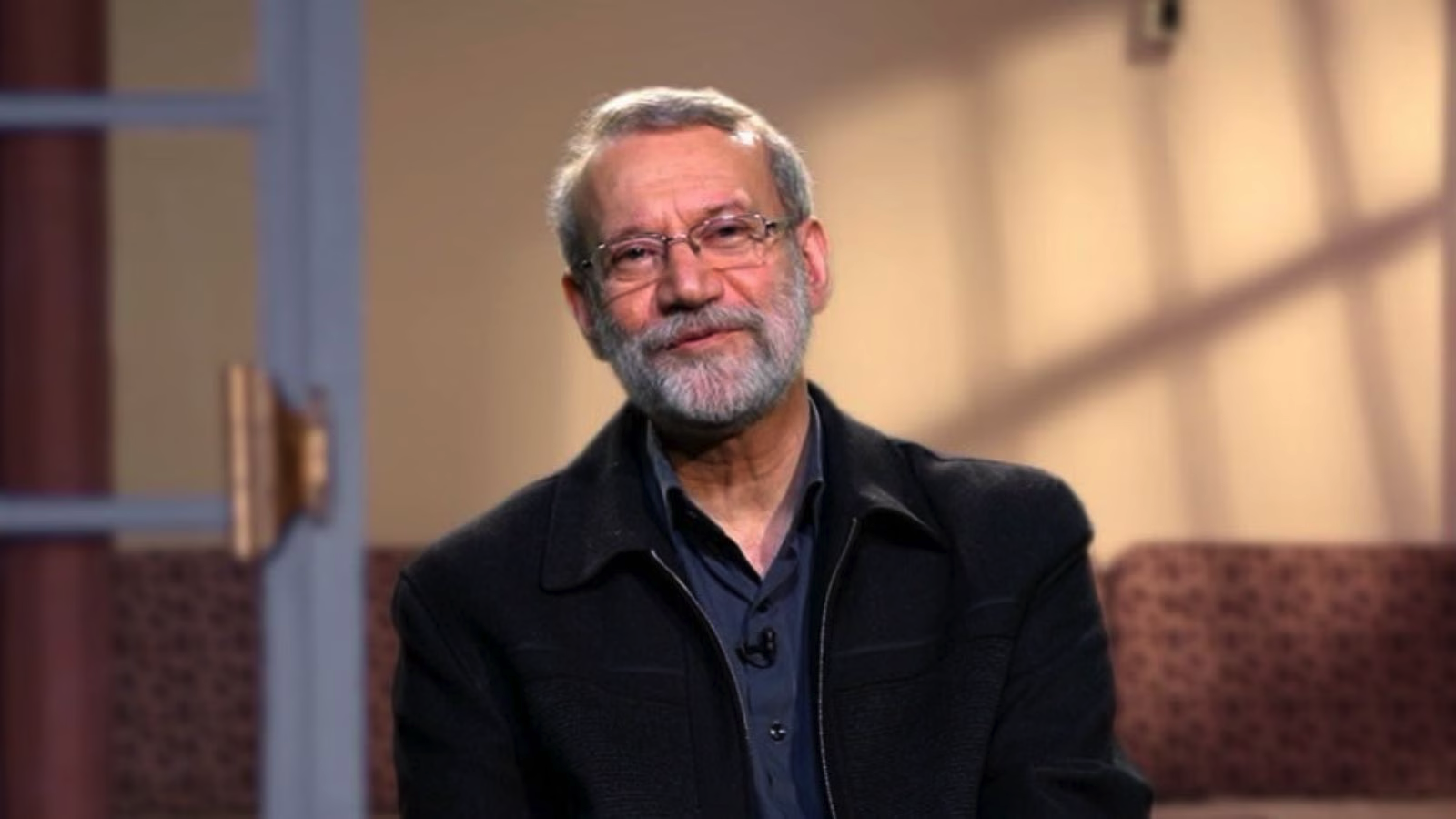
Israel has said it killed a senior Iranian security figure, Ali Larijani, during overnight strikes, though Tehran has not confirmed his death. Get today's headlines by email In a statement issued on Tuesday, the Israeli military said Larijani was among those targeted. It also reported the killing of Gholam Reza Soleimani, described as the head of Iran’s Basij volunteer force, which operates under the Islamic Revolutionary Guard Corps. Iranian authorities have not publicly verified the claims, leaving uncertainty over the fate of Larijani. Unconfirmed reports amid ongoing conflictThe reported strike comes amid escalating tensions between Israel, the United States and Iran. If confirmed, Larijani’s death would mark another significant loss for Iran’s leadership following a series of high-profile attacks. Late last month, coordinated US and Israeli strikes reportedly killed Iran’s Supreme Leader, Ali Khamenei, a development that significantly altered the country’s political landscape. Despite the claims, Iranian officials have yet to respond directly to Israel’s latest announcement regarding Larijani. Role within Iran’s leadershipLarijani was a prominent figure within Iran’s political and security establishment. He served as secretary of the Supreme National Security Council and was regarded as a close ally of Khamenei. He had also previously held the position of speaker of Iran’s parliament, placing him among the country’s most influential political figures. Following Khamenei’s reported death, Larijani had sought to reassure the public, stating that Iran’s system of governance would continue without disruption. Recent public appearanceLarijani was last seen in public just days before the reported strike, attending a Quds Day rally on 14 March. The annual event is marked by demonstrations in support of Palestinians and is widely observed in Iran. The Israeli military’s statement did not provide further details about the location or circumstances of the operation. With no confirmation from Tehran, questions remain over the accuracy of Israel’s claims and the potential implications for the region. Join the discussion? Already a member? Adapted by ASEAN Now. Source 17 March 2026 View full article
-
 Israel has said it killed a senior Iranian security figure, Ali Larijani, during overnight strikes, though Tehran has not confirmed his death. Get today's headlines by email In a statement issued on Tuesday, the Israeli military said Larijani was among those targeted. It also reported the killing of Gholam Reza Soleimani, described as the head of Iran’s Basij volunteer force, which operates under the Islamic Revolutionary Guard Corps. Iranian authorities have not publicly verified the claims, leaving uncertainty over the fate of Larijani. Unconfirmed reports amid ongoing conflictThe reported strike comes amid escalating tensions between Israel, the United States and Iran. If confirmed, Larijani’s death would mark another significant loss for Iran’s leadership following a series of high-profile attacks. Late last month, coordinated US and Israeli strikes reportedly killed Iran’s Supreme Leader, Ali Khamenei, a development that significantly altered the country’s political landscape. Despite the claims, Iranian officials have yet to respond directly to Israel’s latest announcement regarding Larijani. Role within Iran’s leadershipLarijani was a prominent figure within Iran’s political and security establishment. He served as secretary of the Supreme National Security Council and was regarded as a close ally of Khamenei. He had also previously held the position of speaker of Iran’s parliament, placing him among the country’s most influential political figures. Following Khamenei’s reported death, Larijani had sought to reassure the public, stating that Iran’s system of governance would continue without disruption. Recent public appearanceLarijani was last seen in public just days before the reported strike, attending a Quds Day rally on 14 March. The annual event is marked by demonstrations in support of Palestinians and is widely observed in Iran. The Israeli military’s statement did not provide further details about the location or circumstances of the operation. With no confirmation from Tehran, questions remain over the accuracy of Israel’s claims and the potential implications for the region. Join the discussion? Already a member? Adapted by ASEAN Now. Source 17 March 2026
 -
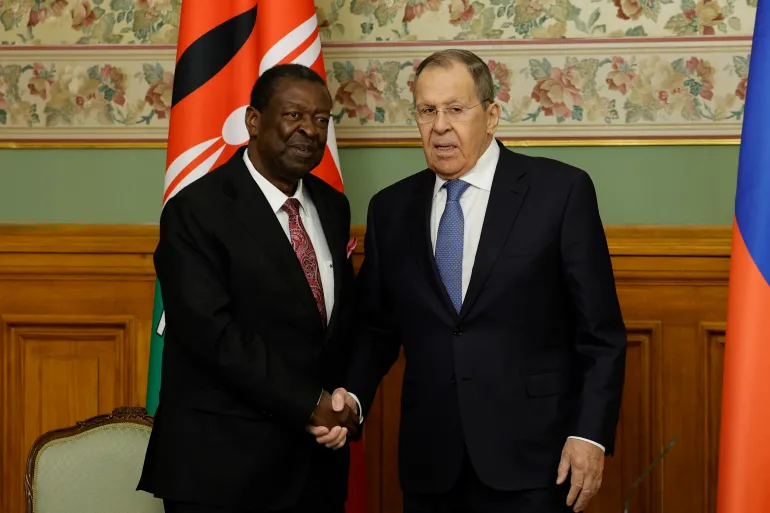
Musalia Mudavadi has said Russia has agreed to stop recruiting Kenyan nationals to fight in the war in Ukraine, following talks held in Moscow with his Russian counterpart Sergei Lavrov. Get today's headlines by email Speaking alongside Lavrov, Kenya’s foreign minister stated that both sides had reached an understanding that Kenyan citizens would no longer be enlisted through Russia’s defence ministry. “They will no longer be eligible to be enlisted,” Mudavadi said. Lavrov did not directly confirm the agreement but maintained that all foreign fighters serving with Russian forces had joined voluntarily and in accordance with Russian law. Concerns over recruitment practicesThe announcement follows mounting concern in Kenya over reports that large numbers of its citizens had been recruited to fight in the conflict. A Kenyan intelligence assessment in February suggested that more than 1,000 nationals had been enlisted. Some individuals have claimed they were misled, having travelled to Russia for what they believed were civilian job opportunities, only to be drawn into military service in Ukraine. Kenyan authorities have responded by targeting suspected recruitment networks. Mudavadi previously said that more than 600 agencies had been shut down after being accused of deceiving job seekers with false promises of employment abroad. Lawmakers in Nairobi have also raised concerns about possible links between recruitment efforts and human trafficking networks, with allegations that rogue officials may have facilitated the process. Efforts to bring citizens homeThe Kenyan government is now seeking the return of nationals currently involved in the conflict. Mudavadi said 27 Kenyans had already been repatriated, with support provided to help them recover from trauma and undergo rehabilitation. However, the total number of Kenyans still in Russia or Ukraine remains unclear, and there is limited information on casualties. Families searching for missing relatives have reported difficulties obtaining answers from Russian authorities. Public concern has intensified in recent months. In February, relatives of those believed to be fighting in Ukraine staged a protest outside parliament in Nairobi, calling for government intervention and the safe return of their loved ones. Broader diplomatic tiesDuring his visit to Moscow, Mudavadi is also expected to pursue discussions on expanding employment opportunities for Kenyans in Russia, separate from military involvement. He emphasised that relations between Kenya and Russia should not be defined solely by the conflict in Ukraine, describing the partnership as broader in scope. According to Ukrainian intelligence estimates, more than 1,700 individuals from 36 African countries have been recruited to fight for Russia. Other nations have also taken action: South Africa recently repatriated 17 citizens who said they had been misled into joining the conflict. Ukraine has faced criticism as well over efforts to recruit foreign fighters, including from African countries, to support its own war effort. Join the discussion? Already a member? Adapted by ASEAN Now. Source 17 March 2026 View full article
-
 Musalia Mudavadi has said Russia has agreed to stop recruiting Kenyan nationals to fight in the war in Ukraine, following talks held in Moscow with his Russian counterpart Sergei Lavrov. Get today's headlines by email Speaking alongside Lavrov, Kenya’s foreign minister stated that both sides had reached an understanding that Kenyan citizens would no longer be enlisted through Russia’s defence ministry. “They will no longer be eligible to be enlisted,” Mudavadi said. Lavrov did not directly confirm the agreement but maintained that all foreign fighters serving with Russian forces had joined voluntarily and in accordance with Russian law. Concerns over recruitment practicesThe announcement follows mounting concern in Kenya over reports that large numbers of its citizens had been recruited to fight in the conflict. A Kenyan intelligence assessment in February suggested that more than 1,000 nationals had been enlisted. Some individuals have claimed they were misled, having travelled to Russia for what they believed were civilian job opportunities, only to be drawn into military service in Ukraine. Kenyan authorities have responded by targeting suspected recruitment networks. Mudavadi previously said that more than 600 agencies had been shut down after being accused of deceiving job seekers with false promises of employment abroad. Lawmakers in Nairobi have also raised concerns about possible links between recruitment efforts and human trafficking networks, with allegations that rogue officials may have facilitated the process. Efforts to bring citizens homeThe Kenyan government is now seeking the return of nationals currently involved in the conflict. Mudavadi said 27 Kenyans had already been repatriated, with support provided to help them recover from trauma and undergo rehabilitation. However, the total number of Kenyans still in Russia or Ukraine remains unclear, and there is limited information on casualties. Families searching for missing relatives have reported difficulties obtaining answers from Russian authorities. Public concern has intensified in recent months. In February, relatives of those believed to be fighting in Ukraine staged a protest outside parliament in Nairobi, calling for government intervention and the safe return of their loved ones. Broader diplomatic tiesDuring his visit to Moscow, Mudavadi is also expected to pursue discussions on expanding employment opportunities for Kenyans in Russia, separate from military involvement. He emphasised that relations between Kenya and Russia should not be defined solely by the conflict in Ukraine, describing the partnership as broader in scope. According to Ukrainian intelligence estimates, more than 1,700 individuals from 36 African countries have been recruited to fight for Russia. Other nations have also taken action: South Africa recently repatriated 17 citizens who said they had been misled into joining the conflict. Ukraine has faced criticism as well over efforts to recruit foreign fighters, including from African countries, to support its own war effort. Join the discussion? Already a member? Adapted by ASEAN Now. Source 17 March 2026
 -
Rail passengers in the UK could soon find it easier to claim compensation for delays, while new measures are introduced to reduce ticket fraud linked to discounted fares. Get today's headlines by email Under proposals outlined by the Department for Transport, travellers using railcards will face additional verification checks as part of a trial set to begin in April. Officials say the move is designed to prevent misuse of discounted tickets while also reducing the risk of passengers being wrongly penalised. New checks for discounted ticketsThe trial will require railcard users to complete a simple verification step when purchasing tickets, whether online, via machines or at ticket offices. Once verified, customers will automatically receive the correct discount. The government says the system could save up to £20 million annually by limiting fraudulent use of railcards. It also aims to protect passengers who may unintentionally select the wrong ticket, an issue that has previously led to enforcement action. The initiative follows a review by the Office of Rail and Road, which found that while operators had strengthened efforts to combat fare evasion, safeguards for passengers had not kept pace. The regulator highlighted that complex ticketing rules often left travellers confused, sometimes resulting in penalties for honest mistakes. Trials of the new verification process are expected to take place on selected networks, including services run by Greater Anglia and c2c Rail. Easier compensation claimsSeparately, the government is planning reforms to the Delay Repay system, which compensates passengers for late or cancelled trains. Currently, travellers must submit claims directly to the train operator responsible for their journey. Under the proposed changes, passengers will instead be able to claim compensation from the retailer that sold them the ticket. This would include third-party platforms such as Trainline. Officials say the existing system can be confusing, particularly when journeys involve multiple operators. Allowing claims through the original ticket seller is intended to simplify the process and improve access to compensation. The changes are expected to be implemented once the new state-backed body, Great British Railways, becomes operational. Balancing enforcement and passenger protectionThe reforms come amid broader concerns about fare evasion and how it is handled. The ORR review noted that stricter enforcement had not always been matched by clear communication, leaving some passengers unaware of ticket conditions. Transport Secretary Heidi Alexander said the measures would both streamline compensation claims and ensure public funds are better protected. She added that reducing fraud would allow more investment in keeping fares stable and improving rail infrastructure, rather than losing revenue through misuse of the system. Join the discussion? Already a member? Adapted by ASEAN Now. Source 17 March 2026 View full article
-
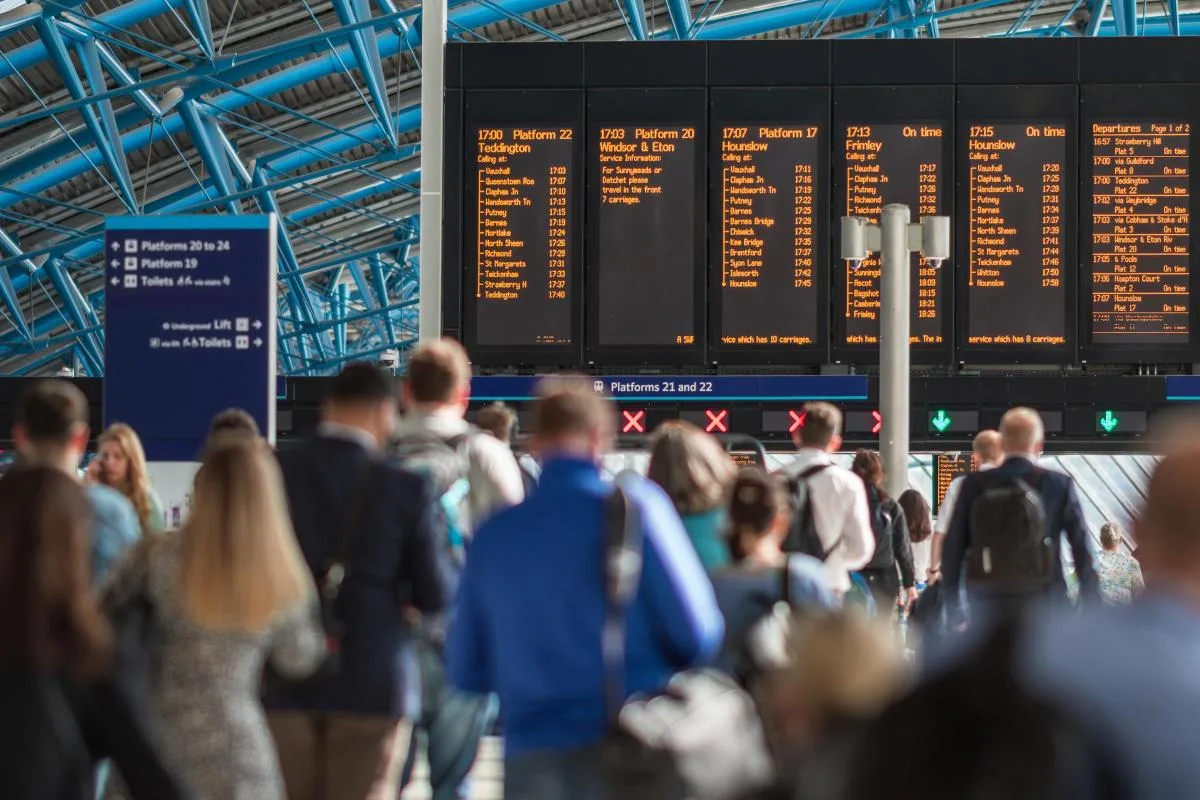 Rail passengers in the UK could soon find it easier to claim compensation for delays, while new measures are introduced to reduce ticket fraud linked to discounted fares. Get today's headlines by email Under proposals outlined by the Department for Transport, travellers using railcards will face additional verification checks as part of a trial set to begin in April. Officials say the move is designed to prevent misuse of discounted tickets while also reducing the risk of passengers being wrongly penalised. New checks for discounted ticketsThe trial will require railcard users to complete a simple verification step when purchasing tickets, whether online, via machines or at ticket offices. Once verified, customers will automatically receive the correct discount. The government says the system could save up to £20 million annually by limiting fraudulent use of railcards. It also aims to protect passengers who may unintentionally select the wrong ticket, an issue that has previously led to enforcement action. The initiative follows a review by the Office of Rail and Road, which found that while operators had strengthened efforts to combat fare evasion, safeguards for passengers had not kept pace. The regulator highlighted that complex ticketing rules often left travellers confused, sometimes resulting in penalties for honest mistakes. Trials of the new verification process are expected to take place on selected networks, including services run by Greater Anglia and c2c Rail. Easier compensation claimsSeparately, the government is planning reforms to the Delay Repay system, which compensates passengers for late or cancelled trains. Currently, travellers must submit claims directly to the train operator responsible for their journey. Under the proposed changes, passengers will instead be able to claim compensation from the retailer that sold them the ticket. This would include third-party platforms such as Trainline. Officials say the existing system can be confusing, particularly when journeys involve multiple operators. Allowing claims through the original ticket seller is intended to simplify the process and improve access to compensation. The changes are expected to be implemented once the new state-backed body, Great British Railways, becomes operational. Balancing enforcement and passenger protectionThe reforms come amid broader concerns about fare evasion and how it is handled. The ORR review noted that stricter enforcement had not always been matched by clear communication, leaving some passengers unaware of ticket conditions. Transport Secretary Heidi Alexander said the measures would both streamline compensation claims and ensure public funds are better protected. She added that reducing fraud would allow more investment in keeping fares stable and improving rail infrastructure, rather than losing revenue through misuse of the system. Join the discussion? Already a member? Adapted by ASEAN Now. Source 17 March 2026
 -
Former Sinn Féin leader Gerry Adams is set to testify in a London court as a civil case alleging his involvement in Irish Republican Army (IRA) bombing decisions approaches its conclusion. Get today's headlines by email The case, being heard at the High Court, has been brought by three men seeking a ruling that Adams bears personal responsibility for injuries they sustained in attacks in the 1970s and 1990s. Allegations over IRA leadership roleThe claimants argue that Adams was a long-standing member of the IRA’s ruling army council and effectively its leader for decades. They allege he played a role in authorising major bombings, including the 1973 Old Bailey attack and explosions in London Docklands and Manchester in 1996. Adams, 77, has firmly denied the allegations, insisting he was never a member of the IRA and had no involvement in the attacks. He is the sole witness for his defence and is expected to face questioning from Sir Max Hill KC, a lawyer representing the claimants. Civil case brought decades laterThe legal action has been filed by individuals injured in the bombings: John Clark, who was hurt in the Old Bailey attack, and Jonathan Ganesh and Barry Laycock, who were injured in the 1996 incidents. They are seeking symbolic damages of £1 each, described as “vindicatory”, aimed at establishing legal responsibility rather than financial compensation. Adams’ legal team has challenged the case, arguing it relies heavily on hearsay evidence and has been brought too long after the events in question. They contend the claims fall outside the legal time limits set by legislation, which could result in the case being dismissed without a ruling on liability. Testimony from former officialsDuring the trial, several former police officers and military personnel have testified for the claimants, stating that intelligence material linked Adams to the IRA’s leadership over a prolonged period. One witness, retired colonel Richard Kemp, told the court it would have been “inconceivable” for Adams not to have been involved in authorising the 1996 bombings, which ended a ceasefire at the time. The claimants argue that Adams should be held as accountable as those who physically carried out the attacks. Broader context and previous casesAdams has previously faced allegations regarding IRA membership but has consistently denied them. A charge brought against him in 1978 was dropped due to insufficient evidence. More recently, convictions related to attempted prison escapes during the 1970s were overturned in 2020. He has also been questioned about his alleged role in the IRA in other legal proceedings, including a 2019 inquest in Belfast and a libel case in Dublin in 2025. The outcome of the current case will depend in part on whether the court accepts the claims as being within the legal time limits, as well as the weight of the evidence presented. Join the discussion? Already a member? Adapted by ASEAN Now. Source 17 March 2026 View full article
-
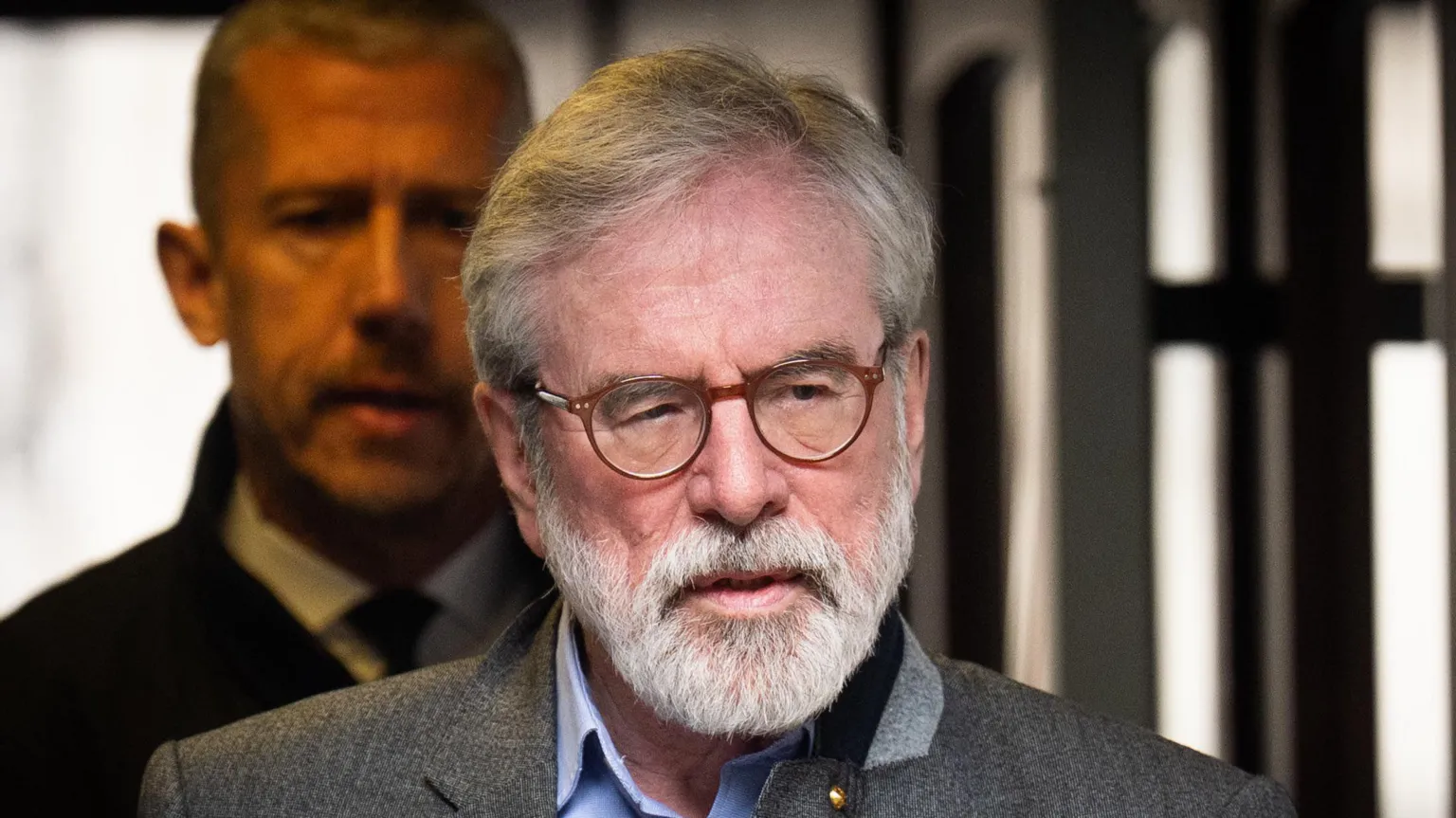 Former Sinn Féin leader Gerry Adams is set to testify in a London court as a civil case alleging his involvement in Irish Republican Army (IRA) bombing decisions approaches its conclusion. Get today's headlines by email The case, being heard at the High Court, has been brought by three men seeking a ruling that Adams bears personal responsibility for injuries they sustained in attacks in the 1970s and 1990s. Allegations over IRA leadership roleThe claimants argue that Adams was a long-standing member of the IRA’s ruling army council and effectively its leader for decades. They allege he played a role in authorising major bombings, including the 1973 Old Bailey attack and explosions in London Docklands and Manchester in 1996. Adams, 77, has firmly denied the allegations, insisting he was never a member of the IRA and had no involvement in the attacks. He is the sole witness for his defence and is expected to face questioning from Sir Max Hill KC, a lawyer representing the claimants. Civil case brought decades laterThe legal action has been filed by individuals injured in the bombings: John Clark, who was hurt in the Old Bailey attack, and Jonathan Ganesh and Barry Laycock, who were injured in the 1996 incidents. They are seeking symbolic damages of £1 each, described as “vindicatory”, aimed at establishing legal responsibility rather than financial compensation. Adams’ legal team has challenged the case, arguing it relies heavily on hearsay evidence and has been brought too long after the events in question. They contend the claims fall outside the legal time limits set by legislation, which could result in the case being dismissed without a ruling on liability. Testimony from former officialsDuring the trial, several former police officers and military personnel have testified for the claimants, stating that intelligence material linked Adams to the IRA’s leadership over a prolonged period. One witness, retired colonel Richard Kemp, told the court it would have been “inconceivable” for Adams not to have been involved in authorising the 1996 bombings, which ended a ceasefire at the time. The claimants argue that Adams should be held as accountable as those who physically carried out the attacks. Broader context and previous casesAdams has previously faced allegations regarding IRA membership but has consistently denied them. A charge brought against him in 1978 was dropped due to insufficient evidence. More recently, convictions related to attempted prison escapes during the 1970s were overturned in 2020. He has also been questioned about his alleged role in the IRA in other legal proceedings, including a 2019 inquest in Belfast and a libel case in Dublin in 2025. The outcome of the current case will depend in part on whether the court accepts the claims as being within the legal time limits, as well as the weight of the evidence presented. Join the discussion? Already a member? Adapted by ASEAN Now. Source 17 March 2026
 -
Leading providers of English language exams have warned that plans to move UK visa tests fully online could increase the risk of fraud and undermine border security. Get today's headlines by email Under proposals from the Home Office, migrants applying for visas may soon be able to take required English language tests remotely, rather than at approved centres. The new system is part of a contract valued at £816m and could be introduced as early as December. Providers warn of increased fraud risksIn a letter addressed to Home Secretary Shabana Mahmood, a consortium of major testing organisations said the move could expose the system to “significant security vulnerabilities”. The group — which includes the British Council, Cambridge University Press & Assessment and IDP — operates the widely used International English Language Testing System. They warned that remote testing could make it easier for applicants to cheat, including through impersonation, screen-sharing with accomplices or the use of artificial intelligence tools. According to the consortium, online assessments are more prone to malpractice than in-person exams, raising concerns about the integrity of the visa process. Shift towards fully remote testingCurrently, migrants seeking to work or study in the UK must demonstrate English proficiency by attending one of more than 1,300 authorised test centres worldwide. However, the Home Office launched a tender last year for a fully digital testing system, allowing applicants to take exams at a location of their choosing, provided certain security standards are met. The proposed changes come alongside stricter language requirements introduced earlier this year, which require applicants for skilled work visas to meet a higher standard, equivalent to advanced secondary-level English. Debate over security and immigration policyThe consortium’s letter argued that the proposed system would be incompatible with the government’s goal of strengthening immigration controls. It warned that remote testing could weaken oversight and reduce confidence in the system at a time when migration policy remains a politically sensitive issue. The providers also indicated they would not participate in the tender under the current conditions, citing concerns over maintaining “trusted and secure assessment”. Government response and next stepsThe Home Office has said it will not comment in detail while the procurement process is ongoing but emphasised that any new system must meet strict requirements for data security and fraud prevention. Officials said the tender process was designed to explore available technologies capable of maintaining high standards while modernising the system. The debate comes as other countries reassess similar approaches. Australia, for example, banned at-home English tests for migration purposes last year due to concerns about reliability. The UK government insists that secure language testing remains a key part of its immigration framework, but the proposed shift to remote exams is likely to face continued scrutiny from industry providers. Join the discussion? Already a member? Adapted by ASEAN Now. Source 17 March 2026 View full article
-
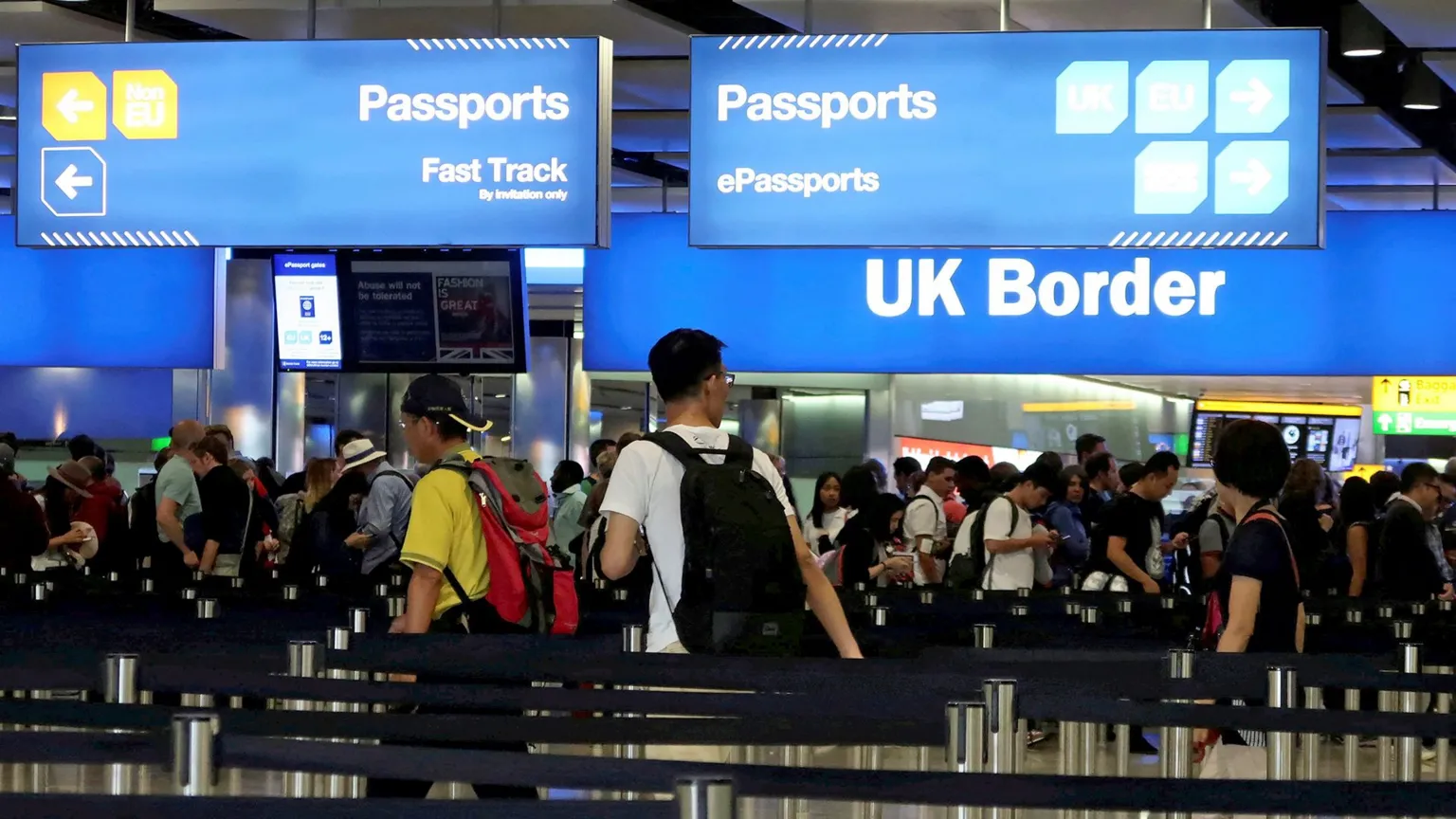 Leading providers of English language exams have warned that plans to move UK visa tests fully online could increase the risk of fraud and undermine border security. Get today's headlines by email Under proposals from the Home Office, migrants applying for visas may soon be able to take required English language tests remotely, rather than at approved centres. The new system is part of a contract valued at £816m and could be introduced as early as December. Providers warn of increased fraud risksIn a letter addressed to Home Secretary Shabana Mahmood, a consortium of major testing organisations said the move could expose the system to “significant security vulnerabilities”. The group — which includes the British Council, Cambridge University Press & Assessment and IDP — operates the widely used International English Language Testing System. They warned that remote testing could make it easier for applicants to cheat, including through impersonation, screen-sharing with accomplices or the use of artificial intelligence tools. According to the consortium, online assessments are more prone to malpractice than in-person exams, raising concerns about the integrity of the visa process. Shift towards fully remote testingCurrently, migrants seeking to work or study in the UK must demonstrate English proficiency by attending one of more than 1,300 authorised test centres worldwide. However, the Home Office launched a tender last year for a fully digital testing system, allowing applicants to take exams at a location of their choosing, provided certain security standards are met. The proposed changes come alongside stricter language requirements introduced earlier this year, which require applicants for skilled work visas to meet a higher standard, equivalent to advanced secondary-level English. Debate over security and immigration policyThe consortium’s letter argued that the proposed system would be incompatible with the government’s goal of strengthening immigration controls. It warned that remote testing could weaken oversight and reduce confidence in the system at a time when migration policy remains a politically sensitive issue. The providers also indicated they would not participate in the tender under the current conditions, citing concerns over maintaining “trusted and secure assessment”. Government response and next stepsThe Home Office has said it will not comment in detail while the procurement process is ongoing but emphasised that any new system must meet strict requirements for data security and fraud prevention. Officials said the tender process was designed to explore available technologies capable of maintaining high standards while modernising the system. The debate comes as other countries reassess similar approaches. Australia, for example, banned at-home English tests for migration purposes last year due to concerns about reliability. The UK government insists that secure language testing remains a key part of its immigration framework, but the proposed shift to remote exams is likely to face continued scrutiny from industry providers. Join the discussion? Already a member? Adapted by ASEAN Now. Source 17 March 2026
 -
US President Donald Trump has voiced frustration with the United Kingdom’s response to the ongoing Iran conflict, saying he is “not happy” with what he described as a lack of strong support. Get today's headlines by email His remarks were directed at UK Prime Minister Keir Starmer after the British leader signalled that the UK would avoid becoming involved in a broader war, instead focusing on coordinated efforts with allies. Dispute over Strait of Hormuz responseAt the centre of the disagreement is how to respond to tensions in the Strait of Hormuz, a key route for global oil shipments that has been disrupted during the conflict. Trump has urged allies, including the UK, to take a more active military role in securing the waterway, calling for naval deployments to protect shipping. He said Britain, once viewed as a leading ally, should be “involved enthusiastically” in reopening the strait. In contrast, Starmer said the UK was working with partners on a “viable, collective plan” and stressed that any action would need to be coordinated internationally. He added that the situation was complex and not easily resolved. Military posture and cautious approachThe UK has already deployed some military assets to the region, including minehunting systems and the warship HMS Dragon, which recently left Portsmouth to support defensive operations. However, British officials have stopped short of committing additional naval forces specifically to secure the strait, emphasising the need for broader agreement among allies. Starmer also previously declined to allow US forces to use UK bases for initial offensive operations against Iran, though permission was later granted for defensive purposes. Wider international responseTrump suggested he was disappointed by the UK’s stance, comparing it unfavourably to past cooperation, including joint efforts in Ukraine. He also indicated frustration with what he saw as hesitation from other countries. The issue has sparked debate across Europe. Germany has ruled out military involvement, with Defence Minister Boris Pistorius stating there would be no participation in combat operations, though diplomatic efforts would continue. Within NATO and the European Union, there has been limited appetite for expanding military missions related to the conflict, with officials stressing the defensive nature of existing alliances. Domestic and political reactionsIn the UK, political figures have expressed mixed views. Some have raised concerns about the risks of becoming drawn deeper into the conflict, warning against “mission creep”. Others have questioned whether the government is acting decisively enough, particularly in its coordination with allies. Starmer has maintained that the UK remains a strong partner to the United States but emphasised that decisions would be guided by national interests. Meanwhile, the government has announced financial support for households affected by rising energy costs, as disruptions to oil supplies continue to push prices higher. Join the discussion? Already a member? Adapted by ASEAN Now. Source 17 March 2026 View full article
-
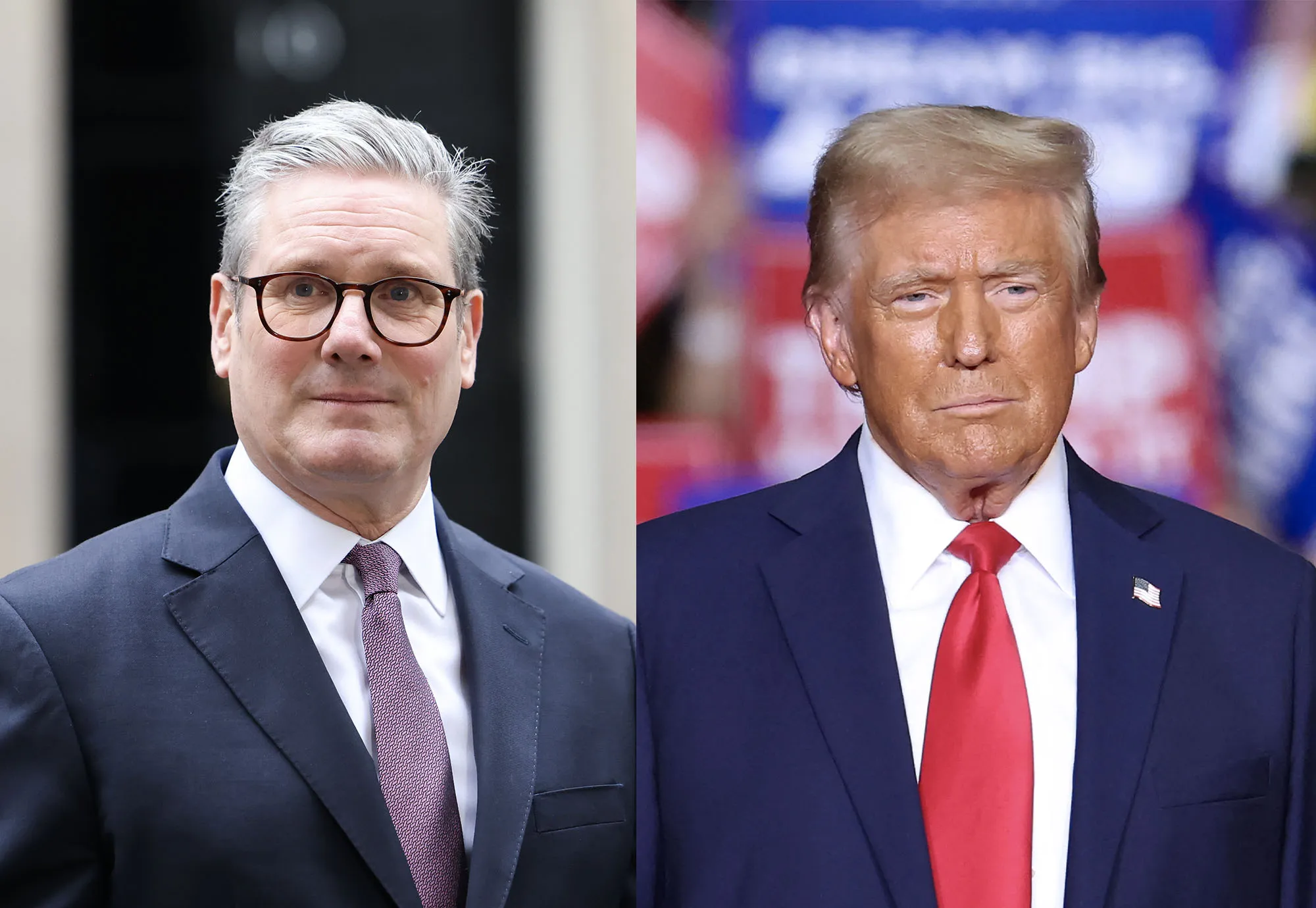 US President Donald Trump has voiced frustration with the United Kingdom’s response to the ongoing Iran conflict, saying he is “not happy” with what he described as a lack of strong support. Get today's headlines by email His remarks were directed at UK Prime Minister Keir Starmer after the British leader signalled that the UK would avoid becoming involved in a broader war, instead focusing on coordinated efforts with allies. Dispute over Strait of Hormuz responseAt the centre of the disagreement is how to respond to tensions in the Strait of Hormuz, a key route for global oil shipments that has been disrupted during the conflict. Trump has urged allies, including the UK, to take a more active military role in securing the waterway, calling for naval deployments to protect shipping. He said Britain, once viewed as a leading ally, should be “involved enthusiastically” in reopening the strait. In contrast, Starmer said the UK was working with partners on a “viable, collective plan” and stressed that any action would need to be coordinated internationally. He added that the situation was complex and not easily resolved. Military posture and cautious approachThe UK has already deployed some military assets to the region, including minehunting systems and the warship HMS Dragon, which recently left Portsmouth to support defensive operations. However, British officials have stopped short of committing additional naval forces specifically to secure the strait, emphasising the need for broader agreement among allies. Starmer also previously declined to allow US forces to use UK bases for initial offensive operations against Iran, though permission was later granted for defensive purposes. Wider international responseTrump suggested he was disappointed by the UK’s stance, comparing it unfavourably to past cooperation, including joint efforts in Ukraine. He also indicated frustration with what he saw as hesitation from other countries. The issue has sparked debate across Europe. Germany has ruled out military involvement, with Defence Minister Boris Pistorius stating there would be no participation in combat operations, though diplomatic efforts would continue. Within NATO and the European Union, there has been limited appetite for expanding military missions related to the conflict, with officials stressing the defensive nature of existing alliances. Domestic and political reactionsIn the UK, political figures have expressed mixed views. Some have raised concerns about the risks of becoming drawn deeper into the conflict, warning against “mission creep”. Others have questioned whether the government is acting decisively enough, particularly in its coordination with allies. Starmer has maintained that the UK remains a strong partner to the United States but emphasised that decisions would be guided by national interests. Meanwhile, the government has announced financial support for households affected by rising energy costs, as disruptions to oil supplies continue to push prices higher. Join the discussion? Already a member? Adapted by ASEAN Now. Source 17 March 2026
 -
US President Donald Trump has said he intends to delay a planned visit to China, citing the need to remain in Washington as the conflict with Iran continues to escalate. Get today's headlines by email Speaking to reporters at the White House on Monday, Trump said the trip — originally scheduled for late March — would likely be pushed back by around a month. He stressed that his presence in the United States was necessary to oversee developments related to the war. “We’ve requested that we delay it a month or so,” he said, adding that managing the conflict was his priority. Talks with Beijing continue over timingThe visit had been expected to include high-level discussions with Chinese President Xi Jinping between 31 March and 2 April, following their previous in-person meeting in October last year. China confirmed that discussions were ongoing بشأن the timing of the trip. Foreign ministry spokesperson Lin Jian said both sides were in communication over “the timing and related matters” of Trump’s visit. Despite the delay, Trump signalled that relations with Beijing remained stable, describing his relationship with Xi as positive and expressing his intention to meet in the near future. Iran war reshapes foreign policy prioritiesThe decision to postpone the trip reflects how the Iran conflict has come to dominate US foreign policy in recent weeks. The war has disrupted global oil supplies, raising concerns about economic fallout, including higher energy prices. Officials say these developments require close coordination from Washington. US Treasury Secretary Scott Bessent said the delay was not linked to trade disagreements or pressure on China to assist in the Gulf, but rather to ensure the president could focus on managing the crisis. “Travelling abroad at a time like this may not be optimal,” he said. Broader tensions remainThe postponement comes amid ongoing tensions between the world’s two largest economies, which have been further strained by the Iran conflict. China, a major importer of Iranian oil, has criticised US and Israeli actions in the region. At the same time, Washington has raised concerns over Chinese trade practices and recently announced plans to investigate several countries, including China. Recent negotiations between US and Chinese officials in Paris have addressed issues such as tariffs, investment and sanctions. Both sides indicated progress on some matters and agreed to continue discussions. However, Chinese representatives expressed concern over potential US trade probes and called for measures to maintain global economic stability. Strategic visit delayed, not cancelledWhile the meeting between Trump and Xi is expected to be rescheduled, the delay underscores the extent to which the Iran war is reshaping diplomatic priorities. Trump also suggested he could reconsider the timing of the trip depending on developments related to the Strait of Hormuz, a key route for global energy shipments. For now, the focus remains on managing the ongoing conflict, even as diplomatic engagement between Washington and Beijing continues behind the scenes. oin the discussion? Already a member? Adapted by ASEAN Now. Source 17 March 2026 View full article
-
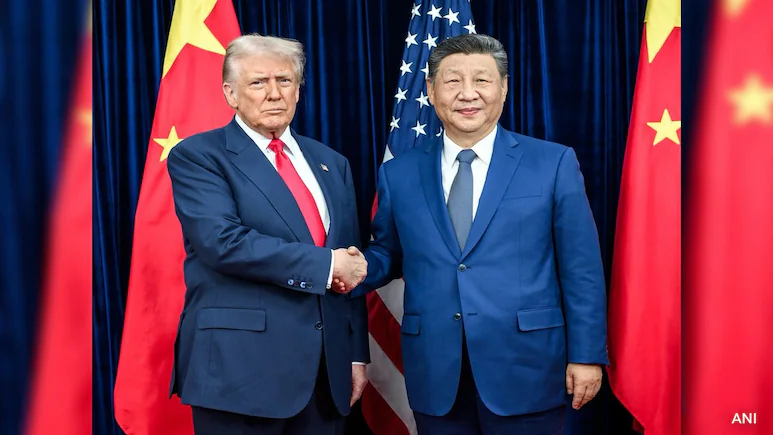 US President Donald Trump has said he intends to delay a planned visit to China, citing the need to remain in Washington as the conflict with Iran continues to escalate. Get today's headlines by email Speaking to reporters at the White House on Monday, Trump said the trip — originally scheduled for late March — would likely be pushed back by around a month. He stressed that his presence in the United States was necessary to oversee developments related to the war. “We’ve requested that we delay it a month or so,” he said, adding that managing the conflict was his priority. Talks with Beijing continue over timingThe visit had been expected to include high-level discussions with Chinese President Xi Jinping between 31 March and 2 April, following their previous in-person meeting in October last year. China confirmed that discussions were ongoing بشأن the timing of the trip. Foreign ministry spokesperson Lin Jian said both sides were in communication over “the timing and related matters” of Trump’s visit. Despite the delay, Trump signalled that relations with Beijing remained stable, describing his relationship with Xi as positive and expressing his intention to meet in the near future. Iran war reshapes foreign policy prioritiesThe decision to postpone the trip reflects how the Iran conflict has come to dominate US foreign policy in recent weeks. The war has disrupted global oil supplies, raising concerns about economic fallout, including higher energy prices. Officials say these developments require close coordination from Washington. US Treasury Secretary Scott Bessent said the delay was not linked to trade disagreements or pressure on China to assist in the Gulf, but rather to ensure the president could focus on managing the crisis. “Travelling abroad at a time like this may not be optimal,” he said. Broader tensions remainThe postponement comes amid ongoing tensions between the world’s two largest economies, which have been further strained by the Iran conflict. China, a major importer of Iranian oil, has criticised US and Israeli actions in the region. At the same time, Washington has raised concerns over Chinese trade practices and recently announced plans to investigate several countries, including China. Recent negotiations between US and Chinese officials in Paris have addressed issues such as tariffs, investment and sanctions. Both sides indicated progress on some matters and agreed to continue discussions. However, Chinese representatives expressed concern over potential US trade probes and called for measures to maintain global economic stability. Strategic visit delayed, not cancelledWhile the meeting between Trump and Xi is expected to be rescheduled, the delay underscores the extent to which the Iran war is reshaping diplomatic priorities. Trump also suggested he could reconsider the timing of the trip depending on developments related to the Strait of Hormuz, a key route for global energy shipments. For now, the focus remains on managing the ongoing conflict, even as diplomatic engagement between Washington and Beijing continues behind the scenes. oin the discussion? Already a member? Adapted by ASEAN Now. Source 17 March 2026
 -
A series of drone, rocket and missile attacks have targeted key diplomatic and energy locations across the Middle East, raising concerns about escalating regional instability. Get today's headlines by email Explosions were reported near the US Embassy Baghdad early on Tuesday, while separate incidents affected energy infrastructure in the United Arab Emirates and maritime traffic near Oman. Embassy and residential areas hit in BaghdadSecurity sources said at least two explosive drones were launched toward the US embassy compound in Baghdad, with one landing nearby and smoke seen rising from the area. Air defence systems reportedly intercepted a rocket aimed at the same site. Around the same time, a drone strike caused a fire at a luxury hotel inside the heavily fortified Green Zone, which houses diplomatic missions and government buildings. In a separate incident in the al-Jadiriyah district, a strike hit a residential property, killing four people. Initial reports indicated that two of those killed were Iranian advisers linked to Tehran-backed groups, according to security officials. UAE energy facilities targetedFurther south, attacks also struck energy infrastructure in the UAE, highlighting vulnerabilities in the region’s oil and gas sector. A drone attack caused a fire in the Fujairah Oil Industry Zone, a strategically important hub for oil storage and transport. Separately, operations at the Shah gas field remained suspended following an earlier strike. Authorities said no injuries were reported in either incident, though the attacks have disrupted activity in one of the country’s key energy regions. Maritime and regional threats escalateElsewhere, a tanker anchored off the coast of Oman reported being struck by an unidentified projectile, according to the UK Maritime Trade Operations. While no casualties or environmental damage were recorded, the vessel sustained structural damage. Meanwhile, in Qatar, defence officials said a missile targeting the country had been intercepted. Debris from the interception caused a fire in an industrial area, though no injuries were reported. Growing regional tensionsThe coordinated nature of the incidents underscores rising tensions across the region, with diplomatic sites, energy infrastructure and shipping routes all coming under threat. While no group has immediately claimed responsibility for the attacks, the strikes follow a pattern of escalating hostilities involving Iran-linked actors and US allies. Authorities across the affected countries have increased security measures as investigations continue into the origins of the attacks. Join the discussion? Already a member? Adapted by ASEAN Now. Source 17 March 2026 View full article
-
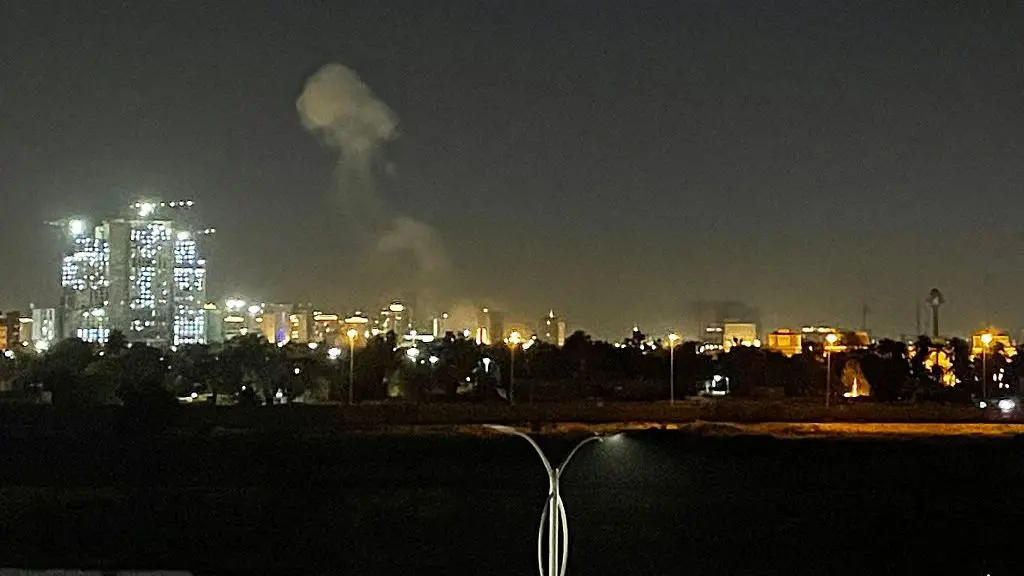 A series of drone, rocket and missile attacks have targeted key diplomatic and energy locations across the Middle East, raising concerns about escalating regional instability. Get today's headlines by email Explosions were reported near the US Embassy Baghdad early on Tuesday, while separate incidents affected energy infrastructure in the United Arab Emirates and maritime traffic near Oman. Embassy and residential areas hit in BaghdadSecurity sources said at least two explosive drones were launched toward the US embassy compound in Baghdad, with one landing nearby and smoke seen rising from the area. Air defence systems reportedly intercepted a rocket aimed at the same site. Around the same time, a drone strike caused a fire at a luxury hotel inside the heavily fortified Green Zone, which houses diplomatic missions and government buildings. In a separate incident in the al-Jadiriyah district, a strike hit a residential property, killing four people. Initial reports indicated that two of those killed were Iranian advisers linked to Tehran-backed groups, according to security officials. UAE energy facilities targetedFurther south, attacks also struck energy infrastructure in the UAE, highlighting vulnerabilities in the region’s oil and gas sector. A drone attack caused a fire in the Fujairah Oil Industry Zone, a strategically important hub for oil storage and transport. Separately, operations at the Shah gas field remained suspended following an earlier strike. Authorities said no injuries were reported in either incident, though the attacks have disrupted activity in one of the country’s key energy regions. Maritime and regional threats escalateElsewhere, a tanker anchored off the coast of Oman reported being struck by an unidentified projectile, according to the UK Maritime Trade Operations. While no casualties or environmental damage were recorded, the vessel sustained structural damage. Meanwhile, in Qatar, defence officials said a missile targeting the country had been intercepted. Debris from the interception caused a fire in an industrial area, though no injuries were reported. Growing regional tensionsThe coordinated nature of the incidents underscores rising tensions across the region, with diplomatic sites, energy infrastructure and shipping routes all coming under threat. While no group has immediately claimed responsibility for the attacks, the strikes follow a pattern of escalating hostilities involving Iran-linked actors and US allies. Authorities across the affected countries have increased security measures as investigations continue into the origins of the attacks. Join the discussion? Already a member? Adapted by ASEAN Now. Source 17 March 2026
 -
Cuba has been plunged into darkness after a collapse of its national electricity grid left millions without power, marking the latest escalation in the island’s deepening energy crisis. Get today's headlines by email The outage, confirmed by the state grid operator UNE, affected nearly the entire population of around 10 million people. Authorities said they were investigating the cause of the failure, with early indications pointing to a transmission issue rather than a breakdown at a major power plant. Power restoration efforts beginOfficials said work was under way to gradually restore electricity by activating small, localised circuits — known as microsystems — across the country. These initial steps are considered essential before the full grid can be brought back online. The blackout follows a series of prolonged outages that have become increasingly common, sometimes lasting hours or even days. The disruptions have fuelled public frustration and, over the weekend, contributed to rare protests in the country. Fuel shortages strain ageing infrastructureCuba’s electricity system has long struggled with ageing infrastructure and limited maintenance. However, the situation has worsened significantly in recent months due to a sharp drop in fuel supplies. The government says a tightening of US measures has severely restricted oil shipments to the island, leaving power stations without the fuel needed to operate. Since the start of the year, Cuba has received only two relatively small fuel deliveries, according to shipping data. Venezuela — once Cuba’s primary oil supplier — has not sent any fuel this year, further compounding the shortage. The lack of imports has left key ports without significant activity and reduced the country’s ability to sustain electricity generation. Mounting pressure and talks with WashingtonThe crisis has intensified amid heightened tensions between Cuba and the United States. Policies introduced by the administration of Donald Trump have targeted oil flows to the island, including threats of penalties against countries supplying fuel. Cuban officials said last week they had entered discussions with Washington in an attempt to ease the situation. Meanwhile, US officials have suggested the island’s economic and energy systems are under severe strain. Daily life disruptedFor many Cubans, power cuts have become part of everyday life. Residents described scrambling to cope without electricity, seeking alternatives for cooking, lighting and communication. While outages are not new, the scale of the latest collapse underscores the fragility of the country’s energy system. Experts warn that without stable fuel supplies and investment in infrastructure, further disruptions are likely. Join the discussion? Already a member? Adapted by ASEAN Now. Source 17 March 2026 View full article
-
 Cuba has been plunged into darkness after a collapse of its national electricity grid left millions without power, marking the latest escalation in the island’s deepening energy crisis. Get today's headlines by email The outage, confirmed by the state grid operator UNE, affected nearly the entire population of around 10 million people. Authorities said they were investigating the cause of the failure, with early indications pointing to a transmission issue rather than a breakdown at a major power plant. Power restoration efforts beginOfficials said work was under way to gradually restore electricity by activating small, localised circuits — known as microsystems — across the country. These initial steps are considered essential before the full grid can be brought back online. The blackout follows a series of prolonged outages that have become increasingly common, sometimes lasting hours or even days. The disruptions have fuelled public frustration and, over the weekend, contributed to rare protests in the country. Fuel shortages strain ageing infrastructureCuba’s electricity system has long struggled with ageing infrastructure and limited maintenance. However, the situation has worsened significantly in recent months due to a sharp drop in fuel supplies. The government says a tightening of US measures has severely restricted oil shipments to the island, leaving power stations without the fuel needed to operate. Since the start of the year, Cuba has received only two relatively small fuel deliveries, according to shipping data. Venezuela — once Cuba’s primary oil supplier — has not sent any fuel this year, further compounding the shortage. The lack of imports has left key ports without significant activity and reduced the country’s ability to sustain electricity generation. Mounting pressure and talks with WashingtonThe crisis has intensified amid heightened tensions between Cuba and the United States. Policies introduced by the administration of Donald Trump have targeted oil flows to the island, including threats of penalties against countries supplying fuel. Cuban officials said last week they had entered discussions with Washington in an attempt to ease the situation. Meanwhile, US officials have suggested the island’s economic and energy systems are under severe strain. Daily life disruptedFor many Cubans, power cuts have become part of everyday life. Residents described scrambling to cope without electricity, seeking alternatives for cooking, lighting and communication. While outages are not new, the scale of the latest collapse underscores the fragility of the country’s energy system. Experts warn that without stable fuel supplies and investment in infrastructure, further disruptions are likely. Join the discussion? Already a member? Adapted by ASEAN Now. Source 17 March 2026
 -
A growing number of Republicans are calling on Donald Trump to stop revisiting the 2020 election and instead concentrate on economic issues, warning that continued focus on past grievances could harm the party’s prospects in upcoming midterm elections. Get today's headlines by email Interviews with party officials and strategists suggest increasing concern within the Republican Party that emphasising claims of election fraud risks distracting from issues that resonate more strongly with voters, particularly the cost of living and economic stability. Party tensions over election focusWhile Trump has renewed efforts to scrutinise the 2020 vote — including seeking election records and urging lawmakers to prioritise stricter voting legislation — many within his party appear uneasy about the strategy. Some Republican figures argue that revisiting the election could energise core supporters but alienate moderate voters who are more focused on current economic challenges. Charlie Gerow, a Republican strategist based in Pennsylvania, said the party would benefit from looking forward rather than revisiting past disputes. Others echoed similar concerns, warning that focusing too heavily on election-related issues could become a political liability in a general election setting. Renewed investigations and policy pushIn recent weeks, Trump has targeted election processes in key areas, including Maricopa County, where he has sought access to records. His actions come alongside broader efforts to push for nationwide changes to voting laws. The administration has promoted the proposed SAVE America Act, which would introduce stricter voter registration requirements, describing it as a priority measure to restore confidence in US elections. Supporters within the party, including some state-level officials, have welcomed further scrutiny of election systems and even encouraged investigations in their own jurisdictions. Economic concerns dominate voter prioritiesDespite internal divisions, polling indicates that economic issues remain the dominant concern for voters. Rising living costs — exacerbated by global economic pressures linked to the ongoing conflict involving Iran — have taken centre stage in political debate. Analysts and party strategists warn that failing to address these concerns could weaken Republican messaging ahead of the midterms. Several Republican advisers have urged Trump to focus on economic recovery and policy achievements, arguing that these issues are more likely to resonate with a broader electorate. Political risks ahead of midtermsThe divide within the party reflects a broader strategic dilemma: balancing the demands of Trump’s core supporters with the need to appeal to independent and swing voters. Some strategists caution that Democratic opponents could exploit the issue by pressing Republican candidates to publicly align with Trump’s election claims, potentially creating difficult campaign dynamics. Others suggest that while addressing election concerns may be necessary during primary contests, general election campaigns should prioritise economic messaging. With the midterm elections approaching, Republican leaders face mounting pressure to unify their message. Whether the party can shift its focus away from the 2020 election — or continue to revisit it — may play a key role in shaping its electoral performance. Join the discussion? Already a member? Adapted by ASEAN Now. Source 17 March 2026 View full article
-
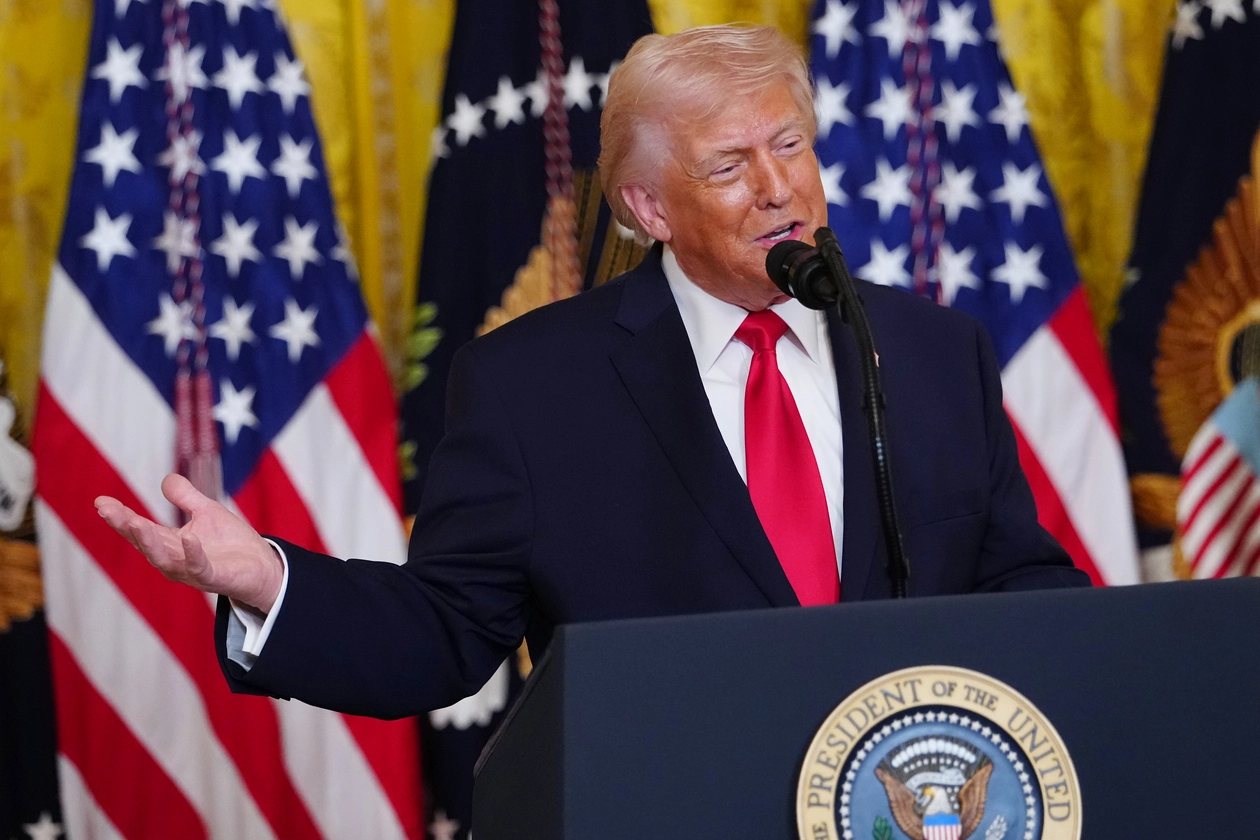 A growing number of Republicans are calling on Donald Trump to stop revisiting the 2020 election and instead concentrate on economic issues, warning that continued focus on past grievances could harm the party’s prospects in upcoming midterm elections. Get today's headlines by email Interviews with party officials and strategists suggest increasing concern within the Republican Party that emphasising claims of election fraud risks distracting from issues that resonate more strongly with voters, particularly the cost of living and economic stability. Party tensions over election focusWhile Trump has renewed efforts to scrutinise the 2020 vote — including seeking election records and urging lawmakers to prioritise stricter voting legislation — many within his party appear uneasy about the strategy. Some Republican figures argue that revisiting the election could energise core supporters but alienate moderate voters who are more focused on current economic challenges. Charlie Gerow, a Republican strategist based in Pennsylvania, said the party would benefit from looking forward rather than revisiting past disputes. Others echoed similar concerns, warning that focusing too heavily on election-related issues could become a political liability in a general election setting. Renewed investigations and policy pushIn recent weeks, Trump has targeted election processes in key areas, including Maricopa County, where he has sought access to records. His actions come alongside broader efforts to push for nationwide changes to voting laws. The administration has promoted the proposed SAVE America Act, which would introduce stricter voter registration requirements, describing it as a priority measure to restore confidence in US elections. Supporters within the party, including some state-level officials, have welcomed further scrutiny of election systems and even encouraged investigations in their own jurisdictions. Economic concerns dominate voter prioritiesDespite internal divisions, polling indicates that economic issues remain the dominant concern for voters. Rising living costs — exacerbated by global economic pressures linked to the ongoing conflict involving Iran — have taken centre stage in political debate. Analysts and party strategists warn that failing to address these concerns could weaken Republican messaging ahead of the midterms. Several Republican advisers have urged Trump to focus on economic recovery and policy achievements, arguing that these issues are more likely to resonate with a broader electorate. Political risks ahead of midtermsThe divide within the party reflects a broader strategic dilemma: balancing the demands of Trump’s core supporters with the need to appeal to independent and swing voters. Some strategists caution that Democratic opponents could exploit the issue by pressing Republican candidates to publicly align with Trump’s election claims, potentially creating difficult campaign dynamics. Others suggest that while addressing election concerns may be necessary during primary contests, general election campaigns should prioritise economic messaging. With the midterm elections approaching, Republican leaders face mounting pressure to unify their message. Whether the party can shift its focus away from the 2020 election — or continue to revisit it — may play a key role in shaping its electoral performance. Join the discussion? Already a member? Adapted by ASEAN Now. Source 17 March 2026
 -
A new rule introduced by the administration of Donald Trump has come into force, preventing hundreds of thousands of immigrant truck drivers in the United States from renewing their commercial driving licences as they expire. Get today's headlines by email The measure, implemented by the US Department of Transportation, affects an estimated 200,000 drivers, including asylum seekers, refugees and recipients of Deferred Action for Childhood Arrivals (DACA). While existing licences remain valid until their expiry dates, those affected will be unable to renew them under the new regulation. Industry concerns amid labour pressuresThe rule is expected to add strain to the US trucking sector, which plays a central role in the country’s economy by transporting more than 70% of domestic freight. The industry has long faced labour shortages due to demanding working conditions, including long hours, safety risks and extended time away from home. Immigrant drivers have increasingly filled these gaps in recent years. With rising energy costs linked to the ongoing conflict involving Iran, analysts warn that a shrinking workforce could lead to higher operating costs, potentially pushing up prices for consumers. Government data suggests immigrant drivers account for around 5% of all commercial licence holders nationwide. Safety concerns drive policy shiftOfficials say the new restrictions are aimed at improving road safety, following several high-profile accidents involving immigrant drivers last year. Transportation Secretary Sean P. Duffy said the rule addresses longstanding concerns about vetting drivers’ histories outside the United States. He also argued that some drivers may have contributed to declining wages and standards within the industry. The administration has taken additional steps in recent months, including stricter enforcement of English-language requirements and the revocation of accreditation for thousands of driver training centres that failed to meet federal standards. There have also been warnings that federal funding could be withheld from states found to be improperly issuing commercial licences. Legal challenges and criticismOpponents of the policy have challenged its basis, arguing that there is no clear evidence linking immigration status to road safety. Lawyers representing affected drivers say both citizens and non-citizens must meet the same testing and training requirements to obtain commercial licences, and accuse the government of discrimination. A lawsuit has been filed seeking to overturn the rule, with plaintiffs arguing that it unfairly targets legally authorised workers. Personal impact on driversFor many drivers, the rule carries significant personal and financial consequences. One driver, an asylum seeker from Russia who has worked in long-haul trucking since 2020, said he will lose his licence later this year despite maintaining a clean driving record. He described the measure as devastating, explaining that he had built a small trucking business and taken on substantial loans to support his family. The administration has indicated it may pursue further legislative action, with allies in Congress proposing even stricter measures that would immediately revoke licences for affected groups. However, those proposals have yet to be voted on. Join the discussion? Already a member? Adapted by ASEAN Now. Source 17 March 2026 View full article
-
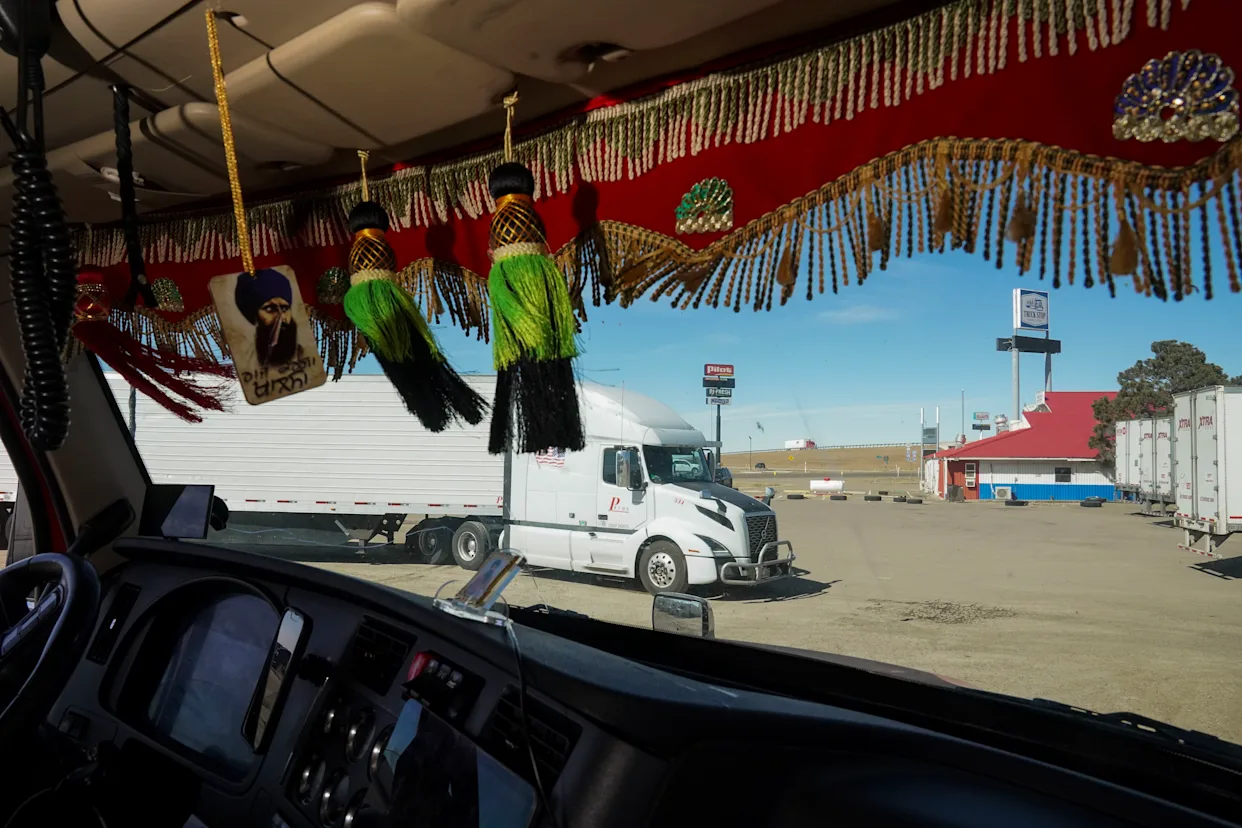 A new rule introduced by the administration of Donald Trump has come into force, preventing hundreds of thousands of immigrant truck drivers in the United States from renewing their commercial driving licences as they expire. Get today's headlines by email The measure, implemented by the US Department of Transportation, affects an estimated 200,000 drivers, including asylum seekers, refugees and recipients of Deferred Action for Childhood Arrivals (DACA). While existing licences remain valid until their expiry dates, those affected will be unable to renew them under the new regulation. Industry concerns amid labour pressuresThe rule is expected to add strain to the US trucking sector, which plays a central role in the country’s economy by transporting more than 70% of domestic freight. The industry has long faced labour shortages due to demanding working conditions, including long hours, safety risks and extended time away from home. Immigrant drivers have increasingly filled these gaps in recent years. With rising energy costs linked to the ongoing conflict involving Iran, analysts warn that a shrinking workforce could lead to higher operating costs, potentially pushing up prices for consumers. Government data suggests immigrant drivers account for around 5% of all commercial licence holders nationwide. Safety concerns drive policy shiftOfficials say the new restrictions are aimed at improving road safety, following several high-profile accidents involving immigrant drivers last year. Transportation Secretary Sean P. Duffy said the rule addresses longstanding concerns about vetting drivers’ histories outside the United States. He also argued that some drivers may have contributed to declining wages and standards within the industry. The administration has taken additional steps in recent months, including stricter enforcement of English-language requirements and the revocation of accreditation for thousands of driver training centres that failed to meet federal standards. There have also been warnings that federal funding could be withheld from states found to be improperly issuing commercial licences. Legal challenges and criticismOpponents of the policy have challenged its basis, arguing that there is no clear evidence linking immigration status to road safety. Lawyers representing affected drivers say both citizens and non-citizens must meet the same testing and training requirements to obtain commercial licences, and accuse the government of discrimination. A lawsuit has been filed seeking to overturn the rule, with plaintiffs arguing that it unfairly targets legally authorised workers. Personal impact on driversFor many drivers, the rule carries significant personal and financial consequences. One driver, an asylum seeker from Russia who has worked in long-haul trucking since 2020, said he will lose his licence later this year despite maintaining a clean driving record. He described the measure as devastating, explaining that he had built a small trucking business and taken on substantial loans to support his family. The administration has indicated it may pursue further legislative action, with allies in Congress proposing even stricter measures that would immediately revoke licences for affected groups. However, those proposals have yet to be voted on. Join the discussion? Already a member? Adapted by ASEAN Now. Source 17 March 2026
 -
The government of Ecuador has deployed more than 75,000 police officers and soldiers to several provinces as part of an intensified campaign against powerful criminal gangs linked to drug trafficking. Get today's headlines by email Authorities say the operation targets four of the country’s most violence-affected regions — El Oro, Guayas, Los Ríos and Santo Domingo de los Tsáchilas — where security forces are attempting to curb rising crime and restore public order. Curfew imposed in high-risk provincesInterior Minister John Reimberg said the large-scale deployment marks a “new phase” in the government’s ongoing campaign against organised crime. Speaking to residents in the affected provinces, he warned people to remain cautious and comply with new security restrictions. “We’re at war,” Reimberg said, urging citizens not to leave their homes unnecessarily as authorities enforce a night-time curfew across the targeted regions. The measures form part of the strategy introduced by President Daniel Noboa, who has pledged to confront criminal groups with tougher security policies since taking office in November 2023. Rising violence despite crackdownDespite these efforts, Ecuador has continued to experience increasing violence linked to drug trafficking and organised crime. The country recorded its highest murder rate in 2025, highlighting the growing influence of criminal organisations that operate along regional drug routes. Ecuador’s location between Colombia and Peru — the world’s largest producers of cocaine — has turned it into a major transit hub for narcotics destined for international markets. Authorities estimate that roughly 70% of the cocaine produced in those countries passes through Ecuadorian territory before reaching destinations abroad. International cooperation with the United StatesThe Ecuadorian government has increasingly sought international assistance to combat the flow of drugs and dismantle transnational criminal networks. In recent weeks, the Federal Bureau of Investigation opened its first office in Ecuador, strengthening cooperation with local authorities. The move followed the launch of joint counter-narcotics operations between Ecuador and the United States. President Noboa has also joined a US-backed coalition of 17 countries aimed at confronting criminal cartels across the Western Hemisphere. The initiative was discussed at a summit hosted by Donald Trump at Mar-a-Lago, where leaders addressed strategies to combat organised crime and drug trafficking. Government vows tougher actionNoboa has repeatedly pledged to confront criminal groups with an uncompromising approach, declaring states of emergency in several parts of the country since taking office. However, official figures show the national murder rate increased by more than 30% between 2024 and 2025, underscoring the scale of the challenge facing authorities. The government says the latest deployment of troops and police is intended to regain control of areas most heavily affected by violence and weaken the influence of drug-trafficking organisations. Join the discussion? Already a member? Adapted by ASEAN Now · Source · 16.March 2026 View full article