
webfact
Admin
-
Joined
-
Last visited
Everything posted by webfact
-
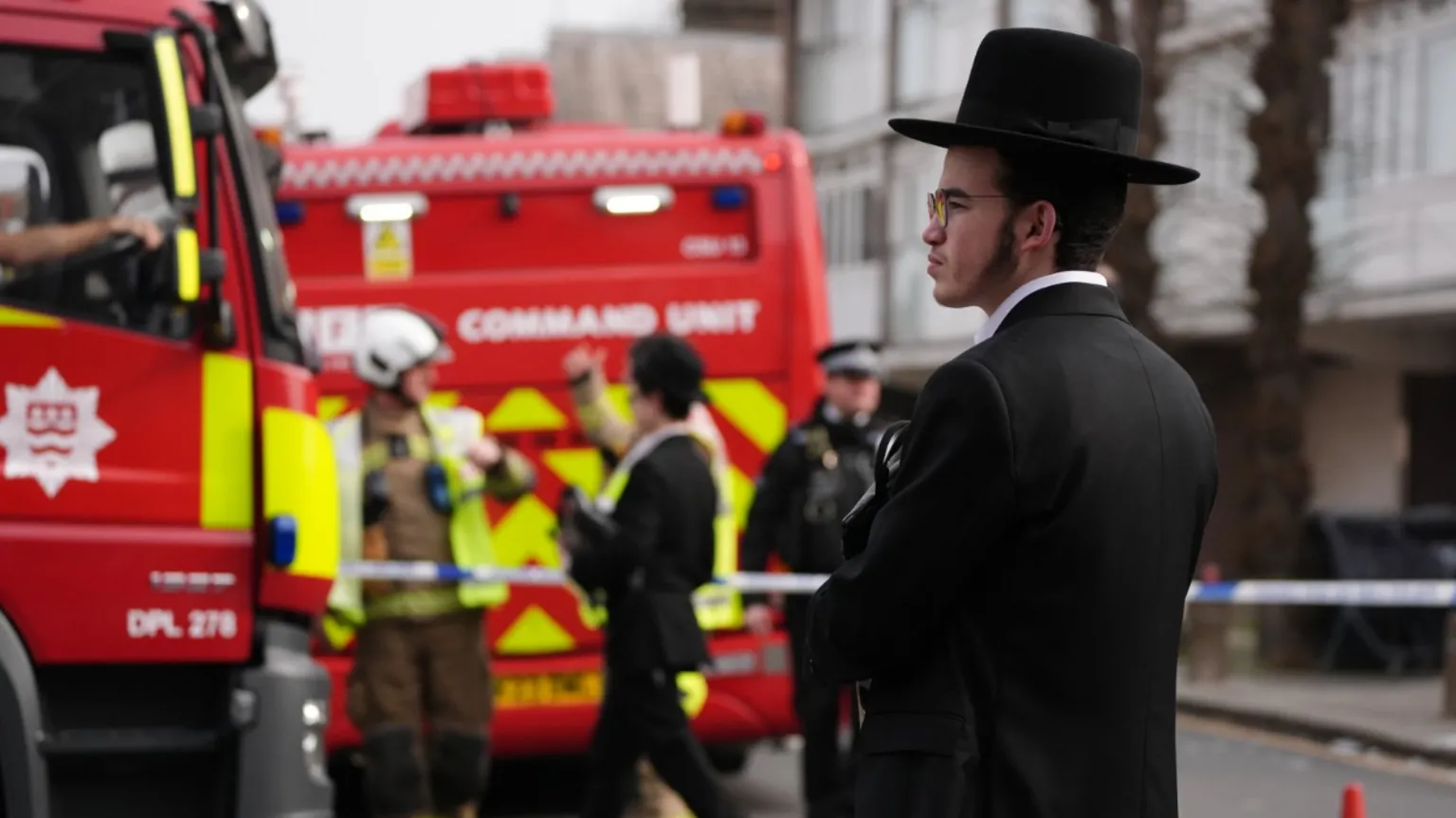 An arson attack targeting ambulances operated by a Jewish charity in north London is being investigated by counter-terrorism officers, police have said, amid concerns over a possible hate crime. Get today's headlines by email Four vehicles belonging to Hatzola were set on fire in the Golders Green area in the early hours of Monday. The blaze caused several explosions due to gas canisters stored inside the ambulances, although no injuries were reported. Investigation Focuses on Possible MotivesThe Metropolitan Police said the incident is being treated as an antisemitic hate crime. Detectives are examining CCTV footage that appears to show three individuals dressed in dark clothing pouring accelerant onto the vehicles before igniting them and fleeing. Commissioner Mark Rowley said officers were exploring multiple lines of inquiry, including whether those responsible may have links to groups connected to the Iranian state. He stressed, however, that it was too early to draw firm conclusions. Authorities also confirmed that the incident has not formally been declared a terrorist attack at this stage. An online claim of responsibility by a group calling itself Harakat Ashab al-Yamin al-Islamiya is being assessed, though police said its authenticity remains unverified. Community Impact and Emergency ResponseFire crews from the London Fire Brigade were called to the scene shortly before 02:00 and brought the blaze under control within two hours. Explosions caused by heated cylinders damaged nearby residential buildings, forcing around 30 people to seek temporary shelter. Residents described fleeing their homes after hearing loud blasts. The ambulances were parked near a synagogue, heightening concerns within the local Jewish community. Hatzola, a volunteer-run organisation providing free emergency medical services, has operated in the area since 1979. Its vehicles are used to respond to urgent medical calls and transport patients to hospital. Political and Public ReactionHome Secretary Shabana Mahmood described the attack as a “wicked crime” and urged anyone with information to come forward. She said perpetrators would be pursued and brought to justice. Prime Minister Keir Starmer said the government would fund the replacement of the destroyed ambulances and reiterated the need to confront rising antisemitism. London Mayor Sadiq Khan called the incident a “dark day” for the city, stressing the importance of solidarity with the Jewish community. In response, police have increased patrols in affected areas, including deploying additional officers and armed units to protect vulnerable sites. Investigators have also launched an online portal to collect public evidence. Wider Concerns Over Rising AntisemitismThe attack comes amid reports of increasing antisemitic incidents in the UK, particularly since the escalation of conflict in the Middle East. Community leaders expressed alarm at the targeting of a service dedicated to saving lives. Chief Rabbi Ephraim Mirvis described the attack as “particularly sickening,” noting that Hatzola serves people of all backgrounds. Fundraising efforts to replace the damaged vehicles have already raised more than £1m, while emergency services have pledged support to ensure continued response capabilities. Police said investigations remain ongoing, with all potential motives and connections under review. Join the discussion? Already a member? Adapted by ASEAN Now. Source 24 March 2026
 -
Italian Prime Minister Giorgia Meloni has faced her first major political defeat after voters rejected a proposed constitutional reform in a nationwide referendum. Get today's headlines by email Final results showed about 54% of voters opposed the changes, while 46% supported them. The outcome is widely seen as a blow to Meloni’s government after the vote became a broader test of her leadership. Reform Plan RejectedThe proposed reform aimed to introduce a clearer separation between judges and prosecutors within Italy’s legal system. It also included plans for separate governing bodies and a new disciplinary court. The government argued that these measures would strengthen judicial independence. However, opposition parties warned the changes could disrupt long-standing institutional balances and increase political influence over the judiciary. Despite the technical nature of the proposals, turnout reached nearly 60%. Analysts had suggested that higher participation might favour the government, but this did not translate into support for the reform. Vote Seen as Test of LeadershipAlthough Meloni insisted the referendum was about judicial reform rather than her premiership, the campaign increasingly took on the character of a wider judgement on her time in office. Even before the full results were confirmed, she acknowledged the outcome, saying voters had made their decision “with clarity". She also described the result as a missed opportunity to modernise the country. The defeat comes after a period of relative political stability under her right-wing coalition, which had until now avoided significant electoral setbacks. Opposition Senses OpportunityOpposition figures have interpreted the result as a sign of shifting public sentiment ahead of a general election expected next year. Elly Schlein, leader of the Democratic Party, said the vote demonstrated that an alternative to the current government exists. Former prime minister Matteo Renzi also weighed in, suggesting the government had lost its “momentum” and needed to respond more closely to voters’ concerns. Pressure Builds on GovernmentThe referendum defeat comes at a challenging time for Meloni. Economic concerns remain, with Italy facing sluggish growth and rising worries about energy costs linked to international tensions. Meloni has also maintained close ties with Donald Trump, whose policies and ongoing conflict in the Middle East have drawn mixed reactions in Italy. Unlike Renzi, who resigned after losing a constitutional referendum in 2016, Meloni has ruled out stepping down. However, the latest result has weakened her political standing and raised questions about her government’s future direction. The vote has also likely complicated plans for further institutional reforms, including proposals to introduce the direct election of the prime minister. With elections on the horizon, the outcome marks a significant shift in Italy’s political landscape, leaving Meloni in a more vulnerable position than at any point since taking office. Join the discussion? Already a member? Adapted by ASEAN Now. Source 24 March 2026 View full article
-
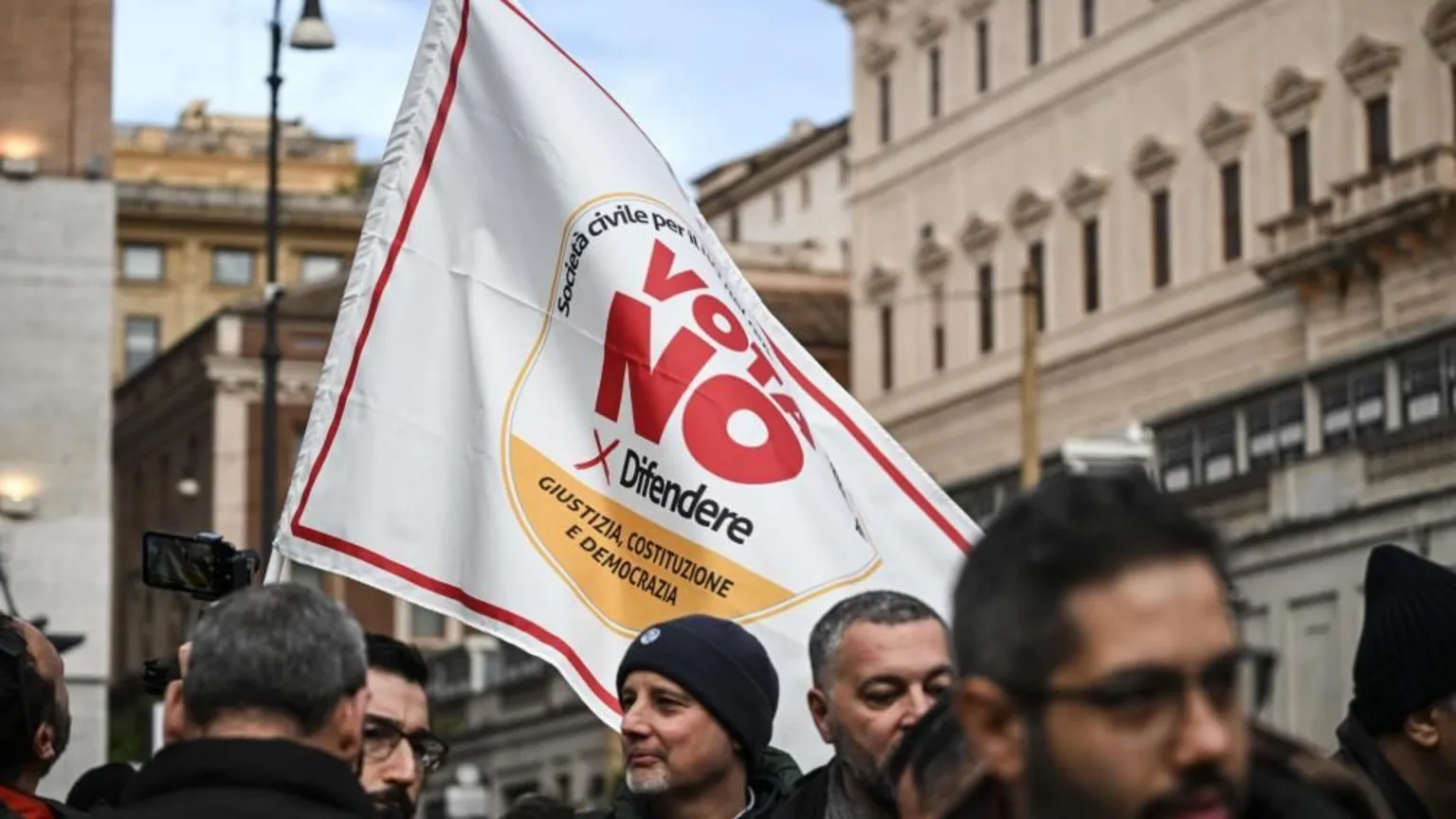 Italian Prime Minister Giorgia Meloni has faced her first major political defeat after voters rejected a proposed constitutional reform in a nationwide referendum. Get today's headlines by email Final results showed about 54% of voters opposed the changes, while 46% supported them. The outcome is widely seen as a blow to Meloni’s government after the vote became a broader test of her leadership. Reform Plan RejectedThe proposed reform aimed to introduce a clearer separation between judges and prosecutors within Italy’s legal system. It also included plans for separate governing bodies and a new disciplinary court. The government argued that these measures would strengthen judicial independence. However, opposition parties warned the changes could disrupt long-standing institutional balances and increase political influence over the judiciary. Despite the technical nature of the proposals, turnout reached nearly 60%. Analysts had suggested that higher participation might favour the government, but this did not translate into support for the reform. Vote Seen as Test of LeadershipAlthough Meloni insisted the referendum was about judicial reform rather than her premiership, the campaign increasingly took on the character of a wider judgement on her time in office. Even before the full results were confirmed, she acknowledged the outcome, saying voters had made their decision “with clarity". She also described the result as a missed opportunity to modernise the country. The defeat comes after a period of relative political stability under her right-wing coalition, which had until now avoided significant electoral setbacks. Opposition Senses OpportunityOpposition figures have interpreted the result as a sign of shifting public sentiment ahead of a general election expected next year. Elly Schlein, leader of the Democratic Party, said the vote demonstrated that an alternative to the current government exists. Former prime minister Matteo Renzi also weighed in, suggesting the government had lost its “momentum” and needed to respond more closely to voters’ concerns. Pressure Builds on GovernmentThe referendum defeat comes at a challenging time for Meloni. Economic concerns remain, with Italy facing sluggish growth and rising worries about energy costs linked to international tensions. Meloni has also maintained close ties with Donald Trump, whose policies and ongoing conflict in the Middle East have drawn mixed reactions in Italy. Unlike Renzi, who resigned after losing a constitutional referendum in 2016, Meloni has ruled out stepping down. However, the latest result has weakened her political standing and raised questions about her government’s future direction. The vote has also likely complicated plans for further institutional reforms, including proposals to introduce the direct election of the prime minister. With elections on the horizon, the outcome marks a significant shift in Italy’s political landscape, leaving Meloni in a more vulnerable position than at any point since taking office. Join the discussion? Already a member? Adapted by ASEAN Now. Source 24 March 2026
 -
An Iranian man arrested after allegedly attempting to enter a major UK naval installation has been released while investigations continue, prosecutors have said. Get today's headlines by email The 34-year-old had been detained at HM Naval Base Clyde, commonly known as Faslane, on Thursday evening. He was initially expected to appear before Dumbarton Sheriff Court on Monday. Release Pending Further InvestigationHowever, the Crown Office confirmed that, following a detailed review of the case, the man had been released pending further inquiries. Authorities said the case remains active and under consideration, leaving open the possibility of future legal action. A 31-year-old Romanian woman who was also arrested in connection with the incident has been released without charge. Prosecutors said there was insufficient admissible evidence to proceed against her at this stage, although they have not ruled out action if new information emerges. Strategic Importance of FaslaneThe base at Faslane, located on the Gare Loch about 40km north-west of Glasgow, is a key site for the Royal Navy. It serves as the home port for the UK’s nuclear submarine fleet, including the Vanguard-class vessels that carry the country’s Trident nuclear deterrent. Given its strategic role, security at the site is tightly controlled, and incidents involving unauthorised access are treated with significant concern. Wider Geopolitical ContextThe incident comes amid heightened international tensions following recent military developments involving Iran. The US and Israel have carried out extensive strikes on Iranian targets, while Iran has launched retaliatory attacks against Israel and US-aligned states in the Gulf. Amid these developments, Donald Trump said on Monday that “productive conversations” had taken place between Washington and Tehran, raising the possibility of a broader diplomatic resolution. Ongoing UncertaintyScottish prosecutors have not disclosed further details about the circumstances of the alleged breach attempt or the individual’s intentions. With the investigation continuing, authorities have emphasised that no conclusions have yet been reached, and further action will depend on the outcome of ongoing inquiries. Join the discussion? Already a member? Adapted by ASEAN Now. Source 24 March 2026 View full article
-
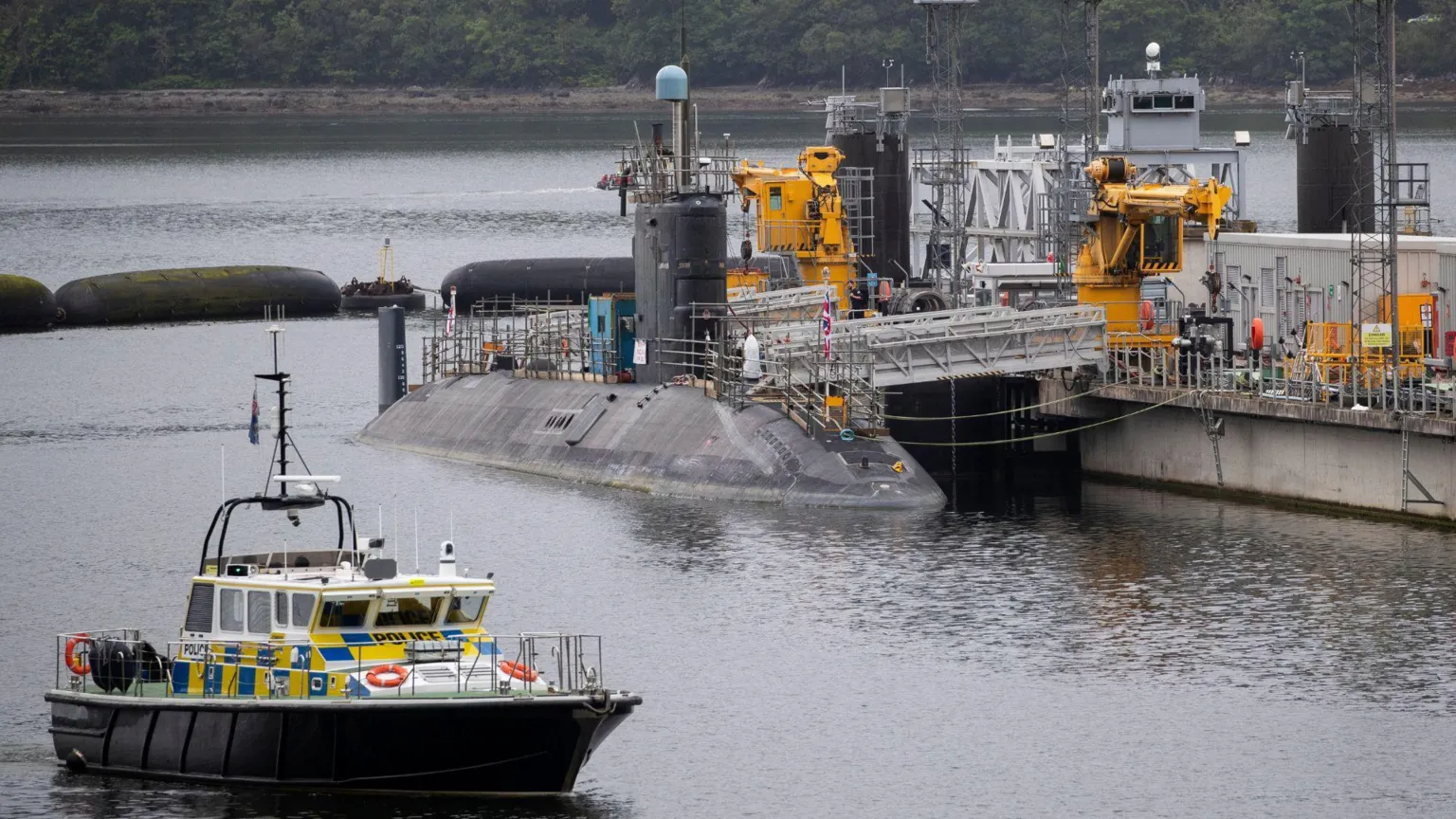 An Iranian man arrested after allegedly attempting to enter a major UK naval installation has been released while investigations continue, prosecutors have said. Get today's headlines by email The 34-year-old had been detained at HM Naval Base Clyde, commonly known as Faslane, on Thursday evening. He was initially expected to appear before Dumbarton Sheriff Court on Monday. Release Pending Further InvestigationHowever, the Crown Office confirmed that, following a detailed review of the case, the man had been released pending further inquiries. Authorities said the case remains active and under consideration, leaving open the possibility of future legal action. A 31-year-old Romanian woman who was also arrested in connection with the incident has been released without charge. Prosecutors said there was insufficient admissible evidence to proceed against her at this stage, although they have not ruled out action if new information emerges. Strategic Importance of FaslaneThe base at Faslane, located on the Gare Loch about 40km north-west of Glasgow, is a key site for the Royal Navy. It serves as the home port for the UK’s nuclear submarine fleet, including the Vanguard-class vessels that carry the country’s Trident nuclear deterrent. Given its strategic role, security at the site is tightly controlled, and incidents involving unauthorised access are treated with significant concern. Wider Geopolitical ContextThe incident comes amid heightened international tensions following recent military developments involving Iran. The US and Israel have carried out extensive strikes on Iranian targets, while Iran has launched retaliatory attacks against Israel and US-aligned states in the Gulf. Amid these developments, Donald Trump said on Monday that “productive conversations” had taken place between Washington and Tehran, raising the possibility of a broader diplomatic resolution. Ongoing UncertaintyScottish prosecutors have not disclosed further details about the circumstances of the alleged breach attempt or the individual’s intentions. With the investigation continuing, authorities have emphasised that no conclusions have yet been reached, and further action will depend on the outcome of ongoing inquiries. Join the discussion? Already a member? Adapted by ASEAN Now. Source 24 March 2026
 -
A jury in California has ordered Bill Cosby to pay $19.25m (£14.3m) in damages to a former waitress after concluding he drugged and sexually assaulted her in 1972. Get today's headlines by email The case was brought by Donna Motsinger, now 84, who said the incident occurred after Cosby invited her to attend one of his comedy performances. According to court filings, she was picked up from her home in a limousine and given wine along with a pill she believed to be aspirin. Allegations Dating Back Five DecadesMotsinger told the court the substance left her incapacitated. Legal documents state she drifted in and out of consciousness, recalling only flashes before later waking at home partially undressed. She said she believed she had been drugged and assaulted. At the time, she worked at the Trident restaurant in Sausalito, a venue known for attracting high-profile figures, including Cosby. Cosby Denies ClaimsCosby, 88, has denied the allegations, consistent with his response to numerous other claims made against him over several decades. His legal team argued that Motsinger could not definitively state what had happened. His lawyer, Jennifer Bonjean, said the verdict would be appealed. The jury’s award includes compensatory damages, with a decision on possible punitive damages still pending, meaning the total amount Cosby may be required to pay could increase. Legal History and Broader ContextThe ruling adds to a long series of legal battles involving the former entertainer, whose public image was severely damaged after multiple women accused him of sexual misconduct dating back to the 1960s. Cosby was previously convicted in Pennsylvania on sexual assault charges but was released from prison in 2021 after the conviction was overturned on procedural grounds. Despite the growing number of allegations, Cosby has consistently maintained that all encounters were consensual. Career Overshadowed by AllegationsOnce celebrated as a pioneering figure in American television, Cosby rose to prominence with his hit sitcom The Cosby Show, which made him one of the most recognisable entertainers of the 1980s and 1990s. However, the wave of accusations has overshadowed his career, leading to ongoing civil cases such as the one decided this week. The latest verdict represents one of the most significant financial penalties he has faced in relation to historical claims. Join the discussion? Already a member? Adapted by ASEAN Now. Source 24 March 2026 View full article
-
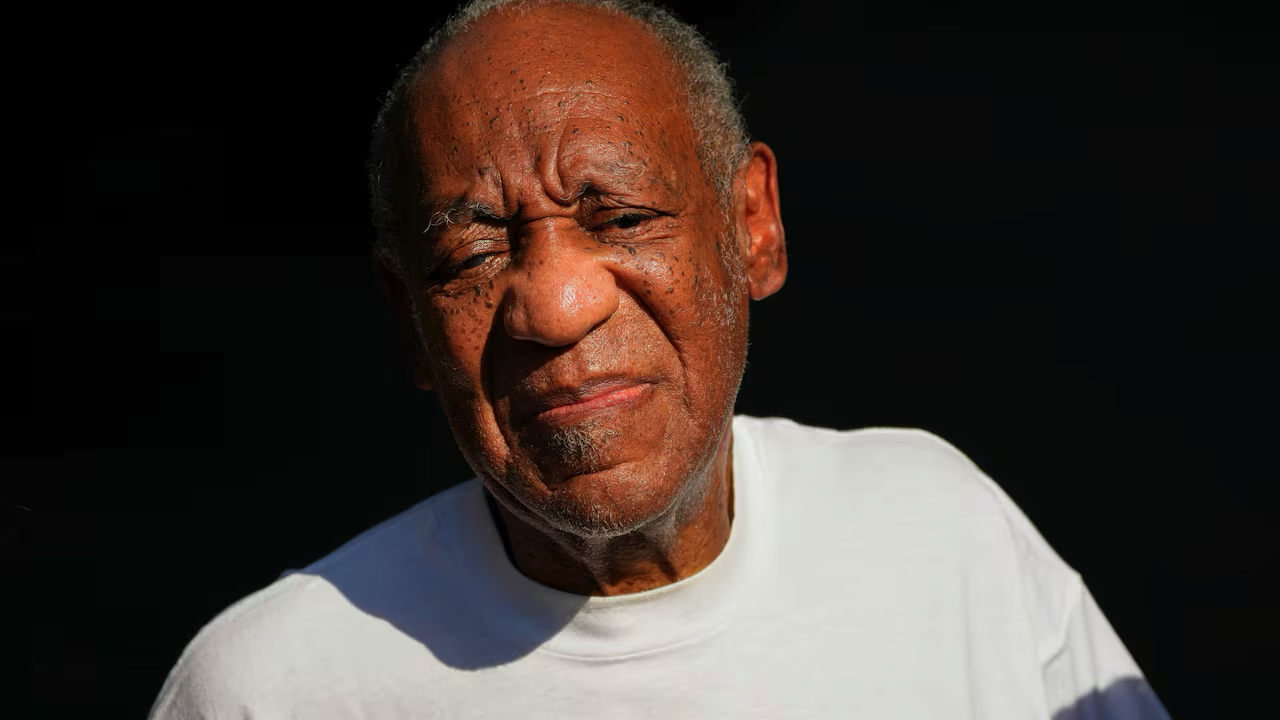 A jury in California has ordered Bill Cosby to pay $19.25m (£14.3m) in damages to a former waitress after concluding he drugged and sexually assaulted her in 1972. Get today's headlines by email The case was brought by Donna Motsinger, now 84, who said the incident occurred after Cosby invited her to attend one of his comedy performances. According to court filings, she was picked up from her home in a limousine and given wine along with a pill she believed to be aspirin. Allegations Dating Back Five DecadesMotsinger told the court the substance left her incapacitated. Legal documents state she drifted in and out of consciousness, recalling only flashes before later waking at home partially undressed. She said she believed she had been drugged and assaulted. At the time, she worked at the Trident restaurant in Sausalito, a venue known for attracting high-profile figures, including Cosby. Cosby Denies ClaimsCosby, 88, has denied the allegations, consistent with his response to numerous other claims made against him over several decades. His legal team argued that Motsinger could not definitively state what had happened. His lawyer, Jennifer Bonjean, said the verdict would be appealed. The jury’s award includes compensatory damages, with a decision on possible punitive damages still pending, meaning the total amount Cosby may be required to pay could increase. Legal History and Broader ContextThe ruling adds to a long series of legal battles involving the former entertainer, whose public image was severely damaged after multiple women accused him of sexual misconduct dating back to the 1960s. Cosby was previously convicted in Pennsylvania on sexual assault charges but was released from prison in 2021 after the conviction was overturned on procedural grounds. Despite the growing number of allegations, Cosby has consistently maintained that all encounters were consensual. Career Overshadowed by AllegationsOnce celebrated as a pioneering figure in American television, Cosby rose to prominence with his hit sitcom The Cosby Show, which made him one of the most recognisable entertainers of the 1980s and 1990s. However, the wave of accusations has overshadowed his career, leading to ongoing civil cases such as the one decided this week. The latest verdict represents one of the most significant financial penalties he has faced in relation to historical claims. Join the discussion? Already a member? Adapted by ASEAN Now. Source 24 March 2026
 -
Leonid Radvinsky, the Ukrainian-American billionaire behind the subscription platform OnlyFans, has died at the age of 43 following a prolonged illness, the company confirmed. Get today's headlines by email In a statement released on Monday, OnlyFans said Radvinsky had died peacefully after a long battle with cancer. The company expressed condolences and noted that his family had asked for privacy. Company Confirms DeathRadvinsky had been the majority owner and director of OnlyFans’ parent company, Fenix International Limited, since acquiring it in 2018. Under his leadership, the platform expanded significantly, becoming widely known for hosting subscription-based adult content. From Early Ventures to Billionaire StatusBorn in Odesa and raised in Chicago, Radvinsky studied economics at Northwestern University. Reports indicate he became involved in running adult websites at a young age, eventually building a business empire in the online content sector. By 2025, his net worth was estimated at approximately $3.8bn. In recent months, he had reportedly been in discussions to sell a 60% stake in OnlyFans in a deal that could have valued the company at around $8bn. The company also said he transferred his ownership into a trust in 2024. Growth of OnlyFans PlatformFounded in 2016, OnlyFans allows creators to earn income by offering subscription-based content. While it is most commonly associated with adult material, the platform also hosts creators from a range of fields, including fitness, photography and other lifestyle content. The company typically takes a 20% share of earnings, with the remainder going to creators. This model proved highly profitable, particularly during the global pandemic, when demand for online content surged. The platform has since become a significant source of income for many users, including some who turned to it after struggling with low wages in traditional jobs. OnlyFans has said its goal is to provide a space where creators can monetise content while maintaining control over their work. Controversy and ChallengesDespite its financial success, the platform has faced criticism and scrutiny. In 2021, OnlyFans briefly announced plans to prohibit sexually explicit material before reversing the decision shortly afterwards, following backlash from users and creators. More recently, a 2024 investigation raised concerns about alleged exploitation on the platform, including claims from some women who said they had been coerced into producing content. Radvinsky’s death comes at a time when the company continues to balance efforts to diversify its offerings with the reality that adult content remains central to its business. Join the discussion? Already a member? Adapted by ASEAN Now. Source 24 March 2026 View full article
-
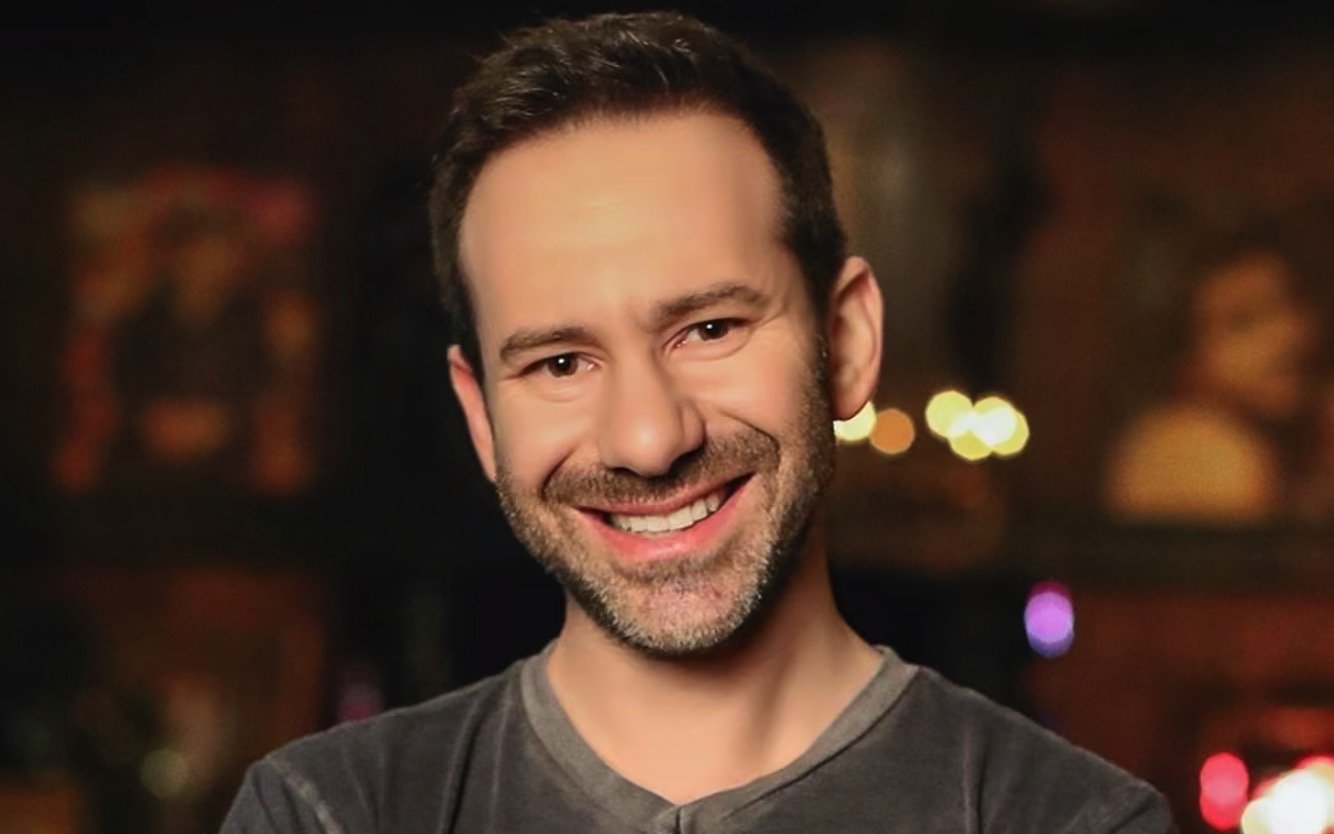 Leonid Radvinsky, the Ukrainian-American billionaire behind the subscription platform OnlyFans, has died at the age of 43 following a prolonged illness, the company confirmed. Get today's headlines by email In a statement released on Monday, OnlyFans said Radvinsky had died peacefully after a long battle with cancer. The company expressed condolences and noted that his family had asked for privacy. Company Confirms DeathRadvinsky had been the majority owner and director of OnlyFans’ parent company, Fenix International Limited, since acquiring it in 2018. Under his leadership, the platform expanded significantly, becoming widely known for hosting subscription-based adult content. From Early Ventures to Billionaire StatusBorn in Odesa and raised in Chicago, Radvinsky studied economics at Northwestern University. Reports indicate he became involved in running adult websites at a young age, eventually building a business empire in the online content sector. By 2025, his net worth was estimated at approximately $3.8bn. In recent months, he had reportedly been in discussions to sell a 60% stake in OnlyFans in a deal that could have valued the company at around $8bn. The company also said he transferred his ownership into a trust in 2024. Growth of OnlyFans PlatformFounded in 2016, OnlyFans allows creators to earn income by offering subscription-based content. While it is most commonly associated with adult material, the platform also hosts creators from a range of fields, including fitness, photography and other lifestyle content. The company typically takes a 20% share of earnings, with the remainder going to creators. This model proved highly profitable, particularly during the global pandemic, when demand for online content surged. The platform has since become a significant source of income for many users, including some who turned to it after struggling with low wages in traditional jobs. OnlyFans has said its goal is to provide a space where creators can monetise content while maintaining control over their work. Controversy and ChallengesDespite its financial success, the platform has faced criticism and scrutiny. In 2021, OnlyFans briefly announced plans to prohibit sexually explicit material before reversing the decision shortly afterwards, following backlash from users and creators. More recently, a 2024 investigation raised concerns about alleged exploitation on the platform, including claims from some women who said they had been coerced into producing content. Radvinsky’s death comes at a time when the company continues to balance efforts to diversify its offerings with the reality that adult content remains central to its business. Join the discussion? Already a member? Adapted by ASEAN Now. Source 24 March 2026
 -
UK Prime Minister Keir Starmer has warned against assuming a swift end to the ongoing conflict involving Iran, telling senior MPs that the situation could persist despite diplomatic efforts. Get today's headlines by email Speaking before the parliamentary Liaison Committee, Starmer said his government must avoid “false comfort” about the prospect of a quick resolution. While expressing hope for a “swift de-escalation", he stressed the need to prepare for a longer-lasting crisis. Caution Over Duration of ConflictHe reiterated that the conflict was “not our war” and emphasised that any UK involvement would require a clear legal justification and a carefully considered plan. His comments came shortly after Donald Trump said discussions between Washington and Tehran were “very strong” and that there was a “serious chance” of reaching an agreement. However, Iranian officials have denied that negotiations are taking place. Economic Concerns and Energy PricesThe conflict has already disrupted global energy markets, particularly after restrictions on shipping through the Strait of Hormuz. Starmer said the government was assessing potential support measures for households as energy costs rise, especially ahead of increased demand later in the year. He confirmed that Chancellor Rachel Reeves would update Parliament following an emergency Cobra meeting involving ministers and the governor of the Bank of England. Starmer indicated that any intervention would likely be targeted, citing concerns about public finances and the high cost of previous energy support schemes introduced during earlier crises. The government is also considering stronger action against price manipulation. Starmer said regulators such as the Competition and Markets Authority could be given enhanced powers to tackle profiteering. Downing Street later confirmed plans for a new anti-profiteering framework. Political Pressure and Policy DebateDomestically, the government is facing pressure from opposition parties. Kemi Badenoch called for increased North Sea drilling and tax cuts on fuel, while Zack Polanski urged higher windfall taxes on oil and gas companies alongside greater investment in renewable energy. Starmer also addressed criticism from Trump over the UK’s refusal to allow US forces to use British bases for initial strikes on Iran. He said such remarks were intended to exert pressure but insisted he would remain focused on national interests. Defence Readiness Under ScrutinyDuring the committee session, Starmer faced sharp questioning over the UK’s military preparedness. Concerns were raised about delays in deploying the HMS Dragon to the eastern Mediterranean and the timing of the government’s defence investment plan. Labour MP Tan Dhesi described aspects of the response as “embarrassing,” while Conservative MP Bernard Jenkin criticised what he called a lack of urgency. Starmer rejected these claims, arguing that years of underinvestment by previous governments had weakened the armed forces. He said the defence investment plan was nearing completion. Separately, Defence Secretary John Healey confirmed that two Iranian missiles had been launched towards the joint UK-US base on Diego Garcia, though neither came close to the facility. He also said HMS Dragon had now reached the region and begun operations alongside allied forces. Join the discussion? Already a member? Adapted by ASEAN Now. Source 24 March 2026 View full article
-
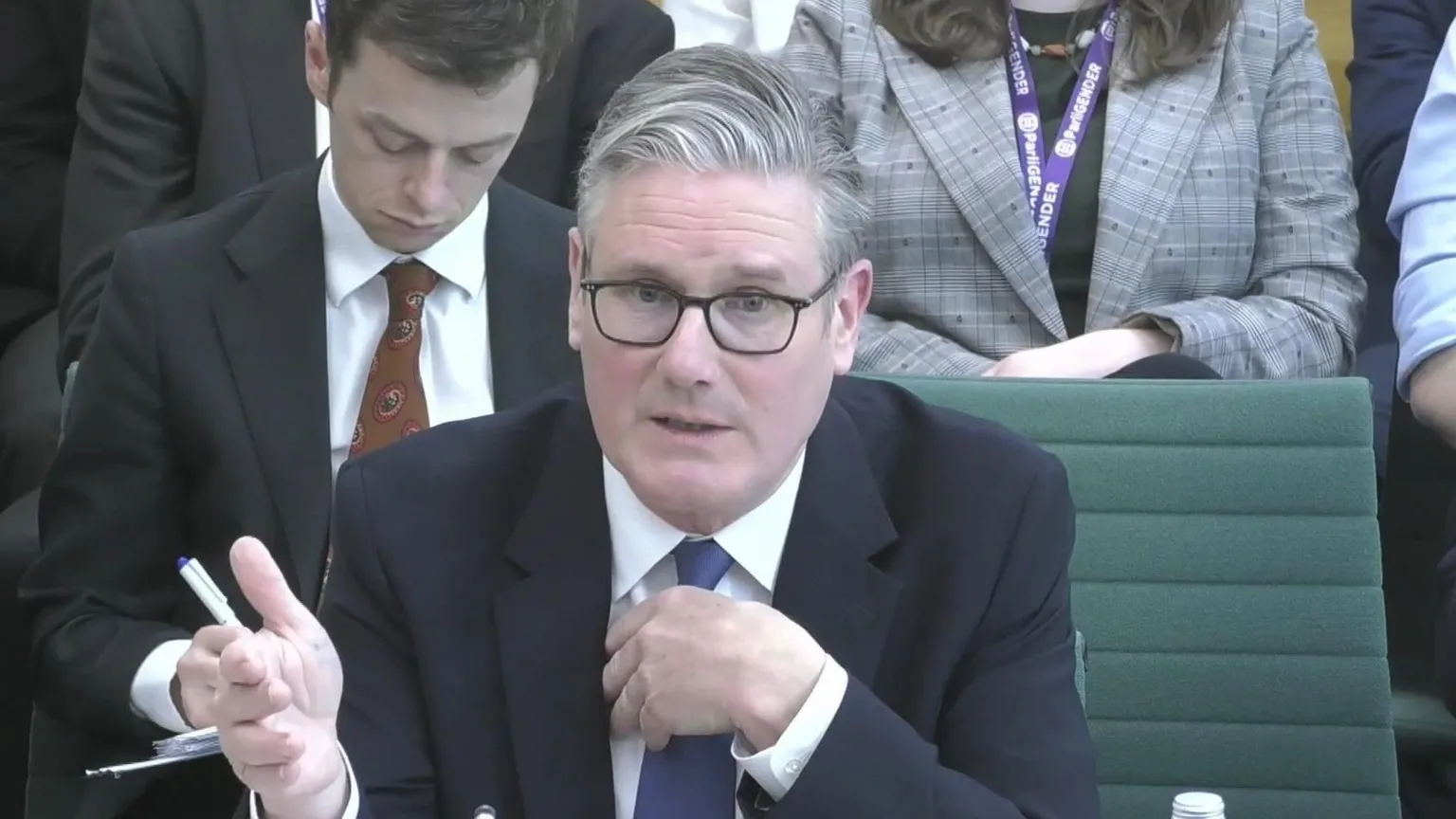 UK Prime Minister Keir Starmer has warned against assuming a swift end to the ongoing conflict involving Iran, telling senior MPs that the situation could persist despite diplomatic efforts. Get today's headlines by email Speaking before the parliamentary Liaison Committee, Starmer said his government must avoid “false comfort” about the prospect of a quick resolution. While expressing hope for a “swift de-escalation", he stressed the need to prepare for a longer-lasting crisis. Caution Over Duration of ConflictHe reiterated that the conflict was “not our war” and emphasised that any UK involvement would require a clear legal justification and a carefully considered plan. His comments came shortly after Donald Trump said discussions between Washington and Tehran were “very strong” and that there was a “serious chance” of reaching an agreement. However, Iranian officials have denied that negotiations are taking place. Economic Concerns and Energy PricesThe conflict has already disrupted global energy markets, particularly after restrictions on shipping through the Strait of Hormuz. Starmer said the government was assessing potential support measures for households as energy costs rise, especially ahead of increased demand later in the year. He confirmed that Chancellor Rachel Reeves would update Parliament following an emergency Cobra meeting involving ministers and the governor of the Bank of England. Starmer indicated that any intervention would likely be targeted, citing concerns about public finances and the high cost of previous energy support schemes introduced during earlier crises. The government is also considering stronger action against price manipulation. Starmer said regulators such as the Competition and Markets Authority could be given enhanced powers to tackle profiteering. Downing Street later confirmed plans for a new anti-profiteering framework. Political Pressure and Policy DebateDomestically, the government is facing pressure from opposition parties. Kemi Badenoch called for increased North Sea drilling and tax cuts on fuel, while Zack Polanski urged higher windfall taxes on oil and gas companies alongside greater investment in renewable energy. Starmer also addressed criticism from Trump over the UK’s refusal to allow US forces to use British bases for initial strikes on Iran. He said such remarks were intended to exert pressure but insisted he would remain focused on national interests. Defence Readiness Under ScrutinyDuring the committee session, Starmer faced sharp questioning over the UK’s military preparedness. Concerns were raised about delays in deploying the HMS Dragon to the eastern Mediterranean and the timing of the government’s defence investment plan. Labour MP Tan Dhesi described aspects of the response as “embarrassing,” while Conservative MP Bernard Jenkin criticised what he called a lack of urgency. Starmer rejected these claims, arguing that years of underinvestment by previous governments had weakened the armed forces. He said the defence investment plan was nearing completion. Separately, Defence Secretary John Healey confirmed that two Iranian missiles had been launched towards the joint UK-US base on Diego Garcia, though neither came close to the facility. He also said HMS Dragon had now reached the region and begun operations alongside allied forces. Join the discussion? Already a member? Adapted by ASEAN Now. Source 24 March 2026
 -
President Donald Trump has combined sharp warnings with renewed diplomatic signals in recent days, raising uncertainty over the trajectory of the conflict with Iran. Late on Saturday, Trump issued a stark ultimatum, giving Iran 48 hours to fully reopen the strategically vital Strait of Hormuz or face intensified US airstrikes targeting its energy infrastructure. The warning suggested a significant escalation in the three-week conflict, with potential consequences for regional stability and civilian populations. Get today's headlines by email Iran responded with its own threats, warning it could strike energy and water facilities across the region if attacked. At the time, the situation appeared to be moving rapidly toward a broader confrontation. From Threats to TalksHowever, by Monday morning, the US president adopted a notably different tone. Trump announced that potential strikes would be paused for five days following what he described as “constructive” engagement with Iranian representatives. He said both sides had “major points of agreement” and expressed optimism about reaching a deal. Iranian officials, however, denied that substantive talks had taken place, casting doubt on the extent of diplomatic progress. War Continues Despite Diplomatic SignalsDespite the shift in rhetoric, military activity has continued. US and Israeli forces have maintained strikes on Iranian targets, while Iran has continued launching missiles and drones against US positions and regional allies. Shipping through the Strait of Hormuz remains limited, adding pressure to global markets. Trump’s remarks nonetheless appeared to calm investor fears. Stock markets rebounded and oil prices fell, reflecting hopes that a diplomatic solution might still be possible. The president has not provided details of the reported “points of agreement,” leaving analysts uncertain about the substance of any مذاکرات or whether meaningful negotiations are underway. Memphis Visit Adds Unusual NoteAmid the evolving crisis, Trump traveled to Memphis, Tennessee, where he addressed National Guard personnel and reiterated that discussions with Iran were progressing well. He also spoke about domestic security, crediting troop deployments with reducing crime in the city. During the visit, Trump toured Graceland, the former home of Elvis Presley. The stop added an unusual contrast to the high-stakes geopolitical developments unfolding simultaneously. While in Memphis, reports emerged that Trump had spoken with Israeli Prime Minister Benjamin Netanyahu and that further direct talks with Iranian officials could take place later in the week. Uncertainty Over Next StepsTrump has since returned to Washington, where the five-day pause effectively resets the timeline for possible US action. Whether this represents a genuine opening for diplomacy or a temporary delay remains unclear. Some observers suggest the president may be seeking more time after issuing a high-pressure ultimatum, while others see early signs of a potential breakthrough. For now, the situation remains fluid, with diplomacy and military pressure unfolding side by side. Join the discussion? Already a member? Adapted by ASEAN Now. Source 24 March 2026 View full article
-
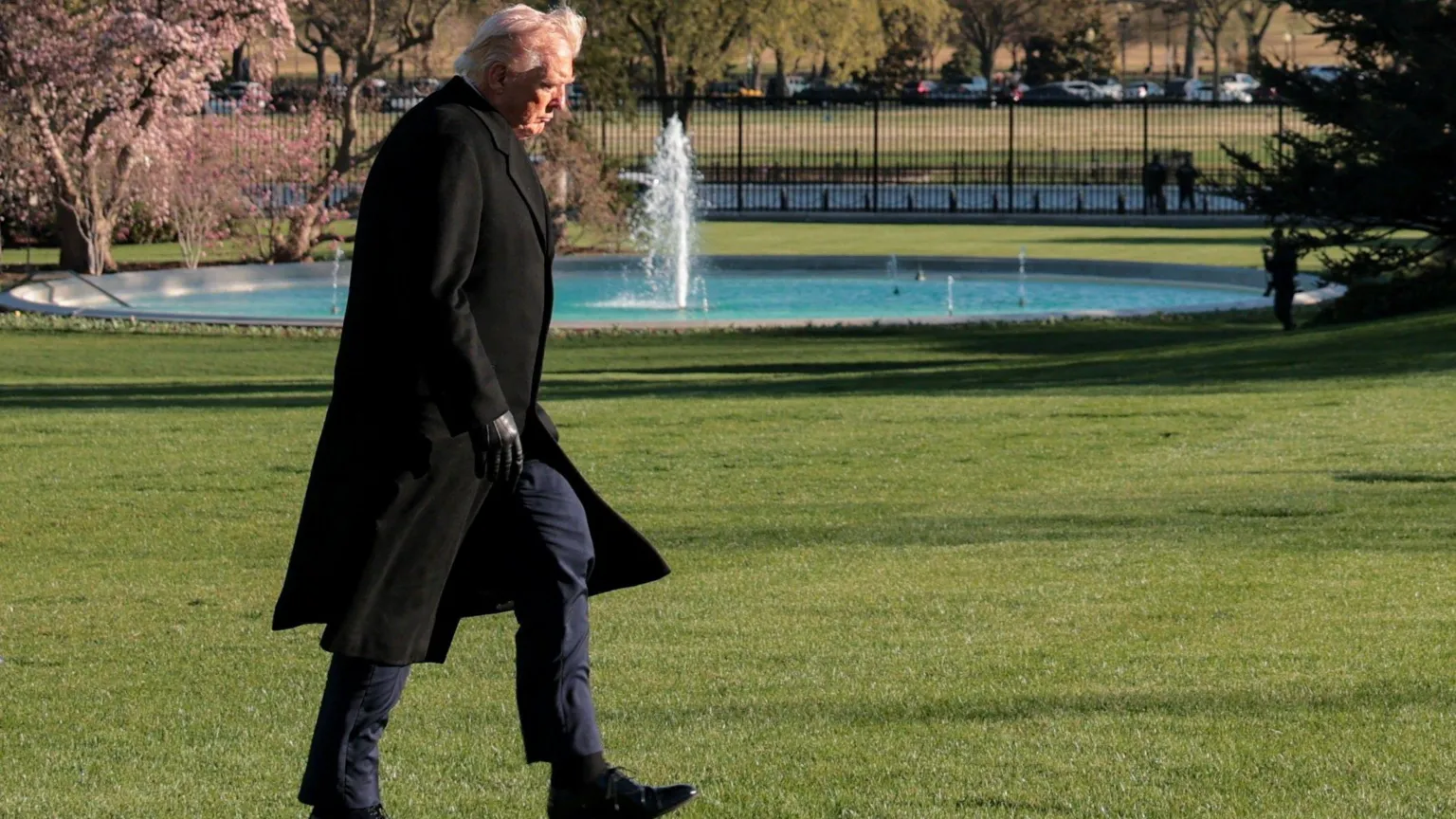 President Donald Trump has combined sharp warnings with renewed diplomatic signals in recent days, raising uncertainty over the trajectory of the conflict with Iran. Late on Saturday, Trump issued a stark ultimatum, giving Iran 48 hours to fully reopen the strategically vital Strait of Hormuz or face intensified US airstrikes targeting its energy infrastructure. The warning suggested a significant escalation in the three-week conflict, with potential consequences for regional stability and civilian populations. Get today's headlines by email Iran responded with its own threats, warning it could strike energy and water facilities across the region if attacked. At the time, the situation appeared to be moving rapidly toward a broader confrontation. From Threats to TalksHowever, by Monday morning, the US president adopted a notably different tone. Trump announced that potential strikes would be paused for five days following what he described as “constructive” engagement with Iranian representatives. He said both sides had “major points of agreement” and expressed optimism about reaching a deal. Iranian officials, however, denied that substantive talks had taken place, casting doubt on the extent of diplomatic progress. War Continues Despite Diplomatic SignalsDespite the shift in rhetoric, military activity has continued. US and Israeli forces have maintained strikes on Iranian targets, while Iran has continued launching missiles and drones against US positions and regional allies. Shipping through the Strait of Hormuz remains limited, adding pressure to global markets. Trump’s remarks nonetheless appeared to calm investor fears. Stock markets rebounded and oil prices fell, reflecting hopes that a diplomatic solution might still be possible. The president has not provided details of the reported “points of agreement,” leaving analysts uncertain about the substance of any مذاکرات or whether meaningful negotiations are underway. Memphis Visit Adds Unusual NoteAmid the evolving crisis, Trump traveled to Memphis, Tennessee, where he addressed National Guard personnel and reiterated that discussions with Iran were progressing well. He also spoke about domestic security, crediting troop deployments with reducing crime in the city. During the visit, Trump toured Graceland, the former home of Elvis Presley. The stop added an unusual contrast to the high-stakes geopolitical developments unfolding simultaneously. While in Memphis, reports emerged that Trump had spoken with Israeli Prime Minister Benjamin Netanyahu and that further direct talks with Iranian officials could take place later in the week. Uncertainty Over Next StepsTrump has since returned to Washington, where the five-day pause effectively resets the timeline for possible US action. Whether this represents a genuine opening for diplomacy or a temporary delay remains unclear. Some observers suggest the president may be seeking more time after issuing a high-pressure ultimatum, while others see early signs of a potential breakthrough. For now, the situation remains fluid, with diplomacy and military pressure unfolding side by side. Join the discussion? Already a member? Adapted by ASEAN Now. Source 24 March 2026
 -
President Donald Trump has delayed planned military action against Iran, citing what he described as “very good” and productive talks between the two sides. Get today's headlines by email The decision temporarily suspends a previous threat to target Iranian power plants if Tehran fails to reopen the Strait of Hormuz, a key global energy route. Strike Threat Put on HoldTrump said he would allow a five-day window for further diplomatic engagement before considering any escalation. The move marks a shift in tone after recent warnings of imminent strikes, raising cautious hopes that tensions could ease. Oil Prices Fall on Diplomatic SignalGlobal markets reacted quickly to the development, with oil prices dropping sharply following the announcement. Traders appeared to interpret the delay as a sign that a broader de-escalation of the conflict may be possible. The Strait of Hormuz remains central to the crisis, as it handles a significant share of the world’s oil shipments. Disruptions there have already contributed to rising energy costs and market volatility in recent weeks. Iran Maintains Retaliation WarningsDespite the pause, Iranian officials have reiterated threats of retaliation if attacked. Tehran has warned it could target energy infrastructure across the region and potentially deploy naval mines to block access to the Persian Gulf. Such actions would risk widening the conflict and further disrupting global energy supplies. Fighting Continues Across RegionHostilities have persisted despite diplomatic efforts. Reports indicate that strikes continued in Tehran, while Saudi Arabia said it intercepted two ballistic missiles aimed at its capital, Riyadh. The overall death toll in Iran and Lebanon has risen into the thousands since the conflict began, highlighting the human cost of the ongoing war. The coming days are expected to be critical as diplomatic efforts continue alongside ongoing military activity. Join the discussion? Already a member? Adapted by ASEAN Now. Source 23 March 2026 View full article
-
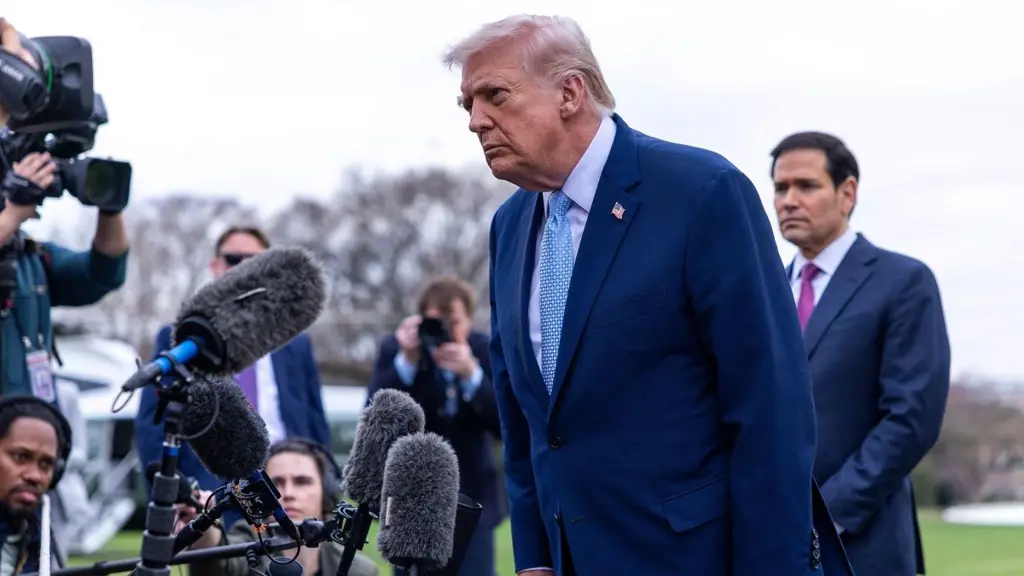 President Donald Trump has delayed planned military action against Iran, citing what he described as “very good” and productive talks between the two sides. Get today's headlines by email The decision temporarily suspends a previous threat to target Iranian power plants if Tehran fails to reopen the Strait of Hormuz, a key global energy route. Strike Threat Put on HoldTrump said he would allow a five-day window for further diplomatic engagement before considering any escalation. The move marks a shift in tone after recent warnings of imminent strikes, raising cautious hopes that tensions could ease. Oil Prices Fall on Diplomatic SignalGlobal markets reacted quickly to the development, with oil prices dropping sharply following the announcement. Traders appeared to interpret the delay as a sign that a broader de-escalation of the conflict may be possible. The Strait of Hormuz remains central to the crisis, as it handles a significant share of the world’s oil shipments. Disruptions there have already contributed to rising energy costs and market volatility in recent weeks. Iran Maintains Retaliation WarningsDespite the pause, Iranian officials have reiterated threats of retaliation if attacked. Tehran has warned it could target energy infrastructure across the region and potentially deploy naval mines to block access to the Persian Gulf. Such actions would risk widening the conflict and further disrupting global energy supplies. Fighting Continues Across RegionHostilities have persisted despite diplomatic efforts. Reports indicate that strikes continued in Tehran, while Saudi Arabia said it intercepted two ballistic missiles aimed at its capital, Riyadh. The overall death toll in Iran and Lebanon has risen into the thousands since the conflict began, highlighting the human cost of the ongoing war. The coming days are expected to be critical as diplomatic efforts continue alongside ongoing military activity. Join the discussion? Already a member? Adapted by ASEAN Now. Source 23 March 2026
 -
A growing number of people in Australia believe the country could face a foreign military attack within the next five years, according to new research from the Australian National University. Get today's headlines by email The study found that 45% of respondents consider such an attack likely or possible within that timeframe, reflecting increasing concern over national security. Overall, about two-thirds of those surveyed in 2026 said they were worried about security threats. The research, conducted between November 2024 and February 2026, also showed a sharp rise in concern among younger Australians. More than half of those aged 18 to 24 reported being worried about national security, up significantly from just over one-fifth in late 2024. Broad Range of Threats IdentifiedRespondents highlighted a wide range of perceived risks, including cyber and AI-enabled attacks, disinformation, supply chain disruptions and climate-related impacts. More than 85% said such threats were likely to materialise by the end of the decade. Australia’s potential involvement in overseas conflicts was also a major concern. Nearly seven in ten respondents surveyed in mid-2025 said they believed this was likely within five years. While an attack on Australian soil ranked lowest in terms of likelihood, it was still considered the most serious scenario in terms of consequences. Many respondents said such an event would have major or even catastrophic impacts. Concerns Over PreparednessThe findings suggest widespread doubt about the country’s readiness to respond to major threats. More than half of those surveyed said Australia was either only slightly prepared or not prepared at all for scenarios such as military attack, economic crisis or disruption to critical infrastructure. Worry about domestic terrorism has also risen. In early 2026, 72% of respondents described it as a serious concern, up from 55% in 2024. Rory Medcalf said the results show Australians are increasingly aware of shifting global risks. “In a time when our security landscape is changing, it would be wrong to assume that Australians are complacent,” he said. Economic Pressures Add to ConcernsThe report’s release comes amid global instability linked to conflict in the Middle East, which has disrupted fuel supplies and pushed up prices. Energy Minister Chris Bowen said several oil shipments to Australia had recently been cancelled or delayed, though the government was working to secure alternatives. He warned there could be short-term supply disruptions. The findings underline a broader sense of unease among Australians, driven by both security threats and economic uncertainty. Join the discussion? Already a member? Adapted by ASEAN Now. Source 23 March 2026 View full article
-
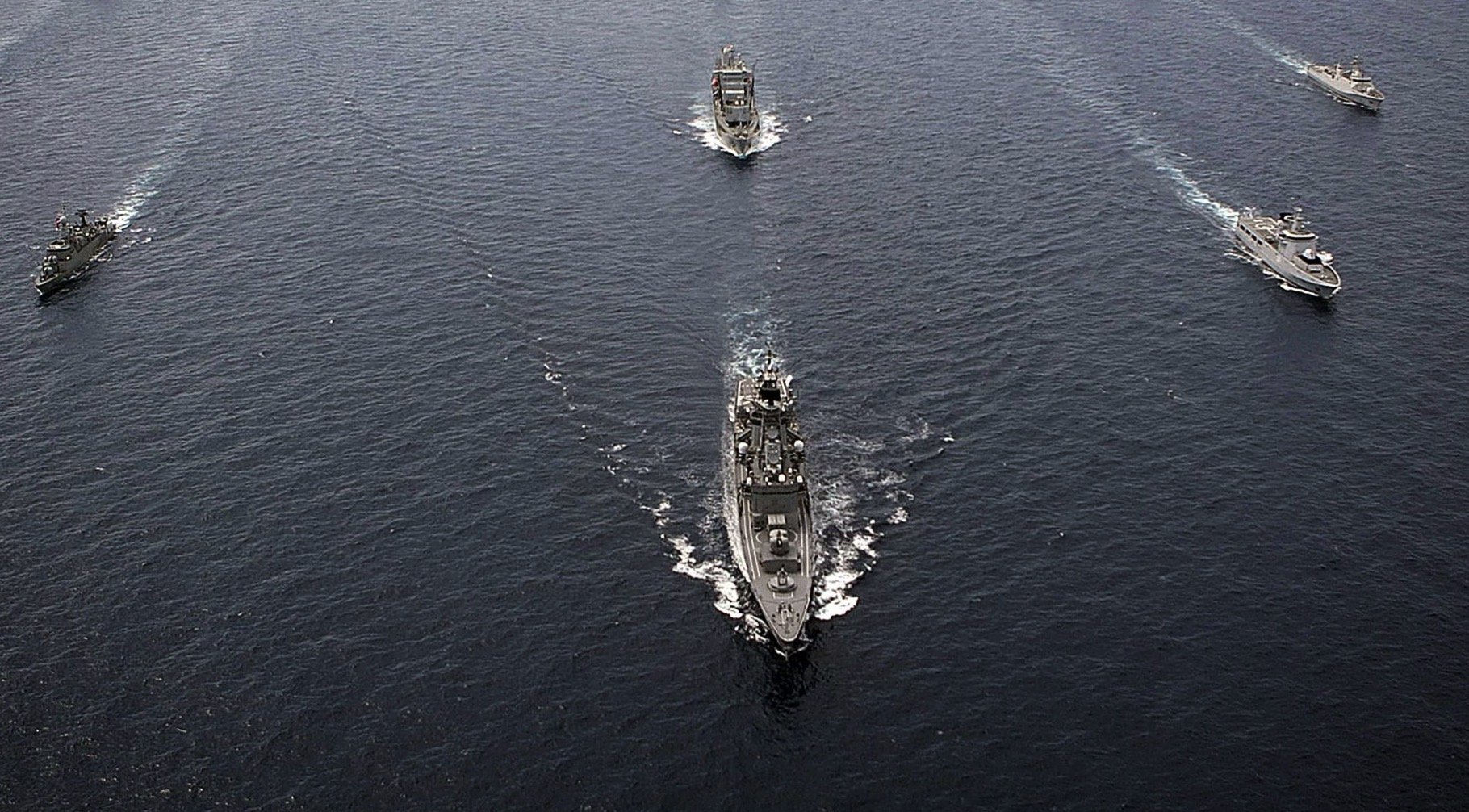 A growing number of people in Australia believe the country could face a foreign military attack within the next five years, according to new research from the Australian National University. Get today's headlines by email The study found that 45% of respondents consider such an attack likely or possible within that timeframe, reflecting increasing concern over national security. Overall, about two-thirds of those surveyed in 2026 said they were worried about security threats. The research, conducted between November 2024 and February 2026, also showed a sharp rise in concern among younger Australians. More than half of those aged 18 to 24 reported being worried about national security, up significantly from just over one-fifth in late 2024. Broad Range of Threats IdentifiedRespondents highlighted a wide range of perceived risks, including cyber and AI-enabled attacks, disinformation, supply chain disruptions and climate-related impacts. More than 85% said such threats were likely to materialise by the end of the decade. Australia’s potential involvement in overseas conflicts was also a major concern. Nearly seven in ten respondents surveyed in mid-2025 said they believed this was likely within five years. While an attack on Australian soil ranked lowest in terms of likelihood, it was still considered the most serious scenario in terms of consequences. Many respondents said such an event would have major or even catastrophic impacts. Concerns Over PreparednessThe findings suggest widespread doubt about the country’s readiness to respond to major threats. More than half of those surveyed said Australia was either only slightly prepared or not prepared at all for scenarios such as military attack, economic crisis or disruption to critical infrastructure. Worry about domestic terrorism has also risen. In early 2026, 72% of respondents described it as a serious concern, up from 55% in 2024. Rory Medcalf said the results show Australians are increasingly aware of shifting global risks. “In a time when our security landscape is changing, it would be wrong to assume that Australians are complacent,” he said. Economic Pressures Add to ConcernsThe report’s release comes amid global instability linked to conflict in the Middle East, which has disrupted fuel supplies and pushed up prices. Energy Minister Chris Bowen said several oil shipments to Australia had recently been cancelled or delayed, though the government was working to secure alternatives. He warned there could be short-term supply disruptions. The findings underline a broader sense of unease among Australians, driven by both security threats and economic uncertainty. Join the discussion? Already a member? Adapted by ASEAN Now. Source 23 March 2026
 -
A British couple detained in Iran on espionage charges have said their situation has become “life-threatening” as the conflict in the region intensifies. Craig and Lindsay Foreman, both 53, issued their first public statement since hostilities began on 28 February, describing fear, uncertainty and a sense of abandonment. Get today's headlines by email Speaking from Evin Prison in Tehran, Mr Foreman said they felt “let down, alone and completely frustrated”. The couple were arrested in January 2025 while travelling through Iran as part of a global motorbike journey. They were later sentenced to 10 years in prison on charges they insist are false. In a message relayed by their son, Mr Foreman urged the UK government to publicly declare their innocence. “We are not spies. The charges against us are simply not true,” he said. Claims of Harsh ConditionsFamily members say the couple are being held separately in deteriorating conditions, with limited access to food and no medical care. According to their son, Joe Bennett, they are sleeping in overcrowded cells on metal bunks without mattresses. He added that nearby explosions linked to recent military activity have shaken the prison, heightening fears for their safety. “We are now in prison in a war zone,” Mr Foreman said in the recorded message. The family also said the couple were not informed when British embassy staff were withdrawn from Iran, leaving them without guidance during the crisis. Government Response Under ScrutinyThe Foreign, Commonwealth & Development Office said the welfare of British nationals remains a priority. It described the sentences as “completely appalling and totally unjustifiable” and said efforts to secure their release were ongoing. Yvette Cooper has previously condemned the case, but the family says the government response lacks urgency. Mr Bennett said he had been advised that ministers would not publicly state the couple’s innocence, a decision he criticised as deeply frustrating. He also questioned why other European countries had secured the release of their citizens while the UK had not taken a more assertive approach. Arrest During Planned JourneyThe Foremans, from East Sussex, had entered Iran with valid visas, a tour guide and an approved travel itinerary, despite official advice warning against travel to the country. Their trip was intended to be a short stop on a longer journey from Europe to Australia. Mrs Foreman, a life coach, had been documenting conversations about what makes a meaningful life. Their family has described the trial as a “sham” and continues to call for stronger diplomatic intervention. Join the discussion? Already a member? Adapted by ASEAN Now. Source 23 March 2026 View full article
-
 A British couple detained in Iran on espionage charges have said their situation has become “life-threatening” as the conflict in the region intensifies. Craig and Lindsay Foreman, both 53, issued their first public statement since hostilities began on 28 February, describing fear, uncertainty and a sense of abandonment. Get today's headlines by email Speaking from Evin Prison in Tehran, Mr Foreman said they felt “let down, alone and completely frustrated”. The couple were arrested in January 2025 while travelling through Iran as part of a global motorbike journey. They were later sentenced to 10 years in prison on charges they insist are false. In a message relayed by their son, Mr Foreman urged the UK government to publicly declare their innocence. “We are not spies. The charges against us are simply not true,” he said. Claims of Harsh ConditionsFamily members say the couple are being held separately in deteriorating conditions, with limited access to food and no medical care. According to their son, Joe Bennett, they are sleeping in overcrowded cells on metal bunks without mattresses. He added that nearby explosions linked to recent military activity have shaken the prison, heightening fears for their safety. “We are now in prison in a war zone,” Mr Foreman said in the recorded message. The family also said the couple were not informed when British embassy staff were withdrawn from Iran, leaving them without guidance during the crisis. Government Response Under ScrutinyThe Foreign, Commonwealth & Development Office said the welfare of British nationals remains a priority. It described the sentences as “completely appalling and totally unjustifiable” and said efforts to secure their release were ongoing. Yvette Cooper has previously condemned the case, but the family says the government response lacks urgency. Mr Bennett said he had been advised that ministers would not publicly state the couple’s innocence, a decision he criticised as deeply frustrating. He also questioned why other European countries had secured the release of their citizens while the UK had not taken a more assertive approach. Arrest During Planned JourneyThe Foremans, from East Sussex, had entered Iran with valid visas, a tour guide and an approved travel itinerary, despite official advice warning against travel to the country. Their trip was intended to be a short stop on a longer journey from Europe to Australia. Mrs Foreman, a life coach, had been documenting conversations about what makes a meaningful life. Their family has described the trial as a “sham” and continues to call for stronger diplomatic intervention. Join the discussion? Already a member? Adapted by ASEAN Now. Source 23 March 2026
 -
President Donald Trump has issued conflicting messages over the trajectory of the war with Iran, first suggesting a possible de-escalation before warning of severe new strikes on critical infrastructure. The shift has heightened uncertainty as the conflict enters its fourth week. Get today's headlines by email Trump recently said he was considering “winding down” military operations, but within days threatened to “obliterate” Iranian power plants if key demands were not met. The rhetoric has added to concerns about the absence of a clear strategy or end goal. A central focus remains the Strait of Hormuz, a vital route for global energy supplies. Shipping through the strait has sharply declined, contributing to rising oil prices and fears of broader economic disruption. Strategic Pressure and Global ImpactThe White House has pressed allies to help reopen the strait, though responses have been mixed. Trump has alternated between calling for support and criticising partners reluctant to join the conflict. The potential consequences of further escalation are significant. Analysts warn that targeting Iran’s energy infrastructure could provoke a stronger military response and deepen the crisis. It could also trigger humanitarian challenges inside Iran, where essential services depend on stable power supplies. US officials have defended the administration’s approach. Ambassador Mike Waltz said the president “stands by his red lines”, while Treasury Secretary Scott Bessent argued that escalation may be necessary to force de-escalation. Criticism Over Lack of StrategyCritics, including senior Democrats, say the administration has not outlined a coherent plan. Hakeem Jeffries warned that the conflict risks spiralling without a defined objective or exit strategy. Polling suggests public concern is growing, with many Americans believing the war is not progressing well. Rising fuel costs and economic uncertainty are adding to domestic pressure. Risk of Wider ConflictDespite sustained strikes, Iran has demonstrated continued military capability. Recent missile launches targeting Israeli territory and a US-UK base in the Indian Ocean underline the risk of further escalation. Experts say Trump now faces a narrowing set of choices: escalate further, seek negotiations, or risk appearing to back down. Any decision could have far-reaching consequences for global stability and energy markets. One former intelligence official described the situation bluntly: “We don’t have good options, only bad options.” Join the discussion? Already a member? Adapted by ASEAN Now. Source 23 March 2026 View full article
-
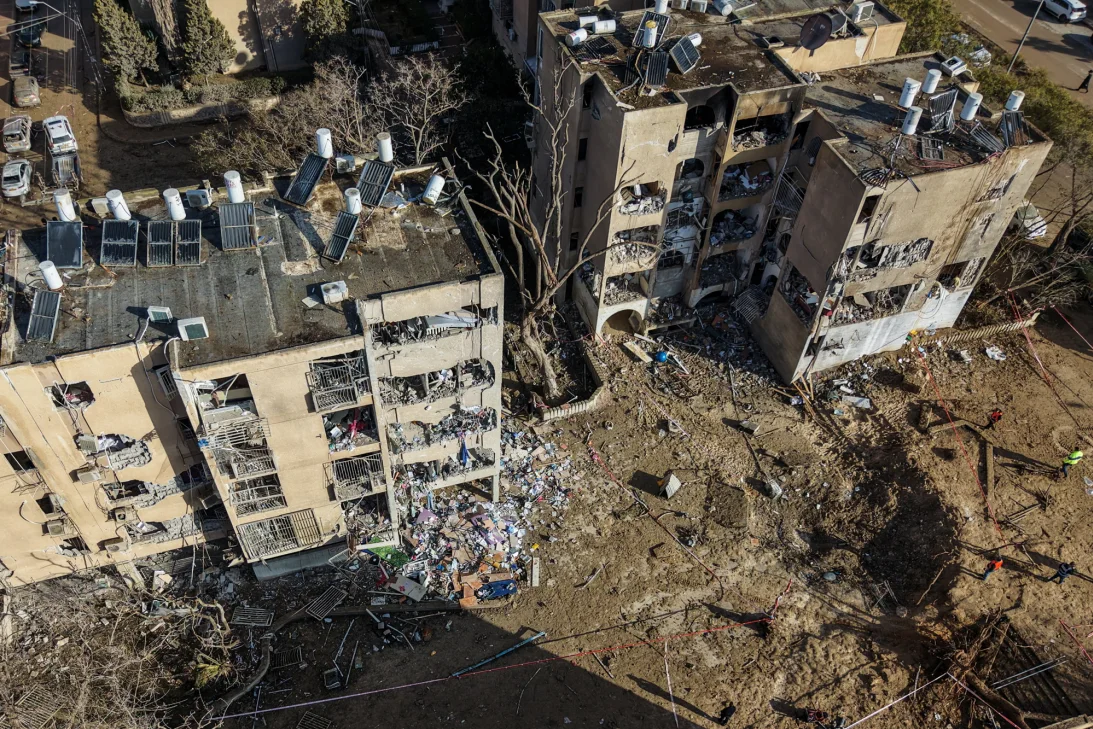 President Donald Trump has issued conflicting messages over the trajectory of the war with Iran, first suggesting a possible de-escalation before warning of severe new strikes on critical infrastructure. The shift has heightened uncertainty as the conflict enters its fourth week. Get today's headlines by email Trump recently said he was considering “winding down” military operations, but within days threatened to “obliterate” Iranian power plants if key demands were not met. The rhetoric has added to concerns about the absence of a clear strategy or end goal. A central focus remains the Strait of Hormuz, a vital route for global energy supplies. Shipping through the strait has sharply declined, contributing to rising oil prices and fears of broader economic disruption. Strategic Pressure and Global ImpactThe White House has pressed allies to help reopen the strait, though responses have been mixed. Trump has alternated between calling for support and criticising partners reluctant to join the conflict. The potential consequences of further escalation are significant. Analysts warn that targeting Iran’s energy infrastructure could provoke a stronger military response and deepen the crisis. It could also trigger humanitarian challenges inside Iran, where essential services depend on stable power supplies. US officials have defended the administration’s approach. Ambassador Mike Waltz said the president “stands by his red lines”, while Treasury Secretary Scott Bessent argued that escalation may be necessary to force de-escalation. Criticism Over Lack of StrategyCritics, including senior Democrats, say the administration has not outlined a coherent plan. Hakeem Jeffries warned that the conflict risks spiralling without a defined objective or exit strategy. Polling suggests public concern is growing, with many Americans believing the war is not progressing well. Rising fuel costs and economic uncertainty are adding to domestic pressure. Risk of Wider ConflictDespite sustained strikes, Iran has demonstrated continued military capability. Recent missile launches targeting Israeli territory and a US-UK base in the Indian Ocean underline the risk of further escalation. Experts say Trump now faces a narrowing set of choices: escalate further, seek negotiations, or risk appearing to back down. Any decision could have far-reaching consequences for global stability and energy markets. One former intelligence official described the situation bluntly: “We don’t have good options, only bad options.” Join the discussion? Already a member? Adapted by ASEAN Now. Source 23 March 2026
 -
A passenger aircraft and an emergency vehicle have collided on a runway at LaGuardia Airport, prompting a temporary halt to incoming flights and triggering a major emergency response. Get today's headlines by email The incident involved an Air Canada Express CRJ-900 aircraft arriving from Montreal and a fire engine operating on the airfield. According to initial reports, the collision occurred shortly before midnight local time on runway 4. Emergency Response and InjuriesAuthorities have not yet released full details, but early reports indicate that four firefighters were critically injured. The individuals are believed to be associated with the Port Authority Police Department. Around 100 passengers were reportedly on board the aircraft at the time of the collision. Their conditions are still being assessed, and no official casualty figures have been confirmed. Images and videos circulating online appear to show damage to the front section of the plane, with passengers being evacuated. However, these recordings have not been independently verified. Airport DisruptionFollowing the incident, the Federal Aviation Administration issued a ground stop, suspending all incoming flights to the airport. Officials cited an emergency situation but did not provide further details on the cause. A separate notice suggested the disruption could last several hours, though the situation remains subject to change as investigations continue. Circumstances Under InvestigationPreliminary information indicates the aircraft, a Bombardier CRJ-900 operated by Jazz Aviation, had been taxiing toward a gate when it collided with the emergency vehicle. Reports also suggested adverse weather conditions may have been present at the time. Authorities have not confirmed the exact sequence of events leading to the collision. An investigation is expected to examine operational procedures, weather conditions, and communication between ground and air crews. Further updates are anticipated as officials assess the damage and determine the cause of the incident. META: A plane and fire engine collided at LaGuardia Airport, injuring several people and forcing a temporary shutdown of incoming flights. Join the discussion? Already a member? Adapted by ASEAN Now. Source 23 March 2026 View full article
-
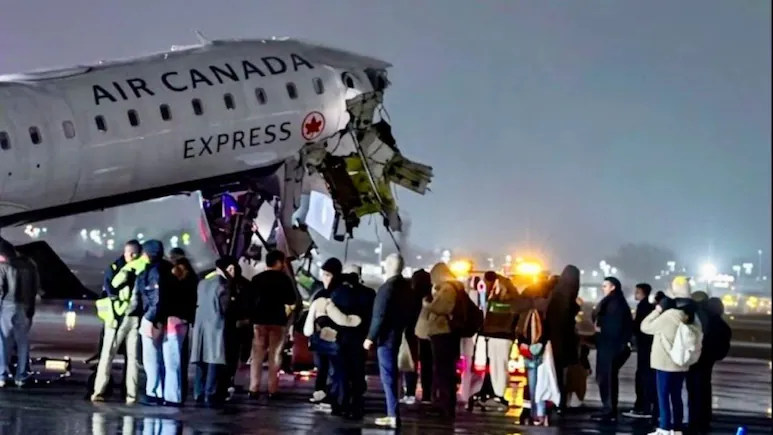 A passenger aircraft and an emergency vehicle have collided on a runway at LaGuardia Airport, prompting a temporary halt to incoming flights and triggering a major emergency response. Get today's headlines by email The incident involved an Air Canada Express CRJ-900 aircraft arriving from Montreal and a fire engine operating on the airfield. According to initial reports, the collision occurred shortly before midnight local time on runway 4. Emergency Response and InjuriesAuthorities have not yet released full details, but early reports indicate that four firefighters were critically injured. The individuals are believed to be associated with the Port Authority Police Department. Around 100 passengers were reportedly on board the aircraft at the time of the collision. Their conditions are still being assessed, and no official casualty figures have been confirmed. Images and videos circulating online appear to show damage to the front section of the plane, with passengers being evacuated. However, these recordings have not been independently verified. Airport DisruptionFollowing the incident, the Federal Aviation Administration issued a ground stop, suspending all incoming flights to the airport. Officials cited an emergency situation but did not provide further details on the cause. A separate notice suggested the disruption could last several hours, though the situation remains subject to change as investigations continue. Circumstances Under InvestigationPreliminary information indicates the aircraft, a Bombardier CRJ-900 operated by Jazz Aviation, had been taxiing toward a gate when it collided with the emergency vehicle. Reports also suggested adverse weather conditions may have been present at the time. Authorities have not confirmed the exact sequence of events leading to the collision. An investigation is expected to examine operational procedures, weather conditions, and communication between ground and air crews. Further updates are anticipated as officials assess the damage and determine the cause of the incident. META: A plane and fire engine collided at LaGuardia Airport, injuring several people and forcing a temporary shutdown of incoming flights. Join the discussion? Already a member? Adapted by ASEAN Now. Source 23 March 2026
 -
A statue of Christopher Columbus has been installed near the White House, marking the latest move by Donald Trump to promote a traditional view of the explorer’s legacy. Get today's headlines by email The sculpture, placed on the grounds of the Eisenhower Executive Office Building, is a replica of a monument that was removed during protests in 2020. That original statue had been pulled down and thrown into Baltimore Inner Harbor amid nationwide demonstrations against racial injustice. Symbolism and Political MessagingThe White House described the installation as part of an effort to recognise Columbus as a historic figure of national importance. In a social media post, officials said the administration views him as a hero and intends to ensure he is honoured for generations. Supporters of the move argue Columbus represents the 1492 voyage that led to European expansion into the Americas and helped shape modern global systems. The statue’s return to public display has also been welcomed by Italian American groups. John Pica, whose organisation owns the statue, said he was pleased it had been given a prominent and protected location. The piece, made largely of marble, was created by sculptor Will Hemsley. Contested LegacyThe decision comes amid continuing debate over Columbus’s historical role. While long celebrated in the United States, he has increasingly been criticised as a symbol of European colonisation and the exploitation of Indigenous populations. The original statue’s destruction in July 2020 followed protests triggered by the killing of George Floyd. At the time, demonstrators targeted monuments linked to colonial history, arguing they represented injustice and oppression. In recent years, several cities and institutions have shifted away from celebrating Columbus Day, instead recognising Indigenous Peoples Day. In 2021, Joe Biden became the first US president to formally mark the occasion. Ongoing Cultural DividePresident Trump has rejected this shift, arguing it distorts historical understanding. He has repeatedly criticised efforts to remove or replace Columbus-related commemorations, describing them as attempts to rewrite history. The installation of the statue near the White House is likely to reinforce divisions over how the United States interprets its past, particularly regarding colonisation and its impact on Indigenous peoples. Join the discussion? Already a member? Adapted by ASEAN Now. Source 23 March 2026 View full article
-
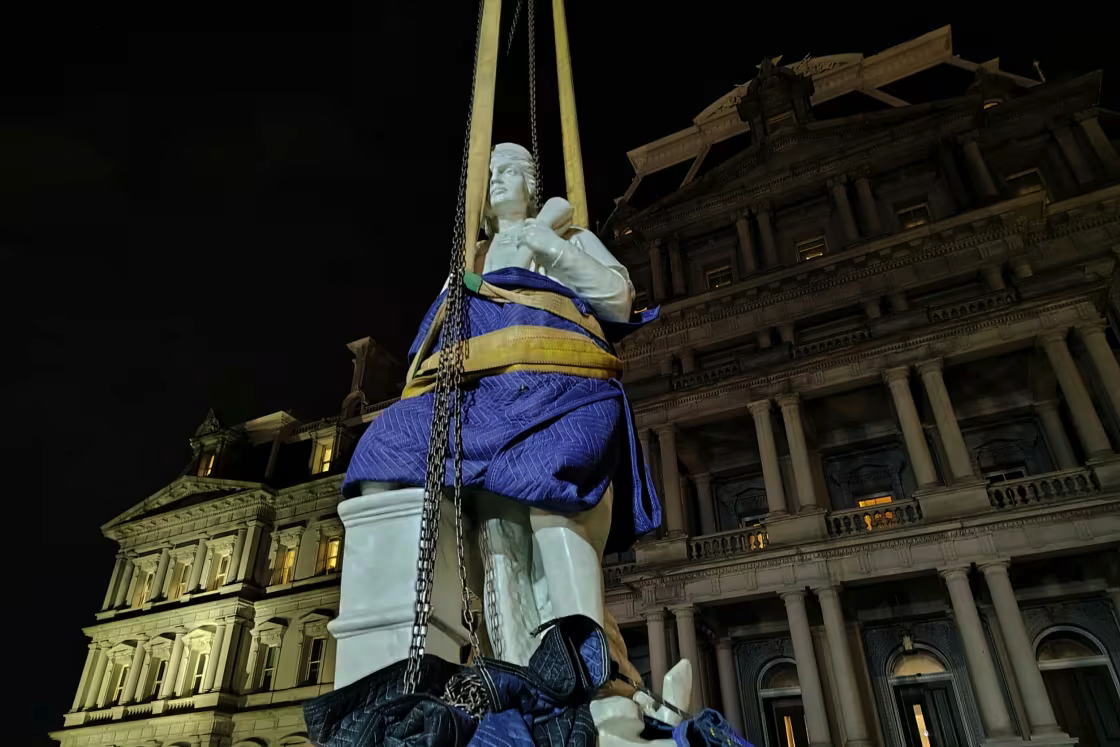 A statue of Christopher Columbus has been installed near the White House, marking the latest move by Donald Trump to promote a traditional view of the explorer’s legacy. Get today's headlines by email The sculpture, placed on the grounds of the Eisenhower Executive Office Building, is a replica of a monument that was removed during protests in 2020. That original statue had been pulled down and thrown into Baltimore Inner Harbor amid nationwide demonstrations against racial injustice. Symbolism and Political MessagingThe White House described the installation as part of an effort to recognise Columbus as a historic figure of national importance. In a social media post, officials said the administration views him as a hero and intends to ensure he is honoured for generations. Supporters of the move argue Columbus represents the 1492 voyage that led to European expansion into the Americas and helped shape modern global systems. The statue’s return to public display has also been welcomed by Italian American groups. John Pica, whose organisation owns the statue, said he was pleased it had been given a prominent and protected location. The piece, made largely of marble, was created by sculptor Will Hemsley. Contested LegacyThe decision comes amid continuing debate over Columbus’s historical role. While long celebrated in the United States, he has increasingly been criticised as a symbol of European colonisation and the exploitation of Indigenous populations. The original statue’s destruction in July 2020 followed protests triggered by the killing of George Floyd. At the time, demonstrators targeted monuments linked to colonial history, arguing they represented injustice and oppression. In recent years, several cities and institutions have shifted away from celebrating Columbus Day, instead recognising Indigenous Peoples Day. In 2021, Joe Biden became the first US president to formally mark the occasion. Ongoing Cultural DividePresident Trump has rejected this shift, arguing it distorts historical understanding. He has repeatedly criticised efforts to remove or replace Columbus-related commemorations, describing them as attempts to rewrite history. The installation of the statue near the White House is likely to reinforce divisions over how the United States interprets its past, particularly regarding colonisation and its impact on Indigenous peoples. Join the discussion? Already a member? Adapted by ASEAN Now. Source 23 March 2026