

ASEAN NOW News
Admin
-
Joined
-
Last visited
Everything posted by ASEAN NOW News
-
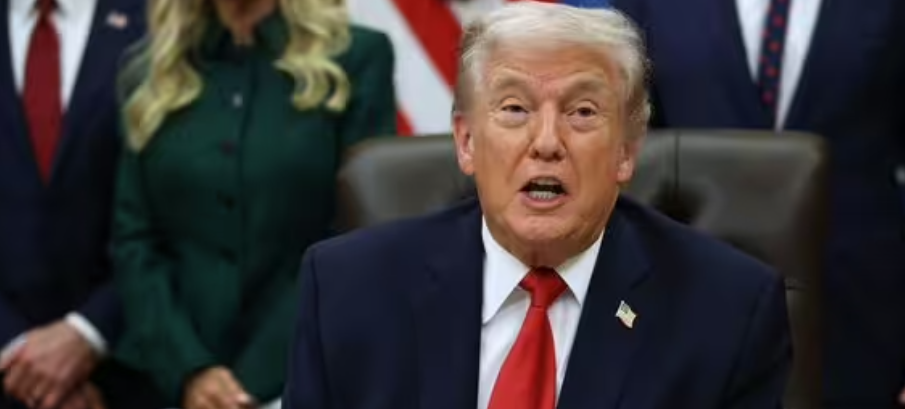 Donald Trump is hitting back hard against whispers about his health. Seen shutting his eyes at a cabinet meeting, the 79-year-old insists he wasn’t snoozing. The real reason? Sheer boredom! His eyes may have been closed, but Trump’s not dozing—just enduring a "boring as hell" cabinet session. It all unfolded during a December meeting, sparking chatter about the president’s vitality. Trump, however, is standing firm, declaring he feels “the same as 40 years ago.” These marathon meetings are legendary for dragging on. The one in December was surprisingly brief at just over an hour, far shorter than the usual three-hour marathons. Trump openly admitted that the lengthy gatherings tempted him to escape, adding humorously, "I love these people, but there's a lot of people." Trump, who’s often faced questions about his stamina, did not hold back in an interview with New York Magazine. Addressing the latest speculation, he emphasized his “perfect health,” shrugging off the incident as nothing more than enduring a dull meeting. But behind the scenes, not everyone is convinced. While party faithfuls support Trump's vigor, one insider noted that abandoning his signature hair dye is his "only concession to age." The meeting brought more drama with notable absences and strategic moves. Trump didn't call on Kristi Noem, homeland security chief embroiled in controversy over ICE actions, including the killing of two protestors. The fallout forced Trump to shake up his immigration team, sidelining Noem and ousting Gregory Bovino, border control chief. In another twist, Trump ignored other heavyweights like Marco Rubio and Doug Burgum, despite praising them. Skipping reporters' questions, he deftly sidestepped queries about Noem’s status and his own health. Key Takeaways Trump dismisses health scare, blames meeting boredom for eye-closing. Inside scoop reveals hairstyle change as Trump’s nod to aging. Cabinet shakeup amid ICE controversy sidelines top officials. Adapted by ASEAN Now from Source 2026-01-29
 -
Donald Trump is hitting back hard against whispers about his health. Seen shutting his eyes at a cabinet meeting, the 79-year-old insists he wasn’t snoozing. The real reason? Sheer boredom! His eyes may have been closed, but Trump’s not dozing—just enduring a "boring as hell" cabinet session. It all unfolded during a December meeting, sparking chatter about the president’s vitality. Trump, however, is standing firm, declaring he feels “the same as 40 years ago.” These marathon meetings are legendary for dragging on. The one in December was surprisingly brief at just over an hour, far shorter than the usual three-hour marathons. Trump openly admitted that the lengthy gatherings tempted him to escape, adding humorously, "I love these people, but there's a lot of people." Trump, who’s often faced questions about his stamina, did not hold back in an interview with New York Magazine. Addressing the latest speculation, he emphasized his “perfect health,” shrugging off the incident as nothing more than enduring a dull meeting. But behind the scenes, not everyone is convinced. While party faithfuls support Trump's vigor, one insider noted that abandoning his signature hair dye is his "only concession to age." The meeting brought more drama with notable absences and strategic moves. Trump didn't call on Kristi Noem, homeland security chief embroiled in controversy over ICE actions, including the killing of two protestors. The fallout forced Trump to shake up his immigration team, sidelining Noem and ousting Gregory Bovino, border control chief. In another twist, Trump ignored other heavyweights like Marco Rubio and Doug Burgum, despite praising them. Skipping reporters' questions, he deftly sidestepped queries about Noem’s status and his own health. Key Takeaways Trump dismisses health scare, blames meeting boredom for eye-closing. Inside scoop reveals hairstyle change as Trump’s nod to aging. Cabinet shakeup amid ICE controversy sidelines top officials. Adapted by ASEAN Now from Source 2026-01-29 View full article
-
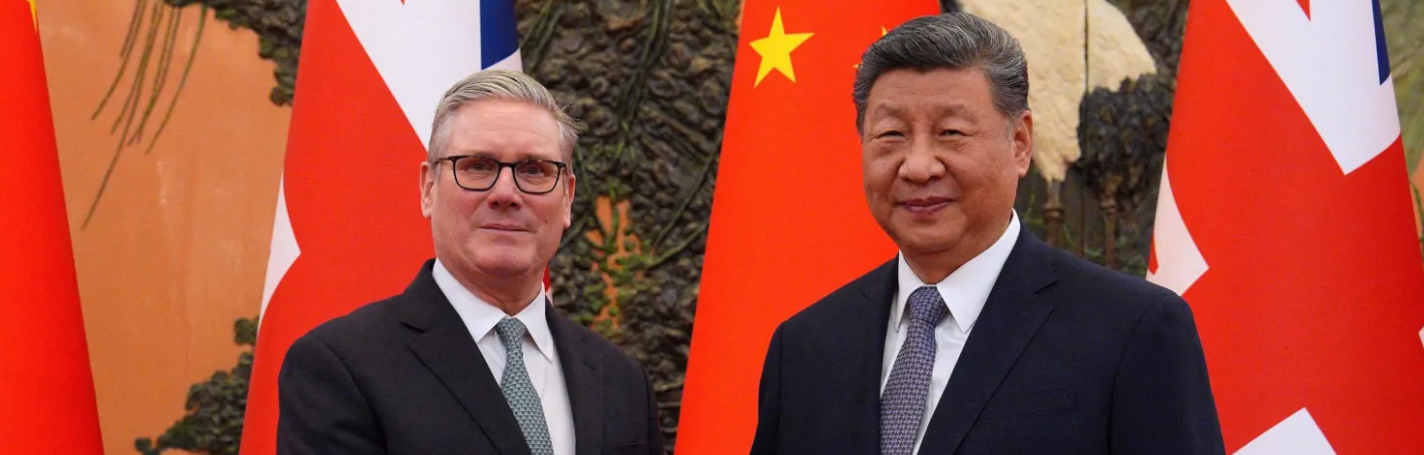 China has unveiled a bombshell policy allowing Brits 30-day visa-free visits! This shocking announcement followed a groundbreaking meeting between PM Sir Keir Starmer and President Xi Jinping—marking the end of an eight-year diplomatic dry spell. In a surprising twist, the Power Duo struck a deal slashing import taxes on UK whisky from 10% to 5%. It’s all part of a grand bid to bolster trade ties, fueling fire into the UK economy. But not everyone’s playing along. Skeptics warn of China's sketchy human rights record and looming security threats. While there's no official start date, hopes are high that the changes will roll out pronto. With the UK finally catching up to 50 other nations, including France and Japan, the announcement could soon benefit a whopping 620,000 British travelers expected in China by 2024. Sir Keir is all about the business boom. His mission? Make expansion into China a breeze for British enterprises eager to stake their claim in this economic powerhouse. "This is what our businesses have been waiting for," Starmer hailed, eyeing fresh opportunities for growth and job creation back home. Key Takeaways: Visa-free boon could attract over half a million Brits to China. Tax slash on whisky imports sweetens UK-China trade. Critics sound off on security, but doors swing open for new business ventures. Adapted by ASEAN Now from Source 2026-01-29
 -
China has unveiled a bombshell policy allowing Brits 30-day visa-free visits! This shocking announcement followed a groundbreaking meeting between PM Sir Keir Starmer and President Xi Jinping—marking the end of an eight-year diplomatic dry spell. In a surprising twist, the Power Duo struck a deal slashing import taxes on UK whisky from 10% to 5%. It’s all part of a grand bid to bolster trade ties, fueling fire into the UK economy. But not everyone’s playing along. Skeptics warn of China's sketchy human rights record and looming security threats. While there's no official start date, hopes are high that the changes will roll out pronto. With the UK finally catching up to 50 other nations, including France and Japan, the announcement could soon benefit a whopping 620,000 British travelers expected in China by 2024. Sir Keir is all about the business boom. His mission? Make expansion into China a breeze for British enterprises eager to stake their claim in this economic powerhouse. "This is what our businesses have been waiting for," Starmer hailed, eyeing fresh opportunities for growth and job creation back home. Key Takeaways: Visa-free boon could attract over half a million Brits to China. Tax slash on whisky imports sweetens UK-China trade. Critics sound off on security, but doors swing open for new business ventures. Adapted by ASEAN Now from Source 2026-01-29 View full article
-
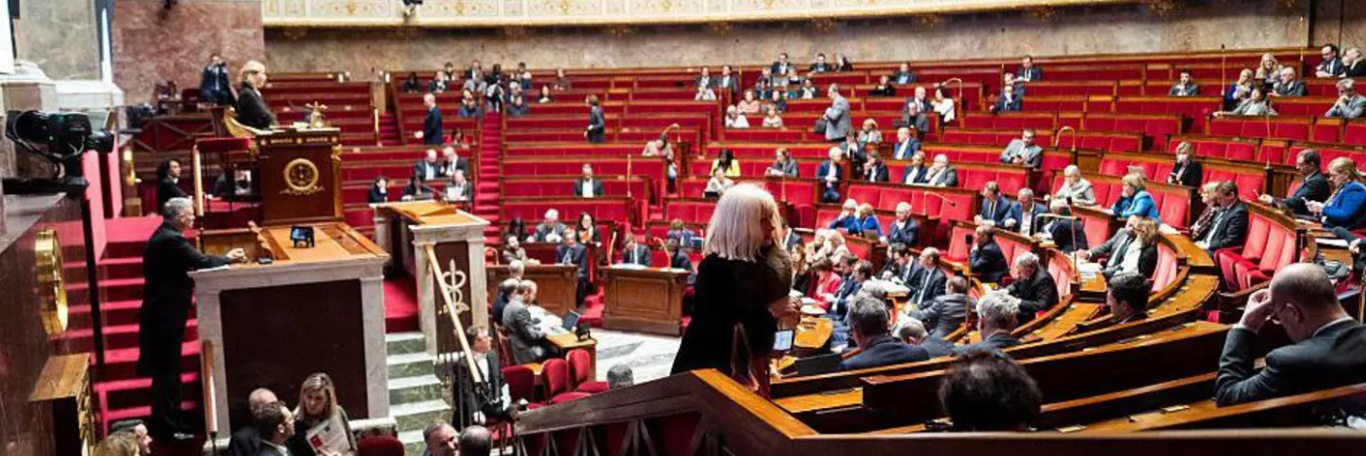 France has taken a definitive step to abolish the archaic notion of "conjugal rights," ending the idea that marriage implies a sexual duty. The National Assembly approved a groundbreaking bill to clarify that "community of living" holds no "obligation for sexual relations." This bill, though largely symbolic in courtrooms, aims to strike a blow against marital rape. Green MP Marie-Charlotte Garin, who sponsored the bill, asserts, “By allowing such a right to persist, we endorse a system of domination.” Marriage, she insists, cannot imply perpetual consent to sex. The French civil code previously defined marriage duties as "respect, fidelity, support, and assistance," without any mention of sexual rights. However, interpretations in divorce cases sometimes included sexual relations, echoing outdated ideas from medieval church law. One infamous 2019 case saw a woman’s refusal to have sex result in a fault-based divorce. But that ruling didn't stand. The European Court of Human Rights (ECHR) slammed France for allowing sexual refusal as divorce grounds, a decision lauded by feminists. The ECHR's decision effectively barred judges from similar verdicts. Thus, the new law mainly clarifies this stance, without expecting a major judicial shake-up. Yet, campaigners stress that the "duty" concept stubbornly lingers in some societal corners. The Mazan trial of 2024 starkly highlighted these issues. A drugged Gisèle Pelicot was horrifically raped by multiple men, who claimed assumed consent via her husband. Cases like these showcase the toxic legacy of implied marital consent, now legally repudiated. Until 1990, French law didn’t recognize marital rape. Just last November, the definition of rape expanded to stress "informed, specific, anterior, and revocable" consent, replacing older, restrictive definitions based on force. This legislative update sets a clear tone. Silence or a lack of resistance won’t imply consent anymore. It’s a cultural reset in French legal texts, confronting outdated views and protecting personal agency. Key Takeaways: France crushes the medieval concept of sexual "duty" in marriage. ECHR ruling pressured legal change after a controversial divorce case. Stringent laws now underscore unequivocal consent, elevating personal rights. Adapted by ASEAN Now from Source 2026-01-29
 -
France has taken a definitive step to abolish the archaic notion of "conjugal rights," ending the idea that marriage implies a sexual duty. The National Assembly approved a groundbreaking bill to clarify that "community of living" holds no "obligation for sexual relations." This bill, though largely symbolic in courtrooms, aims to strike a blow against marital rape. Green MP Marie-Charlotte Garin, who sponsored the bill, asserts, “By allowing such a right to persist, we endorse a system of domination.” Marriage, she insists, cannot imply perpetual consent to sex. The French civil code previously defined marriage duties as "respect, fidelity, support, and assistance," without any mention of sexual rights. However, interpretations in divorce cases sometimes included sexual relations, echoing outdated ideas from medieval church law. One infamous 2019 case saw a woman’s refusal to have sex result in a fault-based divorce. But that ruling didn't stand. The European Court of Human Rights (ECHR) slammed France for allowing sexual refusal as divorce grounds, a decision lauded by feminists. The ECHR's decision effectively barred judges from similar verdicts. Thus, the new law mainly clarifies this stance, without expecting a major judicial shake-up. Yet, campaigners stress that the "duty" concept stubbornly lingers in some societal corners. The Mazan trial of 2024 starkly highlighted these issues. A drugged Gisèle Pelicot was horrifically raped by multiple men, who claimed assumed consent via her husband. Cases like these showcase the toxic legacy of implied marital consent, now legally repudiated. Until 1990, French law didn’t recognize marital rape. Just last November, the definition of rape expanded to stress "informed, specific, anterior, and revocable" consent, replacing older, restrictive definitions based on force. This legislative update sets a clear tone. Silence or a lack of resistance won’t imply consent anymore. It’s a cultural reset in French legal texts, confronting outdated views and protecting personal agency. Key Takeaways: France crushes the medieval concept of sexual "duty" in marriage. ECHR ruling pressured legal change after a controversial divorce case. Stringent laws now underscore unequivocal consent, elevating personal rights. Adapted by ASEAN Now from Source 2026-01-29 View full article
-
 Donald Trump drops a bombshell! The former US President claims Vladimir Putin has pledged not to attack Ukrainian cities, including Kyiv, due to icy weather conditions. Russia hasn't confirmed this truce, but Ukraine's President Volodymyr Zelensky welcomes the news. Bitter cold is set to hit Ukraine with temperatures plunging to -24C (-11F) even as Russia intensifies its assault on energy infrastructure. In a high-stakes televised cabinet meeting, Trump said, "I personally asked Putin to hold fire on Kyiv and other towns for a week, and he agreed." Some doubted the payoff of his call, but Trump insists, "He did it." Trump's announcement caught Ukrainians off guard. Desperate for relief, they’re joyful but skeptical. Zelensky took to social media, praising Trump’s "important statement" on securing Ukrainian cities amid the winter freeze. Both nations reportedly made headway on this topic in UAE negotiations. Ukraine promises to reciprocate by halting attacks on Russian oil refineries. Despite this optimistic note, the air is thick with doubt. No official Russian confirmation leaves everyone on edge as attacks persist, strangling energy supplies. The chilling reality? Cities crippled, millions frozen out of power and warmth. Repair crews race against time, often thwarted by renewed airstrikes. Even when power returns, it's fleeting—just long enough to charge but far from warming the frostbitten homes. What’s next? Everyone’s holding their breath to see if Putin and Trump's reported ‘deal’ will hold or if it’s all a frostbitten fantasy. Key Takeaways: Trump claims Putin will halt attacks amid extreme cold. Zelensky cautiously welcomes the unconfirmed truce. Ukraine pauses refinery strikes in response despite ongoing chaos. Adapted by ASEAN Now from Source 2026-01-29
 -
Donald Trump drops a bombshell! The former US President claims Vladimir Putin has pledged not to attack Ukrainian cities, including Kyiv, due to icy weather conditions. Russia hasn't confirmed this truce, but Ukraine's President Volodymyr Zelensky welcomes the news. Bitter cold is set to hit Ukraine with temperatures plunging to -24C (-11F) even as Russia intensifies its assault on energy infrastructure. In a high-stakes televised cabinet meeting, Trump said, "I personally asked Putin to hold fire on Kyiv and other towns for a week, and he agreed." Some doubted the payoff of his call, but Trump insists, "He did it." Trump's announcement caught Ukrainians off guard. Desperate for relief, they’re joyful but skeptical. Zelensky took to social media, praising Trump’s "important statement" on securing Ukrainian cities amid the winter freeze. Both nations reportedly made headway on this topic in UAE negotiations. Ukraine promises to reciprocate by halting attacks on Russian oil refineries. Despite this optimistic note, the air is thick with doubt. No official Russian confirmation leaves everyone on edge as attacks persist, strangling energy supplies. The chilling reality? Cities crippled, millions frozen out of power and warmth. Repair crews race against time, often thwarted by renewed airstrikes. Even when power returns, it's fleeting—just long enough to charge but far from warming the frostbitten homes. What’s next? Everyone’s holding their breath to see if Putin and Trump's reported ‘deal’ will hold or if it’s all a frostbitten fantasy. Key Takeaways: Trump claims Putin will halt attacks amid extreme cold. Zelensky cautiously welcomes the unconfirmed truce. Ukraine pauses refinery strikes in response despite ongoing chaos. Adapted by ASEAN Now from Source 2026-01-29 View full article
-
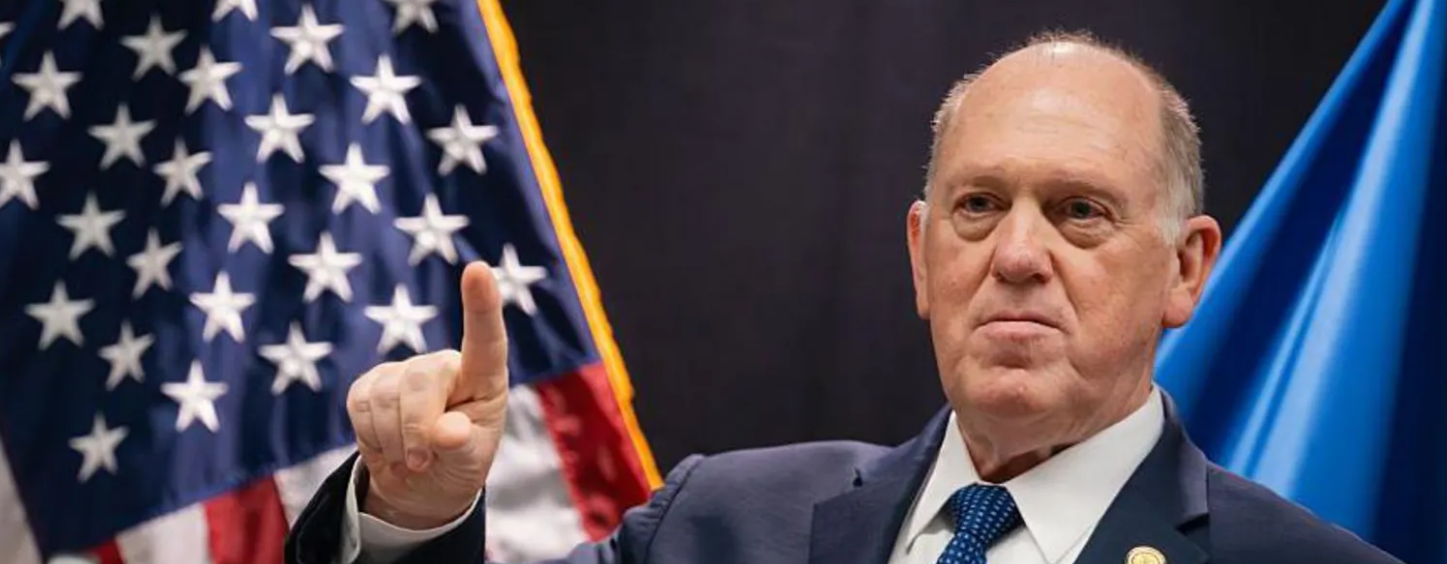 Federal agents could withdraw from Minneapolis, contingent on cooperation from local officials, according to White House Border Tsar Tom Homan. This announcement follows the controversial deaths of two US citizens. Tensions are high, protests are raging, and the Trump administration hints at a possible de-escalation. Homan declares the federal presence could decrease if there’s "common sense cooperation" from state officials. But make no mistake, the mission isn’t over! The administration isn't backing down, just getting strategic. The deaths of Renee Good and Alex Pretti have fueled public anger and mass protests, drawing criticism nationwide. Lawmakers demand answers, but details about federal troop reductions remain elusive. Both Minnesota Governor Tim Walz and Minneapolis Mayor Jacob Frey insist on a full withdrawal of federal forces. With roughly 3,000 agents deployed under "Operation Metro Surge," tensions between state leadership and the administration reach fever pitch. Accusations fly as officials clash over Minneapolis' "sanctuary city policy." Amidst the chaos, Homan’s revelations spark speculation. Conversations with the White House stress cooperation, yet Frey and Walz get few concrete answers. The administration reiterates its commitment to border security and deportations, touting over 480,000 deportations in Trump's first year back. But with more than 75,000 people in detention, debate boils over. Protests aren't just in Minneapolis—Trump has deployed agents to cities like Portland and Chicago. Meanwhile, Capitol Hill buzzes with calls for probes into the shootings. Democrats threaten a government shutdown over DHS funding, demanding tighter restrictions on ICE tactics. Seven Senate Republicans have sided with Democrats, turning tides against proposed spending. As Trump attempts to broker peace to avoid a shutdown, local leaders remain defiant. Frey, speaking in Washington, insists federal forces outnumber local police, calling their presence a dangerous overreach. Americans, he argues, are being unfairly targeted based on appearance. Will Homan’s assurances calm Minneapolis and satisfy lawmakers? Or will tensions flare anew? The next moves hold high stakes in a nation already divided. Key Takeaways: Federal agents may withdraw if local cooperation is achieved. Protests and political pressure mount after fatal shootings. DHS funding hangs in balance amid demands for ICE restrictions. Adapted by ASEAN Now from Source 2026-01-29
 -
Federal agents could withdraw from Minneapolis, contingent on cooperation from local officials, according to White House Border Tsar Tom Homan. This announcement follows the controversial deaths of two US citizens. Tensions are high, protests are raging, and the Trump administration hints at a possible de-escalation. Homan declares the federal presence could decrease if there’s "common sense cooperation" from state officials. But make no mistake, the mission isn’t over! The administration isn't backing down, just getting strategic. The deaths of Renee Good and Alex Pretti have fueled public anger and mass protests, drawing criticism nationwide. Lawmakers demand answers, but details about federal troop reductions remain elusive. Both Minnesota Governor Tim Walz and Minneapolis Mayor Jacob Frey insist on a full withdrawal of federal forces. With roughly 3,000 agents deployed under "Operation Metro Surge," tensions between state leadership and the administration reach fever pitch. Accusations fly as officials clash over Minneapolis' "sanctuary city policy." Amidst the chaos, Homan’s revelations spark speculation. Conversations with the White House stress cooperation, yet Frey and Walz get few concrete answers. The administration reiterates its commitment to border security and deportations, touting over 480,000 deportations in Trump's first year back. But with more than 75,000 people in detention, debate boils over. Protests aren't just in Minneapolis—Trump has deployed agents to cities like Portland and Chicago. Meanwhile, Capitol Hill buzzes with calls for probes into the shootings. Democrats threaten a government shutdown over DHS funding, demanding tighter restrictions on ICE tactics. Seven Senate Republicans have sided with Democrats, turning tides against proposed spending. As Trump attempts to broker peace to avoid a shutdown, local leaders remain defiant. Frey, speaking in Washington, insists federal forces outnumber local police, calling their presence a dangerous overreach. Americans, he argues, are being unfairly targeted based on appearance. Will Homan’s assurances calm Minneapolis and satisfy lawmakers? Or will tensions flare anew? The next moves hold high stakes in a nation already divided. Key Takeaways: Federal agents may withdraw if local cooperation is achieved. Protests and political pressure mount after fatal shootings. DHS funding hangs in balance amid demands for ICE restrictions. Adapted by ASEAN Now from Source 2026-01-29 View full article
-
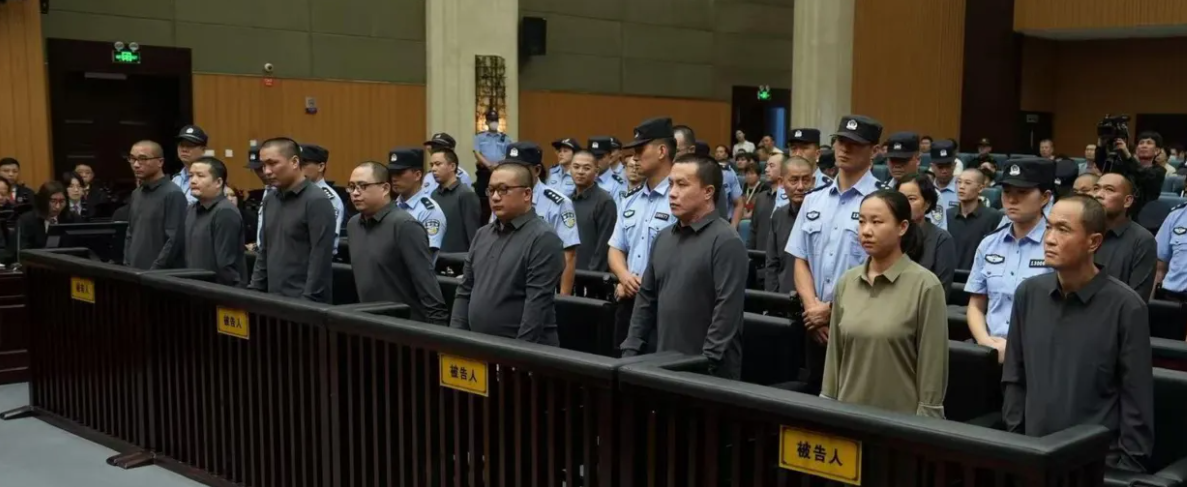 China has acted with stunning swiftness, executing 11 members of an infamous crime family operating out of Myanmar. This dramatic move highlights China's hardline stance on organized crime and corruption. Human rights groups confirm China leads the world in executions, keeping exact figures under wraps. The Ming family's nefarious influence spanned over a decade in Myanmar's Shan state, a hotspot of illicit activities. Their rise to power followed a military operation in 2009, led by Myanmar's now coup leader, General Min Aung Hlaing, ousting ethnic insurgents dominating since the 1980s. Once in control, the Ming, Bau, Wei, and Liu clans shifted from narcotics to gambling and sophisticated online fraud. They maintained tight ties with Myanmar's military elite. Notably, in December 2021, Min Aung Hlaing publicly honored the Liu patriarch, underscoring the deep connections between the families and power structures. For years, these clans ran brutal scam operations in Laukkaing. Thousands of Chinese workers were duped with promises of jobs, only to be trapped in vicious labor scams, known as "pig-butchering." Reports of torture and abuse soared, with social media abuzz with cries for justice. The infamous Crouching Tiger Villa, run by the Mings, hit headlines in October 2023. During a desperate escape attempt, guards killed several Chinese nationals, sparking outrage. Chinese authorities had seen enough. In an extraordinary twist, with reported Chinese support, the MNDAA and allies stormed Laukkaing, recapturing it from Myanmar's army. Their mission was clear: eradicate the scam epidemic. As a result, they nabbed clan leaders, turning over 60 members to Chinese authorities. Tragically, Ming Xuechang, the crime family's patriarch, committed suicide during his capture, adding a dark endnote to a sinister saga. The swift executions underscore a harsh message: China won't tolerate criminal empires exploiting its citizens. While the crackdown sends shockwaves, questions loom over Myanmar's military connections to such syndicates. Looking forward, the MNDAA's bold move emboldens others fighting organized crime. China’s robust actions may signal more aggressive anti-corruption measures, as Beijing draws a line in the sand. Key Takeaways China's justice delivered fast—no leniency for notorious criminals. Allies stormed Laukkaing, ending a decade-long crime reign. Crackdown spotlights Myanmar military's ties to crime clans. Adapted by ASEAN Now from Source 2026-01-29
 -
China has acted with stunning swiftness, executing 11 members of an infamous crime family operating out of Myanmar. This dramatic move highlights China's hardline stance on organized crime and corruption. Human rights groups confirm China leads the world in executions, keeping exact figures under wraps. The Ming family's nefarious influence spanned over a decade in Myanmar's Shan state, a hotspot of illicit activities. Their rise to power followed a military operation in 2009, led by Myanmar's now coup leader, General Min Aung Hlaing, ousting ethnic insurgents dominating since the 1980s. Once in control, the Ming, Bau, Wei, and Liu clans shifted from narcotics to gambling and sophisticated online fraud. They maintained tight ties with Myanmar's military elite. Notably, in December 2021, Min Aung Hlaing publicly honored the Liu patriarch, underscoring the deep connections between the families and power structures. For years, these clans ran brutal scam operations in Laukkaing. Thousands of Chinese workers were duped with promises of jobs, only to be trapped in vicious labor scams, known as "pig-butchering." Reports of torture and abuse soared, with social media abuzz with cries for justice. The infamous Crouching Tiger Villa, run by the Mings, hit headlines in October 2023. During a desperate escape attempt, guards killed several Chinese nationals, sparking outrage. Chinese authorities had seen enough. In an extraordinary twist, with reported Chinese support, the MNDAA and allies stormed Laukkaing, recapturing it from Myanmar's army. Their mission was clear: eradicate the scam epidemic. As a result, they nabbed clan leaders, turning over 60 members to Chinese authorities. Tragically, Ming Xuechang, the crime family's patriarch, committed suicide during his capture, adding a dark endnote to a sinister saga. The swift executions underscore a harsh message: China won't tolerate criminal empires exploiting its citizens. While the crackdown sends shockwaves, questions loom over Myanmar's military connections to such syndicates. Looking forward, the MNDAA's bold move emboldens others fighting organized crime. China’s robust actions may signal more aggressive anti-corruption measures, as Beijing draws a line in the sand. Key Takeaways China's justice delivered fast—no leniency for notorious criminals. Allies stormed Laukkaing, ending a decade-long crime reign. Crackdown spotlights Myanmar military's ties to crime clans. Adapted by ASEAN Now from Source 2026-01-29 View full article
-
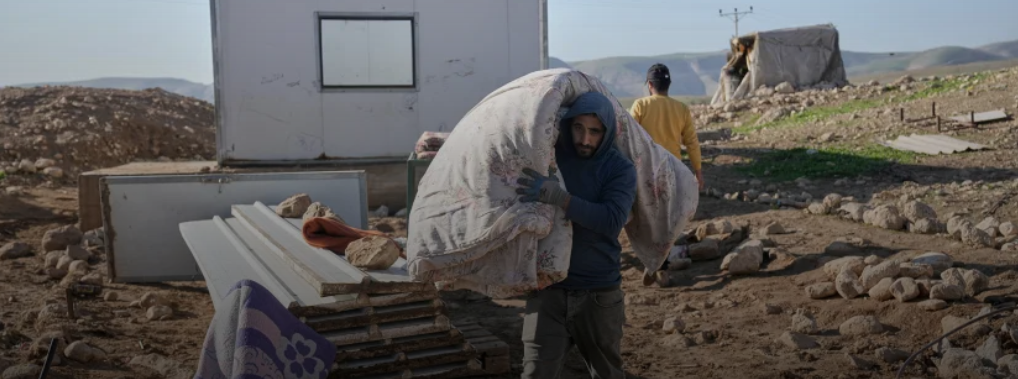 Chaos has engulfed Ras Ein al-Auja—a West Bank village facing its own disaster. For over a decade, relentless harassment by Israeli settlers has pushed this once-thriving Palestinian community to the brink. Families are fleeing, citing fear for their safety amid an intensified wave of violence. Suleiman Ghawanmeh knows this despair all too well. After years of cries for help fell on deaf ears, he's left with nothing but anger. "Nobody listens to us," he laments, feeling the world’s abandonment. Residents have been terrorized by armed settlers, mostly teenagers, who have descended on the community daily, according to local accounts and activists. With over 800 people displaced by January’s end, Ras Ein al-Auja stands empty. This village represents the 46th settlement where Palestinians have faced expulsion since October 7, 2023. Israeli human rights group B'Tselem calls it "ethnic cleansing." The response from the Israeli military condemns the violence, but residents paint a different picture; the military's role seems less about protection and more about passive observation. In a troubling twist, the situation worsened post-Hamas attacks, exacerbating tensions. Settlers have aggressively expanded, establishing four illegal outposts since April 2024. They've raided water tanks, cut electricity, and vandalized homes, all allegedly under military inaction, as CNN’s footage suggests. Furthermore, confronting settlers yielded little. When approached, hostility and refusal to engage were the only responses, along with a police call to CNN reporters. Such responses underscore the ongoing tensions and reluctance to address deep-seated issues. Ghawanmeh believes his community’s plight is tolerated by global indifference. The sight of families dismantling their homes, packing belongings into trucks, epitomizes their uncertainty. As men spray “the last displacement 2026” on metal sheds, they reference the Nakba of 1948—a painful reminder of past exiles. Haitham Zayed, a resident all his life, calls this a systematic displacement policy. His determination to stay waned as settler intimidation grew too hazardous. Two days after declaring he'd remain, he, too, admitted defeat, saying, "We are reliving the Nakba." In June 2024, Israel declared 3,000 acres of the Jordan Valley, including Ras Ein al-Auja, as state land. This move, the largest seizure since the Oslo Accords, blocks Palestinians from accessing their own land, argues watchdog group Peace Now. As families seek refuge just two miles away, uncertainty remains the only certainty. They question where safety lies, when nowhere feels immune from danger—a dilemma echoing across the West Bank. Key Takeaways: Ras Ein al-Auja villagers forced out by intensified settler violence. Israeli military condemned violence but faced criticism for inaction. Land seizure by Israel blocks Palestinian access to the West Bank lands. Adapted by ASEAN Now from Source 2026-01-28
 -
Chaos has engulfed Ras Ein al-Auja—a West Bank village facing its own disaster. For over a decade, relentless harassment by Israeli settlers has pushed this once-thriving Palestinian community to the brink. Families are fleeing, citing fear for their safety amid an intensified wave of violence. Suleiman Ghawanmeh knows this despair all too well. After years of cries for help fell on deaf ears, he's left with nothing but anger. "Nobody listens to us," he laments, feeling the world’s abandonment. Residents have been terrorized by armed settlers, mostly teenagers, who have descended on the community daily, according to local accounts and activists. With over 800 people displaced by January’s end, Ras Ein al-Auja stands empty. This village represents the 46th settlement where Palestinians have faced expulsion since October 7, 2023. Israeli human rights group B'Tselem calls it "ethnic cleansing." The response from the Israeli military condemns the violence, but residents paint a different picture; the military's role seems less about protection and more about passive observation. In a troubling twist, the situation worsened post-Hamas attacks, exacerbating tensions. Settlers have aggressively expanded, establishing four illegal outposts since April 2024. They've raided water tanks, cut electricity, and vandalized homes, all allegedly under military inaction, as CNN’s footage suggests. Furthermore, confronting settlers yielded little. When approached, hostility and refusal to engage were the only responses, along with a police call to CNN reporters. Such responses underscore the ongoing tensions and reluctance to address deep-seated issues. Ghawanmeh believes his community’s plight is tolerated by global indifference. The sight of families dismantling their homes, packing belongings into trucks, epitomizes their uncertainty. As men spray “the last displacement 2026” on metal sheds, they reference the Nakba of 1948—a painful reminder of past exiles. Haitham Zayed, a resident all his life, calls this a systematic displacement policy. His determination to stay waned as settler intimidation grew too hazardous. Two days after declaring he'd remain, he, too, admitted defeat, saying, "We are reliving the Nakba." In June 2024, Israel declared 3,000 acres of the Jordan Valley, including Ras Ein al-Auja, as state land. This move, the largest seizure since the Oslo Accords, blocks Palestinians from accessing their own land, argues watchdog group Peace Now. As families seek refuge just two miles away, uncertainty remains the only certainty. They question where safety lies, when nowhere feels immune from danger—a dilemma echoing across the West Bank. Key Takeaways: Ras Ein al-Auja villagers forced out by intensified settler violence. Israeli military condemned violence but faced criticism for inaction. Land seizure by Israel blocks Palestinian access to the West Bank lands. Adapted by ASEAN Now from Source 2026-01-28 View full article
-
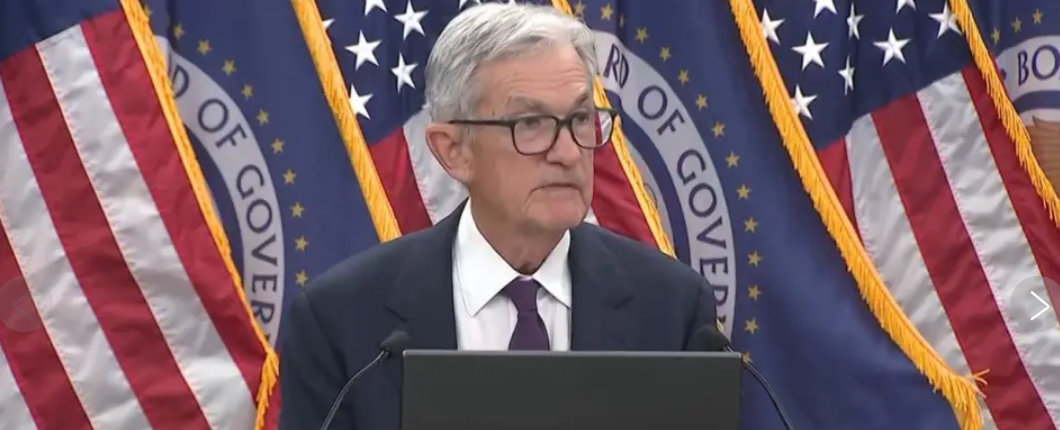 In a bombshell move, the Federal Reserve hit the brakes on interest rate cuts Wednesday, keeping the key rate locked at 3.6%. This shockwave comes after three trims last year, leaving economists and the White House buzzing. Jerome Powell declared the economic outlook rosier, igniting debates over future moves. The background? After a trio of cuts, the Fed is now pausing with an improving job market and steady growth. Powell revealed optimistically that December's meeting foreshadowed this shift, yet he remained on guard about inflation. Still above target, inflation rests at 2.8%. This uncertainty keeps the Fed watchful, awaiting more evidence of cooling prices. Morgan Stanley's Michael Gapen underscores that Powell kept the doors open for more cuts, hinging on inflation proof. Fiery responses ignited. Two Fed governors wanted more cuts, reflecting a split in the ranks. Trump, relentless in his critique of Powell, pounced. His pressure, however, could backfire as Senate Republicans rally to Powell's defense. Trump’s choice to replace Powell looms, with rumors swirling about a rapid announcement. Market watchers remain on edge, predicting stability until June. What's next? The trade war's influence lingers. Powell, grilled about tariff impacts, suggested they might soon peak. His frank admission about Justice Department subpoenas and the Supreme Court's ongoing battle over a sitting Fed governor cast shadows on the Fed’s independence. Powell's dramatic presence at the court emphasized this case's gravity. Caught amid political crossfire, the Fed must tread carefully as Powell faces a crucial choice: stay as governor or bow out. Powell's advice? Steer clear of politics. Consumers, though worried, keep spending. As the economy outpaces expectations, Powell braces for the next chapter. Key Takeaways: Economic Outlook Brightens: Fed pauses as job market stabilizes. Political Showdown: Trump vs. Powell battle over rate cuts escalates. Future Uncertain: Inflation and trade wars haunt Fed’s decisions. Adapted by ASEAN Now from Source 2026-01-29
 -
In a bombshell move, the Federal Reserve hit the brakes on interest rate cuts Wednesday, keeping the key rate locked at 3.6%. This shockwave comes after three trims last year, leaving economists and the White House buzzing. Jerome Powell declared the economic outlook rosier, igniting debates over future moves. The background? After a trio of cuts, the Fed is now pausing with an improving job market and steady growth. Powell revealed optimistically that December's meeting foreshadowed this shift, yet he remained on guard about inflation. Still above target, inflation rests at 2.8%. This uncertainty keeps the Fed watchful, awaiting more evidence of cooling prices. Morgan Stanley's Michael Gapen underscores that Powell kept the doors open for more cuts, hinging on inflation proof. Fiery responses ignited. Two Fed governors wanted more cuts, reflecting a split in the ranks. Trump, relentless in his critique of Powell, pounced. His pressure, however, could backfire as Senate Republicans rally to Powell's defense. Trump’s choice to replace Powell looms, with rumors swirling about a rapid announcement. Market watchers remain on edge, predicting stability until June. What's next? The trade war's influence lingers. Powell, grilled about tariff impacts, suggested they might soon peak. His frank admission about Justice Department subpoenas and the Supreme Court's ongoing battle over a sitting Fed governor cast shadows on the Fed’s independence. Powell's dramatic presence at the court emphasized this case's gravity. Caught amid political crossfire, the Fed must tread carefully as Powell faces a crucial choice: stay as governor or bow out. Powell's advice? Steer clear of politics. Consumers, though worried, keep spending. As the economy outpaces expectations, Powell braces for the next chapter. Key Takeaways: Economic Outlook Brightens: Fed pauses as job market stabilizes. Political Showdown: Trump vs. Powell battle over rate cuts escalates. Future Uncertain: Inflation and trade wars haunt Fed’s decisions. Adapted by ASEAN Now from Source 2026-01-29 View full article
-
 The Arctic is heating up, and it's not just the ice caps melting! Talks have kicked off between the U.S., Denmark, and Greenland over a red-hot Arctic security deal. Spearheaded by Secretary of State Marco Rubio, these discussions aim to mend the strains caused by recent tensions. This diplomatic dance began after President Trump’s contentious push to take over Greenland. His calls were outright rejected by Denmark, Greenland, and fellow European allies. But now, in a bid to ease tensions, a working group has been formed, thanks to a Washington meet-up involving Rubio and Vice President JD Vance. At Wednesday's Senate Foreign Relations Committee hearing, Rubio announced, "It begins today and will be a regular process." The mission? To tackle U.S. security concerns in the Arctic, while respecting Greenland’s sovereignty. Denmark’s Foreign Ministry highlighted that the talks aimed at finding common ground without crossing the Kingdom’s red lines. Trump’s renewed annexation threats stirred a hornet's nest in Europe. Earlier, he unleashed tariff threats on Denmark and several European allies who opposed his Greenland ambitions. But, in a surprising U-turn assisted by NATO’s Secretary-General Mark Rutte, a deal on mineral access seemed to pave a new path. Trump’s rhetoric had Wall Street jittery, triggering its biggest losses in months. Fear of a trade war and a potential NATO rift added fuel to the fire. At Davos last week, Trump surprisingly backpedaled his military coercion stance. Rubio is now striving to downplay the discord, expressing confidence that Europe will soon echo his optimism. “We’ve got a little bit of work to do, but I think we’re going to wind up in a good place,” Rubio reassured. Amidst all this, a quirky verbal mix-up caught attention. Trump referred to Greenland as Iceland at Davos, a gaffe Rubio addressed with humor during his exchange with Sen. Tim Kaine. "We’ve had presidents like that before," he remarked, subtly jabbing at Joe Biden. Key Takeaways Trump’s Greenland saga sparked a diplomatic whirlwind across the Atlantic. A new working group aims to reconcile Arctic security concerns. Economic and military tensions loom as talks progress. Adapted by ASEAN Now from Source 2026-01-28
 -
The Arctic is heating up, and it's not just the ice caps melting! Talks have kicked off between the U.S., Denmark, and Greenland over a red-hot Arctic security deal. Spearheaded by Secretary of State Marco Rubio, these discussions aim to mend the strains caused by recent tensions. This diplomatic dance began after President Trump’s contentious push to take over Greenland. His calls were outright rejected by Denmark, Greenland, and fellow European allies. But now, in a bid to ease tensions, a working group has been formed, thanks to a Washington meet-up involving Rubio and Vice President JD Vance. At Wednesday's Senate Foreign Relations Committee hearing, Rubio announced, "It begins today and will be a regular process." The mission? To tackle U.S. security concerns in the Arctic, while respecting Greenland’s sovereignty. Denmark’s Foreign Ministry highlighted that the talks aimed at finding common ground without crossing the Kingdom’s red lines. Trump’s renewed annexation threats stirred a hornet's nest in Europe. Earlier, he unleashed tariff threats on Denmark and several European allies who opposed his Greenland ambitions. But, in a surprising U-turn assisted by NATO’s Secretary-General Mark Rutte, a deal on mineral access seemed to pave a new path. Trump’s rhetoric had Wall Street jittery, triggering its biggest losses in months. Fear of a trade war and a potential NATO rift added fuel to the fire. At Davos last week, Trump surprisingly backpedaled his military coercion stance. Rubio is now striving to downplay the discord, expressing confidence that Europe will soon echo his optimism. “We’ve got a little bit of work to do, but I think we’re going to wind up in a good place,” Rubio reassured. Amidst all this, a quirky verbal mix-up caught attention. Trump referred to Greenland as Iceland at Davos, a gaffe Rubio addressed with humor during his exchange with Sen. Tim Kaine. "We’ve had presidents like that before," he remarked, subtly jabbing at Joe Biden. Key Takeaways Trump’s Greenland saga sparked a diplomatic whirlwind across the Atlantic. A new working group aims to reconcile Arctic security concerns. Economic and military tensions loom as talks progress. Adapted by ASEAN Now from Source 2026-01-28 View full article
-
 Keir Starmer is in hot water! The Prime Minister is accused of blocking a move to slash the benefits bill. Critics say he's stalling crucial reforms, and the tension is rising, Reports claim that Starmer has shut down efforts by Work and Pensions Secretary Pat McFadden to pass new welfare laws. The spotlight is now on the King’s Speech in May, meant to outline the government's yearly agenda. But in a shock move, plans to cut disability benefits and address youth joblessness have been shelved till at least next year. Last year's cancelled plans to cap disability benefits were meant to be revisited. But Starmer's team is treading carefully. They say policies might still see the light of day later in 2026, despite the hold-up. So, what's the reason behind the delay? Insiders whisper it's to avoid ruffling Labour MPs' feathers An inquiry is underway to find solutions for young people not in education, employment, or training—brand them NEETS. Led by ex-Labour Minister Alan Milburn, this task force is likely to recommend changes, yet there's no immediate action on the horizon Rumbling discontent grows louder. One minister voiced concerns: "Welfare reform is tough—more so closer to elections. We can't show Britain's public that welfare is not a priority!" Meanwhile, the Prime Minister faces a brewing storm from his backbenches. With an election looming, it's a race against time! Many ask, is Starmer too cautious to carry out needed reforms? Amid the uproar, a government spokesperson assured the work’s ongoing. They're focused on fixing the supposedly “broken” welfare system, with bold steps like the Youth Guarantee and tweaks to Universal Credit already underway. As reviews are completed, all eyes are on Downing Street's next move! Speculation is rife over what will actually make it into the King’s Speech. They insist it's about priorities—waiting for inquiry results is crucial. What's next for No 10? Will we see a fierce clash of ideals or a strategic delay saving Starmer’s face? The drama unfolds, and Britain holds its breath. Key Takeaways: Starmer blocks benefits cuts, sparking Cabinet chaos! Election fears loom as Labour MPs grumble over delay! What's in the King’s Speech? Uncertainty reigns! Adapted by ASEAN Now from Source 2026-01-28
 -
Keir Starmer is in hot water! The Prime Minister is accused of blocking a move to slash the benefits bill. Critics say he's stalling crucial reforms, and the tension is rising, Reports claim that Starmer has shut down efforts by Work and Pensions Secretary Pat McFadden to pass new welfare laws. The spotlight is now on the King’s Speech in May, meant to outline the government's yearly agenda. But in a shock move, plans to cut disability benefits and address youth joblessness have been shelved till at least next year. Last year's cancelled plans to cap disability benefits were meant to be revisited. But Starmer's team is treading carefully. They say policies might still see the light of day later in 2026, despite the hold-up. So, what's the reason behind the delay? Insiders whisper it's to avoid ruffling Labour MPs' feathers An inquiry is underway to find solutions for young people not in education, employment, or training—brand them NEETS. Led by ex-Labour Minister Alan Milburn, this task force is likely to recommend changes, yet there's no immediate action on the horizon Rumbling discontent grows louder. One minister voiced concerns: "Welfare reform is tough—more so closer to elections. We can't show Britain's public that welfare is not a priority!" Meanwhile, the Prime Minister faces a brewing storm from his backbenches. With an election looming, it's a race against time! Many ask, is Starmer too cautious to carry out needed reforms? Amid the uproar, a government spokesperson assured the work’s ongoing. They're focused on fixing the supposedly “broken” welfare system, with bold steps like the Youth Guarantee and tweaks to Universal Credit already underway. As reviews are completed, all eyes are on Downing Street's next move! Speculation is rife over what will actually make it into the King’s Speech. They insist it's about priorities—waiting for inquiry results is crucial. What's next for No 10? Will we see a fierce clash of ideals or a strategic delay saving Starmer’s face? The drama unfolds, and Britain holds its breath. Key Takeaways: Starmer blocks benefits cuts, sparking Cabinet chaos! Election fears loom as Labour MPs grumble over delay! What's in the King’s Speech? Uncertainty reigns! Adapted by ASEAN Now from Source 2026-01-28 View full article
-
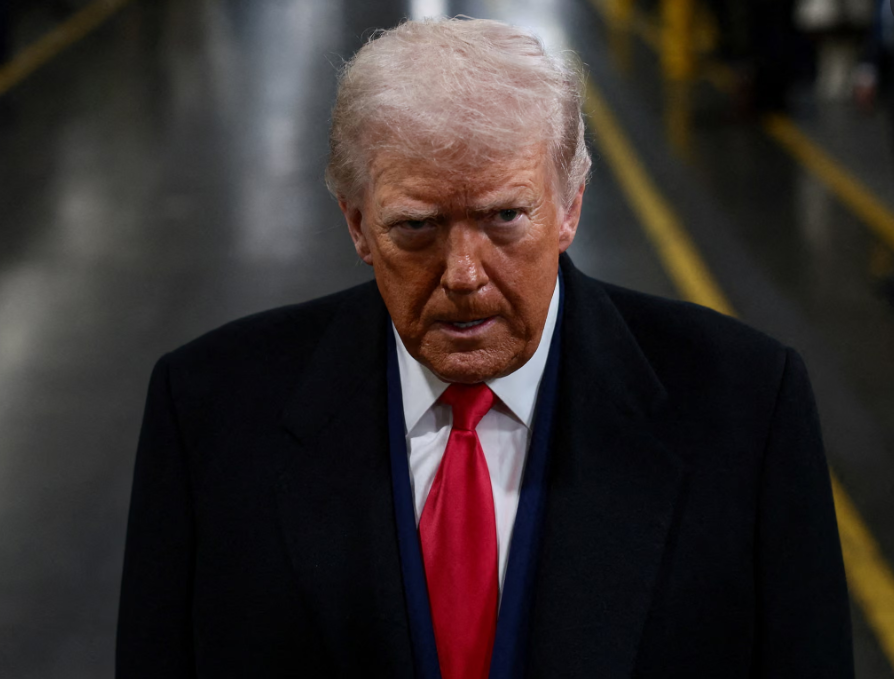 President Donald Trump pledges to "de-escalate" tensions in Minnesota following the shocking fatal shootings by federal officers. In a fiery interview with Fox News, Trump slammed the incidents as "terrible," hinting at a strategic pullback. Two US citizens, Renee Good and Alex Pretti, were fatally shot by immigration officers, igniting national outrage and sparking protests. Pretti's shooting, especially, set off alarm bells across the country, forcing the Trump administration to reconsider its operations strategy in Minnesota. Homeland Security Secretary Kristi Noem painted a stark picture, labeling Pretti a "domestic terrorist" who "wasn't there to peacefully protest." She claimed he wielded a gun during his confrontation with officers. But eyewitnesses challenge this narrative, insisting Pretti held only a phone, not a weapon. What's the truth? Social media is ablaze with debate, as BBC Verify confirms no gun was visible in Pretti's hand. The plot thickens with a Customs and Border Protection report apparently contradicting Homeland Security's claims, failing to mention any reach for a firearm. In a dramatic twist, the Department of Homeland Security pulled Gregory Bovino, a key Border Patrol official, from the scene. Now, Tom Homan, the White House's border tsar, steps in to defuse tensions. Homan's meeting with Minnesota Governor Tim Walz adds a layer of intrigue to the unfolding drama. The shooting's ripple effects aren't just local. State and city officials demand the withdrawal of a staggering 3,000 immigration agents from Minnesota. Trump, however, defends his crackdown, citing improved crime stats and promising that all will "work out" with Homan at the helm. Stephen Miller, a pivotal White House aide, underscores the administration's focus on deportation. He hints at a shift in tactics, emphasizing the need to protect arrest teams. But is this a veiled acknowledgment of protocol lapses? Support isn't unanimous. Even some Republicans demand answers. Vermont Governor Phil Scott and Senator Pete Ricketts call for a full investigation. Ricketts, in a blistering post on X, demands transparency, echoing the public's thirst for clarity. A federal judge has stepped in, blocking any destruction of evidence. As protests continue, Trump remains firm in his immigration stance. At a recent Iowa rally, he championed his deportation drive, bolstered by an 80% approval rate in a Harvard Harris poll. The President's words signal strength, but will his actions quell the storm? Key Takeaways Two shocking shootings stir national outcry! Conflicting reports fuel fiery debate—was Pretti armed? DHS reshuffles amidst soaring tensions and calls for withdrawal. Adapted by ASEAN Now from Source 2026-01-28
 -
President Donald Trump pledges to "de-escalate" tensions in Minnesota following the shocking fatal shootings by federal officers. In a fiery interview with Fox News, Trump slammed the incidents as "terrible," hinting at a strategic pullback. Two US citizens, Renee Good and Alex Pretti, were fatally shot by immigration officers, igniting national outrage and sparking protests. Pretti's shooting, especially, set off alarm bells across the country, forcing the Trump administration to reconsider its operations strategy in Minnesota. Homeland Security Secretary Kristi Noem painted a stark picture, labeling Pretti a "domestic terrorist" who "wasn't there to peacefully protest." She claimed he wielded a gun during his confrontation with officers. But eyewitnesses challenge this narrative, insisting Pretti held only a phone, not a weapon. What's the truth? Social media is ablaze with debate, as BBC Verify confirms no gun was visible in Pretti's hand. The plot thickens with a Customs and Border Protection report apparently contradicting Homeland Security's claims, failing to mention any reach for a firearm. In a dramatic twist, the Department of Homeland Security pulled Gregory Bovino, a key Border Patrol official, from the scene. Now, Tom Homan, the White House's border tsar, steps in to defuse tensions. Homan's meeting with Minnesota Governor Tim Walz adds a layer of intrigue to the unfolding drama. The shooting's ripple effects aren't just local. State and city officials demand the withdrawal of a staggering 3,000 immigration agents from Minnesota. Trump, however, defends his crackdown, citing improved crime stats and promising that all will "work out" with Homan at the helm. Stephen Miller, a pivotal White House aide, underscores the administration's focus on deportation. He hints at a shift in tactics, emphasizing the need to protect arrest teams. But is this a veiled acknowledgment of protocol lapses? Support isn't unanimous. Even some Republicans demand answers. Vermont Governor Phil Scott and Senator Pete Ricketts call for a full investigation. Ricketts, in a blistering post on X, demands transparency, echoing the public's thirst for clarity. A federal judge has stepped in, blocking any destruction of evidence. As protests continue, Trump remains firm in his immigration stance. At a recent Iowa rally, he championed his deportation drive, bolstered by an 80% approval rate in a Harvard Harris poll. The President's words signal strength, but will his actions quell the storm? Key Takeaways Two shocking shootings stir national outcry! Conflicting reports fuel fiery debate—was Pretti armed? DHS reshuffles amidst soaring tensions and calls for withdrawal. Adapted by ASEAN Now from Source 2026-01-28 View full article
-
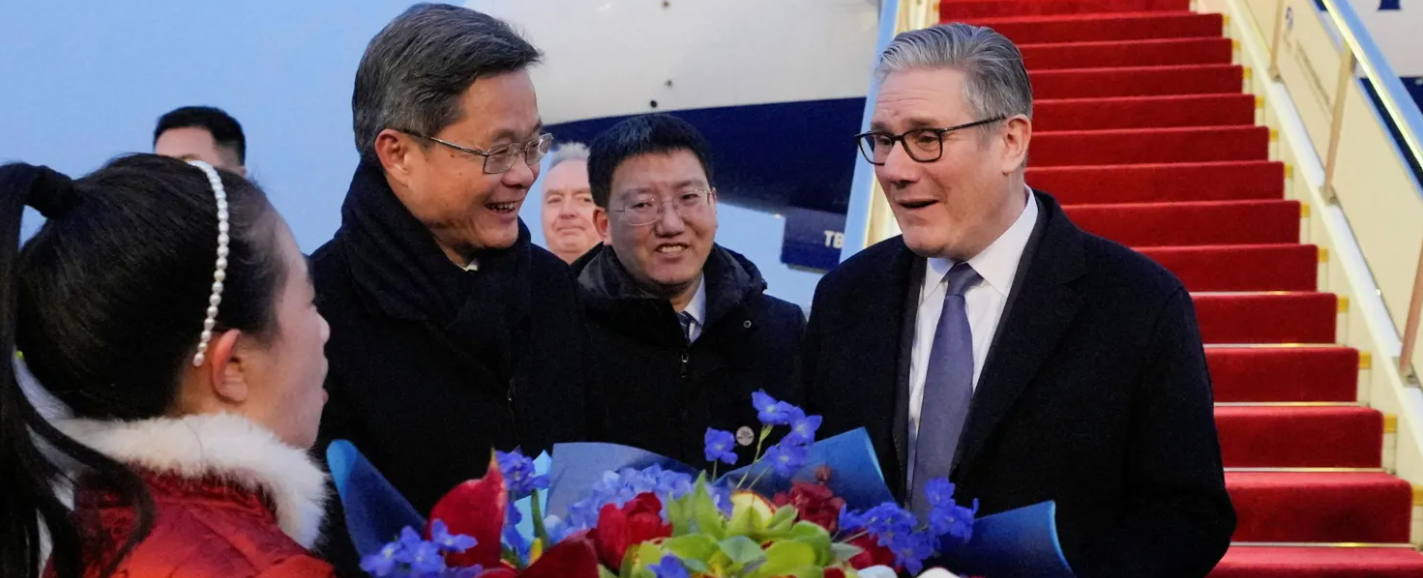 British Prime Minister Keir Starmer has touched down in China, igniting a storm of debate back home! It's the first visit by a UK leader in eight long years, and it's nothing short of controversial. The PM's mission? To forge stronger trade and cultural bonds with the global giant. But critics are howling! The timing and motives of this high-stakes visit are under the microscope. Starmer insists this trip will yield big wins for the UK. As he arrived in Beijing, greeted by Chinese officials and fluttering Union flags, the scene was set for dramatic diplomacy. Addressing the eager throng of 60 UK business leaders tagging along, Starmer declared, "You're making history!" He praised their efforts in seizing opportunities and promised unwavering focus on Britain's interests. Yet, the politics of engaging China are delicate and fraught with risks. Allegations swirl around China for human rights abuses against the Uyghur population. Outrage also burns over the treatment of pro-democracy tycoon Jimmy Lai in Hong Kong, as he faces life imprisonment. National security alarms blare too! MI5 warns of lurking Chinese espionage threats. Starmer plays it coy, refusing to detail agenda items, but promises to tackle disagreement head-on. His tightrope act aims to mend UK-China ties without alienating the US. "We won't choose between China and the US!" he insists, vowing to maintain vital US alliances despite rocky US-China relations. Back in Blighty, the backlash roars! The new Chinese mega-embassy plan in London fans the flames. Kemi Badenoch, the fiery Conservative leader, wouldn't touch China with a bargepole. She slams the trip, fearing economic undermining. "We need strength, not super-embassies!" she blasts, firing up critics worried about espionage hubs. Liberal Democrats add fuel! In Starmer's Commons absence, Daisy Cooper doesn't mince words. She blasts the PM for going "cap in hand" to China while citizen Jimmy Lai rots in jail and pro-democracy bounties lurk. Is Britain abandoning principle for trade? Now, all eyes are on Thursday's showdown with President Xi. Will Starmer's bold diplomacy pay off or backfire? The stakes are sky-high! Key Takeaways: Starmer aims to boost UK-China ties amid fierce criticism Human rights and espionage concerns spark uproar at home Tensions rise over a new Chinese mega-embassy in London Adapted by ASEAN Now from Source 2026-01-28
 -
British Prime Minister Keir Starmer has touched down in China, igniting a storm of debate back home! It's the first visit by a UK leader in eight long years, and it's nothing short of controversial. The PM's mission? To forge stronger trade and cultural bonds with the global giant. But critics are howling! The timing and motives of this high-stakes visit are under the microscope. Starmer insists this trip will yield big wins for the UK. As he arrived in Beijing, greeted by Chinese officials and fluttering Union flags, the scene was set for dramatic diplomacy. Addressing the eager throng of 60 UK business leaders tagging along, Starmer declared, "You're making history!" He praised their efforts in seizing opportunities and promised unwavering focus on Britain's interests. Yet, the politics of engaging China are delicate and fraught with risks. Allegations swirl around China for human rights abuses against the Uyghur population. Outrage also burns over the treatment of pro-democracy tycoon Jimmy Lai in Hong Kong, as he faces life imprisonment. National security alarms blare too! MI5 warns of lurking Chinese espionage threats. Starmer plays it coy, refusing to detail agenda items, but promises to tackle disagreement head-on. His tightrope act aims to mend UK-China ties without alienating the US. "We won't choose between China and the US!" he insists, vowing to maintain vital US alliances despite rocky US-China relations. Back in Blighty, the backlash roars! The new Chinese mega-embassy plan in London fans the flames. Kemi Badenoch, the fiery Conservative leader, wouldn't touch China with a bargepole. She slams the trip, fearing economic undermining. "We need strength, not super-embassies!" she blasts, firing up critics worried about espionage hubs. Liberal Democrats add fuel! In Starmer's Commons absence, Daisy Cooper doesn't mince words. She blasts the PM for going "cap in hand" to China while citizen Jimmy Lai rots in jail and pro-democracy bounties lurk. Is Britain abandoning principle for trade? Now, all eyes are on Thursday's showdown with President Xi. Will Starmer's bold diplomacy pay off or backfire? The stakes are sky-high! Key Takeaways: Starmer aims to boost UK-China ties amid fierce criticism Human rights and espionage concerns spark uproar at home Tensions rise over a new Chinese mega-embassy in London Adapted by ASEAN Now from Source 2026-01-28 View full article
-
 Chaos, fear, and defiance! The streets of Isfahan turned into a horror scene as Iranian protesters dodged bullets and begged for safety. Tara, among the brave, faced terror when security forces blasted the crowd. “Don't shoot us!” she pleaded. But fate had other plans as shots rang out, leaving her and her friend blood-covered and terrified! Panic-stricken, Tara avoided hospitals, fearing arrest. Security forces lurked at every turn, making medical help a risky gamble. She found refuge with strangers, staying until the break of dawn. Only then did she dare to seek covert medical treatment, fearing the birdshot in her body might stay forever. The scope of Iran’s protests is murky, with an internet blackout and media muzzles evoking global concern. HRANA, a rights group, claims 6,301 fatalities, most being protesters — a grim tally that highlights the dire situation. More distressing are unconfirmed reports of over 17,000 possible deaths amidst the chaos. Hospitals? A no-go zone! Protesters, wary of arrest, shy away. Instead, they lean on a network of clandestine caregivers willing to defy the regime’s reach. Medics whisper tales of security eyes prowling hospital halls, ensuring anyone calling out for help might end up silenced. One bold surgeon, Nima, dealt firsthand with this crisis. He smuggled injured youths in his car’s trunk, dodging patrols on alert to capture instead of heal. Describing scenes of despair, sobbing while performing surgeries, he recounted bullet-riddled bodies and blood-soaked wards. Iran’s regime insists they’re facing a revolt. Official figures claim over 3,100 deaths, painting a narrative of defense against "rioters." Yet, the blood paints a different story, one of suppression, not safety. Hospitals overflow as the wounded crave care. A Tehran facility saw 200 eye surgeries, with medics discreetly moving victims through staff corridors, avoiding security attention. Yet, even this is shadowed by resource scarcity; medics warn each visit invites a security storm to the doorstep. Saeed, affected by tragedy in Arak, relayed the pain of birdshot injuries and covert surgeries. Even a leading eye hospital is transformed into a sanctuary of hidden survival. Nurses courageously escort patients away from prying eyes, putting lives before laws. As violence pierced Tehran, Sina took his brother to a scene resembling a wartime infirmary. Hospitals, short on supplies, forced families to fend for basics, even blankets. It's a desperate gamble—seek care and risk a security raid, or suffer in silence. The humanitarian crisis intensifies in smaller towns. Stories of abductions from hospital beds surface, adding chilling layers to the struggle. Rights organizations reveal a grim pattern: healers themselves becoming targets, facing detention for their mercy. Iran Human Rights warns of an intimidation scheme strangling public trust. Arrests of medics sending shockwaves, echoing through the clandestine corridors of survival. Dr. Alireza Golchini's brutal arrest, accused of "enmity against God," underscores the regime’s relentless crackdown. The outlook? Daunting and fraught. As hope flickers, questions loom over Iran’s horizon—a land caught between cries for mercy and the iron grip of silence. Key Takeaways Protesters face brutal crackdowns and chilling medical evasion! Doctors risk everything to heal in secret amidst security raids. Human rights groups sound alarm on shocking medics’ arrests! Adapted by ASEAN Now from Source 2026-01-28