



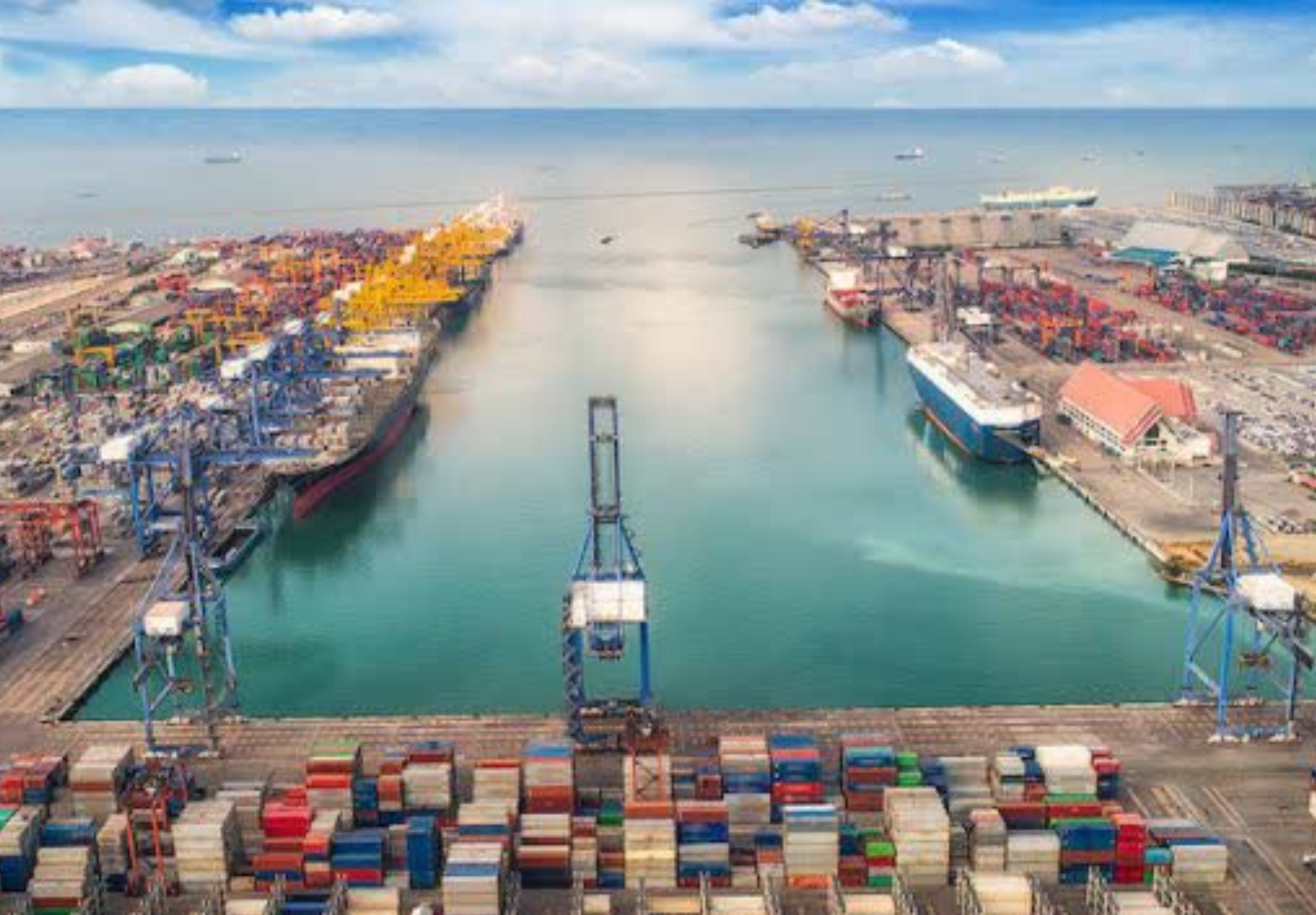

Thailand's government wants to fully shift operations from Bangkok Port in Klong Toei to Laem Chabang, if feasible, to free the Bangkok site for commercial development, Deputy Prime Minister and Transport Minister Phiphat Ratchakitprakarn has said.
The move could generate substantially more revenue for the Port Authority of Thailand (PAT) than the port currently earns, according to Phiphat. He said the policy is being launched under the present administration, although visible results could come during this term or the next.
Klong Toei operations and community relocation
Phiphat said Bangkok Port should cease operations completely if the plan proves practical. However, certain services could be retained where rapid handling is essential, including shipments of fresh food or fruit.
Each such case will be assessed separately. PAT management has also been told to revisit the original purpose of Laem Chabang Port: whether it was intended to take over all freight operations or merely reduce pressure on Bangkok Port.
The relocation of 26 communities around Bangkok Port will also take time. Phiphat said residents have initially raised no objections, but PAT must provide replacement homes and move people in stages, requiring time to build accommodation and relocate residents.
Laem Chabang-Nong Khai freight trial begins
Phiphat confirmed the Bangkok Port plan while opening a Laem Chabang-Nong Khai freight train service. TPI Polene PCL, or TPIPL, supplied a locomotive for the test run, which showed that up to 24 wagons - equal to 48 twenty-foot equivalent units (TEUs) - could be hauled on the return journey between the two locations.
State Railway of Thailand governor Anan Phonimdaeng said the trial will collect data on real operating costs, including fuel and track-access charges. The results will be used to assess efficiency and review freight pricing ahead of possible private-sector use of SRT tracks under an Open Access system.
He said such access could lower entry costs for operators and bring additional track-access income to SRT.
Electric freight plans and logistics costs
SRT has about 200 locomotives, with around 120 in service. About 60 of those are more than 40 years old, and plans are in place to buy 50 to 60 replacements. Future freight growth is expected to rely largely on private operators.
Phiphat said the longer-term aim is to convert or upgrade the approximately 200 diesel locomotives to electric traction. SRT is holding talks and trials with TPIPL, while coordination is planned with EGAT and the Provincial Electricity Authority to extend power lines to the rail network, starting with the Laem Chabang-Nong Khai route.
Diesel rail freight could cut costs by about 10%, while an electric system could reduce them by 20% to 30%, he said. For foreign-owned firms and importers, lower logistics costs could eventually feed into freight pricing, though road connections remain crucial.
Office of Transport and Traffic Policy and Planning director-general Jirorot Sukolrat said rail accounts for only about 2% of Thai transport, compared with 80% for roads. Rail costs about 1 baht per tonne-kilometre - roughly half road transport - but first-mile and last-mile truck costs remain a structural challenge.
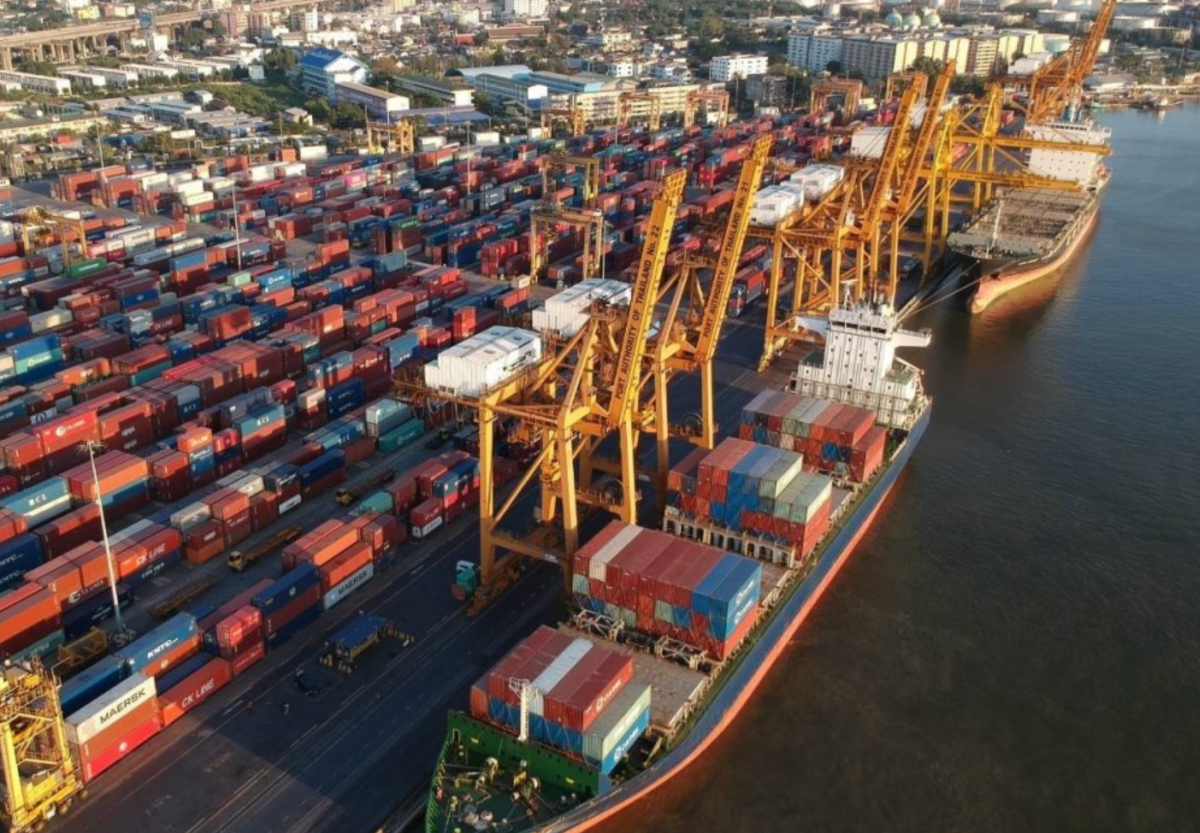
Picture courtesy of Naewna
Join the discussion? 

20 September 2026
Recommended Comments
Create an account or sign in to comment