



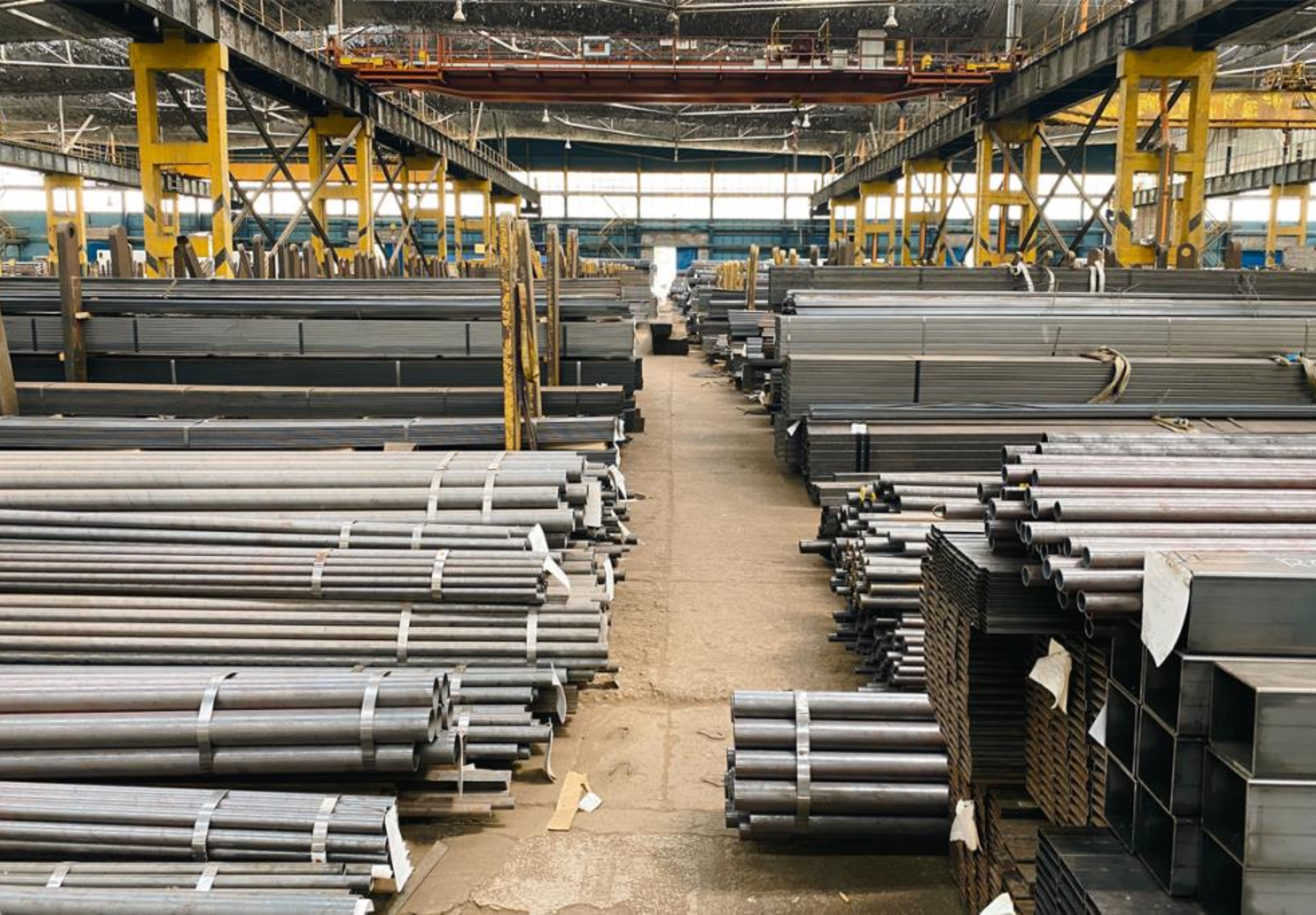

A Thai reporter has alleged that Chinese-backed investors are using local companies as fronts to operate steel plants in Thailand, while producing substandard steel and bypassing environmental regulations. The claims focus on steelmaker Sin Ke Yuan and at least 10 steel plants previously ordered to suspend operations over concerns including product quality, production methods and regulatory compliance.
Get today's headlines by email 
On 8 June, reporter and news presenter Montri Udompong published allegations regarding Chinese investment in Thailand’s steel and heavy industry sectors. He claimed some factories had resumed operations after authorities determined that corrective measures had been completed and that their steel products met required standards.
According to Montri, one key concern is that several steel plants were not operating in accordance with their approved Environmental Impact Assessment (EIA) documents. He alleged that some facilities registered as induction furnace (IF) plants with steel refining furnaces, but inspections found no such refining equipment installed.
He also claimed that some factories declared the use of electric arc furnace (EAF) technology in official documentation but were actually operating induction furnace systems. Other alleged violations included the installation of unauthorised equipment, removal of approved equipment and factory expansions carried out without prior approval.
Montri further alleged that some steel plants had effectively been taken over by Chinese investors while retaining the names and licences of Thai-owned businesses. He claimed these operations employed Chinese supervisors and, in some cases, Chinese nationals working on tourist visas.
The allegations come amid wider scrutiny of Sin Ke Yuan, which has been discussed extensively on social media following reports that SKY-branded steel produced by the company was used in the collapsed State Audit Office building. Montri stated that while the steel was present in the project, it was not identified as the cause of the collapse. However, he argued that any failure to meet Thai Industrial Standards Institute requirements remained a separate regulatory issue.
He also questioned whether officials at various levels of government could have been unaware of the alleged violations, citing processes involving factory licensing, public consultations, machinery installation approvals, industrial standards certification and investment promotion.
Montri said any officials found to have improperly performed or neglected their duties could face scrutiny under Section 157 of Thailand’s Criminal Code, while allegations involving improper benefits could potentially relate to Section 149.
Manager Online reported that authorities are expected to face continued pressure to investigate Sin Ke Yuan and other steel and industrial facilities linked to foreign investment. Montri argued that public monitoring and social pressure would remain important as questions continue over environmental compliance, industrial standards and regulatory enforcement across multiple sectors.
Join the discussion? 
Already a member? 
 Adapted by ASEAN Now MGRonline 10 June 2026
Recommended Comments
Create an account or sign in to comment