



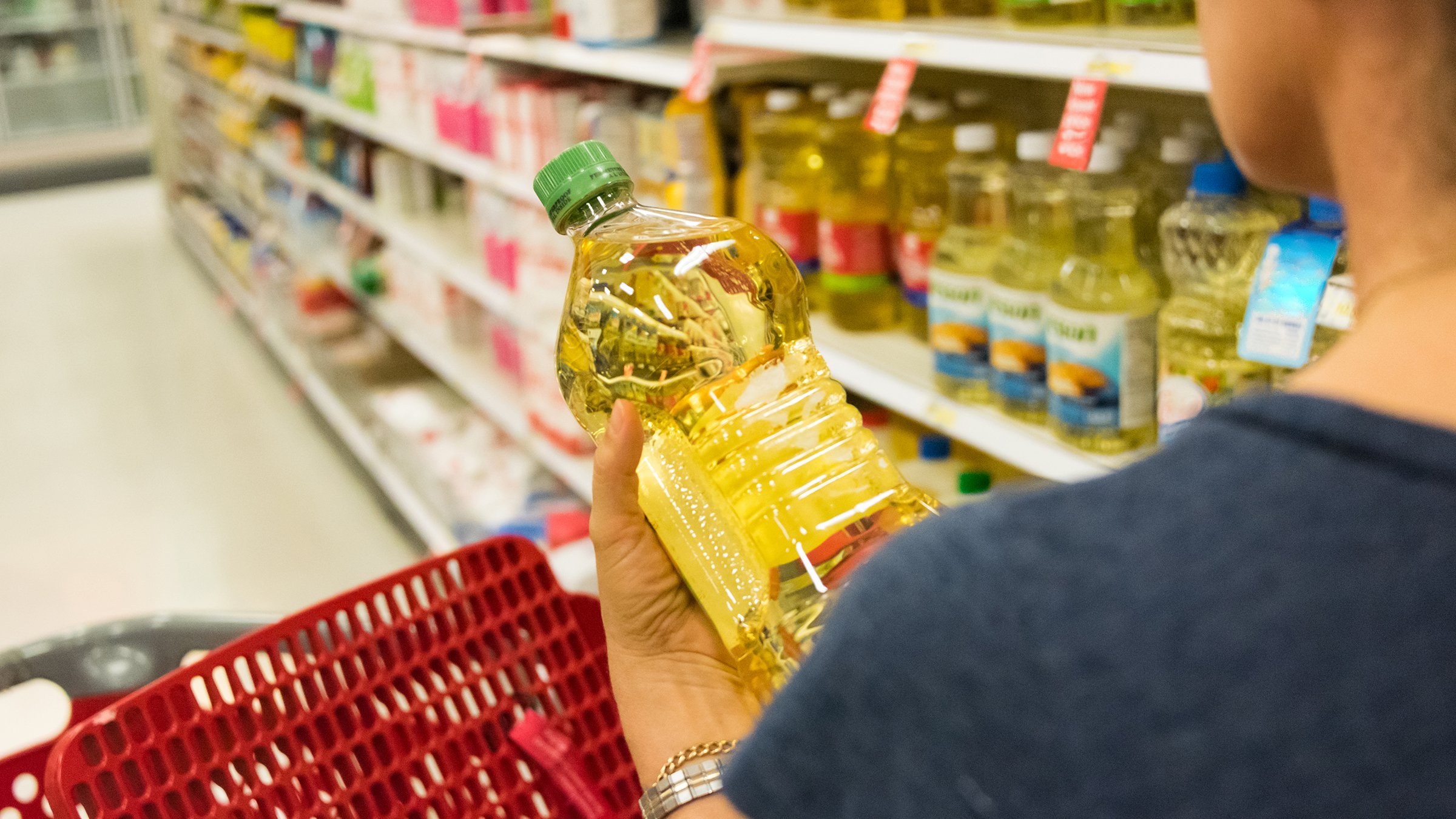

Global palm oil prices are rising sharply due to heightened demand as a fuel substitute and stockpiling amid war-related disruptions. This trend is leading to increased food inflation, affecting a wide array of products from cooking oils to processed foods worldwide. The escalating prices present a risk of sustained inflationary pressure beyond the agricultural sector.
Get today's headlines by email 
Palm oil, primarily exported from Malaysia and Indonesia, is a staple in many consumer goods and an important component of biofuels. The ongoing conflict has heightened crude oil prices, boosting palm oil's role as a cheaper biofuel alternative. This dual demand is exerting pressure on markets, with Malaysia’s palm oil futures climbing since the Iran conflict began, marking a peak in April 2025.
The United Nations reports a rise in global food prices, with the vegetable oil index showing a significant increase. Chong Ho Leong from Public Investment Bank cautions that cooking oil prices may climb by up to 20%. Countries such as Thailand are restricting exports to protect local supply as demand for biodiesel grows.
On the trade front, Malaysia and Indonesia are ramping up exports, with Malaysia experiencing a 41% jump in March. Buyers from the EU, Middle East, China, the US, and other regions are aggressively stockpiling. Indonesia, showing similar trends, has seen domestic price increases and warns of potential export challenges due to rising insurance and freight costs.
Supply challenges add further complexity. Rising fertiliser costs linked to geopolitical tensions threaten production stability. Indonesia plans to increase its biodiesel mandate, diverting palm oil away from export markets. Additionally, ageing plantation trees and potential El Niño conditions could further diminish output in Southeast Asia.
As demand grows and supply tightens, experts warn of a possible structural supply shortage. The interplay of geopolitical tensions, rising costs, and environmental factors poses ongoing risks to global food systems. The situation signals possible long-term vulnerabilities in the interconnected sectors of energy, agriculture, and global trade.
Join the discussion? 
Already a member? 
 Adapted by ASEAN Now · The Nation · 21 Apr 2026
Recommended Comments
Create an account or sign in to comment