



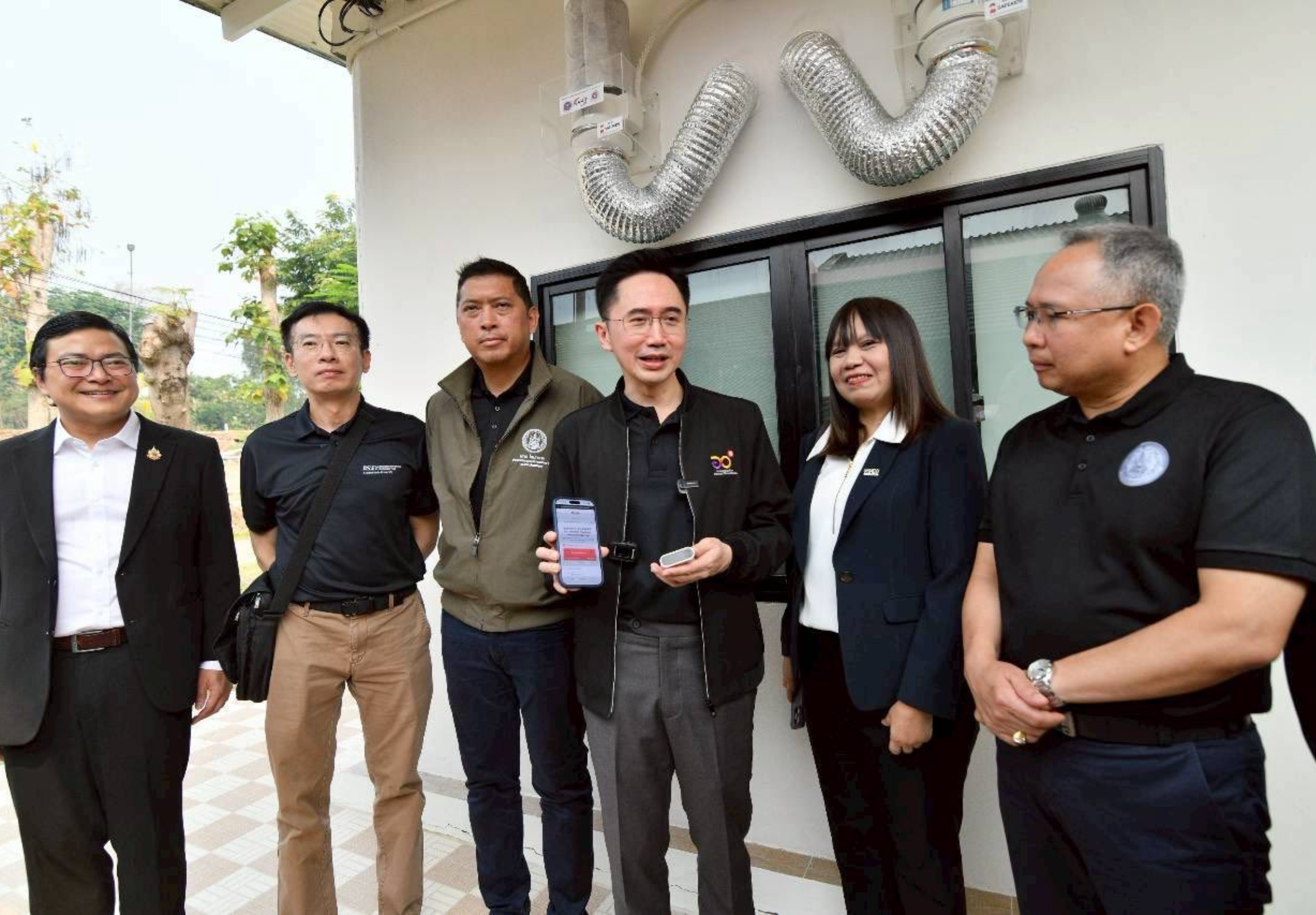

Thailand’s deputy prime minister and senior ministers have launched a low-cost “clean air room” innovation in Chiang Mai to protect vulnerable groups from hazardous PM2.5 pollution. The initiative, developed by researchers at Chiang Mai University, costs just 3,600 baht per room and will be rolled out to 83 locations across eight northern provinces. Officials say the system offers an immediate, practical response to worsening air quality.
Get today's headlines by email 
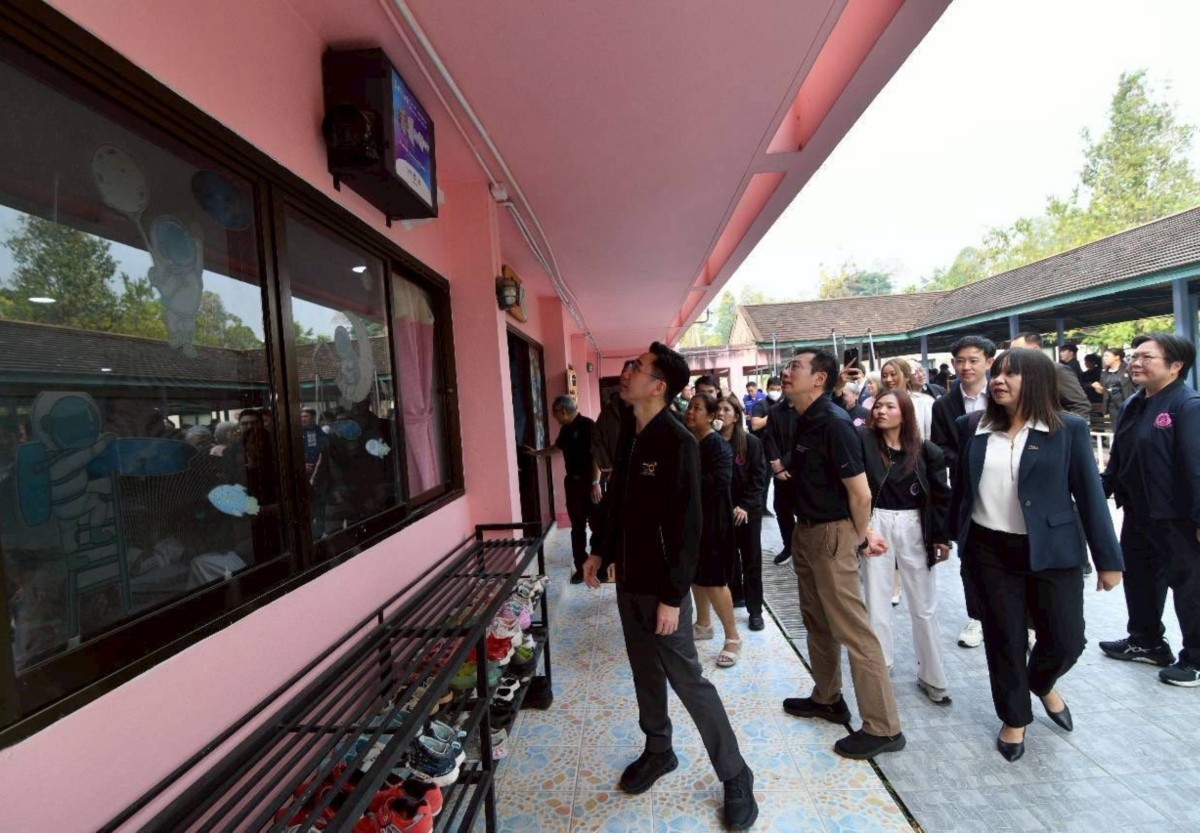
The launch took place on 18 April at the Wiang Phing Children’s Home in Mae Rim district, led by Deputy Prime Minister and Higher Education Minister Professor Dr Yossanan Wongsawat and Social Development Minister Nikorn Somklang. Air quality readings taken on-site showed PM2.5 levels of 150 to 180 micrograms per cubic metre, considered dangerous to public health. The visit also included senior officials, local administrators, and political representatives.
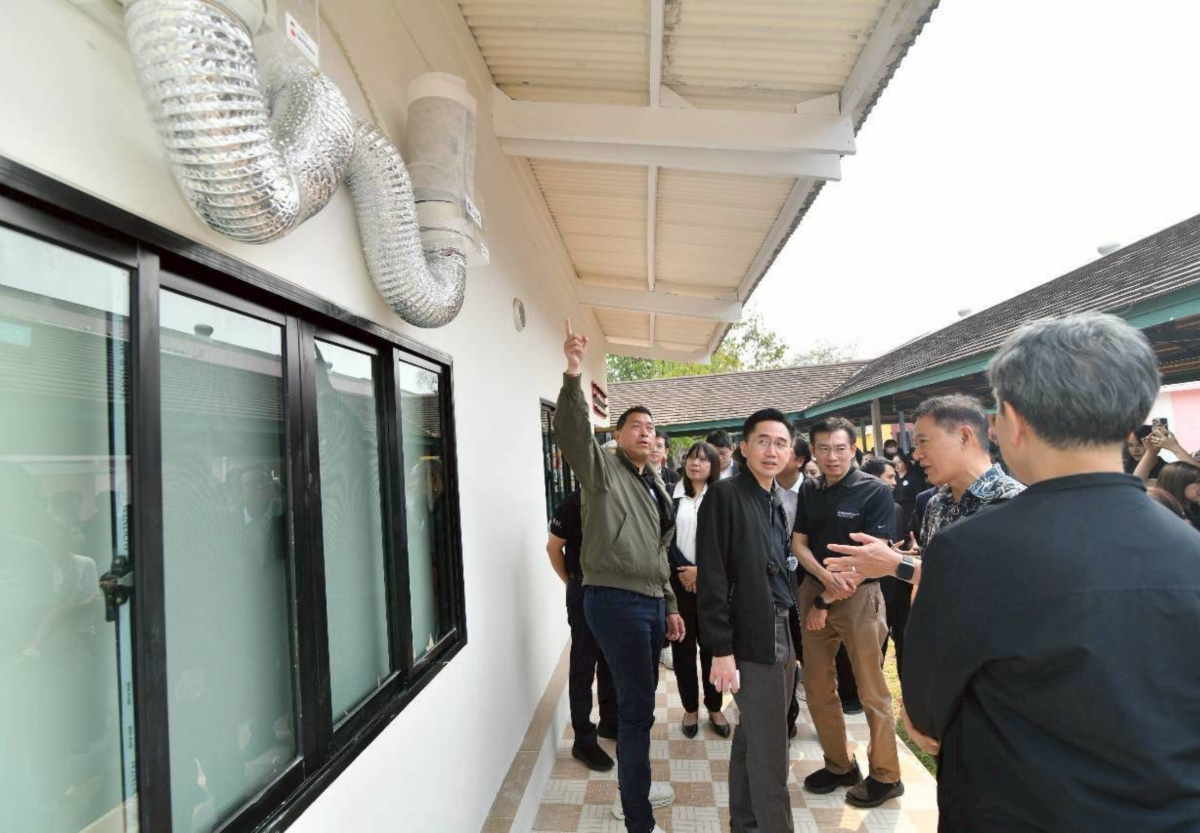
The “clean air room” combines three key elements: a positive pressure system, a DIY air purifier, and IoT (Internet of Things) dust sensors working together to circulate clean air and remove pollutants. The system can be installed in existing buildings and maintained locally, with training provided to communities and technicians. The project aims to ensure accessibility and long-term sustainability through locally produced solutions.
Officials said the programme forms part of a dual-track strategy addressing both immediate and long-term pollution challenges. In the short term, affordable Thai-developed technology will be deployed rapidly to assist at-risk populations, including children, the elderly and patients. In the longer term, the government plans to use advanced technologies such as AI and real-time wildfire detection systems to identify pollution sources more accurately.
The delegation also visited the National Astronomical Research Institute of Thailand in Mae Rim to coordinate broader anti-pollution efforts. Professor Dr Yossanan highlighted the potential of “Made in Chiang Mai” innovations and called for stronger institutional support to integrate such solutions into national infrastructure. He also emphasised collaboration across ministries and educational institutions to scale up implementation.
Nikorn Somklang described PM2.5 as an urgent policy priority, particularly for protecting vulnerable populations. The Social Development Ministry will deploy rapid response units to remote areas and expand clean air room installations nationwide. The broader plan targets more than 2.3 million vulnerable people across 17 northern provinces.
Authorities say the first phase will focus on the 83 pilot sites before expanding the initiative nationwide in the near future. Parallel efforts to strengthen legislation and improve data-driven responses are also underway. Officials stressed that action can begin immediately using existing innovations, without waiting for new laws.
Pictures courtesy of InsideThailand
Join the discussion? 
Already a member? 
 Adapted by ASEAN Now InsideThailand 19 Apr 2026
Recommended Comments
Create an account or sign in to comment