Skip to content
View in the app

A better way to browse. Learn more.

Thailand News and Discussion Forum | ASEANNOW

A full-screen app on your home screen with push notifications, badges and more.

To install this app on iOS and iPadOS
  1. Tap the Share icon in Safari
  2. Scroll the menu and tap Add to Home Screen.
  3. Tap Add in the top-right corner.
To install this app on Android
  1. Tap the 3-dot menu (⋮) in the top-right corner of the browser.
  2. Tap Add to Home screen or Install app.
  3. Confirm by tapping Install.

Thailand News

All the latest news stories from Thailand are written in English. Fresh news and stories from around the kingdom brought to you daily.
Repeated use of donated blood for emergency cases linked to heavy drinking has raised social media concerns over blood shortages. The doctor behind the Facebook page “เรียนหมอ by หมอแกว หมอแนต” criticized the frequent need for blood transfusions in patients who consume alcohol heavily and often return to hospitals with the same complications, straining limited resources.

Get today's headlines by email

These cases often involve liver cirrhosis and gastrointestinal issues, requiring 10 to 20 bags of blood per admission. The doctor noted that despite treatment, 99.99% of these patients continue drinking post-discharge, with a rising number of migrant patients exhibiting similar patterns. As hospitals face ongoing blood shortages, non-emergency patients, including those with thalassaemia and kidney disease, sometimes experience delays reaching critical stages like severe anaemia.

Donated blood is also vital for accident victims, major surgeries, severe childbirth bleeding, cancer patients, and those with blood disorders. While hospitals treat all patients equally, alcohol-related emergencies frequently receive prioritized attention, prompting the doctor's call for policy changes. She suggested introducing co-payments for repeat cases related to alcohol or drug use, potentially encouraging patients to reconsider their lifestyle choices.

In subsequent posts, the doctor anticipated criticism, emphasizing her focus on addressing healthcare burdens rather than professional ethics shortcomings. Staff often face challenges from aggressive relatives, while continuing to provide necessary care. She advocated ending free treatment for repeat cases, citing the unsustainable strain on resources.

Separately, the Phuket Red Cross and the Blood Bank at Vachira Phuket Hospital are urging community blood donations, particularly Rh-negative types, as tourism increases emergency demand. Meanwhile, blood donation communities online express gratitude and commitment toward maintaining healthy donation levels, reported The Thaiger.

Join the discussion?

Already a member?

  Adapted by ASEAN Now · The Thaiger · 11 Mar 2026
snoop1130
snoop1130
A Thai delivery rider is accused of secretly filming under a female vendor's skirt while waiting for an order in Bangkok. The vendor shared video evidence of the March 7 incident on social media, highlighting the actions of a rider in a green jacket who allegedly took inappropriate photos. The incident has sparked online outrage, with calls for the vendor to report the behavior to authorities.

Get today's headlines by email

The vendor, focused on her work at the time, did not immediately confront the suspect but later identified him as Taewan, operating in the Khlong Samwa area. The online community's response has been intense, urging action to prevent future incidents and emphasizing safety precautions for female vendors. Taewan’s actions could result in up to one year of imprisonment and a fine of up to 20,000 baht, pending legal proceedings under Thailand’s sexual harassment laws.

Similar incidents have occurred, like one in Nonthaburi last September, involving a man jumping from a mall to evade arrest after filming under a skirt. Another arrest was made in February last year at a concert in Bangkok's Rajamangala National Stadium for similar acts. These cases highlight a worrying trend and underline the call for stricter safety measures.

As the public awaits further developments, it remains unknown if the vendor will formally press charges against Taewan. The outcome could set a precedent for how such cases are handled in Thailand, potentially influencing public policy and awareness campaigns, reported The Thaiger.

AQO3i0vViehscb38yzLIBZLjW8SSxh8lWXb1iia8BNIN6uBjO7hZ4wD7Bir187Yue3bEBhqcFxXFuQj3Q-RIr9H7H_H2jjXoRYbwKG01DA.mp4

Join the discussion?

Already a member?

  Adapted by ASEAN Now · The Thaiger · 11 Mar 2026
snoop1130
snoop1130
A viral controversy erupted as images purportedly showing money discarded during the Triam Udom Suksa School entrance exam were debunked on March 10. The photos, supposedly from Impact Mueang Thong Thani where Grade 10 exams took place, triggered allegations that students were forced to leave cash outside due to a no-money policy.

Get today's headlines by email

Clarification soon followed, revealing that the photos were not from the exam site. A popular Facebook page, “ทำไมถึงเจ๊ง,” clarified the misunderstanding, explaining that a parent mistakenly shared images from another school in a different province, thinking they were from the exam. Although the post was deleted, the images spread rapidly, causing widespread media coverage and discussions.

Despite the retraction, some media outlets did not sufficiently correct their stories, leaving lingering false beliefs about the event. The individual who originally posted the misleading images apologized, acknowledging the reputational damage to the school and its organizers.

The incident highlighted how quickly misinformation can spread on social media and its potentially damaging effects. The person who shared the images expressed regret, explaining that the photo misrepresented the location and situation. He intended to spotlight potential challenges faced by students, without realizing the posting would escalate into a significant controversy.

Looking forward, it remains crucial for media and individuals to verify information before sharing, to prevent similar issues from arising. The school and those involved continue to manage the aftermath of the reputational damage, reported The Thaiger.

Join the discussion?

Already a member?

  Adapted by ASEAN Now · The Thaiger · 11 Mar 2026
snoop1130
snoop1130
Crew Forced to Abandon Vessel
A Thai-flagged cargo ship was attacked shortly after passing through the Strait of Hormuz on 11 March 2026, forcing its entire crew to abandon the vessel during an emergency at sea.
The ship was sailing in the Arabian Sea after departing from the United Arab Emirates when it reportedly came under fire at about 11:30am.
According to early reports, the strike hit the rear section of the vessel, severely damaging the engine room and sparking a fire. The damage left the ship unable to operate.
As the blaze spread and the situation onboard worsened, the captain ordered the crew to abandon ship.
All 23 crew members were safely evacuated from the vessel.


Fire and Severe Damage Reported
The attack caused major destruction in the engine room located at the stern of the ship, triggering a fire that quickly spread through the affected area.
With the vessel disabled and flames continuing to burn, it became unsafe for crew members to remain onboard.
The emergency evacuation was carried out to ensure the safety of all personnel.
Authorities have not reported any fatalities or injuries among the crew.


Responsibility Still Unclear
Officials say it is still unclear who was responsible for the attack or what type of weapon was used.
Investigators have begun examining the incident, including the vessel’s route and possible security threats in the region.
No group or country has claimed responsibility so far.

Strategic Shipping Route
The Strait of Hormuz is one of the most strategically important maritime corridors in the world, connecting oil and gas producers in the Gulf region to international markets.
A large share of global energy shipments and commercial trade passes through the narrow waterway each day.
Because of its economic significance, any attack on vessels operating in the surrounding waters is closely monitored by international maritime authorities.

Investigation Underway
Regional maritime safety agencies have been notified and are coordinating support for the evacuated crew.
Authorities are also working to assess the condition of the damaged vessel and determine whether it can be salvaged.
Investigators are expected to examine whether the attack may be linked to broader tensions affecting shipping routes in the region.
Further updates are expected once officials complete their initial assessments and gather additional information about the incident.

Join the discussion?

Already a member?


  Adapted by ASEAN Now · Source · 11.03 2026


ASEAN NOW News
ASEAN NOW News
A landing gear incident, involving an Air India Express aircraft left Phuket International Airport’s runway temporarily closed on 11 March, disrupting flights and forcing others to initially circle and then divert. The aircraft, carrying 140 people, became stranded on the runway after suffering damage during landing.

Get today's headlines by email

The incident involved Air India Express flight AXB938 operating from Hyderabad (HYD) to Phuket (HKT). The aircraft, a Boeing 737 Max 8, registration VT-BWQ, scheduled to land at 11.40am but touched down earlier at 11.24am.


According to initial reports, the aircraft experienced a hard landing which burst a tyre and damaged the nose landing gear. The damage prevented the aircraft from moving away from the runway immediately after landing.

On board were seven crew members, 131 adult passengers and two infants. Authorities confirmed there were no reports of injuries among passengers or crew.


Following the incident, Phuket International Airport issued a Notice to Airmen (NOTAM) announcing the temporary closure of the runway. The closure was in effect from 12.08pm until 6pm on 11 March, effecting 120 flights.

The closure disrupted airport operations and forced several incoming flights to circle while awaiting updates. Some flights were also diverted to alternative airports as airport officials worked to clear the disabled aircraft and restore normal operations.

Airport authorities coordinated with relevant agencies to manage the situation and implement safety procedures. Emergency response teams were deployed to the runway while technical teams assessed the aircraft and prepared for its removal.


Officials emphasised that the airport was following strict aviation safety protocols throughout the response. The priority was to ensure the safety of passengers, crew and aircraft operating in and out of Phuket.

Hard landings occur when an aircraft touches down with greater force than normal, potentially causing stress or damage to landing gear components. Such incidents can result in aircraft being unable to taxi from the runway, leading to temporary airport closures while recovery operations take place.


Khaosod reported that airport officials are working to remove the aircraft and reopen the runway once safety checks are completed. Normal flight operations are expected to resume after the runway is cleared and aviation authorities confirm it is safe for use.


AQPiT3wdljT7cd0tJacRCtRl3fr79DVd9J_SEmk7X_2WUA-4LYAE0MWD7Z63mC-LIb0_3yDsKpE5-S5uHj3fNYzfZDb0D3j7XFTu26x28w.mp4


Pictures courtesy of Khaosod

Join the discussion?

Already a member?

Adapted by ASEAN Now Khaosod 11 Mar 2026
Georgealbert
Georgealbert
Immigration police in Chon Buri have arrested a Russian woman accused of operating an illegal beauty clinic from a condominium room in Pattaya, where she allegedly provided cosmetic injections and treatments to clients arranged through Instagram.

Get today's headlines by email

The suspect, identified as Ms Anastasiia, 34, a Russian national, was detained on 10 March 2026 at around 5pm during a raid by investigators from Chon Buri Immigration. Officers found her providing cosmetic services to a customer inside a condominium in Soi Pratumnak 5.

The operation followed complaints about a foreign national allegedly working illegally. The investigation was conducted under the direction of Pol Maj Gen Cherngron Rimpadee, Deputy Commissioner of the Immigration Bureau and bureau spokesperson, with orders carried out by Pol Col Naphatsapong Kosit Suriyamanee, chief of Chon Buri Immigration, alongside senior officers and investigative personnel.

Authorities worked jointly with officials from the Chon Buri Provincial Public Health Office to inspect the premises. Investigators had previously discovered that the suspect advertised cosmetic services by posting images and videos on Instagram and arranging appointments with customers through the platform.


Officers conducted surveillance at the condominium and observed clients entering the room for treatments. Once a customer was seen entering to receive services, officers entered the room, identified themselves and carried out the arrest.

During the search, officials seized numerous items including syringes, dermal fillers, medical equipment, a sterilisation oven, and various drugs and medical supplies. Authorities said the woman did not possess a medical licence and had not received permission to operate a medical clinic.


Police have filed several charges against the suspect. These include working in Thailand without a work permit under the Emergency Decree on Foreign Workers Management B.E. 2560 (2017), operating a medical facility without permission under the Sanatorium Act B.E. 2541 (1998), and falsely presenting herself as a medical practitioner under the Medical Profession Act B.E. 2525 (1982).

Daily News reported that additional charges include selling medicines without authorisation and distributing unregistered drugs under the Drug Act B.E. 2510 (1967), selling medical devices without permission under the Medical Device Act B.E. 2551 (2008), and selling cosmetics that were not properly registered under the Cosmetics Act B.E. 2558 (2015). The suspect and the seized evidence were transferred to investigators at Pattaya City Police Station for further legal proceedings.


Picture courtesy of Daily News

Join the discussion?

Already a member?

Adapted by ASEAN Now Dailynews 11 Mar 2026
Georgealbert
Georgealbert
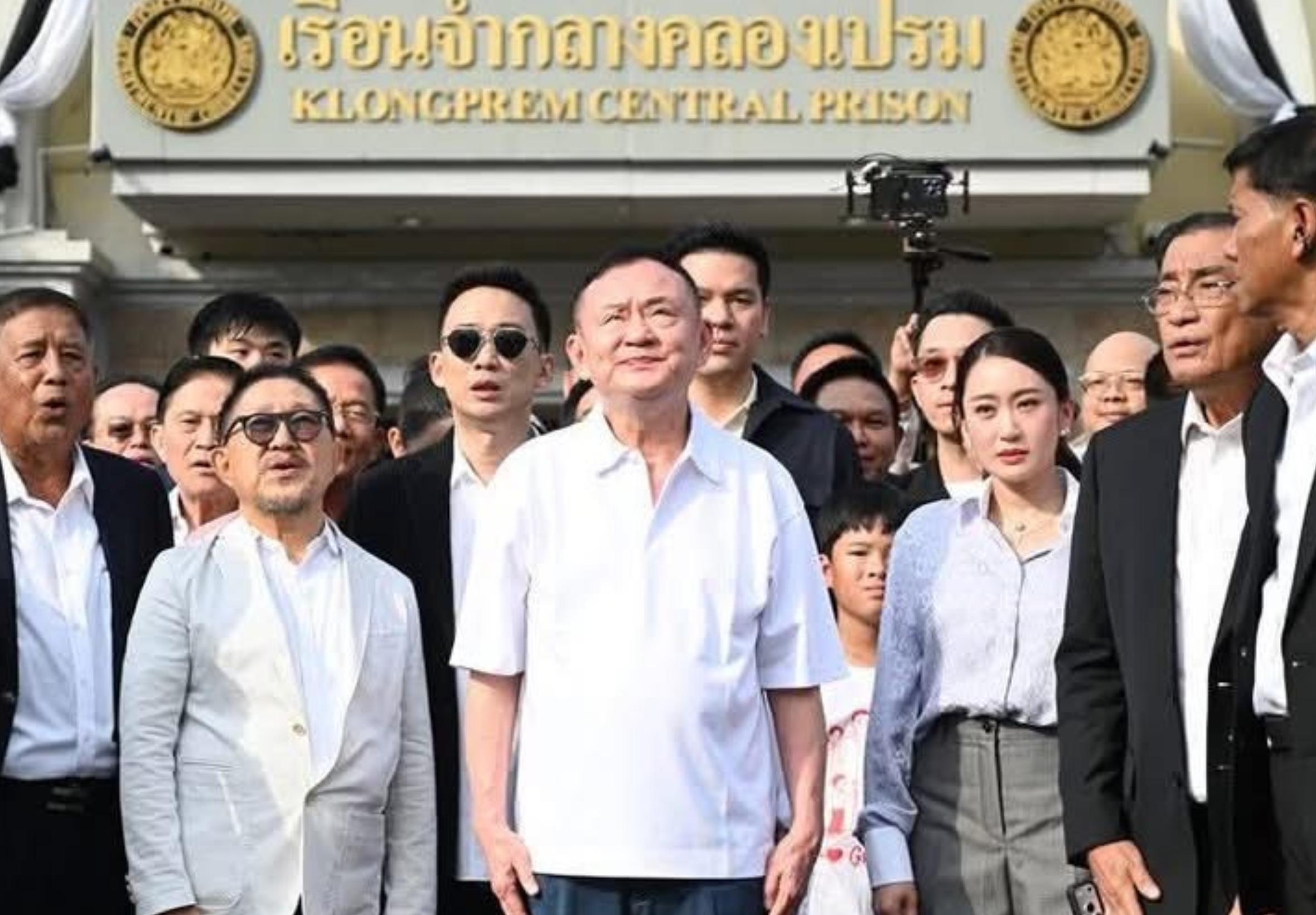
Justice Minister Pol Lt Gen Rutthapol Naowarat said any request for parole for former prime minister Thaksin Shinawatra must pass through three committees before a final decision can be made, stressing that the process must strictly follow legal procedures.

Get today's headlines by email

Speaking at Government House on 10 March 2026, Rutthapol said authorities have not yet received a formal request from Thaksin or his representatives. He noted that neither prison authorities, the Director-General of the Department of Corrections, the permanent secretary of the Ministry of Justice nor the minister himself had received any documentation so far.

His remarks came after reports that the Shinawatra family intends to submit a parole request later this month. Rutthapol said once the request is submitted, the matter would be processed through a clearly defined legal framework.

He explained that the procedure requires approval from three committees before any decision can be reached. These include the prison committee, the Department of Corrections committee and finally a committee within the Ministry of Justice.

The minister emphasised that he had instructed all relevant agencies to strictly adhere to the law throughout the process. He said the procedures were standard and must be followed regardless of the individual involved.

The issue has drawn public attention as Thaksin, a former prime minister, has been in custody for about six months. Political figures close to the Shinawatra family have recently indicated that a parole request may be submitted within March.

Rutthapol reiterated that no consideration can begin until the formal request reaches the relevant authorities. He said officials would review the application according to established legal criteria once it is submitted.

Amarin reported that the next step will depend on when the parole request is officially filed and forwarded to the relevant committees for review. Authorities will then proceed through the required stages before any final determination is made.


Picture courtesy of Amarin

Related story

Parole-possible-for-thaksin-on-May-9-corrections-confirms

Join the discussion?

Already a member?

Adapted by ASEAN Now Amarin 11 Mar 2026
Georgealbert
Georgealbert
Police from The Central Investigation Bureau (CIB) have launched a nationwide crackdown on alleged foreign nominee businesses controlling the coconut trade, raiding eight companies in Ratchaburi province on 10 March. Authorities say the network used Thai nationals as proxy shareholders while Chinese investors secretly controlled operations. The alleged scheme is believed to have suppressed farm-gate coconut prices and caused widespread hardship for local growers.

Get today's headlines by email

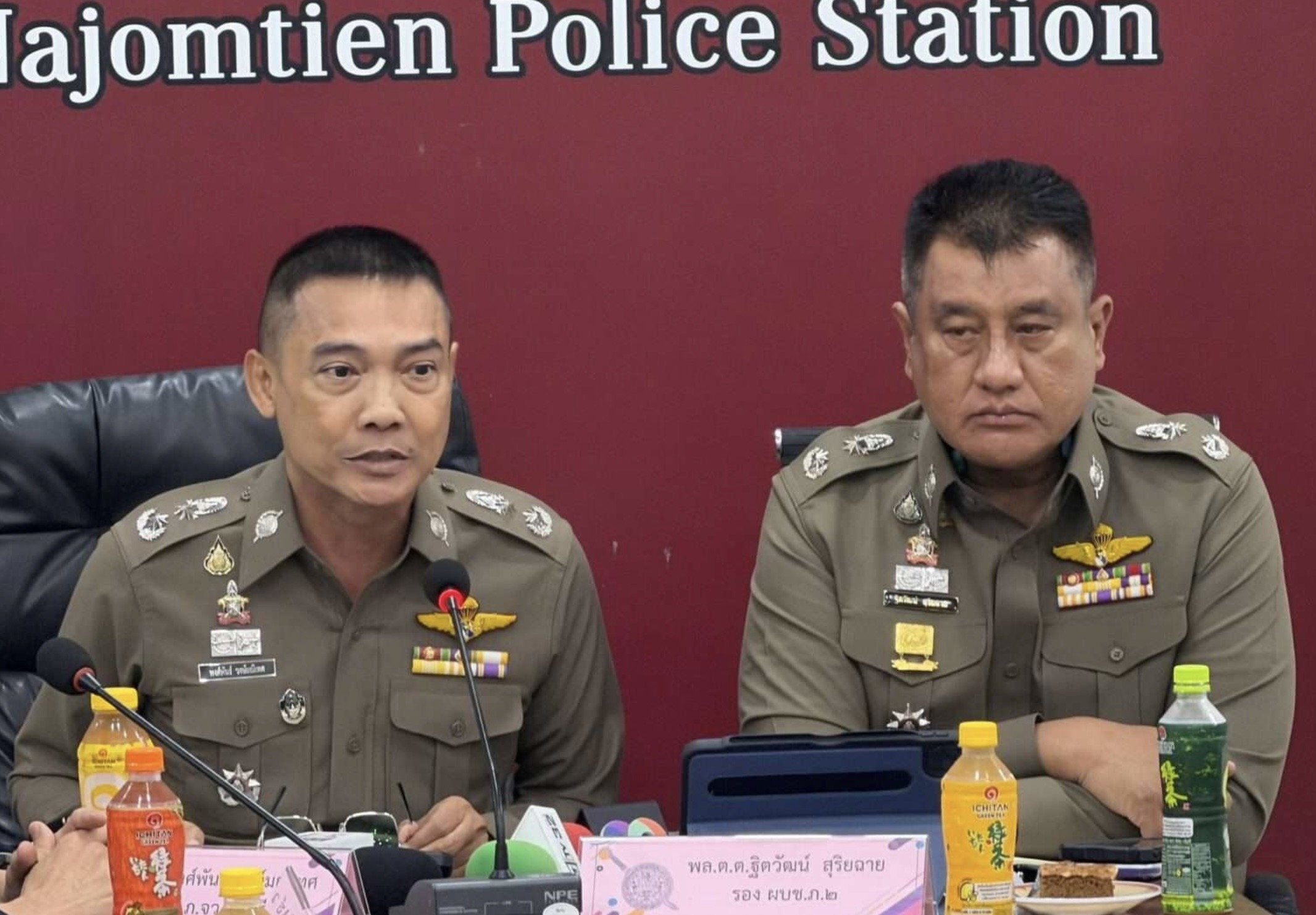
The operation, dubbed “Peeling the Nominee”, was announced at CIB headquarters by Pol Lt Gen Kritsada Kanjanalongkorn, assistant national police chief, alongside Pol Lt Gen Nattasak Chawanasai, CIB commissioner, Pol Maj Gen Thatsaphum Jaruprachya of the Economic Crime Suppression Division (ECD), and other officials. Representatives from the Department of Business Development under the Ministry of Commerce also attended the briefing.

Investigators searched eight coconut trading and processing firms: De Wang Co Ltd, He Taisheng International Co Ltd, Long Man Coconut Co Ltd, Thai Chengda Trading Co Ltd, Zhanhui Ranya Co Ltd, Mu Xian Yuan (Thailand) Co Ltd, Easy Coconut Co Ltd and Fly Coconut Co Ltd. Six of the companies are suspected of violating Thailand’s Foreign Business Act 1999, which restricts foreign ownership in certain agricultural activities.


Police said the investigation began after authorities looked into complaints about sharply falling coconut prices in Ratchaburi and nearby provinces. This decline occurred despite continued strong demand for aromatic coconuts in overseas markets. Investigators suspected market manipulation after farmers reported being forced to sell coconuts at unusually low prices.

According to the Economic Crime Suppression Division, foreign investors allegedly established “disguised coconut depots” using Thai nominees who formally held 51% of company shares to comply with Thai law. However, those Thai shareholders were reportedly employees such as accountants or operational staff who had no real management authority. Officers said evidence seized during the raids indicates that key decisions on purchasing, pricing and logistics were directed by Chinese investors abroad.

Authorities also allege the network controlled the coconut supply chain from farms to export markets. Investigators found that the group leased farmland to grow coconuts, operated collection centres and processing facilities, and exported products to affiliated businesses overseas. This vertical integration allegedly allowed the group to dictate purchase prices.

Evidence collected by police suggests farmers were paid only 2–5 baht per coconut at the farm gate, while processed coconuts exported abroad sold for between 35 and 50 baht each. Investigators say profits from the price difference were transferred back to foreign investors.


Pictures courtesy of Matichon

Financial analysis of company accounts also revealed irregularities. Authorities said several firms reported continuous financial losses despite rising annual revenues, suggesting accounting practices designed to avoid paying taxes in Thailand.

Police have identified six corporate entities involved in the alleged offences, along with 17 individuals, 10 Thai nationals and seven foreign nationals. During the raids officers seized more than 10 boxes of documents, including coconut purchase records, coconut plantation lease contracts, accounting files and tax documents, as well as electronic devices containing communications with foreign investors.

Matichon reported that the seized evidence will be analysed as the investigation continues and authorities consider further legal action under the Foreign Business Act and related laws.


Related stories

DBD-probes-15-fruit-packing-firms-over-Thai-nominee-use

Coconut-crisis-prices-crash-to-1 to 2-baht-minister-orders-support

Join the discussion?

Already a member?

Adapted by ASEAN Now Matichon 11 Mar 2026
Georgealbert
Georgealbert
Thai authorities are investigating hundreds of shipping containers suspected of carrying illegal waste imports, after inspections uncovered municipal and electronic waste believed to have originated from the United States. The Department of Special Investigation (DSI) is examining the case, which involves 714 containers flagged as potentially containing plastic waste, municipal waste and electronic scrap. Officials say the shipments may be linked to foreign recycling operations in Thailand and possible organised networks.

Get today's headlines by email

Pol Lt Col Nattapol Ditsayatham, a specialist in consumer and environmental protection cases at the DSI, said the investigation began after information was received from international agencies. These included environmental cooperation groups in the United States operating under the Basel Convention and the United Nations Office on Drugs and Crime (UNODC). Additional intelligence came from civil society organisations, including the Ecological Alert and Recovery–Thailand Foundation, through the DSI Connect reporting system.

Authorities coordinated with the Ministry of Natural Resources and Environment, the Pollution Control Department and Laem Chabang Port to verify the information. Initial inspections were carried out in Zone I of the port, where officers opened several containers and confirmed the presence of municipal waste and electronic waste matching the intelligence reports. The DSI is now preparing to elevate the case to special investigation status in order to expand the probe into a possible hazardous waste smuggling network.

Deputy Prime Minister and Minister of Natural Resources and Environment Suchat Chomklin also led officials to inspect containers at Laem Chabang Port in Chon Buri on 10 March 2026. Authorities opened 18 containers suspected of illegally importing electronic waste and found large quantities of contaminated metal fragments believed to be e-waste. One shipment, declared as scrap iron from Haiti, was found to contain metal fragments attached to electronic circuit boards, weighing 284,920 kilograms with an estimated value of 2.53 million baht.


Investigators said some shipments had been falsely declared as recyclable metal scrap to bypass import restrictions. Thailand prohibits the import of hazardous electronic waste under domestic law and international agreements such as the Basel Convention. Intelligence shared with the Basel Action Network also flagged containers declared as “metal scraps” and “mixed metal” from the United States destined for Japan and Hong Kong.

Officials noted that more than 300 of the 714 containers identified in the investigation have not yet entered Thailand. Authorities are working with UNODC and US agencies to determine whether these containers were returned to their origin or redirected to other countries.

Environmental officials warned that illegal waste imports can lead to improper disposal practices. In some cases usable components are removed for resale while the remaining waste is dumped in water sources or buried, potentially contaminating ecosystems. One example cited was contamination in the Jon River basin that required around 1 billion baht for environmental rehabilitation.

The DSI is awaiting documentation from the Customs Department, including shipping manifests and bills of lading, to identify companies responsible for importing the containers. If violations are confirmed, authorities said those involved could face charges under customs law as well as possible money laundering offences.

Officials also said containers that remain unclaimed at the port can be inspected after 30 days under customs regulations. If the waste is confirmed to be illegal, all containers will be returned to their country of origin, with the importer required to cover the repatriation costs.

Investigators added that many importers appear to be linked to foreign-owned recycling factories in Thailand. Some of these operations were established after China banned waste imports in 2017, prompting foreign investors to relocate recycling activities abroad.

Amarin reported that authorities said further inspections and legal action are expected as investigators trace the supply chain and identify both domestic and international actors involved in the shipments.


Pictures courtesy of Amarin

Join the discussion?

Already a member?

Adapted by ASEAN Now Amarin 11 Mar 2026
Georgealbert
Georgealbert
Crime Suppression Division (CSD) officers have arrested a 22-year-old man accused of being part of a Chinese-backed scam network that allegedly tricked victims into investing in fake stock trading, causing losses of more than 19 million baht.

Get today's headlines by email

The suspect, identified as Pithakphong, was arrested on 9 March following a warrant issued by the Nakhon Ratchasima Provincial Court (No. 933/2568) dated 22 October. He faces charges of joint public fraud and importing false information into a computer system, according to police.

The arrest was ordered by Pol Maj Gen Phattanask Bubphasuwan, commander of the Crime Suppression Division. Officers from CSD Sub-Division 4, together with patrol officers from the Metropolitan Police Special Operations Division, tracked down the suspect and detained him in Soi Chaeng Watthana 17 in Pak Kret district, Nonthaburi.

Investigators said the suspect and his associates used social media to lure victims into investing through a mobile application called “IBMP.” The group claimed to be investment experts who would provide guidance and manage stock trades while promising high returns.

The application allegedly displayed fabricated profits to make the scheme appear legitimate. However, victims later discovered they could not withdraw their funds, with the suspects citing various conditions and restrictions.

Police determined that no real investments were made. After victims transferred money, the funds were rapidly moved through multiple bank accounts before being withdrawn in cash and handed over to a Chinese boss behind the operation.

Authorities said many victims across several jurisdictions reported the scam, with total losses reaching 18,844,372 baht. Investigators gathered evidence and sought arrest warrants for multiple suspects connected to the network.

Police eventually traced Pithakphong to Chiang Rai province, where he was believed to be hiding. Officers later learned he was preparing to relocate to the Chaeng Watthana area in Nonthaburi, prompting a surveillance operation that led to his arrest.

During questioning, the suspect denied all charges. Police noted he is also wanted under a separate arrest warrant issued by the Mahasarakham Provincial Court for a similar offence. Authorities have transferred him to Pho Klang Police Station in Nakhon Ratchasima for further legal proceedings.

Daily News reported that investigators said the case forms part of ongoing efforts to dismantle cross-border scam networks involving foreign criminal groups and Thai accomplices.


Picture courtesy of Daily News

Related stories

Chinese-call-centre-gang-arrested-in-Nonthaburi

Chinese-fraud-suspect-arrested-in-Chiang-Mai

Join the discussion?

Already a member?

Adapted by ASEAN Now Dailynews 11 Mar 2026

Georgealbert
Georgealbert
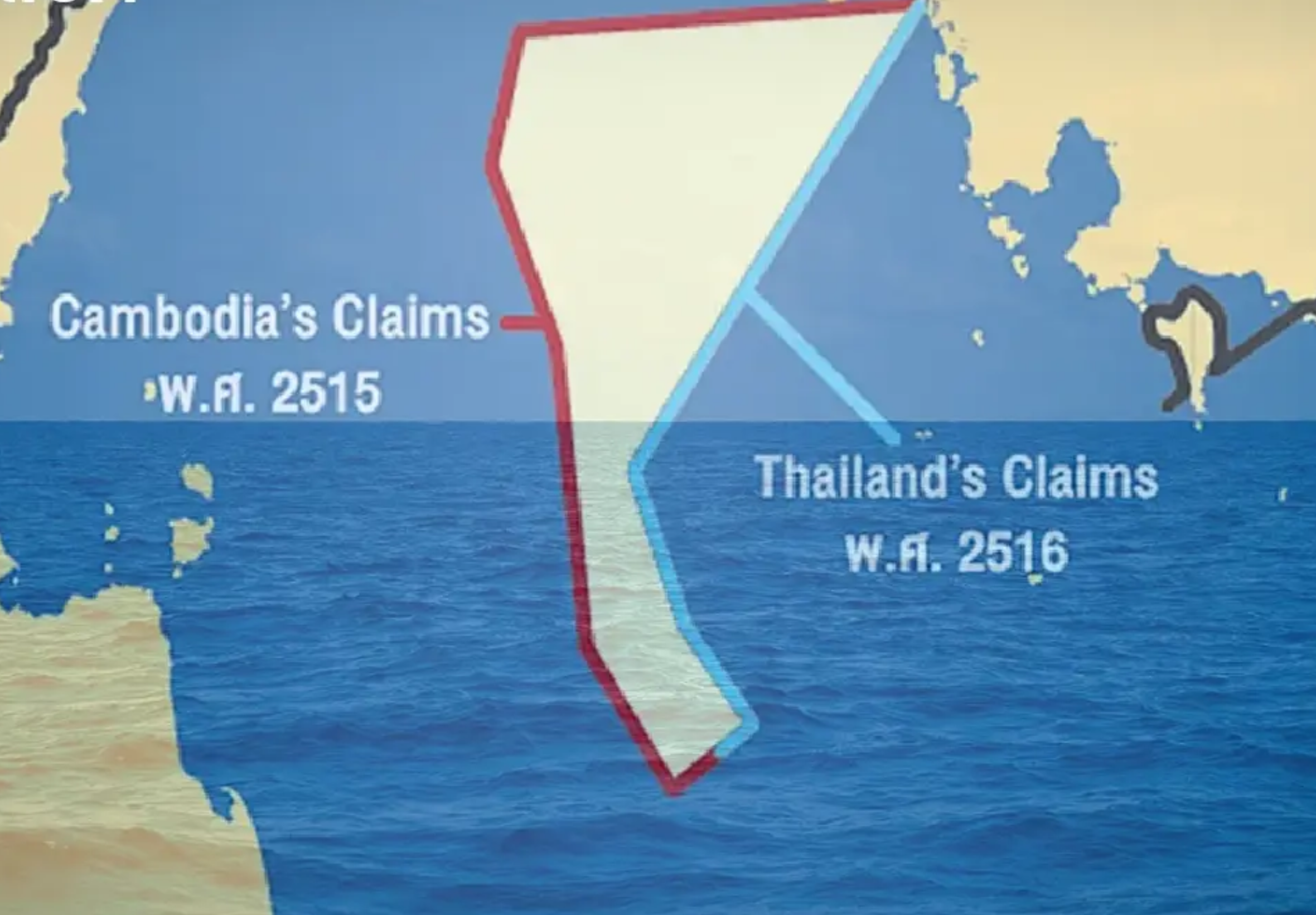
The Foreign Minister Sihasak Phuangketkeow said negotiations with Cambodia on border issues will have to wait until a new Thai government takes office, delaying potential discussions under the Thailand–Cambodia Joint Boundary Commission (JBC). The announcement followed Tuesday’s Cabinet meeting on 10 March 2026. The delay means any formal talks on boundary demarcation and related issues cannot proceed immediately.

Get today's headlines by email

Sihasak said Cambodian Prime Minister Hun Manet had posted that talks on the return of certain border areas between the two countries would be held after the Songkran holiday. Cambodia has proposed a meeting of the JBC, the bilateral body responsible for handling boundary demarcation between Thailand and Cambodia. However, Sihasak stressed that Thailand must first wait for a new government before deciding when it would be ready to participate.

He added that negotiations must remain within the agreed framework governing the commission. Any discussion about the return of territory would have to take place as part of the broader boundary demarcation process handled by the JBC. According to Sihasak, Cambodia had sought talks following the latest fighting along the border.

The foreign minister also clarified that certain issues raised by Cambodia were outside the scope of the JBC. Landmine clearance and the suppression of scam networks, he said, were not matters for the commission to address. Cambodia was already obliged to deal with those issues following previous ceasefire talks.

Sihasak said that if Cambodia was not yet ready to clear landmines while Thailand was prepared to proceed, Cambodia would still need to cooperate. He also said scam operations were a global problem rather than an issue involving only Thailand and Cambodia. Cambodia needed to take the matter seriously because it knew where such criminal networks were based.

He emphasised that if Cambodia wished to move forward with boundary demarcation through the JBC, landmines would first have to be cleared so the area could be made safe. He said the meeting should not be opened solely to discuss issues Cambodia wanted to raise, as other matters also needed to be addressed.

Sihasak also commented on other international issues raised by reporters. When asked about US President Donald Trump’s statement that the war in the Middle East might end soon, he said such an outcome would be positive because the conflict had affected many countries. However, he stressed that any resolution should come through sustainable negotiations and peaceful dialogue rather than military action.

The Nation reported that Sihasak said progress on revoking MOU 44 should also wait for the new Thai government’s policy statement to Parliament. The incoming administration would determine the direction of negotiations and future engagement with Cambodia through the JBC framework.

Join the discussion?

Already a member?

Adapted by ASEAN Now Nation 11 Mar 2026
Georgealbert
Georgealbert
Rayong Immigration Police have arrested an Indian national wanted in connection with a cryptocurrency fraud case after he attempted to flee during a routine 90-day immigration reporting session. The suspect, identified as Hemant Sahijwani, allegedly defrauded victims of more than 300,000 baht by promoting a cryptocurrency called “Sheena”. Authorities said the arrest highlights ongoing efforts to tackle transnational financial crime in Thailand.

Get today's headlines by email

The incident occurred at the Rayong Immigration Office under the supervision of Pol. Lt. Col. Chuanchai Chanterm, Deputy Superintendent of Rayong Immigration, who oversees alien services. During routine checks at the 90-day reporting service point, officers identified Sahijwani as a wanted suspect linked to a cryptocurrency fraud case. Investigators allege he falsely claimed to be a partner in a cryptocurrency exchange and persuaded victims to invest in the “Sheena” coin.

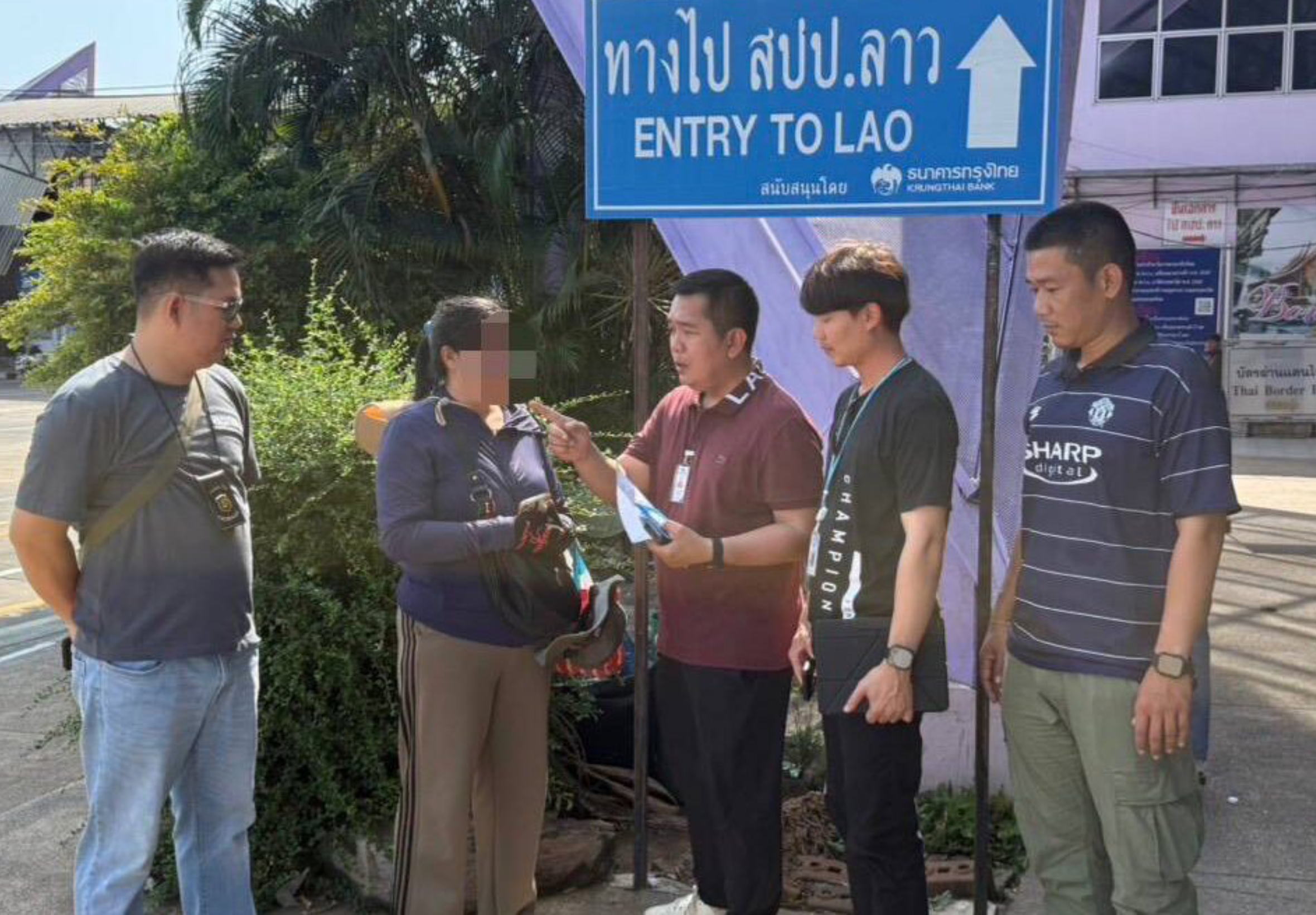
According to officials, once the suspect realised officers had identified him, he abandoned his passport on the service counter and attempted to escape. He reportedly fled the area immediately after leaving the document behind, prompting an urgent response from immigration officers at the scene.


Following the escape attempt, Pol. Lt. Col. Chanyarat Buathongjan, Deputy Superintendent of Rayong Immigration, deployed an investigation team to pursue the suspect. Officers launched a rapid search operation in the surrounding area. The team successfully located and apprehended Sahijwani before he could flee Rayong province.

The operation was conducted under the direction of Pol. Col. Komwut Jongbunwattana, Superintendent of Rayong Immigration. Authorities said the swift arrest reflected close coordination among immigration officers and demonstrated the effectiveness of routine identity checks carried out during immigration procedures.

Police stated that Sahijwani is wanted in connection with a fraud case involving losses of more than 300,000 baht. Investigators allege the suspect misrepresented his role in a cryptocurrency exchange to convince victims to invest in the digital asset.

Officials said the arrest illustrates the role of immigration authorities in assisting with criminal investigations involving foreign nationals. Immigration officers regularly screen individuals during administrative procedures, which can help identify suspects wanted under outstanding warrants.

The suspect was taken into custody and will face further legal proceedings in accordance with the law. Authorities did not disclose additional details about the case or the victims involved. Investigators are expected to continue examining evidence related to the alleged cryptocurrency scheme.


Picture courtesy of ตมระยอง

Join the discussion?

Already a member?

Adapted by ASEAN Now ตมระยอง 11 Mar 2026
Georgealbert
Georgealbert
Bangkok has been ranked the best city in Asia for 2026, reinforcing its reputation as a leading global tourism destination. The recognition comes from the Readers’ Choice Awards 2026, organised by travel and lifestyle magazine DestinAsian.

Get today's headlines by email

The announcement was confirmed on 10 March by Ekwaranyu Amrapal, spokesperson for the Bangkok Metropolitan Administration (BMA). Bangkok secured first place ahead of Tokyo in Japan, which ranked second, and Singapore, which placed third.

The annual awards are based on votes from readers of DestinAsian, a travel and lifestyle magazine focused on the Asia-Pacific region. The rankings reflect travellers’ preferences across multiple aspects of the visitor experience, including attractions, hospitality, food and overall atmosphere.

According to DestinAsian, Bangkok’s appeal lies in four key strengths. The first is the city’s unique balance of contrasts, combining traditional cultural heritage with modern urban development.

The city’s temples, waterways and historic communities continue to attract visitors, while skyscrapers, luxury shopping centres and modern infrastructure highlight Bangkok’s role as a global metropolis. The magazine noted that this blend of old and new creates a distinctive travel experience.

The second factor is Bangkok’s reputation as a global food destination. The city offers a wide spectrum of culinary experiences, from internationally renowned street food to fine dining restaurants led by a new generation of innovative chefs.

A third strength highlighted by the ranking is Bangkok’s diverse tourism offering. Travellers can choose from a wide range of accommodation options, from ultra-luxury hotels to award-winning boutique properties.

Visitors are also drawn to the city’s varied lifestyle districts, which include historic neighbourhoods, modern art and cultural areas, and nightlife venues recognised internationally. This variety allows Bangkok to appeal to many different types of travellers.

Finally, DestinAsian emphasised the welcoming hospitality associated with Thailand’s capital. The magazine noted that service across the tourism sector, from tuk-tuk drivers to staff at five-star hotels, helps create the friendly and lively atmosphere that visitors associate with Bangkok.

Ekwaranyu said the award confirms Bangkok’s ability to deliver a complete tourism experience, combining entertainment, cuisine, comfort and a distinctive urban character. He added that the recognition reflects strong confidence among travellers from across the region.

He also said the result provides motivation for Bangkok to continue developing the city as both a destination for visitors and a sustainable place to live for residents. City authorities aim to maintain tourism growth while improving quality of life for people living in the capital.

Join the discussion?

Already a member?

Adapted by ASEAN Now TheStandard 11 Mar 2026
Georgealbert
Georgealbert
Six people were injured after a pickup truck towing a speedboat crashed into a parked taxi and a massage shop in Patong, Phuket, on the evening of March 9. One person was reported to be in critical condition following the incident.

Get today's headlines by email

The crash occurred on Baan Morn Road in Patong sub-district, Kathu district, when the pickup struck a red taxi parked outside a massage shop and pushed it forward into the business. The vehicle also hit the area outside the shop where several customers were seated, causing injuries to multiple people.

CCTV footage shared by the owner of a nearby noodle stall captured the moment of impact. The video shows the pickup truck hitting the tuk tuk before it is forced into the massage shop frontage. Three pedestrians walking along the road were also affected in the incident.


In the footage, a foreign man can be seen narrowly avoiding being struck before running away from the scene. The video was later circulated online, drawing attention from local residents.

According to a report by DailyNews on March 10, six people were injured in total. Five suffered minor injuries, while one person remained in serious condition. All injured individuals received first aid at the scene before being transported to Patong Hospital for further treatment.

Authorities did not release the identities or nationalities of the injured. Police said an initial investigation suggested the crash was likely caused by speeding. Officers believe the driver may have lost control of the vehicle while travelling at high speed.

Police also noted that towing a speedboat requires additional caution due to the extra weight and reduced stability of the vehicle. Investigators are continuing to review evidence, including CCTV footage, to determine the precise circumstances of the crash.


Pictures courtesy of Daily News

Following the release of the footage, several local residents commented online that similar incidents have occurred previously in the area involving vehicles towing boats. One Thai man claimed he had seen the same pickup truck crash on the beach road a few days earlier.

Other commenters expressed concern about drivers travelling at high speed while towing boats. Some also questioned whether transporting boats in this manner complies with Thai traffic regulations.

Authorities have not confirmed what charges the driver will face. Police said further investigation is ongoing as they examine all the evidence and statements from witnesses.


Related stories

Australian-biker-dies-in-ravine-after-Loei-crash

Five-dead-six-injured-in-Chainat-pickup-crash

Join the discussion?

Already a member?

Adapted by ASEAN Now Dailynews 11 Mar 2026
Georgealbert
Georgealbert
The next government is being urged to prioritise energy security as rising oil prices linked to the US-Israeli war on Iran raise fears of stagflation, economist and People’s MP Anusorn Tamajai warned. He said the country’s heavy reliance on imported oil leaves its economy vulnerable to supply disruptions and surging energy costs.

Get today's headlines by email

Anusorn cautioned that Thailand and other Asian economies dependent on imported energy could face stagflation, a combination of economic stagnation and high inflation. He said inflationary pressures are likely to increase due to supply-side factors and rising production costs, replacing the recent period of negative inflation caused by weak domestic demand.

The warning comes as crude oil futures in global markets have surged by more than 35% over the past week, marking the largest weekly increase since 1983. Several oil refineries in the Middle East have halted production, while oil facilities in Iran were recently attacked amid the ongoing conflict.

Anusorn, formerly chairman of the Audit Committee and director of Bangchak Petroleum Plc, said new subsidy measures may be required if global crude oil prices again rise above US$120 per barrel. However, he cautioned the government against creating fiscal risks or encouraging inefficient energy use through poorly designed subsidies.

He said subsidising diesel prices through the Oil Fuel Fund mechanism remains necessary, but warned the fund could soon return to negative territory. The fund previously ran a deficit for four consecutive years, reaching 130 billion baht by the end of 2022 before returning to positive territory.

To strengthen long-term energy resilience, Anusorn recommended implementing four key strategies simultaneously: developing a power generation and energy security plan, promoting energy conservation and efficient energy use, expanding renewable and alternative energy projects, and reducing greenhouse gas emissions.

He stressed that improving energy efficiency and conservation is essential as Thailand maintains relatively low energy reserves and remains heavily dependent on imports. Investment in renewable energy, particularly solar power and photovoltaic (Solar PV) systems, would also be critical to ensuring long-term energy security.

The Middle East conflict is expected to have wider regional economic consequences, particularly for East Asian economies reliant on imported energy. Anusorn warned that Japan could be significantly affected, with inflation rising sharply due to higher energy costs.

Japan has long relied on extremely low interest rates to stimulate economic growth and counter deflation. The policy encouraged global investors to borrow yen at very low or sometimes negative interest rates and convert them into other currencies to invest in higher-yield assets, a strategy known as the Yen Carry Trade.

Thainewsroom reported that Anusorn said rising inflation in Japan could pressure the Bank of Japan to increase its policy interest rate. If that occurs, investors may unwind Yen Carry Trade positions, potentially triggering global market volatility as large funds sell risky assets to repay yen-denominated loans. Such developments could lead to continued downward corrections in global financial markets, he warned.

Join the discussion?

Already a member?

Adapted by ASEAN Now Thainewsroom 11 Mar 2026
Georgealbert
Georgealbert
A startling video of an unidentified foreign man running naked through Pattaya's streets late Sunday has sparked significant online chatter. The incident, captured around 22:00 on March 9, shows the man sprinting along Soi 12 at Pattaya Beach, attempting to cover his genitals. The man's hurried actions have led witnesses and social media users to speculate he was fleeing from some form of danger.

Get today's headlines by email

Pattaya Beach, a major tourist hotspot, was busy at the time of the incident, with numerous people present in the area. The man, described as not appearing intoxicated or mentally unstable, was noted for his swift movement, further fueling speculation about a potential threat he was attempting to escape. The footage was recorded by Mr. Jakkrich Manyimud, who was on his motorcycle when he saw the foreigner running along the road.

Mr. Jakkrich observed that the man seemed coherent, yet showed signs of urgency, prompting him to record the unusual scene. Despite the video's rapid circulation online, no concrete information has emerged regarding the man’s identity, nationality, or the cause behind his actions. Local authorities have yet to provide details on the situation.

Social media platforms are flooded with theories on what prompted the man’s naked run, with many users eagerly awaiting clarification from official sources. The lack of immediate information has left room for speculation, although no substantial evidence has surfaced to confirm any specific events leading to the incident.

Looking forward, it remains to be seen if authorities will uncover the circumstances that led to the man's escapade. The continuing interest and viral nature of the video are likely to keep the story in public discussion, as viewers anticipate further updates, repoted Khaosod.

Join the discussion?

Already a member?

  Adapted by ASEAN Now · Khaosod · 10 Mar 2026
snoop1130
snoop1130
A former Thai immigration officer, known as Jessada, was sentenced to four years in prison for disseminating pornography. His sentencing follows a joint investigation by Thai, American, Australian, and New Zealand authorities, resulting in his arrest on December 3, 2014. The investigation uncovered 258,000 pornographic files, including numerous child pornographic materials, on various electronic devices.

Get today's headlines by email

The Criminal Court fined Jessada 120,000 baht and ordered him to pay 25,000 baht in compensation to each of four affected children. Despite the severity, his four-year jail term was suspended for three years due to the classification of the offense as minor. The court mandated that Jessada report to probation officers for a year and perform 24 hours of public service.

This case highlights international cooperation in tackling pornography-related crimes, with authorities across four countries working together. The leniency of the suspended sentence has sparked discussion about legal approaches to digital content offenses. Experts suggest stronger penalties might deter future distribution and better support victims.

Looking forward, the case emphasizes the need to examine legal frameworks concerning digital crime and child protection. Further, experts advocate for more stringent enforcement and international collaboration to combat such offenses effectively, reported Bangkok Post.

Join the discussion?

Already a member?

  Adapted by ASEAN Now · Bangkok Post · 10 Mar 2026
snoop1130
snoop1130
A Phuket restaurant owner faced mixed reactions after posting videos of himself chasing an Israeli man from his restaurant while shouting "free Palestine." The incident, which occurred on March 9, has sparked debate online over the owner's decision to refuse service based on the man's nationality.

Get today's headlines by email

The owner shared the encounter on Facebook, explaining he asked the man to leave upon noticing Hebrew on his phone. The videos show the owner instructing the Israeli tourist to "go away" and shouting "Free Palestine" as the man walked out.

The Israeli man, visibly dissatisfied but non-confrontational, filmed the restaurant as he left. Online, responses varied; some supported the owner's stance, while others criticized the escalation in a multicultural area like Phuket.

Supporters of the restaurant owner cited past reports of inappropriate behavior by Israeli tourists in Thailand. Meanwhile, critics warned against importing overseas political disputes into the country. The event comes on the heels of a March 6 incident involving an Israeli man allegedly assaulting a foreigner over Middle Eastern political tensions.

After that incident, the same Israeli individual reportedly displayed aggression towards a Thai police officer intervening. These events highlight ongoing tensions linked to international conflicts manifesting in Thailand.

Looking ahead, the divisive response underscores the need for awareness and sensitivity regarding diverse national backgrounds in tourist destinations like Phuket. Authorities may monitor such interactions to prevent further incidents, reported The Thaiger.

Join the discussion?

Already a member?

  Adapted by ASEAN Now · The Thaiger · 10 Mar 2026
snoop1130
snoop1130
A Thai man in Phuket has accused two Russian women of stealing his pet cat from his home. In a video posted on March 8, Veerapong Santanoon confronted one of the women, demanding the return of his cat. The women denied the accusations, stating they only took the cat to feed it before intending to return it.

Get today's headlines by email

The incident surfaced when Veerapong shared a video on Facebook, showing two women reported to be Russian leaving his home with the cat. They were seen crossing a road and entering a nearby house in the Smile Villa Village, Thalang district. The accompanying post referenced his frustration over Thailand’s visa-free policy, insinuating that it enables such incidents.

Veerapong included previous footage to validate his ownership, asserting the cat is a long-time family pet and not a stray. He described attempts to retrieve the cat, stating that one woman eventually returned the animal, though he rejected her explanation about feeding it.

Locals in the village described the women as “troublemakers,” according to Veerapong. The situation has added to ongoing concerns regarding foreign visitors, albeit many do not cause issues, as noted by Veerapong. This incident echoes a similar case from July last year involving another foreign national taking a pet cat in Phuket.

Looking forward, it is uncertain how this incident might affect perceptions of tourists under Thailand’s visa-free policy. Authorities have not stated whether any official action will follow. The dispute highlights tensions surrounding foreign residents’ interactions within local communities and the treatment of animals assumed to be strays, reported The Thaiger.

AQOKH54VJdW6JJoUJrsTa7f1mFro9oFwYz3YT2o2eM26uIoyIc8oKi2X6u03xsVgB34FEEy2pvHHLl-FRHaBeR4Xz-lm8JWRboXCDubklg.mp4

Join the discussion?

Already a member?

  Adapted by ASEAN Now · The Thaiger · 10 Mar 2026
snoop1130
snoop1130
Israeli Ambassador to Thailand, Dr. Alona Fisher-Kamm, stated on Tuesday that Iranians are responsible for destabilizing the oil market, impacting countries like Thailand. She made these remarks during a Q&A session in response to a question about rising oil prices, emphasizing that Iran's unprovoked attack on a Saudi oil field is a significant factor. Fisher-Kamm further noted the influence on economic infrastructures, including oil transport through the Strait of Hormuz.

Get today's headlines by email

This comes amidst ongoing tensions involving Iran, with Fisher-Kamm explaining that the conflict aims to address perceived threats from Iran, such as nuclear capabilities and proxy forces like Hamas and Hezbollah. She suggested that the ultimate goal is regime change, although it is primarily up to the Iranian populace. She pointed out that recent developments, including the selection of a new Supreme Leader in Iran, indicate a continuation of current policies by the Iranian government.

Addressing the question of peace, Fisher-Kamm expressed hope that the conflict would become a "gateway to peace" rather than a prolonged war. She stressed that Israel's issues lie with the Iranian regime and not its people, highlighting that there were no conflicts before the 1979 Islamic Revolution. The Ambassador also criticized the Iranian regime for alleged internal and external illegitimacy, citing civilian killings.

Looking ahead, Fisher-Kamm suggested a narrow window exists for addressing the Iranian threat. She clarified that any military action is not targeting civilians, as was the case with a recent school attack in Minab that is still under investigation. The Ambassador believes the Iranian people have opportunities to facilitate change if they desire.

She also discussed the presence of around 50,000 Thai workers in Israel, emphasizing their confidence in Israel's security measures. In terms of Israeli tourism, Fisher-Kamm highlighted that in 2025, approximately 425,000 Israeli citizens visited Thailand, reflecting their feelings of safety and welcome in the country, reported Khaosod.

Join the discussion?

Already a member?

  Adapted by ASEAN Now · Khaosod · 10 Mar 2026
snoop1130
snoop1130
Thailand’s Cabinet has enacted immediate work-from-home directives for government officials to address an ongoing energy crisis linked to Middle Eastern tensions. During the Cabinet meeting held on March 10, 2026, urgent measures were ratified to curtail energy use and maintain public-sector functions.

Get today's headlines by email

The newly approved work-from-home policy mandates all government agencies to operate remotely until stability returns. However, agencies with direct public service roles will continue to function normally, ensuring uninterrupted service to citizens. This initiative aligns with the government's strategy to conserve energy amidst the current crisis.

Additionally, the Cabinet has enforced energy-saving measures within government offices. Officials are encouraged to dress more casually by removing suits during meetings and normal work hours, a change applied during the recent Cabinet session. Furthermore, to cut energy consumption, all government offices are required to maintain air-conditioning at 26 degrees Celsius.

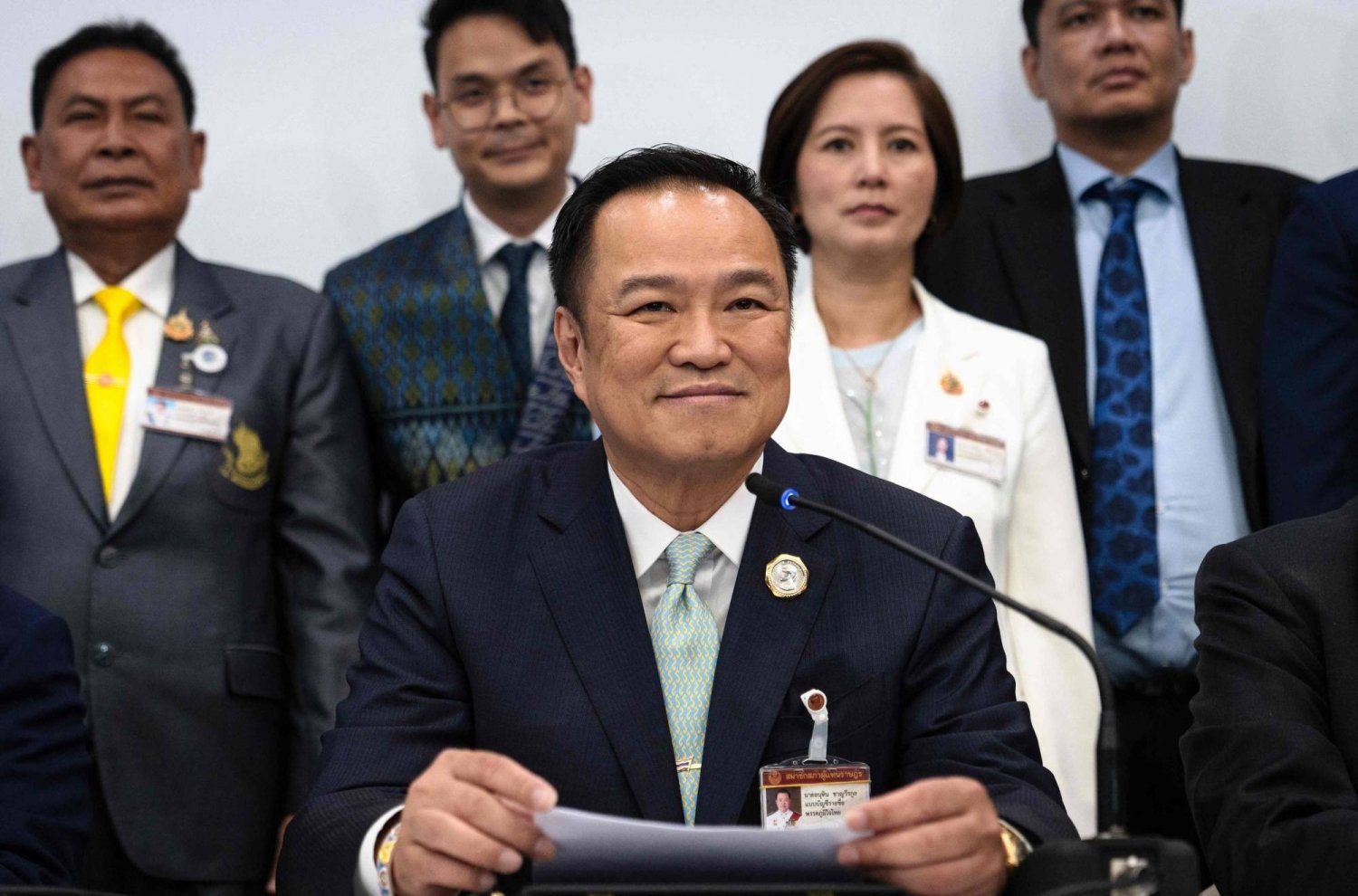
Another important aspect of the Cabinet's strategy is the halt of overseas study trips for government officials. Only missions deemed essential, such as key international meetings, will proceed, subject to stringent review processes. This suspension aims to minimize unnecessary energy expenditures associated with travel.

Minister of Higher Education, Science, Research and Innovation, Surasak Phancharoenworakul, noted that universities are largely unaffected by the work-from-home directive due to the ongoing academic break. The ministry plans to re-evaluate its approach before the next academic term to ensure congruence with government policies, reported The Nation.

Join the discussion?

Already a member?

  Adapted by ASEAN Now · The Nation · 10 Mar 2026
snoop1130
snoop1130
Bangkok's Don Mueang International Airport now offers 24-hour automated passport screening for outbound passengers. This new service, officially launched on March 5, aims to ease congestion and improve efficiency at immigration checkpoints. Previously, the automated service was only available from 7am to 9pm in a trial phase starting mid-February.

Get today's headlines by email

The automated border control (ABC) gates allow passengers to pass through immigration without needing manual passport stamps, expediting their journey. By April 2026, the airport plans to have all 31 machines in place. Eligible passengers must be at least 120 centimeters tall, have passports valid for six months, and carry belongings not exceeding 120 centimeters in size.

Deputy government spokesperson Lalida Veeravithayanant highlighted that the ABC service is designed to enhance passenger flow, reduce wait times, and streamline the airport's management system for outbound travelers. However, pregnant passengers and those with newly issued passports less than 14 days old are advised to use regular counters.

Looking forward, the implementation aims to provide a seamless experience for travelers and anticipates a reduction in congestion. With the ongoing improvements, Don Mueang aims to set a standard in passenger processing efficiency. Further updates and expansions of the service are expected as part of the airport's continuous development efforts, reported Thai PBS.

Join the discussion?

Already a member?

  Adapted by ASEAN Now · Thai PBS · 10 Mar 2026
snoop1130
snoop1130
The Thai government convened a meeting at Government House in Bangkok on March 9 to address rising energy costs and supply risks linked to tensions in the Middle East. Deputy Prime Minister Phiphat Ratchakitprakarn, also the transport minister, outlined measures to control prices of petrol, diesel, LPG, and LNG, calming public concern. The government clarified that Thailand possesses oil reserves sufficient for up to 95 days, prompting discussions on contingency plans in case crude oil shipments through the Strait of Hormuz are disrupted.

Get today's headlines by email

Phiphat stated that diesel prices would be frozen for 15 days, subject to review. Petrol prices remain unfrozen, though the government may increase prices gradually under PTT’s pricing mechanism if required. Despite concerns, Phiphat reassured that there would be no oil shortages, with alternative sources continuously replenishing supplies.

He further explained the issue of industrial buyers purchasing through intermediaries rather than directly from service stations. Jobber transactions depend on buying and reselling at varying prices, with uncertainty during crises when companies may stop selling to intermediaries. This situation has led to higher costs, with diesel at 29.94 baht per litre at service stations compared to a benchmark of 40 baht in Singapore.

Industrial buyers facing higher prices are advised to present past purchase invoices to provincial authorities for procuring fuel at ministry-set prices. Invoices from the last two months can be used to continue purchasing from familiar depots like PTT, Bangchak, or PT. Without these invoices, buyers might encounter fluctuating prices, announced at 10 baht, as per Phiphat, reported The Thaiger.

Join the discussion?

Already a member?

  Adapted by ASEAN Now · The Thaiger · 10 Mar 2026
snoop1130
snoop1130
Thailand's Foreign Minister Sihasak Phuangketkeow welcomed 29 Thai nationals at Suvarnabhumi International Airport on March 9, following their evacuation from Iran. They arrived on a Turkish Airlines flight from Istanbul amid ongoing Middle Eastern tensions. The government is actively assisting citizens affected by the situation and is arranging more evacuations.

Get today's headlines by email

Amid escalating tensions in the Middle East, particularly after the US-Israel joint operation against Iran on February 28, Thailand has been preparing contingency plans for its nationals. Evacuations became necessary due to the heightened risks in the region. The Foreign Ministry, along with Thai embassies and other agencies, has been instrumental in the ongoing support and coordination efforts.

Minister Phuangketkeow commended embassy staff in Tehran for facilitating the evacuation despite challenges such as a ten-hour overland trip to Turkey. Another 23 Thai nationals, including children, were scheduled to return the following day. The Iranian government was acknowledged for its cooperation and security support during these efforts.

Approximately 75 more Thai nationals were anticipated to depart Tehran using the same evacuation route. While some citizens, like students, opted to stay in Iran, the government recommended families with children return to Thailand temporarily. Efforts to assist Thais across the Middle East are ongoing, with regular flights aiding over 100 individuals.

Returning evacuees expressed gratitude for the government's assistance and described their journey as smooth yet exhausting. Despite airstrikes in Iran, daily life activities appeared to continue. Areas such as Bahrain, Qatar, and Lebanon remain under scrutiny, with evacuees sometimes transiting through Riyadh, Saudi Arabia, reported The Thaiger.

Join the discussion?

Already a member?

  Adapted by ASEAN Now · The Thaiger · 10 Mar 2026
snoop1130
snoop1130
A Thai girl named Metallica has gone viral after being confirmed eligible to obtain a passport, as reported by the Facebook page Headbangkok on March 9. The page described her as "the coolest-named girl in Thailand" and shared a previous story about her unique name. This follows a debate on whether the English spelling of "Metallica" might prevent her from securing travel documents.

Get today's headlines by email

The Facebook update highlighted that her father confirmed she could now receive a passport without issues. This situation had sparked discussions on social media about band-inspired names and their implications for official documentation. Some users jokingly commented on naming children after bands like Slayer or Iron Maiden.

The announcement drew mixed reactions, with comments ranging from humor to concerns over privacy. While some users enjoyed the idea of using band names, others pointed out difficulties in spelling and pronunciation. Critically, several comments raised privacy issues, suggesting that sharing the child's details could be unsafe.

Privacy advocates recommended censoring identifying information to protect personal data, despite parental consent. They argued that publicizing such information can risk exposure and urged caution when sharing online. This highlights ongoing concerns about internet privacy for minors.

Looking ahead, this may pave the way for more creativity in naming, potentially leading to more children named after famous bands. However, the discussions also underline the need for careful consideration of privacy and legal responsibilities when sharing personal data online, reported The Thaiger.

Join the discussion?

Already a member?

  Adapted by ASEAN Now · The Thaiger · 10 Mar 2026
snoop1130
snoop1130

Account

Navigation

Search

Search

Configure browser push notifications

Chrome (Android)
  1. Tap the lock icon next to the address bar.
  2. Tap Permissions → Notifications.
  3. Adjust your preference.
Chrome (Desktop)
  1. Click the padlock icon in the address bar.
  2. Select Site settings.
  3. Find Notifications and adjust your preference.