Skip to content
View in the app

A better way to browse. Learn more.

Thailand News and Discussion Forum | ASEANNOW

A full-screen app on your home screen with push notifications, badges and more.

To install this app on iOS and iPadOS
  1. Tap the Share icon in Safari
  2. Scroll the menu and tap Add to Home Screen.
  3. Tap Add in the top-right corner.
To install this app on Android
  1. Tap the 3-dot menu (⋮) in the top-right corner of the browser.
  2. Tap Add to Home screen or Install app.
  3. Confirm by tapping Install.

Thailand News

All the latest news stories from Thailand are written in English. Fresh news and stories from around the kingdom brought to you daily.
Thailand’s headline inflation remained negative for an 11th consecutive month in February 2026, driven mainly by lower fuel prices and capped electricity tariffs, according to the Trade Policy and Strategy Office (TPSO). The Consumer Price Index (CPI) stood at 99.67, representing a 0.88% year-on-year decline. The drop marked the lowest inflation level recorded in the past 11 months.

Get today's headlines by email

Nantapong Chiralerspong, director-general of the TPSO, said the energy category was the main factor behind the continued fall in inflation. Fuel prices declined due to increased compensation from the Oil Fuel Fund, while electricity tariffs were maintained at an average of 3.88 baht per unit. Fresh food prices also dropped because of oversupply, including pork, eggs, durian, Namwa bananas and watermelon.

Despite the overall fall in headline inflation, some items in the food and non-alcoholic beverages category continued to rise. TPSO reported gradual price increases in beverages and ready-to-eat meals across several areas. Meanwhile, core inflation, which excludes fresh food and energy prices, rose by 0.56%.

The agency said the positive core inflation rate indicates that consumer purchasing power has not contracted and that Thailand has not entered a period of deflation. Officials emphasised that falling energy prices have been the primary driver of the negative headline figure, rather than a broad decline in prices across the economy.

TPSO warned that global oil prices remain a key risk factor for Thailand’s inflation outlook, particularly Dubai crude, which serves as the benchmark for the country’s energy costs. Energy accounts for roughly 12% of the inflation basket, while the transport, communications and vehicles category carries a weight of 22.25%.

If oil prices increase, the agency said costs could be passed on to consumers through higher transport fares, freight charges and goods prices. Ready-to-eat meals are seen as particularly sensitive to energy costs, with a weight of around 16% in the inflation basket and a tendency to rise quickly when costs increase but fall slowly afterwards.

TPSO outlined three possible inflation scenarios based on future Dubai crude prices. If oil averages US$80 per barrel, full-year inflation is expected to remain within 1–2%. If prices rise to US$100 per barrel, inflation could reach 2–3%, with ready-to-eat meal prices increasing in about 20% of areas nationwide.

In the most severe scenario, if oil climbs to US$120 per barrel, inflation could exceed 3%, and price increases for ready-to-eat meals may spread to more than half of the country.

The Commerce Ministry has maintained its 2026 inflation forecast at 1–3%, assuming an average oil price of US$80 per barrel. Officials also confirmed that Thailand currently holds oil reserves sufficient for at least 60 days.

Provincial commerce offices have been instructed to monitor single-dish meal prices closely to ensure they do not rise unreasonably. TPSO said it will continue tracking economic indicators during the first quarter, including core inflation, employment and consumer confidence. The Nation reported that authorities said the inflation framework for 2026 may be reviewed once the economic impact of developments in March becomes clearer.

Join the discussion?

Already a member?

Adapted by ASEAN Now Nation 6 Mar 2026
Georgealbert
Georgealbert
Security staff at Suvarnabhumi Airport prevented a Russian tourist from attempting to jump from the elevated roadway outside the passenger terminal, intervening quickly to pull him back to safety. The incident occurred on the evening of 1 March 2026 at the arrivals area on the second floor of the airport building. No injuries were reported after airport security personnel restrained the man and brought him back inside.

Get today's headlines by email

The situation unfolded when the airport’s security operations centre received a report of a foreign man behaving erratically and shouting while standing on the outer edge of the elevated roadway outside the terminal. Witnesses said the man appeared distressed and threatened to jump to the ground below. Airport authorities immediately dispatched a rapid response team of security officers along with medical staff, firefighters, rescue personnel and police from Suvarnabhumi Airport Police Station.

Upon arrival, officers found the man standing outside the barrier along the raised roadway, continuing to show signs that he might leap. Security personnel coordinated a response plan, sending officers and rescue workers to approach him while attempting to calm him down and distract him. As the situation developed, Mr Phakphon Panyong, identified as the duty head of airport security during the shift, moved in to restrain the man when an opportunity arose.


Pictures courtesy of 77kaoded

Mr Phakphon quickly grabbed the individual and locked him in place, allowing other nearby security officers who had been monitoring the scene to rush in and assist. Together they managed to pull the man back into the secure area of the terminal without any injuries. The swift action brought the situation under control within moments.


After the intervention, the Russian tourist was taken to Suvarnabhumi Airport Police Station to calm down and undergo questioning about the incident. Authorities reported that the man had no identification documents with him and gave inconsistent answers during initial questioning. Police confirmed only that he appeared to be a Russian national visiting Thailand as a tourist.


Officials have since contacted the relevant embassy to help verify his identity and provide assistance. Investigations are continuing to determine the circumstances that led to the incident and whether the man requires further support or medical evaluation.

Kaoded reported that airport authorities later praised the coordinated response by security personnel and emergency teams who handled the situation. They said the actions demonstrated the airport’s commitment to maintaining international safety standards and ensuring the protection of passengers and visitors around the clock.

ScreenRecording_03-05-2026 18-09-29_1.mp4

Join the discussion?

Already a member?

Adapted by ASEAN Now Kaoded 6 Mar 2026
Georgealbert
Georgealbert
The People’s Party has announced it will press ahead with its political agenda after the 2026 election, presenting its 120 Members of Parliament and pledging to begin what it called a “new chapter of change”.

Get today's headlines by email

In a post published on 5 March 2026 on the Facebook page “พรรคประชาชน – People’s Party”, the party said it remains committed to its mission of forming a “people’s government” despite not achieving its ultimate goal in the election.

The party said it received more than 10.97 million votes nationwide across 398 constituencies officially certified by the Election Commission of Thailand. It also secured 88 constituency MPs from all regions of the country.

According to the statement, the results reflected strong public trust in the party’s approach to politics, which it said rejects vote-buying and instead focuses on grassroots campaigning and policy-based engagement.

The People’s Party said its MPs would continue working by addressing problems faced by citizens in their constituencies, coordinating with relevant authorities to resolve local issues and pushing for structural reforms when problems require national-level solutions.

The party also highlighted its legislative activity during the previous parliamentary term, when it operated under the former Move Forward Party before transitioning into the People’s Party. Over the course of two years and six months in parliament, it said it had proposed more than 100 progressive bills.

Several of those initiatives, according to the statement, helped push forward public debate and legislative progress on issues including marriage equality, progressive alcohol laws and labour protection.

The announcement comes as Thailand prepares for the upcoming 27th House of Representatives, in which the People’s Party will hope to serve as one of the parliamentary forces shaping debate and legislative proposals.

The party said its MPs would utilise parliamentary mechanisms, including legislative proposals and committee work, to reflect problems raised by citizens and to drive reforms aimed at improving the country.

In its message to supporters, the party thanked voters for the continued support shown during the election. It said the votes received demonstrated that the effort to build political change had not been in vain.

Naewna reported the statement concluded with a pledge that the party’s MPs would continue working to advance policies and reforms, while encouraging the public to learn more about their elected representatives through the party’s official website.

Join the discussion?

Already a member?

Adapted by ASEAN Now Naewna 6 Mar 2026

Georgealbert
Georgealbert
The Bangkok Metropolitan Administration (BMA) announced it will accelerate the implementation of adaptive traffic lights to ease congestion across the city. Currently, over 80% of Bangkok's 746 major intersections use fixed-time lights that operate on predetermined intervals, which often fail to adjust to varying traffic conditions. To address this, BMA Deputy Governor Wisanu Subsompon stated that the city aims to upgrade its traffic management system, utilizing CCTV and image processing for real-time traffic analysis.

Get today's headlines by email

The fixed-time system has demonstrated inefficiencies, particularly during rush hours and traffic fluctuations, leading to "lost green time" and gridlock situations. The adaptive system, however, can customize signal timings automatically based on real-time traffic data, ensuring smoother flow and preventing intersection blockages. This technology examines traffic density and queue lengths up to 150 meters before an intersection to allocate green times optimally.

The adaptive system includes a Gridlock Protection feature, which stops green signals if downstream traffic cannot disseminate, thereby reducing the chance of blocked intersections. For the current fiscal year, the BMA plans to deploy this technology to an additional 50 intersections, significantly expanding its coverage in the city.

Experts predict that these improvements will enhance traffic efficiency and reduce congestion-related delays in Bangkok. By adapting to actual traffic volumes, the city expects to manage peak times more effectively and respond to unexpected traffic scenarios. The shift towards an adaptive system marks an important step in modernizing Bangkok’s traffic infrastructure, reported Bangkok Post.

Join the discussion?

Already a member?

  Adapted by ASEAN Now · Bangkok Post · 05 Mar 2026
snoop1130
snoop1130
A shopping mall in central Bangkok has been identified in the United States Trade Representative's 2025 Notorious Markets Report for high levels of intellectual property infringement. Released on March 3, the report highlighted 37 online and 32 physical markets across 19 countries, with the Bangkok mall being the only location in Thailand cited. This points to ongoing challenges, despite intensified efforts by Thai authorities to curb trademark and copyright violations.

Get today's headlines by email

The report's findings were acknowledged by Armon Thapthawitham, director-general of Thailand's Department of Intellectual Property. She noted appreciation from stakeholders regarding enhanced enforcement by the department, the Economic Crime Suppression Division, and the Royal Thai Police. These efforts have included raids, awareness campaigns, and cooperation from mall operators who have terminated leases of tenants caught in IP violations.

Despite these actions, Armon mentioned continued infringement attempts, such as sales through temporary stalls to evade inspections. Authorities plan to ramp up measures by targeting major offenders more aggressively. Notably, Thailand’s online market scene has improved, with no local e-commerce platforms on this year's notorious list, a trend attributed to collaborative steps like the memorandum of understanding signed by major online platforms to bolster IP protection.

Future enforcement will focus on broader investigations, targeting warehouses and large-scale suppliers, with efforts covering Bangkok, tourist hotspots, border areas, and online channels. Armon emphasized Thailand's commitment to fortifying IP protection to bolster trade and investment, and expressed intent to work with US counterparts to reflect progress in future reports.

Businesses and consumers are urged to steer clear of counterfeit goods, as continued purchases not only pose risks but also harm Thailand's economic reputation, reported Khaosod.

Join the discussion?

Already a member?

  Adapted by ASEAN Now · Khaosod · 05 Mar 2026
snoop1130
snoop1130
Thai-built drones are being trialed to deliver critical medical supplies, aiming to improve access for patients in remote island hospitals by significantly reducing wait times. The Department of Medical Services (DMS) is enhancing connectivity between mainland hospitals and island communities, traditionally reliant on limited boat schedules, by utilizing unmanned aerial vehicles. Initial tests began in 2023, targeting routes from the southern province of Satun, and have cut transportation time from 120 minutes to just 15 minutes, according to DMS Director-General Dr. Natthaphong Wongwiwat.

Get today's headlines by email

Previously, medical deliveries depended heavily on sea conditions, often delaying treatment for patients on islands. The new drone delivery system ensures timely dispatches, particularly benefiting patients with chronic conditions, children, elderly individuals, and those requiring urgent care. Real-world trial routes have now been expanded to three provinces — Krabi, Satun, and Phangnga — with processes refined to match regular operations and satisfy Civil Aviation Authority regulations.

The programme includes at least 30 test flights per route to establish a reliable service model. Experienced Thai drone pilots are conducting these tests, maintaining compliance with legal flight plans and ensuring strict temperature control for medicines and vaccines. Local expertise is also being developed through dedicated training initiatives.

Although still in its early stages, the drone delivery system is seen as a pioneering effort in Thailand. “Using drones to transport medicines and medical supplies is still very new in Thailand,” said Dr. Natthaphong. The project is supported by the Thailand Center of Excellence for Life Sciences (TCELS) alongside local health agencies, aviation authorities, and public-private networks.

Looking ahead, the DMS aims to expand capacity and extend routes to cover more isolated areas, ultimately creating a national model adaptable by other provinces. This initiative strives to bridge the geographical gap, affording remote island residents access to medical care comparable to urban settings, and may pave the way for health funds to support such services in the future, reported Bangkok Post.

Join the discussion?

Already a member?

  Adapted by ASEAN Now · Bangkok Post · 05 Mar 2026
snoop1130
snoop1130
Thailand is grappling with a severe youth drug crisis as narcotics such as cannabis, kratom, and methamphetamine become increasingly accessible, reports the Thai Health Promotion Foundation (ThaiHealth). Urgent measures are required to combat the escalating issue, compounded by inadequate public health resources, according to Rungarun Limlahaphan, director at ThaiHealth. In 2024, out of 13,631 youths prosecuted for criminal offenses, 8,971 had drug use histories, highlighting the urgent need for intervention.

Get today's headlines by email

The problem is notably prevalent among students, with many drug users identified in lower and even primary education levels. ThaiHealth and Rocket Media Lab conducted an analysis indicating that the decriminalization of substances like cannabis and kratom has led to a marked increase in their use. Methamphetamine remains the most used drug, with 3,240 youths consuming cannabis and 1,579 using kratom in 2024.

A troubling trend is the use of online platforms, particularly X, as primary distribution channels, which represented 68% of drug-related sales. Emojis serve to disguise drug names, bypassing monitoring systems. Furthermore, there has been a shift in drug-consumption locations from public areas to private spaces such as rooms and resorts, making enforcement efforts more challenging.

The strain on Thailand’s public health system is acute, as the number of individuals seeking treatment in 2025 is projected to reach 260,000, far beyond current capacities. There is an urgent need for more addiction psychiatrists to facilitate recovery, emphasizes Satichai Arpornsiri, managing editor of Rocket Media Lab. Collaborative efforts across sectors are essential to support youth and enable their reintegration into society.

Looking ahead, Thailand must address its shortage of addiction specialists to effectively handle the treatment demands. Public health strategies need to be strengthened, alongside increased monitoring of online drug sales. These steps are crucial to safeguard the future of the nation’s youth from the ongoing drug epidemic, reported Bangkok Post.

Join the discussion?

Already a member?

  Adapted by ASEAN Now · Bangkok Post · 05 Mar 2026
snoop1130
snoop1130
The Royal Thai Embassy has successfully facilitated the evacuation of nine Thai nationals from Bahrain to Thailand amid escalating regional tensions. A team from the embassy in Riyadh, including Tanit Loipimai and Muhammad-Iffa Madthing, coordinated the complex transit through the King Fahd Causeway to Dammam, Saudi Arabia. The evacuees were then flown to Riyadh before connecting to flights back to Thailand.

Get today's headlines by email

This evacuation effort comes as tensions in the region have sparked concern for the safety of foreign nationals, prompting the Thai embassy to spring into action. The operation was carried out with collaboration between the embassies in Riyadh and Manama, showcasing swift diplomatic and logistical coordination.

Expert assessments highlight the potential risks involved in the region, with embassies preparing for further evacuations if needed. The move underscores the rising unease within the Gulf Cooperation Council (GCC) countries and suggests a proactive stance by Thailand to ensure citizen safety.

Looking forward, the embassy's consular team, led by Tanit, has begun mapping contingency plans and surveying key areas in Dammam and Al Khobar. This is part of a broader strategy to prepare for any escalation that might necessitate further evacuations of Thai nationals. The situation remains fluid, with the embassy poised to react to any developments swiftly, reported The Nation.

Join the discussion?

Already a member?


  Adapted by ASEAN Now · The Nation · 05 Mar 2026
snoop1130
snoop1130
Thailand's National Broadcasting and Telecommunications Commission (NBTC) has announced stringent penalties for those accepting payment to register 'mule SIM cards'. Under the amended technology-crime decree, violators may face up to three years in prison and a fine of up to 300,000 baht. This move aims to curb the growing issue of SIM cards being used in technology-related crimes.

Get today's headlines by email

The NBTC highlighted that criminals are increasingly targeting the public, including children, to register SIM cards which are then misused for illegal activities. Under Thailand's Royal Decree on Measures for the Prevention and Suppression of Technology Crime, individuals found guilty of registering a 'mule SIM' are subject to severe legal consequences. This amendment is part of ongoing efforts to strengthen technological crime prevention.

Trairat Viriyasirikul, deputy secretary-general of the NBTC, warned that individuals who use their personal data for someone else's SIM registration could be held liable if the number is tied to a crime. The penalties extend beyond just registering SIMs; brokering, selling, and renting any electronic transaction accounts also carry steep fines and imprisonment. The NBTC is determined to enforce these measures to deter misuse.

The commission has urged the public to be vigilant and avoid allowing their personal information or facial scans to be used for SIM registration. Those who discover their information has been misused in this manner should report it online or via the Anti Online Scam Operation Centre hotline. The focus is on educating the public to prevent further occurrences, reported The Nation.

Join the discussion?

Already a member?

  Adapted by ASEAN Now · The Nation · 05 Mar 2026
snoop1130
snoop1130
Thailand’s Ministry of Transport plans to issue a regulation to prevent arbitrary fare increases by public transport providers, including taxis and ride-hailing services. Transport Minister Phiphat Ratchakitprakarn announced this move on Wednesday, part of measures discussed to address the impact of the ongoing Middle Eastern conflict on Thailand's economy. The initiative aims to stabilize transport costs amid potential price hikes in consumer goods.

Get today's headlines by email

The announcement follows a special meeting conducted by Finance Minister Ekniti Nitithanprapas, focusing on the ramifications of the Middle Eastern war. Ekniti assured that Thailand has sufficient oil reserves to cover up to 60 days of domestic needs and indicated efforts are ongoing to diversify oil supply sources. Concerns over potential price surges in consumer goods were addressed, with plans for the Internal Trade Department to enforce anti-profiteering laws.

In response to the potential economic impact, Prime Minister Anutin Charnvirakul tasked the Foreign Ministry with coordinating inter-ministerial efforts and committing to providing daily public updates. These updates aim to keep the populace informed until the situation normalizes. The government's proactive stance highlights its priority in maintaining economic stability and consumer protection, reported Thai PBS.

Join the discussion?

Already a member?

  Adapted by ASEAN Now · Thai PBS · 05 Mar 2026
snoop1130
snoop1130
A 53-year-old man in Chon Buri, Thailand has been arrested for attacking a motorcycle repairman with a samurai sword. The incident left the victim, 24-year-old Nopparit Saemmueang, requiring 27 stitches and suffering from a nearly severed ear. The suspect, Anucha Boonthawon, was apprehended by officers from Bang Lamung Police Station on March 4.

Get today's headlines by email

The attack occurred at about 10:30 pm on Monday, March 2, at a rented room. Anucha reportedly confronted Nopparit over a braking issue on his son's motorcycle that the repairman couldn't fix. The argument escalated, resulting in Anucha allegedly striking Nopparit on the head with the sword.

Following the assault, Nopparit received medical treatment and later reported the incident to the police. Police reported that Anucha visited Nopparit's workplace, a motorcycle garage situated on land owned by Anucha, where he allegedly threatened to close the shop down. Upon arrest, Anucha admitted to the attack, claiming he used the flat side of the sword to minimize injuries. He further confessed to using crystal meth before the confrontation.

Samurai sword incidents have occurred in Thailand before, notably in July 2024 when a soldier killed his girlfriend in Bangkok with a sword. This precedent highlights ongoing concerns regarding such violent acts in the region. Authorities are continuing their investigations and evaluating possible charges against Anucha.

Looking forward, the police assure a thorough investigation while the community remains on alert, considering past violent cases involving swords. Legal proceedings for Anucha are expected to follow as officials deliberate on suitable charges, reported The Thaiger.

Join the discussion?

Already a member?

  Adapted by ASEAN Now · The Thaiger · 05 Mar 2026
snoop1130
snoop1130
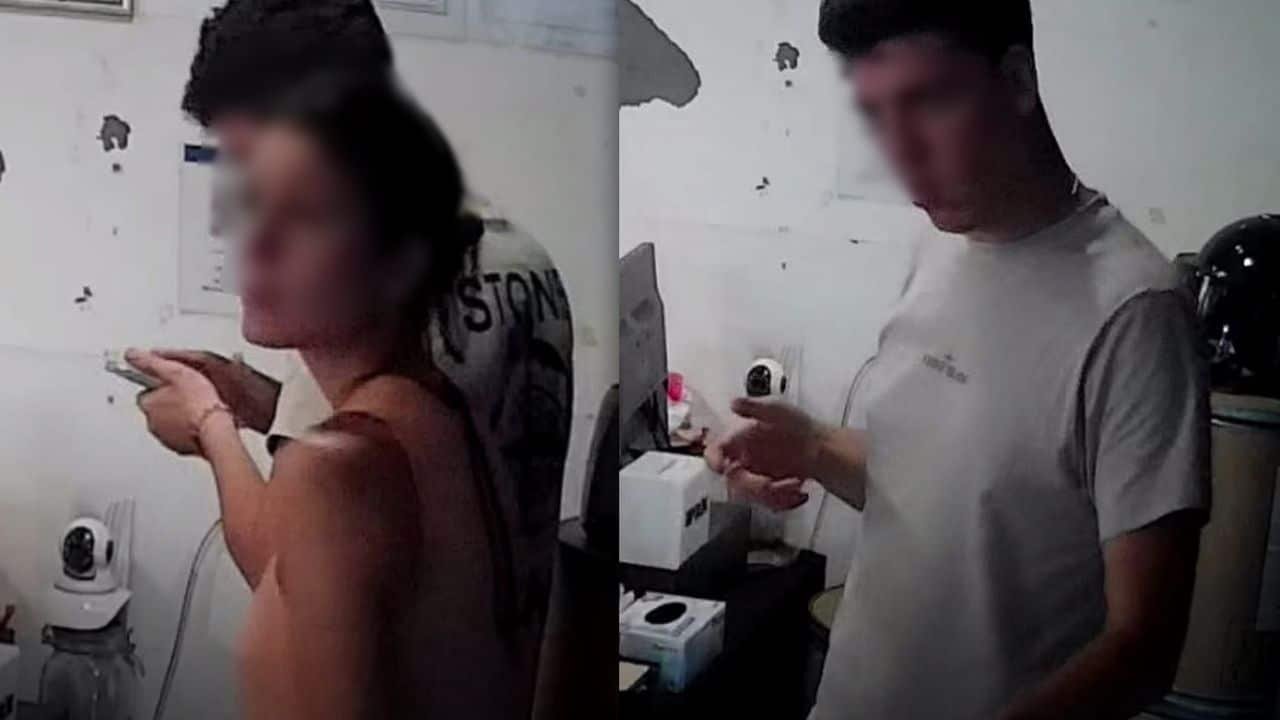
In an early morning incident on March 5, two naked ladyboys were seen pursuing an Indian tourist along Pattaya Beach Road, reportedly due to a payment disagreement. Witnesses observed the pair shouting abuse and demanding payment for sex services, with one threatening the tourist with a brick. The altercation led to a public disturbance, drawing intervention from local officials and bystanders.

Get today's headlines by email

According to reports, the argument erupted at 5:06 am when the ladyboys accused the tourist of not paying for their services and physically assaulting them. A video of the chase was captured by a bystander and later provided to the police. Witness Anucha Khotmad, a Pattaya municipal officer, saw the scene unfold and sought assistance from nearby businesses to provide towels for the individuals, aiming to lessen public exposure.

Bystanders, along with Anucha, intervened to prevent escalation and reportedly successfully mediated the dispute. The resolution came when the tourist agreed to pay the ladyboys 1,000 baht each. At the scene, neither party pressed charges, and no formal complaint was lodged.

Looking forward, the incident highlights ongoing concerns about public safety and disputes along Pattaya Beach Road. Authorities may review measures to prevent similar occurrences and ensure better handling of public disturbances. Continued investigation or legal action seems unlikely unless initiated by the involved parties, reported The Thaiger.

Join the discussion?

Already a member?

  Adapted by ASEAN Now · The Thaiger · 05 Mar 2026
snoop1130
snoop1130
A Thai man from Suphan Buri province is accused of killing his girlfriend and staging it as a suicide. CCTV footage, accessed by the victim’s family, reportedly contradicts his claim, leading to his arrest. The case drew media attention after family members aired suspicions on Channel 3's Hone Krasae program on March 4.

Get today's headlines by email

The victim's boyfriend, 49-year-old Toi, took her to a hospital on February 28, claiming she had attempted suicide. Medical staff pronounced the woman dead on arrival, revealing she had likely been without oxygen for 30 minutes, causing fatal brain injuries. Her family, suspicious of blood around her mouth, alleged Toi had assaulted her, contradicting his account that she bled as he removed medicine.

Relatives requested an autopsy and accessed the victim’s phone to view CCTV footage, which they believe proves murder. The footage reportedly captured a violent argument between the couple, during which Toi made threats while the woman pleaded for her life. The recording continued to show Toi dragging the woman and wiping her mouth, intensifying suspicions of an assault.

Further investigation was demanded by the family, who also discovered a suspicious substance in the room, possibly cyanide. Despite initial police conclusions of suicide, citing the woman’s depression, public pressure led authorities to reassess the case. Toi, arrested at a resort in Suphan Buri, denies all charges and awaits further interrogation following complete autopsy results, reported The Thaiger.

Join the discussion?

Already a member?

  Adapted by ASEAN Now · The Thaiger · 05 Mar 2026
snoop1130
snoop1130
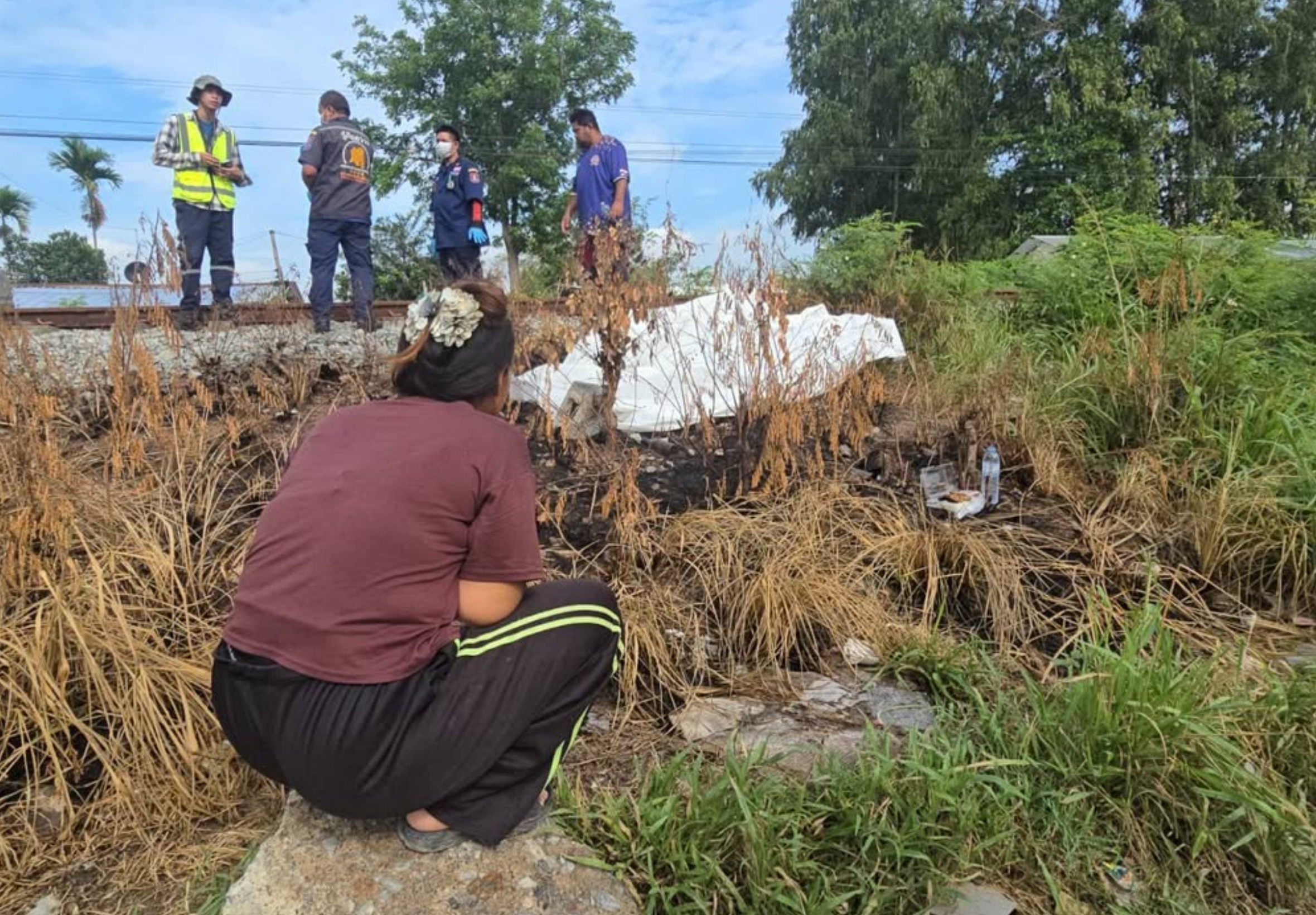
A foreign man believed to be Chinese was found dead under suspicious circumstances near a railway-side road in Patttaya, Chonburi, on the morning of 5 March 2026. The body showed signs of physical abuse and possible torture prior to death. Police have launched an investigation to determine the victim’s identity and the cause of death.

Get today's headlines by email

Police were alerted at around 09.30 when the body was discovered beside the railway road, on the section which is closed for road works, just after the Soi Khao Talo junction. Responding officers included investigators from Bang Lamung Police Station, forensic officers from Chonburi’s Police Forensic Division 2, a duty doctor and rescuers from the Sawang Boriboon Pattaya Foundation.

The victim was found in a motorcycle parking shelter used by hotel staff, located beside the railway road. He was described as an Asian male aged approximately 30–40 with East Asian features, believed to be Chinese. His body was discovered hanging from a cream-coloured nylon rope tied to a roof beam.


Investigators noted the victim’s body was in a standing position with both knees slightly bent and his left hand raised near the noose. He was wearing a blue round-neck shirt with the English wording “ARAS” printed on the back, black-and-white elephant-pattern trousers, and white shoes. Two pieces of asphalt had been stacked beneath his feet.

Police at the scene estimated the man had been dead for anywhere between six to twelve hours when discovered. No identification documents were found on the body. However, a lighter, a pen and three handwritten letters in Chinese were discovered in his right trouser pocket.

According to the letters, the man apologised to his family and asked that the embassy be contacted so his parents could be informed and his body returned home. One message reportedly read: “I apologise to my family. Please contact the embassy and my parents and help take me back home.”


Picture courtesy of ThaiRath

Initial forensic examination revealed extensive bruising covering the victim’s body from head to toe. His face was swollen, while both legs showed numerous dark spots resembling injuries caused by electric shocks. Several burn-like wounds were also found on his back, appearing similar to injuries from heated objects.

Forensic officers and medical staff believe these injuries were inflicted two to three days before the man’s death. Investigators are therefore examining whether the death was staged or connected to earlier violence.

The body was first discovered by 41-year-old Ekphoj Nundee, a water truck driver working for a construction contractor repairing the nearby road surface. He said he was spraying water to reduce dust when he turned his vehicle and noticed the body hanging in the shelter, prompting him to alert police immediately.

Police investigators, forensic teams, and detectives have since begun collecting evidence from the scene. Authorities are also reviewing CCTV footage from nearby areas and interviewing witnesses in an effort to identify the victim and establish how he came to be found hanging at the location.

ThaiRath reported the body will be transferred to the Police General Hospital’s Institute of Forensic Medicine for a detailed autopsy. Investigators say the results will be crucial in determining the true cause of death and whether criminal charges may follow.

AQNEHeRZ4sRm6SKIzUnPne6qrvTwpYYYQpeaiBchquTsMs2q2Mb84WREQiweFDzSSarIjmEuURO-9CWctuRA8ifdZw_9zAdIk4LuNPszew.mp4

Join the discussion?

Already a member?

Adapted by ASEAN Now Thairath 5 Mar 2026
Georgealbert
Georgealbert
An explosion tore through a truck parking area in Si Racha district, Chonburi, on the evening of 4 March 2026, killing a 36-year-old worker at the scene. The blast occurred at around 20:00 in Village 1, Nong Kham subdistrict, when a almost empty 50,000-litre fuel tanker exploded. The victim, identified as Mr Narong from Chainat Province, was walking past when the explosion happened.

Get today's headlines by email

Police Lieutenant Colonel Setthaphon Singnok, an investigator at Nong Kham Police Station, received the report and attended the site alongside investigators and emergency personnel from Chao Phraya Surasak Municipality and the Sawang Prateep Rescue Unit in Si Racha. Debris from the vehicle was scattered across the parking area and the tanker was ripped apart and destroyed, although officials confirmed it was almost empty at the time.

Mr Narong’s body was found in nearby grassland more than 100 metres from the point of explosion. Authorities reported that he suffered severe injuries and mutilation , caused by the force of the blast. Emergency responders secured the scene to prevent further incidents and coordinated with medical personnel, who confirmed the death at the scene before the body was sent to Laem Chabang Hospital for examination.


A witness, Mr Rangsarn, 51, said the truck had recently delivered fuel and had travelled and parked in the lot prior to the blast. He stated that no one is believed to have tampered with the vehicle before the incident. He described hearing a loud explosion and seeing parts of the tank propelled into the air and all directions, fatally injuring the worker who was passing by.

Investigators have begun interviewing witnesses and examining evidence at the scene. Officials are awaiting specialists from the Chonburi Forensic Division 2 to carry out a detailed technical inspection. The precise cause of the explosion has not yet been determined.

ThaiRath reported that authorities have indicated that further information will be released once the forensic examination is complete and the cause has been established. Police are continuing their investigation under the jurisdiction of Nong Kham Police Station.


Pictures courtesy of ThaiRath

Join the discussion?

Already a member?

Adapted by ASEAN Now Thairath 5 Mar 2026
Georgealbert
Georgealbert
A foreign man was detained by police after running partially and later fully naked along a road in South Pattaya on 4 March 2026, causing alarm among residents and shop staff. Officers from Pattaya City Police Station took him into custody and sent him to hospital for assessment and treatment. His name and nationality has not been disclosed by authorities.

Get today's headlines by email

At 17.20 on 4 March 2026, Pattaya City Police Station’s radio centre received reports from concerned citizens of a foreign man, believed to be mentally unstable, running without clothing near the traffic lights at the Communications Intersection in South Pattaya. Patrol officers and Pol Lt Phupha Hongyagul, Deputy Inspector of Investigation, attended the scene.


The man was found on Pattaya Third Road, outside a clinic. Witnesses reported that he was initially shirtless and wearing only trousers, with a swollen face and visible bruising. He then removed his trousers and became fully naked, but did not resist when officers arrived and instructed him to dress before being taken to Pattaya Bhattamakun Hospital.

Police checks revealed the same individual had been involved in an earlier incident on 2 March 2026 at around 22.00 opposite Soi 13/4 on Pattaya Beach. On that occasion, he allegedly attempted to steal a speedboat registered number 60-67 0349-0, again while naked. He was apprehended him before the vessel could be removed, preventing any loss or damage.


The boat’s owner, Mr Piya Boonrio, confirmed the vessel had been securely moored before the suspect approached it. The man was detained and slightly beaten by bystanders, before being handed to police.

On Pattaya Third Road, a 45-year-old vendor, Ms Mai, said she initially believed the man was jogging but noticed his swollen face appeared as if he had been assaulted. She saw him enter a tour package shop and a nearby clinic, where he asked only for drinking water before removing his clothes outside, prompting staff to call police.

Officers stated the man appeared to have symptoms of mental instability and carried no identification documents. Police said they sent him for medical assessment and treatment while further checks continue. Investigations remain ongoing and authorities confirmed the cases will proceed in accordance with Thai law.


Pictures courtesy of ฉลาม นิวส์

Join the discussion?

Already a member?

Adapted by ASEAN Now ฉลาม นิวส์ 5 Mar 2026
Georgealbert
Georgealbert
The Customs Department is preparing tougher penalties, including allowing the immediate seizure of goods, of exports that falsely declare their origin. The move forms part of a broader crackdown on transhipment and follows closer coordination with the Department of Foreign Trade to tighten watchlists used to vet certificates of origin.

Get today's headlines by email

Phantong Loykulnanta, director-general of the Customs Department, said enforcement on the export side has previously been limited because outbound goods are not subject to import duties. As a result, cases have typically fallen under customs procedure violations or false origin declarations, which carry relatively light penalties and are often settled through fines without seizure.

“Outbound goods are not subject to duty, so Customs is considering increasing the penalty rate so that exporting goods with falsified origin carries higher penalties, by adjusting the criteria to allow the goods to be seized immediately,” Phantong said. He described the planned enforcement as “more severe and decisive”.

Phantong said the changes would not require a major legislative amendment but would involve revising operational rules and procedures. The department plans to issue a package covering multiple product categories, including transhipment goods, e-cigarettes and cannabis, with the aim of completing the revisions and enforcing them within 2026.

Closer cooperation with the Department of Foreign Trade has already produced results. From October 2025 to February 2026, Customs seized goods linked to evasion of anti-dumping duties worth 109.92 million baht and transhipment goods with falsified origin worth 393.36 million baht, a combined economic impact of more than 503 million baht.

Seizures involving transhipment goods rose 160% compared with the same period a year earlier. Customs is focusing on operators without a factory licence (Ror.Ngor.4) or without any production process in Thailand, but who import and export goods under the same customs tariff classification, a key indicator of transhipment.

Phantong said some networks have shifted to importing through standard channels rather than Free Zones, after Free Zones came under closer scrutiny. Customs has updated its watchlist of high-risk operators and shared it with the Department of Foreign Trade.

Arada Fueangthong, director-general of the Department of Foreign Trade, warned that major trading partners, particularly the United States, are closely monitoring transhipment risks. She said cases where goods not produced in Thailand are falsely labelled “Made in Thailand” for export to the US could damage trade credibility and increase the risk of retroactive duties.

Watchlist information from Customs will be used to strengthen scrutiny of certificates of origin. The monitoring list currently covers 49 product items and is set to expand to 65 items in line with cooperation with US Customs and Border Protection.

The Nation reported that officials said the highest-risk product groups linked to transhipment to the US include communications equipment and transmitters (13%), dog or cat food (10%), antenna equipment (9.30%) and solar cells (7.30%). Authorities said expanded watchlists and inter-agency data sharing are intended to reduce the risk of trace-back investigations and protect legitimate exporters.

Join the discussion?

Already a member?

Adapted by ASEAN Now Nation 5 Mar 2026
Georgealbert
Georgealbert
Police have raided a condominium complex in Bangkok’s Rama 9 area and arrested 94 Vietnamese nationals allegedly operating an online gambling network. Officers seized 68 computers and laptops, along with nearly 500 mobile phones. The suspects face serious charges including membership of a criminal society, criminal association and offences linked to running an illegal online gambling website.

Get today's headlines by email

The operation took place on 4 March and was led by Pol Maj Gen Wasan Techakhakorn, Deputy Commissioner of the Metropolitan Police Bureau, alongside Pol Col Uramphon Khundetsamrit, superintendent of Makkasan Police Station. Officers from Makkasan Police Station, Immigration Police and Cyber Crime Police executed a search warrant at a rented office within the condominium compound on Phetchaburi Road, Bang Kapi subdistrict, Huai Khwang district, Bangkok. The raid followed complaints from residents who reported a large number of Vietnamese nationals working inside and feared the premises were being used as an illegal call centre.

The office occupied a single-storey building within the same compound as the condominium and was secured with locked doors and a 24-hour guard. Police had conducted surveillance for some time and observed that all staff were foreign nationals, working in shifts around the clock. Cleaners were reportedly restricted to the front area and denied access to inner rooms, prompting officers to obtain a search warrant.

Inside, police found 94 Vietnamese nationals, comprising 69 men and 25 women. Computer screens displayed Vietnamese-language online gambling websites, including casino-style games and football betting, with financial transactions shown in Vietnamese dong. Officers believe the operation targeted Vietnamese customers and involved substantial financial turnover.

Investigators said the office space had originally been leased by a private company that rented several units in the condominium before subletting them. The Vietnamese group is believed to have rented the office earlier this year and police are now examining the leasing arrangements.

One suspect told police through an interpreter that he had recently graduated in Ho Chi Minh City and had joined an online job search group. He said he was offered a customer service position with a salary of 30,000 baht per month and entered Thailand on a tourist visa with six friends. He claimed he did not know the job involved online gambling until he arrived and said he had been forced to work.

Daily News reported that other suspects stated the office operated three shifts. At the time of the raid, police detained staff from two shifts, while around 20 others had reportedly been collected earlier by vehicle. No one admitted to being the manager and further investigation is under way to identify those responsible for organising the operation.


Picture courtesy of Daily News

Join the discussion?

Already a member?

Adapted by ASEAN Now Dailynews 5 Mar 2026
Georgealbert
Georgealbert
The Royal Gazette has published a royal decree granting income tax relief of up to 200,000 baht for individuals who install on-grid rooftop solar power systems at home. The measure, effective from March 3, 2026 until December 31, 2028, allows eligible taxpayers to claim the exemption once in the tax year their system is successfully connected to the electricity grid.

Get today's headlines by email

Formally titled the “Royal Decree Issued under the Revenue Code on Tax Exemption (No. 805) B.E. 2569 (2026)”, the regulation takes effect from the day after its publication. The decree states that His Majesty King Maha Vajiralongkorn Phra Vajiraklaochaoyuhua has commanded its promulgation under Section 175 of the Constitution and Section 3(1) of the Revenue Code, as amended by the Revenue Code Amendment Act (No. 20) B.E. 2496 (1953).

Under Section 3, the exemption applies to individuals, excluding ordinary partnerships, non-juristic groups and undivided estates, for actual payments made to purchase and install a solar electricity generation system on a roof, rooftop terrace or any part of a building used for occupation. The system must be connected to the grid of the Metropolitan Electricity Authority (MEA) or the Provincial Electricity Authority (PEA), with total relief capped at 200,000 baht.

Eligibility is limited to one system per household, with installed capacity not exceeding 10 kWp. The claimant must be the same person named on the electronic tax invoice and the electricity meter and the system must be purchased, installed and approved for grid connection from March 3, 2026 onwards, with no retroactive claims permitted.

Section 4 provides a separate incentive for individuals earning assessable income under Section 40 (5), (6), (7) and (8) of the Revenue Code, as well as companies or juristic partnerships. It grants an income tax exemption equal to 50% of income corresponding to expenses paid for certified high-efficiency machinery, energy-saving equipment or materials that achieve energy conservation.

To qualify, equipment must carry a Level 5-star energy efficiency label certified by the Department of Alternative Energy Development and Efficiency (DEDE) and the Electricity Generating Authority of Thailand (EGAT). Eligible expenses must be incurred between the decree’s effective date and December 31, 2028.

Section 5 sets conditions including payment to VAT-registered operators and issuance of an electronic tax invoice in accordance with the Revenue Code. Expenses claimed under this decree cannot be used again under other tax exemptions or for activities already receiving corporate income tax exemptions under investment promotion laws, targeted-industry competitiveness measures or the Eastern Economic Corridor (EEC).

Section 6 states that the Minister of Finance is responsible for enforcing the decree. Further requirements may be issued by announcement of the Director-General.

The Nation reported the relief is expected to support household solar adoption and investment in energy-efficient technology over the next three years, with claims processed through annual tax filings following grid approval.


Picture courtesy of The Nation

Join the discussion?

Already a member?

Adapted by ASEAN Now Nation 5 Mar 2026
Georgealbert
Georgealbert
The wife and relatives of Mr Theeramit Thapthong, 42, have sought justice after he was allegedly handcuffed and taken to a police station instead of hospital while suffering a severe stroke. The incident occurred on 1 March 2025 at the front of a PT petrol station in Bang Pahan district, Phra Nakhon Si Ayutthaya. Doctors later said he had arrived too late, with a ruptured brain blood vessel and he remains unconscious in hospital, with relatives told to prepare for the worst.

Get today's headlines by email

According to the family, Mr Theeramit, who works transporting fruit and vegetables to traders at Talaad Thai in Pathum Thani, was driving to collect mangoes in Phichit province when he began feeling unwell. He stopped on the hard shoulder outside the PT station in Bang Pahan for about 10 minutes, believing his condition was not serious, and phoned the owner of the pickup truck to collect the goods. At 03:29, his green pickup slowly entered the petrol station and stopped in front of a convenience store, colliding with one parked motorcycle.

Mr Theeramit exited the vehicle and lay on the ground seeking help, but bystanders reportedly assumed he was intoxicated and called police. Officers arrived at approximately 03:51 and, according to video recorded by a member of the public, Mr Theeramit made an SOS hand signal, an international distress signal used when a person cannot speak. Police were said to have taken photographs and walked away without assisting him.


At about 04:27, officers placed Mr Theeramit in handcuffs and put him in the back of a patrol pickup before taking him to Bang Pahan Police Station. Upon arrival, an investigating officer reportedly noticed irregularities and ordered that he be transferred to Bang Pahan Hospital at around 05:00. By the time he reached hospital, he had lost consciousness and doctors informed relatives that the delay had resulted in a ruptured brain blood vessel.


Pictures courtesy of InsideThailand

His wife, Ms Chalinrat Aksornsat, 39, said she was deeply distressed after viewing the video clip and questioned why officers did not assess his condition or recognise the SOS signal. She said that if he had been taken to hospital sooner, his condition might not be as severe.

Mr Ekaphop Lueangprasert, founder of the Sai Mai Tong Rod page, confirmed he had coordinated a meeting with the Commander of Phra Nakhon Si Ayutthaya Provincial Police to follow up the case. He said the incident was an emergency no one wanted, but officers should have basic knowledge of hand signals and initial checks to distinguish intoxication from medical illness.


Join the discussion?

Already a member?

Adapted by ASEAN Now InsideThailand 5 Mar 2026
Georgealbert
Georgealbert
Foreign buyers remained a significant force in Thailand’s condominium market in 2025, with Chinese nationals retaining the top position despite a decline in purchases, while buyers from Myanmar recorded the strongest growth to rank second. According to Narongpol Prabhanirin, acting director of the Real Estate Information Center (REIC), foreign condominium transfers totalled 14,899 units for the year, up 2.2% from 2024. However, total transfer value fell 10.7% to 60.92 billion baht.

Get today's headlines by email

In the fourth quarter of 2025, foreign transfers reached 3,888 units, rising 1.1% quarter on quarter and 9.3% year on year. Although overall transfer value increased only slightly from a year earlier, stronger growth in unit numbers reflected a decline in average unit prices, particularly in the mid-price segment.

Foreign ownership accounted for 14.7% of all condominium units transferred nationwide and 25% of total transfer value. Under Thai law, foreigners may own up to 49% of the saleable area of a condominium project.

Bangkok recorded the highest number of foreign transfers with 7,029 units worth 35.39 billion baht. Chonburi followed with 4,164 units worth 11.59 billion baht and Phuket recorded 1,190 units worth 6.09 billion baht. Other provinces in the top 10 included Chiang Mai, Prachuap Khiri Khan, Samut Prakan, Surat Thani, Rayong, Phetchaburi and Nonthaburi.

By nationality, Chinese buyers transferred 4,940 units in 2025, down 12.9% year on year, with total value falling 30% to 18.59 billion baht. They still accounted for 33% of total foreign unit transfers and 31% of total value, mainly in Bangkok, Chonburi and Chiang Mai.

Myanmar nationals ranked second with 1,968 units, a 41.8% increase from a year earlier. However, transfer value declined 12.5% to 6.16 billion baht, with purchases concentrated in Bangkok, Samut Prakan and Chiang Mai.

Russian buyers followed with 1,172 units, up 8.6%, while transfer value rose 30.3% to 4.77 billion baht. Their purchases were primarily in Phuket, Chonburi and Prachuap Khiri Khan.

The Nation reported that Narongpol said the decline in Chinese transfers was likely due to stricter capital outflow controls in China and Thailand’s tighter measures against illicit “grey capital”, leaving mainly genuine demand from buyers seeking residences, rental investments or long-term stays for business. He said this shift has made Thailand’s condominium market more resilient heading into 2026.

Join the discussion?

Already a member?

Adapted by ASEAN Now Khaosod 5 Mar 2026
Georgealbert
Georgealbert
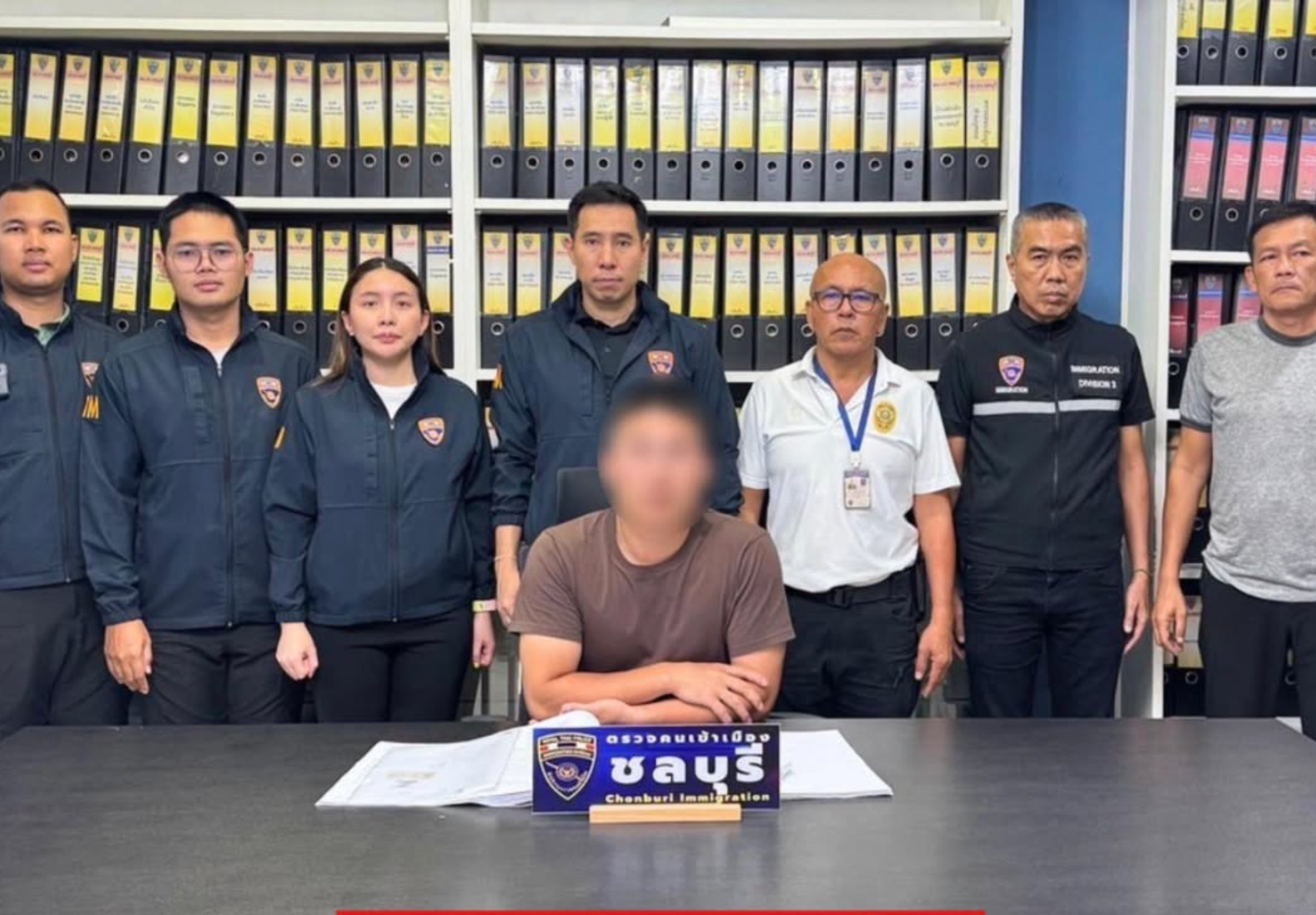
Chiang Mai Immigration Police have arrested a Canadian national, who was not named by authorities, for overstaying his Non-ED (education) visa after it expired, charging him with remaining in Thailand beyond the permitted period. The suspect was identified during a patrol on Mahidol Road in Chang Klan subdistrict, Mueang district, Chiang Mai province, after immigration database checks flagged him as residing illegally in the Kingdom. He was taken to Mueang Chiang Mai Police Station for further legal proceedings.

Get today's headlines by email

The arrest took place on 2 March 2026, when investigation officers from Chiang Mai Immigration, working with Investigation Division 5, conducted inspections in their responsible area. Authorities confirmed that one Canadian national was detained on the charge of being a foreigner staying in the Kingdom after permission had expired. The suspect admitted he had entered Thailand on a Non-ED visa for study at a recognised educational institution but failed to depart or apply for an extension once his authorised stay ended.

The operation follows a policy directive from Pol. Gen. Kittirat Phanphet, Commissioner-General of the Royal Thai Police, instructing the Immigration Bureau to inspect foreign nationals displaying inappropriate behaviour, violating laws, or operating as transnational criminals using Thailand as a base. Pol. Lt. Gen. Phanumart Boonyalak, Commissioner of the Immigration Bureau, and Pol. Maj. Gen. Phanthana Nuchanart, Deputy Commissioner, ordered subordinate units to intensify investigations and suppress offences related to illegal entry, harbouring foreign nationals to evade arrest, unlawful immigration, and overstaying.

Pol. Maj. Gen. Sarawut Khon Yai, Commander of Immigration Division 5, and Pol. Col. Ekkorn Busababodin, Deputy Commander, directed all units to strictly enforce laws against foreign offenders and combat crime affecting the public to maintain security and public order. In Chiang Mai, Pol. Col. Phithakphong Charoenkul, Superintendent of Chiang Mai Immigration, and Pol. Lt. Col. Nattaphon Chumbuatong, Deputy Superintendent, assigned investigation officers to pursue violations under the Immigration Act B.E. 2522 and other related laws.

Authorities said the arrest forms part of ongoing efforts to crack down on visa overstays and illegal foreign residents. The suspect has been handed over to investigators at Mueang Chiang Mai Police Station for legal proceedings. Further action will proceed in accordance with Thai law.


Join the discussion?

Already a member?

Adapted by ASEAN Now Chiang Mai Immigration 5 Mar 2026
Georgealbert
Georgealbert
Thai exporters are facing mounting disruption after major shipping lines halted bookings through Middle East routes and sharply increased sea freight charges. Carriers have stopped accepting new bookings in high-risk corridors and are imposing surcharges of up to US$3,500 per container, while rerouting vessels around Africa’s Cape of Good Hope adds about 7,500 kilometres and up to 15 days to journeys. The Thai National Shippers’ Council (TNSC) warned of higher fuel consumption, port congestion and a potential shortage of empty containers in Asia within three to four weeks.

Get today's headlines by email

The disruption follows fighting in the Middle East that began on February 28, when the United States and Israel attacked Iran, prompting Iranian strikes on US bases in several countries and an announcement by Iran to close the Strait of Hormuz. The strait carries about 20% of the world’s oil, averaging roughly 20 million barrels a day, while the Suez Canal handles around 10% of global trade, or 1.2 billion tonnes a year. Key maritime chokepoints affected include the Bab-el-Mandeb Strait, the Red Sea and the Suez Canal, with many carriers now diverting around the Cape of Good Hope, extending transit times from 20–30 days to 35–45 days.

TNSC chairman Thanakorn Kasetsuwan said the tensions were more likely to become a protracted but “manageable” risk than escalate into full-scale war in the short term, though global economic volatility would continue. He identified three main impacts: higher global energy prices, rising production and transport costs including war-risk premiums, and knock-on effects for Thai exports through freight volatility, insurance costs and potential baht weakness. Additional fees such as Transit Disruption Surcharge (TDS), Peak Season Surcharge (PSS) and War Risk Premium could reach US$1,500 per TEU (Twenty-foot Equivalent Unit) or US$3,500 per reefer container.

Kongrit Chantrik, TNSC executive director, said carriers were charging up to US$3,000 per loaded container, two to three times normal levels, and about US$1,000 to return empty containers. He said multiple countries depend on the Strait of Hormuz for oil exports, including around 70% for the United Arab Emirates, 90% for Saudi Arabia and 75% for Iran. Visit Limlurcha of the Thai Chamber of Commerce said most carriers had stopped bookings covering the Middle East, Persian Gulf and Red Sea, with limited dry cargo bookings available at surcharges of around US$2,000 per 20-foot container and no guarantee of transit times.

Commerce Minister Suphajee Suthumpun said Thailand’s direct trade exposure to conflict parties remains limited, with 2025 exports to the Middle East totalling US$12,475 million, or 3.67% of total exports, and no significant order cancellations reported. However, she confirmed that route insecurity, extended voyage times and higher insurance costs were already affecting Thai exporters, alongside tighter container availability. The Commerce Ministry has introduced six measures, including price monitoring, supply diversification, exporter support and close coordination with shipping lines.

The Nation reported that Thanakorn said if the situation remains contained, volatility could last three to six months, but if it spreads regionally, impacts could extend beyond six months and weigh on the global economy. Exporters have been urged to allow an extra one to two weeks for shipping, manage freight-rate and foreign exchange risks, review contract terms and diversify markets towards ASEAN, South Asia and the Far East. Authorities said the government is preparing further plans to help exporters maintain overseas markets amid ongoing geopolitical uncertainty.

Join the discussion?

Already a member?

Adapted by ASEAN Now Nation 5 Mar 2026
Georgealbert
Georgealbert
An Australian tourist died after his bike crashed and plunged into a ravine around 10 metres deep in Loei province on 4 March 2026, rescue officials said. The incident occurred at about 13:20 on the Tha Li–Phu Ruea road near the boundary between Ban Huai Tio in Lat Khang subdistrict, Phu Ruea district, and Ban Kaeng Muang in Nam Thun subdistrict, Tha Li district. Rescue teams were called to provide high-angle recovery equipment after the motorcycle fell into a dry stream alongside the road.

Get today's headlines by email

The victim was identified as Mr Martin Dean Bradley, an Australian national. He was found lying on his back next to the bike, wearing a blue and white long-sleeved T-shirt, light grey trousers and a helmet.

Authorities also discovered smoke and flames coming from the motorcycle after the crash. Rescue personnel helped extinguish the fire before proceeding with recovery operations in the ravine. The body was later taken for an autopsy at Phu Ruea Hospital.


Police said the deceased was part of a group of tourists riding rented motorcycles from Chiang Mai. The group of riders had travelled to Loei province for a tour. At the time of the crash, about 10 motorcycles were riding ahead while a group of three remained a distance behind.

According to initial investigations, Mr Bradley was riding ahead of the last two trailing bikes when he appeared to wobble, lose stability and lost control. The bike then overturned and fell into the dry stream, a drop estimated at about 10 metres. The two riders behind him quickly descended into the ravine and attempted cardiopulmonary resuscitation (CPR), but were unable to revive him.

The case has been assigned to investigating officers, who instructed emergency responders to transport the body for forensic examination. Officials have not yet released further details about the cause of the crash.

Multiple rescue units participated in the operation, including Sawaang Khiri Tham Disaster Relief Unit, Ruamjai Loei Rescue Unit (Phu Ruea point), Loei Emergency Rescue Unit, the Kok Yai Subdistrict Administrative Organisation emergency team, and the Ahi Subdistrict Administrative Organisation emergency unit.

Authorities are continuing their investigation into the crash, while coordinating with relevant parties and the embassy, regarding the deceased Australian national.


Pictures courtesy of responders

Related stories

Migrant-workers-injured-in-Chonburi-crash

Canadian-biker-29-killed-in-Lampang-s-bend-crash

Join the discussion?

Already a member?

Adapted by ASEAN Now นนธวัฒน์ วิสุทธิพัฒน์ 5 Mar 2026

Georgealbert
Georgealbert
The Election Commission (EC) has certified 100 party-list Members of Parliament and three additional constituency MPs, leaving only Constituency 2 MP, in Suphan Buri pending. The decision was made at a meeting on 4 March 2026.

Get today's headlines by email

According to reports on 4 March 2026, the EC convened from the morning to consider certification of the 100 party-list MPs and the remaining four constituency seats. Prior to this, results for 396 constituency MPs had already been announced following the 2026 general election. The latest resolution confirms all 100 party-list MPs and three more constituency MPs.

The only unresolved seat is Constituency 2 in Suphan Buri province, which has not yet been certified. The EC is currently verifying vote counts in the constituency. It has also resolved to investigate the polling station committee (PSC) in connection with the matter, following a recent decision to initiate an inquiry.

Amarin reported that the certification brings the overall confirmation process close to completion, with just one constituency outstanding. The verification process in Suphan Buri is unlikely to effect the final composition of constituency MPs once concluded. No further details regarding that investigation have yet been disclosed.

Join the discussion?

Already a member?

Adapted by ASEAN Now Amarin 5 Mar 2026
Georgealbert
Georgealbert

Account

Navigation

Search

Search

Configure browser push notifications

Chrome (Android)
  1. Tap the lock icon next to the address bar.
  2. Tap Permissions → Notifications.
  3. Adjust your preference.
Chrome (Desktop)
  1. Click the padlock icon in the address bar.
  2. Select Site settings.
  3. Find Notifications and adjust your preference.