Skip to content
View in the app

A better way to browse. Learn more.

ASEAN NOW

A full-screen app on your home screen with push notifications, badges and more.

To install this app on iOS and iPadOS
  1. Tap the Share icon in Safari
  2. Scroll the menu and tap Add to Home Screen.
  3. Tap Add in the top-right corner.
To install this app on Android
  1. Tap the 3-dot menu (⋮) in the top-right corner of the browser.
  2. Tap Add to Home screen or Install app.
  3. Confirm by tapping Install.

Thailand News

All the latest news stories from Thailand are written in English. Fresh news and stories from around the kingdom brought to you daily.
Thailand’s sugar industry has urged the government to adopt Gasohol E20 as the country’s primary fuel, aiming to strengthen energy security and cut crude oil imports by more than 1 billion litres annually. The proposal, announced on Tuesday, March 17, 2026, would nearly double ethanol demand while increasing income for over 420,000 farming families. Industry leaders say the move would also support Thailand’s net zero goals through expanded use of biomass energy.

Get today's headlines by email

The Three Sugar Millers Associations (TSMC) are calling for agricultural renewable energy to be prioritised as a national agenda. Thailand currently depends on imported energy for 60–70% of its needs, leaving it vulnerable to global market fluctuations. The country has more than 11 million rai of sugarcane plantations, producing around 92 million tonnes each year.

Central to the proposal is a sharp increase in ethanol use, with daily demand projected to rise from 3.5 million litres to 6.4 million litres if E20 becomes the standard fuel. This shift would reduce crude oil imports by 2.9 million litres per day, equivalent to about 1.058 billion litres per year. The sugar industry, contributing roughly 123 billion baht or 8% of Thailand’s agricultural GDP, is expected to see significant economic benefits.


Dr Somchai Harnhirun, chairman of the TSMC coordination committee, said Thailand remains vulnerable due to its reliance on imported crude oil and natural gas. He highlighted the country’s “immense agricultural potential” to produce renewable energy efficiently and position the sugar and cane sector as a key economic driver. He also referenced international examples, including Brazil’s use of E27 and India’s push towards E20.

The industry is also promoting expanded biomass electricity generation using sugarcane leaves and agricultural waste, targeting 650 megawatts to replace natural gas. A buy-back scheme for sugarcane leaves already generates 1.2 billion baht annually for farmers and helps reduce open-field burning, a major source of PM2.5 pollution. This initiative is seen as delivering both economic and environmental benefits.

The TSMC acknowledged recent government measures, including the Energy Policy and Planning Office’s decision to increase biodiesel (B100) blending to 7% from March 14, 2026. However, it stressed the need for clearer legal frameworks and long-term policies to support continued investment in renewable energy. Industry leaders say consistent policy direction will be critical to achieving the proposed transition.

The Nation reported that the sugar industry is seeking firm government commitments to drive adoption of E20 and expand biomass energy. Dr Somchai said renewable energy from agriculture is “no longer just an option” but essential for Thailand’s long-term sustainability and economic resilience.


Pictures courtesy of The Nation

Join the discussion?

Already a member?

Adapted by ASEAN Now Nation 18 Mar 2026
Georgealbert
Georgealbert
Police at Pak Chong Police Station have finalised their investigation into an alleged illegal VIP runway in Khanong Phra, Nakhon Ratchasima and submitted the case to the National Anti-Corruption Commission (NACC). The case centres on complaints from local residents accusing state officials of neglect under Section 157, allowing a runway to be built over a public road, causing disruption and safety concerns.

Get today's headlines by email

The issue dates back to 2025, when affected residents in Khanong Phra subdistrict and Lam Takhong self-help settlement filed complaints with investigators. They alleged that state officials, along with individuals and corporate entities, were involved in constructing an unauthorised airstrip over a public road in Village 12, without approval from the Director-General of the Department of Social Development and Welfare under Section 15.

Authorities found the runway, approximately 1.5 kilometres long, had been created using a public road under the responsibility of the Khanong Phra Subdistrict Administrative Organisation. The road had long been used by local residents, and its conversion into a private aircraft runway raised concerns over legality, safety, and public access.

The case potentially breaches several laws, including the Land Allocation for Livelihood Act 1968, Air Navigation Act 1954, Building Control Act 1979, Land Code, and Anti-Money Laundering Act 1999. Evidence was also provided by complainants, including Mr Phattharaphong Suphaksorn and Dr Kusumalwatee Sirikomut, who raised concerns over the misuse of public land.


The Department of Special Investigation (DSI) conducted a parallel inquiry, gathering evidence and coordinating with five agencies, including the Department of Lands and the Civil Aviation Authority of Thailand. After more than five months of investigation, the DSI decided not to classify the matter as a special case and instead submitted its findings to the NACC in December 2025 to align with the police case.

Matichon reported that police investigators completed witness interviews and evidence collection before forwarding the case file, with recommendations, to the NACC. The allegations focus on misconduct and dereliction of duty by state officials, as well as the involvement of private entities and individuals.


Pictures courtesy of Matichon

Related stories

DSI-probes-illegal-built-over-public-land-in-Nakhon-Ratchasima

DSI-probes-alleged-illegal-runway-built-over-public-land-at-private-airport

Join the discussion?

Already a member?

Adapted by ASEAN Now Matichon 18 Mar 2026
Georgealbert
Georgealbert
The National Anti-Corruption Commission (NACC) has unanimously decided to return the case file involving the BNK online gambling network to the Royal Thai Police for further investigation, a move that has drawn significant attention within law enforcement circles. The case, which allegedly involves Pol Gen Surachate Hakparn, Big Joke, a former deputy national police chief, will now proceed under the authority of police investigators within the criminal justice system.

Get today's headlines by email

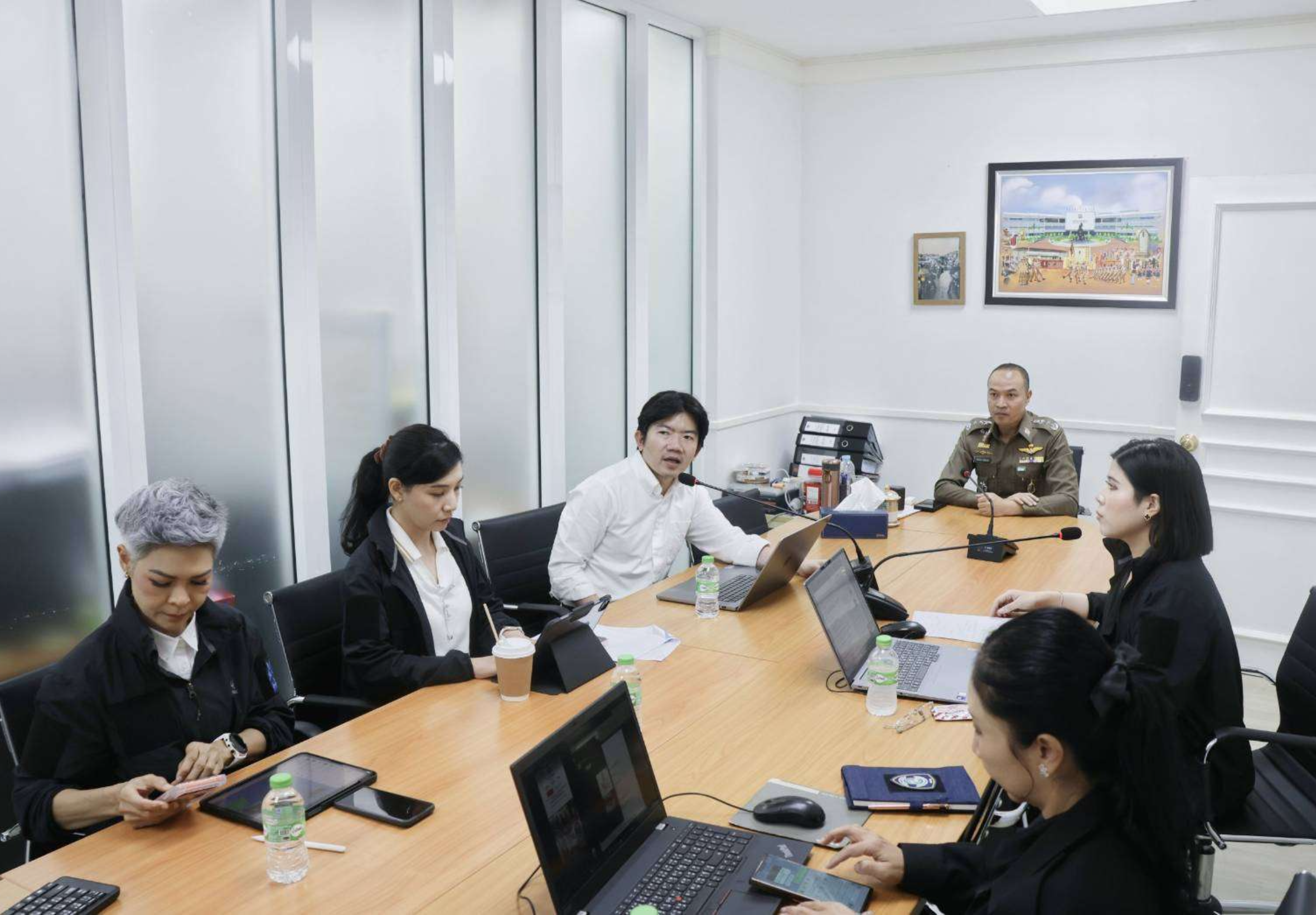
The decision was made on 16 March 2026 following a review of the case file and supporting evidence by the NACC commission. Officials determined that the nature of the case falls within the jurisdiction of police investigators rather than the anti-corruption body. As a result, all documents and evidence have been handed back to the Royal Thai Police to continue legal proceedings in accordance with standard investigative procedures.

The BNK online gambling network case has been widely followed due to alleged links to a senior police figure, making it a high-profile matter of public interest. The involvement of Pol Gen Surachate Hakparn has intensified scrutiny, with questions raised about accountability and transparency within Thailand’s law enforcement agencies. The case has remained in the spotlight as authorities assess the extent of the network and any official connections.

Sources from the meeting indicated that investigators will now need to conduct further examination of the evidence before reaching a formal conclusion. This process will include reviewing additional details, assessing witness statements, and determining whether charges should be pursued under criminal law. The development signals a continuation rather than a conclusion of the case, with responsibility now clearly placed on police authorities.

The decision may also have broader implications for how jurisdictional boundaries are interpreted between the NACC and police investigators in similar cases. It underscores the importance of procedural clarity in high-profile investigations, particularly those involving senior officials. Public attention is expected to remain focused on the case as it progresses through the justice system.

Thaitabloid reported that the next steps rest with the assigned investigators, who must evaluate the full scope of evidence and proceed in line with legal protocols. No final outcome has yet been determined and authorities have emphasised that the case remains under active investigation. Any official conclusions will depend on the findings of the police inquiry.

Related stories

Big-joke-gold-bribe-case-triggers-supreme-court-probe

Big-joke-lawyer-asks-amlo-to-probe-alleged-bias-rights-breaches

Join the discussion?

Already a member?

Adapted by ASEAN Now Thaitabloid 18 Mar 2026
Georgealbert
Georgealbert
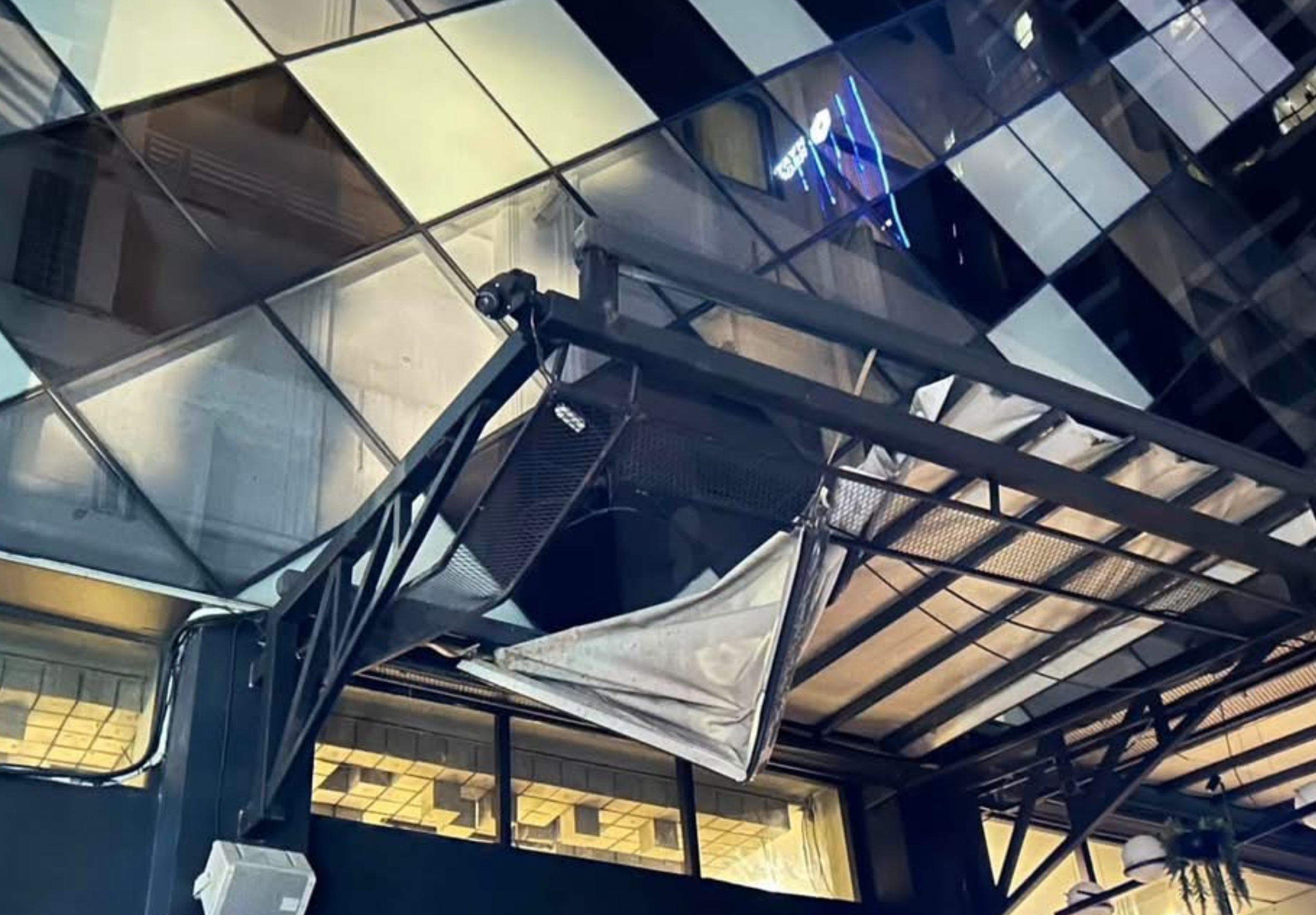
A ‘VIP’ double-decker bus carrying a group of worshippers crashed into a roadside electricity pole in Cha-am, Phetchaburi, on the morning of 17 March 2026, leaving dozens injured. The impact snapped the high-voltage pole, which fell onto the vehicle, causing significant front-end damage and forcing the bus into a roadside ditch. At least one passenger sustained serious injuries, while many others suffered minor wounds.

Get today's headlines by email

Police at Cha-am station were alerted to the incident at around 07:00, with emergency services, including Cha-am Hospital and Sawang Sanphet rescue teams, dispatched to the scene on Phetkasem Road, southbound, in the Huai Sai Tai community. The bus, operated by Wakin Travel, had been carrying approximately 50 passengers. Rescue workers provided first aid before transporting the injured to Cha-am Hospital.

The driver, Mr Anuchit Thongnok, 41, from Buriram, sustained minor injuries and was taken in for questioning. According to his statement, the group had departed Bangkok at 22:00 on 16 March for a trip to nine temples, with their final destination at Wat Khao Tao in Hua Hin, Prachuap Khiri Khan. Prior to the crash, the bus had stopped at a petrol station in Cha-am.


Mr Anuchit told police he was travelling in the right lane at around 70 km/h when another vehicle suddenly cut across from the left lane at close range. He said he swerved to avoid a collision, causing him to lose control of the bus and strike the electricity pole. Authorities are continuing their investigation to verify the circumstances of the incident.


Pictures courtesy of Daily News

Daily News reported that police coordinated transport for uninjured passengers, arranging for them to be taken to Cha-am Police Station before organising replacement vehicles from the bus company to continue their journey. The crash caused disruption along the route, while officials worked to clear the damaged pole and vehicle from the scene.


Related stories

Migrant-workers-injured-in-Chonburi-crash

Five-dead-six-injured-in-Chainat-pickup-crash

Join the discussion?

Already a member?

Adapted by ASEAN Now Dailynews 18 Mar 2026


Georgealbert
Georgealbert
Education officials are considering banning mobile phone use in all Thai classrooms, following a new initiative announced in Bangkok aimed at improving learning conditions. The proposed measures seek to reduce distractions and limit the health and behavioural impacts linked to excessive screen time. If adopted, changes would begin in the 2026 academic year.

Get today's headlines by email

The move follows Bangkok Governor Chadchart Sittipunt’s programme, “Phone Off, Learning On: Focus on Learning, Leave Your Phone with the Teacher”. The initiative is designed to create a more effective classroom environment by encouraging students to disengage from their devices during lessons. Several schools under the Office of the Basic Education Commission (OBEC) have already introduced similar restrictions.

On 16 March 2026, Dr Pichet Phoophakdee, Secretary-General of OBEC, said schools currently have discretion to decide how to manage mobile phone use. He noted that administrators and teachers are best placed to determine appropriate rules based on their specific contexts. He also confirmed that the issue will be raised at an upcoming OBEC executive meeting involving senior officials and department directors.

Dr Pichet stated that students should focus fully on their studies during lessons rather than being distracted by mobile phones. He added that teachers should also avoid using phones while teaching in order to maintain attention in the classroom. Under potential measures, teachers could collect phones at the start of lessons and return them during lunch breaks or after school.

He also noted that exceptions could be allowed in urgent situations on a case-by-case basis. The forthcoming OBEC meeting will gather input from various stakeholders before any formal policy is announced. Authorities are expected to communicate the outcome publicly once discussions are complete.

The proposal reflects growing concern among education officials about the impact of digital devices on student concentration and behaviour. It also aligns with broader efforts to improve academic focus and classroom discipline. Schools that have already implemented restrictions may serve as models for wider adoption.

ThaiRath reported that further deliberations at OBEC level will determine whether a standardised policy is introduced nationwide or whether schools will continue to operate independently. Any confirmed measures are expected to take effect during the 2026 academic year.

Related story

Bangkok-to-restrict-phones-in-437-BMA-schools-from-may-18

Join the discussion?

Already a member?

Adapted by ASEAN Now Thairath 18 Mar 2026
Georgealbert
Georgealbert
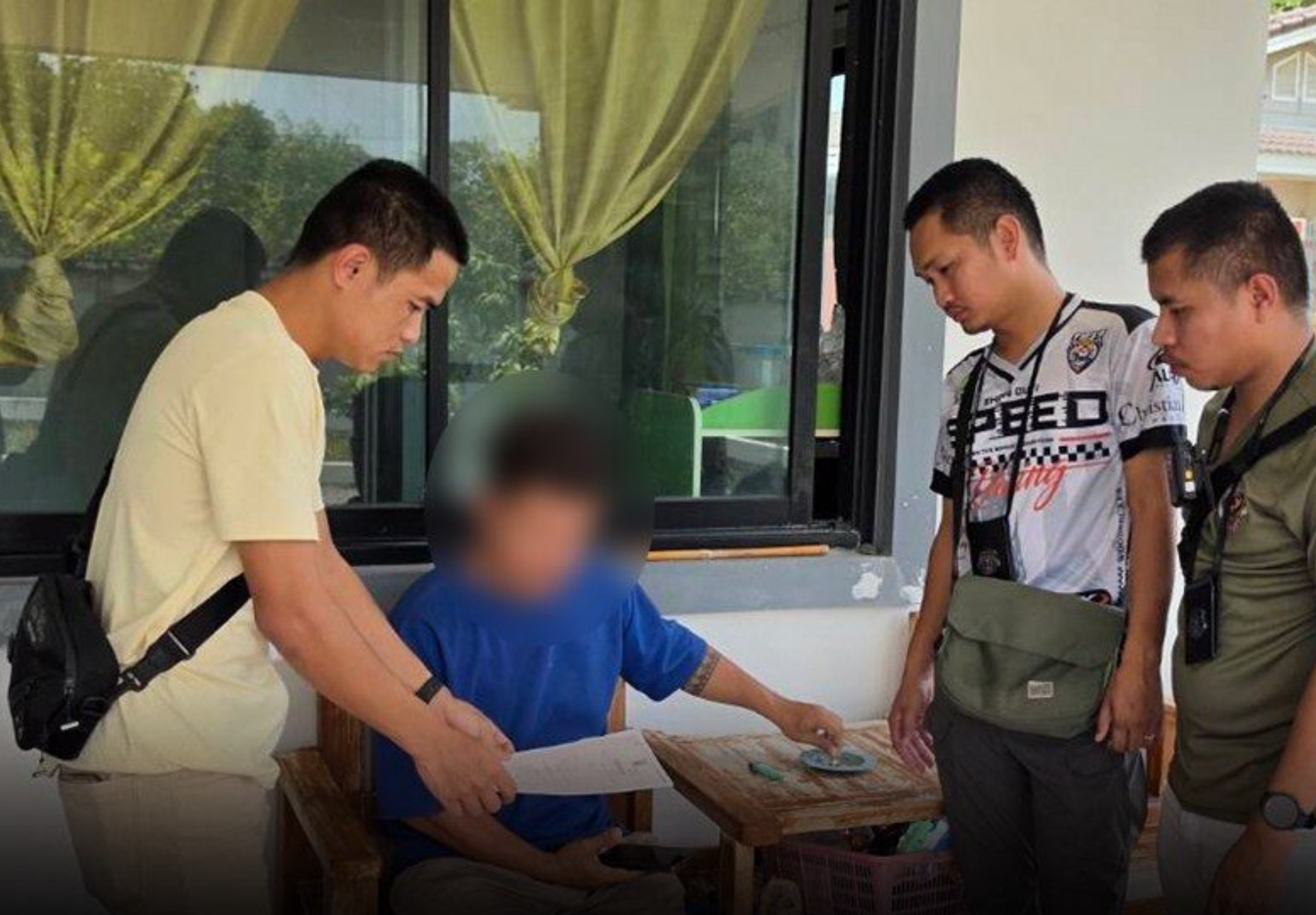
The Department of National Parks, Wildlife and Plant Conservation has confirmed that a lion café in Phuket is legally permitted to keep three lions, following an inspection prompted by public concern. Officials stated that all animals are properly registered and their welfare meets required standards, reassuring the public after social media scrutiny.

Get today's headlines by email

The clarification came on 17 March after a viral video showed lions at a café in Phuket, raising questions about their origin and care. The venue, Lion Phuket Café at Phuket Old Town, located at 54 Krabi Road in Talat Nuea, Mueang district, was inspected by officers from the Protected Areas Regional Office 5 (Nakhon Si Thammarat).

According to Mr Surasak Anusorn, director of the regional office, the café is in possession of three lions in compliance with Section 19, paragraph two of the Wildlife Preservation and Protection Act B.E. 2562 (2019). One female lion, microchip number 900233005838221, is registered under document number KorKor 2568/5.0/83 dated 2 December 2025. Two male lions, with microchip numbers 900219002777766 and 900219002777767, are registered under document number KorKor 2569/5.0/6 dated 12 March 2026, with all details matching official records.

Beyond documentation checks, officials also assessed the facility’s animal welfare conditions. Findings from a prior inspection on 24 December 2025 confirmed that the enclosure, care and management of the lions met all required welfare standards. Authorities stated that the animals’ living conditions were appropriate and in line with regulations governing controlled wildlife.


The department emphasised that oversight of protected wildlife possession is conducted transparently and in accordance with the law. Mr Surasak urged the public to remain confident that authorities are closely monitoring such cases to ensure compliance and proper treatment of animals.


Pictures courtesy of Matichon

The case highlights ongoing public sensitivity around exotic animals in commercial venues, particularly when footage circulates online. Officials reiterated that legal ownership and welfare compliance are key criteria, and that any violations would be subject to investigation and enforcement.

Matichon reported that authorities are expected to continue routine inspections and monitoring of facilities housing controlled wildlife. The department also signalled that it will respond to future public concerns in a similar manner, ensuring that all cases are verified against legal and welfare standards.

<span class="ipsEmoji">🐅</span>.mp4

Related stories

Thailand-tightens-control-of-10-wild-animal-species

Lion-seized-after-escaping-and-attacking-child-in-Kanchanaburi

Join the discussion?

Already a member?

Adapted by ASEAN Now Matichon 18 Mar 2026
Georgealbert
Georgealbert
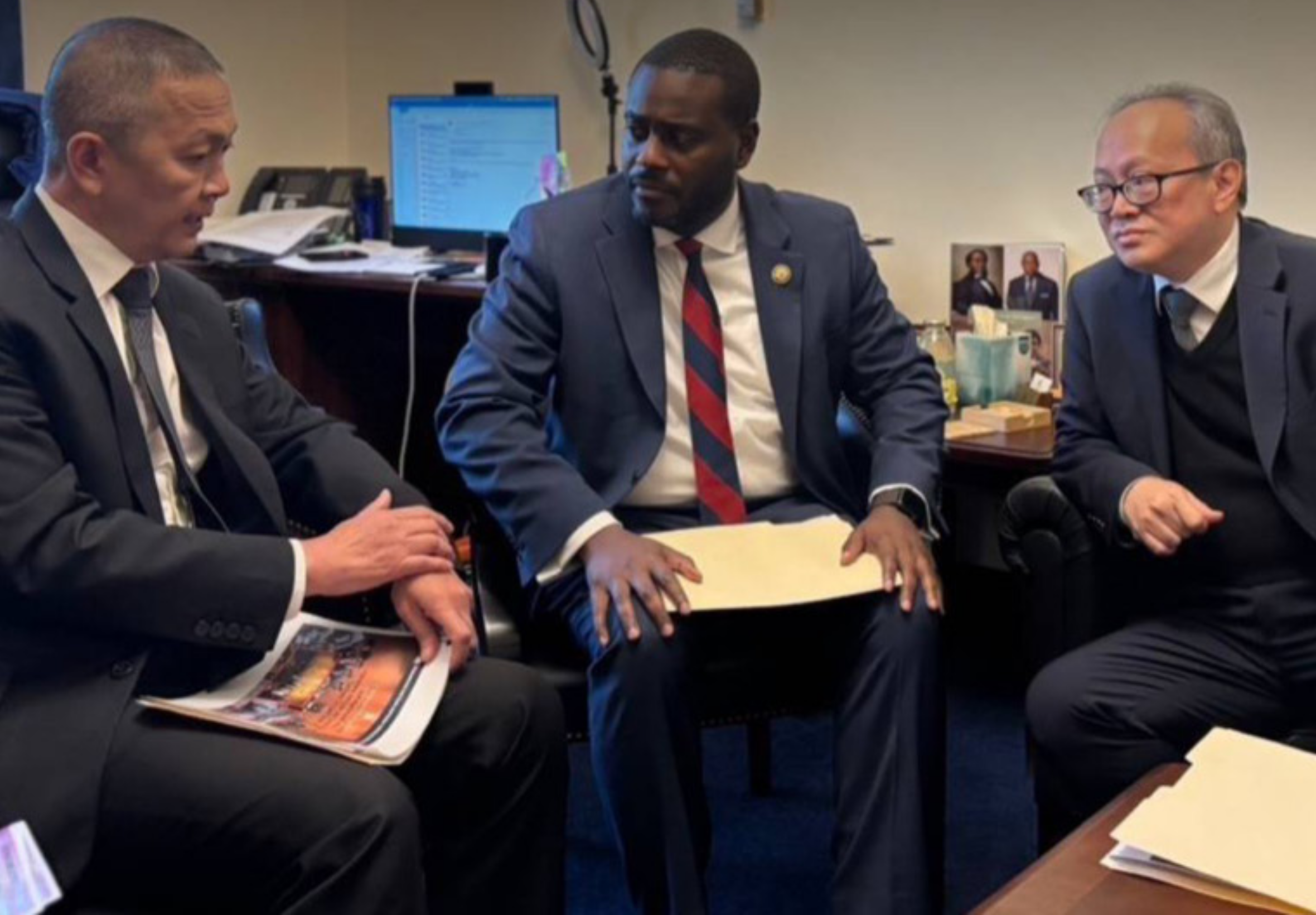
The Foreign Minister, Sihasak Phuangketkeow, has confirmed that Russia is ready to sell oil to Thailand, as the government seeks to secure additional energy sources amid ongoing global uncertainty. The move comes as Thailand maintains oil reserves sufficient for 96 days but faces risks linked to continuing conflict. The effort aims to strengthen energy security and ensure stable fuel supplies.

Get today's headlines by email

The minister made the remarks while in Vienna, Austria, to attend the Global Fraud Summit at the Vienna International Centre on March 16–17, 2026. He said the government, under the direction of the Prime Minister, is actively exploring alternative suppliers due to the unpredictable nature of the fighting. Thailand has already contacted several countries, including Russia, Brazil, Nigeria and Kazakhstan, to assess potential oil supply options.

Sihasak also noted that the United States had relaxed certain sanctions, allowing vessels departing ports to sell oil to other countries, potentially widening supply channels. However, he stressed that any agreements would require further detailed discussions by relevant agencies, including the Ministry of Energy, before being finalised. The approach reflects a broader strategy to diversify supply sources and reduce reliance on any single provider.

In parallel, the minister addressed efforts to assist three remaining Thai crew members stranded on the “Mayuree Naree”. He said he had spoken with Iran’s foreign minister, who expressed condolences over the incident and pledged to coordinate with the Iranian navy in the search. However, assistance remains dependent on the evolving security situation, as fighting continues in the region.

Thailand has also coordinated with Oman to liaise with Iranian authorities and instructed the Royal Thai Navy to establish direct contact. Additionally, Sihasak held discussions with Bahrain and the United Arab Emirates, both affected by the conflict, to express concern and reaffirm Thailand’s position. He emphasised that Thailand supports peace, sovereignty and territorial integrity, and opposes the use of violence.

The minister added that several countries, including the UAE, had assisted in facilitating the return of Thai nationals via Dubai and Abu Dhabi. Others in Kuwait, Bahrain and Qatar have largely travelled through Saudi Arabia, though safety concerns persist. Thailand has indicated it will continue efforts to assist any citizens wishing to return home.

The Nation reported that further negotiations with potential oil suppliers are expected, alongside continued diplomatic engagement to support Thai nationals abroad. The government will rely on detailed assessments by energy authorities before making final decisions on new supply agreements.

Join the discussion?

Already a member?

Adapted by ASEAN Now Nation 18 Mar 2026
Georgealbert
Georgealbert
Rajavithi Hospital successfully performed a robotic-assisted operation to remove a pancreatic tumor from a 12-year-old girl, making her one of the youngest in Thailand to undergo this advanced procedure. The operation, led by the Department of Medical Services at the hospital, involved a complex Whipple procedure to treat a Solid Pseudopapillary Epithelial Neoplasm. This challenging surgery was due to the complexity of involved organs like the pancreas and intestines, and the patient's smaller body size which limited the operating space.

Get today's headlines by email

Director-General Dr. Natthaphong Wongwiwat confirmed the use of robotic assistance in the pancreatic and duodenal surgery, highlighting the procedure's technical demands. Surgeon Dr. Natthawutthipong Leerattanakajorn emphasized the rarity of the patient's tumor and the difficulty of the procedure. Despite these hurdles, the successful operation resulted in minimal blood loss, reduced postoperative pain, and quicker recovery for the patient.

The hospital's director, Dr. Jinda Rojanametin, hailed the success as a milestone in high-precision medical technology for pediatric cases. The use of robotic surgery is seen as enhancing the ability to handle complex surgeries with greater precision and expertise. This operation underscores the growing role of advanced technology in improving surgical outcomes for young patients.

Looking forward, Rajavithi Hospital aims to expand the use of robotic-assisted surgeries, paving the way for enhanced treatment options in similarly complex cases. This success story could serve as a model for other hospitals looking to implement advanced surgical technologies in pediatric care, reported Bangkok Post.

Join the discussion?

Already a member?

  Adapted by ASEAN Now · Bangkok Post · 17 Mar 2026
snoop1130
snoop1130
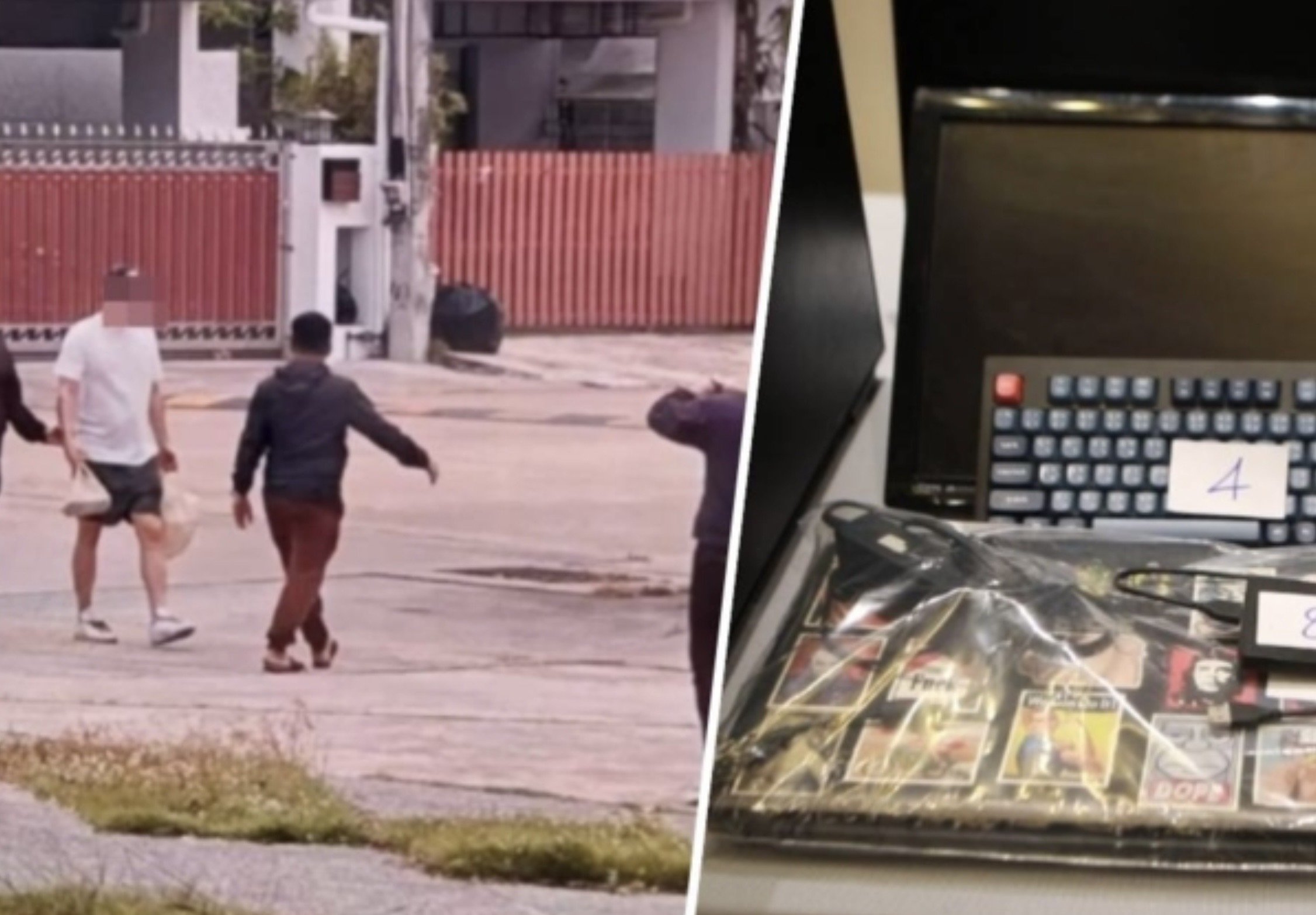
A 73-year-old fish vendor in Bang Len district was deceived out of 980 baht and three grilled fish by a conman who fled on a motorcycle. The incident happened on Monday, leaving the vendor, known as "Uncle Lek," visibly distressed as he realized the man's promise to return was false.

Get today's headlines by email

Uncle Lek, who operates outside the local post office, was approached by a man claiming to know a post office employee named Sak. The man requested an exchange of 1,000 baht for smaller notes, settling for 980 baht. After taking the cash, he also took three fish worth 120 baht each under the pretense of settling up later.

Disguised in a black jacket and helmet, the suspect sped away on his motorbike, leaving Uncle Lek to discover the deception too late. The incident caught the attention of a delivery rider who checked on Uncle Lek after noticing his distress.

Police have reviewed CCTV footage for their investigation, endeavoring to identify the suspect. The incident has sparked online sympathy due to the age and vulnerability of the victim, as Uncle Lek's modest income depends heavily on his fish sales.

Moving forward, police efforts will focus on gathering more evidence to apprehend the suspect. The case highlights the risks faced by elderly street vendors and the need for community vigilance to protect them from similar schemes, reported Bangkok Post.

Join the discussion?

Already a member?

  Adapted by ASEAN Now · Bangkok Post · 17 Mar 2026
snoop1130
snoop1130
Thailand plans to begin constructing a fence along a portion of its border with Cambodia starting next month. The 1.3-kilometer barrier will be built in Pong Nam Ron district, Chanthaburi province, as announced by Maj Gen Vithai Laithomya from the Royal Thai Armed Forces Headquarters. This initiative comes after deadly clashes between the two nations occurred last year, with the intention of enhancing security and ensuring peace for border residents.

Get today's headlines by email

The construction arises amidst longstanding tensions, although it is not linked to any territorial dispute and has received approval from Cambodia. The border, spanning nearly 800 kilometers, will initially see just this small portion reinforced. Maj Gen Vithai emphasized that the project aims to provide peace of mind to the local population rather than serve as a mere physical barrier.

Scheduled to take 45 days for completion, the area designated for the fence has been cleared of landmines and features a new paved road on the Thai side. Future plans involve augmenting the fence with permanent walls and electronic surveillance systems, including CCTV cameras and sensors. These measures are expected to facilitate 24-hour monitoring of the border area.

The fence project details were publicized last year following two border clashes. In October, the Thai military revealed its plans to Princess Chulabhorn, who pledged financial support through her foundation. The princess' Hataitip Fund gathered over 200 million baht in donations, subsequently providing 121 million baht to fund the project's first phase in December, reported Bangkok Post.

Join the discussion?

Already a member?

  Adapted by ASEAN Now · Bangkok Post · 17 Mar 2026
snoop1130
snoop1130
The Civil Aviation Authority of Thailand (CAAT) is collaborating with GrabTaxi (Thailand) to explore the development of drone delivery services. This collaboration aims to enhance transport and logistics, emphasizing the importance of regulatory oversight to ensure safe and efficient operations. The initiative reflects CAAT's "regulate first" policy, prioritizing international safety standards in any technological advancement.

Get today's headlines by email

Recently, CAAT director-general ACM Manat Chavanaprayoon engaged in talks with Grab executives, including country head Chantsuda Thananitayaudom. The discussions allowed Grab to share its experiences of testing drone deliveries in countries such as Singapore and the Philippines. These conversations are part of a broader effort to harness unmanned aircraft technology in Thailand’s logistics sector.

Grab detailed its interest in integrating drones into local transport and logistics, a move that aligns with Thailand’s ambitious goals for technological innovation. ACM Manat noted that CAAT provided insights into the existing regulatory framework for unmanned aircraft operations. This includes the necessary permits and compliance with aviation safety and airspace management regulations.

Experts highlight that adopting drone technology in logistics could revolutionize the industry, making deliveries faster and more efficient. However, they caution that stringent safety standards must be maintained to avoid potential risks. The collaboration signifies a step forward in modernizing Thailand’s transport infrastructure, with both parties focusing on ensuring that safety remains the top priority.

Looking ahead, CAAT and Grab plan to continue their discussions, exploring practical implementations and pilot projects. Further advancements will depend on comprehensive testing and regulatory approvals, paving the way for future drone delivery services in Thailand, reported Bangkok Post.

Join the discussion?

Already a member?

  Adapted by ASEAN Now · Bangkok Post · 17 Mar 2026
snoop1130
snoop1130
The Mass Rapid Transit Authority of Thailand (MRTA) is accelerating metro development with ongoing and new projects, enhancing public transport in Bangkok. Construction on the Orange Line (East) from Thailand Cultural Centre to Min Buri is now complete, with 38% of system installation finalized, aiming for an earlier opening in late 2027. Additionally, the Southern Purple Line (Tao Poon–Rat Burana) is 68% complete, targeting operation by 2029 under a public-private partnership model.

Get today's headlines by email

Recently, the Bangkok Metropolitan Administration (BMA) transferred two more lines to the MRTA: the Silver Line and Grey Line. The MRTA is revisiting feasibility studies for these projects, prompted by the Land Traffic Management Commission's (LTMC) directive. These studies, costing 70–80 million baht each and lasting approximately a year, are slated to conclude by 2028.

The proposed Silver Line will span 19.7 km with 14 stations, estimated at 89.9 billion baht. It aims to enhance connectivity between Bang Na and Suvarnabhumi airport via two phases. Meanwhile, the Grey Line Phase 1 will cover 16.3 km with 15 stations, costing 29.1 billion baht, enhancing connectivity from Watcharaphon to Thong Lor. Both lines will be implemented as Light Rail Transit (LRT) systems, prioritizing civil works through government funding before incorporating system works via public-private partnerships.

For existing projects, such as the Brown Line, the MRTA continues to review plans to ensure alignment with other infrastructure developments. In particular, adjustments are being made to integrate with the northern section of Expressway Phase 3, which shares the same right-of-way, reported Bangkok Post.

Join the discussion?

Already a member?

  Adapted by ASEAN Now · Bangkok Post · 17 Mar 2026
snoop1130
snoop1130
Thailand’s Department of Energy Business has assured the public that the country has sufficient fuel reserves for 101 days, in response to concerns over service stations running dry. Director-General Sarawut Kaewtathip has apologized for disruptions, emphasizing that the government is coordinating with relevant agencies to expedite fuel deliveries and prevent hoarding. Efforts are underway to extend transport hours and ensure refineries maintain operations.

Get today's headlines by email

Recent reports indicated delivery delays rather than a fuel shortage, leading to some service stations, especially smaller and non-branded ones, temporarily closing or lacking certain fuels. Deputy Prime Minister Phiphat Ratchakitprakarn confirmed that major-branded stations are handling increased traffic as vehicles shift from smaller outlets. The Prime Minister has tasked agencies with addressing these issues, with solutions set to be discussed at an upcoming Cabinet meeting.

The government is also reviewing fuel price policies, with adjustments expected starting March 18, 2026. Phiphat highlighted that while petrol prices have fluctuated recently, diesel costs will soon rise slightly. The aim is to keep diesel under 33 baht per litre. The government’s ongoing strategy involves incremental adjustments, reflecting previous trends where diesel prices have been lowered under current leadership.

Looking ahead, Thailand plans to adjust fuel blends and prices, with diesel changes similar to those already applied to petrol. The introduction of B20 diesel for industry, transport, and agriculture could potentially offer a cheaper option than B7, though these plans await finalization pending discussions, reported The Nation.

Join the discussion?

Already a member?

  Adapted by ASEAN Now · The Nation · 17 Mar 2026
snoop1130
snoop1130
Two prominent gamers, Naphat "Tokyogurl" and Chaiyo "Cheerio," were sentenced to six months in prison for their involvement in a cheating scandal during the 33rd SEA Games in Thailand. Following their guilty pleas, the court halved their sentences to three months and converted them to detention. This decision follows their roles in undermining security measures and sharing login credentials, impacting the credibility of Thailand's esports scene.

Get today's headlines by email

The Pathumwan District Court convened on March 17 to address charges against the defendants, who were accused of unlawfully accessing secured computer data and compromising the selection process for esports athletes. Their activities were linked to a semi-final Arena of Valor match on December 15, 2025, held at Chulalongkorn University. The match between Thailand's women's team and Vietnam was marred by allegations of match-fixing, resulting in public outrage and eventual disqualification for the Thai players.

Investigations by the Thai Esports Association and Central Investigation Bureau (CIB) confirmed that Naphat shared her competition login details with Chaiyo, intending for him to play on her behalf. They utilized communication via Discord to execute this ploy. However, technical glitches forced Naphat to compete using the official device, during which officials noticed irregular activity and halted the match.

Police investigations revealed substantial evidence, including IP logs and chat records, confirming the planned deception. This breach not only damaged the event's integrity but also tarnished Thailand's esports reputation. Experts believe this case highlights the need for stricter security and monitoring measures in future competitions.

Looking forward, the esports community is expected to adopt more robust policies to prevent similar incidents. The implication of such cases underscores the importance of maintaining fair play standards and trust in competitive gaming events worldwide. The incident serves as a cautionary tale, prompting organizers to reassess their procedures to safeguard the integrity of esports tournaments, reported The Nation.

Join the discussion?

Already a member?

  Adapted by ASEAN Now · The Nation · 17 Mar 2026
snoop1130
snoop1130
A hotel in Phuket has issued a safety alert following an incident where a foreign man was seen on CCTV entering the reception area in the early morning and taking items from a drawer. The incident occurred at 03:07, with the man accessing the hotel lobby, moving behind the reception desk, and removing documents and property. The situation was disrupted when a female staff member confronted the man, causing him to leave immediately.

Get today's headlines by email

The suspect seemed to have taken money, according to online comments on the footage. This was interrupted by the arrival of a staff member, reportedly a Myanmar national, who challenged the individual. The event has triggered significant online attention, raising concerns about hotel security and employee safety, especially for those working night shifts alone.

Public reactions emphasized the risks posed by unattended reception areas at night and the insufficient security measures in place. Commenters urged hotel operators to enhance security protocols to safeguard both property and staff. There were also calls for the victim to report the incident to the police and pursue legal action against the suspect.

Moving forward, the hotel is expected to review its security arrangements and possibly implement stricter measures to prevent such incidents. Increased security presence during night hours and improved surveillance could be potential strategies. The incident serves as a reminder to hospitality operators across regions to re-evaluate their safety practices to protect their premises and employees, reported Khaosod.

Join the discussion?

Already a member?

  Adapted by ASEAN Now · Khaosod · 17 Mar 2026
snoop1130
snoop1130
A family vacationing in Phuket raised alarm on March 17 after reportedly finding a used syringe on a plate at an all-you-can-eat seafood buffet. The incident gained attention following a Facebook post by Huang Xiaoting in the “流浪曼谷60天(公開社團)” group, sparking food safety concerns. The family, in Thailand for a birthday celebration, discovered the syringe after finishing their meal.

Get today's headlines by email

Huang described the unsettling discovery at the meal shared by five adults and three children. They noticed the syringe while clearing a plate that had held shrimp and clams. Staff were notified, and a photograph was taken before a server removed the plate. The incident was swiftly escalated to the hotel management.

Managerial staff responded by offering a 50% discount and promising an internal investigation update. However, the family declined the discount, prioritizing answers over compensation. Huang stressed that their primary concern was understanding how a syringe could be present, highlighting it as an unusual and alarming occurrence.

The post also sought advice from the online community about potential health risks and further actions. Concerns about infectious disease transmission were prevalent, and the family expressed a desire for the syringe to be sent for testing. Their primary objective remains ensuring safety and accountability, reported The Thaiger.

Join the discussion?

Already a member?

  Adapted by ASEAN Now · The Thaiger · 17 Mar 2026
snoop1130
snoop1130
A foreign tourist's Instagram video has brought attention to an altercation on Pattaya Walking Street, involving a heavily intoxicated tourist and a ladyboy. The tourist alleged that money had been taken from them. In the incident, the tourist repeatedly shouted for police assistance while another individual, who was not an officer, attempted to help and mediate the situation.

Get today's headlines by email

The situation unfolded as the tourist, unable to communicate effectively due to intoxication, sought help from bystanders. The video details that the tourist accused a ladyboy of taking 500 baht. Police were called to the scene, and a concerned onlooker helped translate between the embattled tourist and the officers present.

After speaking with police and others at the scene, the tourist confirmed that they had received back the 500 baht and expressed a desire to return to their accommodation. In response to the incident, police warned the ladyboy about potentially unlawful behavior and requested further questioning at the station. The clip also revealed police efforts to maintain order, as money was visible on the ground.

In the aftermath of the incident, questions have been raised about safety and conduct on Pattaya Walking Street, an area known for its nightlife and frequently visited by tourists. The involvement of local authorities underscores ongoing issues related to tourist safety in busy nightlife districts, reported The Thaiger.

Join the discussion?

Already a member?

  Adapted by ASEAN Now · The Thaiger · 17 Mar 2026
snoop1130
snoop1130
A Phetchabun boxing group was reported to police for conducting an event allegedly without permission, which they assert was just a free training session for youth. This incident, highlighted online from March 15 to March 17, calls for a review by local authorities.

Get today's headlines by email

The issue came to light on March 15 when Suwit Siriwech appealed via Facebook to senior Phetchabun figures for intervention. He explained that teenagers wanted to organize free boxing lessons but were accused of holding an unsanctioned event, leading to a police complaint and a home summons.

Suwit maintained that the activities resembled a training session and not an official boxing match, lacking paid fighters, ticket sales, and referees typical of formal bouts. He insisted even sparring rounds didn't meet the Boxing Act's criteria, urging reconsideration from local leaders.

On March 16, Suwit shared that the group visited a police station, where they declined an offer for a half-fine by admitting fault. The group argued the activity did not breach the Boxing Act, asserting such exercise sessions don't need Sports Authority of Thailand (SAT) approval.

Police countered that the use of boxing gloves required SAT compliance, hence treating it as a violation. Suwit renewed his call for a fair review, emphasizing the benefits of youth exercise.

Today, dialogue between the boxing group, Mueang Phetchabun Police, and a SAT committee member occurred to clarify positions. Following the meeting, the group is seeking official permission to host street boxing at an event on March 22 at the San Chao Pho Lak Mueang shrine, reported The Thaiger.

AQNQc_0fOFtrB8-b465kVYTvQCgOADq8QyxDLunlaYcKJuTSIGcd-hxj-mODOKtlnN3e-_XWa4FxidtmCAldVU1M4z4pwBNOwJn91xmvUg.mp4

Join the discussion?

Already a member?

  Adapted by ASEAN Now · The Thaiger · 17 Mar 2026
snoop1130
snoop1130
Around 200 nurses and medical personnel gathered on the morning of 16 March 2026 at the flagpole courtyard of Chiang Rai Prachanukroh Hospital in Muang district, Chiang Rai, to protest a new policy requiring 12-hour work shifts. Demonstrators held placards with messages including “People are not robots”, “Return quality of life to nurses”, “Frontline staff will not tolerate this”, and “We do not want 12-hour shifts”. The protest reflected concerns that extended working hours could lead to fatigue and compromise patient safety.

Get today's headlines by email

The protest followed an announcement by the Nursing Council introducing new working-hour guidelines requiring nurses to work 12-hour shifts. Staff members said the change would significantly affect their daily routines and wellbeing, particularly for overnight shifts running from 20:00 to 08:00. Nurses argued that due to staffing shortages and the wide range of patient conditions, it would be difficult to rotate rest periods during such long shifts and will effect patient care.

A representative of the nurses said the group was calling for a return to the traditional eight-hour shift system. They claimed hospital administrators had not consulted staff before the new schedule was introduced and had instead proceeded without addressing concerns raised by frontline workers. According to the group, the new system was presented as voluntary but duty rosters were reportedly prepared in advance to implement the 12-hour shifts beginning in April.

The nurses also criticised compensation under the proposed system, saying the payment offered was not reasonable compared with the increased workload and longer hours. They warned that exhaustion among medical staff could directly affect patient care and safety. The protest aimed to draw attention to these concerns and urge hospital management to reconsider the policy.


Picture courtesy of Amarin

Later, Dr Premchai Tirangkul, Deputy Director for Medical Affairs at Chiang Rai Prachanukroh Hospital, met with the demonstrators to listen to their concerns and clarify the hospital’s position. He explained that if any department or ward was not ready to adopt the 12-hour shift system, staff could continue working under the previous eight-hour schedule. Following the discussion, the nurses and medical personnel dispersed and returned to their duties.

Amarin reported that Dr Premchai said the new shift policy was expected to affect nurses’ lifestyles but emphasised that it was intended to be voluntary. He added that individual wards or departments could decide whether they were able to implement the extended shifts. Units that were uncomfortable with the arrangement or faced operational difficulties would not be required to adopt it.


Join the discussion?

Already a member?

Adapted by ASEAN Now Amarin 17 Mar 2026
Georgealbert
Georgealbert
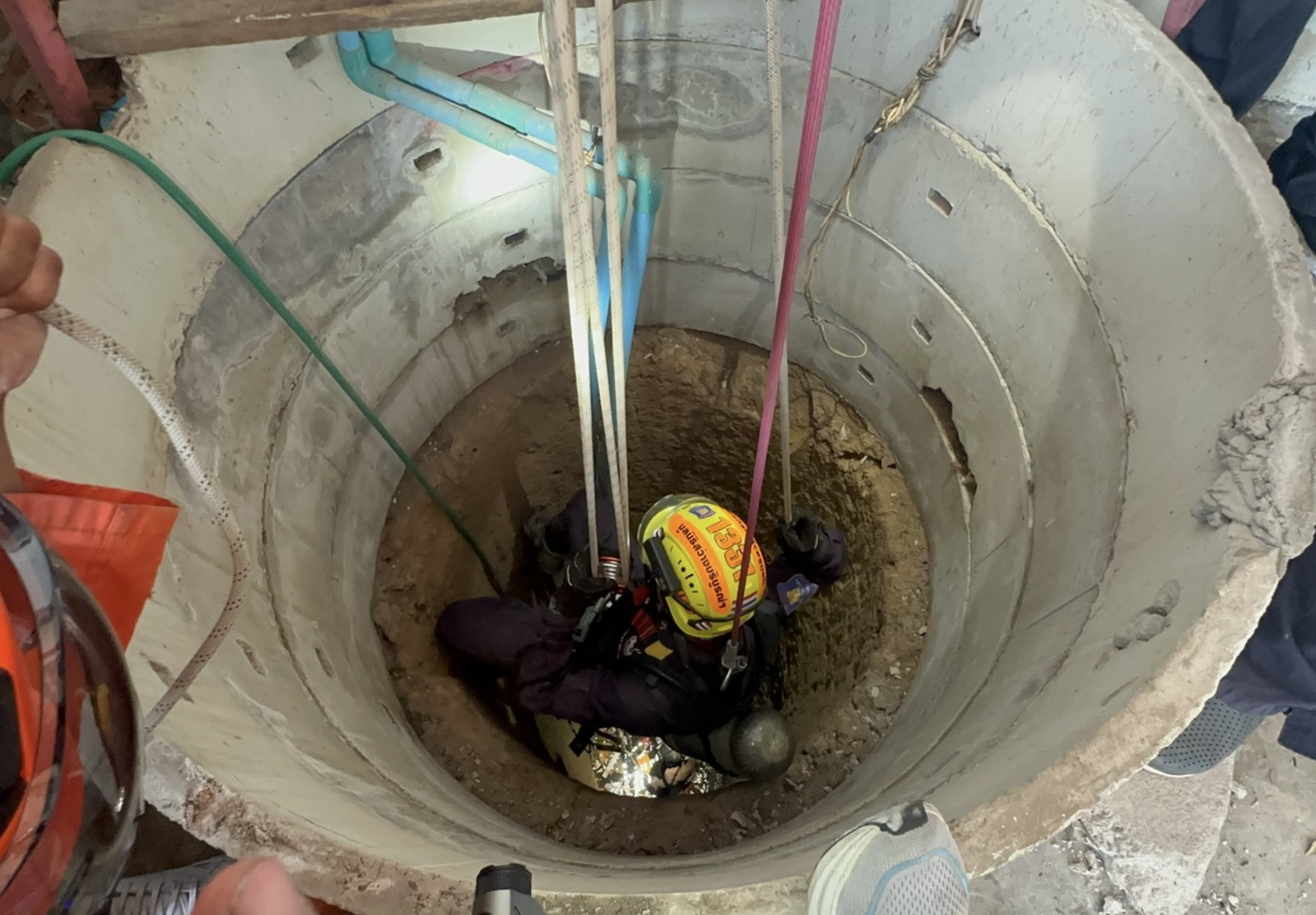
Police in Pattaya have discovered the decomposing body of a 72-year-old New Zealand man inside a condominium room in the Jomtien area after neighbours reported a strong foul smell. The body of Campbell Frank Taylor was found naked in a bathroom at a condo on Jomtien Second Road. Authorities believe he may have been dead for at least three to four days.

Get today's headlines by email

Officers from Pattaya City Police Station were alerted to the incident at 15.15 on March 16, 2026, after residents complained of an unusual odour coming from one of the units. Rescue workers from the Sawang Boriboon Pattaya Foundation were called to assist with the investigation.

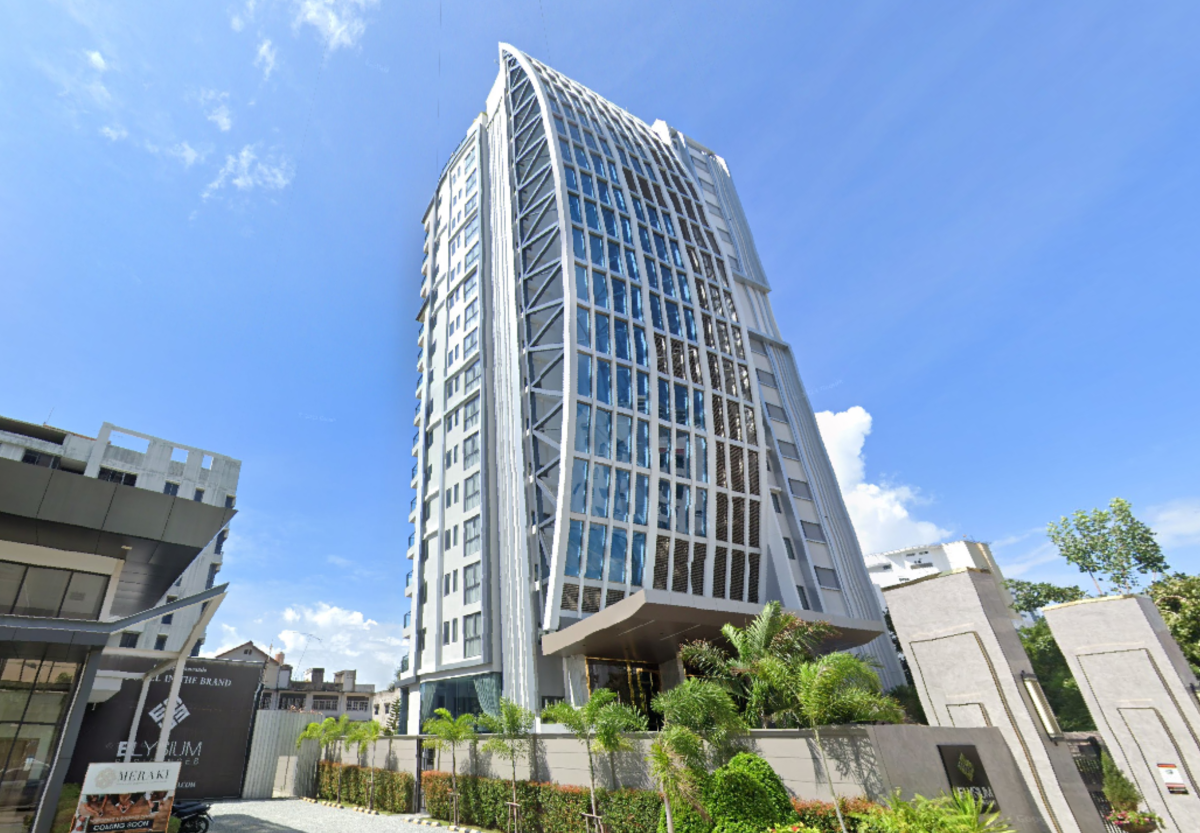
The condominium is a 22-storey building and the smell was detected along the corridor on the 12th floor. Police forced entry into room 484 where they found Taylor’s body lying inside the bathroom.

Authorities reported that the body had already begun to decompose. Investigators said there were no signs of a struggle or evidence of property being disturbed inside the room.

A security guard at the condominium, identified only as Boy, aged 38, told police that Taylor lived alone and was a retired foreign resident. According to the guard, the man was known for being friendly and regularly bought lottery tickets to give to security staff.

Boy said Taylor was also a regular user of the building’s swimming pool and would usually come downstairs every day. However, staff and neighbours had not seen him leave his room for the past three to four days.

Concern grew after a neighbouring resident noticed a strong smell coming from the unit and alerted building staff. Security personnel then contacted police, who attended the scene and discovered the body.

Police initially suspect that Taylor may have slipped and fallen in the bathroom, striking his head and dying as a result. However, the exact cause of death has not yet been confirmed.

Authorities said the body will be sent for a detailed autopsy to determine the precise cause of death. Investigators will also continue to examine the circumstances surrounding the incident.

Officials have contacted the New Zealand embassy to assist the man’s relatives and begin the necessary procedures. Further information, as part of the investigation, is expected once forensic examinations are completed.


Picture courtesy of Amarin

Join the discussion?

Already a member?

Adapted by ASEAN Now Amarin 17 Mar 2026
Georgealbert
Georgealbert
Fighting along the Thai–Myanmar border intensified after the Myanmar military launched kamikaze drone strikes on a Karen refugee camp in Kayin State, killing one person and prompting about 200 refugees to flee into Thailand. The attack targeted a hospital at the camp on Koh Manao, according to local reports. One refugee was killed and another seriously injured during the strike.

Get today's headlines by email

Clashes have been ongoing for months between Myanmar military forces and the Karen National Union (KNU) in areas including Ban Minlapran, Ban Phalu Mai, Ban Phalu Noi and Koh Manao in Myawaddy Township, Kayin State. These locations sit directly opposite Ban Huai Maha Wong and Ban Mae Kon Ken in tambon Mahawan, Mae Sot district of Tak province in Thailand. The fighting reportedly involves troops from Myanmar’s Light Infantry Division 22 and Karen forces.

According to local reporters, the Myanmar military launched four kamikaze drones targeting the hospital at the Karen refugee camp on Koh Manao. During the attack, frightened residents fled across the Moei River into Thailand seeking safety. Thai security forces quickly responded to manage the situation.

Thai soldiers from the Ratchamanu Task Force, along with border patrol police from Company 346 in Mae Sot and local administrative officials, moved in to secure the area and control the influx. After the situation stabilised, the refugees later returned to the Myanmar side of the border. Authorities continued monitoring the situation amid concerns the fighting could spill further into Thai territory.


Reports also said the Myanmar air force deployed a YAK-130 aircraft to drop bombs on Karen positions during the clashes. Drones were also reportedly used to pressure Karen forces to withdraw from the Minlapran area as the military attempted to regain control of contested positions. The escalation reflects increasing use of aerial strikes in the conflict.

Anti-junta sources also reported that Myanmar troops earlier fired 120mm mortars that struck a cafeteria near a casino in Ban Phalu Noi. The attack reportedly killed four Chinese nationals, three men and one woman and injured 38 other foreign nationals, including Chinese citizens. Details surrounding the casualties and the identities of those injured have not been officially confirmed.


Pictures courtesy of Khaosod

Khaosod reported that the situation along the Thai–Myanmar border remains tense as fighting continues between Myanmar military forces and Karen resistance groups. Thai authorities are maintaining heightened security along the frontier while monitoring potential refugee movements. Further clashes and cross-border impacts remain possible if hostilities continue.


Join the discussion?

Already a member?

Adapted by ASEAN Now Khaosod 17 Mar 2026
Georgealbert
Georgealbert
The National Anti-Corruption Commission (NACC) has ruled that Jamroen Thipphayaphongthada, a former provincial governor who served in four provinces, was unusually wealthy, having 321,670,858 baht, with assets deemed inconsistent with his income and of unproven origin.

Get today's headlines by email

The decision was announced on 16 March 2026 by Surapong Intharathawon, Deputy Secretary-General of the NACC and spokesperson for the agency. The NACC concluded that Jamroen accumulated assets while serving as governor of Phuket, Nakhon Si Thammarat, Phang Nga and Satun provinces, and while holding public office. Investigators found that his wealth increased significantly in ways that did not correspond with his declared income.

According to the investigation, assets were held in the names of Jamroen, his spouse and achild, totalling 321,670,858 baht. These included one bank account in Jamroen’s name containing 1,488,514 baht. Thirteen bank accounts in his spouse’s name held a combined total of 260,846,734 baht.

Additional assets included 22 land and property items in his spouse’s name valued at 47,445,608 baht. One property with buildings in the name of a child was valued at 5,690,000 baht, including furnishings and equipment. Six vehicles registered to his spouse were valued at a total of 6,200,000 baht.

The NACC ruled that the assets constituted unusual wealth obtained in connection with the exercise of official duties or authority. The commission determined that the assets had increased abnormally when compared with Jamroen’s declared income and financial disclosures, and that he could not provide lawful explanations for their origin.

The case file, evidence and investigative findings will now be forwarded to the Attorney General. Prosecutors are expected to submit a petition to the competent court seeking an order to confiscate the assets identified as unusually wealthy and transfer them to the state.

The NACC also ordered that its findings be reported to the relevant authority to initiate dismissal proceedings against Jamroen, with the conduct deemed corruption in office under the Organic Act on Anti-Corruption B.E. 2561 (2018), Section 122 paragraphs one and three.

If the confiscation cannot be enforced fully or partially against the identified assets, the court may order enforcement against other assets belonging to the accused within a period of ten years under Section 125 of the same law.

In a separate case, the NACC also ruled that Prasert Kaitong, former mayor of Khlong Luang Municipality in Pathum Thani province, possessed unusual wealth amounting to 3,000,000 baht. The finding relates to a land purchase made in 2016 while he was mayor.

Investigators found that Prasert purchased land title deed number 162932 in Khlong Nueng subdistrict, Khlong Luang district, Pathum Thani province, covering 600 out of 2,200 ownership shares or an area of 1 rai, for 3,000,000 baht. The property was registered in the name of his daughter under a joint ownership agreement dated 2 February 2016.

The NACC determined that Prasert could not explain the source of the 3,000,000 baht used to purchase the land. The commission therefore ruled the funds to be unusually acquired wealth linked to his public office.

Amarin reported that the investigation report, documents and evidence will also be submitted to the Attorney General to petition the court to confiscate the assets and transfer them to the state. Authorities will also be notified so that Prasert may be removed from office for misconduct in accordance with the Organic Act on Anti-Corruption B.E. 2561, Section 122 paragraphs one and five.


Picture courtesy of Amarin

Join the discussion?

Already a member?

Adapted by ASEAN Now Amarin 17 Mar 2026
Georgealbert
Georgealbert
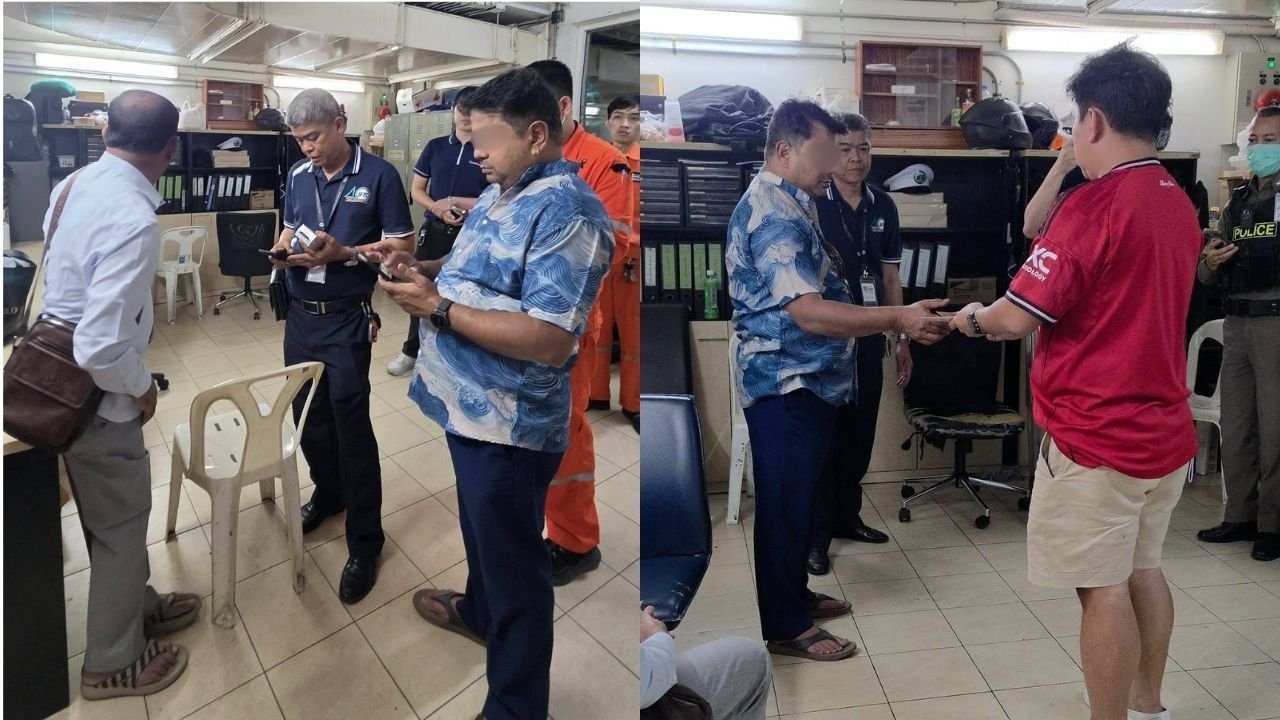
Thai naval forces have intercepted ten Chinese nationals attempting to enter Thailand illegally in Chanthaburi province after reportedly working for an online scam network in Cambodia. The arrests were made on 16 March 2026 at around 08.00 by units under the Royal Thai Navy’s Chanthaburi and Trat Border Defence Command. Officers found the group carrying 24 mobile phones, while five of the suspects had no passports.

Get today's headlines by email

According to Rear Admiral Parach Rattanachaiyaphan, spokesperson for the Royal Thai Navy, the operation was carried out by the Chanthaburi Marine Task Force during a patrol near Ban Pa Wilai village in Moo 5, Khlong Yai subdistrict, Pong Nam Ron district, Chanthaburi. The patrol identified ten Chinese men behaving suspiciously near a natural border crossing point along the Thai–Cambodian frontier. Officers detained them and confiscated the mobile devices for further investigation.

Initial questioning revealed that the group had previously been working for an online fraud and cyber scam network in a neighbouring country. After spending a long period employed by the operation, they reportedly crossed the border into Thailand through natural routes without using official immigration checkpoints, to reach another third country.

Authorities transported the suspects to Marine Ranger Company 541 at Ban Pa Wilai for initial processing. They were later handed over to Pong Nam Ron Police Station in Chanthaburi province for legal proceedings.

The Royal Thai Navy stated that the arrests were conducted in strict compliance with the Prevention and Suppression of Torture and Enforced Disappearance Act. Officials emphasised that the rights and human dignity of those detained were respected throughout the operation.

The case highlights ongoing concerns over transnational cybercrime networks operating along borders in Southeast Asia. Scam compounds in neighbouring countries have frequently been linked to organised criminal groups that recruit or force foreign workers to run online fraud schemes targeting victims worldwide.

Thai security agencies have intensified patrols along the Thai–Cambodian border in response to increased attempts by individuals linked to scam networks to enter or transit through Thailand. Authorities say such movements can involve both trafficked workers and participants seeking to relocate operations.

The Royal Thai Navy reaffirmed its commitment to maintaining border security and preventing illegal entry into Thailand. Officials said they will continue coordinating with relevant agencies to combat cross-border crime, particularly cyber scam operations that have caused significant financial harm to the public.

Khaosod reported that the ten suspects remain in police custody as investigators examine their activities and the seized mobile phones. Police will proceed with legal action in accordance with the law.


Picture courtesy of Khaosod

Related stories

Chinese-nationals-rescued-from-human-traffickers-in-Thailand

Police-detain-Chinese-scam-suspects-in-Kanchanaburi

Join the discussion?

Already a member?

Adapted by ASEAN Now Khaosod 17 Mar 2026

Georgealbert
Georgealbert
Thailand’s shrimp industry says new US tariff measures will not significantly affect exports, with farmers confident production will rebound to more than 400,000 tonnes this year. The announcement comes after the United States imposed a 15% tariff combined with a 2.01% anti-dumping duty, bringing the total rate on Thai shrimp to 17.01%. Industry leaders say the rate remains competitive compared with other major exporting countries.

Get today's headlines by email

Ekaphot Yodpinij, president of the Thai Shrimp Association, said the sector is showing clear signs of recovery in 2026 despite uncertainty in global trade policies. He said Thailand aims to push shrimp exports beyond 250,000 tonnes this year if overall production can exceed 400,000 tonnes.

“Early in the year we learned the US tariff rate would be 15% for everyone, and with the latest anti-dumping duty of 2.01%, Thai shrimp exports to the US face a total tariff of 17.01%,” Ekaphot said. He added that although the rate is close to that applied to other countries, Thailand still enjoys the lowest combined rate among key competitors.

According to industry figures, Indonesia faces a tariff rate of 18.78%, Ecuador between 15% and 28.75%, Vietnam 22.42%, and India 24.58%. However, the private sector cautions that US tariff policy remains closely tied to decisions by the US president and could change at any time. The current tariff framework is expected to remain in place for roughly 150 days.

Another positive factor is rising shrimp production, with farmers reportedly increasing the release of shrimp larvae by more than 50% in the first quarter compared with the same period last year. The increase follows improved confidence in both export and domestic market demand.

Despite forecasts of a super El Niño bringing hotter and drier weather this year, Ekaphot believes the conditions could benefit shrimp farming more than cold or rainy weather. He said warmer conditions may help reduce the risk of supply shortages.

Industry leaders also emphasised that Thailand has diversified its export markets and no longer depends heavily on the US. In the past, the US accounted for around 60% of Thai shrimp exports, but its share has fallen to about 20%. Other key markets now include Japan and China at roughly 20% each, with ASEAN countries and domestic consumption together accounting for around 20–25%.

The Thai Shrimp Association plans to submit a letter to the prime minister soon, urging the government to declare shrimp a national agenda item. The proposal calls for support to address shrimp diseases and increase production capacity through 11 previously proposed measures.

The association also wants the government to accelerate negotiations on free trade agreements with the European Union, Canada and South Korea. Thailand once exported as much as 60,000 tonnes of shrimp annually to Europe before losing its GSP tariff privileges, which reduced exports to just 200 tonnes.

The Standard reported that if a free trade agreement with the EU is achieved, exports could recover to 30,000–40,000 tonnes per year, according to the association. Ekaphot also highlighted Thailand’s strength in producing shrimp free from antibiotic residues, noting that farmers test 100% of production to maintain buyer confidence.


Picture courtesy of The Standard

Join the discussion?

Already a member?

Adapted by ASEAN Now TheStandard 17 Mar 2026
Georgealbert
Georgealbert
A 42-year-old man died after his motorcycle collided head-on with a passenger bus on Highway 24 in Sangkhah district, Surin province, on the afternoon of 14 March 2026. The crash occurred at around 15:00 near Ban Khok Mai Daeng in Phra Kaeo subdistrict, before a U-turn point near Ban Phra Kaeo. The motorcyclist was pronounced dead at the scene.

Get today's headlines by email

The incident took place on the Chokchai–Det Udom road after social media users shared a dash-cam video showing the man riding his motorcycle erratically. The footage showed the rider swerving across lanes and obstructing other vehicles along the route, creating dangerous conditions for motorists.

Witnesses in the area said the rider had been driving abnormally since passing through Khon Taek subdistrict in Sangkhah district. According to witnesses, the motorcycle continued weaving across the road for a distance of about 20 kilometres.

The situation escalated when the man reportedly rode against the flow of traffic before colliding directly with an oncoming passenger bus travelling along the normal route. The impact left the rider dead instantly at the scene.


Picture courtesy of เป็นสมาชิก

Police later identified the victim as Rangsarn, aged 42, from Khon Taek subdistrict in Sangkhah district, Surin province. Passengers on the bus, which was reportedly full at the time, were left shocked by the incident.

Initial police investigations suggest the crash had been caused by severe alcohol intoxication, which prevented the rider from controlling the motorcycle. Officers are continuing to investigate the circumstances surrounding the crash. Authorities are also examining the physical condition of the deceased, through an autopsy, as part of the ongoing investigation.

ScreenRecording_03-16-2026 06-00-25_1.mp4

Related stories

German-tourist-killed-in-Phayao-bike-crash

BMW-driver-in-fatal-motorbike-crash-in-Chon-Buri

Join the discussion?

Already a member?

Adapted by ASEAN Now เป็นสมาชิก 17 Mar 2026
Georgealbert
Georgealbert

Account

Navigation

Search

Search

Configure browser push notifications

Chrome (Android)
  1. Tap the lock icon next to the address bar.
  2. Tap Permissions → Notifications.
  3. Adjust your preference.
Chrome (Desktop)
  1. Click the padlock icon in the address bar.
  2. Select Site settings.
  3. Find Notifications and adjust your preference.