



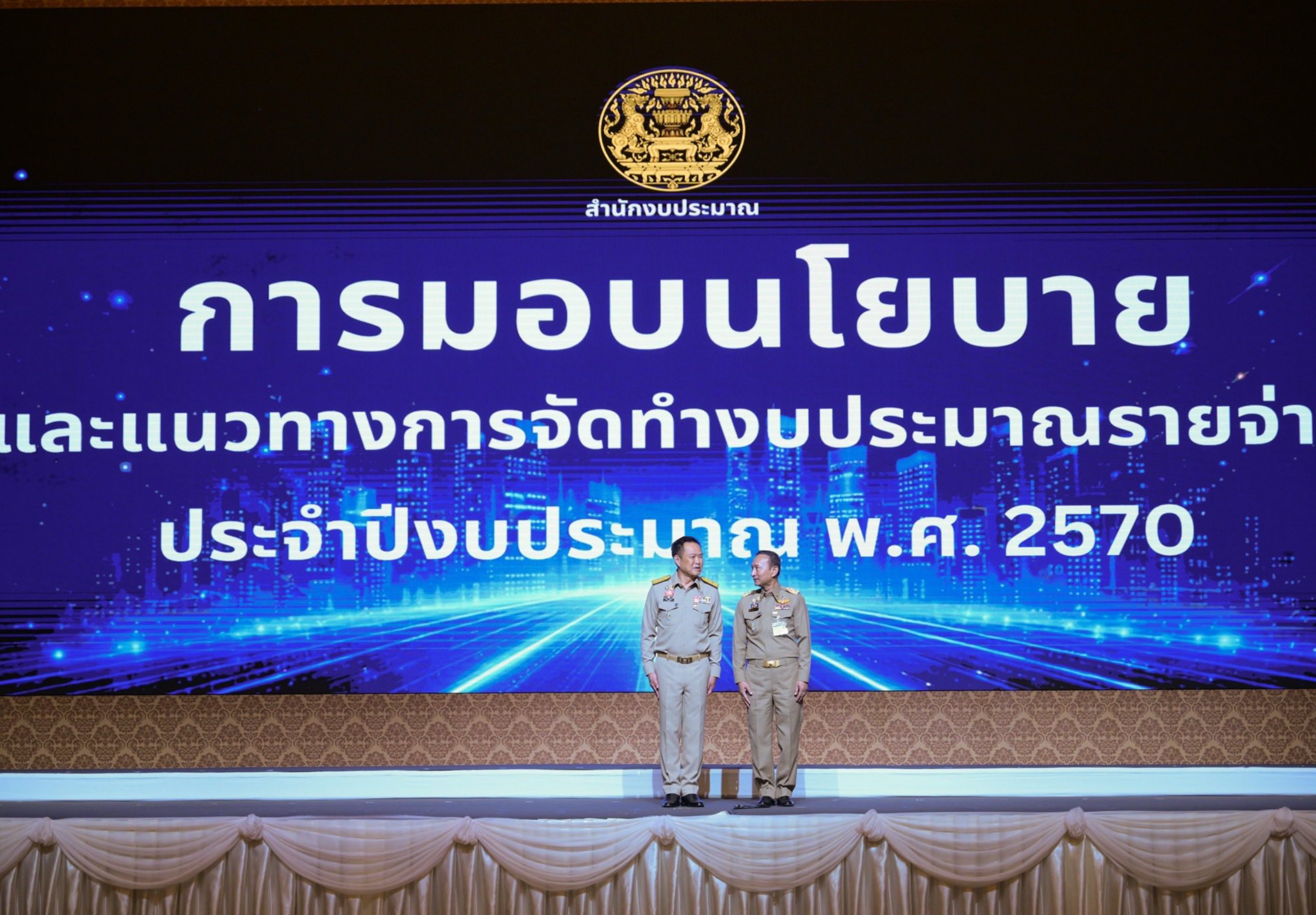

Prime Minister Anutin Charnvirakul on April 20, 2026 set out Thailand’s fiscal policy for the 2027 budget at Impact Muang Thong Thani in Pak Kret, Nonthaburi, stressing “targeted and precise” spending and strict limits on increases. He ordered cuts to non-essential expenditure and capped any budget increase requests at no more than 20 percent of the previous year, focusing only on investment spending. The total budget framework for 2027 is set at 3.788 trillion baht, up by just 7.4 billion baht, or 0.2 percent, despite rising mandatory expenses.
Get today's headlines by email 
The policy was announced at 10.00am during a government seminar on preparing the 2027 annual budget. Government spokesperson Ratchada Thanadirek said the approach differs from previous years due to global volatility, particularly conflict in the Middle East, requiring urgent adaptation. Agencies were instructed to review and reduce projects deemed unnecessary or misaligned with current conditions to maximise efficiency.
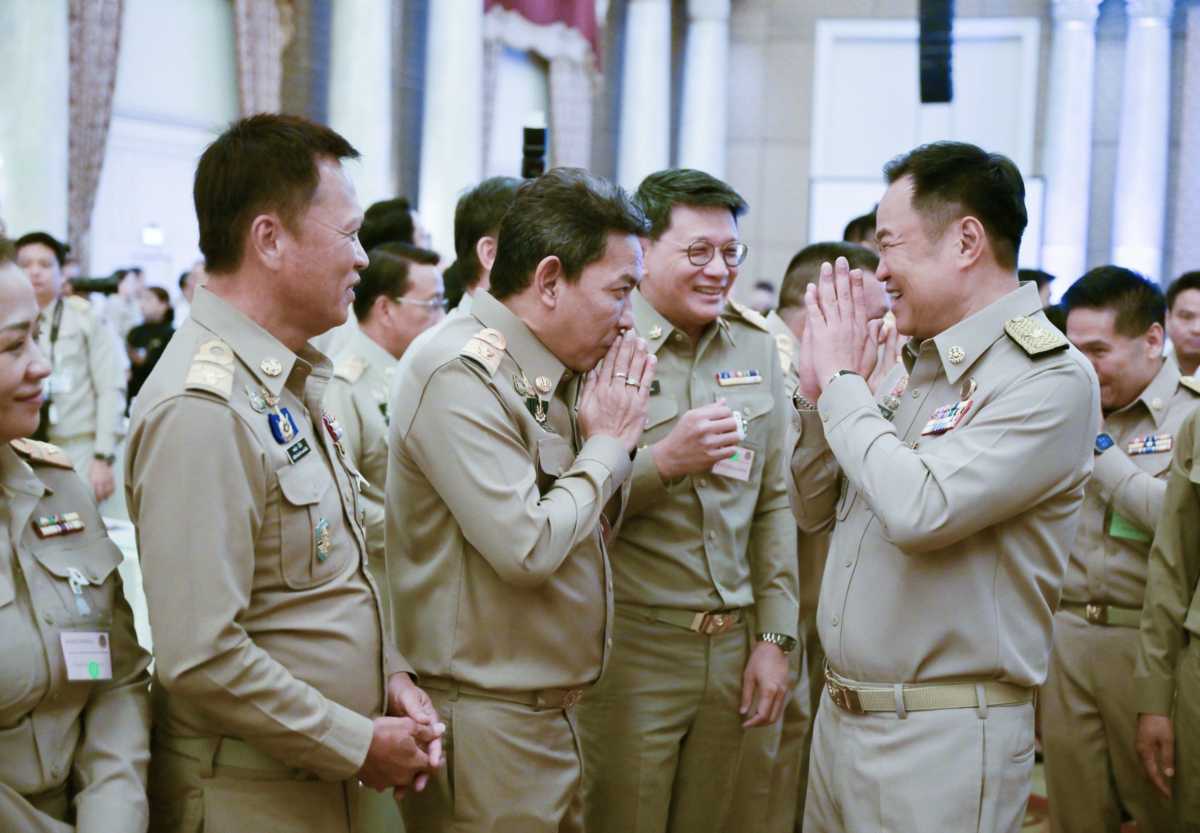
Anutin said the budget must align with the government’s “10 Plus” policy to help Thailand navigate global crises while laying foundations for sustainable growth and escaping the middle-income trap. Five key priorities were outlined: economic restructuring and income distribution; strengthening foreign policy and security, including a push to join the OECD by 2028; social development in education and healthcare; disaster and environmental management with a Net Zero target by 2050; and public sector reform under “AI Plus” and “Thailand Plus”.
He emphasised the use of zero-based budgeting, requiring all spending to be justified by necessity and urgency. Agencies were told to cut study tour budgets and reduce new office construction, favouring leasing or public-private partnerships through mechanisms such as the Thailand Future Fund. Investment proposals must be limited to essential projects.
The government also prioritised energy transformation, promoting electric and hybrid vehicles in the public sector and installing solar rooftops in state agencies to address long-term energy risks. National security remains a focus, with plans to modernise military equipment while coordinating closely with the Budget Bureau.
Anutin also witnessed the signing of a memorandum of understanding among five agencies, including the Budget Bureau, Comptroller General’s Department, State Audit Office, National Anti-Corruption Commission, and Public Sector Anti-Corruption Commission, to enhance transparency and reduce corruption through data integration.
The new budget framework will guide all government agencies as they prepare proposals under the stricter rules, with further scrutiny expected before final approval.
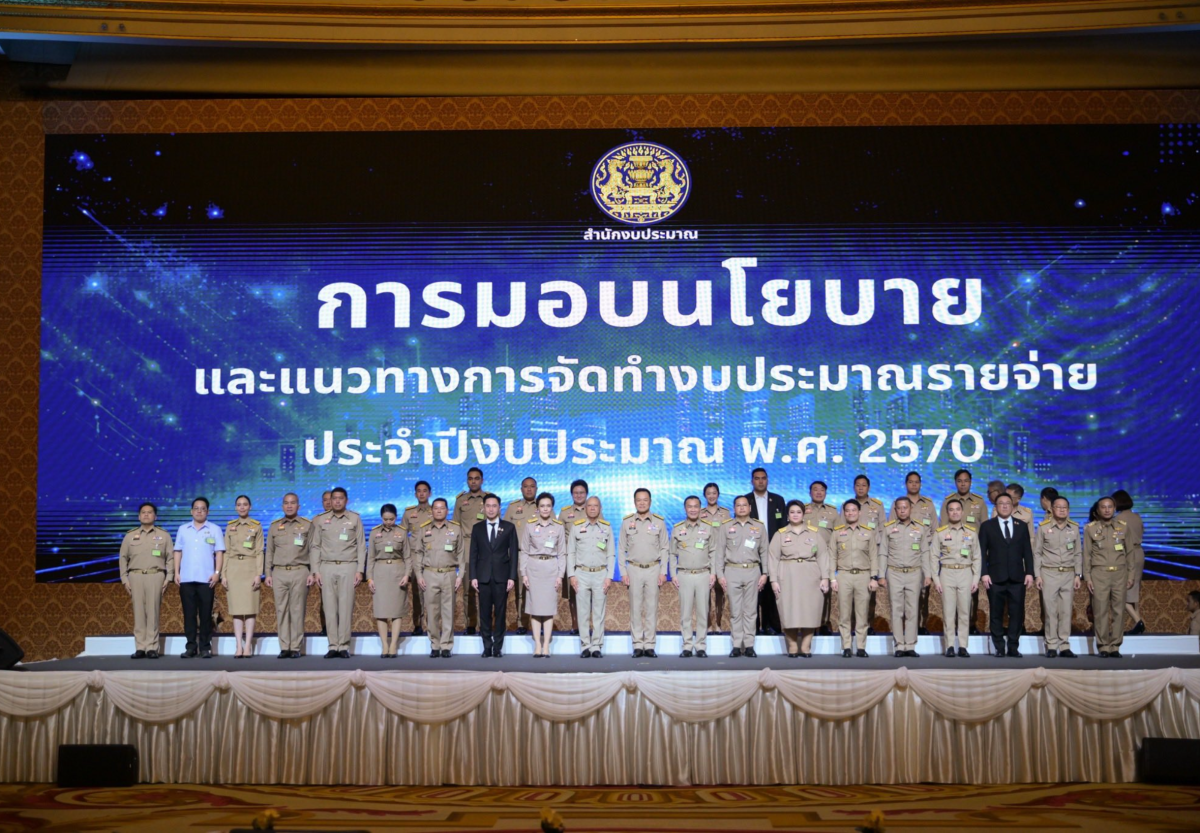
Pictures courtesy of InsideThailand
Join the discussion? 
Already a member? 
 Adapted by ASEAN Now InsideThailand 21 Apr 2026
Recommended Comments
Create an account or sign in to comment