



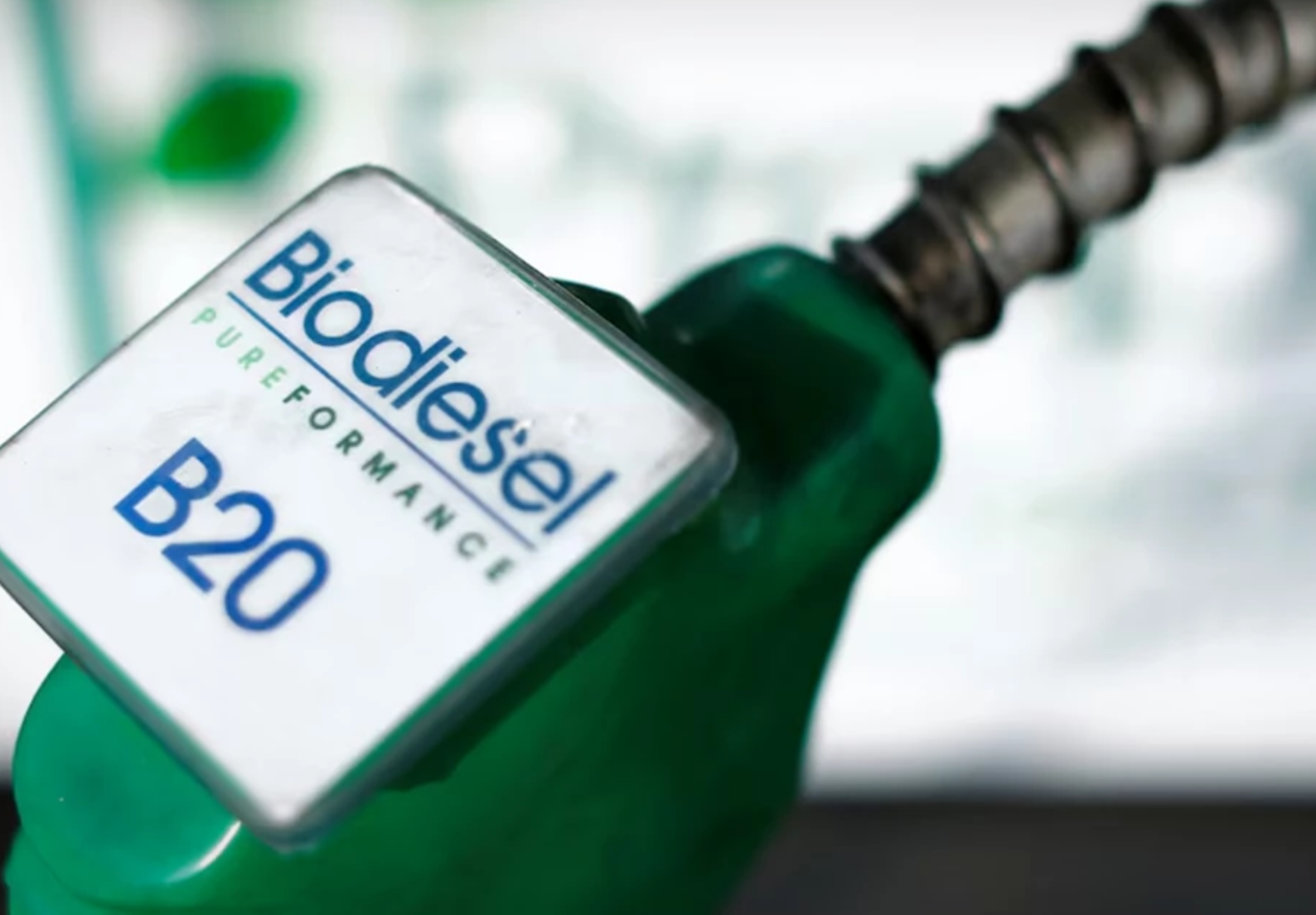

The Thai government has accelerated the rollout of subsidised B20 biodiesel nationwide, aiming to reduce transport and industrial fuel costs by keeping prices 5 baht (0.15 USD) per litre below standard diesel. The policy is designed to ease pressure on supply chains and limit inflation driven by volatile global oil markets.
Get today's headlines by email 
B20, a diesel blend containing 20% domestically produced palm-based methyl ester, is being promoted as a primary alternative fuel, particularly for heavy-duty vehicles and industrial machinery. Officials say the initiative offers a practical transition for operators seeking to manage rising energy expenses.
The move follows ongoing concerns over fluctuating global oil prices and their impact on logistics and manufacturing costs. By introducing a consistent price gap between B20 and standard B7 diesel, the Fuel Fund Administrative Committee (FFAC) aims to deliver immediate financial relief to businesses reliant on fuel.
Ratchada Thanadirek, assistant minister to the Prime Minister’s Office, said the government is prioritising energy cost management for both public and commercial sectors. She described the promotion of B20 as a “multifaceted measure” that supports economic stability, strengthens energy security, and assists domestic agriculture.
Fuel retailers are expanding distribution to support the policy. Bangchak has begun supplying B20 from its Phra Khanong depot, while PTT Oil and Retail is distributing from hubs in Songkhla and Saraburi. Shell is expected to start sales at selected locations from early April.
Beyond cost reduction, the policy is intended to stabilise Thailand’s palm oil market by increasing demand for locally produced crops. By raising blending requirements at designated distribution points, the government aims to prevent price drops for raw palm fruit and ensure steady income for small-scale farmers.
Analysts suggest the initiative could help curb “second-round effects” of inflation, reducing the likelihood that higher fuel costs are passed on to consumers through increased transport charges. This may contribute to broader price stability across goods and services.
The Nation reported that the success of the programme will depend on widespread adoption among transport operators and the continued expansion of supply infrastructure. Authorities are expected to monitor pricing, distribution coverage, and market response closely as the policy develops.
Join the discussion? 
Already a member? 
 Adapted by ASEAN Now Nation 31 Mar 2026
Recommended Comments
Create an account or sign in to comment