



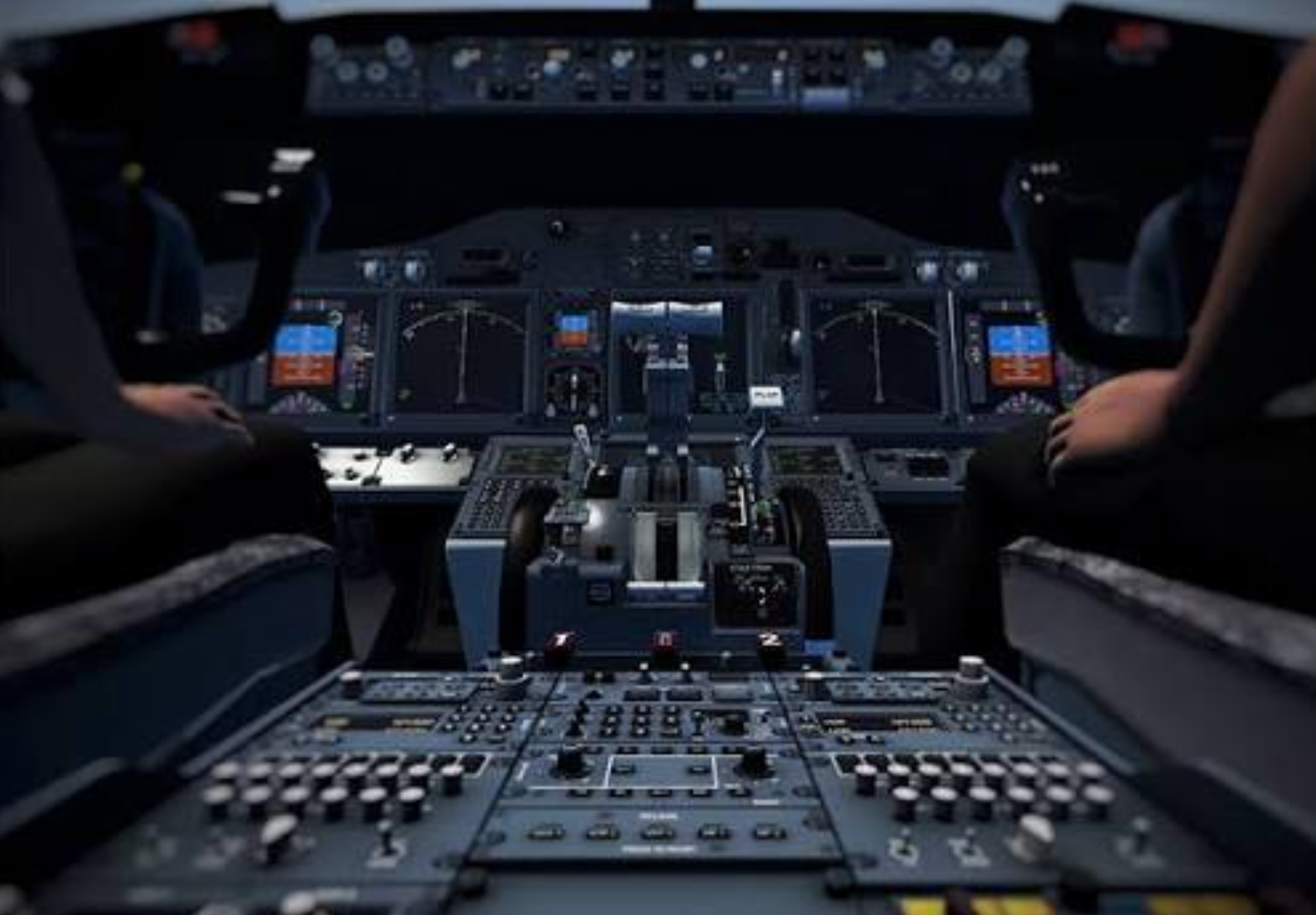

The Thai government has moved to address a growing employment crisis among Thai pilots and tackle the controversial Pay to Fly practice, which requires aspiring pilots to pay substantial sums to secure flying positions. The initiative aims to improve fairness in recruitment and strengthen aviation safety standards across the industry.
Get today's headlines by email 
On 16 June 2026, Ms Lalida Periswiwatana, Deputy Government Spokesperson, said Mr Phattharaphong Phatprasit, Deputy Transport Minister, chaired a meeting with the Thai Pilots Association (THAIPA) and relevant agencies at the Ministry of Transport. The meeting was held to hear concerns regarding pilot employment and the Pay to Fly system.
According to the government, the aviation industry was severely affected by the Covid-19 pandemic. As a result, 1,736 Thai pilots remain unemployed, while a further 1,219 holders of Commercial Pilot Licences (CPL) are still waiting to secure first employment.
The government said the combined value of aviation education and training that has not yet been utilised exceeds 4.3 billion baht. Key factors behind the problem include an oversupply of pilots, the employment of foreign pilots in some cases, gaps in labour protections for specialist professions, and the Pay to Fly model, which places significant financial burdens on applicants seeking work.
During the discussions, the Thai Pilots Association proposed a range of short-term and long-term measures. These included establishing clear regulations governing Pay to Fly arrangements, improving employment standards and welfare provisions, enforcing laws relating to the use of Thai pilots, creating complaint and whistleblower protection channels, and introducing systems to align pilot training numbers with industry demand.
Ms Lalida said the Ministry of Transport places importance on developing aviation personnel while maintaining the highest safety standards. The ministry has agreed to consider the proposals submitted by stakeholders when developing appropriate measures.
The proposed reforms are intended to create greater fairness within the pilot profession, reduce inequality in access to aviation careers, and strengthen the long-term competitiveness of Thailand’s aviation sector.
The Ministry of Transport will review the recommendations raised during the meeting and assess possible regulatory and policy measures. Any future action is expected to focus on balancing workforce supply with industry demand while addressing concerns surrounding recruitment practices and employment opportunities for Thai pilots.
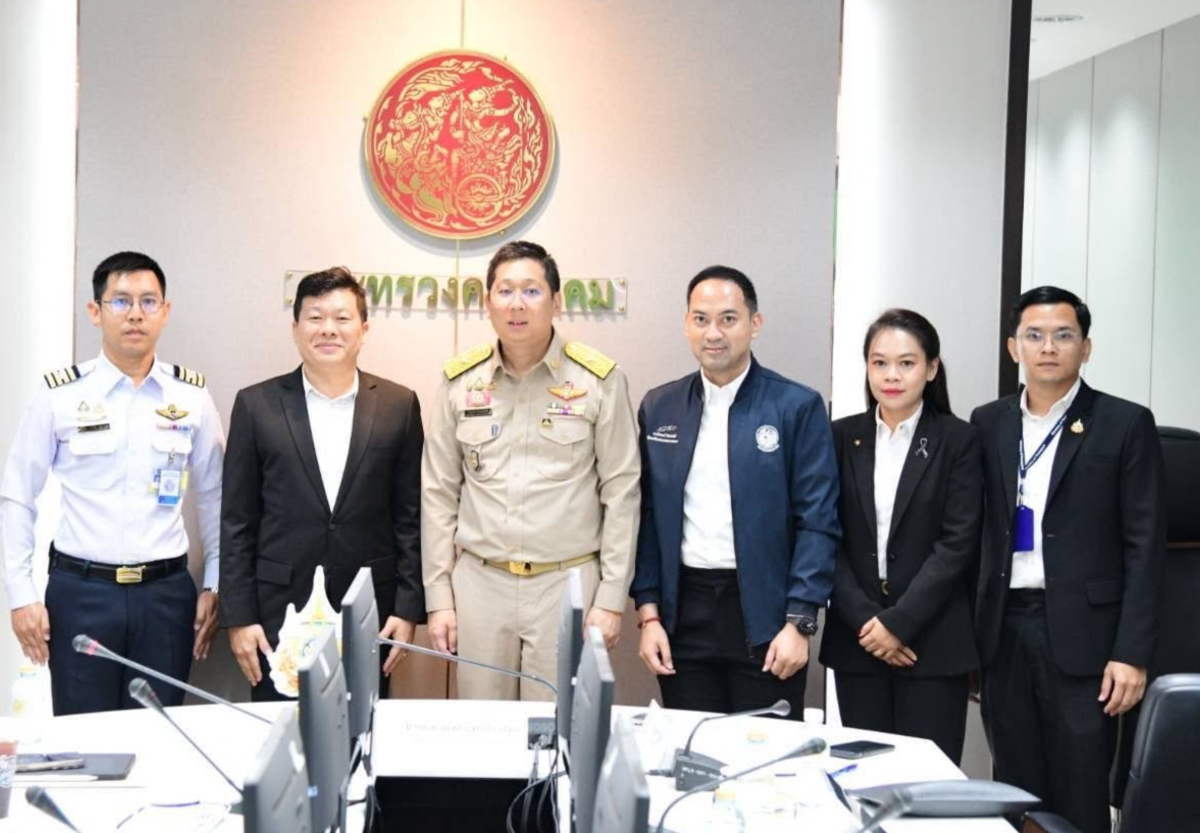
Picture courtesy of InsideThailand
Related story
Pilot-raises-alarm-over-pay-to-fly-in-Thailand
Join the discussion? 
Already a member? 
 Adapted by ASEAN Now InsideThailand 17 June 2026
Recommended Comments
Create an account or sign in to comment