



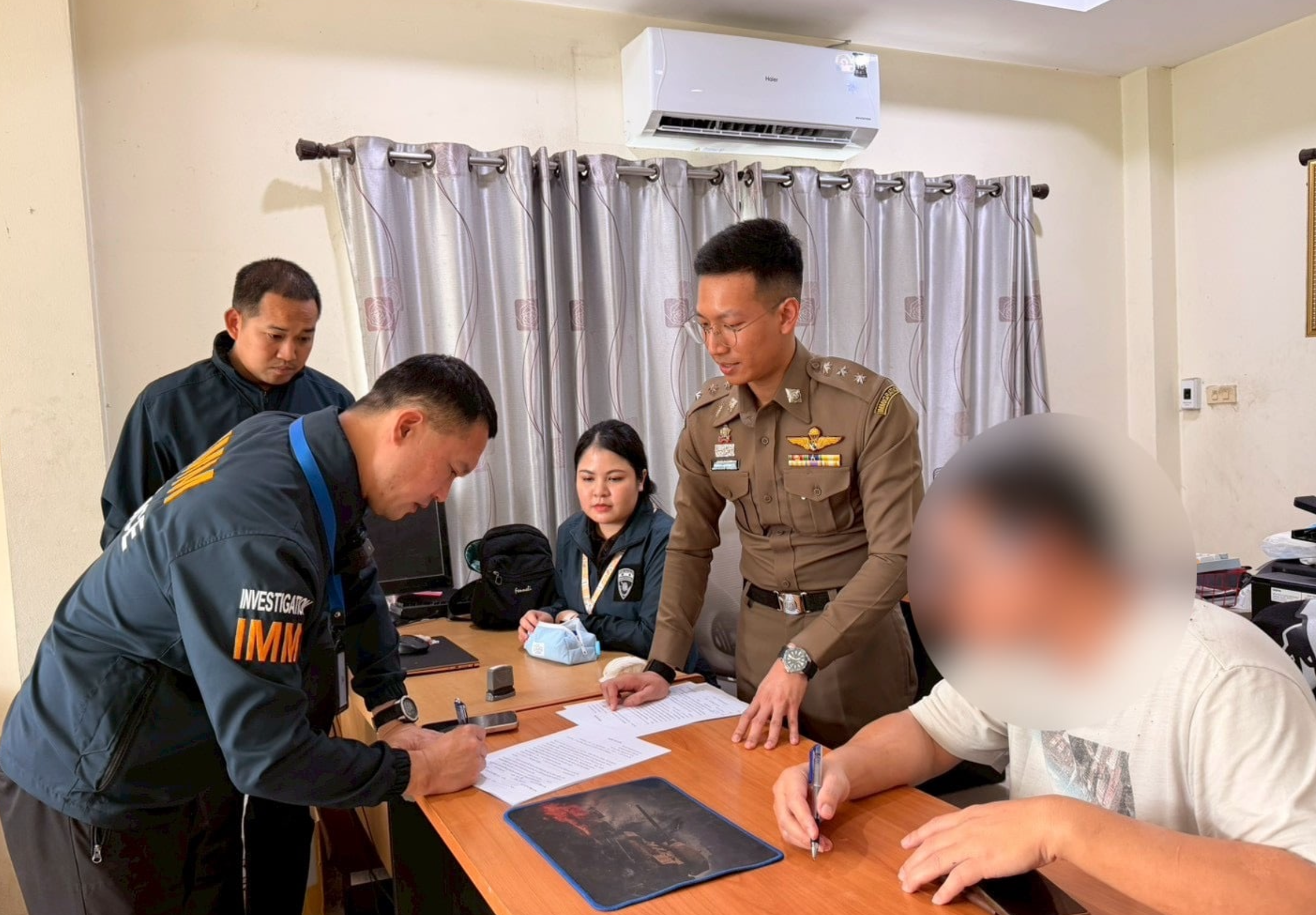

Thai immigration police have searched a house in Sam Khok, Pathum Thani, which they say was used to register and stage offices for 27 alleged nominee companies involving Taiwanese clients.
The operation at the detached property in Moo 4, Sam Khok subdistrict, was only reported on 15 July and was said to have taken place on 14 May 2026. Officers found what they described as a front accounting office and mock company offices.
Alleged Thai shareholder nominees
Police said a suspect detained at the scene and identified only as Mr T, admitted he was paid between 12,000 and 15,000 baht per company to arrange their registration. The companies were registered with Thai shareholders holding 51% and Taiwanese shareholders holding 49%.
According to investigators, 17 Taiwanese clients were involved. Mr T allegedly used unemployed acquaintances and motorcycle delivery riders as named Thai shareholders, allowing them to hold shares on behalf of others in an attempt to evade the law.
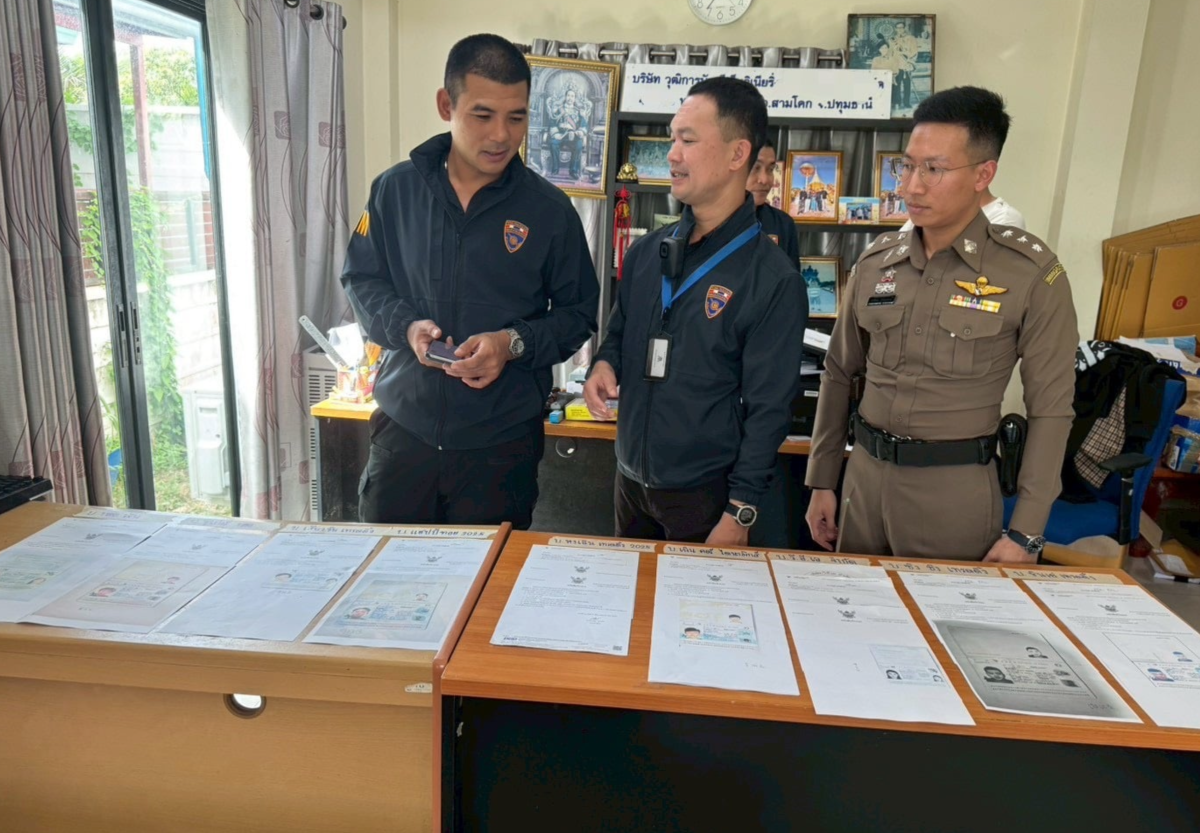
The search was authorised by the Pathum Thani Provincial Court. It was ordered by Pol Maj Gen Songprod Sirisukha, chief of Immigration Division 3, and involved officers including Pol Col Chinwut Tangwonglert, Pol Col Nattakit Meesuk, Pol Lt Col Peerapat Khaikhlung, Pol Maj Supangkarn Montripisan, Pol Lt Col Rawisak Suriyaphak, Pol Capt Chatchanok Suwanthara and Pol Capt Suwit Suthat.
Sam Khok police and the provincial employment office also joined the operation.
Accounts moved more than 130m baht
During further checks, police found that some of the companies had bank accounts linked to an online complaint-reporting system. Those accounts showed unusual turnover of more than 130 million baht in only five months, police said.
Officials seized company documents, rubber stamps and passports for legal proceedings. Immigration police said they would widen the investigation as part of a wider effort against transnational crime.
For foreigners living in Thailand or planning to establish a business here, the case underlines the risks around nominee shareholding arrangements. Thailand restricts foreign participation in certain businesses, and simply registering a company with a 51% Thai shareholding does not necessarily show that Thai shareholders genuinely control their stakes.
Foreign investors should ensure that any Thai business partners are genuine investors with real involvement, rather than people whose names have been used solely to satisfy ownership requirements. Expats dealing with local companies may also face disruption if a supplier, agent or business partner later comes under scrutiny over its ownership structure.
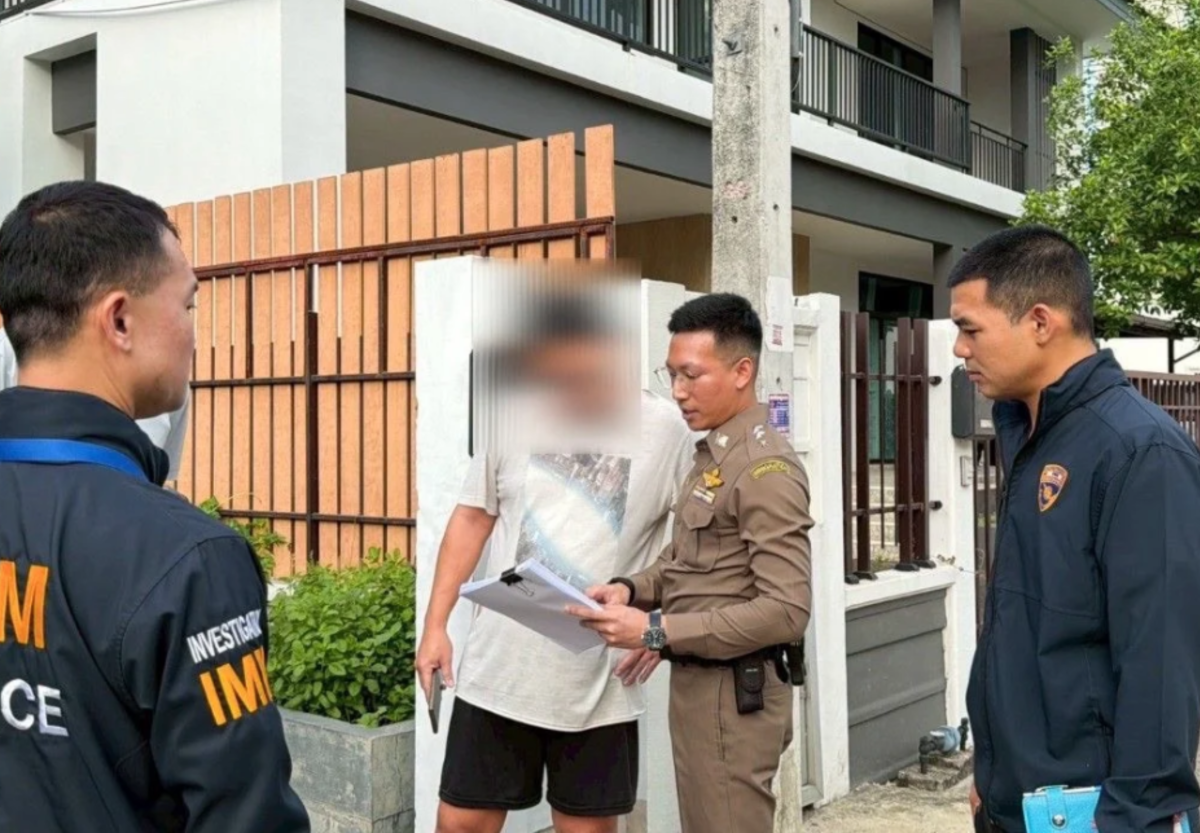
Picture courtesy of Daily News
Join the discussion? 

16 July 2026
-
 1
1
Recommended Comments
Create an account or sign in to comment