



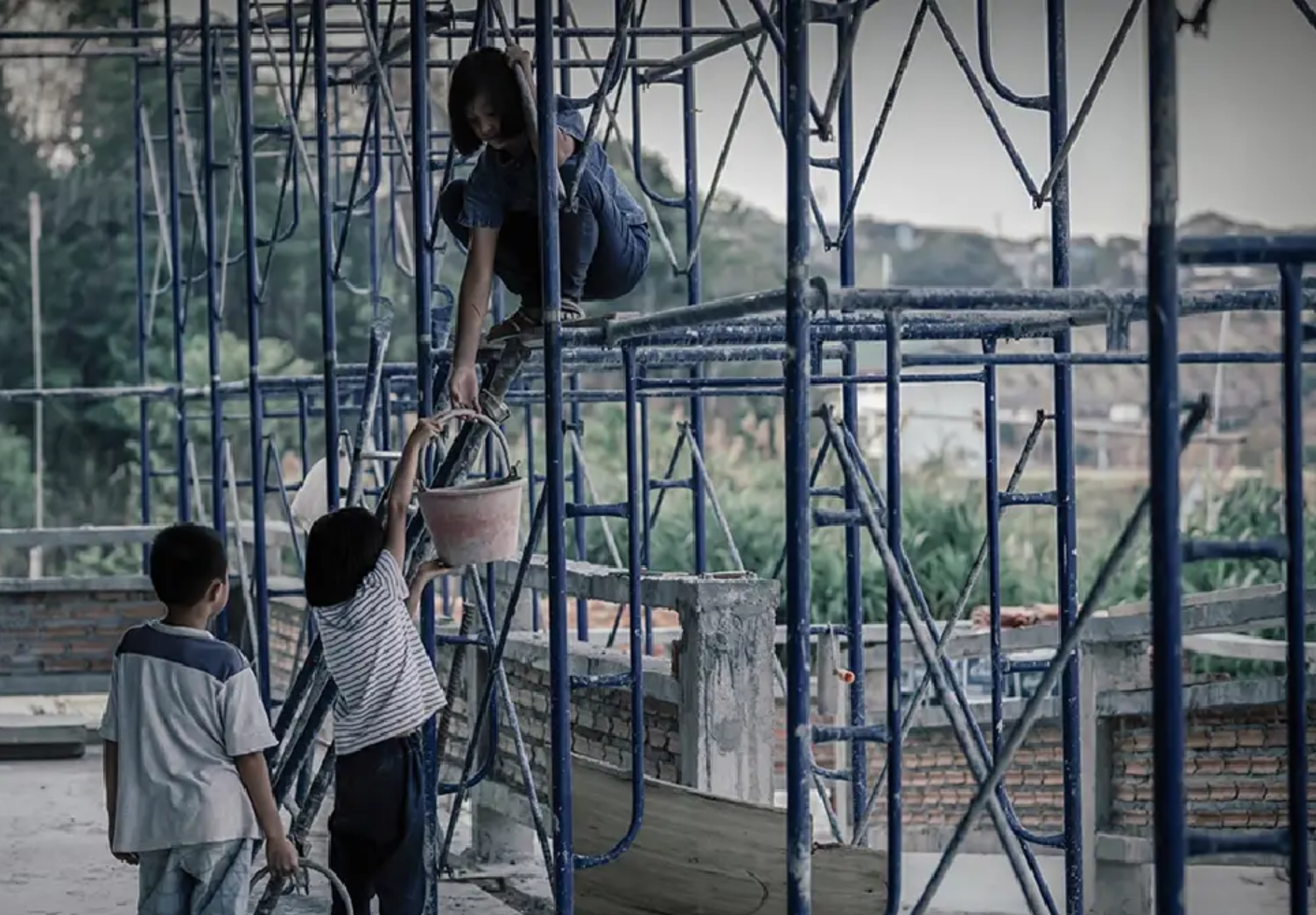

Thailand is strengthening protections against child labour through stricter enforcement, vocational training programmes and more than 10,000 safe holiday job opportunities for students. The measures form part of a wider government effort to protect children from unsafe work while helping young people gain skills and experience under legal safeguards.
Get today's headlines by email 
The announcement was made on World Day Against Child Labour on 12 June. Captain Phatdarasami Thongsaluaykorn, deputy government spokesperson at the Prime Minister’s Office, said the government places high priority on protecting children and young people from inappropriate and unsafe labour while promoting access to education, vocational development and age-appropriate employment opportunities.
The move comes as global child-labour figures remain high. Citing the latest data from the International Labour Organization and UNICEF, the government said more than 138 million children worldwide are still engaged in child labour, including more than 54 million working in hazardous conditions that threaten their health and development.
Labour Minister Julapun Amornvivat has instructed all agencies under the Labour Ministry to take concrete action, with particular attention on vulnerable groups. These include children from migrant-worker families and Thai children who enter the workforce early because of economic hardship.
The ministry has outlined three key measures. The first promotes safe work during school holidays through cooperation with more than 56 leading businesses nationwide, creating over 10,000 positions for students that comply with labour-protection laws.
The second measure focuses on vocational skills development for young people who do not continue their education. The programme aims to help them move from unskilled jobs into skilled employment, with support from educational institutions before entering the labour market.
The third measure centres on education about labour rights and workplace safety. Officials say this will help young people understand their rights, reduce the risk of exploitation and improve workplace protections.
Thai authorities also reaffirmed that child-labour laws will continue to be strictly enforced. Under Thai law, children under 15 are prohibited from employment, while those aged 15 to 17 may only work in legally permitted jobs and must receive proper welfare, regulated working hours and safety protections.
The government is encouraging workplaces nationwide to declare themselves free from child labour and labour trafficking. Officials say this will help raise labour standards to meet international expectations and strengthen confidence among global trading partners.
The Nation reported that Phatdarasami said preventing child labour requires more than legal enforcement. She stated: “The government believes every child should have the opportunity to learn and develop their full potential,” adding that education, skills development and rights protection are essential to ensuring children and young people can grow up safely and enjoy a good quality of life.
Join the discussion? 
Already a member? 
 Adapted by ASEAN Now Nation 16 June 2026
Recommended Comments
Create an account or sign in to comment