



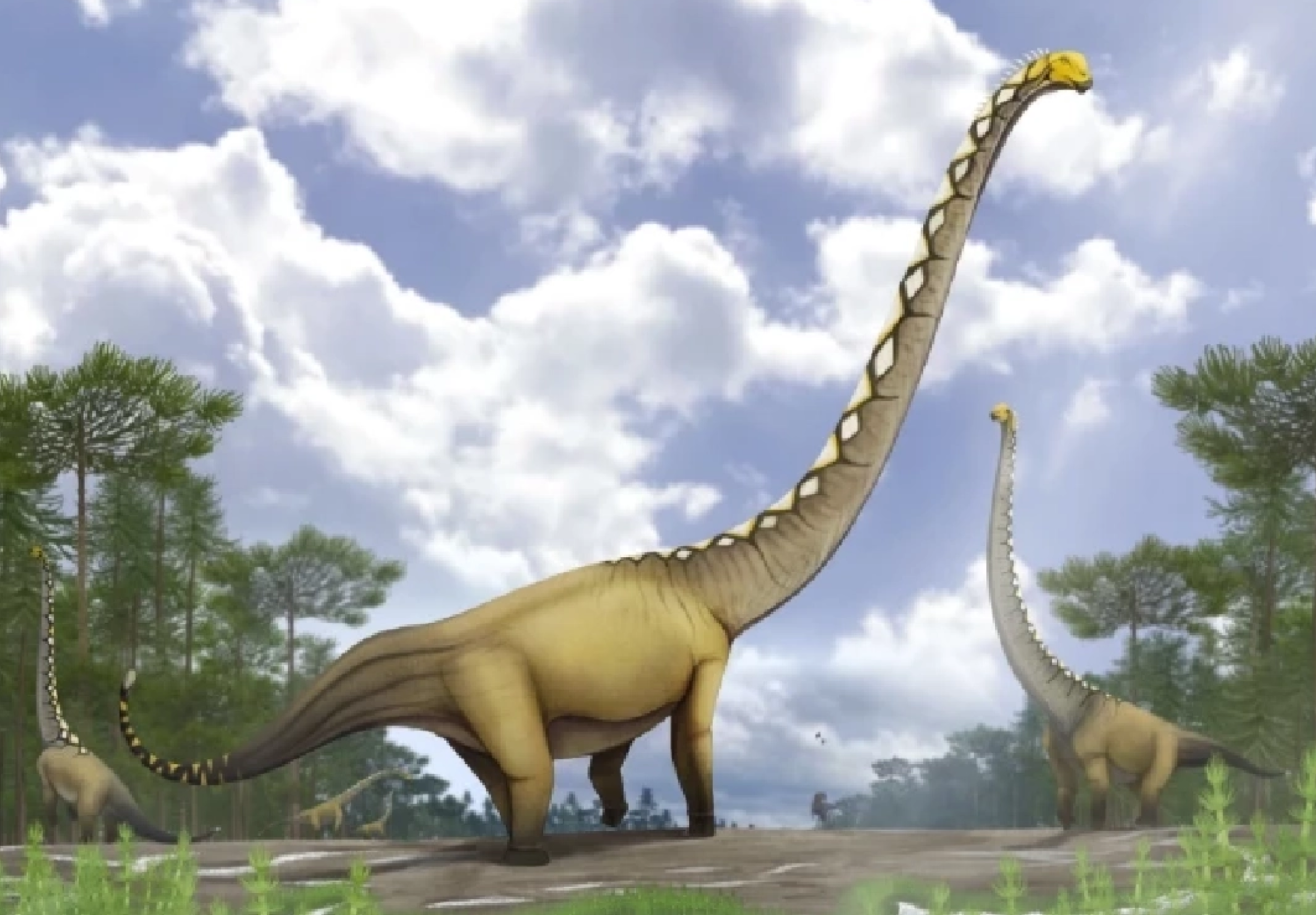

Palaeontologists in Thailand have identified a new species of plant-eating dinosaur from fossils discovered in Kalasin Province in the country’s north-east. The dinosaur, named Uragasaurus kalasinensis, is believed to have lived around 150 million years ago during the Late Jurassic period and measured up to 20 metres in length.
Get today's headlines by email 
The discovery marks the first confirmed member of the Mamenchisauridae family of sauropod dinosaurs found in Thailand. These long-necked herbivores are best known from fossil discoveries in China and are recognised for their exceptionally long necks, which likely enabled them to feed on vegetation at different heights.
The fossil that led to the identification of the new species was a dorsal vertebra, a bone from the middle or upper back, recovered from the Phu Noi fossil site. A CT scan revealed distinctive features, including a Y-shaped arrangement of supporting bones known as laminae and a unique air-cavity structure that set the specimen apart from all previously known dinosaurs.
Dr Apirat Nilphanaphan of Mahasarakham University, the study’s lead author, said the specimen formed part of a large fossil collection from a site first identified in 2008 after a local resident found fragments resembling serpent scales. Further surveys uncovered dinosaur teeth, bones and numerous other fossils, with more than 90% of material excavated from Phu Noi consisting of dinosaur remains.
Dr Nilphanaphan said that the fossil’s unique characteristics confirmed it represented a previously unknown species. He said the air-cavity structure was “unlike any other dinosaur in the world… That’s what sets it apart”.
The researcher also described his reaction to the discovery, saying he smashed his keyboard after realising the team had identified a new species. He added that he felt both “exhilarated and relieved” after confirming the findings.
The research was published in the journal Nature earlier this week. The discovery further expands Thailand’s growing record of significant dinosaur finds and highlights the scientific importance of the Phu Noi fossil site.
Komchadluek reported that Scientists are expected to continue studying fossils from the site to learn more about the region’s prehistoric ecosystems. The announcement follows another major discovery in May, when researchers identified the long-necked herbivore nagatitan from remains found in Thailand. Measuring 27 metres (88ft) in length and weighing about 27 tonnes, it is the largest dinosaur ever discovered in South-East Asia.
Related story
Thai-palaeontologists-uncover-massive-dinosaur-species-in-Chaiyaphum
Join the discussion? 

12 July 2026
Recommended Comments
Create an account or sign in to comment