



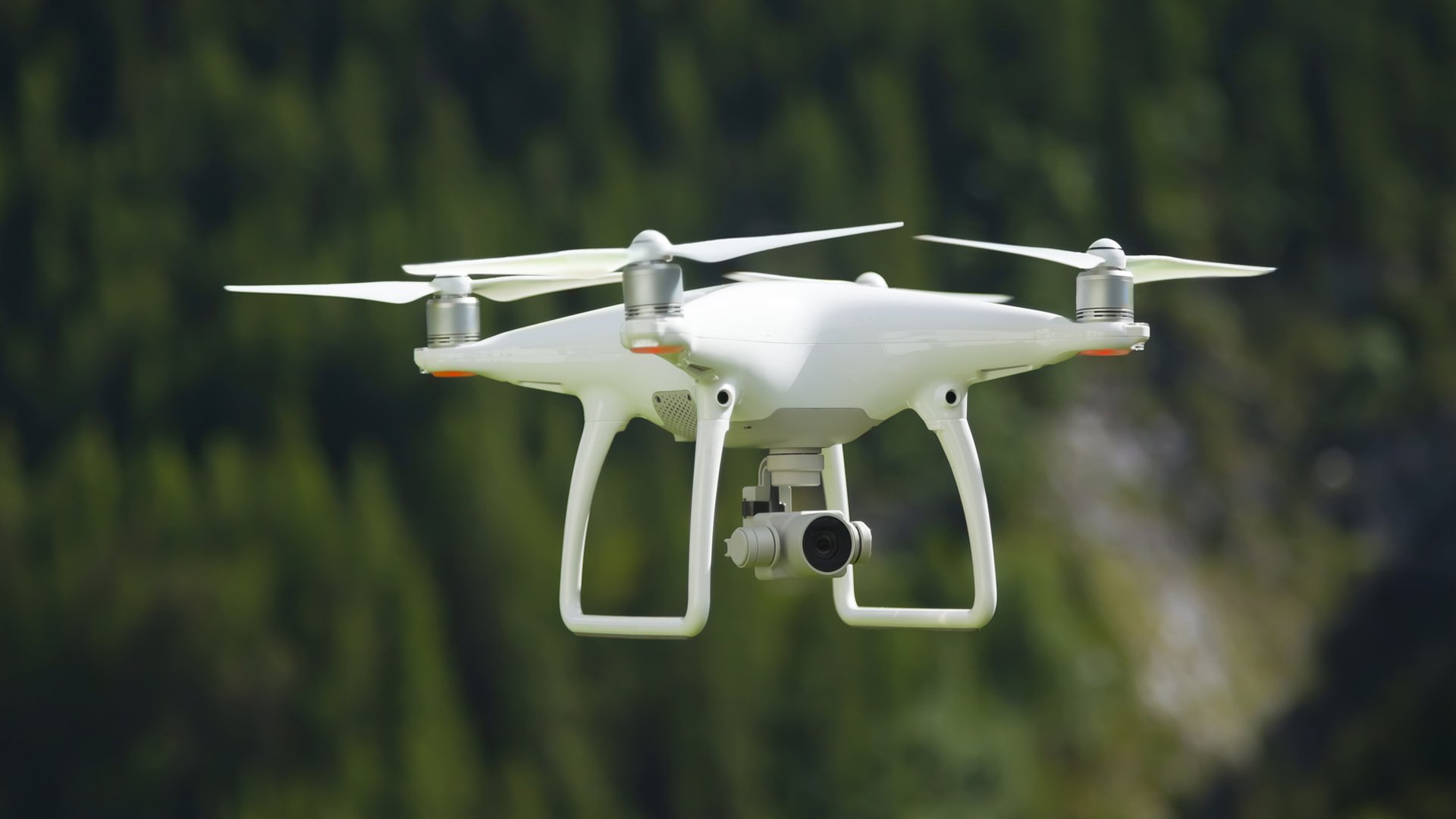

Thailand’s Civil Aviation Authority (CAAT) announced stricter regulations for drone operations effective May 17, 2026. Drone pilots will need approved training, electronic registration, and online permits for medium-risk flights. The updated rules aim to balance innovation with safety in the growing drone sector.
Get today's headlines by email 
These regulations overhaul the Ministry of Transport’s 2015 rules, now requiring specific protocols for drones up to 25 kilograms involved in commercial activities such as cinematography and surveying. Pilots must conduct risk assessments and receive CAAT approval before missions. Training will cover aviation law and air traffic rules, essential for the rapidly growing commercial drone use.
Operators will need to register drones electronically and display identification numbers clearly on the aircraft. The online system will manage flight plans, requiring details like flight purpose, coordinates, and pilot information. Additional measures, such as risk management plans, may be required for approval.
The shift includes mandatory training and assessment, highlighting the commitment to airspace safety. Permit validity will increase to five years, with full digital submissions. Existing permit holders can operate until permits expire, but must adopt new rules for specific category flights.
The expansion of Thailand’s drone industry in logistics and media underscores the need for these regulations, aimed at safeguarding airspace while encouraging technological advancements.
Join the discussion? 
Already a member? 
 Adapted by ASEAN Now · The Nation · 13 May 2026
Recommended Comments
Create an account or sign in to comment