




Thailand’s tourism strategy is set for a significant shift, with the government pledging to prioritise higher-value visitors and more meaningful travel experiences instead of simply chasing record arrival numbers.
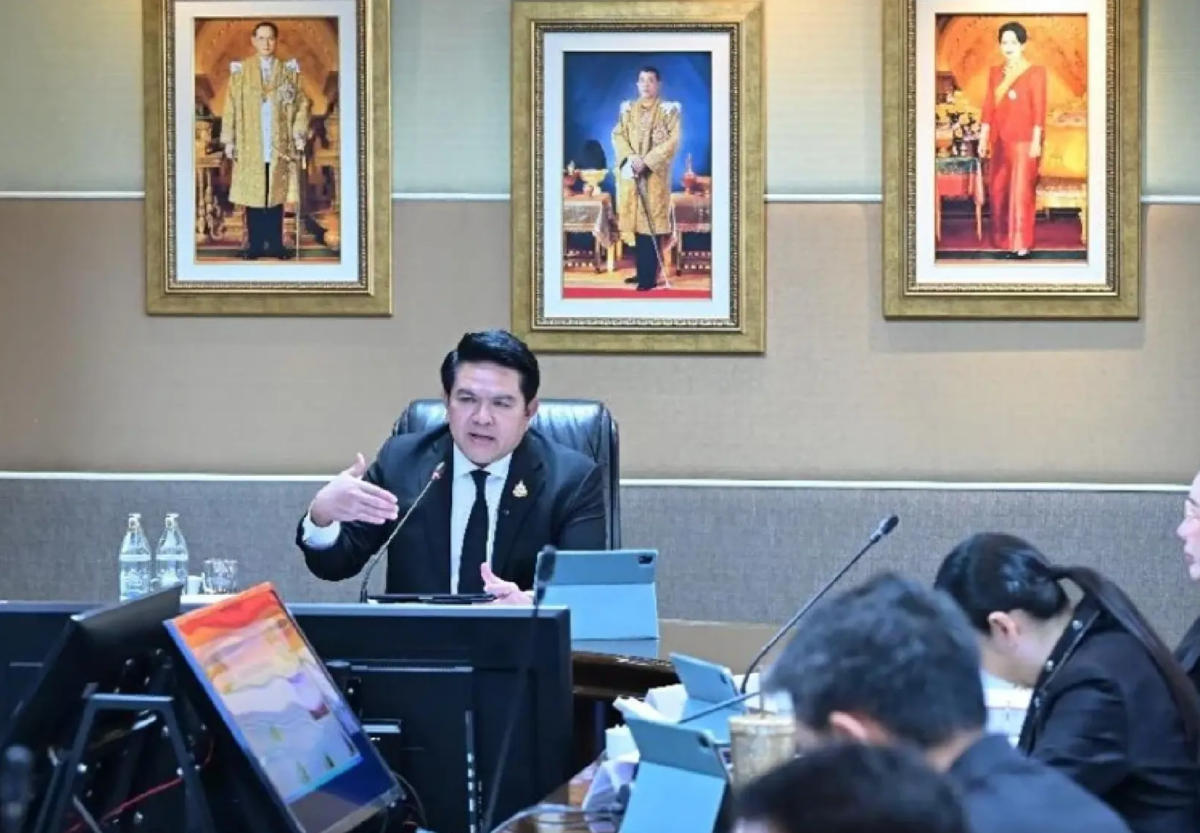
Tourism and Sports Minister Surasak Phancharoenworakul outlined the new direction during a meeting with the Tourism Authority of Thailand (TAT) board and senior executives on Monday, 27 July. The seven-point policy is designed to promote sustainable tourism while strengthening the industry’s long-term resilience.
For foreigners living in or visiting Thailand, the strategy suggests a greater emphasis on improving the overall travel experience rather than expanding visitor numbers. While there are no immediate changes to visas or entry rules, travellers could see increased promotion of lesser-known destinations, more international flight options and a growing calendar of major events.
Spreading tourism beyond the hotspots
A central objective is to distribute tourism income more evenly across the country. The government plans to encourage visitors to explore secondary cities and 55 designated local communities, helping spread economic benefits beyond traditional destinations such as Bangkok, Phuket and Pattaya.
The minister also announced several initiatives aimed at encouraging travel throughout the year rather than concentrating demand during the peak season.
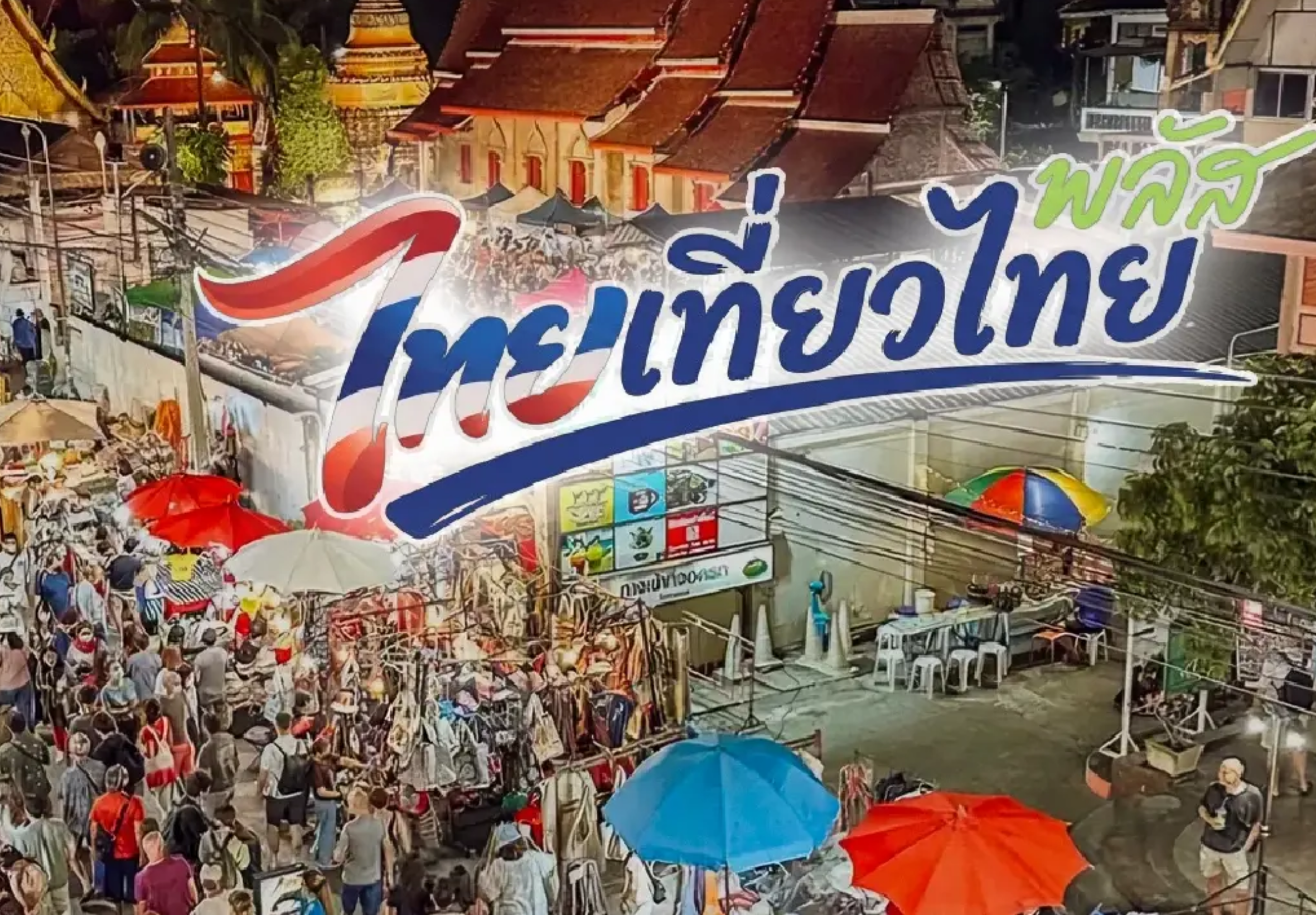
Among them is the Thai Tiew Thai Plus, or Co-pay, project, intended to stimulate domestic tourism while supporting local operators nationwide. The Fly Thai All the Feelings campaign, delivered in partnership with six domestic airlines, will offer discounted fares across 400,000 seats for Thai travellers to help offset rising travel costs linked to global oil price volatility.
Meanwhile, the Thailand Air Connect project will see TAT work more closely with airlines and marketing partners to maintain stable flight schedules while increasing both commercial and charter flight capacity to Thailand.
Tomorrowland and organisational change
The government also reaffirmed its commitment to hosting Tomorrowland Thailand between 2026 and 2030 as part of its ambition to establish the country as a global events hub. Officials estimate the festival could generate between THB3.458 billion and THB5.301 billion in net economic value each year, attracting at least 127,500 international visitors alongside at least 22,500 Thai attendees.
For international visitors, the continued focus on major events could mean more large-scale festivals and entertainment options alongside traditional tourism attractions.
The minister also instructed TAT to oversee a smooth transition as the organisation moves under the Ministry of Culture. Although TAT will remain responsible for its existing functions under the Tourism Authority of Thailand Act, it has been tasked with ensuring there is no disruption while both ministries work together to define future responsibilities.
The remaining policies focus on strengthening TAT’s governance, improving transparency and ensuring the organisation is prepared to respond to changing global conditions. According to the minister, combining domestic tourism support, international events and stronger organisational management will help deliver sustainable growth and wider economic benefits across Thailand.
Picture courtesy of The Nation
Join the discussion? 

29 July 2026
Recommended Comments
Create an account or sign in to comment