



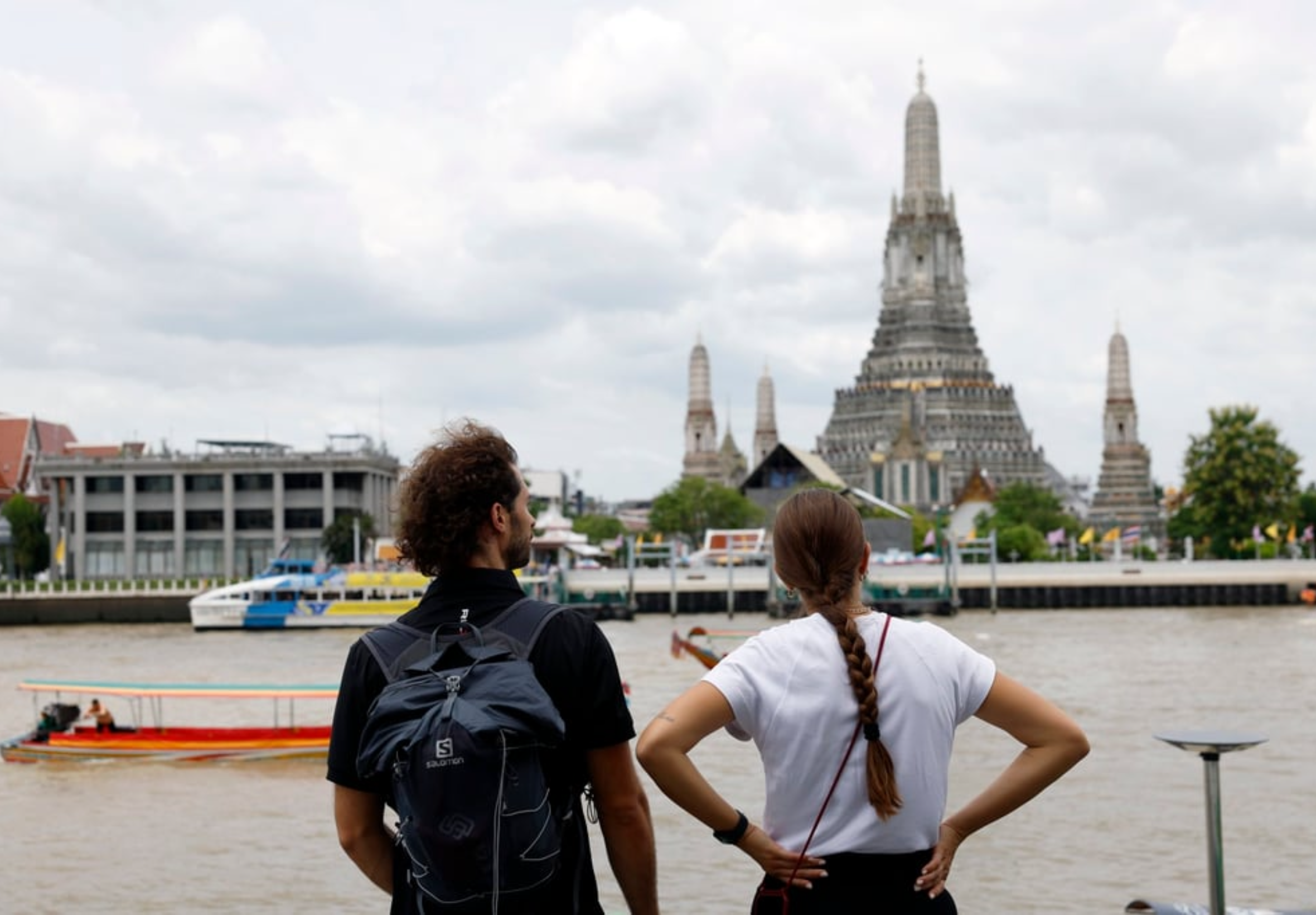

Thailand is reassessing how it welcomes overseas visitors, with public anger over misconduct, illegal businesses and perceived disrespect contributing to tougher official language and visa changes.
The shift comes despite tourism remaining vital to the economy, accounting for roughly one-fifth of activity across destinations from Phuket and Koh Samui to Pattaya's jet-ski operators and massage parlours. For foreigners living in or visiting Thailand, the message from ministers and many Thai businesses is increasingly clear: follow the law, respect local culture and avoid behaviour that can rapidly become a viral flashpoint.
At Samut Prakan Crocodile Farm & Zoo, south of Bangkok, owner Charoon Youngprapakorn has watched tourism change over decades. His father founded the business nearly 90 years ago to sell crocodile leather to tourists, and Charoon, now in his seventies, has seen visitor numbers hit by Sars, bird flu and the 2007-08 global financial crisis.
Mass tour groups have not returned
The zoo once received perhaps 100 to 200 large tour buses a day, Charoon told This Week in Asia. It closed for three years during the Covid-19 pandemic, and the groups have not returned in the same numbers.

Picture of Charoon Youngprapakorn, owner of Samut Prakan Crocodile Farm & Zoo.
"People stopped travelling as big groups and instead they came as FITs," he said, referring to free, independent tourists. Its car park now sees only a handful of buses at a time, while a faded turreted wall built for Chinese-group performances remains from the industry's previous high point.
Thailand welcomed nearly 40 million visitors in 2019, a Southeast Asian record. Last year's total was 32.9 million, still below that level despite a 60-day visa-free scheme introduced in 2024.
The Tourism Authority of Thailand has reduced its 2026 forecast to between 30 million and 34 million international visitors. It cited the US-Israel war on Iran, Russia's four-and-a-half-year war with Ukraine, higher oil prices and airfares, while years of a strong baht have pushed some budget travellers towards Vietnam and Malaysia.
Officials want 2027 to become a "year of transformation", focused on wealthier visitors staying one or two weeks rather than headline arrival numbers. A proposed flat 450-baht fee for all foreign visitors, intended to fund tourism infrastructure, is also under active consideration.
Hotel bookings during the current low season have disappointed, and travellers appear to be leaving bookings late for the high season beginning in November. Authorities nevertheless expect 200,000 Chinese arrivals for the October 1-7 Golden Week holiday, helped by the baht's recent retreat.
Public patience wears thin
Social media has brought repeated reports of unpaid bills, drunken fights, theft, vandalism and other offences involving visitors. This year, tourists have been caught carrying out public sex acts, assaulting locals, trespassing and damaging landmarks, while investigations have found bars and restaurants run by foreigners but presented as Thai-owned.
More serious cases include the June arrest of Australian Simon Peter Carman, 45, suspected of murdering a teenage Thai girl, placing her body in a suitcase and disposing of it near Pattaya. Authorities have also uncovered Chinese and Korean cyberscam operations in luxury villas, an Indian man displaying firearms online, and British cannabis mules.
"Thai people are pragmatic. We do like the money [tourism brings]," commentator Voranai Vanijaka said. "But at the same time, we are highly nationalistic and we don't like tourists acting the fool."
He said global anti-immigrant sentiment, nationalism following the border conflict with Cambodia, and concerns about foreigners acquiring land and businesses had also hardened attitudes. Prime Minister Anutin Charnvirakul has ordered faster deportations of foreign criminals and a wider probe into nominee arrangements used to conceal foreign business ownership.
The government has halved the 60-day visa-free entry period, a change that affects short-stay visitors and those who previously used longer visa-exempt stays. It does not mean ordinary law-abiding tourists or resident expats are unwelcome, but it underlines the importance of holding the correct visa, work permission and business structure.
Calls for respect and connection
In August, Foreign Minister Sihasak Phuangketkeow told the Chinese ambassador to "come out and explain" sensitive issues rather than "speaking only to protect Chinese interests", following a viral confrontation involving Chinese passengers and Thai officials at Bangkok's main airport.
Investigators have also examined alleged fraudulent birth certificates, reportedly issued through bribes as low as 500 baht, that could provide land-ownership rights. Chinese, French, British, Indian and Russian nationals have come under scrutiny.
Israeli nationals have received particular attention over alleged nominee-business networks on southern islands and an illegal cemetery in Chachoengsao. Anutin said on September 17: "But they cannot come here, take our land, and then bury their dead here."
Israeli Ambassador Alona Fisher-Kamm said bad behaviour was not unique to Israelis and that Hebrew-language pre-departure campaigns on Thai laws and cultural norms were being introduced. Voranai warned that anti-Israeli rhetoric risked becoming harmful paranoia and antisemitism.
Some residents are instead seeking closer contact. John Ho, a Hong Kong-born Chiang Mai resident, launched the government-backed CosmoLocal CNX pop-up village this month, using workshops, talks and shared meals to connect digital nomads with Thai neighbours.
"It’s better to learn some Thai, and learn some of the laws around business and work," Ho said.
Meanwhile, Charoon's zoo has enjoyed a revival after a late-August TikTok of one person at an elephant show won more than one million likes. "People are coming in their thousands," he said. "I just hope they keep coming."
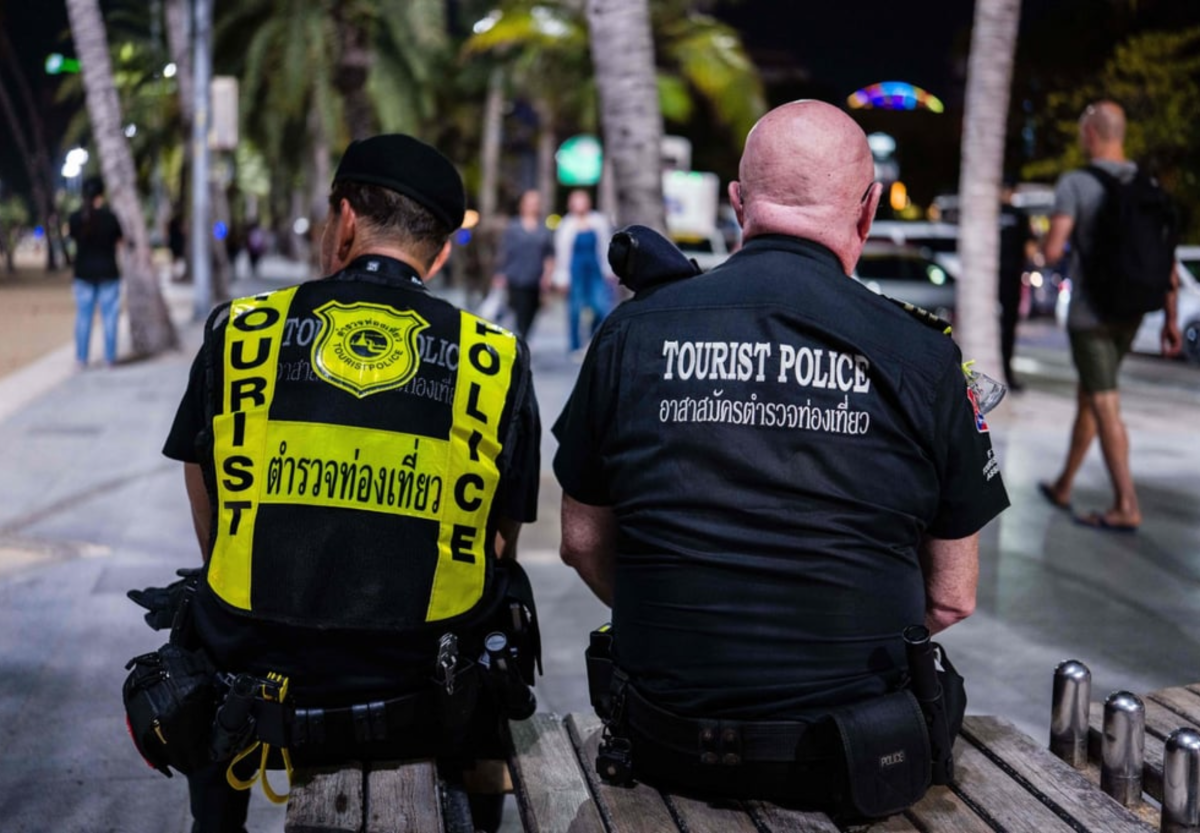
Picture courtesy of South China Morning Post
Join the discussion? 

28 September 2026
Recommended Comments
Create an account or sign in to comment