



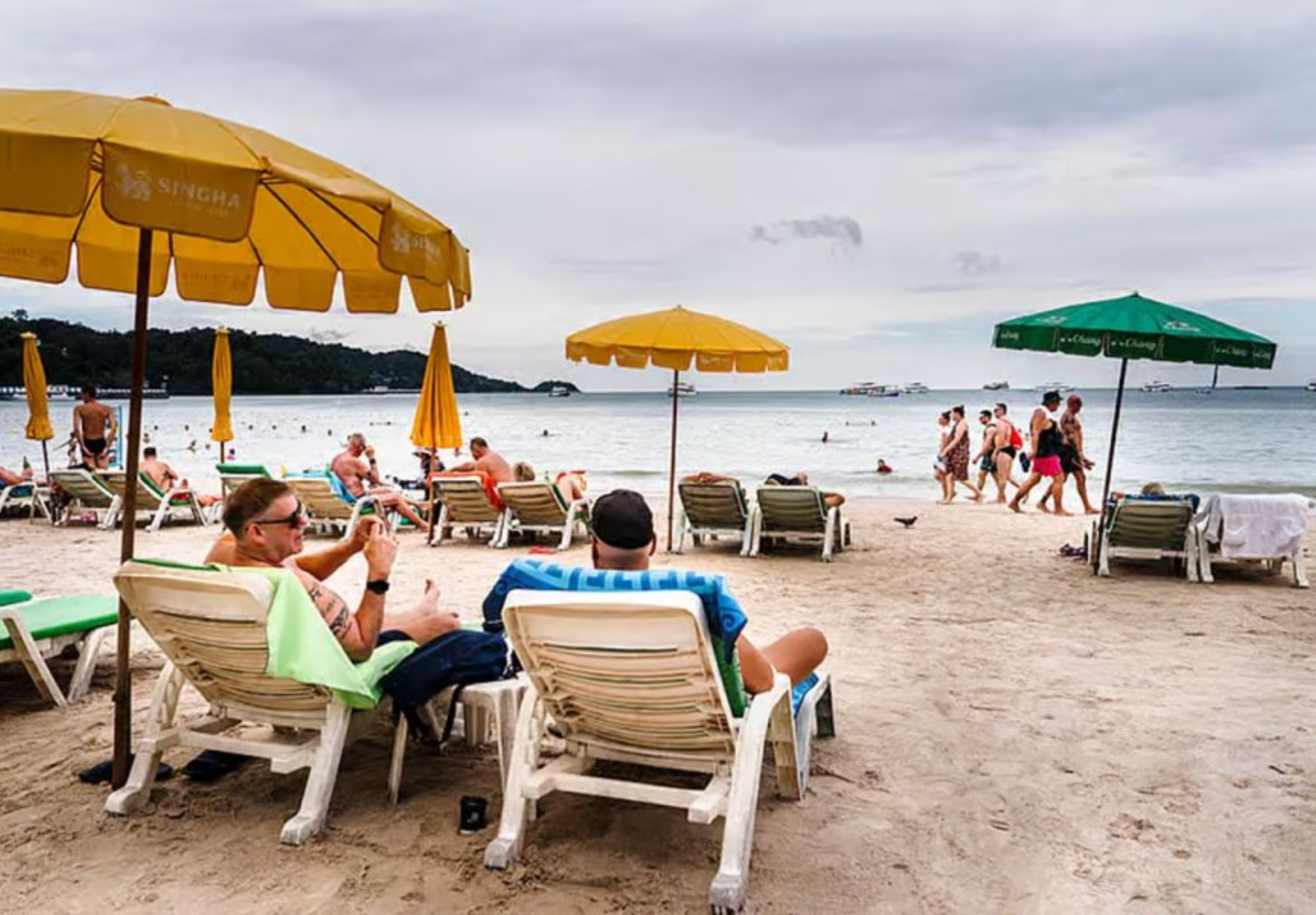

Thailand’s decision to reduce visa-free stays from 60 days back to 30 days has triggered debate over whether the move will improve security or damage the country’s tourism competitiveness. The government said the change was aimed at strengthening national security, tackling transnational crime and preventing foreigners from working illegally, operating businesses without permits and engaging in criminal activity while posing as tourists.
Get today's headlines by email 
Authorities cited reports of foreign nationals and criminal syndicates using tourist visas to carry out illegal work, drug-related activity and unlawful business operations. Critics argued that better immigration screening and stronger law enforcement would be more effective than shortening visa-free stays for visitors from 93 eligible nationalities.
The policy change comes as Thailand faces growing competition in the global tourism market and seeks to boost visitor numbers amid economic uncertainty and sluggish GDP growth. Critics also pointed to previous government decisions, including temporary border trade closures with Cambodia during disputes last year, which affected economic activity on both sides of the border.
The government referred to a study showing that most tourists stay just over nine days on average. However, critics questioned why authorities reduced the limit instead of keeping the longer stay option to encourage more spending and longer visits by tourists.
Khaosod argued that there is currently no hard evidence proving longer stays lead to more crime. They also warned against stereotyping foreigners, noting that media coverage of crimes involving tourists and expatriates can create negative perceptions despite such cases representing only a small fraction of the more than 30 million foreign visitors Thailand receives annually.
The article also highlighted the role of Thai accomplices in some illegal operations, including the use of Thai nominees in unlawful business structures. It compared negative assumptions about foreign visitors with how Thais would object to broad stereotypes linking all Thai nationals to illegal labour migration in South Korea.
The Embassy of Israel in Bangkok was cited as an example of a diplomatic mission reminding its citizens to respect Thai laws following incidents involving Israeli nationals in Phuket earlier this month. The embassy advised citizens: “Please, for your own good, be sure to act according to the procedures and the laws of the place.”
According to the Ministry of Tourism and Sports, Thailand welcomed more than 13.4 million foreign tourists between 1 January and 24 May this year, generating nearly 654 billion baht in tourism revenue. The largest number of arrivals came from China with 2.24 million visitors, followed by Malaysia, India, Russia and South Korea.
Officials from the police and Ministry of Tourism are expected to review crime and tourism figures over the next three to six months to assess whether the shorter visa-free period achieves its intended objectives. Critics said the government should reinstate the 60-day scheme if evidence fails to show a meaningful reduction in crime.

Picture courtesy of Khaosod
Join the discussion? 
Already a member? 
 Adapted by ASEAN Now Khaosod 30 May 2026
Recommended Comments
Create an account or sign in to comment