



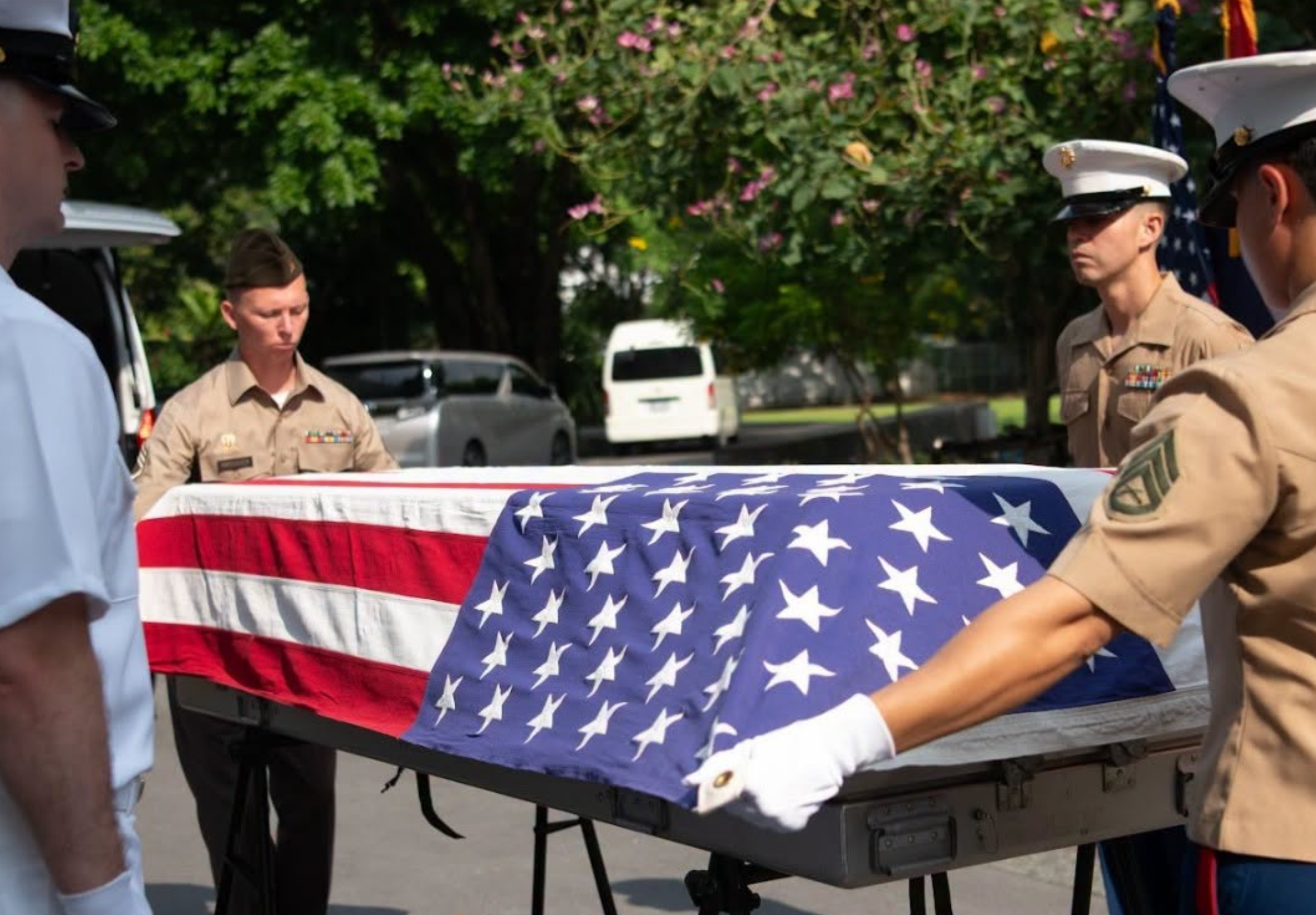

The United States has confirmed the identification of the remains of a World War II fighter pilot who went missing after his aircraft was shot down over northern Thailand more than 80 years ago, bringing long-awaited closure to his family. The US Embassy in Thailand said that the Defence POW/MIA Accounting Agency (DPAA) identified the remains as those of 1st Lt Franklin McKinney. He disappeared when his P-51 Mustang crashed in Lampang Province on 11 November 1944 during an air battle. The identification ends decades of uncertainty over his fate.
Get today's headlines by email 
According to the embassy, McKinney was one of 16 US fighter pilots who flew from southern China to strike Japanese military targets in northern Thailand during World War II. Their mission encountered five Royal Thai Air Force Ki-27 fighters that had taken off from Lampang Airport, leading to a dogfight later referred to as the “5 versus 16 Air Battle over Lampang”.
During the engagement, McKinney’s aircraft was shot down in mountainous terrain and he was listed as missing in action and presumed dead. The crash site was first identified in 2018, followed by several surveys. In March 2026, joint American and Thai teams located the remains after extensive historical research and field investigations. Excavation teams recovered aircraft wreckage and survival equipment believed to belong to the pilot, leading to the official identification.
The embassy said American and Thai teams worked closely with the Royal Thai Government, local authorities in Lampang, archaeologists, students from Thammasat University, and a UCLA partnership team. It described months of difficult work in remote terrain.
The embassy statement said, “After more than 80 years of uncertainty, 1st Lt McKinney is finally going home to his family,” and thanked Thai authorities and volunteers for their cooperation. Officials said the effort highlighted strong US-Thai collaboration in recovering wartime remains and providing closure to families of missing personnel.
Khaosod reported that the remains are expected to be returned to McKinney’s family following formal procedures. The DPAA said it will continue efforts to account for service members still missing from past conflicts, working with international partners in future recovery missions.
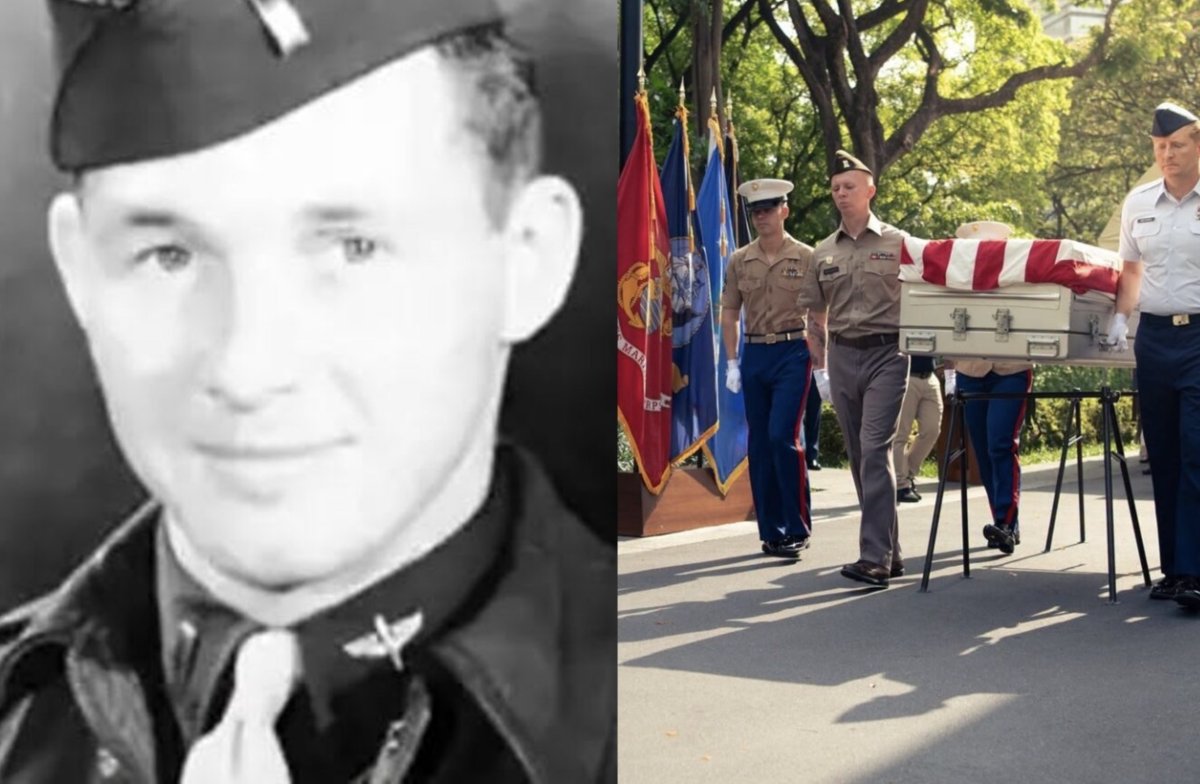
Picture courtesy of Khaosod
Join the discussion? 
Already a member? 
 Adapted by ASEAN Now Khaosod 30 June 2026
-
 1
1
Recommended Comments
Create an account or sign in to comment