



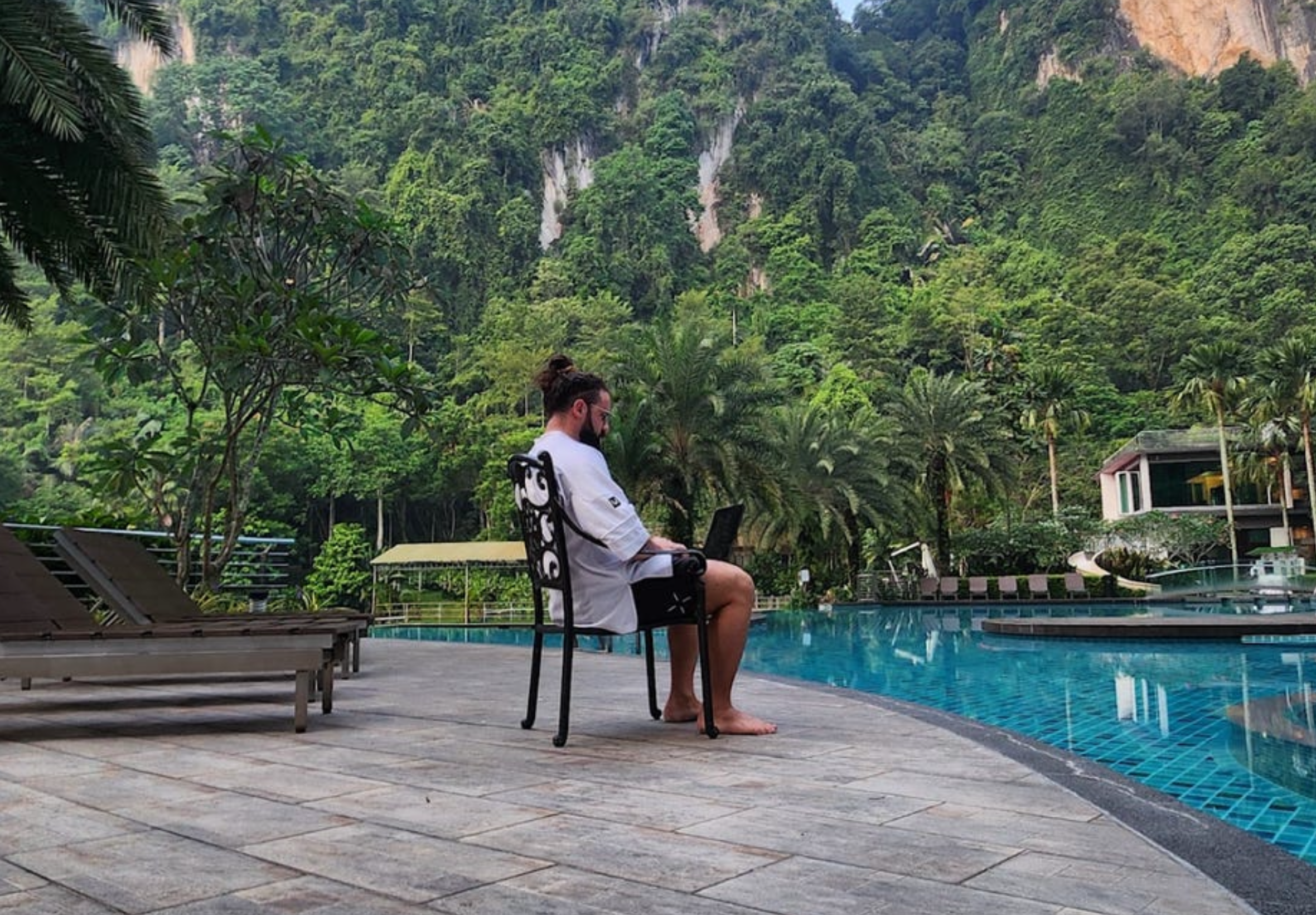

Braydon Barrett, 32, moved from Utah to Thailand with his wife and young son in April 2024, hoping to build a long-term remote-working life in Pattaya. Eight months later, the family returned to the US after visa problems led them through Malaysia, Vietnam and the Philippines.
Barrett, who runs an online fitness coaching business, said Thailand had seemed the most practical option after he researched visa choices. His wife, a stay-at-home mother, had long wanted to live outside the US, and the couple decided to act after their son was born in 2023.
They took a 10-day scouting trip before choosing Pattaya. With no property to sell in Utah, they disposed of most of their possessions, placed some in storage and left with six suitcases on their son's first birthday.
A visa mistake changed the plan
On arrival, Barrett realised he had misunderstood their immigration position. He believed the family would have 90 days in Thailand to arrange a longer-term visa, but they had only 30 days.
They tried to find a way to extend their stay, but when that did not work, moved to Malaysia, where they could remain for three months.

Near the end of their Malaysian stay, Thailand introduced the five-year Destination Thailand Visa for remote workers and digital nomads. Applicants must be outside Thailand while approval is pending, so the family travelled to Vietnam to apply once their time in Malaysia ended.
Barrett and his wife were approved almost immediately, but their son's application took longer. When their three-month stay in Vietnam was up, they left for Manila. The son's approval notification arrived while they were travelling to the airport.
Travel fatigue and US work hours
In Manila, the family arrived late at night with an upset child and then spent two hours dealing with security after their hotel could not find the booking. Barrett said this was the point at which he felt unable to continue, despite having the visas needed to return to Thailand.
Managing his US-based business from Asia had also proved harder than expected. With clients and employees in the United States, he said he was sometimes starting work at 3am or taking calls at midnight.
For foreigners considering Thailand's remote-work options, the family's experience underlines the importance of checking entry permission, longer-term visa eligibility and dependant applications before relocating. A valid visa alone may not prevent disruption if family members' approvals are delayed or time abroad is running out.
Thailand remains part of their plans
Barrett said returning to Utah was bittersweet and initially felt like a failure, although the experience brought him and his wife closer. He said he loved Asia's people, culture and weather, and found people especially welcoming towards their son.
He said social media can make overseas life look easier than it is. Nevertheless, the family still hopes to return to Thailand, where their visas remain valid for five years.

Pictures courtesy of Businessinsider
Join the discussion? 

19 September 2026
Recommended Comments
Create an account or sign in to comment