



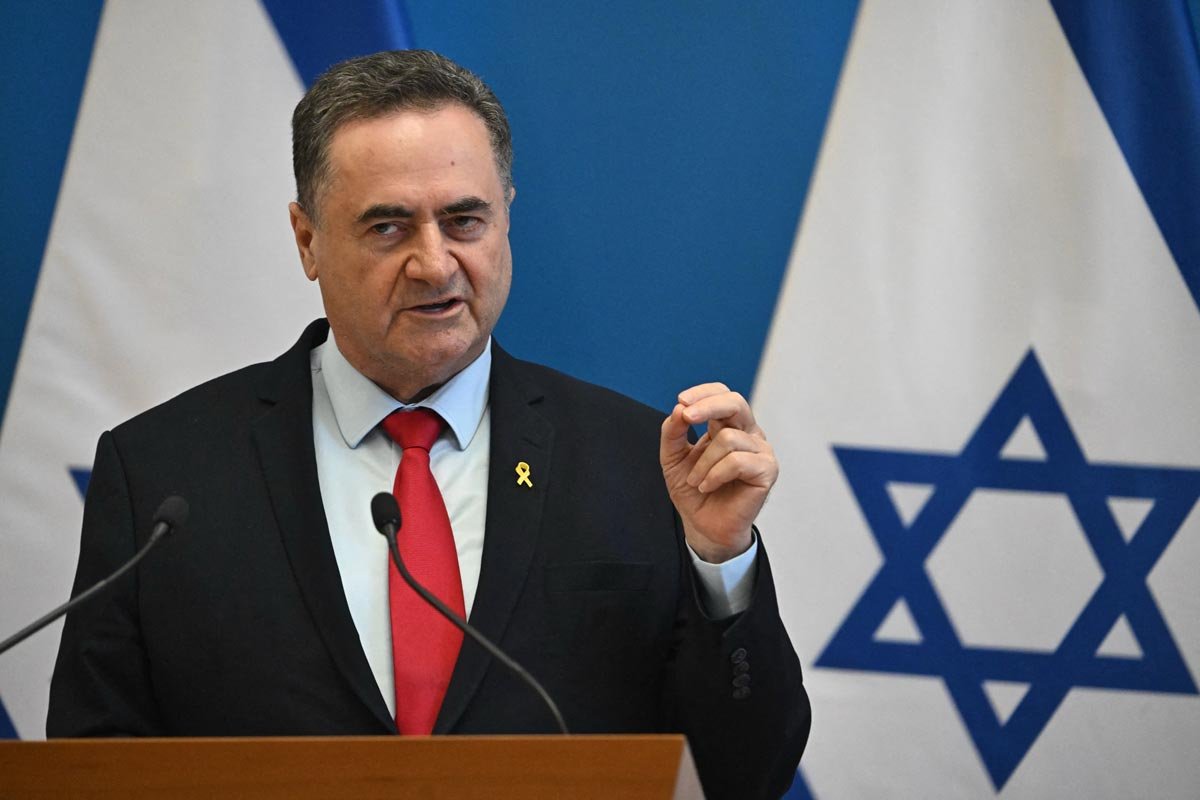

Israel’s defence minister, Israel Katz, has said Israeli forces will remain in southern Lebanon, complicating efforts to turn a recent Iran-US ceasefire into a broader regional peace agreement.
Get today's headlines by email 
Speaking at an event in Tel Aviv, Katz said Israeli troops would not withdraw from territory captured in southern Lebanon, reinforcing the position previously outlined by Israeli Prime Minister Benjamin Netanyahu.
Lebanon Stance Clouds Iran-US Peace Effort
Katz said the Israeli military was prepared to stay in the area and noted that Washington was not currently pressing Israel to leave Lebanese territory. Israel maintains what it describes as a security zone in parts of southern Lebanon.
Dispute Over Terms of Iran-US Accord
The comments come days after the United States and Iran signed an agreement extending a fragile ceasefire and launching 60 days of negotiations aimed at reaching a permanent settlement.
However, differences quickly emerged over how the accord should be interpreted. Tehran argues that any lasting agreement must include an end to Israel’s military campaign in Lebanon and a withdrawal of Israeli troops from the country’s south.
Israel and Lebanon are meanwhile engaged in separate US-mediated talks focused on security arrangements and a potential Israeli withdrawal. Israel has proposed a phased handover of territory to the Lebanese army, which would be responsible for preventing the return of Hezbollah fighters.
Hezbollah is not participating in those negotiations, raising questions about how effective any agreement could be on the ground.
Iran has sought to tie progress in its own negotiations with Washington to developments in Lebanon. On Wednesday, Iranian parliamentary speaker Mohammad Bagher Ghalibaf said a ceasefire and an end to the war in Lebanon were as important to Tehran as ending hostilities involving Iran itself.
Fighting Continues Despite Ceasefire
The conflict in Lebanon began after Hezbollah launched rockets at Israel on 2 March following the killing of Iran’s supreme leader, Ali Khamenei. Israel responded with a military offensive that expanded into southern Lebanon.
According to figures cited in the report, more than 4,200 people have been killed in Lebanon since the fighting began. Hezbollah attacks have also killed at least 36 Israeli soldiers and three Israeli civilians.
Although a US-mediated ceasefire between Israel and Hezbollah took effect on Saturday and has significantly reduced hostilities, violence has not entirely stopped. Lebanese health authorities said an Israeli drone strike near Nabatieh on Wednesday killed two people.
Gulf Allies Voice Concerns
Meanwhile, US Secretary of State Marco Rubio is touring Gulf Arab states in an effort to reassure regional allies about the Iran agreement.
Rubio met senior leaders in the UAE and is scheduled to visit Kuwait and Bahrain. The Gulf states remain concerned that proposed sanctions relief and financial support for Iran could strengthen Tehran militarily.
The talks have also focused on security in the Strait of Hormuz, a vital shipping route that was largely disrupted during the recent conflict, causing major economic losses and driving up global energy prices.
Additional disagreements have surfaced over inspections of Iran’s nuclear facilities. While US President Donald Trump said Iran had agreed to extensive inspections, Tehran has stated that no such inspections will take place until a final agreement is reached.
Join the discussion? 
Already a member? 
 Adapted by ASEAN Now. Source 25 June 2026
Recommended Comments
Create an account or sign in to comment