



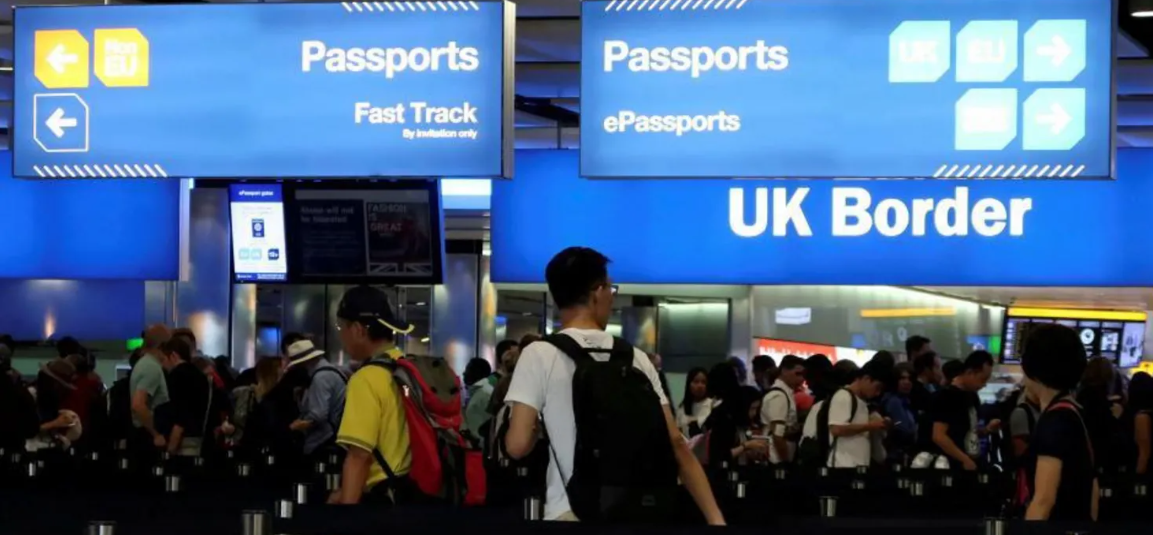

Jelena, a British-Latvian dual national, faces possible denial of entry back into the UK after her South American trip due to new passport rules effective February 25. These changes are part of a broader immigration reform aimed at modernizing UK borders, yet dual nationals like Jelena feel unprepared and betrayed by the new requirements.
Get the latest headlines in your email 
What Are the New Rules?
Under previous regulations, dual nationals from visa-free countries could enter the UK using their foreign passports. Now, they must present either a British passport or a digital certificate of entitlement. Without these documents, they risk being barred from returning. Acquiring these isn’t automatic and incurs time and financial costs—£100 for a passport and £589 for the certificate.
These changes coincide with the launch of the Electronic Travel Authorisation (ETA) system, which requires non-visa visitors to secure a £16 entry document. Dual nationals cannot apply for ETA and must comply with the new document requirements, affecting non-Irish EU citizens as well.
Impact on Individuals
Jelena, residing in the UK for 16 years, now has to alter her travel plans to get a British passport from Latvia, fearing potential loss of her job or home access. Similarly, UK-German national Petra Gartzen discovered the rule change while in Spain, now urgently trying to secure her passport before returning to the UK.
Swiss national Shaun West is considering renouncing his UK citizenship, viewing the changes as discriminatory. Meanwhile, Norwegian dual national Linn Kathenes is rushing to coordinate her passport applications for work travel commitments.
Criticism and Communication Issues
Critics argue that communication about these changes has been inadequate, leaving dual nationals in precarious positions. While the government maintains that information has been available since 2024, many affected individuals claim they were not effectively informed.
Campaign group the3million calls for the government to reconsider, suggesting a low-cost travel authorization to alleviate disruption.
Government Stance
The Home Office defends the policy, asserting that consistent communication efforts have been made and emphasizing the policy’s alignment with international standards practiced by countries like the United States and Canada.
As the deadline approaches, dual nationals are facing stress and logistical challenges. There are growing calls for clearer communication and transitional measures to ease the burdens of complying with the new regulations.
Key Takeaways
New rules require dual nationals to have a British passport or certificate of entitlement.
Critics cite inadequate communication, leaving many scrambling to meet requirements.
The government claims international alignment with similar policies.
Join the discussion? 
Already a member? 
 Adapted by ASEAN Now · Source · 17 Feb 2026