



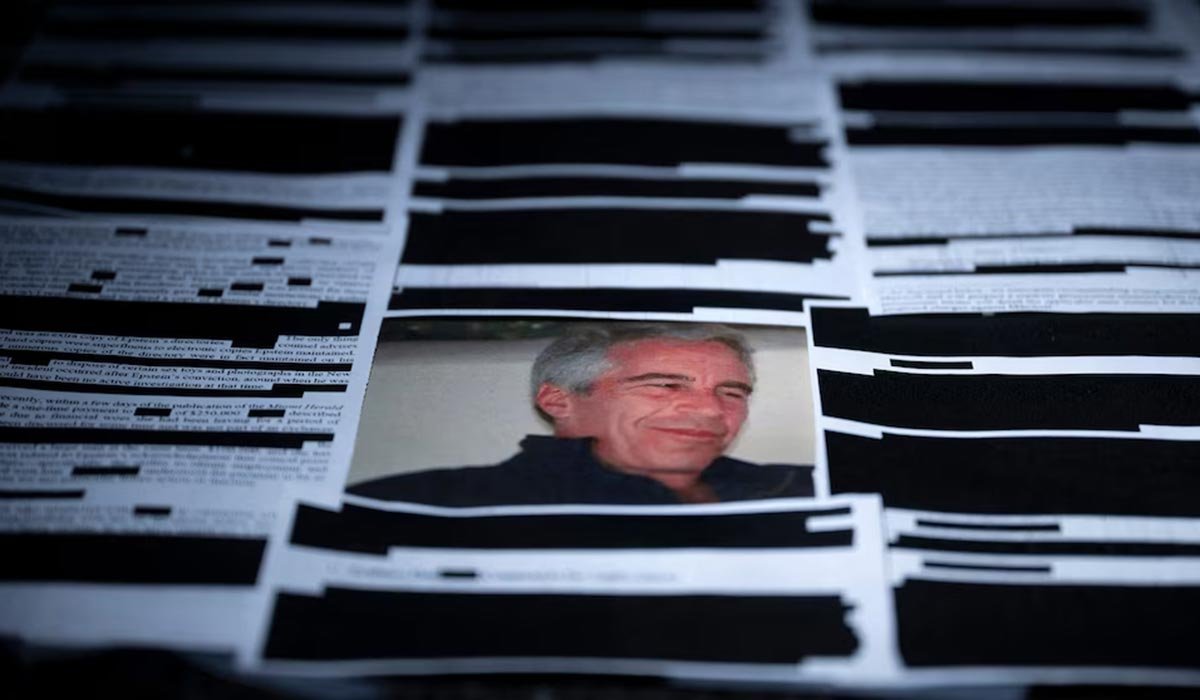

Judge Orders DOJ to Release More Unredacted Epstein Files
A federal judge has ordered the U.S. Department of Justice (DOJ) to release less-redacted versions of some files related to the late convicted sex offender Jeffrey Epstein or explain why the information remains withheld, siding with an independent journalist who challenged the department's handling of the records.
Get today's headlines by email 
Judge Questions DOJ Redactions
U.S. District Judge Emmet Sullivan ruled that the Trump administration likely violated the requirements of the Epstein Files Transparency Act by withholding parts of the documents. The lawsuit was brought by independent journalist Katie Phang, who argued that the government's redactions limited public access to information required under the law.
The judge gave the DOJ until July 2 to either disclose additional information or justify its decision to keep the material secret. Specifically, Sullivan ordered the department to identify the senders and recipients of certain emails and reveal the names of alleged co-conspirators that were removed from a draft indictment.
He also instructed the DOJ to produce a detailed log explaining every redaction made in the released records.
Interview Notes and Emails at Issue
Among the records covered by the ruling are the FBI's underlying interview notes involving a woman who accused President Donald Trump of assault. The allegations were never corroborated, and Trump has denied them. While the DOJ previously released summaries of some interviews, it had not disclosed the investigators' original notes.
The court also ordered the department to identify the participants in a series of emails discussing the recruitment of young women.
One 2015 email sent to Epstein stated: "The key are the 14 to 15 year old girls--i am a sexual pervert because i say they are now of a reproductive age?" Another message expressed sympathy over Epstein being labeled a sexual predator. A separate 2017 email referenced sending Epstein "her type of candidates" while comparing a young woman to the fictional character Lolita.
Transparency Lawsuit
Judge Sullivan rejected the DOJ's arguments for withholding the material, finding that Phang had demonstrated the type of harm Congress intended to prevent when it passed the transparency law.
In his ruling, Sullivan wrote that Phang had suffered from a lack of transparency and that releasing the requested information would assist her work as a journalist.
The Public Integrity Project, which represented Phang, welcomed the decision, saying it would provide greater public insight into Epstein and his associates. Attorney Brendan Ballou argued that the government had ignored congressional requirements to protect influential individuals.
Ongoing Debate Over Disclosure
The DOJ began releasing thousands of pages of Epstein-related records late last year after the Epstein Files Transparency Act took effect. However, lawmakers from both parties have questioned whether the department fully complied with the law, citing withheld documents and delays in releasing records.
Some Democratic lawmakers also criticized what they described as excessive redactions while arguing that the department failed to adequately protect the identities of some victims.
Acting Attorney General Todd Blanche has maintained that the DOJ has complied with the law, while acknowledging that millions of additional pages remain unreleased because they are either duplicates or contain explicit material that he says falls outside the law's disclosure requirements.
In April, the DOJ's internal watchdog announced an audit to examine the department's compliance with the transparency law.
Join the discussion? 
Already a member? 
 Adapted by ASEAN Now. Source 26 June 2026
Recommended Comments
Create an account or sign in to comment