



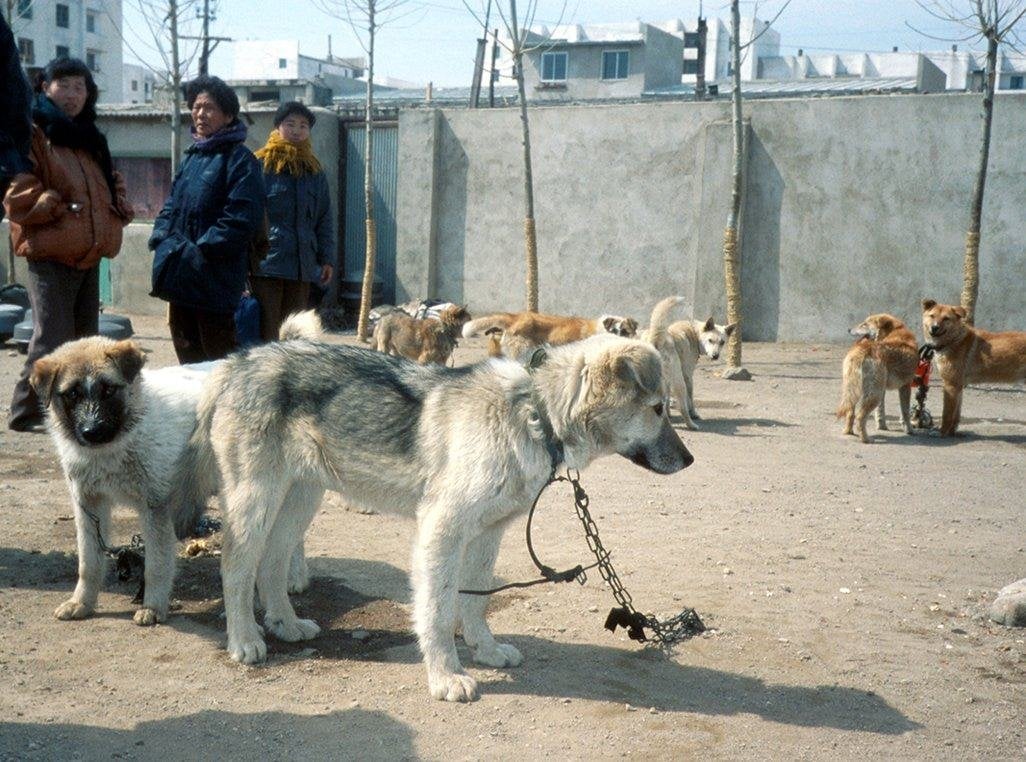

North Korea has advised citizens to eat dog meat soup to help them cope with high summer temperatures, as record heat grips the Korean peninsula.
In guidance published by state media, the ruling Workers’ Party newspaper Rodong Sinmun urged people to follow both food-based cooling measures and first-aid steps for heat-related illness, while warning that prolonged exposure to extreme temperatures can worsen certain health conditions.
Heat Advice From State Media
In an article published on Sunday, Rodong Sinmun shared recommendations for handling a heatwave. It said an interview with a senior doctor at Pyongyang General Hospital included cautions that heat exhaustion and heatstroke could aggravate cardiovascular disease, diabetes and hyperthyroidism.
The newspaper also suggested ways to cool the body through foods, recommending watermelon, mung beans and cucumbers.
For nutrition during the heat, it pointed readers towards “highly nutritious foods”, including dog meat soup, fish porridge and red bean porridge.
Dangogi Promoted As Cultural Tradition
Dog meat soup, known locally as dangogi guk, has been promoted by the North Korean authorities for years as a traditional health tonic, despite remaining out of reach for many residents because of its cost.
Ri Chol, a former North Korean diplomat, said dangogi is largely consumed on hot summer days to help people withstand heat exhaustion, but described it as “a pricey food” that is not affordable for many ordinary citizens.
Pyongyang has promoted dangogi for decades, including by opening upmarket speciality restaurants along the Taedong River and designating regional recipes as cultural heritage. The government has also held annual cooking competitions in the capital to raise the dish’s profile, presenting it as a patriotic way to endure summer conditions.
Advisories Across The Peninsula
In North Korea, authorities have been issuing multiple heat advisories as temperatures remain high. Since July 27, Pyongyang has experienced a run of tropical nights, with overnight temperatures staying above 25C.
The Korean Central Broadcasting Station reported on Monday that a “sweltering heat advisory” would stay in place until Sunday in most areas south of the country’s central region, and in parts of the north. It said daytime temperatures in these areas were expected to reach 33C to 35C, with average relative humidity above 70%.
A separate “high temperature advisory” has been issued through Saturday for Pyongyang, North Pyongan Province, parts of Jagang Province, and parts of the central and southern regions. Forecasts for those areas range from 35C to 40C.
The guidance from North Korean state media comes as conditions on the other side of the border also deteriorate.
South Korea Faces Severe Heatwave
South Korea is dealing with one of its most severe heatwaves in decades. Temperatures recently rose above 40C in parts of the country’s south-east, and forecasters said the extreme heat is moving towards the Seoul metropolitan area.
They attributed the lack of relief to weather patterns linked to Typhoon Dolphin, which is moving towards Japan. Forecasters said it is likely to intensify the heat rather than bring cooling.
Meteorologists believe the typhoon will be blocked by two large heat domes around the peninsula, allowing only hot, dry winds to reach South Korea. Kim Soo-hyeon, a forecaster at the Korea Meteorological Administration, said western regions are expected to become even hotter because of persistent easterly winds.
“As Typhoon Dolphin moves westwards from the waters north of Guam, the easterly winds are expected to persist, so temperatures in western regions are likely to remain high for the time being,” Kim said.
Policy Contrast With South Korea
North Korea’s promotion of dog meat soup contrasts with South Korean law changes. In 2024, South Korea passed legislation banning the breeding, slaughter, distribution and sale of dogs for human consumption.
The law allows a three-year grace period ending in February 2027, after which people found in violation face penalties including up to three years in prison or fines of up to 30 million South Korean won (US$22,000).
Join the discussion? 

4 August 2026
-
 1
1
-
 1
1
Recommended Comments
Create an account or sign in to comment