



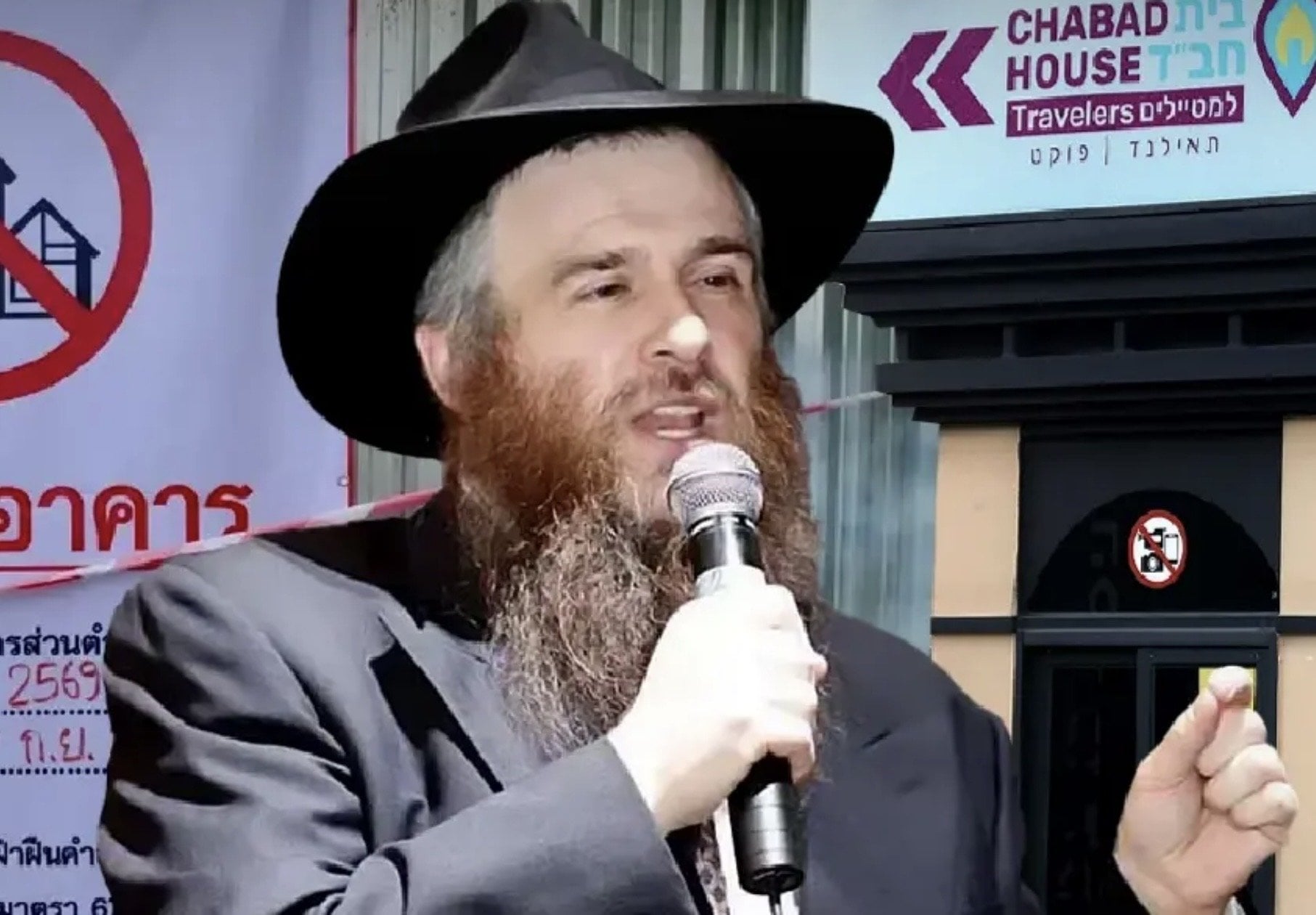

Thailand's Interior Ministry has expanded its investigation into Gan Chabad Co., Ltd. from a Jewish cemetery in Chachoengsao to land holdings, company structures and possible nominee arrangements involving dozens of linked businesses.
The inquiry began at a cemetery in Samet Tai subdistrict, Bang Khla district, and now involves the Commerce Ministry, Department of Special Investigation and Anti-Money Laundering Office. No finding of wrongdoing has been made against Gan Chabad, its directors or Rabbi Yosef Chaim Kantor.
Cemetery licence and land ownership
Deputy Interior Minister Polapee Suwunchwee visited the cemetery on September 11. Officials confirmed that the land was bought by Gan Chabad, which was licensed to operate the site when it opened about four to five years ago.
The licence was not renewed, although burials reportedly continued afterwards. Authorities are examining whether that amounted to a legal breach.
Polapee said three shareholders connected to the cemetery were born in Israel but later gained Thai citizenship. As Thai citizens, they were legally entitled to own land.
The wider case has attracted public attention during debate over some Israeli and Jewish community activities in Thailand. This includes opposition to a planned Jewish New Year event at Chabad Patong in Phuket, while activist Sondhi Limthongkul and the Reclaim Thailand group demonstrated outside the Israeli Embassy, calling for closer checks on foreigners accused of ignoring Thai laws and customs.
Up to 40 companies under examination
Gan Chabad was registered in March 2008 with capital of 30 million baht. Its stated business purposes include cemetery and crematorium services and property management.
According to a senior Interior Ministry source, the network linked to its directors may reach 40 companies, with combined turnover said to exceed 4 billion baht. The businesses reportedly include The Kosher Place (Thailand) Co., Ltd., tourism firms serving Israeli visitors, and businesses helping people travelling to Thailand for rehabilitation after illness or conflict-related experiences.
Investigators are seeking to establish whether the companies were legally formed and whether Thai nationals may have been used as nominees for foreign investors. Gan Chabad's three authorised directors hold Thai citizenship, making it a Thai legal entity; nominee concerns are being considered separately in relation to other firms.
Rabbi's citizenship process questioned
Kantor, a Gan Chabad founder and senior Chabad rabbi, has lived in Thailand since 1993. He and family members later received Thai citizenship, reportedly because of long residence and contributions to Thailand rather than marriage to Thai nationals. One of his sons is reportedly a Gan Chabad director.
Nation TV programme Khao Khon Khon Khao raised questions about the basis for those approvals. It noted that the Nationality Act BE 2508 (1965) generally requires 80,000 baht monthly income, three years of tax records, permanent residence and five consecutive years on a Thai house register, although exceptions can apply.
Join the discussion? 

14 September 2026
-
 2
2
-
 1
1
-
 1
1
Recommended Comments
Create an account or sign in to comment