



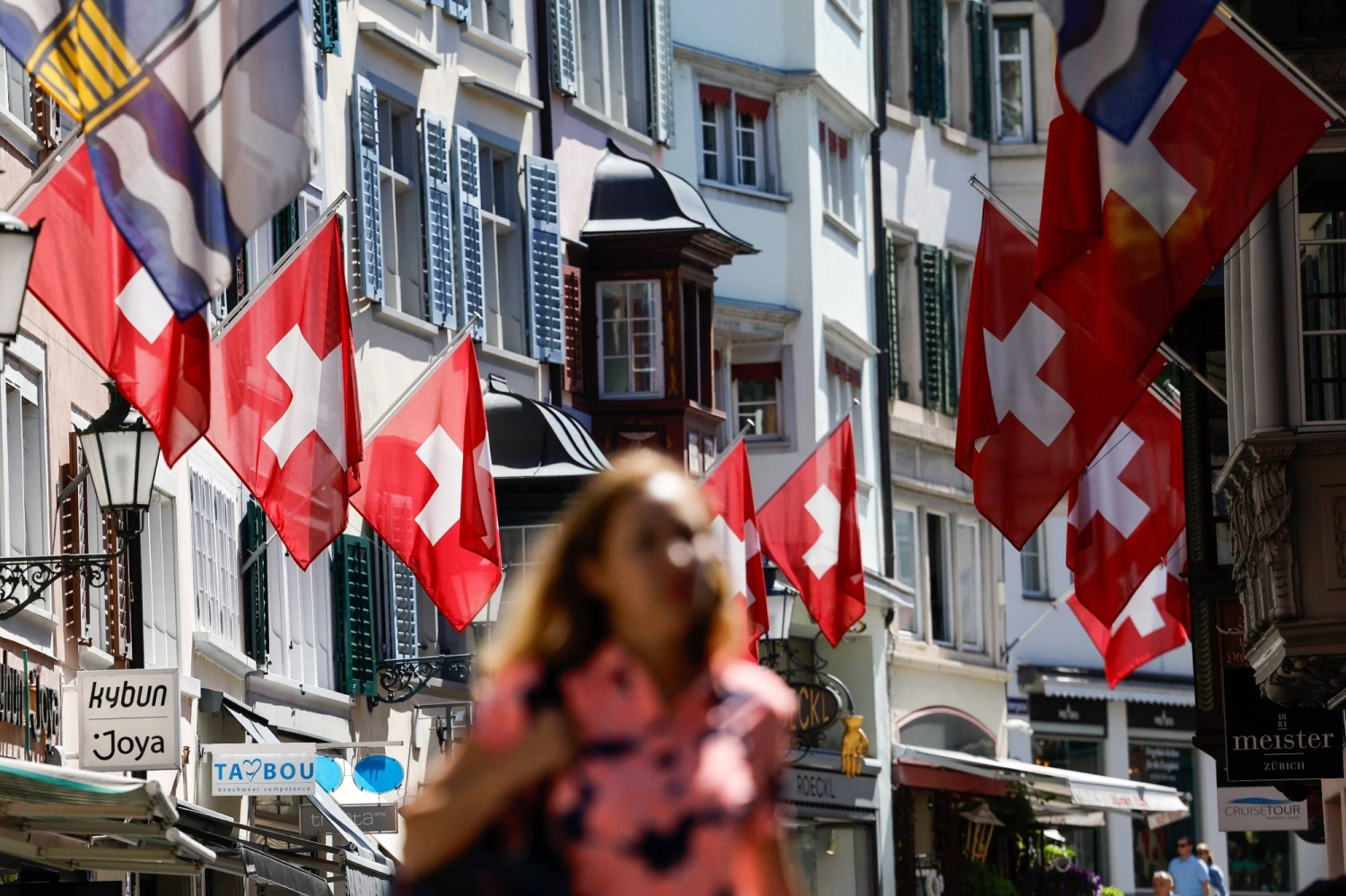

Swiss voters will head to the polls on Sunday to decide whether the country should impose a population cap of 10 million people, in a closely contested referendum that has exposed deep divisions over immigration, housing and Switzerland’s future relationship with Europe.
Get today's headlines by email 
The proposal, backed by the right-wing Swiss People's Party, is presented as a “sustainability initiative” designed to reduce pressure on housing, public services and the environment.
Population Growth at Centre of Referendum
Opponents, including the Swiss government, major political parties, business groups and trade unions, argue the measure would create economic disruption, worsen labour shortages and damage ties with the European Union.
Immigration Debate Divides Voters
Switzerland’s population has risen from 7.3 million in 2002 to 9.1 million today, with foreign residents accounting for around 27% of the population.
Supporters of the initiative say rapid population growth has contributed to housing shortages, crowded transport networks, rising healthcare costs and pressure on schools and social services.
Among them is local politician Nils Fiechter, who argues that immigration has become excessive and that Switzerland has lost control over population growth.
Critics reject that view. Helin Genis, a Social Democrat councillor in Bern, says migrants are being blamed for problems caused by broader policy decisions on housing, infrastructure and public investment.
Recent opinion polls suggest the result could be extremely close. Surveys indicate a narrow lead for the “No” campaign, with around 52% opposed and 45% in favour, while a significant share of voters remain undecided.
How the Population Cap Would Work
The proposal would require Switzerland’s population to remain below 10 million until 2050. The government would be instructed to take action once the population reaches 9.5 million.
Potential measures could include reducing asylum admissions and ending family reunification rights for foreign workers.
The initiative also states that if the population reaches 10 million, Switzerland would have to withdraw from international agreements that prevent enforcement of the cap. This could include ending participation in the EU’s free movement of people framework.
Economic and Diplomatic Concerns
Business groups warn that restricting immigration could create serious labour shortages.
Foreign workers play a major role in sectors including hospitality, healthcare and elder care. Employers argue that access to skilled workers from across Europe is vital for the Swiss economy, particularly as the country’s population ages.
Rudolf Minsch of Economiesuisse has warned that approving the initiative could complicate relations with the European Union, Switzerland’s largest trading partner.
Opponents also argue that Switzerland needs younger workers and taxpayers to help support a growing elderly population, with around one-fifth of residents now aged over 65.
Fears of Isolation
The referendum comes amid broader concerns about Switzerland’s international position. Despite its longstanding neutrality, the country has been moving towards closer defence cooperation with neighbouring states while facing economic pressures linked to global conflicts and trade disputes.
Social Democrat parliamentarian Jon Pult has warned that the initiative risks leaving Switzerland isolated at a time of growing international uncertainty.
Supporters dismiss such concerns, arguing that both Switzerland and the EU have strong incentives to maintain their existing economic relationship regardless of the vote’s outcome.
As campaigning enters its final hours, voters appear split between concerns over population growth and fears that tighter limits could weaken Switzerland’s economic and diplomatic standing.
Join the discussion? 
Already a member? 
 Adapted by ASEAN Now. Source 13 June 2026
Recommended Comments
Create an account or sign in to comment