



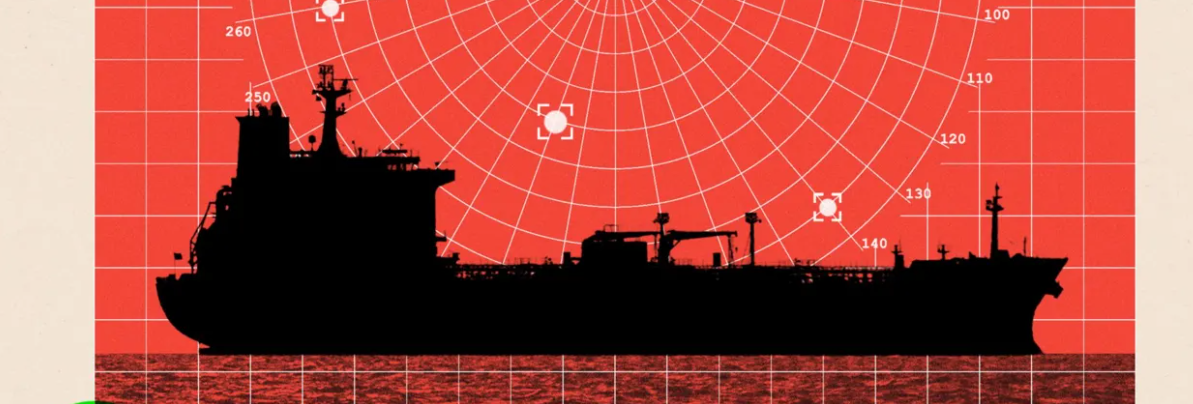

The issue of "ghost ships" in the English Channel has become a glaring concern. On 26 January, an email from a crew member aboard a tanker near Singapore revealed complaints about unpaid wages and mistreatment. The tanker, sailing under the name Beeta, was identified as the sanctioned American vessel Gale, implicating it in a broader problem of shadow fleets operating outside maritime regulations.
Get the latest headlines in your email 
The shadow fleet, comprising tankers transporting Russian and Iranian oil, has grown rapidly. Currently, it includes around 1,468 vessels, nearly triple its size following Russia’s 2019 invasion of Ukraine. These ships represent about 18-19% of the global tanker fleet and carry 17% of all seaborne crude oil.
These vessels, often called "ghost" or "zombie" ships, manipulate identification systems to evade detection. They frequently shut off their Automatic Identification Systems (AIS), making them difficult to track. Many of these ships are poorly maintained and use tactics like changing names, flags, and fake insurance to hide their true identities.
Denis, a Russian engineer, recounted his experience aboard a sanctioned tanker, Serena, revealing the poor conditions and deceptive practices common on these ships. He described damaged equipment and fraudulent inspection certifications, highlighting the perils faced by crew members. The lack of transparency around vessel ownership compounds these problems, making it challenging to address grievances or secure fair treatment for seafarers.
Zombie ships like the Gale illustrate the extreme measures taken to operate under sanctions. After being sanctioned, these ships disappear and reemerge with stolen identities and faked locations, as evidenced by technology onboard allowing them to spoof positions.
The broader geopolitical implications of these operations are significant. The trade of sanctioned oil contributes to international conflicts, prompting Western governments to seek solutions. The US's recent approach in Venezuela, seizing tankers to pressure President Nicolás Maduro's regime, underscores one method of dealing with these rogue vessels. This involved military operations to capture ships like Marinera, previously known as Bella 1, despite risks of international confrontation.
In Europe, there are signs of a shift towards more assertive actions against shadow vessels. France and the UK have engaged in operations to seize Russian-linked tankers, reflecting a growing willingness to intervene. However, the logistics of maintaining seized ships and dealing with their cargoes pose substantial challenges. Holding these tankers, especially older and environmentally risky ones, requires substantial resources and poses legal and ethical dilemmas.
The international effort has largely focused on bureaucratic measures, including sanctioning vessels and tightening regulations in countries that flag these ships. The European Commission has introduced rules necessitating proof of insurance for vessels entering EU waters. However, shadow fleet ships often evade such measures or alter courses when challenged.
Ultimately, the increasing number of ghost ships strains global resources and challenges maritime security. With suspicions of these vessels being involved in undersea cable sabotage or surveillance, national security concerns add urgency to addressing the problem. The coordinated warning issued by the UK and other Baltic and North Sea nations about AIS manipulation highlights the growing threat to maritime safety.
In conclusion, the issue of ghost ships in the English Channel requires a multifaceted approach, combining regulatory oversight, international cooperation, and potentially assertive actions. As the shadow fleet continues to grow, the need for vigilance and innovation in maritime policy becomes increasingly critical to ensure both maritime and national security.
Key Takeaways:
Shadow fleets evade sanctions by using deceptive practices.
Growing international effort to regulate and intercept these vessels.
National security concerns drive urgency for solutions.
Join the discussion? 
Already a member? 
 Adapted by ASEAN Now · Source · 12 Feb 2026
-
 1
1