




President Donald Trump has issued conflicting messages over the trajectory of the war with Iran, first suggesting a possible de-escalation before warning of severe new strikes on critical infrastructure. The shift has heightened uncertainty as the conflict enters its fourth week.
Get today's headlines by email 
Trump recently said he was considering “winding down” military operations, but within days threatened to “obliterate” Iranian power plants if key demands were not met. The rhetoric has added to concerns about the absence of a clear strategy or end goal.
A central focus remains the Strait of Hormuz, a vital route for global energy supplies. Shipping through the strait has sharply declined, contributing to rising oil prices and fears of broader economic disruption.
Strategic Pressure and Global Impact
The White House has pressed allies to help reopen the strait, though responses have been mixed. Trump has alternated between calling for support and criticising partners reluctant to join the conflict.
The potential consequences of further escalation are significant. Analysts warn that targeting Iran’s energy infrastructure could provoke a stronger military response and deepen the crisis. It could also trigger humanitarian challenges inside Iran, where essential services depend on stable power supplies.
US officials have defended the administration’s approach. Ambassador Mike Waltz said the president “stands by his red lines”, while Treasury Secretary Scott Bessent argued that escalation may be necessary to force de-escalation.
Criticism Over Lack of Strategy
Critics, including senior Democrats, say the administration has not outlined a coherent plan. Hakeem Jeffries warned that the conflict risks spiralling without a defined objective or exit strategy.
Polling suggests public concern is growing, with many Americans believing the war is not progressing well. Rising fuel costs and economic uncertainty are adding to domestic pressure.
Risk of Wider Conflict
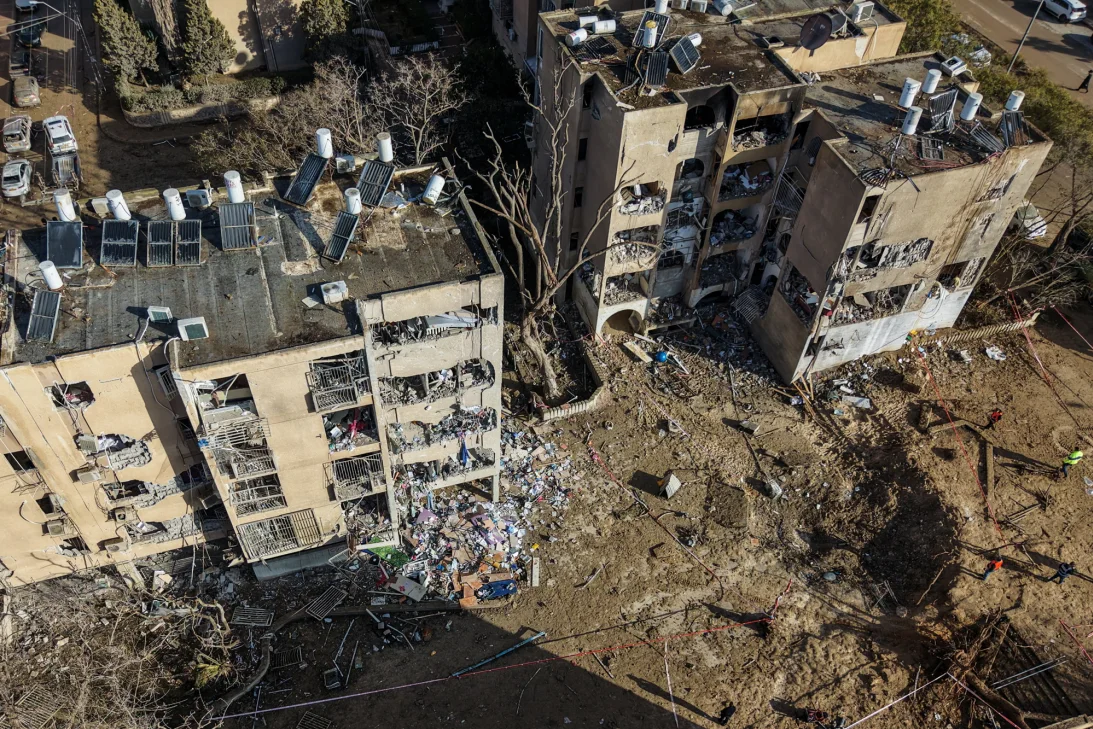
Despite sustained strikes, Iran has demonstrated continued military capability. Recent missile launches targeting Israeli territory and a US-UK base in the Indian Ocean underline the risk of further escalation.
Experts say Trump now faces a narrowing set of choices: escalate further, seek negotiations, or risk appearing to back down. Any decision could have far-reaching consequences for global stability and energy markets.
One former intelligence official described the situation bluntly: “We don’t have good options, only bad options.”
Join the discussion? 
Already a member? 
 Adapted by ASEAN Now. Source 23 March 2026