



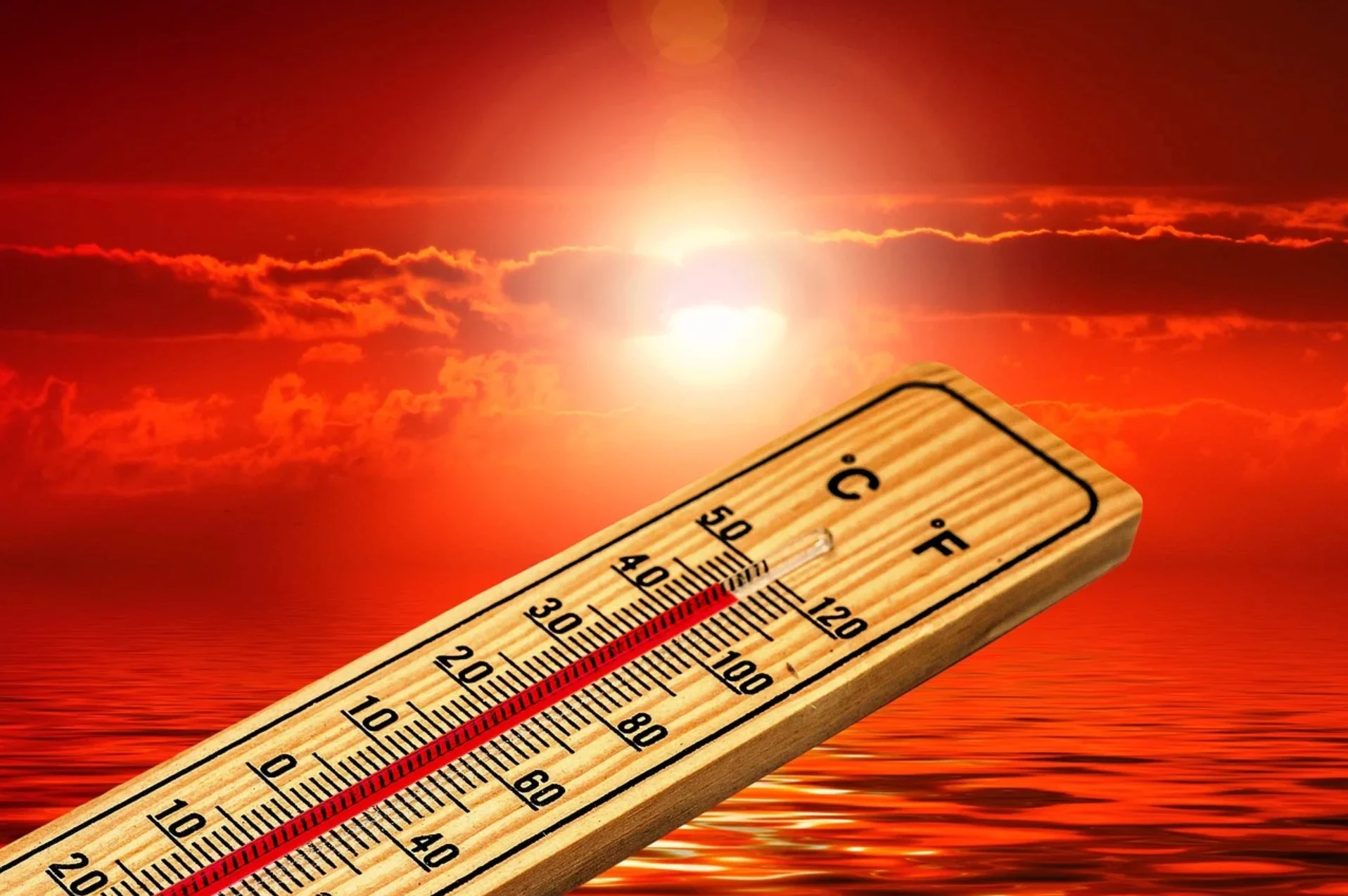

The United Nations’ weather agency has issued a stark warning that the Earth’s climate system is now more out of balance than at any point in modern records, raising concerns of further temperature extremes as an El Niño event approaches.
Get today's headlines by email 
According to the World Meteorological Organization, the planet is currently absorbing far more heat than it is releasing. This growing “energy imbalance” is largely driven by greenhouse gas emissions, particularly carbon dioxide, resulting from human activity.
Rising Heat Across Land And Oceans
The report highlights that this excess heat has contributed to record ocean temperatures, accelerating ice melt and intensifying climate impacts worldwide. More than 90% of the additional heat is absorbed by the oceans, where it contributes to rising sea levels, stronger storms and damage to marine ecosystems.
Global ocean heat content reached its highest level on record last year, continuing a trend that has seen warming in the upper ocean layers more than double compared with the late 20th century. At the same time, glaciers experienced one of their worst years on record, while sea ice levels at both the Arctic and Antarctic remained near historic lows for much of the year.
Temperatures Near Historic Highs
The past decade has been marked by unprecedented warmth. The WMO confirmed that the last 11 years have been the warmest since records began in 1850. In 2025, global temperatures were approximately 1.43°C above pre-industrial levels.
Although a temporary cooling phase linked to La Niña slightly moderated temperatures, last year still ranked among the three hottest on record.
Scientists say the overall warming trend remains consistent with long-term projections, though some now believe the pace of change may be accelerating.
El Niño Could Drive New Records
Attention is now turning to the Pacific Ocean, where forecasts suggest the possible return of El Niño later in 2026. This naturally occurring warming phase typically raises global temperatures and could amplify the effects of human-driven climate change.
Experts warn that if El Niño develops, it may push global temperatures to new highs into 2027.
Dr John Kennedy of the WMO said such a shift would likely result in “an increase in global temperature again, and potentially to new records”.
Calls For Urgent Action
UN Secretary-General António Guterres urged governments to accelerate the transition away from fossil fuels, warning that the situation has reached a critical point.
“Planet Earth is being pushed beyond its limits. Every key climate indicator is flashing red,” he said, calling for stronger action to ensure climate, energy and national security.
The report also links rising temperatures to more frequent extreme weather events and the spread of diseases such as dengue, underscoring the growing human and environmental costs of climate change.
Join the discussion? 
Already a member? 
 Adapted by ASEAN Now. Source 23 March 2026