



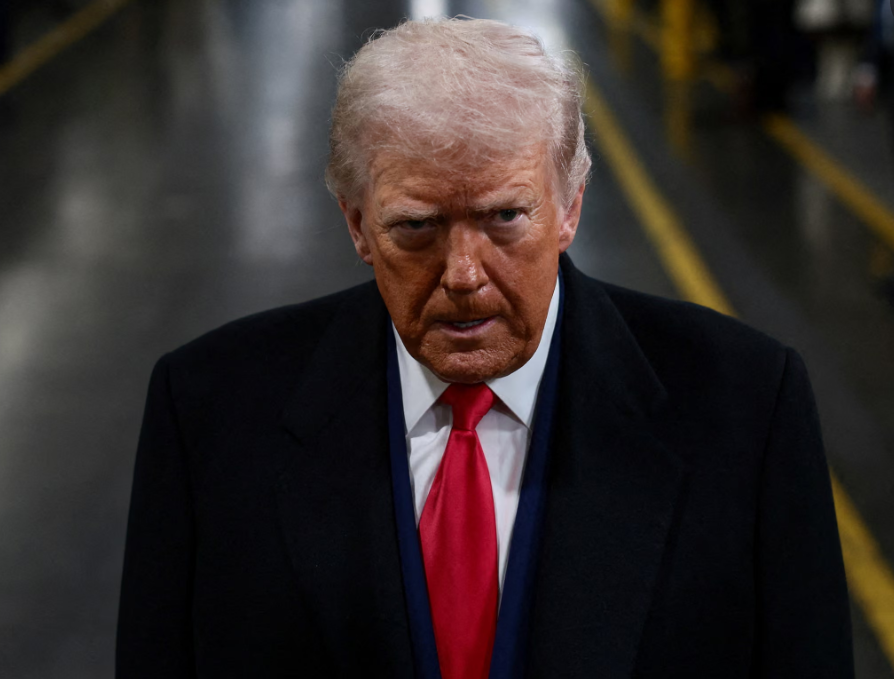

American democracy is on the verge of crisis, experts warn, as Donald Trump's second term hits its one-year mark. This dramatic shift has left historians and political scholars reeling with concern about whether the US can still claim its status as the world's oldest democracy. Have we moved into competitive authoritarianism?
In a year marked by unprecedented moves, Trump has shocked even seasoned observers. His actions—dismantling federal agencies, purging civil servants, and firing watchdogs—bear hallmarks of authoritarian regimes. Congress is increasingly sidelined, judicial rulings fiercely contested, and dissent quashed. Political opponents face persecution, marginalized groups are scapegoated, and repression of dissent becomes the norm.
Prominent scholars, including Steven Levitsky, have raised alarms about the US shifting to "competitive authoritarianism," where elections exist but disproportionally favor the ruling party. Is democracy in the US already past its tipping point? Or is there hope for a course correction?
Trump’s power grab faces fewer barriers than during his previous term. Republican critics have been eradicated from the political landscape, with remaining voices stifled by fear of reprisal. The bypassing of Congress on spending and war powers is worrisome, as are his contentious international moves that leave European allies scrambling to adapt.
Quantitative assessments paint a bleak picture. The "Bright Line Watch" initiative trails a severe decline in democratic health—down almost 30%. A collapse of this scale is rarely seen outside of coups. Nate Schenkkan cautions that distinguishing between mere partisan politics and disturbing authoritarian behaviors is crucial.
Trump's sweeping changes haven’t gone without criticism, but the White House rebuffs claims of authoritarianism. Abigail Jackson, a spokesperson, rebuts by asserting that Trump's re-election reflects fulfilling a popular mandate. Yet, experts challenge this narrative, highlighting significant drops in US democracy ratings.
Technocratic influences, like the appointment of Elon Musk, have further stirred fears about an oligarchic shift. Musk’s task of overhauling federal efficiency led to large-scale job cuts, alarming many and further distancing Trump from conventional autocratic strategies, which usually involve social safety expansions. Instead, cuts to public health and childcare programs provoke widespread criticism and concern for vulnerable communities.
Despite these unsettling developments, resistance persists. Protests, known as the "No Kings" rallies, rise against Trump's authoritarian tendencies. Legal avenues prove fruitful, with many Trump policies stalling or reversing in court battles spearheaded by organizations like the ACLU, sustaining hope for change.
The road ahead remains fraught as the 2026 midterms approach. Concerns heighten over potential manipulation of voting processes. Trump’s attempts to redraw congressional districts raise fears of entrenched gerrymandering, while increased military presence at polls as an intimidation tactic looms large. Experts urge sustained engagement and warn against complacency.
The divide in public opinion is stark, with a majority believing Trump’s policy impacts have been largely negative—cited by a recent CNN poll where 58% labeled his first year a failure. Yet, Trump supporters argue these changes are part of necessary reforms to “restore law and order.”
Moreover, the connection between Trump’s administration and tech billionaires raises additional alarms. Ruth Ben-Ghiat stresses that unlike typical oligarchs who influence from outside, Musk’s direct involvement within the government opens access to vital resources, including financial and data systems.
Traditionally autocratic regimes expand social services to buy loyalty; Trump’s approach diverges notably, contributing to growing dissatisfaction across socio-economic demographics. However, ongoing resistance—from protests to legal challenges—suggests a robust, albeit fraught, opposition intent on restoring democratic norms.
Looking forward, many scholars predict Trump's disregard for democratic norms will only intensify as elections near. The administration's aggressive stance toward peaceful protest and the manipulation of governmental agencies amplify fears of further authoritarian entrenchment. Yet, political scientists assert that democratic institutions must prove resilient through continued active engagement and voting.
In summary,
Trump’s presidency has tested the foundations of US democracy like never before. However, there remains a flicker of hope—expressed through legal resistance, organized protests, and the ballot box—that the tides might turn. As the narrative unfolds, the resilience of US democratic institutions and their ability to withstand these unprecedented challenges is a testament to their enduring strength.
Key Takeaways
Trump’s sweeping and authoritarian actions leave experts in shock, questioning the future of US democracy.
Democratic health declines sharply, but resistance through protests and courts remains strong.
Engaged citizenry and legal frameworks offer hope amid rising fears of authoritarianism.


Adapted by ASEAN Now from The Guardian 026-01-21


-
 1
1
-
 1
1