



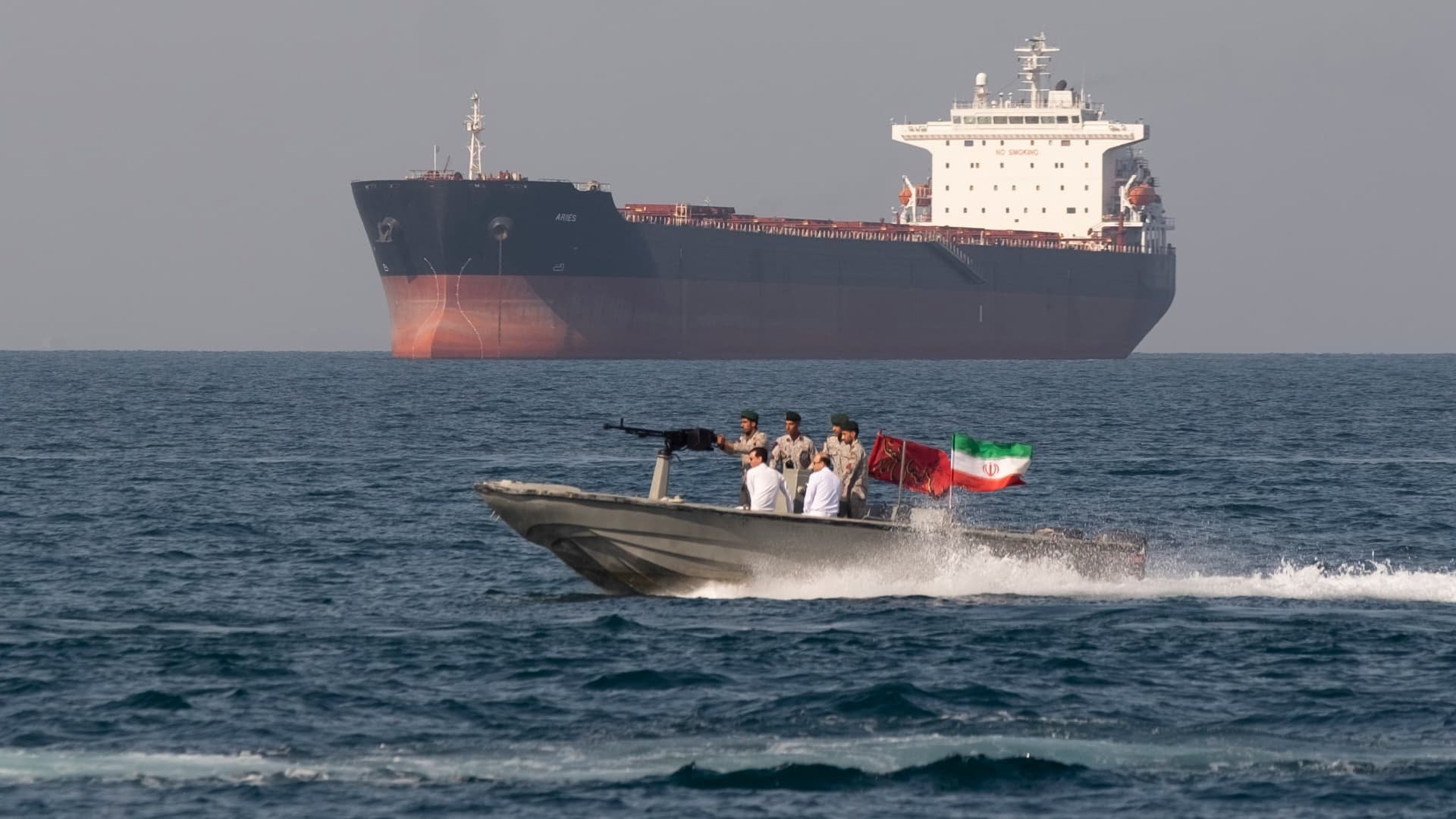

Recent US intelligence assessments conclude that Iran can effectively shut down the Strait of Hormuz whenever it chooses, giving Tehran a powerful tool to disrupt global trade and energy markets after the recent conflict, according to sources familiar with the findings.
Get today's headlines by email 
The assessments suggest Iran demonstrated its ability to block access to the strategic waterway during the war and could repeat the tactic in future crises, even if a framework agreement expected to be signed on Friday succeeds in reopening the route and launching new nuclear negotiations.
Iran's Strait Leverage Raises New US Concerns
One source familiar with the intelligence findings said the conflict had fundamentally changed Iran's calculations, describing control of the strait as a strategic asset with far-reaching economic consequences.
Military Capabilities Remain Intact
US officials believe Iran retains a substantial portion of its military arsenal, including missiles, drones, launch systems and hundreds of fast attack boats capable of harassing shipping or deploying naval mines.
According to sources, intelligence agencies have also observed Iran rebuilding parts of its military-industrial base faster than expected and restarting drone production.
The assessments further conclude that Iran learned it could use strikes against Gulf energy infrastructure as an effective asymmetric weapon, adding another source of leverage beyond direct military confrontation.
Although discussions have taken place about possible allied efforts to help secure the waterway after it reopens, officials remain uncertain about how such arrangements would operate.
Agreement Tied to Reopening the Waterway
A senior US official told CNN that Iran will receive no benefits from the framework agreement unless it keeps the strait open and complies with other commitments. The official said the United States would ease its blockade in proportion to Iran's restoration of maritime traffic.
Another source familiar with the negotiations said Iran's disruption of shipping had strained relations with China and Gulf states, highlighting the economic costs Tehran faces when interfering with global energy flows.
Even if the agreement is implemented, shipping experts and industry officials expect uncertainty to limit traffic through the chokepoint for weeks or months.
Concerns Over Wider Regional Disruption
US intelligence officials are also examining the possibility that Iran could seek to pressure global markets through another key trade route, the Bab-el-Mandeb Strait.
Sources said Tehran has considered using the Houthis in Yemen to disrupt traffic through the Red Sea gateway if negotiations with Washington collapse. Closing both Bab-el-Mandeb and the Strait of Hormuz would have severe consequences for global trade and energy supplies.
While officials noted the Houthis have so far refrained from broad attacks on Western shipping, expanding operations beyond Israeli-linked vessels would represent a major escalation.
Questions Over US Strategy
The assessments have renewed scrutiny of President Donald Trump's decision to launch military operations against Iran. Sources said the administration underestimated Tehran's willingness to close the Strait of Hormuz, partly because officials believed such a move would inflict greater harm on Iran than on the United States.
US officials also expected China to use its influence to discourage Tehran from taking that step.
Instead, intelligence agencies now believe Iran was emboldened by its ability to disrupt shipping and target regional energy infrastructure without exhausting significant military resources.
Some officials assess that Tehran is now more likely to consider closing the strait in future confrontations, particularly after demonstrating both the intent and capability to do so.
Trump said this week that the strait is already partially reopened and should be fully open by Friday when Washington and Tehran are expected to sign a memorandum of understanding. However, questions remain about how any agreement would prevent Iran from using the same tactic again in the future.
Join the discussion? 
Already a member? 
 Adapted by ASEAN Now. Source 17 June 2026
-
 1
1
Recommended Comments
Create an account or sign in to comment